Have you ever wondered why your motor isn't running smoothly or your AC unit suddenly stopped working? A faulty motor capacitor could be the culprit. The price of a motor capacitor can vary significantly depending on its type, rating, and where you purchase it. Let's delve into the intricacies of motor capacitors and their costs, helping you make informed decisions whether you're a homeowner or an industry professional.

Motor capacitors are essential components in single-phase AC motors, playing a crucial role in starting and running these motors efficiently. These capacitors are broadly categorized into three main types: start capacitors, run capacitors, and dual-run capacitors. Each type has unique characteristics, functions, and applications.
Understanding these differences is key to selecting the right capacitor for your motor and ensuring its proper operation.
| Capacitor Type | Function | Duty Cycle | Typical Applications |
|---|---|---|---|
| Start Capacitor | Provides high initial torque for motor startup | Intermittent | Washing machines, some power tools, and single phase motors |
| Run Capacitor | Maintains motor efficiency during continuous operation | Continuous | Air conditioners, refrigerators, fans, pumps, compressors |
| Dual-Run Capacitor | Provides starting torque and running current to dual-motor systems | Continuous | HVAC systems, air conditioning units |
The application of each type of capacitor is determined by its electrical properties and the operational needs of the motor. Start capacitors, run capacitors, and dual-run capacitors differ greatly in their construction, performance characteristics, and applications, and each type is selected specifically for these characteristics.
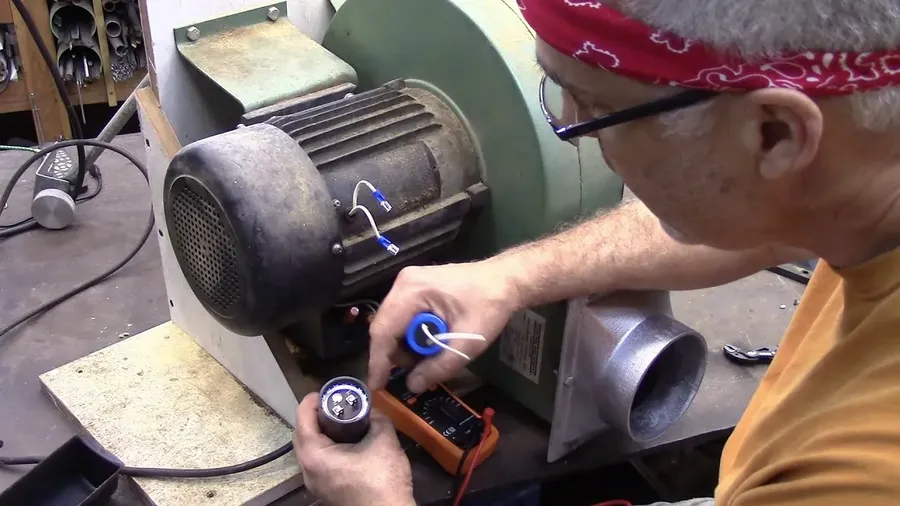
The price of a motor capacitor is not fixed; it varies based on several critical parameters. Understanding these factors is essential for selecting the correct capacitor and ensuring cost-effectiveness. Key determinants include capacitance, voltage rating, brand, and overall build quality.
| Factor | Impact on Price | Explanation |
|---|---|---|
| Capacitance (µF/MFD) | Directly Proportional | Higher capacitance requires more materials and complex manufacturing, leading to higher cost. |
| Voltage Rating | Directly Proportional | Higher voltage ratings need more robust components, resulting in higher prices. |
| Brand | Variable | Established brands usually charge more due to quality assurance and reputation. |
| Quality | Directly Proportional | Higher quality capacitors use superior materials and precision manufacturing, thus they are more expensive. |
| Type of Capacitor | Variable | Start capacitors tend to cost more than run capacitors and both types cost less than dual-run capacitors. |
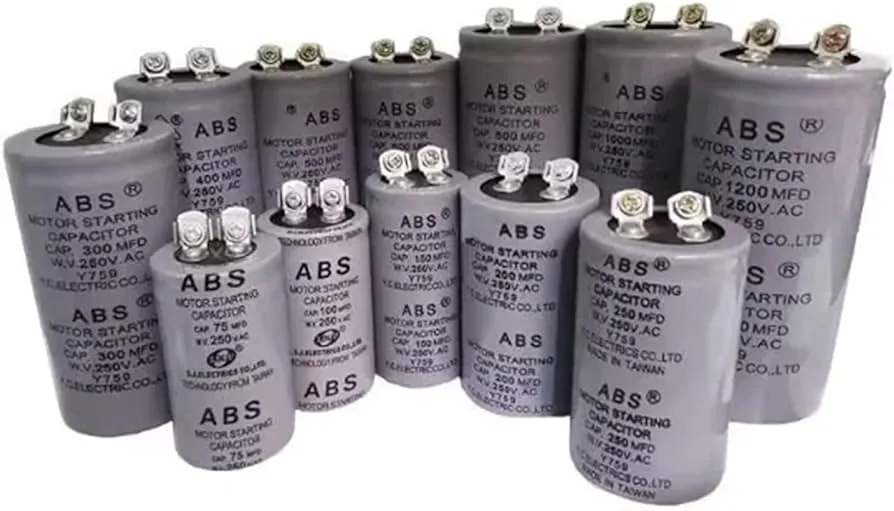
Understanding the typical cost of motor capacitors is essential for budgeting repairs or replacements. This section breaks down the average price ranges for different capacitor types—start, run, and dual-run—while also considering whether you purchase them from online retailers or local suppliers. These price ranges are approximate and can vary based on specific brands, quality, and immediate market conditions. Always verify with your selected supplier for an accurate quote.
Pricing of motor capacitors is influenced by various factors, but they generally follow predictable ranges based on their type and specifications. Here is an overview:
| Capacitor Type | Typical Capacitance (uF) | Typical Voltage (VAC) | Average Price Range (USD) | Common Applications |
|---|---|---|---|---|
| Start Capacitor | 20 - 500 | 125 - 330 | $5 - $25 | Motor starting; higher starting torque applications, such as compressors |
| Run Capacitor | 2 - 100 | 250 - 440 | $8 - $30 | Maintaining motor torque and efficiency during operation; AC units, fans, and pumps |
| Dual-Run Capacitor | Variable (e.g., 5+30 uF) | 370 - 440 | $15 - $45 | Combined run functions for fans and compressors in HVAC systems |
The prices of motor capacitors are influenced by several factors, including capacitance, voltage rating, brand, and the seller's mark-up. Run capacitors, essential for continuous motor operation, generally cost slightly more than start capacitors due to their more robust construction and continuous usage requirements. Dual-run capacitors, combining functions for two different motor components within a single unit, tend to have the highest cost.
When comparing online retailers such as Amazon and eBay with local suppliers, online prices may seem lower but don't always include expedited shipping. Local suppliers often offer immediate availability and expert advice, but their costs may be slightly higher to cover overhead.
It's advisable to get quotes from multiple sources. Factor in shipping costs when ordering online and the value of personal assistance or warranties that local retailers might provide.
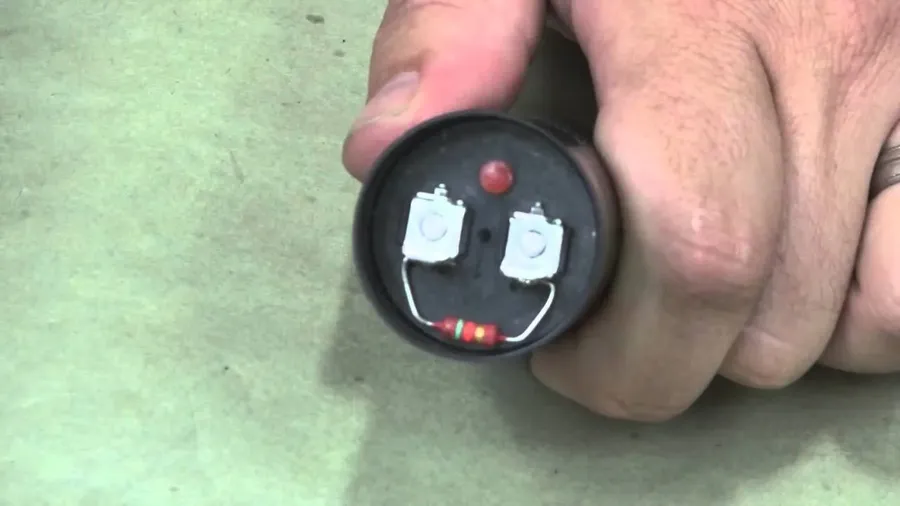
Replacing a motor capacitor can be approached as a DIY project or by hiring a professional. Understanding the cost implications of each approach is crucial for making an informed decision. This section breaks down the financial aspects of both options, highlighting the trade-offs between cost savings and the benefits of professional service.
The primary cost factor in a DIY replacement is the price of the capacitor itself. Professional replacements, however, include the cost of the capacitor plus labor charges and often a warranty on the service. The cost of a motor capacitor depends on various factors, like its type (start, run, or dual-run), capacitance (in microfarads, uF or MFD), voltage rating, and brand. DIY replacement involves a small upfront cost, but also carries the risk of improper installation and potential additional expenses down the line due to damage caused.
| Cost Factor | DIY Replacement | Professional Replacement |
|---|---|---|
| Capacitor Cost | Yes | Yes |
| Labor Cost | No | Yes |
| Diagnostic Cost | Potentially extra | Included in service |
| Warranty | No | Yes, on labor and parts |
| Risk of Incorrect Installation | High | Low |
| Time Investment | Your time | Minimal |
Professional service also includes the diagnostic process, ensuring the correct capacitor is chosen and installed properly. Incorrect capacitor selection or faulty installation can lead to further damage, requiring additional repairs. Therefore, while a DIY approach may seem less expensive initially, it's essential to consider the potential hidden costs and risks involved.
Let's consider an example. If a motor capacitor replacement by professional costs approximately $150 to $300 on average. If DIY replacement cost about $20-$50 and takes 2 hours, the hourly cost of labor is $75 to $125. In this case, the labor costs significantly outweights the material cost, suggesting that professional replacement may be cost-effective because it provides assurance and reduces time cost.
This section addresses common questions regarding motor capacitors, their functionality, and pricing. Understanding these FAQs will help users make informed decisions about maintenance and replacement.
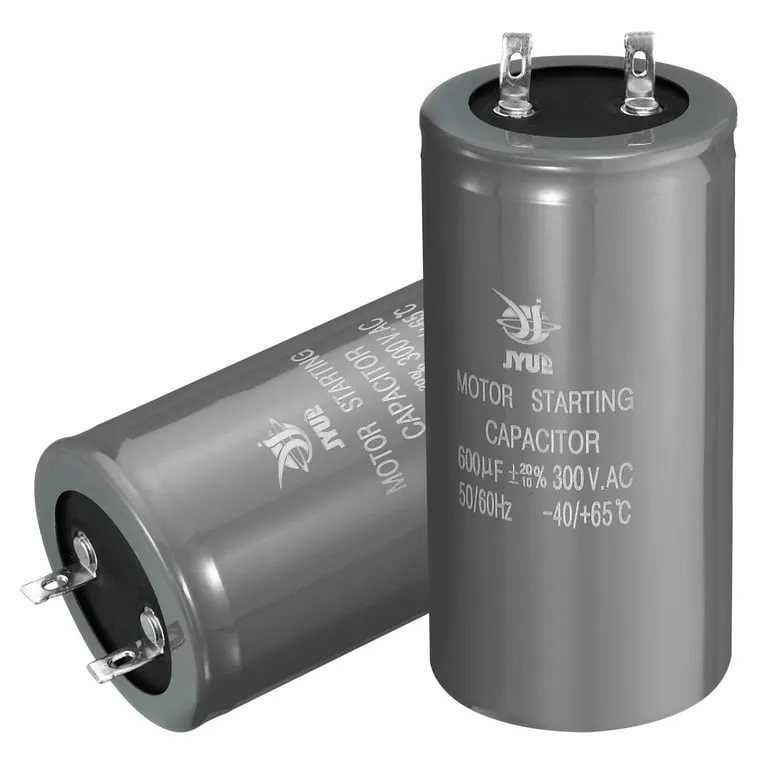
Purchasing motor capacitors requires consideration of various factors, including price, availability, and reliability. This section explores the advantages and disadvantages of buying from online retailers versus local suppliers, aiding informed decision-making.
The purchasing landscape for motor capacitors offers two primary avenues: online marketplaces and local electronic supply stores. Each has its unique benefits and drawbacks.
| Feature | Online Retailers | Local Retailers |
|---|---|---|
| Selection | Vast, wide range of options | Limited to stock on hand |
| Price | Often more competitive due to overhead | Potentially higher due to physical location costs |
| Availability | Typically requires shipping, delays possible | Immediate purchase in most cases |
| Expertise | Limited to online product details and reviews | May have in-store experts to assist and troubleshoot |
| Returns | Easy return process, but may have restocking fees. | May not have same return policies. |
| Warranty | Warranty terms are often from third-party seller | Manufacturer warranty is usually provided |
Choosing between online and local options should be based on specific needs. If price and variety are top priorities, online retailers are a strong choice, if immediate availability and the ability to physically inspect components are needed, local electronic supply stores are recommended.
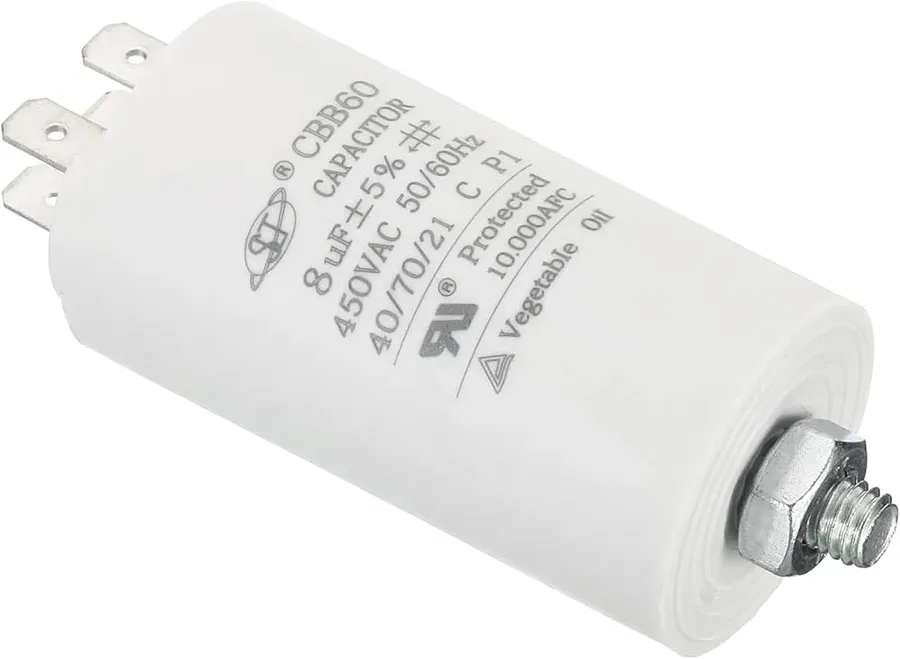
Maximizing the lifespan of your motor capacitor not only saves you money but also ensures the reliable operation of your equipment. Proper maintenance and preventative measures are key to avoiding premature failure. This section outlines practical steps you can take to extend the life of these critical components.
A capacitor’s operational life is influenced by various factors, including the environmental conditions, the quality of the component, and the operating conditions it is subjected to. Implementing preventative measures can mitigate some of these risks.
By following these guidelines, you can significantly prolong the operational life of your motor capacitors, reducing the need for frequent replacements and ensuring that your equipment continues to function optimally. Regularly scheduled maintenance is cheaper than unexpected downtime.
This section provides a detailed comparison table outlining the average price range of various motor capacitor types, offering a quick reference guide for decision-making. The table includes common types such as Run, Start, and Dual-Run capacitors, along with their typical voltage ratings, including 125VAC, 250VAC, 370VAC, and 440VAC, providing a snapshot of the market.
| Capacitor Type | Typical Voltage Ratings (VAC) | Capacitance Range (µF) | Average Price Range (USD) |
|---|---|---|---|
| Run Capacitor | 125, 250, 370, 440 | 2.5 - 100 | $8 - $30 |
| Start Capacitor | 125, 250, 330 | 20 - 500 | $10 - $40 |
| Dual Run Capacitor | 250, 370, 440 | 5/30 - 12.5/45 | $15 - $50 |
The prices listed are approximate and can vary based on brand, quality, and specific capacitance values. Consider these ranges as a starting point when evaluating your options.
Identifying a failing motor capacitor early can prevent more significant motor damage and costly repairs. This section provides guidance on recognizing the symptoms of a failing capacitor and basic troubleshooting steps, including how to use a multimeter for testing.
The primary function of a motor capacitor is to provide the necessary electrical boost during motor startup and smooth operation, and when it fails, a series of symptoms may become apparent.
Before assuming a capacitor failure, always ensure the power is off and follow safety procedures. Testing the capacitor using a multimeter is a straightforward process that can definitively determine its condition.
While these tests can help you identify a bad capacitor, it's crucial to be aware that not all failures are easily detectable. Capacitors can also fail gradually, leading to decreased motor performance over time, and sometimes the damage is internal and not visible. If you're not comfortable with electrical troubleshooting, it's always best to consult a professional technician. They have the necessary equipment and knowledge to diagnose the issue accurately.
Regular inspection of your motor capacitor can save on costly repairs. Pay close attention to any changes in motor performance, and if you suspect an issue, consult a professional. Regular maintenance of a motor will extend the life of the motor capacitor, and save you money in the long run.
Understanding motor capacitor price and their functions is crucial for maintaining your motor-driven appliances and equipment. From identifying the right type of capacitor for your needs to weighing the cost of DIY vs professional replacement, careful consideration can save you time and money. Remember that proper maintenance and timely replacement, with the price of motor capacitors ranging from single digits to over one hundred dollars depending on the specs, are vital to extending the life of your motors and ensuring the smooth operation of your appliances and equipment. This knowledge empowers you to make informed decisions when it comes to repairs and maintenance.

