Microwaves, the kitchen workhorses, rely on high-voltage capacitors to generate the heat we need for quick meals. Have you ever wondered about the microwave capacitor price and how it factors into repair costs? This article delves into the world of microwave capacitors, exploring their function, costs, and the factors that influence their price, bridging the gap between your daily kitchen routine and the engineering that makes it possible.
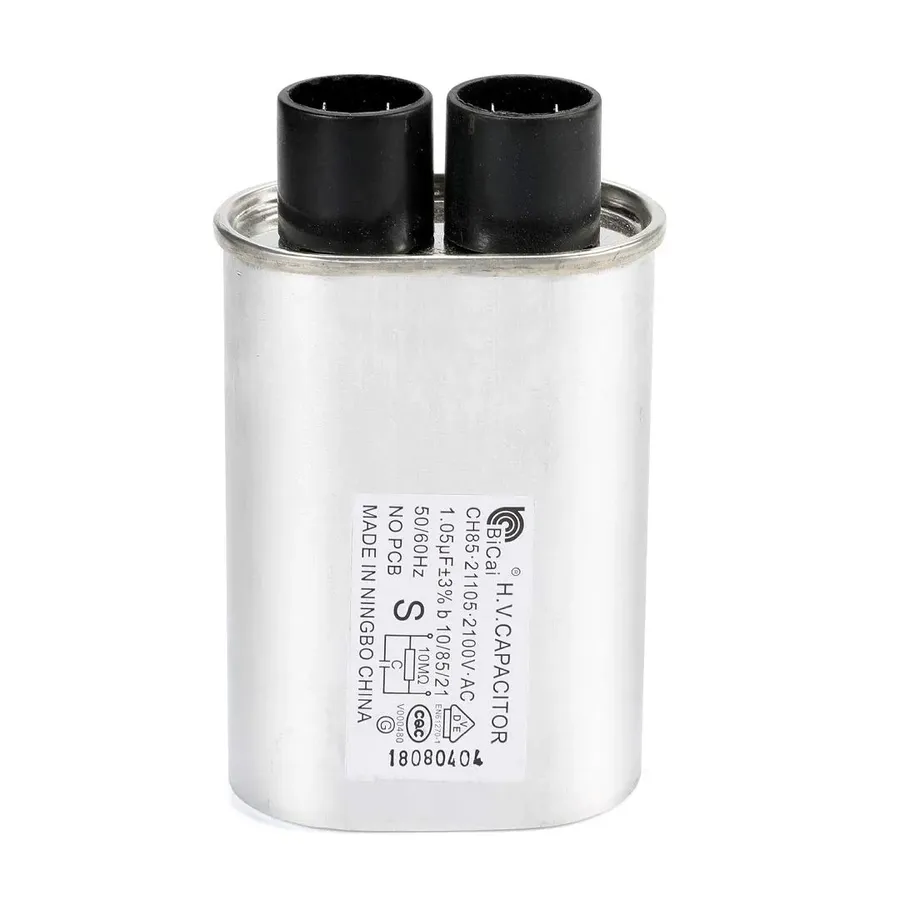
Microwave capacitors are high-voltage components crucial for the operation of microwave ovens. They function as energy storage devices, working in conjunction with the magnetron to generate the microwaves that cook food. These capacitors are not like the low-voltage capacitors found in other electronics; their design and operational characteristics are specific to the demands of microwave ovens.
Here's a breakdown of their core functions:
The high-voltage nature of microwave capacitors makes them a critical and potentially dangerous component. They are designed to withstand extremely high voltages (typically around 2100 VAC) and hold a considerable amount of energy even after the microwave has been turned off. For this reason, it is essential to exercise caution and proper procedures when handling or replacing microwave capacitors. The capacitance value of these capacitors, measured in microfarads (µF), is typically quite low, ranging from 0.8 to 1.2 µF, with the common type being 0.95-1.1 µF.
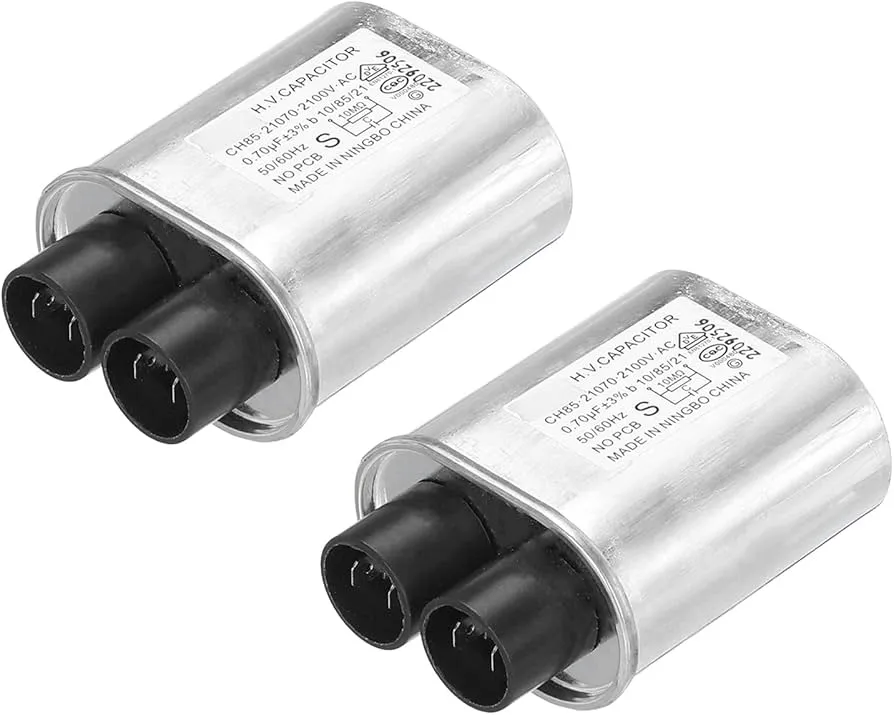
The price of a microwave capacitor is not arbitrary; it's determined by several key factors tied to its performance and construction. Understanding these influences allows for a more informed purchasing decision.
It's important to balance price and quality when choosing a microwave capacitor. While cheaper options may seem attractive, they often sacrifice quality and longevity, which can lead to more frequent replacements and potential safety risks.
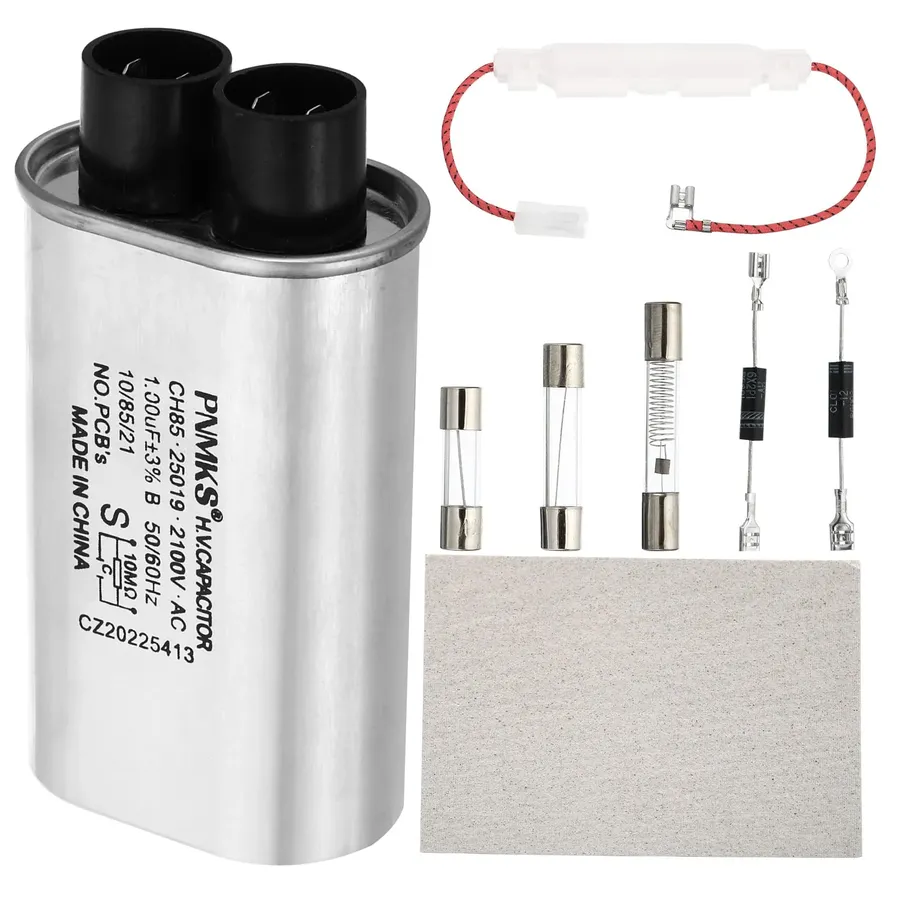
The cost of microwave capacitors can vary considerably depending on where you purchase them. This section compares prices from major retailers and specialty suppliers, highlighting common price ranges and differences to assist in making an informed purchasing decision. Prices are subject to change based on market conditions and retailer promotions.
| Retailer | Price Range (USD) | Typical Brands | Shipping Cost | Return Policy |
|---|---|---|---|---|
| Amazon | $8 - $25 | Various, including generic and OEM brands | Varies, often free over a certain amount or with Prime | Generally good, often 30-day return policy |
| Walmart | $10 - $20 | Generic brands, occasionally OEM | Free on orders above $35 or pickup | Standard return policy within 90 days |
| eBay | $5 - $30 | Wide range of brands, including used options | Varies significantly based on seller | Varies widely based on seller, carefully review before purchasing |
| Specialized Parts Suppliers (e.g., AppliancePartsPros) | $15 - $40 | Mostly OEM and reputable brands | Usually varies by weight and distance | Often accepts returns with restocking fees |
Analyzing the table, we can see that eBay tends to have the lowest price points but comes with variability in shipping costs and return policies. Amazon and Walmart offer a balance of price and customer service. Specialized parts suppliers generally offer higher prices, but often come with a higher quality and guarantee.
When purchasing a microwave capacitor, do consider factors such as brand reputation, warranty, and customer reviews to make sure that you are getting a safe and reliable replacement part. Be sure to match the capacitor’s specifications with what your microwave requires.

The price of a high-voltage microwave capacitor is directly linked to its specifications. These components, essential for powering the magnetron in a microwave oven, must handle substantial voltage and store sufficient electrical energy. This section details the typical specifications of high-voltage capacitors used in microwaves, along with price ranges, brands, and other unique identifiers to assist in selecting a suitable replacement.
| Capacitance (µF) | Voltage Rating (VAC) | Brand/Supplier | Typical Price Range (USD) | Unique Identifiers | Common Microwave Brands Used In |
|---|---|---|---|---|---|
| 0.8 | 2100 | Generic/Various | 8 - 15 | CBB65-0821 | Most models |
| 0.9 | 2100 | Samsung | 12 - 20 | CL21-0921 | Samsung |
| 0.95 | 2100 | Panasonic/Various | 10 - 18 | CH85-09521 | Panasonic |
| 1.0 | 2100 | LG | 13 - 22 | CH85-1021 | LG |
| 1.05 | 2100 | Whirlpool | 15 - 25 | CL21-10521 | Whirlpool |
| 1.1 | 2100 | Generic/Various | 9 - 17 | CBB65-1121 | Most models |
Note: Prices can fluctuate based on availability and supplier. Unique identifiers can include model numbers, date codes, or production batch numbers. Always verify compatibility with your specific microwave model before purchasing a capacitor. The brand or supplier here indicates where the capacitor can be bought or which microwave brands often use a certain type, but these are general observations.
Deciding whether to replace a faulty microwave capacitor yourself or hire a professional is a critical consideration involving safety, cost, and technical expertise. This section will analyze the advantages and disadvantages of both approaches to empower you to make an informed decision.
Replacing a microwave capacitor is not as straightforward as many home repairs due to the high-voltage nature of the component, which poses a significant risk of electric shock. Before attempting any repair, ensure the microwave is unplugged and the capacitor is properly discharged to avoid injury. A multimeter can be useful to confirm discharge. Refer to safety procedures outlined in professional repair manuals.
| Aspect | DIY Replacement | Professional Repair |
|---|---|---|
| Cost | Lower initial cost (parts only) | Higher cost (parts and labor) |
| Safety | Significant risk of electric shock if not performed correctly. | Lower risk of electric shock, professionals trained in safety protocols. |
| Time | Can be time-consuming if inexperienced, requires careful research and proper discharge of the capacitor. | Typically quicker, as professionals have experience and specialized tools. |
| Technical Skills | Requires basic electrical knowledge, ability to discharge high voltage capacitor, ability to follow instructions carefully. | Requires no technical skills, professionals provide expertise and experience. |
| Tools Required | Requires basic tools, including insulated screwdrivers, multimeter, and discharge tools. | Requires no tools, professionals provide all the necessary tools. |
| Warranty | No warranty on labor, and typically parts are only warrantied for manufacturer defect, may void microwave warranty if not properly handled. | May offer warranty on parts and labor. |
| Convenience | Involves DIY efforts to learn the repair process and procure parts. | Generally more convenient, requires scheduling the service. |
The most significant advantage of DIY replacement is cost savings. You only pay for the replacement capacitor, potentially saving on labor costs. However, this comes with the responsibility of understanding proper high voltage capacitor discharging and safe handling procedures. The lack of warranty for DIY work may lead to additional costs if the repair is unsuccessful or if further damage is caused during the process.
Conversely, professional repair provides expertise, specialized tools, and a warranty, reducing the risk of personal injury or further damage to the microwave. Professionals are trained in handling high-voltage components safely and correctly. However, this comes at a higher cost and may require scheduling an appointment, which is less convenient than a DIY approach.
Ultimately, the decision between DIY replacement and professional repair depends on your comfort level with electrical work, your technical skills, and your budget. If you are not comfortable working with high-voltage components or lack the necessary knowledge and tools, it is highly recommended to seek professional assistance.
This section addresses common queries regarding microwave capacitors, providing insights into their failure modes, safe testing procedures, and expected lifespan. Understanding these aspects is crucial for ensuring both the longevity of your microwave and your safety when dealing with its components.
Purchasing a microwave capacitor requires careful consideration of both online and local options. The choice depends largely on your needs for convenience, cost, and urgency. This section provides a balanced overview to assist in your decision-making.
Online retailers offer a vast selection, often at competitive prices, while local stores provide immediate access and the potential for in-person guidance. Each option has distinct advantages and disadvantages, which are outlined below.
| Factor | Online Retailers | Local Stores |
|---|---|---|
| Selection | Very wide, including various brands and specifications | Limited to commonly used types and brands |
| Price | Often competitive, frequent sales and discounts | Generally higher due to overhead costs |
| Shipping Time | Varies depending on the seller; can range from next-day to several days | Immediate availability |
| Return Policy | Usually good; governed by retailer policies, often easy returns | Varies greatly; might be difficult with appliance repair shops |
| Guarantees | Often available, especially from major retailers, warranties may vary | Limited; warranties might not be included or may be difficult to process |
| Expertise | Limited direct access to expert guidance; must rely on customer reviews and online resources | Potential for in-person advice and help from sales associates or technicians |
| Convenience | Shopping from the comfort of your home or office, 24/7 access | Requires physical travel to the store during business hours |
**Authoritative Source:** Major online retailers, such as Amazon and eBay, are widely recognized for their extensive product ranges and customer support, as referenced in numerous consumer reports. Additionally, specialized electronics suppliers offer components that adhere to industry standards.
When choosing between online and local options, consider the following:
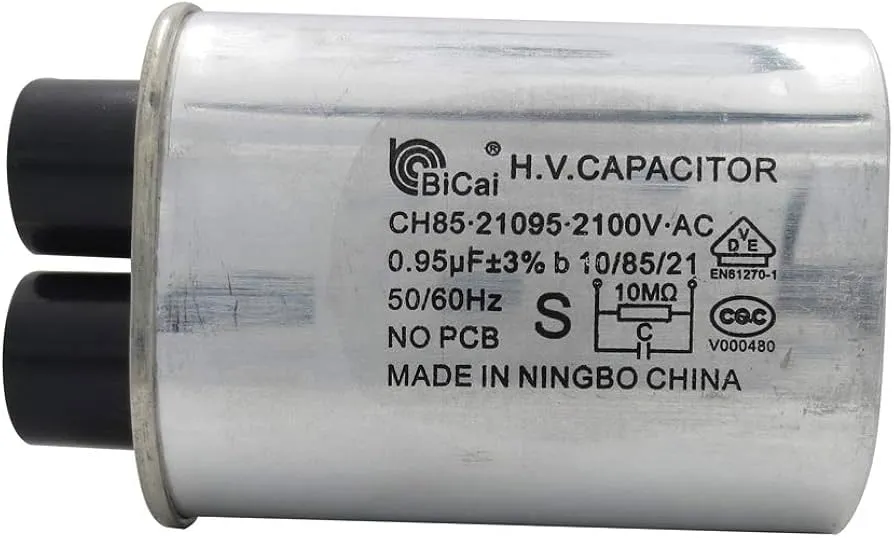
Selecting the correct replacement microwave capacitor is crucial for ensuring the safe and efficient operation of your appliance. Mismatched components can lead to malfunction, damage, or even pose a safety hazard. This section provides a guide to accurately identify the appropriate capacitor for your specific microwave model, including instructions for locating its specifications.
The process involves several key steps, primarily focusing on information readily available on the capacitor itself or within your microwave's documentation. This process is largely universal across different brands such as Whirlpool, Samsung, and LG, but you should always verify for model-specific instructions.
If you are unable to locate the part number or specifications from the methods above, you can search online using the microwave model number. Many part suppliers provide online databases where you can look up the capacitor based on the model.
By following these steps carefully, you can ensure you acquire the correct replacement capacitor for your microwave model, restoring its functionality safely and efficiently. Always prioritize safety and when in doubt, seek help from a qualified technician.
Understanding microwave capacitor prices is crucial for both DIY enthusiasts and those seeking professional appliance repair. Prices can vary significantly based on the specifications, brand, and retailer. By making informed choices about purchasing and installation, you can ensure efficient microwave operation while managing repair costs. Whether you're looking at a basic replacement or a high-end part, knowing the factors influencing the microwave capacitor price will help you choose wisely.

