Understanding Polarized Capacitors: Types, Applications, and Safe Usage
2025.01.24
In our increasingly electrified world, the humble capacitor plays a pivotal role in countless devices, from smartphones to industrial machinery. Among the various types of capacitors, the polarized capacitor, particularly the electrolytic capacitor, stands out for its unique characteristics and specific applications. Unlike its non-polarized counterpart, the polarized capacitor has a designated positive and negative terminal, demanding careful attention during circuit design and assembly. Understanding its behavior is not just crucial for engineers, but also for anyone seeking a deeper understanding of electronics, ensuring we safely harness the power behind our everyday technology.
What is a Polarized Capacitor?
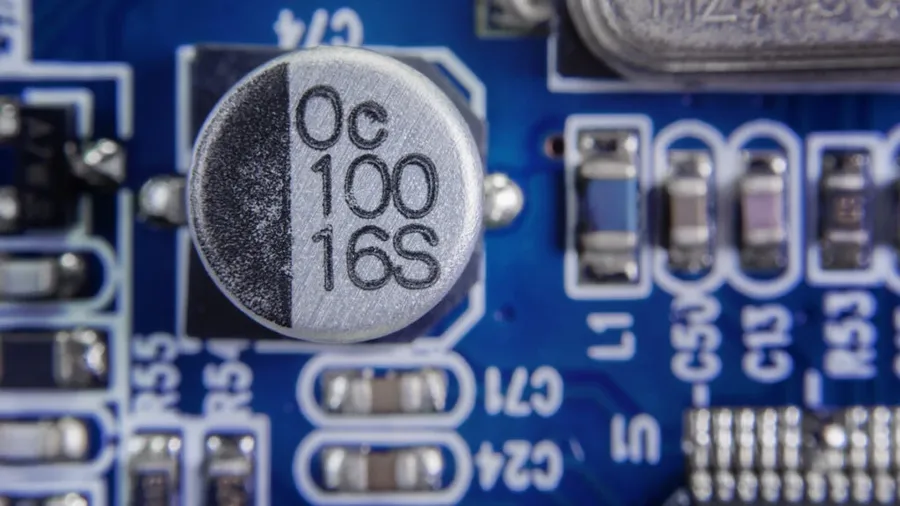
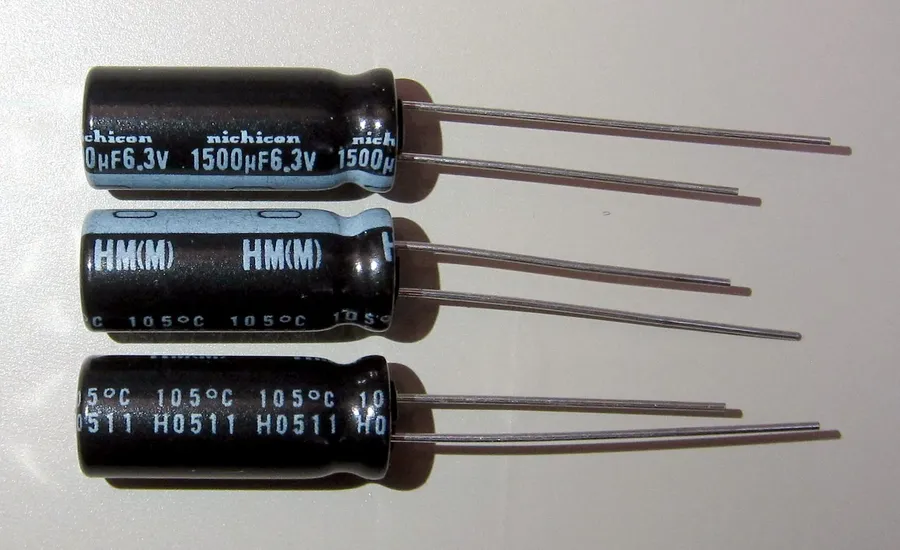
Electrolytic Capacitor Close Up
A polarized capacitor is a type of capacitor characterized by its asymmetrical construction, requiring a specific polarity for correct operation. This asymmetry stems from its internal design, which is optimized for unidirectional current flow, unlike non-polarized capacitors. The most prevalent form of polarized capacitor is the electrolytic capacitor, distinguished by the use of an electrolyte to achieve high capacitance values. The electrolyte, acting as a conductive medium, is crucial for the capacitor’s functionality and also imparts its polarity sensitivity.
Types of Polarized Capacitors
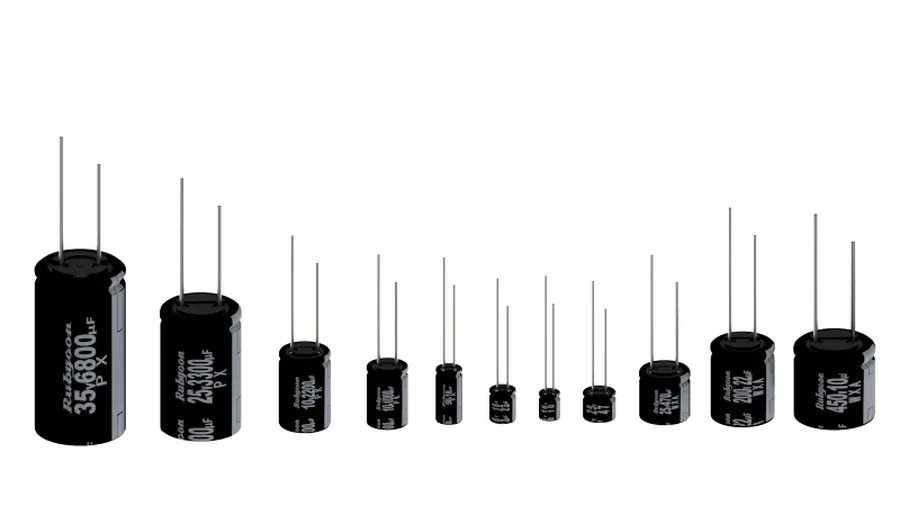
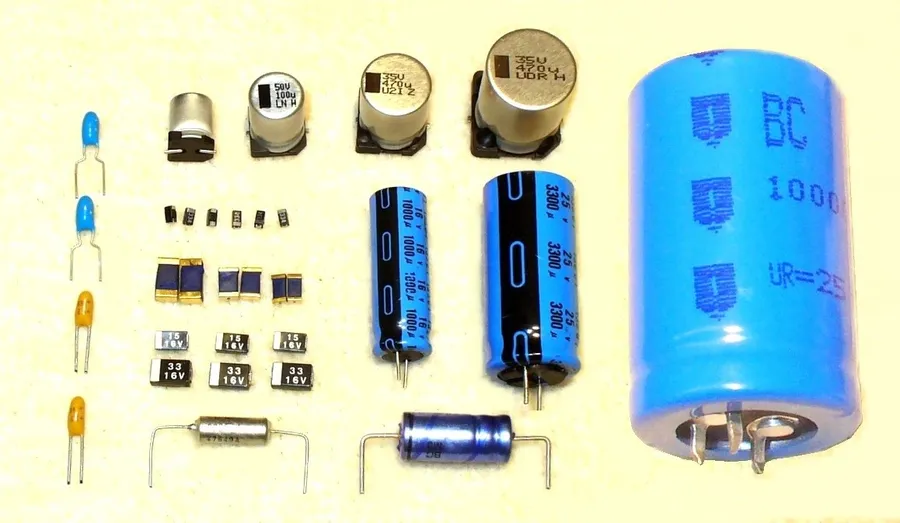
Various Electrolytic Capacitors
Polarized capacitors, distinguished by their asymmetrical design requiring correct polarity during circuit integration, are primarily realized through electrolytic technology. Within this category, aluminum, tantalum, and niobium electrolytic capacitors stand out, each with unique characteristics influencing their application domains.
Capacitor Type
Electrolyte Material
Capacitance Range
Voltage Rating
Advantages
Disadvantages
Typical Applications
Aluminum Electrolytic
Liquid or Solid
High (µF to mF)
Moderate to High
High capacitance, low cost
Limited lifespan, lower frequency performance, larger size
Power supplies, general-purpose filtering
Tantalum Electrolytic
Solid
Moderate (nF to µF)
Low to Moderate
Compact size, stable, good temperature performance
More expensive, prone to failure under reverse voltage/high surge, limited high voltage range
High reliability, aerospace, medical, portable electronics
Niobium Electrolytic
Solid
Moderate (nF to µF)
Low to Moderate
Better performance than tantalum, more abundant materials, lower cost than tantalum
Limited high voltage range, sensitive to voltage surges
Consumer electronics, automotive
Aluminum Polymer Electrolytic
Conductive Polymer
Moderate (µF to mF)
Low
Very low ESR, excellent high-frequency performance, long life
Limited high voltage range, higher cost compared to liquid aluminum electrolytic
High-frequency filtering, decoupling in modern electronics
Polarized Capacitor Function and Applications
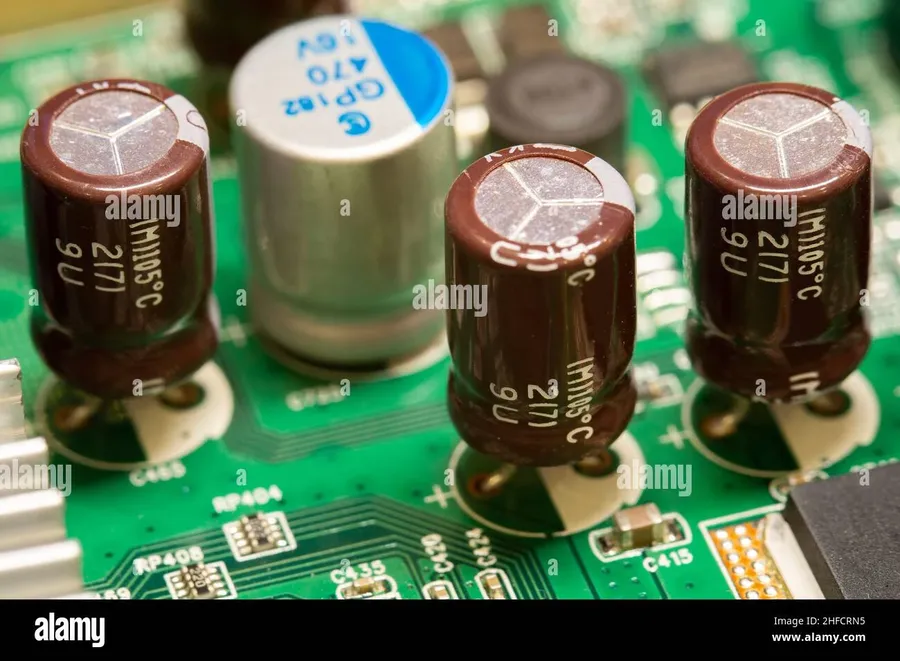
Electrolytic Capacitors on PCB
Polarized capacitors are primarily designed for use in direct current (DC) circuits, leveraging their unique construction to effectively store electrical energy and perform filtering tasks. Their ability to handle DC and block DC makes them crucial in various electronic applications, and the most common applications are power supplies, audio circuits, and signal processing. These devices excel in smoothing voltage fluctuations and decoupling unwanted signals within a circuit.
Energy Storage: Polarized capacitors, especially electrolytic types, offer high capacitance, enabling them to store significant amounts of electrical charge. This characteristic is fundamental in power supply circuits where they buffer and maintain stable voltage levels, which can help to meet the peak current demand of the circuit.
Filtering in DC Circuits: The high capacitance of polarized capacitors allows them to effectively filter out unwanted AC components (ripple) from DC power supplies. This is achieved by presenting a low impedance path to AC signals, thus shunting them away, while presenting high impedance to DC current, thus allowing it to pass through. This smoothing effect is vital in applications requiring clean and stable DC power.
Power Supplies: They are integral components in power supplies, where they smooth rectified DC voltages, reducing voltage ripple and ensuring stable output. Their high capacitance is crucial for storing energy and maintaining steady voltage during variations in load.
Audio Circuits: In audio equipment, polarized capacitors are used for signal coupling and decoupling. They help to block DC bias while passing AC audio signals, preventing DC offsets from interfering with the desired signal amplification and processing.
Signal Processing: Polarized capacitors are also used in signal processing for filtering and timing circuits. Their capacitance is critical in determining filter cut-off frequencies and creating time delays.
Voltage Ripple Smoothing: When converting AC to DC, the resulting DC can contain residual AC components (ripple). Polarized capacitors filter out these ripples, resulting in a smooth, stable DC output, which is essential for the proper function of sensitive electronic components.
Decoupling: In digital circuits, they serve as decoupling capacitors, providing a local source of charge to integrated circuits during rapid current demands. This helps to maintain stable voltage levels at the IC pins and prevents performance degradation by high frequency noise.
Identifying Capacitor Polarity
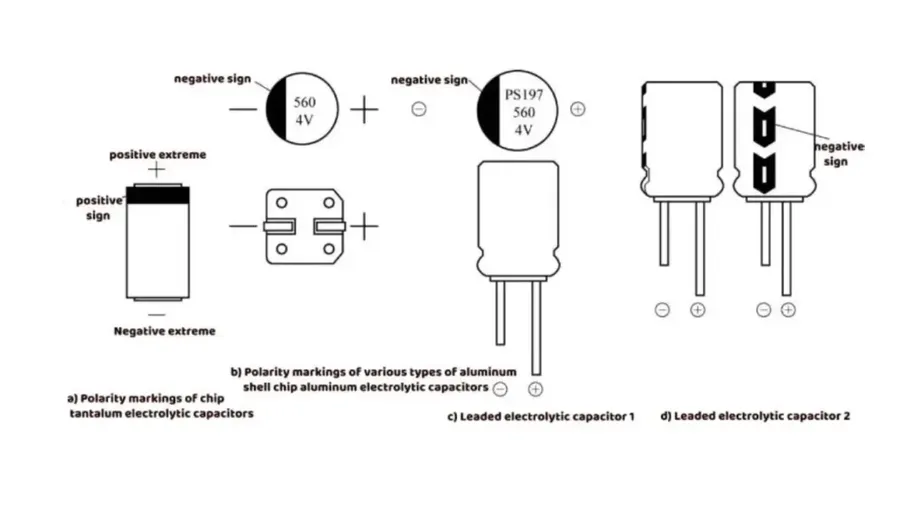
Polarity Markings of Electrolytic Capacitor
Polarized capacitors, unlike their non-polarized counterparts, have a distinct positive and negative terminal, and correctly identifying these terminals is paramount for proper circuit operation. Incorrect polarity can lead to capacitor failure, potentially causing damage to other components. This section details methods for identifying the polarity of these critical components.
Markings on the Capacitor Body Most polarized capacitors feature markings on their casing to denote polarity. The most common is a stripe, often accompanied by minus symbols, that indicates the negative terminal. Some capacitors also utilize a series of chevrons or other symbols to denote the negative terminal. Careful observation of these markings is the primary way to identify polarity.
Stripe Indicating the Negative Lead The stripe, found on the body of most polarized capacitors, unequivocally marks the negative lead. This is a critical visual indicator and it should be cross-referenced with other identification methods for certainty. The stripe is typically a different color than the body of the capacitor to improve visibility.
Lead Length Many axial lead polarized capacitors are manufactured with the positive lead slightly longer than the negative lead. This difference in lead length can serve as a secondary method of polarity identification. However, this should be verified with other markings if possible, particularly when leads have been trimmed during use or are damaged.
Case Shape and Markings For some SMD (Surface Mount Device) polarized capacitors, the shape of the case itself can provide a clue. The flat side or a specific corner often indicates the negative terminal. Datasheets from the capacitor manufacturer should always be consulted for specific package and marking information.
It's important to note that different manufacturers may have variations in their marking conventions. Always cross-reference any single method of polarity identification with other indicators or datasheets, especially in unfamiliar situations or when working with components from multiple sources. When in doubt, testing the capacitance with a multimeter to see if it is charging correctly can also help verify polarity.
The Importance of Correct Polarity
Damaged Electrolytic Capacitor
Correctly connecting a polarized capacitor is paramount for both the functionality and safety of any electronic circuit. The inherent asymmetrical design of these components dictates that they must be installed with the appropriate polarity; failure to do so can result in component failure and even pose a safety hazard.
Polarized capacitors, unlike their non-polarized counterparts, have a designated positive and negative terminal. This polarity is due to the specific electrochemical processes involved in their operation, particularly in electrolytic capacitors. Reversing the voltage applied to such a capacitor can lead to a cascade of detrimental effects.
When a polarized capacitor is subjected to reverse polarity, the dielectric layer, which normally acts as an insulator between the capacitor plates, is compromised. This breakdown allows a surge of current through the capacitor that it's not designed to handle, resulting in several negative outcomes:
Overheating Excessive current flow causes the capacitor's internal temperature to rise rapidly. This overheating can damage the capacitor's internal structure and the surrounding components on the circuit board.
Electrolyte Degradation In electrolytic capacitors, the electrolyte is especially vulnerable to reverse polarity. It can undergo electrochemical breakdown, which compromises the capacitor's performance and reliability. This degradation can lead to changes in the capacitor's electrical characteristics such as capacitance and ESR(Equivalent Series Resistance).
Rupture or Explosion The most dangerous outcome is the potential for the capacitor to rupture or even explode due to the buildup of pressure from the internal chemical reactions and rapid heating of the internal structure and electrolyte. This explosion can eject corrosive electrolyte and other debris, causing further damage to the circuit and potentially harming personnel.
Circuit Malfunction Even if the capacitor does not fail catastrophically, reverse polarity can lead to improper circuit operation, reduced performance, and signal distortion, preventing the desired operation of the system.
The specific magnitude of the damage will depend on the voltage applied to the capacitor, the capacitor's type and rating and the duration of the reverse polarity connection, but in any case the consequences are potentially significant. Thus, it is absolutely essential to always confirm the correct polarity before connecting polarized capacitors into any circuit.
Polarized vs Non-Polarized Capacitors: Key Differences
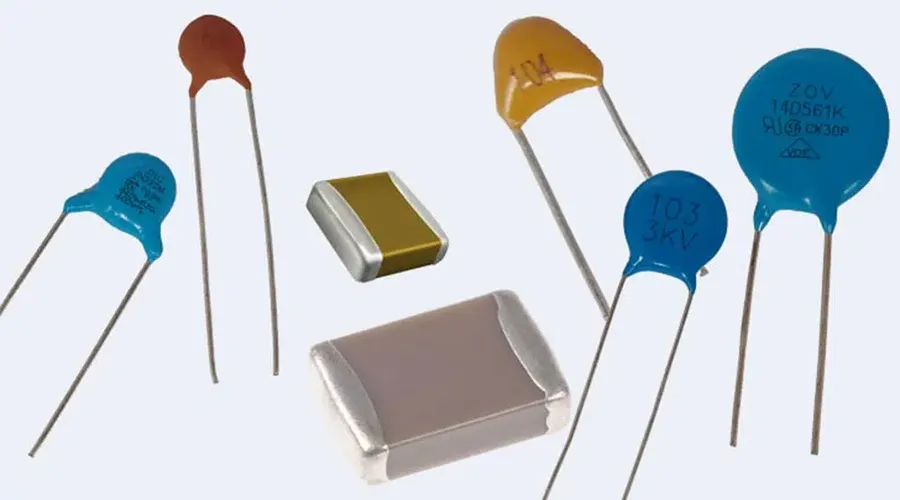
Comparison of Electrolytic and Ceramic Capacitor
Polarized and non-polarized capacitors serve distinct roles in electronic circuits, primarily differentiated by their construction, materials, and operational characteristics, particularly their sensitivity to polarity. This distinction dictates their appropriate applications within electronic systems. Polarized capacitors, typically electrolytic types, are characterized by their high capacitance values and polarity-sensitive operation. Conversely, non-polarized capacitors, such as ceramic or film capacitors, offer lower capacitance values and are not sensitive to polarity.
Feature
Polarized Capacitor
Non-Polarized Capacitor
Construction
Asymmetrical, with a dielectric that forms during manufacture (e.g., electrolytic)
Symmetrical, with a solid dielectric (e.g., ceramic, film)
Polarity
Polarity-sensitive; must be connected with correct orientation
Not polarity-sensitive; can be connected in either direction
Capacitance Range
High capacitance values (µF to F)
Low to medium capacitance values (pF to µF)
Tolerance
Typically lower tolerance, higher capacitance variation
Generally higher tolerance, more stable capacitance
Applications
DC circuits; filtering, energy storage, decoupling in power supplies, smoothing
AC and DC circuits; coupling, bypass, timing, tuning
Material
Electrolytic (Aluminum, Tantalum, Niobium), wet or dry electrolyte.
Ceramic, Film (Polyester, Polypropylene), Mica
Cost
Generally lower cost per unit capacitance.
Generally higher cost per unit capacitance.
Size
Can be larger for a given capacitance.
Can be smaller for a given capacitance.
Lifespan
Shorter lifespan, especially under high temperature or reverse voltage conditions.
Longer lifespan under normal operating conditions.
Frequently Asked Questions about Polarized Capacitors
This section addresses common queries regarding polarized capacitors, providing concise and authoritative answers to enhance understanding and ensure safe and effective use.
What are polarized capacitors primarily used for? Polarized capacitors, particularly electrolytic types, are predominantly used for energy storage and filtering in DC circuits. Their high capacitance values make them suitable for applications like smoothing voltage ripples in power supplies and decoupling in electronic circuits. They are not designed for use in AC circuits due to their polarity sensitivity.
What is the fundamental difference between polarized and non-polarized capacitors? The key difference lies in their construction and polarity sensitivity. Polarized capacitors have a defined positive and negative terminal due to their internal structure, which incorporates an electrolyte and a dielectric layer that forms a one-way current path, requiring a specific orientation in a circuit to prevent damage. Non-polarized capacitors do not have a specific polarity, meaning that they can be installed in either direction and can operate with alternating current. Non-polarized capacitors often exhibit lower capacitance values and have much different dielectric materials, thus different properties and applications.
Are polarized capacitors suitable for AC (Alternating Current) circuits? No, polarized capacitors are generally not suitable for AC circuits. Their construction makes them sensitive to reverse polarity. When subjected to AC voltage, a polarized capacitor will continuously experience polarity reversal, leading to overheating and potential damage. They are designed to operate under DC (Direct Current) conditions where the polarity remains constant.
What happens if a polarized capacitor is connected with reverse polarity? Reversing the polarity of a polarized capacitor can be dangerous. When a polarized capacitor is incorrectly connected, the reverse current flow can cause the internal electrolyte to rapidly heat and expand. This can lead to damage, such as the dielectric breakdown of the capacitor, an increase in internal pressure, which can potentially cause the capacitor to rupture, vent, or even explode. Such failures can cause damage to surrounding circuitry and pose a safety hazard.
Can polarized capacitors fail if they are not used for a long time? Yes, polarized capacitors, particularly electrolytic types, can degrade over time, even if they are not in use. This degradation is often due to the drying out of the electrolyte. The internal resistance increases, leading to a reduction in the capacitor's ability to store charge, which can affect performance and shorten their operational lifespan. Proper storage, in cool and dry conditions can minimize degradation.
How do temperature and voltage ratings affect the performance and lifespan of polarized capacitors? Operating conditions significantly impact the performance and longevity of polarized capacitors. Exceeding temperature or voltage ratings can cause the electrolyte to degrade rapidly, lead to capacitance loss, increase the likelihood of dielectric breakdown, and cause premature failure. Selecting components that match or exceed operational parameters ensures reliability and prolonged operational life.
What is the typical lifespan of a polarized capacitor? The typical lifespan of a polarized capacitor varies widely based on the type of capacitor, its operating conditions, and the quality of manufacturing. Electrolytic capacitors generally have a shorter lifespan compared to tantalum or polymer capacitors, and may degrade more rapidly at elevated temperatures, which accelerates the electrolyte breakdown and increases the internal resistance. A high quality capacitor operating within it's rated parameters can typically last many years while substandard components or extreme conditions can lead to failure.
Safe Handling and Usage of Polarized Capacitors
Ensuring the safe operation of polarized capacitors is paramount to prevent damage to the component, the circuit, and to avoid potential hazards. Careful selection, handling, and storage are crucial to maximize the lifespan and reliability of these components. This section provides essential guidelines for the safe handling and usage of polarized capacitors.
Voltage and Temperature Considerations Always select polarized capacitors with a voltage rating that exceeds the maximum voltage they will be exposed to in the circuit. Additionally, consider the operating temperature of your application. Capacitors typically have a specified temperature range; exceeding this range can significantly reduce their lifespan or even cause catastrophic failure. Consult the datasheet for the specific part to ensure it meets the requirements of your design.
Avoiding Mechanical Stress Polarized capacitors, especially electrolytic types, are sensitive to mechanical stress. Avoid bending or twisting the capacitor leads excessively, as this can damage the internal structure or compromise the seals, leading to performance degradation or failure. When mounting, use appropriate techniques to securely fix the capacitor without exerting undue force on the body.
Proper Polarity Installation As discussed previously, ensure that the polarized capacitor is inserted into the circuit with correct polarity. Connecting it in reverse can cause the dielectric to break down, leading to excessive heat generation, damage, and even an explosive failure. Always double check the polarity markings before soldering or using test probes on a circuit.
Storage Guidelines Store polarized capacitors in a cool, dry environment away from direct sunlight and extreme temperatures. High temperatures can accelerate aging processes and cause premature failure. Excessively humid conditions can corrode leads or seals over time and cause other damage. Avoid storing capacitors in areas with strong magnetic fields, as this can induce unwanted current flow.
ESD Precautions Electrostatic discharge (ESD) can damage sensitive electronic components, including polarized capacitors. Use ESD-safe practices when handling and installing them. This involves using grounded wrist straps, working on ESD-safe mats, and storing capacitors in conductive containers.
Soldering Precautions When soldering polarized capacitors, use appropriate techniques to avoid applying excessive heat. Prolonged or overly high temperatures can damage the capacitor's internal structure. It is essential to use a temperature-controlled soldering iron and limit the heating time to minimize heat stress. Allow the capacitor to cool down before continuing to work on it.
Regular Inspection In long-term operation or in critical applications, perform regular visual inspections to check for any signs of damage, such as bulging, leaks, or corroded leads. Early detection of these issues can prevent catastrophic failures and mitigate potential risks. Replace damaged capacitors before they cause further harm to the system.
Polarized Capacitors in Practical Circuits
Electronic Circuit with Polarized Capacitors
Polarized capacitors are fundamental components in a wide array of electronic circuits, leveraging their ability to store electrical energy and filter signals effectively within DC environments. Their applications span from smoothing voltage fluctuations in power supplies to decoupling noise in digital systems and signal coupling in audio circuits. Understanding their specific roles in these contexts is crucial for effective circuit design and troubleshooting.
The following examples illustrate common uses, and also present a simplified troubleshooting section.
1. Power Supply Smoothing: Polarized capacitors, particularly electrolytic types, are extensively used in power supplies to reduce voltage ripples. When AC power is rectified to DC, it often contains residual AC components or "ripples." These capacitors act as temporary energy storage devices, charging when the voltage is high and discharging when it's low, thus smoothing out the fluctuations and providing a stable DC voltage to the connected circuit. In a basic rectifier circuit, a polarized capacitor is placed in parallel with the load, effectively acting as a filter and providing a more consistent DC output. The capacitance value of polarized capacitor is usually determined by the load and the ripple frequency.
2. Decoupling in Digital Circuits: In digital circuits, polarized capacitors are frequently used for decoupling to minimize noise and maintain stable power delivery. Digital circuits generate transient currents as they switch states, which can cause voltage fluctuations. These fluctuations, if not mitigated, can lead to erratic operation or even circuit damage. Small-valued ceramic capacitors are used alongside the electrolytic capacitor for high frequency decoupling. The polarized capacitors are placed close to integrated circuits (ICs) to serve as a local energy reservoir, providing the necessary current during rapid switching and preventing voltage drops. In this case, a small capacitor is placed close to every IC.
3. Audio Signal Coupling: In audio circuits, polarized capacitors, such as tantalum or aluminum electrolytic capacitors, are used for DC blocking while coupling AC audio signals from one stage to another. Audio signal processing often involves amplifying AC signals while blocking DC components. In such cases, a polarized capacitor is inserted between stages, allowing the AC signal to pass through while blocking any DC offset. This DC blocking action is essential for preventing DC bias from affecting the operation of downstream stages, especially in multi-stage amplifiers. The capacitance value of the capacitor is determined by the lowest frequency of the audio signal that needs to pass through.
Troubleshooting Common Issues:
Issue: Circuit not functioning or malfunctioning. Cause: Incorrect capacitor polarity. Solution: Verify capacitor polarity based on markings; also, check the circuit design and the application of polarized capacitors, also verify capacitance value and voltage rating.
Issue: Capacitor overheating or failing. Cause: Voltage or temperature exceeds capacitor rating, or the capacitor was exposed to reverse voltage. Solution: Check specifications and replace with a capacitor that meets the required ratings; review circuit for possible voltage spikes, or polarity reversal.
Issue: Increased ripple voltage in power supplies. Cause: Capacitor is starting to fail, or capacitance has been reduced due to age. Solution: Replace the capacitor with new one and verify the load and specifications.
Issue: Reduced audio signal or distortion. Cause: Capacitor is starting to fail or has dried out, or wrong capacitance was used in the first place. Solution: Replace with capacitor of similar specifications and rating, also re-calculate values using online tools, and consult with other engineers for their experiences and recommendations.
Polarized capacitors, especially electrolytic capacitors, are vital components in modern electronics, serving essential functions in power supply and signal processing. Their correct operation depends critically on understanding and respecting their polarity. By carefully selecting, handling, and integrating these components into circuits, we ensure the stable and reliable performance of countless electronic devices. As technology advances, these fundamental principles regarding polarized capacitors will continue to be vital for anyone who works with or benefits from modern electronics.