Imagine measuring the flow of water in a river, but instead of water, it's electricity. That's what a shunt resistor does. This humble component, with its tiny resistance, allows us to precisely measure current in circuits. It's like a tiny toll booth, measuring electrical traffic passing by. This article will delve into the practical use of shunt resistors, how they work and why they’re essential in current sensing applications.
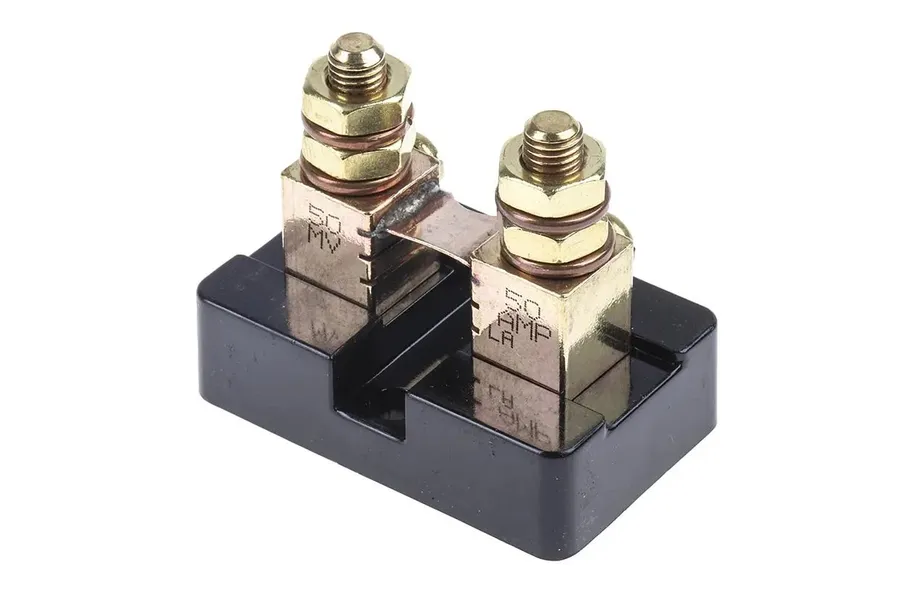
A shunt resistor is a precision, low-value resistor strategically positioned in series within an electrical circuit. Its primary function is to enable accurate current measurement by generating a small, proportional voltage drop across its terminals. This voltage drop, governed by Ohm's Law, allows for the indirect determination of current flow without significantly altering the circuit's operational characteristics.
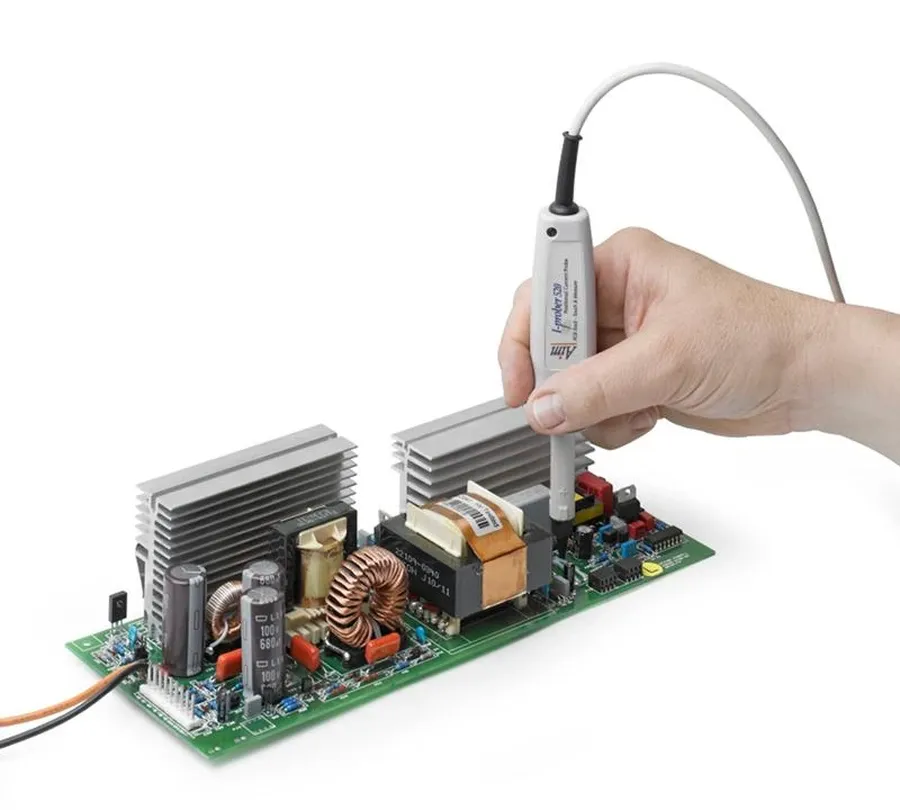
Shunt resistors facilitate current measurement by creating a small, measurable voltage drop directly proportional to the current flowing through them. This principle leverages Ohm's Law, where the voltage drop across a resistor is the product of the current and resistance (V = I * R). By precisely knowing the shunt's resistance, the current can be accurately calculated from the measured voltage.
The shunt resistor is intentionally designed with a very low resistance value to minimize its impact on the overall circuit behavior. This is essential to ensure that the presence of the shunt doesn't significantly alter the current being measured. Consequently, the voltage drop across the shunt is small, typically in the millivolt range, requiring highly sensitive measurement instruments for accurate current readings.
| Parameter | Description |
|---|---|
| Current (I) | The flow of electrical charge measured in Amperes. The parameter of interest when using a shunt. |
| Resistance (R) | The property of a material that impedes the flow of current, measured in Ohms. The resistance value of the shunt is precisely known. |
| Voltage (V) | The electrical potential difference or the electromotive force that drives current, measured in Volts. The voltage drop across the shunt is measured. |
| Ohm's Law | The fundamental relationship between voltage, current, and resistance: V = I * R. This is the principle used to calculate current via a shunt. |
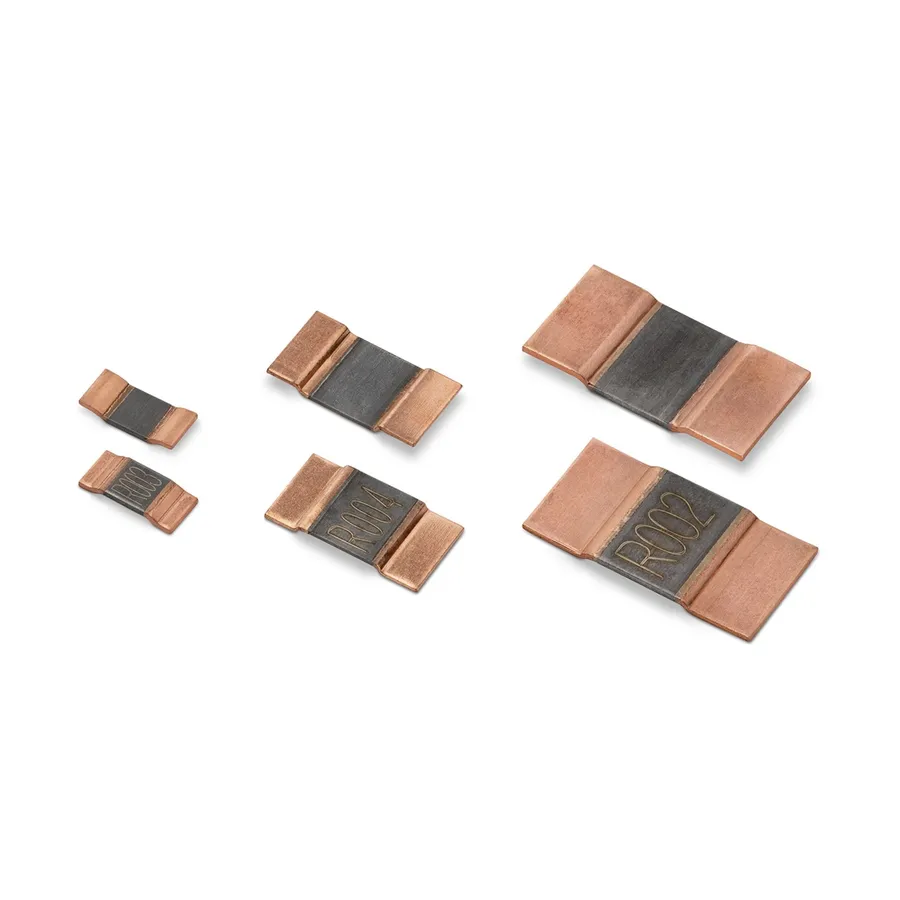
Shunt resistors, crucial for current measurement, are available in various types, each with specific advantages and applications. The two primary categories are Surface Mount Devices (SMD) and Through-Hole resistors. The selection depends on factors such as the required current range, the available space, and the manufacturing process.
| Feature | SMD Shunt Resistors | Through-Hole Shunt Resistors |
|---|---|---|
| Mounting | Surface mount | Through-hole |
| Size | Typically smaller | Larger |
| Space Efficiency | High | Lower |
| Current Range | Generally lower to medium current | Wider range including high current |
| Power Handling | Limited by size | Higher power capabilities |
| Precision | High precision options available | High precision options available |
| Cost | Generally lower cost at higher quantities | May be more expensive for specialized high-power types |
| Application | High-density PCBs, portable devices | Prototyping, high-power applications |
| Ease of use | Requires specialized soldering equipment | Easier for manual assembly and rework |
SMD shunt resistors are favored for their compact size and suitability for automated manufacturing processes. Through-hole resistors are often chosen for prototyping or applications that require high power dissipation or manual assembly.
Selecting the appropriate shunt resistor for a given application requires a thorough understanding of its key specifications. These parameters directly influence the accuracy, reliability, and overall performance of current measurement. Critical specifications include resistance value, tolerance, power rating, temperature coefficient, and voltage drop, each playing a vital role in ensuring precise measurements and safe operation within a circuit.
| Parameter | Description | Implications |
|---|---|---|
| Resistance Value | The nominal resistance of the shunt resistor, typically a very low value (e.g., milliohms). | Determines the voltage drop for a given current and directly affects measurement accuracy. It must be selected to provide a measurable voltage without significantly impacting the circuit's current flow. |
| Tolerance | The allowable deviation from the stated resistance value, expressed as a percentage. | Indicates the precision of the resistor. A lower tolerance is critical for high-accuracy measurements but may increase the cost. |
| Power Rating | The maximum power the resistor can dissipate without damage, calculated as P = I²R. | Overpowering can lead to overheating and resistor failure. Resistor must be selected to handle the expected maximum current through it. |
| Temperature Coefficient | Describes how resistance changes with temperature, usually measured in ppm/°C. | Impacts accuracy, as temperature fluctuations will cause resistance value changes. Low temperature coefficient resistors are preferred for precision measurements in variable temperature environments. |
| Voltage Drop | The voltage developed across the shunt resistor when current flows through it, directly measured by the measuring system. | This voltage drop is directly proportional to the current, and is the primary signal used to determine the current. The voltage is chosen to be measurable but should be kept as low as possible to reduce power loss. |
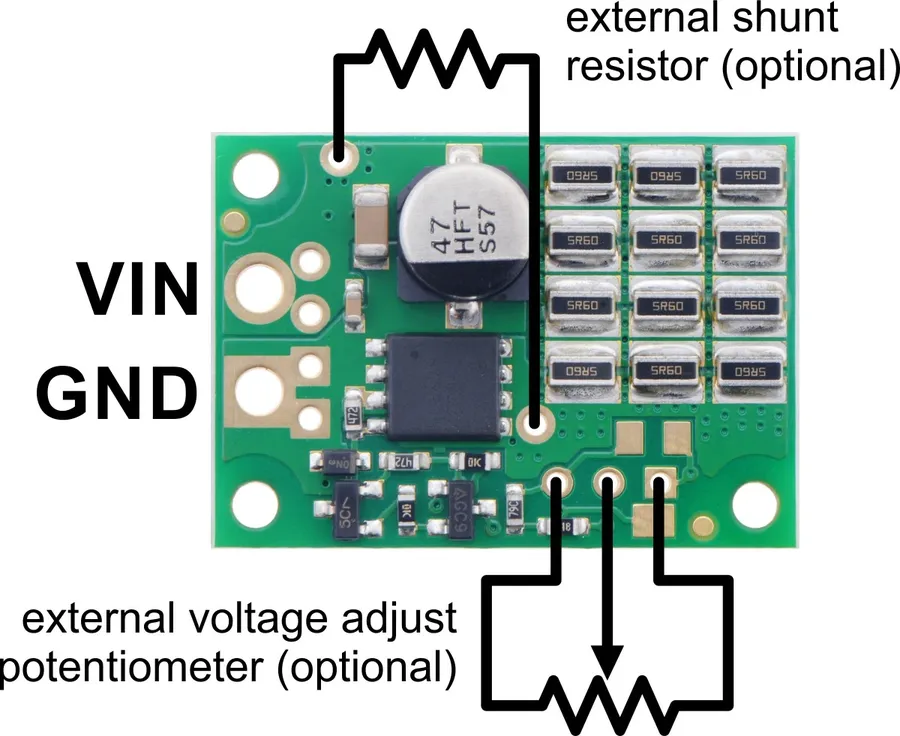
Selecting the correct shunt resistor is critical for accurate current measurement. The ideal choice hinges on the current range, accuracy demands, and environmental constraints of the application. Proper selection ensures both precise readings and the longevity of the shunt resistor.
Here's a breakdown of the key considerations:
| Consideration | Impact | Recommendation |
|---|---|---|
| Current Range | Affects the magnitude of voltage drop across the shunt | Choose a resistance value that creates a measurable voltage drop within the system's measuring range |
| Accuracy | Impacts measurement precision and error | Use shunt resistors with lower tolerances for higher accuracy |
| Temperature | Influences the resistance value and accuracy | Select a shunt resistor with a low TCR for stable performance |
| Power Dissipation | Can cause overheating or damage | Select a shunt resistor with a power rating that well exceeds anticipated heat generated |
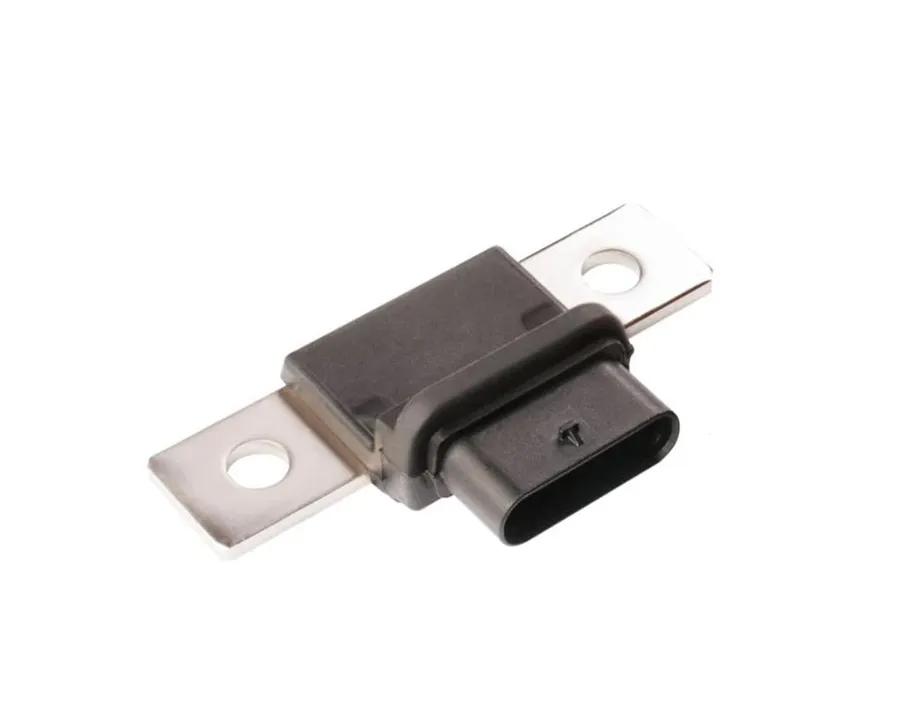
Shunt resistors, though small in size, play a crucial role across a wide spectrum of electronic applications by enabling precise current measurement. These applications span from everyday devices to complex industrial systems, demonstrating their vital contribution to technology and engineering.
This section addresses common queries regarding shunt resistors, providing clear and concise answers to enhance understanding of their function and application. We will explore the core differences between shunt and standard resistors, delve into the purpose of shunts, clarify the relationship between parallel and shunt configurations, and discuss their vital role in precision measurements.
Designing circuits with shunt resistors demands careful attention to detail to ensure accurate current measurements. This section focuses on key aspects such as PCB layout, thermal management, and connection methods, all crucial for minimizing errors and maximizing the performance of shunt resistor based current sensing.
Accurately calculating the appropriate shunt resistor value is crucial for precise current measurement. This section provides a practical guide using Ohm's Law and related formulas to determine the ideal shunt resistor for your application, including illustrative examples and problem-solving strategies.
| Parameter | Symbol | Unit | Description |
|---|---|---|---|
| Current | I | Amperes (A) | The flow of electrical charge. |
| Voltage Drop | V | Volts (V) | The potential difference across the resistor. |
| Resistance | R | Ohms (Ω) | The opposition to the flow of current. |
| Power Dissipation | P | Watts (W) | The rate at which energy is converted or dissipated. |
Ohm's Law is the fundamental principle used in shunt resistor calculations:
V = I * R
Where: V = Voltage drop across the shunt resistor (Volts) I = Current flowing through the shunt resistor (Amperes) R = Resistance of the shunt resistor (Ohms)
To calculate the shunt resistor value (R), when voltage drop and current are known, use the following formula:
R = V / I
It's also crucial to consider the power dissipation of the shunt resistor to prevent overheating, which can lead to inaccurate measurements and damage. Power dissipation is calculated as:
P = I^2 * R
Where: P = Power dissipated by the shunt resistor (Watts) I = Current flowing through the shunt resistor (Amperes) R = Resistance of the shunt resistor (Ohms)
Example 1: Calculating Shunt Resistance for an Ammeter Problem: An ammeter needs to measure a maximum current of 10A. The desired voltage drop across the shunt resistor is 50mV (0.05V) at this current. What shunt resistance is needed?
Solution: Using the formula R = V / I, substitute the values to get: R = 0.05V / 10A = 0.005 Ohms. Therefore, you will need a 0.005 Ohms (or 5 mΩ) shunt resistor. You should also check the power rating P = 10^2 * 0.005 = 0.5 W.
Example 2: Calculating Power Dissipation Problem: If you choose a 0.1Ω shunt resistor for a 2A current, what is the power dissipated by the resistor?
Solution: Using the formula P = I^2 * R, substitute the values to get: P = 2^2 * 0.1Ω = 0.4W. Ensure that your resistor has at least this rating, typically use a 2x margin. In this case a 1W or greater power rating resistor should be selected.
Selecting the correct shunt resistor involves not just calculating resistance value, but also considering the power rating, tolerance and physical properties.
Shunt resistors, the unassuming workhorses of current sensing, play a vital role in our technologies from personal devices to industrial systems. By understanding how these components work, we can make informed decisions in circuit design, ensuring precise and reliable current measurements. As technology advances, the need for accuracy increases, making the simple shunt resistor essential in our electronic future.

