In the realm of electronics, switches are the unsung heroes that control the flow of power, much like traffic signals guiding cars. They're fundamental components found in everything from the simplest household appliances to the most complex industrial machinery. This article will explore the various types of switch electronics, explain how they function, and highlight their importance in our daily lives and the broader field of technology.
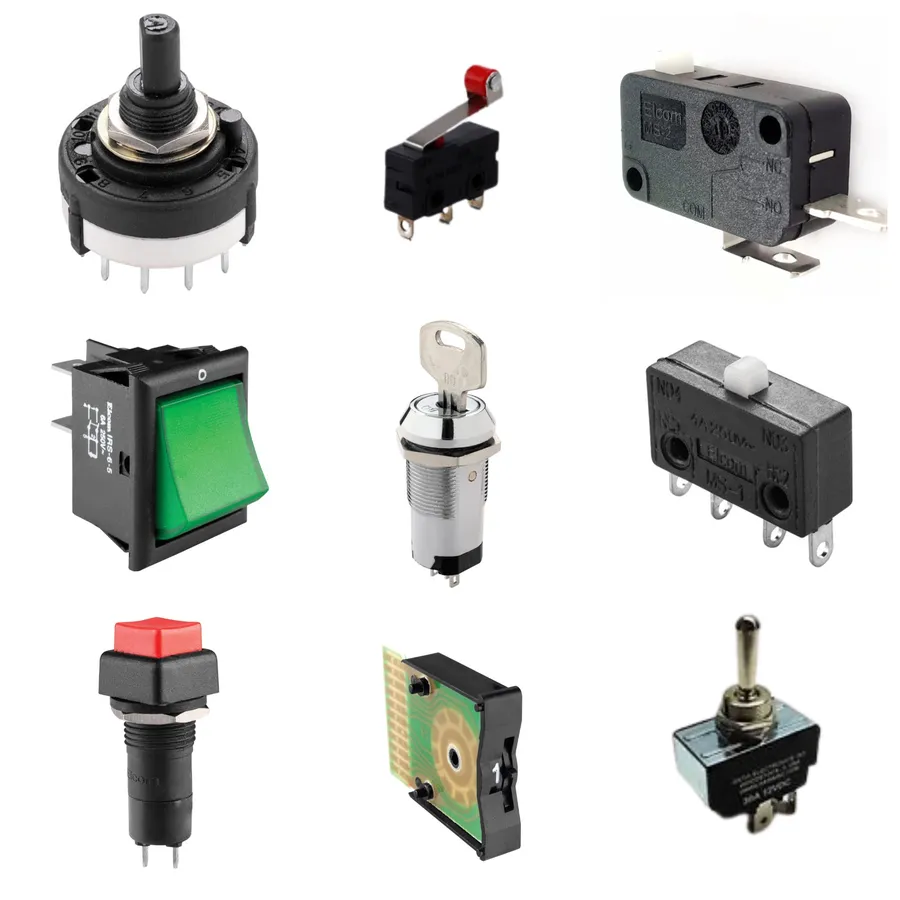
In the realm of electronics, a switch serves as a fundamental component that dictates the flow of electrical current within a circuit, thereby controlling the circuit's operational state. Functionally, it acts as a deliberately created, controllable discontinuity in a conductive path; this gap can either be closed to permit current flow or opened to block it, effectively turning a circuit on or off.
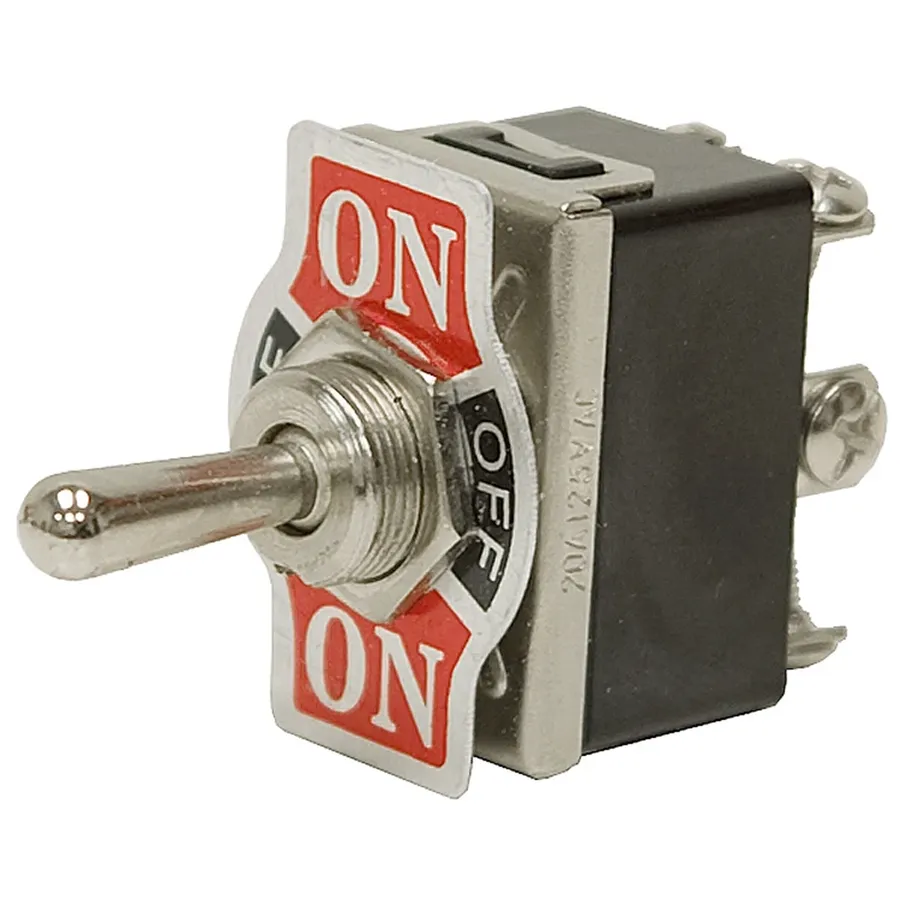
Electrical switches are categorized based on their pole and throw configurations, defining how they control circuit pathways. Understanding these basic types is crucial for selecting the appropriate switch for a given application. The most common types include SPST, SPDT, DPST, and DPDT switches, each offering unique functionality.
| Switch Type | Description | Number of Poles | Number of Throws | Typical Use Cases |
|---|---|---|---|---|
| Single-Pole Single-Throw (SPST) | A basic on/off switch that either opens or closes a single circuit path. | 1 | 1 | Simple on/off control for lights, small appliances. |
| Single-Pole Double-Throw (SPDT) | A switch that connects a single input to either of two output terminals. | 1 | 2 | Selecting between two different circuits or options, such as in a three-way switch. |
| Double-Pole Single-Throw (DPST) | Simultaneously opens or closes two separate circuit paths. | 2 | 1 | Controlling power to multiple circuits or segments simultaneously. |
| Double-Pole Double-Throw (DPDT) | Connects two inputs to either of two sets of output terminals, offering high versatility. | 2 | 2 | More complex switching functions, controlling reversible motors or signal routing in audio equipment. |
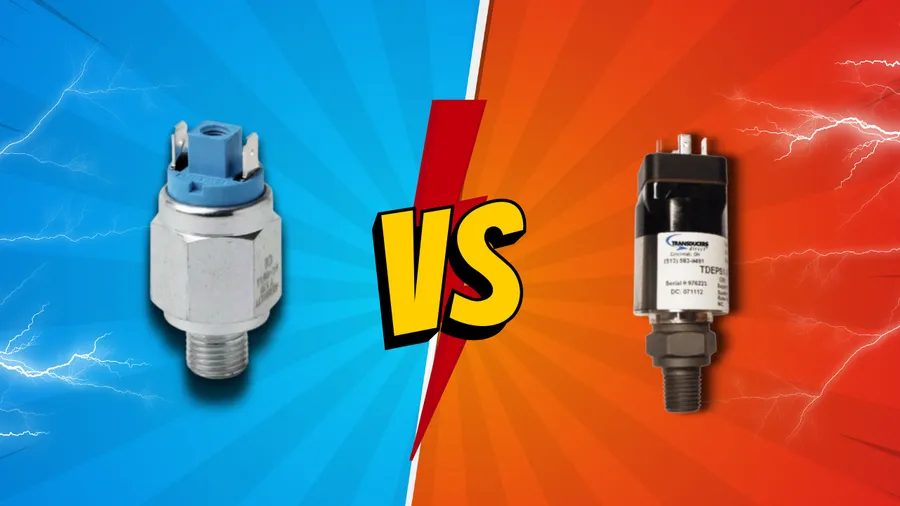
Switches are fundamental components in electronic circuits, controlling current flow. They fall into two primary categories: mechanical and electronic. Mechanical switches rely on physical movement of parts to establish or break connections, while electronic switches, often leveraging semiconductors, achieve the same functionality without moving parts.
| Feature | Mechanical Switches | Electronic Switches |
|---|---|---|
| Mechanism | Physical movement of contacts | Semiconductor-based control |
| Moving Parts | Yes | No |
| Reliability | Susceptible to wear and tear | Higher reliability, longer lifespan |
| Switching Speed | Lower | Higher, capable of much faster switching |
| Bounce | Significant contact bounce during switching | Minimal or no bounce |
| Complexity | Simpler construction | More complex circuit design |
| Cost | Generally lower cost | Higher upfront cost |
The advantages of electronic switches stem from their use of semiconductor materials such as transistors and MOSFETs. This technology allows for rapid, bounce-free operation, improving system performance and longevity. Mechanical switches, however, with their simpler construction, remain a cost-effective choice in many applications where high-speed and high-reliability is not a key requirement. The choice between mechanical and electronic switches depends critically on the application's requirements, with each option presenting unique advantages and trade-offs.
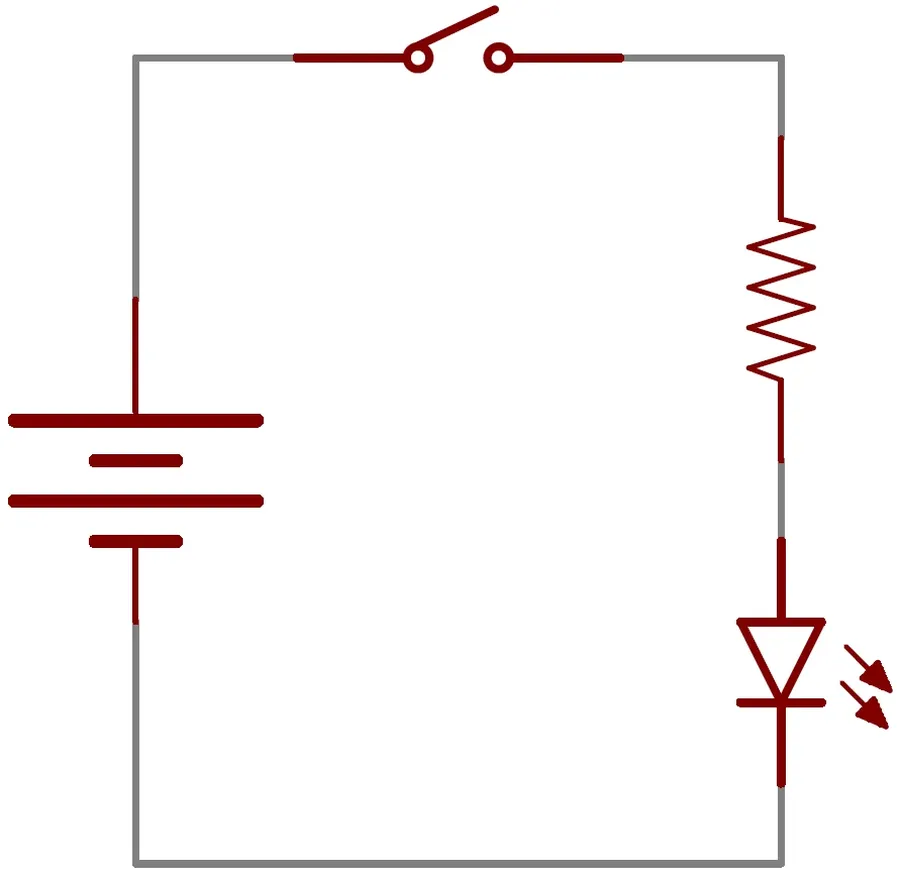
Switches serve as fundamental control components within electrical circuits, enabling the manipulation of current flow to achieve various operational states. Their core function is to provide a means to interrupt or redirect the electrical current path, facilitating essential control mechanisms within a circuit.
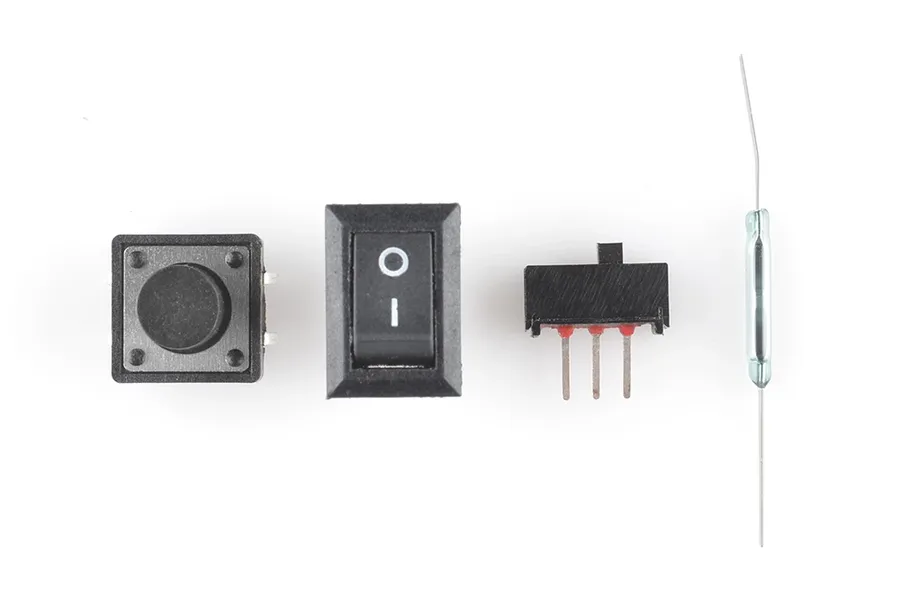
Switch electronics are integral to modern technology, enabling the control and manipulation of electrical power and signals across diverse applications. From the most basic on/off functions to complex logic operations, switches are crucial for the functionality of electronic systems.
| Application Area | Specific Switch Function | Switch Type Example |
|---|---|---|
| Residential Lighting | On/Off Control, Dimming | Wall Switches, Dimmers |
| Mobile Phones | Power On/Off, Volume Control | Tactile Switches, Touch Sensors |
| Industrial Equipment | Emergency Stop, Process Control | Push-Button Switches, Limit Switches |
| Automobiles | Ignition, Light Control | Key Switches, Rocker Switches |
| Aerospace Systems | Communication, Navigation | Toggle Switches, Rotary Switches |
Selecting the appropriate switch for an application necessitates careful consideration of several key parameters. These parameters ensure the switch meets the electrical, mechanical, and environmental demands of the intended circuit and application. The following are critical factors to evaluate when choosing a switch.
| Parameter | Description | Importance |
|---|---|---|
| Current Rating | The maximum current the switch can safely handle in amperes (A). | Exceeding the current rating can cause the switch to overheat, fail, or even cause a fire. |
| Voltage Rating | The maximum voltage the switch can safely handle in volts (V). | Operating above the voltage rating may cause arcing, insulation breakdown, or switch failure. |
| Switch Type | Configuration of poles and throws (e.g., SPST, SPDT, DPST, DPDT). | The type determines the number of circuits the switch can control and the switching options available. |
| Contact Resistance | The electrical resistance of the switch contacts when closed, measured in ohms (Ω). | Low contact resistance is crucial for minimizing power loss and ensuring efficient current flow. |
| Mechanical Lifetime | The number of switching cycles (open and close) the switch is rated to perform reliably. | This is important for applications requiring frequent switch operations. |
| Environmental Conditions | Operating temperature range, humidity levels, and other environmental factors. | Switches must be selected to perform reliably under the expected environmental conditions. |
| Actuation Force | The force required to operate the switch. | This affects the user experience and should be suitable for the specific application. |
| Mounting Style | The method used to attach the switch to a panel or circuit board. | The style needs to be compatible with the design of the end product |
| IP Rating | Ingress Protection rating, showing the level of protection against dust and water. | Important when the switch is used in a dusty or wet environment |
Understanding switch electronics is crucial for designing and maintaining electrical and electronic systems. This section addresses common queries regarding different switch types, their selection, and performance characteristics, providing a comprehensive overview for both beginners and experienced users.
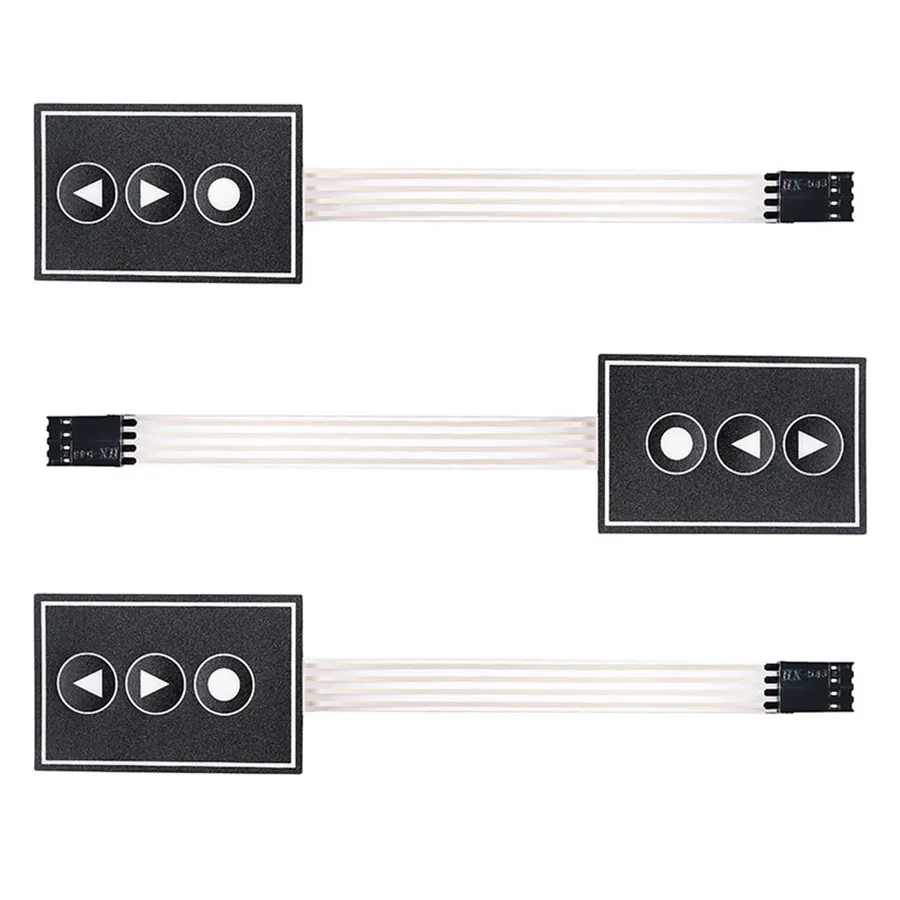
Beyond traditional mechanical switches, modern electronics employ advanced switch technologies like Solid State Relays (SSRs) and capacitive touch switches. These technologies offer significant improvements in performance, reliability, and user interface design, addressing the limitations of their mechanical counterparts. SSRs leverage semiconductor devices for switching, while capacitive touch switches utilize the principles of capacitive sensing for activation.
| Feature | Mechanical Switch | Solid State Relay (SSR) | Capacitive Touch Switch |
|---|---|---|---|
| Switching Mechanism | Physical contact of conductors | Semiconductor based (e.g., MOSFET, TRIAC) | Capacitance change detection |
| Switching Speed | Relatively slow, limited by mechanical movement | Very fast, limited by semiconductor device speeds | Fast, dependent on sensing circuitry |
| Durability | Subject to wear and tear, limited mechanical lifetime | High durability due to absence of moving parts | High durability due to no mechanical parts |
| Audibility | Often audible clicking sound | Silent operation | Silent operation |
| Reliability | Moderate due to moving parts | High reliability and stability | High reliability and stability |
| Application Examples | Basic lighting, low-power on/off | Power control systems, automation, industrial applications | Modern touchscreens, control panels, consumer devices |
In conclusion, switch electronics are not just simple on/off mechanisms but rather essential components that power and control our world. From the classic toggle switch to advanced solid-state devices, each type serves a unique purpose, enabling the functionalities of the devices and systems we rely on every day. Understanding the principles and applications of switch electronics is fundamental for anyone interested in electronics, and it allows us to appreciate how these small components play a massive role in the technological advancement of the world.

