In today's rapidly evolving technological landscape, reliable electronic supply is the backbone of innovation. Whether you are a seasoned engineer, a budding maker, or a purchasing manager, efficient sourcing of electronic components is crucial for the successful completion of your projects and products. This guide explores the various aspects of electronic supply, from understanding different types of suppliers to optimizing your supply chain, ensuring that you have the knowledge to make informed decisions and secure a stable supply of necessary electronic components.
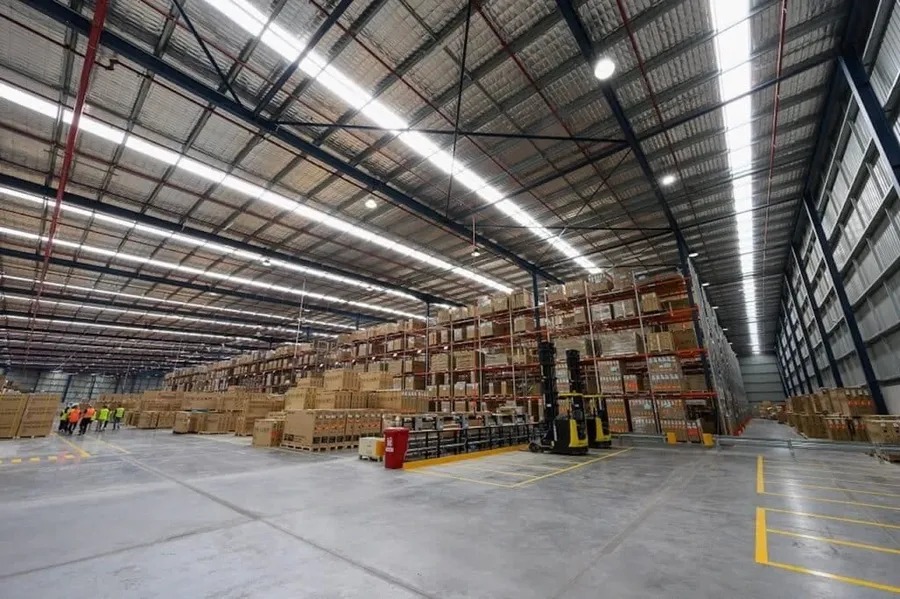
The electronic component supply chain is complex, with various types of distributors playing distinct roles. Understanding the differences between authorized, independent, and franchise distributors is crucial for making informed purchasing decisions. Each type offers unique advantages and disadvantages regarding pricing, authenticity, and supply availability, impacting the overall procurement strategy.
| Distributor Type | Description | Pros | Cons |
|---|---|---|---|
| Authorized Distributors | Directly contracted by the component manufacturer to distribute their products. | High level of product authenticity, manufacturer warranty support, access to latest datasheets and information. | Potentially higher prices, less flexibility on order quantities, limited access to end-of-life or obsolete parts. |
| Independent Distributors | Purchase components from various sources and resell them to customers. | Can provide competitive pricing, access to hard-to-find components, flexibility on order quantities. | Higher risk of counterfeit components, limited traceability, less direct manufacturer support. |
| Franchise Distributors | Similar to authorized distributors, but typically cover a broader range of manufacturers with a regional focus. | Strong supplier relationships and good product knowledge, relatively high reliability and reasonable pricing. | May not offer the full range of parts from a specific manufacturer compared to authorized distributors. |

Online electronic supply marketplaces have revolutionized how professionals source components, offering vast inventories, detailed specifications, and competitive pricing. These platforms provide a centralized location to access a diverse range of electronic components, streamlining the procurement process.
Key online distributors such as Mouser, DigiKey, and Newark, have become integral to the global supply chain, each providing a unique blend of products and services. Understanding their specific benefits, search functionalities, and service offerings is crucial for effective component sourcing.
| Feature | Mouser | Digi-Key | Newark |
|---|---|---|---|
| Product Range | Very Broad | Extensive | Wide |
| New Product Introductions | Strong | Good | Moderate |
| Technical Resources | Excellent | Excellent | Good |
| Customer Support | Excellent | Good | Good |
| Focus | Engineers, Prototyping, Production | Wide Range, Efficient Fulfillment | Engineers and Maintenance Professionals |
When using these platforms, it's advisable to compare prices, lead times, and available quantities. Utilizing advanced search filters, such as filtering by technical specifications and manufacturer, can greatly improve the efficiency of your procurement process.
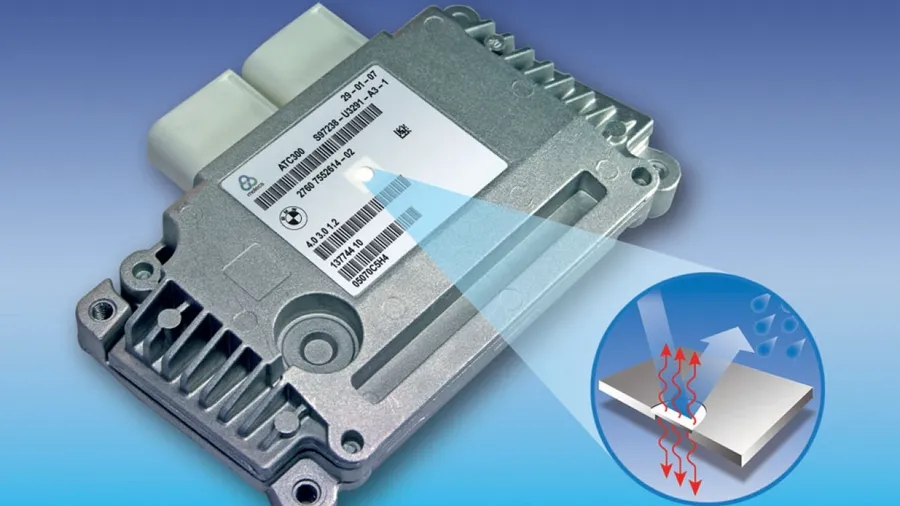
Ensuring the authenticity and traceability of electronic components is paramount in mitigating the risks associated with counterfeit parts, which can lead to significant performance issues, system failures, and even safety hazards. Robust traceability practices are vital for maintaining supply chain integrity and verifying the provenance of each component from manufacturing to integration.
The presence of counterfeit components in the supply chain poses a considerable threat across various sectors, including aerospace, medical devices, automotive, and consumer electronics. These counterfeit parts often fail to meet stringent performance specifications, reliability standards, and may contain hazardous materials, undermining the integrity of finished products. Moreover, the use of non-genuine components can introduce vulnerabilities in security-sensitive applications, thus compromising overall system safety and reliability.
Traceability in the electronic supply chain refers to the ability to track each component's journey, from the point of origin at the manufacturer, through distribution, to its final integration into a product. This process involves the utilization of marking technologies, labeling, and digital records to establish an unbroken chain of custody, enabling clear identification of the component's production lot, fabrication location, and any subsequent handling or processing. The establishment of a solid traceability system is an essential aspect of verifying the authenticity and history of electronic components.
Utilizing reputable suppliers is the cornerstone of any risk mitigation strategy against counterfeit electronic components. Authorized distributors, franchise distributors, and certified independent distributors are more likely to provide genuine parts that adhere to the manufacturer's specifications. They typically possess stringent quality control procedures, comprehensive traceability systems, and established relationships with the Original Component Manufacturers (OCMs) which facilitate a more secure supply chain. By prioritizing suppliers who can furnish comprehensive component information, including certifications, manufacturers can ensure that they are purchasing genuine and reliable electronic parts.
Furthermore, advanced testing techniques play a vital role in verifying component authenticity, employing techniques like X-ray inspection, die analysis, and electrical parameter testing to identify counterfeit parts. Such testing is indispensable to validating compliance, especially for high-reliability sectors such as aerospace, military and medical devices, wherein component performance impacts mission-critical operations. Component traceability, through material certifications and meticulous documentation, also supports robust recall procedures and quality control protocols, which ultimately bolster product integrity.
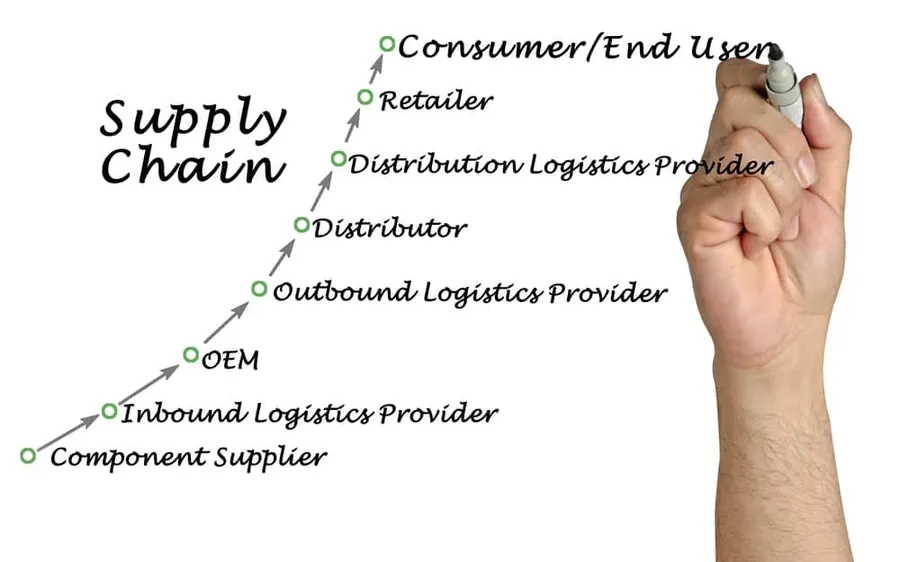
A robust and efficient electronic supply chain is paramount for maintaining profitability and competitiveness. Optimizing this chain involves strategic approaches to procurement, contract negotiation, inventory management, and proactive cost reduction initiatives.
By adopting these strategies, businesses can reduce costs, minimize delays, and secure a reliable source of high-quality components. Effective supply chain management is not just about reducing expenses; it's about creating a competitive advantage through operational excellence.
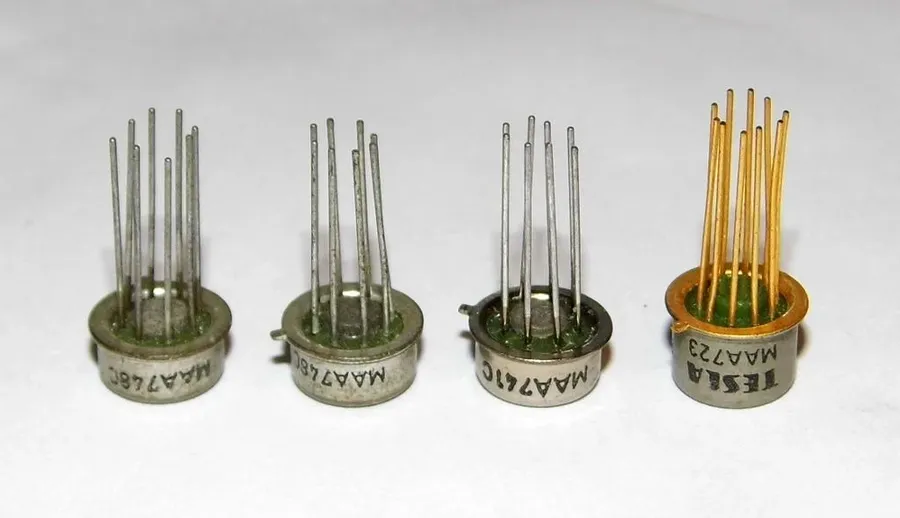
Locating specialized or obsolete electronic components requires a strategic approach beyond typical distribution channels. This section details methods for sourcing hard-to-find parts through niche distributors, broker networks, and other specialized resources.
The challenge in sourcing obsolete or specialized electronic components lies in their limited availability and higher associated risks such as counterfeiting. These challenges require a multi-faceted approach that includes identifying the right specialized supplier networks, performing due diligence and planning for longer lead times.
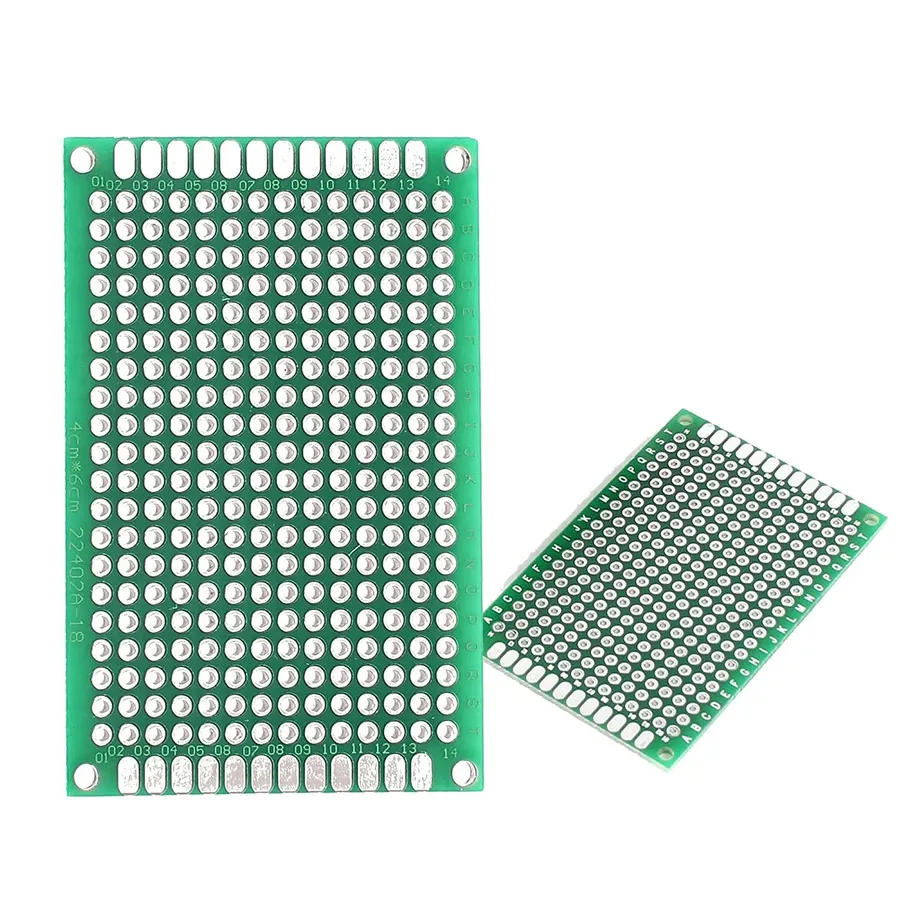
Sourcing strategies for electronic components must drastically adapt between the prototyping and mass production phases due to differing priorities and scale. Prototyping emphasizes flexibility and rapid iteration, while mass production prioritizes cost-effectiveness and supply chain stability.
During prototyping, the primary concern is quickly acquiring small quantities of components to test and iterate designs. This often involves working with distributors offering low minimum order quantities (MOQs) and fast shipping, potentially at higher per-unit costs. In mass production, the focus shifts to securing large volumes of components at the lowest possible price, requiring meticulous supply chain management and supplier negotiations.
The table below highlights key differences in electronic supply considerations between prototyping and mass production:
| Consideration | Prototyping | Mass Production |
|---|---|---|
| Component Quantity | Small quantities, often single units or small batches | Large volumes, potentially tens of thousands or more |
| Cost per Unit | Typically higher due to low order quantities and expedited shipping | Aggressively negotiated to achieve the lowest possible price |
| Lead Time | Shorter lead times are prioritized for rapid iteration and experimentation | Longer lead times are expected, requiring careful planning and forecasting |
| Supplier Relationships | Focus on distributors that are flexible and responsive | Emphasis on establishing long-term partnerships with reliable suppliers |
| Component Authenticity | Verification important, especially for critical or specialty components, but not as heavily scrutinized as mass production | Strict process required, including full traceability and regular audits to avoid counterfeit components |
| Inventory Management | Minimal inventory, orders are placed on an as-needed basis | Strategic inventory management and forecasting is critical to prevent shortages or overages |
| Component Selection | Flexibility to experiment with different components | Rigid qualification processes are established to ensure consistency, reliability and compatibility |
This section addresses common queries regarding electronic supply, encompassing lead times, minimum order quantities, shipping regulations, and the impact of global supply chain dynamics. Understanding these elements is crucial for efficient procurement and project planning.
Selecting the right electronic supply distributor is crucial for any project, whether it's prototyping or mass production. This section offers a comparative overview of major distributors, focusing on key factors that influence purchasing decisions. The aim is to provide a practical guide for professionals navigating the complex landscape of electronic component procurement, ensuring informed choices based on varied project requirements.
| Distributor | Product Range | Lead Time | Customer Support | Specialization | Pricing | MOQ | Geographic Coverage |
|---|---|---|---|---|---|---|---|
| Mouser Electronics | Extensive, wide selection of components and products. | Typically fast; 1-3 days for in-stock items. | Highly rated; provides technical assistance and online support. | Broad product line, good for both development and production. | Competitive; tiered pricing available for bulk orders. | Low minimum order quantities on many items. | Global. |
| DigiKey Electronics | Vast inventory, known for a wide range of component availability. | Very quick; typically same-day shipping for in-stock items. | Excellent; offers comprehensive online documentation and engineer support. | Focus on component selection for design engineers and prototyping | Competitive; volume pricing available. | No minimum order quantity for many parts. | Global. |
| Newark (Farnell) | Broad selection including components, test equipment, and tools. | Varies; some items have longer lead times depending on the manufacturer. | Good; provides email, phone, and online support. | More oriented towards industrial electronics and maintenance | Moderate; can be higher on some specialty items. | MOQ varies. | Global. |
| Arrow Electronics | Large selection of components, focusing on larger-scale production solutions | Varies significantly based on manufacturer and part availability | Good support, focused on account management for larger clients | Primarily caters to large volume manufacturing and production. | Competitive pricing for larger volume orders. | MOQ varies. | Global. |
| Avnet | Wide range of components, with strong focus on embedded systems and solutions. | Varies; can be project based with longer lead times for certain product. | Comprehensive support, especially for design and engineering needs. | Offers solutions and support for embedded systems, IoT, and AI | Competitive pricing. | MOQ varies. | Global. |
The electronic supply chain is undergoing a rapid transformation driven by advancements in technology and shifting global dynamics. Emerging trends such as artificial intelligence (AI) and new digital platforms are poised to revolutionize how electronic components are sourced, managed, and delivered. These innovations promise increased efficiency, greater transparency, and more robust resilience within the supply chain.
Mastering electronic supply is essential for staying competitive in the electronics industry. By understanding the nuances of sourcing, from online marketplaces to specialized suppliers, professionals can ensure access to quality components while optimizing their supply chain. This guide provides a practical foundation for navigating the complex world of electronic supply, empowering readers to make informed choices and secure a reliable flow of crucial electronic components. By leveraging the insights shared here, you can confidently address your project's needs and stay ahead in the dynamic tech landscape.

