In the world of electronics, the 1N4001 diode is a fundamental component, akin to a one-way street for electrical current. This seemingly simple device, often found in power adapters and electronic circuits, is responsible for converting alternating current (AC) to direct current (DC). Like the unsung hero, it plays a key role in many applications we use daily. This article provides a deep dive into the 1N4001 diode, exploring its characteristics, applications, and why it is still a staple in electronics today.
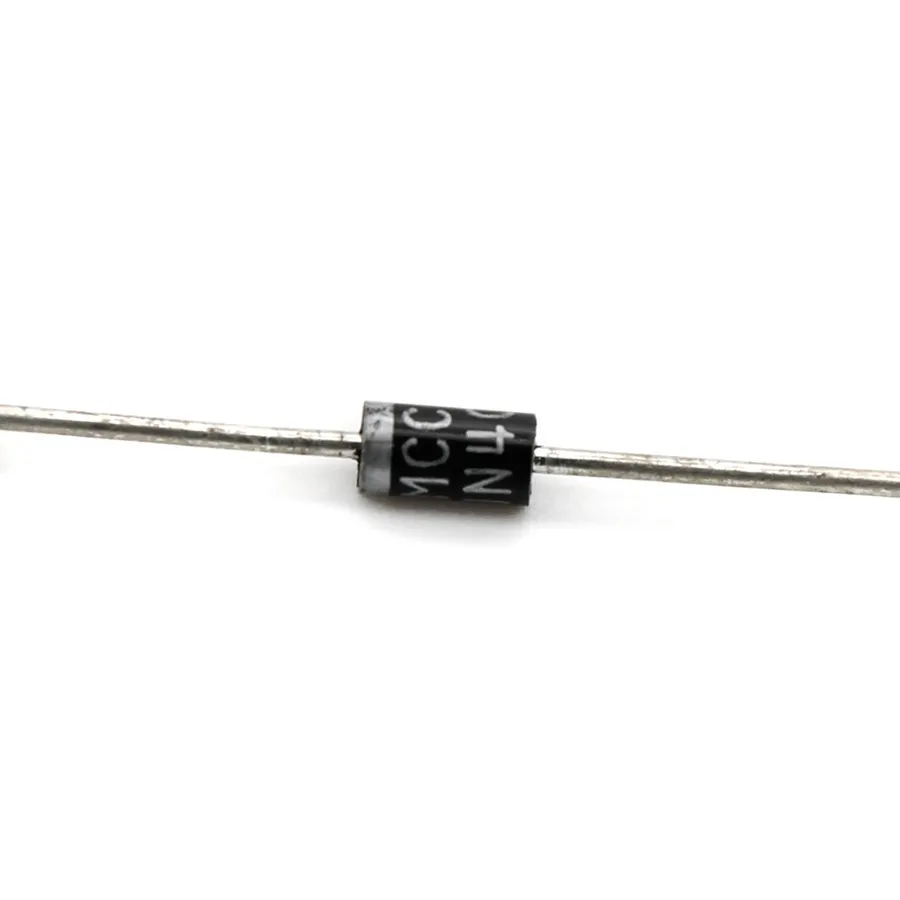
The 1N4001 diode is a fundamental semiconductor device, primarily employed as a rectifier in electronic circuits. As a member of the 1N400x family, it is designed to allow electrical current to flow predominantly in one direction, acting as a one-way valve for electrons. This unidirectional conductivity is critical in converting alternating current (AC) to direct current (DC), a process known as rectification, essential for powering most electronic devices.
Physically, the 1N4001 diode is typically constructed from a silicon crystal, doped to create a p-n junction. This junction forms the core of the diode's functionality. It consists of a p-type region (anode) with an excess of holes and an n-type region (cathode) with an excess of electrons. When a positive voltage is applied to the anode relative to the cathode (forward bias), current flows easily. Conversely, when a reverse voltage is applied, the diode blocks current flow, demonstrating its rectifying properties.
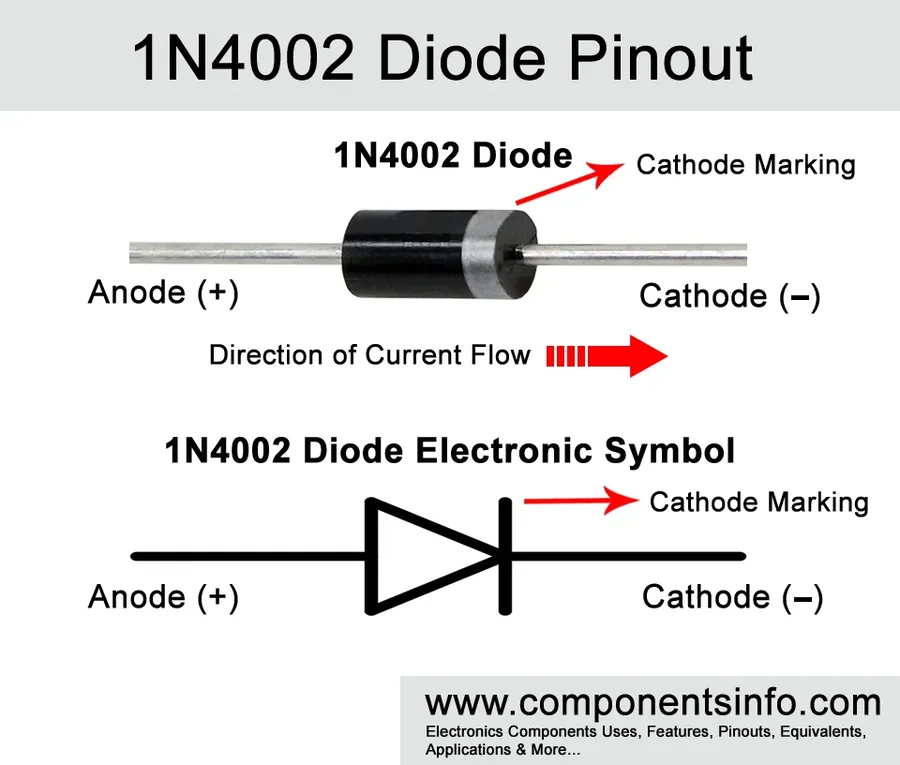
The 1N4001 diode is a fundamental component in electronics, known for its robust performance in rectification applications. Its key specifications define its operational limits and capabilities, making it crucial for engineers to understand these characteristics for effective circuit design and reliable system operation.
| Parameter | 1N4001 Value | Unit |
|---|---|---|
| Maximum Repetitive Peak Reverse Voltage (VRRM) | 50 | V |
| Maximum RMS Reverse Voltage (VRMS) | 35 | V |
| Maximum DC Blocking Voltage (VDC) | 50 | V |
| Maximum Average Forward Rectified Current (IF(AV)) | 1.0 | A |
| Peak Forward Surge Current (IFSM) (8.3ms Pulse) | 30 | A |
| Typical Forward Voltage Drop (VF) @ 1A | 0.93 | V |
| Maximum Forward Voltage Drop (VF) @ 1A | 1.1 | V |
| Typical Reverse Current (IR) @ VR | 5 | µA |
| Maximum Reverse Current (IR) @ VR | 50 | µA |
| Operating Junction Temperature Range (TJ) | -65 to +175 | °C |
| Storage Temperature Range (TSTG) | -65 to +175 | °C |
It is important to note that the forward voltage drop (VF) of a diode is not a constant value; it varies based on the current flowing through the diode and the operating temperature, with higher currents typically yielding a slightly higher VF. The specifications presented in the table are generally measured at 25°C, so designers should account for changes in VF at higher operating temperatures.
Understanding the reverse current (IR) and how it varies with temperature is essential. As temperature rises, the reverse leakage current increases, potentially affecting the diode's performance in blocking current flow in the reverse direction. It's crucial to consider the temperature-dependent characteristics of the 1N4001, particularly in applications where the diode will operate in elevated temperatures.
| Characteristic | 1N4001 | 1N4002 | 1N4003 | 1N4004 | 1N4005 | 1N4006 | 1N4007 |
|---|---|---|---|---|---|---|---|
| Max. Reverse Voltage (VRRM) | 50V | 100V | 200V | 400V | 600V | 800V | 1000V |
| Forward Current (IF(AV)) | 1A | 1A | 1A | 1A | 1A | 1A | 1A |
| Typical Forward Voltage Drop (VF) | 0.93V | 0.93V | 0.93V | 0.93V | 0.93V | 0.93V | 0.93V |
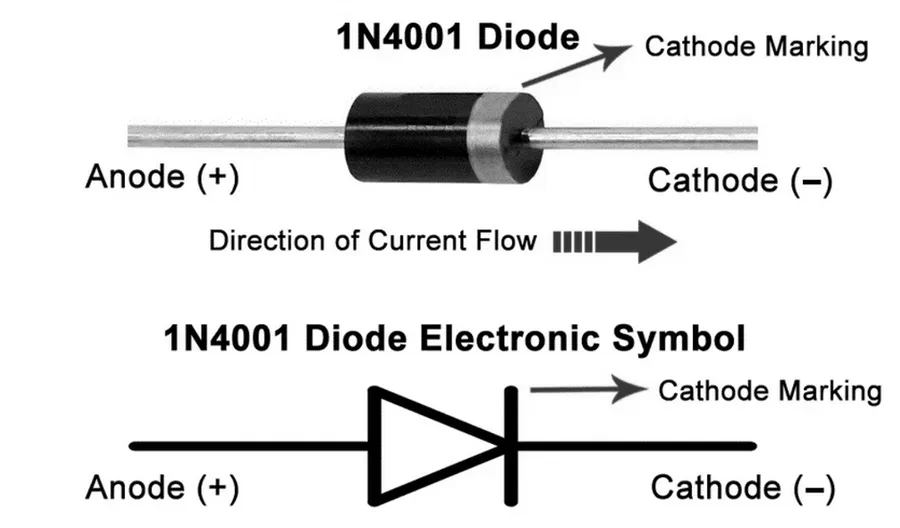
Correctly identifying and connecting the pins of a 1N4001 diode is crucial for its proper function within a circuit. The 1N4001 is a two-terminal device, with a distinct anode and cathode that dictate the direction of current flow. Understanding this configuration is fundamental for avoiding circuit malfunction or damage.
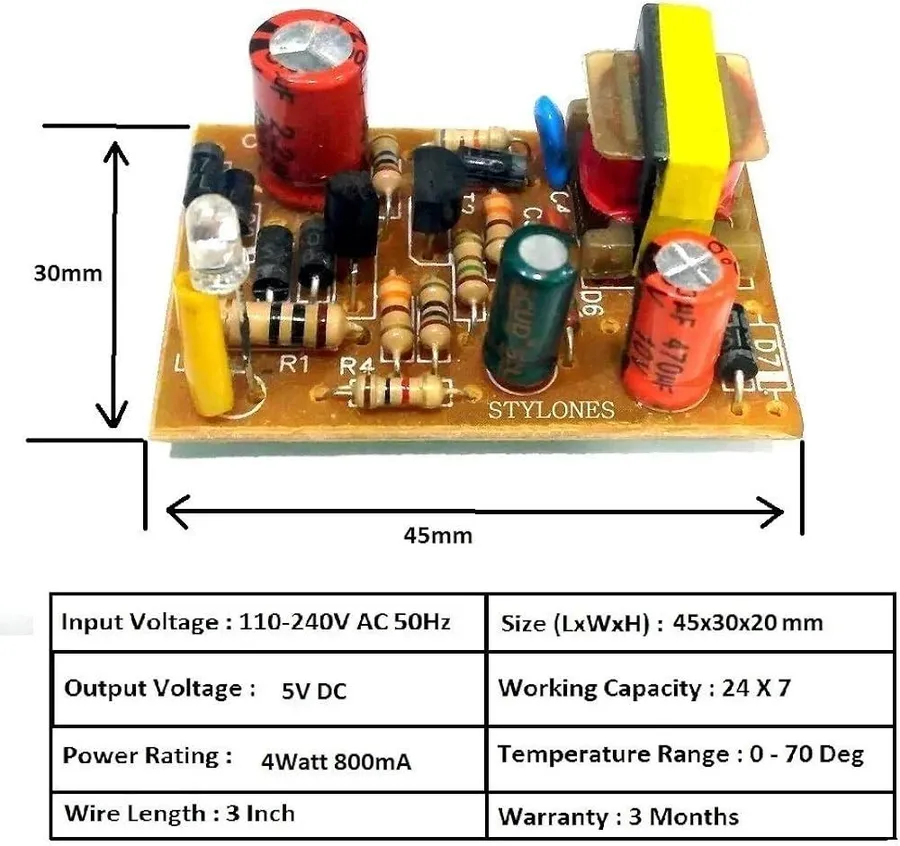
The 1N4001 diode, a fundamental component in electronics, excels as a rectifier, adept at converting alternating current (AC) to direct current (DC). Its straightforward functionality and reliability make it ubiquitous in various applications, spanning from everyday power supplies to intricate circuit protection.
Here are some key areas where 1N4001 diodes are commonly employed:
These applications showcase the 1N4001 diode's versatility and essential role in many electronic circuits. Its ability to rectify AC signals, protect circuits from inductive spikes, and manipulate voltage levels is why it remains a cornerstone in electronic design. The 1N4001's characteristics allow for its efficient use, with due consideration of its voltage and current limits. When designing circuits, understanding the 1N4001 diode's behavior and limits is essential for optimal circuit performance and longevity.
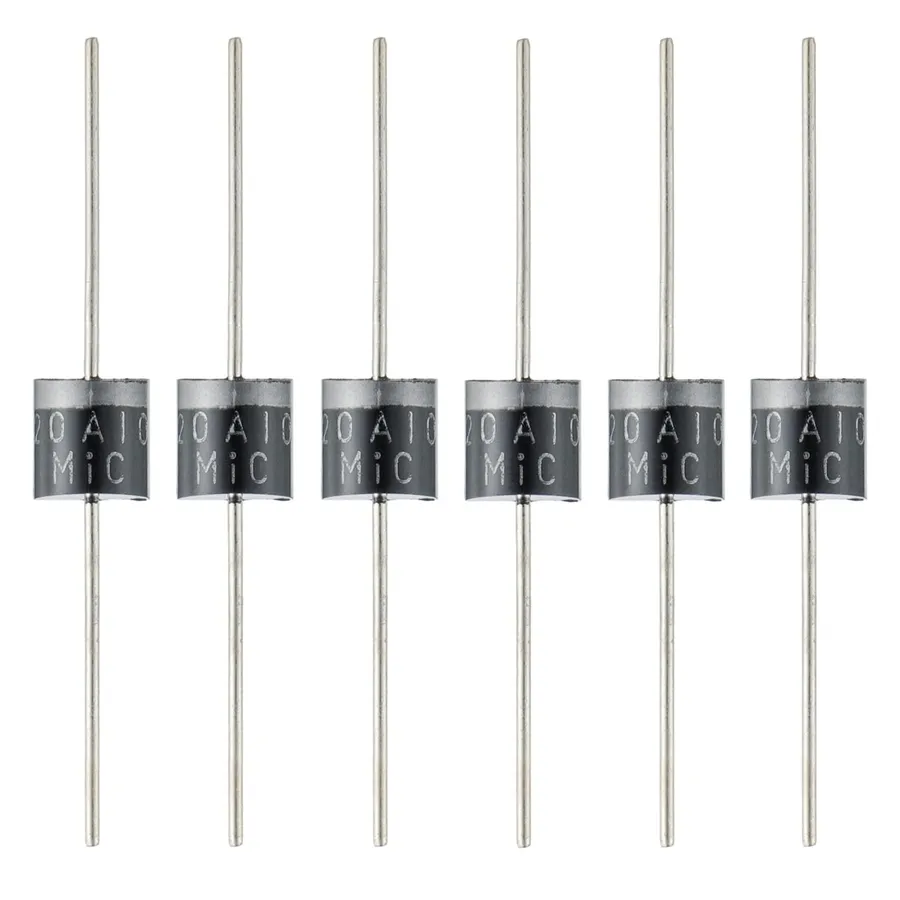
While the 1N4001 diode serves as a reliable rectifier for many applications, it's essential to understand its limitations and how it compares to other diodes, particularly the 1N4007. The primary difference lies in their reverse voltage capabilities, impacting their suitability for different power supply designs and other rectification needs. This section will detail these distinctions.
| Characteristic | 1N4001 Diode | 1N4007 Diode |
|---|---|---|
| Maximum Repetitive Reverse Voltage (VRRM) | 50V | 1000V |
| Maximum Average Forward Rectified Current (IF(AV)) | 1A | 1A |
| Forward Voltage Drop (VF) (Typical @ 1A) | ~0.7V to 1.1V | ~0.7V to 1.1V |
| Maximum Forward Surge Current (IFSM) | 30A | 30A |
| Operating Temperature Range | -65°C to +175°C | -65°C to +175°C |
| Typical Applications | Low-voltage power supplies, signal rectification | High-voltage power supplies, general purpose rectification |
As shown in the table, both diodes share similar current handling capabilities and forward voltage characteristics. The critical distinction lies in the reverse voltage rating. The 1N4001, with its 50V rating, is suitable for lower voltage applications, whereas the 1N4007, with a significantly higher 1000V rating, can withstand much larger reverse voltages. Therefore, the 1N4007 is favored in applications where there's a potential for higher reverse voltage transients or larger AC input voltages. The similar forward current rating also allows the 1N4007 to be a general purpose alternative to the 1N4001, if voltage is a consideration.
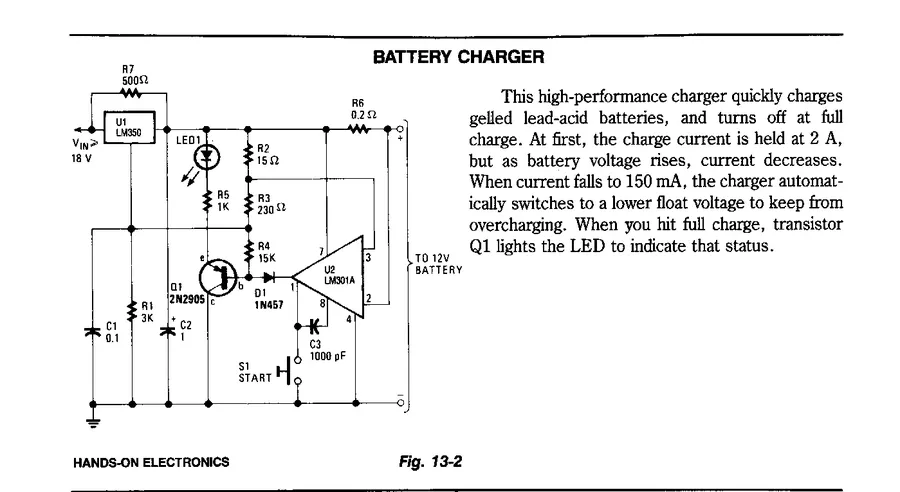
Choosing the appropriate diode for a circuit is crucial for its reliable operation. The 1N4001 diode is well-suited for general-purpose rectification tasks where its voltage and current ratings align with the circuit's demands. Understanding these parameters is key to selecting the right diode, ensuring both optimal performance and circuit longevity.
Key considerations when selecting the 1N4001 include the circuit's maximum reverse voltage, the expected forward current, and the operating temperature range. For optimal results, the 1N4001's specifications should comfortably exceed the maximum operating parameters of the circuit, to avoid overstressing the diode.
| Parameter | 1N4001 Specification | Considerations for Selection |
|---|---|---|
| Maximum Reverse Voltage | 50V | The peak inverse voltage (PIV) the diode will encounter must be less than 50V. |
| Forward Current | 1A | The continuous forward current the diode will conduct must be less than 1A. |
| Forward Voltage Drop | Approximately 0.7-1.1V | Consider the voltage drop when the diode is conducting to ensure the proper operation of the circuit. |
| Operating Temperature Range | -65°C to +175°C | Ensure the expected operating temperature of the circuit falls within the specified limits of the diode. |
Practical Tip: When dealing with AC-to-DC power supplies, ensure that the peak inverse voltage of the AC signal is accounted for, not just the RMS voltage. For example, a circuit using 36 VAC will reach close to 50.9V peak, meaning that the circuit is very close to the limit of the diode's capabilities
If the circuit's voltage or current demands exceed the 1N4001's ratings, consider using a diode with higher specifications, such as the 1N4007. The 1N4007 diode has a higher peak reverse voltage rating, which makes it more suitable for applications requiring higher voltage capabilities. The selection of the appropriate diode is essential to preventing diode failure and circuit malfunction.
This section addresses common questions regarding the 1N4001 diode, offering precise answers to aid in your understanding and practical application of this fundamental electronic component. We delve into its usage, comparisons with other diodes, current handling, and voltage characteristics.
The 1N4001 diode, while robust for its intended applications, can encounter issues if not operated within its specified parameters or if subjected to certain environmental conditions. Understanding common failure modes and implementing preventative measures is critical for reliable circuit performance.
The 1N4001 diode stands as a cornerstone of electronics, reliably performing the crucial task of rectification. From basic power supplies to complex circuits, its consistent performance makes it a go-to component. Whether you are a hobbyist or a professional, understanding the 1N4001, its specifications and applications, is essential. As technology advances, remember the vital role this component plays and, with that, the knowledge you gained from this article, enhancing your understanding of electronic engineering. The 1N4001 diode continues to demonstrate that sometimes the simplest solutions are the most effective.

