From the tiny circuits in our smartphones to the massive power grids across the country, diodes like the 1N4007 are essential. They are the silent guardians of electrical flow. This article will delve into the world of the 1N4007 diode, exploring its applications, specifications, and the current 1n4007 diode price. Whether you're a seasoned engineer or a curious hobbyist, understanding the 1N4007 diode's function and cost is key to your work or projects.
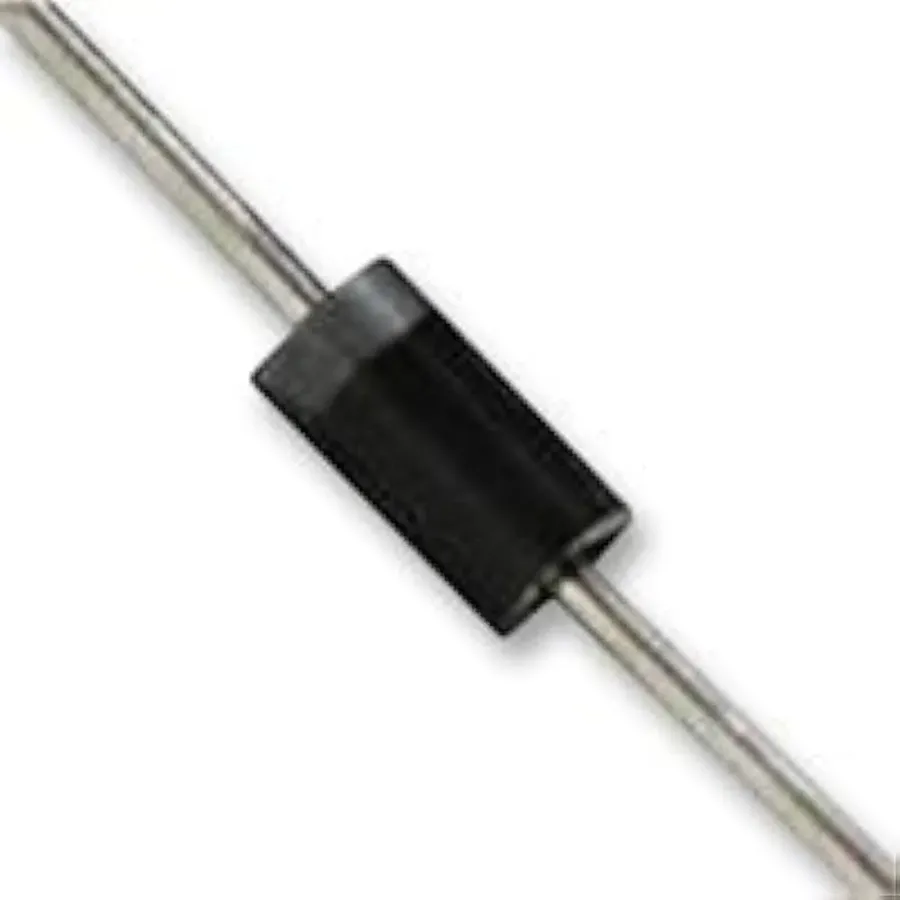
The 1N4007 is a ubiquitous silicon rectifier diode, fundamental in countless electronic circuits due to its ability to allow current to flow predominantly in one direction. This unidirectional conductivity is core to its function as a rectifier, converting alternating current (AC) to direct current (DC), which is essential for powering most electronic devices. The 1N4007’s design parameters prioritize its robust performance under a variety of operating conditions, making it a highly reliable component for both basic and complex applications.
At its core, a diode, including the 1N4007, acts like a one-way valve for electrical current. It allows current to flow with minimal resistance when forward biased (positive voltage applied to the anode and negative to the cathode), and it blocks current when reverse biased (negative voltage at the anode and positive at the cathode), except for a small leakage current. The key electrical characteristics of the 1N4007 include its forward voltage drop, the voltage required to allow current flow (typically around 0.7-1V for silicon diodes), reverse voltage (the maximum voltage it can withstand in reverse bias without breaking down) and current rating (the maximum current it can carry continuously).
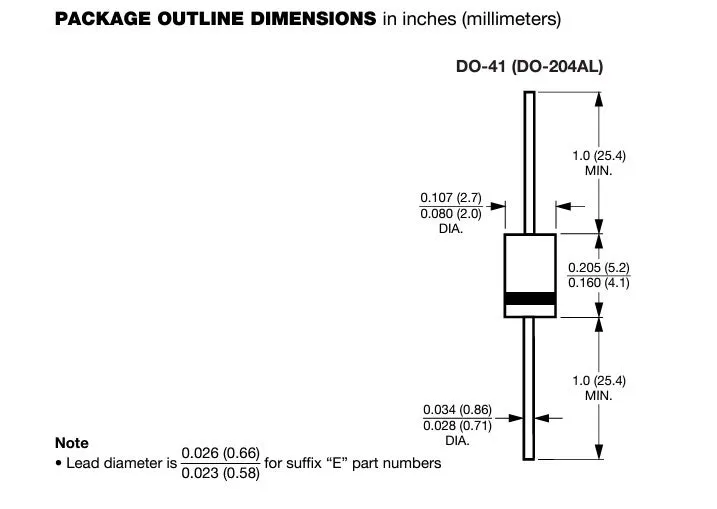
The 1N4007 diode is a ubiquitous rectifier diode, characterized by specific electrical parameters that define its performance in electronic circuits. Understanding these specifications is crucial for selecting the right diode for a particular application. Its key features include a relatively high peak reverse voltage and a moderate forward current capacity, making it suitable for a broad range of rectification and power supply applications.
| Parameter | Value | Description and Impact |
|---|---|---|
| Maximum Forward Current (IF(AV)) | 1A | The maximum continuous current the diode can safely conduct in the forward direction. Exceeding this limit can lead to overheating and damage. This limit affects the diode's suitability for power supply applications. A higher current rating would be necessary for heavier loads. |
| Peak Reverse Voltage (VRRM) | 1000V | The maximum reverse voltage the diode can withstand without breaking down or conducting in the reverse direction. A higher VRRM means the diode can be used in higher voltage circuits, providing a margin of safety against voltage spikes and transients. |
| Forward Voltage Drop (VF) | ~1.1V (at 1A) | The voltage drop across the diode when it's conducting in the forward direction, typically measured at its rated current. This affects efficiency since the forward voltage drop is a power loss in the diode. Lower forward voltage drops result in greater efficiency. The 'typical' range can vary slightly depending on manufacturing tolerances. |
| Operating Temperature Range | -65°C to +175°C | The range of ambient temperatures in which the diode can operate reliably. This specification must be considered to ensure proper operation and reliability of the circuit. Operation outside of these temperature limits can cause performance degradation and potentially catastrophic failure. |
| Reverse Leakage Current (IR) | 5µA at 1000V | The small amount of current that flows through the diode when it's reverse-biased. This value is generally very small but increases with temperature. Lower reverse leakage is better, minimizing wasted current and heat generation in reverse biased applications. |
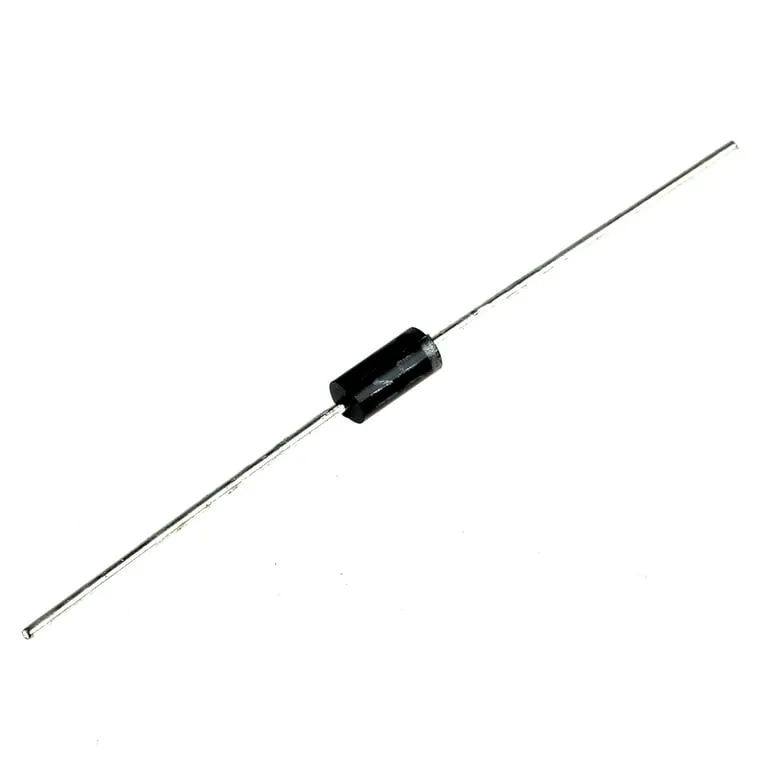
The price of a 1N4007 diode is generally quite low, making it a cost-effective component for various electronic projects. However, prices can fluctuate based on several factors, including the supplier, quantity purchased, and market conditions. This section provides a comprehensive overview of typical 1N4007 diode prices across different vendors, highlighting potential cost variations to ensure cost-effective sourcing.
| Supplier | Price per Unit (Single) | Price per Unit (100) | Price per Unit (1000) | Notes |
|---|---|---|---|---|
| Amazon | $0.05 - $0.15 | $0.03 - $0.08 | $0.02 - $0.05 | Prices vary widely based on seller and quantity. Shipping costs can add to overall expense. |
| Mouser Electronics | $0.10 - $0.20 | $0.06 - $0.12 | $0.04 - $0.09 | Generally higher per-unit cost for small quantities, but offers reliable sourcing and datasheet access. |
| Digi-Key | $0.12 - $0.25 | $0.07 - $0.15 | $0.05 - $0.10 | Similar to Mouser, expect higher prices for single units, but very reliable sourcing and technical support. |
| eBay | $0.03 - $0.10 | $0.02 - $0.05 | $0.01 - $0.03 | Prices can be very low, but quality and reliability of sellers need careful consideration. |
| AliExpress | $0.02 - $0.08 | $0.01 - $0.04 | $0.008 - $0.02 | Extremely low prices, but with potentially longer shipping times and quality varies significantly. |
The table above provides a general price range. Prices can change rapidly due to market fluctuations, promotions, and currency exchange rates. For large-volume orders, it's often advantageous to contact suppliers directly to negotiate better rates. Note that shipping costs and handling fees will add to the final price, and that should be considered when comparing costs, especially for small orders.

Sourcing 1N4007 diodes requires navigating various online and physical retailers. Each supplier offers unique advantages and disadvantages, impacting factors like price, availability, and shipping times. Understanding these differences allows for informed purchasing decisions.
| Supplier | Pros | Cons | Typical Pricing (USD, per unit, qty 100) |
|---|---|---|---|
| Mouser | Wide selection, high-quality components, reliable sourcing, detailed datasheets, excellent customer support. | Higher prices, shipping costs can be significant for small orders. | 0.04 - 0.08 |
| Digi-Key | Extensive inventory, fast shipping, robust search tools, a vast selection of electronic components, known for its authenticity. | Higher prices, can be less economical for small quantities, shipping fees can increase total cost. | 0.04 - 0.09 |
| Amazon | Convenient, often offers free shipping, fast delivery for Prime members, vast marketplace with many sellers. | Varied quality, risk of counterfeit parts, inconsistent pricing, long shipping times from some sellers. | 0.03 - 0.12 |
| eBay | Potential for lower prices, wide range of sellers. | High risk of counterfeit parts, quality concerns, unreliable shipping, seller reputation varies significantly. | 0.02 - 0.10 |
| Local Electronics Stores | Immediate availability, allows for in-person inspection. | Limited stock, potentially higher prices, not always available. | 0.05 - 0.15 |
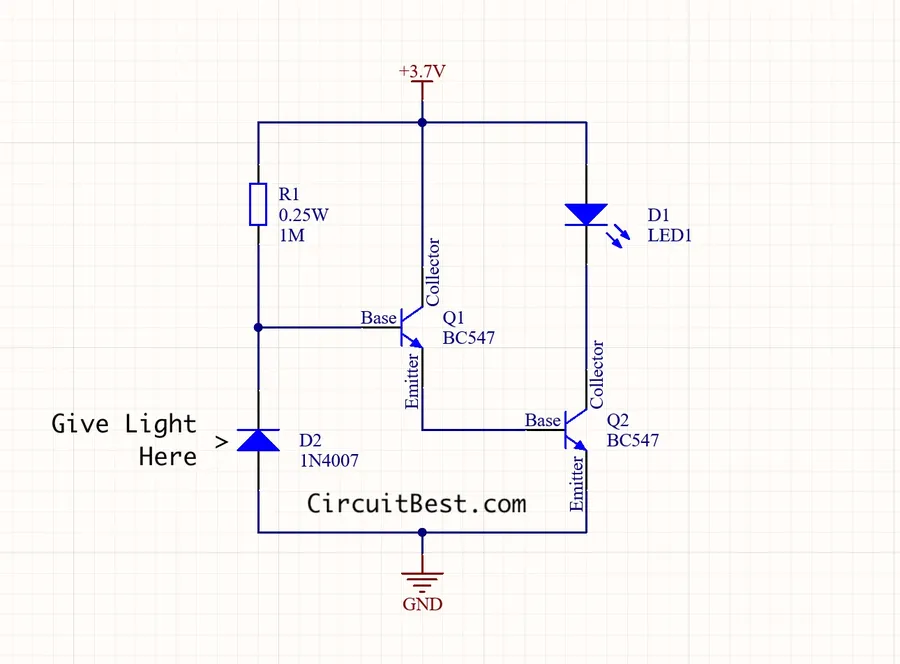
The 1N4007 diode, a ubiquitous component in electronics, is primarily utilized for its rectifying capabilities. Its robust specifications make it suitable for a diverse range of applications, from basic power conversion to more complex circuit protection. This section will explore some of the key applications of the 1N4007, demonstrating its versatility.
The 1N4007 is a general-purpose rectifier diode that is used to convert AC (alternating current) to DC (direct current), reverse polarity protection, and clamping circuits in electronic applications. Its core function revolves around allowing current to flow primarily in one direction while blocking it in the reverse direction.
A 1N4007 diode datasheet is a critical resource for understanding its electrical characteristics and ensuring it's used within its operational limits. These datasheets provide precise technical specifications, allowing engineers to design reliable circuits. Key parameters include peak inverse voltage, forward voltage drop, and reverse leakage current, which define the diode's behavior under different operating conditions.
| Parameter | Description | Significance |
|---|---|---|
| Peak Inverse Voltage (PIV) | The maximum reverse voltage that the diode can withstand without breaking down. | Critical for preventing diode damage in reverse-biased conditions; must be higher than the maximum reverse voltage expected in the circuit. |
| Forward Voltage Drop (Vf) | The voltage drop across the diode when it's conducting current in the forward direction. | Important for calculating power losses and ensuring proper circuit operation; affects overall efficiency of the circuit. |
| Reverse Leakage Current (Ir) | The small current that flows through the diode when it's reverse-biased. | Indicates the diode's blocking effectiveness; a low value is desirable, although it increases with temperature. |
| Maximum Forward Current (If) | The maximum amount of current the diode can handle continuously in the forward direction. | Essential for preventing overheating and damage to the diode; should be considered carefully when selecting a diode for a specific circuit. |
| Operating Temperature Range | The range of ambient temperatures under which the diode can function reliably. | Relevant for understanding the diode's thermal limits and whether additional heatsinking is needed. |
Understanding these parameters is essential for successful circuit design. For example, selecting a diode with a peak inverse voltage that is lower than the reverse voltage in a circuit can cause catastrophic failure. Similarly, if the forward current is higher than the specified maximum, the diode will overheat and potentially burn out.
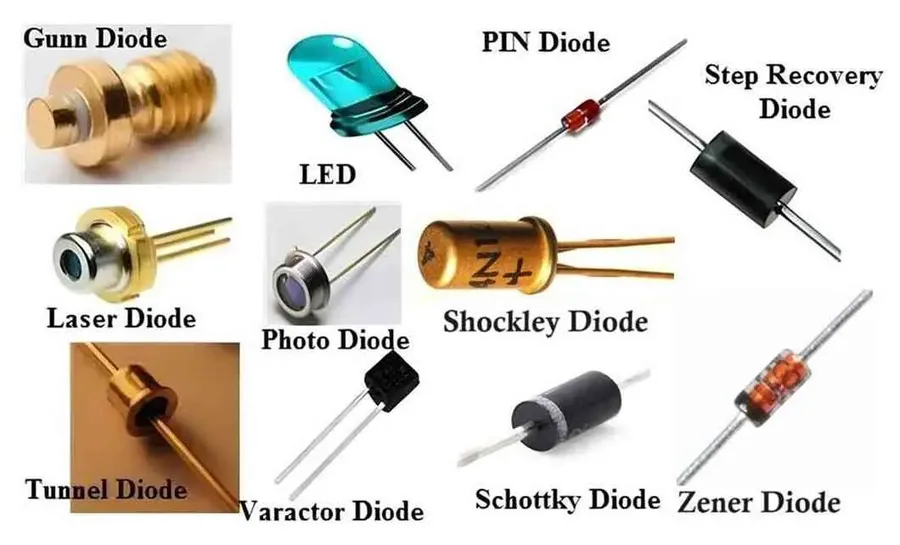
The 1N4007 diode is a workhorse in the realm of general-purpose rectification, but it's crucial to understand how it stacks up against other rectifier diodes. Selecting the right diode involves balancing cost, performance, and the specific demands of an application. This section provides a detailed comparison with several common alternatives.
| Parameter | 1N4007 | 1N4001 | 1N4004 | 1N4148 |
|---|---|---|---|---|
| Max Reverse Voltage (V) | 1000 | 50 | 400 | 100 |
| Max Forward Current (A) | 1 | 1 | 1 | 0.2 |
| Typical Forward Voltage Drop (V) | 1.1 | 1.1 | 1.1 | 0.7 |
| Reverse Leakage Current (µA) | 5 | 5 | 5 | 0.025 |
| Recovery Time | Standard | Standard | Standard | Fast |
| Cost | Low | Lower | Low | Very Low |
| Application | General Purpose Rectification | Low Voltage Rectification | Medium Voltage Rectification | High-Speed Switching, Signal Processing |
The 1N4001, 1N4004, and 1N4007 diodes form a family of general-purpose rectifiers with identical current handling capabilities but different voltage ratings. The 1N4001, with the lowest reverse voltage rating of 50V, is suitable for low-voltage applications. The 1N4004 offers a moderate 400V rating, while the 1N4007 has the highest rating at 1000V. The 1N4148 is a significantly different type of diode, designed for high-speed switching applications, and has a lower current handling capacity and a lower forward voltage drop than the 1N4007 but does have a fast recovery time.
When choosing between these diodes, designers should consider the peak reverse voltage they will experience in their application. While the 1N4007 may seem like the safest option due to its high reverse voltage rating, it's important to remember that the diode selected should align with the real requirements to avoid over-engineering and unnecessary costs. For instance, using a 1N4007 in a 5V circuit that will never go over 20V would be an overkill when the 1N4001 will suffice. In contrast, if you need a fast recovery diode the 1N4148 would be more suited, but care must be taken to not exceed its maximum current capabilities.
This section addresses common questions regarding the 1N4007 diode, providing concise, authoritative answers to assist users in understanding its characteristics and applications. We aim to clarify typical queries about its value, appropriate usage scenarios, current handling capacity, and its speed as a recovery diode.
The 1N4007 diode is a fundamental component in electronics, and understanding its price, applications, and specifications is essential for both hobbyists and professionals. The 1n4007 diode price can vary depending on the vendor and quantity purchased. Always check the datasheet and select the right diode for your project needs. With this knowledge, you can confidently use the 1N4007 diode to build reliable and efficient electronic circuits, from simple power supplies to complex electronic devices. The future of electronics continues to rely on these kinds of essential components.

