The humble diode, a cornerstone of modern electronics, plays a crucial role in directing the flow of electrical current. Among these vital components, the 1N5408 diode stands out as a workhorse, widely used in power supplies and various rectification circuits. Understanding its characteristics and capabilities is paramount for any electronics enthusiast or engineer. Just as a traffic controller ensures smooth flow of vehicles, the 1N5408 diode ensures electrical current flows in one direction, which is critical for electronic circuits. In this article, we will delve into the specifications, applications, and alternatives of this important component, providing you with a comprehensive guide to the 1N5408 diode.
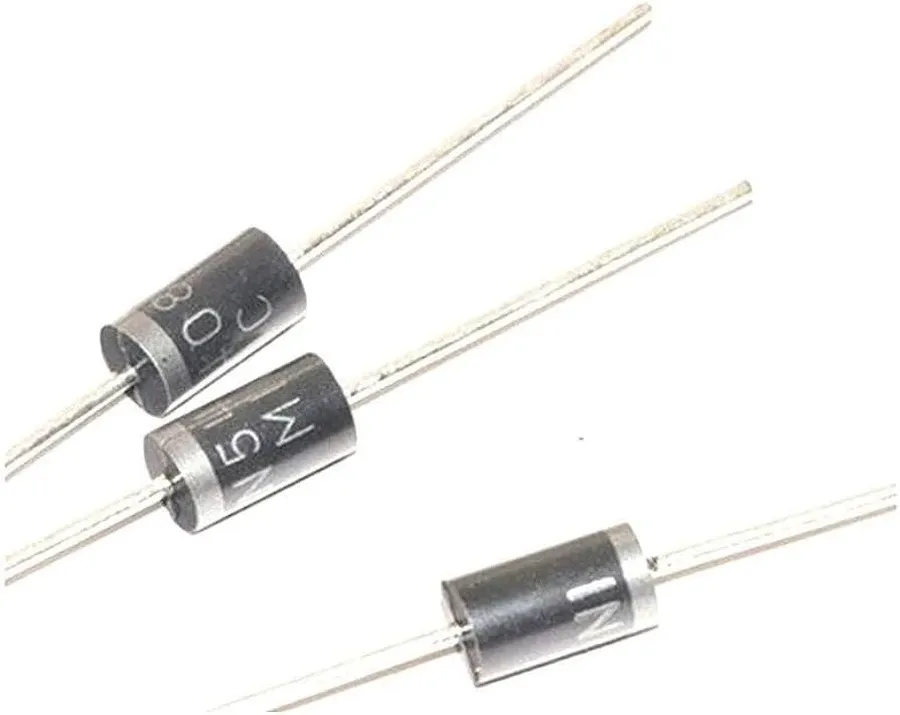
The 1N5408 diode is a silicon rectifier diode characterized by its robust electrical specifications, making it suitable for various power rectification and general-purpose applications. Key parameters include its peak inverse voltage (PIV), maximum forward current, and operating temperature range, which dictate its performance and suitability for specific circuit designs.
| Parameter | Value | Unit |
|---|---|---|
| Peak Inverse Voltage (PIV) | 1000 | V |
| Maximum Average Forward Rectified Current | 3 | A |
| Maximum Peak Forward Surge Current | 200 | A |
| Forward Voltage Drop (Typical) | 1.0 | V |
| Operating Temperature Range | -65 to +150 | °C |
| Storage Temperature Range | -65 to +175 | °C |
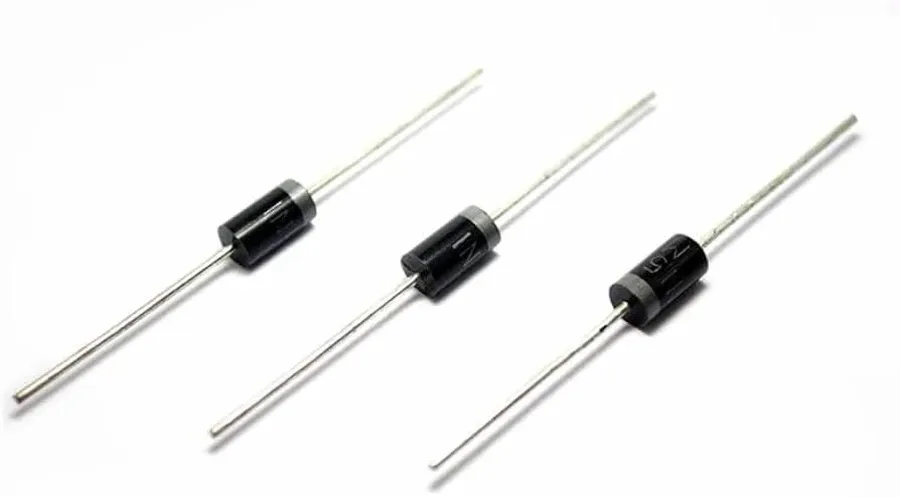
The 1N5400 series of diodes, including the 1N5408, are popular for power rectification due to their robust current and voltage handling capabilities. This section details the subtle yet critical distinctions within the series, specifically focusing on voltage and current ratings that differentiate each diode, allowing for precise component selection for various electronic applications.
| Diode Model | Peak Inverse Voltage (PIV) | Average Forward Current | Typical Application |
|---|---|---|---|
| 1N5400 | 50V | 3A | General purpose rectification in low voltage circuits |
| 1N5401 | 100V | 3A | Rectification in slightly higher voltage circuits |
| 1N5402 | 200V | 3A | Power supplies and inverters with moderate voltage |
| 1N5404 | 400V | 3A | Higher voltage rectification, medium power |
| 1N5406 | 600V | 3A | High voltage applications, more robust circuits |
| 1N5408 | 1000V | 3A | High voltage rectification, power supply with high input voltage, surge protection |
As evidenced in the table, while all diodes in the 1N5400 series share a 3A average forward current, the key differentiator lies in their Peak Inverse Voltage (PIV). The 1N5408 has the highest PIV at 1000V, which determines its capacity to withstand reverse voltage without breaking down and the 1N5400 has the lowest PIV at 50V. This variation in PIV means the choice of a particular diode is dictated primarily by the circuit's voltage requirements.
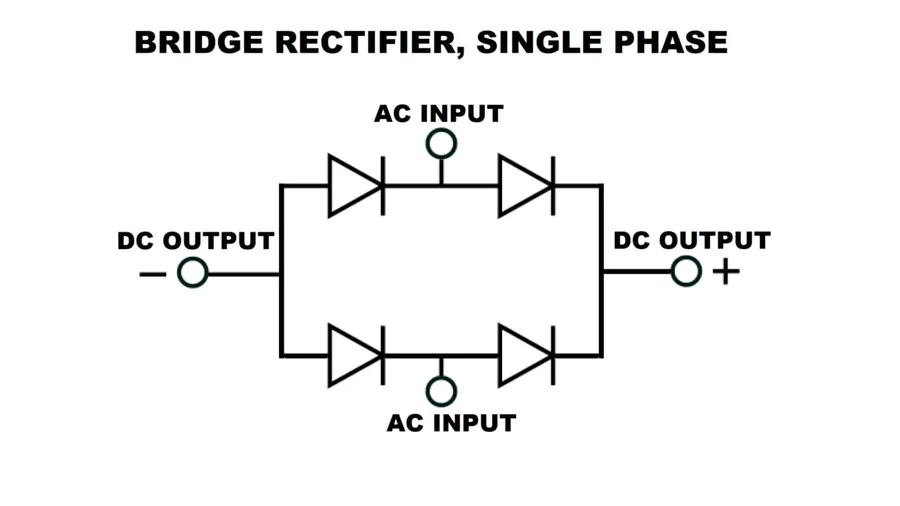
The 1N5408 diode is fundamental in power rectification, a critical process in converting alternating current (AC) to direct current (DC). This conversion is essential for powering a vast array of electronic devices, from simple household appliances to sophisticated industrial equipment. The diode's unidirectional current flow characteristic is what makes this transformation possible.
In AC circuits, current periodically changes direction. The 1N5408, acting as a rectifier, allows current to flow in only one direction. This is achieved by the diode having a low resistance in the forward-biased direction and high resistance in the reverse-biased direction. This behavior effectively 'clips' the negative portion of the AC waveform, converting it to a pulsating DC.
The process of rectification using 1N5408 diodes is a cornerstone in power supply design. Configurations such as half-wave and full-wave rectifiers use one or more diodes respectively, to convert AC voltages to DC voltages that are suitable for powering various electronic loads. In a half-wave rectifier, a single diode blocks one half of the AC cycle, resulting in a pulsating DC output. Full-wave rectifiers utilize multiple diodes, often in a bridge configuration, to use both halves of the AC cycle to produce a more consistent DC output with higher efficiency.
Practical applications of the 1N5408 in power rectification include the conversion of mains AC power to the DC voltages required by many electronic devices, notably in power adapters and chargers, where the diode rectifies the AC signal coming from the mains supply. Furthermore, the 1N5408 is found in power inverters, which convert DC power into AC power by switching the DC power source through a series of stages. During the DC to DC voltage conversions within the power supplies, the 1N5408 may serve as a protection component, preventing reverse current flow and damage to sensitive circuits. The robustness and affordability of this diode have made it a popular choice for power rectification across various applications, despite the existence of more efficient alternatives, where simplicity and cost-effectiveness are the driving factors.
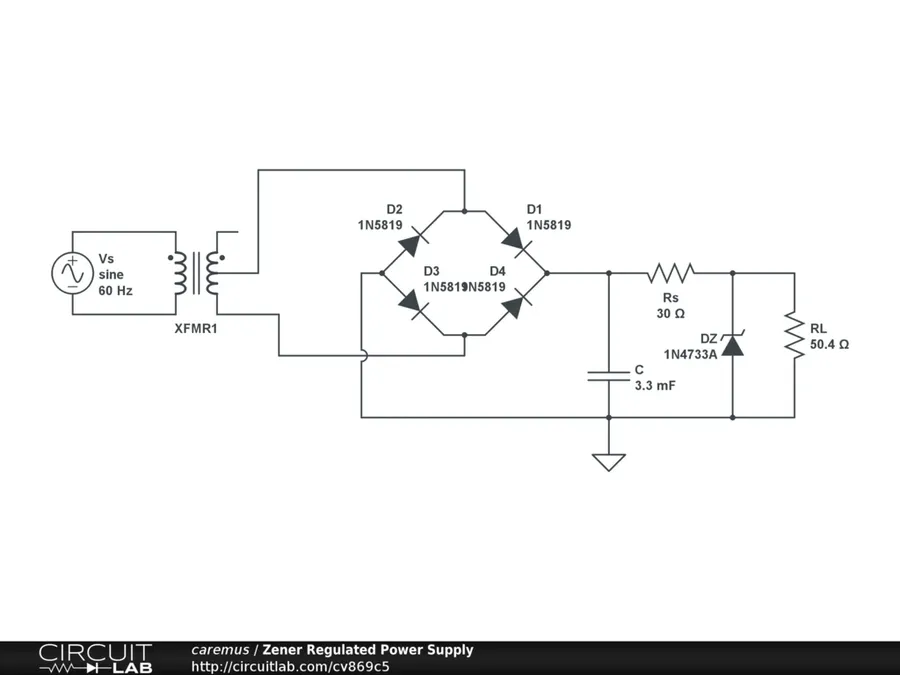
The 1N5408 diode, with its robust specifications, finds widespread use in various electronic applications, primarily in power rectification, protection, and general-purpose switching. Its capacity to handle significant current and voltage levels makes it a versatile component in numerous circuits.
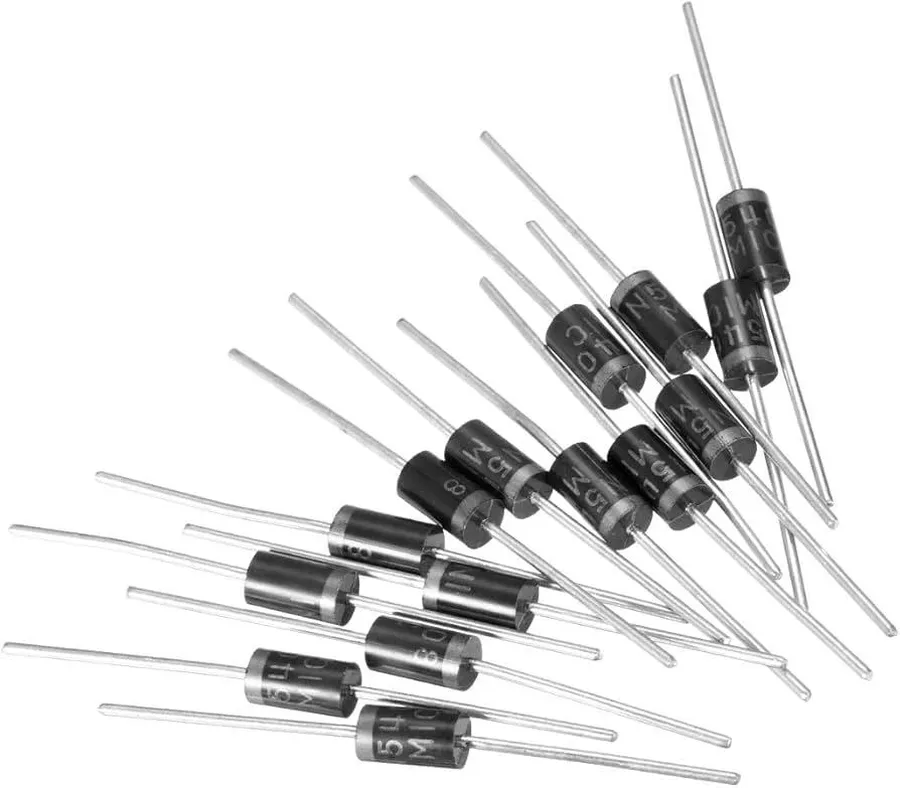
While the 1N5408 serves as a robust general-purpose rectifier diode, Schottky diodes offer distinct advantages in certain applications. This section provides a detailed comparison of their characteristics, focusing on voltage drop, switching speed, and typical uses, to help in selecting the optimal diode for specific circuit requirements.
| Characteristic | 1N5408 Diode | Schottky Diode |
|---|---|---|
| Forward Voltage Drop | Relatively High (0.7 - 1.0V) | Low (0.2 - 0.4V) |
| Switching Speed | Slow | Fast |
| Reverse Recovery Time | High | Very Low |
| Maximum Reverse Voltage | High | Lower compared to similar rated PN Junction Diode |
| Typical Application | General-purpose rectification, power supplies | High-frequency switching, voltage clamping, power rectification in high-frequency circuits |
| Cost | Low | Higher |
The primary difference between the 1N5408 and a Schottky diode lies in their construction. The 1N5408 is a PN junction diode, while a Schottky diode uses a metal-semiconductor junction. This difference leads to several key performance variations.
Due to the difference in construction, Schottky diodes have a significantly lower forward voltage drop, which reduces power loss and heat generation, particularly in high-current circuits. In contrast, 1N5408 diodes exhibit a higher voltage drop and slower switching speeds, making them less suitable for high-frequency applications but excellent for general power rectification.
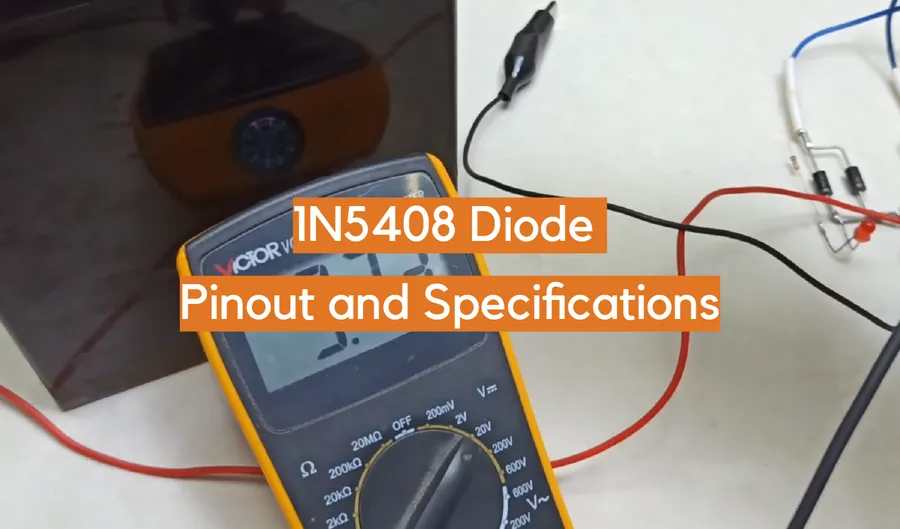
The 1N5408 diode, like most axial-lead diodes, features a simple and robust physical design. Understanding its pinout and packaging is crucial for correct integration into circuits, ensuring proper functionality and preventing damage. This section details the physical aspects of the 1N5408, highlighting how to identify its polarity and handle it safely.
The 1N5408 is typically housed in a DO-201AD package, characterized by its cylindrical body and two axial leads extending from either end. These leads are designed for through-hole mounting on circuit boards. The body of the diode is commonly made of epoxy, providing insulation and protection for the internal semiconductor junction. The dimensions of the package adhere to industry standards, facilitating ease of handling and mounting. This standardisation is critical for manufacturing processes.
| Feature | Description |
|---|---|
| Package Type | DO-201AD |
| Body Material | Epoxy |
| Lead Type | Axial |
| Mounting Style | Through-hole |
A key consideration when working with diodes is identifying the anode and cathode. The 1N5408 has a polarity marking – typically a band, usually silver or white, printed on the body of the diode. This band is located closer to the cathode terminal, which is the negative lead. The lead on the opposite side of the band is the anode (positive lead). Correctly identifying the polarity of the diode is crucial for it to function as designed in the circuit, as diodes only allow current to flow primarily in one direction, from anode to cathode.
When handling the 1N5408, or any electronic component, it’s important to adhere to certain guidelines. Avoid excessive bending of the leads, as this could damage the internal connections of the diode. Using proper soldering techniques is also crucial. Avoid excessive heat during soldering as this may damage the semi-conductor material, it's advisable to use a heatsink or perform the soldering quickly to prevent damage. Store in a dry environment to prevent oxidation.
This section addresses common queries regarding the 1N5408 diode, providing clear and concise answers based on fundamental electronic principles and datasheet specifications.
The 1N5408 diode, while robust for many applications, can experience failures if operated outside its specified parameters or under adverse conditions. Identifying and addressing common issues promptly can prevent further damage and ensure the longevity of the circuit.
Selecting the appropriate diode for a specific application requires careful consideration of several key parameters beyond just the 1N5408. These factors include voltage requirements, current handling capabilities, operating temperature, switching speed, and the specific demands of the circuit design. A thorough understanding of these aspects ensures optimal performance and reliability.
| Factor | Description | Relevance to Diode Selection |
|---|---|---|
| Peak Inverse Voltage (PIV) | The maximum reverse voltage the diode can withstand without breaking down. | Crucial for preventing diode failure under reverse bias conditions; the PIV rating must exceed the maximum reverse voltage expected in the circuit. |
| Forward Current (I_F) | The maximum current the diode can safely conduct in the forward direction. | Determines the diode's capacity to handle the intended current load; selecting a diode with an inadequate forward current rating can lead to overheating and damage. |
| Forward Voltage Drop (V_F) | The voltage drop across the diode when it is conducting current in the forward direction. | Affects power efficiency; diodes with lower forward voltage drops minimize power loss. Consider this for low voltage circuits. |
| Operating Temperature Range | The range of temperatures within which the diode will function correctly. | Crucial for applications where temperature fluctuations can be significant; ensure diode can operate within the temperature range specified. |
| Reverse Leakage Current (I_R) | Small current that flows through the diode when it is reverse-biased. | It should be minimal; can impact circuit efficiency and power consumption. Important for precision electronics. |
| Switching Speed | How fast the diode can switch from a conducting to a non-conducting state (and vice-versa). | Essential for high frequency applications; Schottky diodes are known for their fast switching speeds, while standard rectifier diodes like 1N5408 are typically slower. |
| Diode Type (e.g., rectifier, Schottky, Zener) | Different types of diodes are designed for specific applications and performance characteristics. | Choose the diode type based on the circuit needs (e.g., rectifiers for power conversion, Zener diodes for voltage regulation, and Schottky diodes for high-speed switching). |
When selecting a diode, it's essential to consult datasheets to confirm the diode's specifications match your intended application. Consider safety factors. For example, if the maximum reverse voltage in a circuit is 300V, you might consider selecting a diode with a PIV rating of 600V, adding a significant margin of safety. Similarly, choose diodes with a forward current rating that considerably exceeds the maximum current anticipated to reduce operating temperatures and improve the lifespan of the components.
The 1N5408 diode is more than just a component; it's a crucial building block for many electronic devices. Its robustness and versatility make it an essential component for anyone working with electronics. By understanding its characteristics and limitations, you can leverage the 1N5408 diode effectively in your projects. Whether you are designing a basic power supply or troubleshooting a complex circuit, the 1N5408 offers a reliable and accessible solution for various rectification needs. Furthermore, ongoing advancements in materials science suggest we will see more efficient and compact alternatives in the future, continuing to enhance the capabilities of electronic devices.

