Have you ever wondered what keeps your air conditioner, refrigerator, or other appliances running smoothly? A seemingly small but crucial component called a motor run capacitor plays a vital role in the operation of many AC motors. Like a tiny, yet powerful energy reservoir, the motor run capacitor helps motors start and continue to operate efficiently, making our daily lives more convenient and comfortable. This article dives into how motor run capacitors work, their importance, and what to do when they fail.
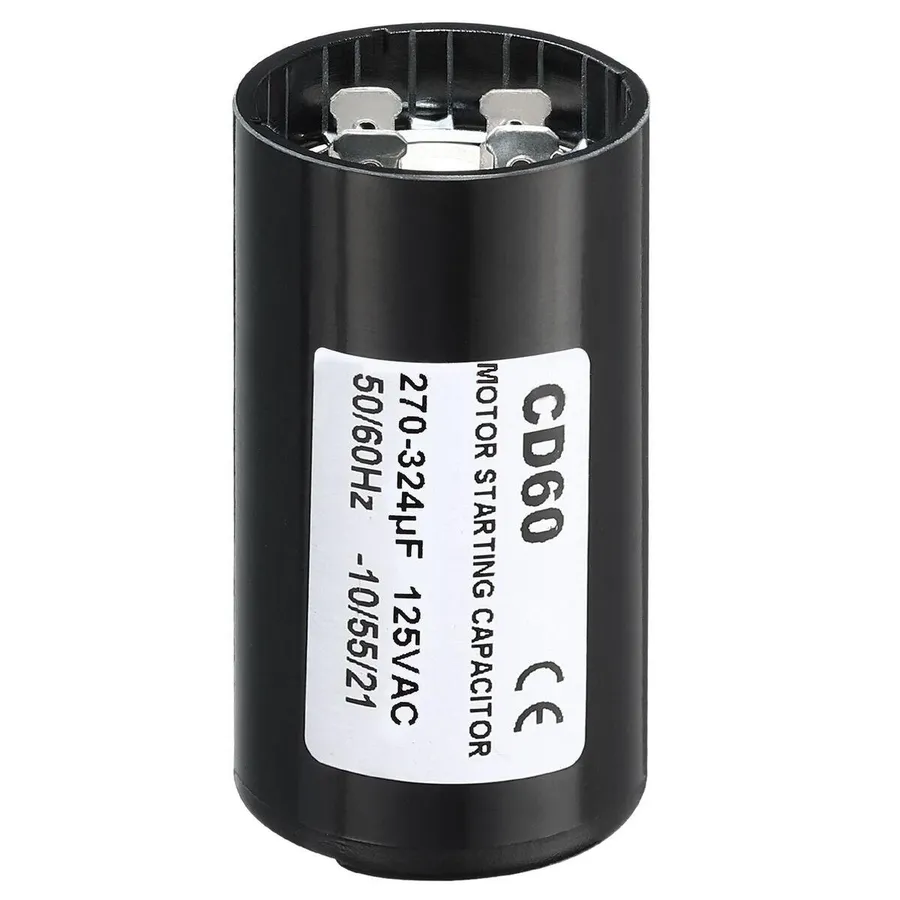
A motor run capacitor is an essential electrical component in single-phase alternating current (AC) induction motors. Its primary function is to create a phase shift in the electrical current supplied to the motor's windings. This phase shift generates a rotating magnetic field, which is fundamental for starting and maintaining the smooth and efficient operation of the motor.
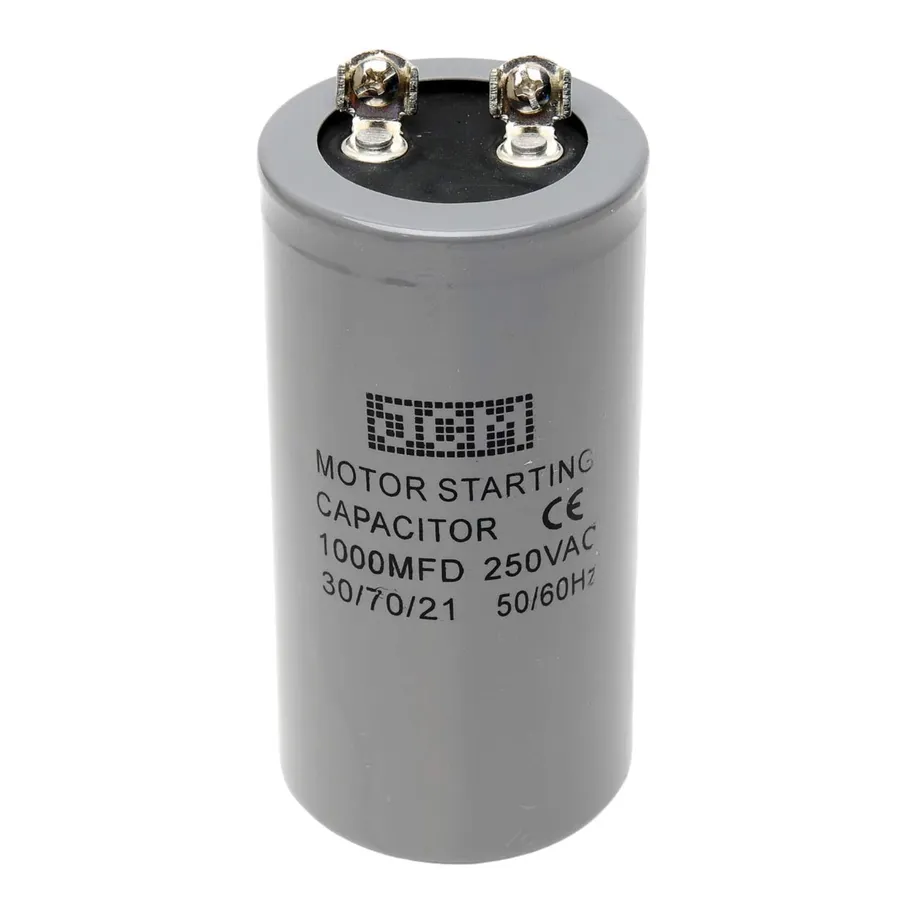
A motor run capacitor functions as an energy storage device, playing a crucial role in the continuous operation of single-phase AC motors. Unlike start capacitors, which are used for brief periods during startup, run capacitors are designed to remain in the circuit during the entire running cycle, providing a continuous phase shift, enhancing the motor’s power factor and overall efficiency.
The fundamental principle behind a run capacitor's operation is the creation of a phase difference between the current flowing through the main and auxiliary windings of the motor. This phase difference generates a rotating magnetic field, which allows the rotor to turn smoothly and continuously. Without the appropriate phase shift, the motor will not be able to function properly, leading to starting issues, reduced efficiency, and potential overheating.
The capacitor achieves this phase shift by storing electrical energy during a portion of the AC cycle and then releasing it back into the circuit in a phase-shifted manner. This allows the motor to operate with improved power factor, drawing current more efficiently from the power supply and leading to less waste in the form of reactive power.
Fundamentally, the capacitor, in conjunction with the motor windings, creates a resonant LC (Inductor-Capacitor) circuit that tunes the current flow to generate the rotating magnetic field. The capacitance value is selected to precisely control this phase difference and optimise motor operation. This continuous delivery of energy is why they are called 'run' capacitors, designed for endurance throughout the motor's active time.
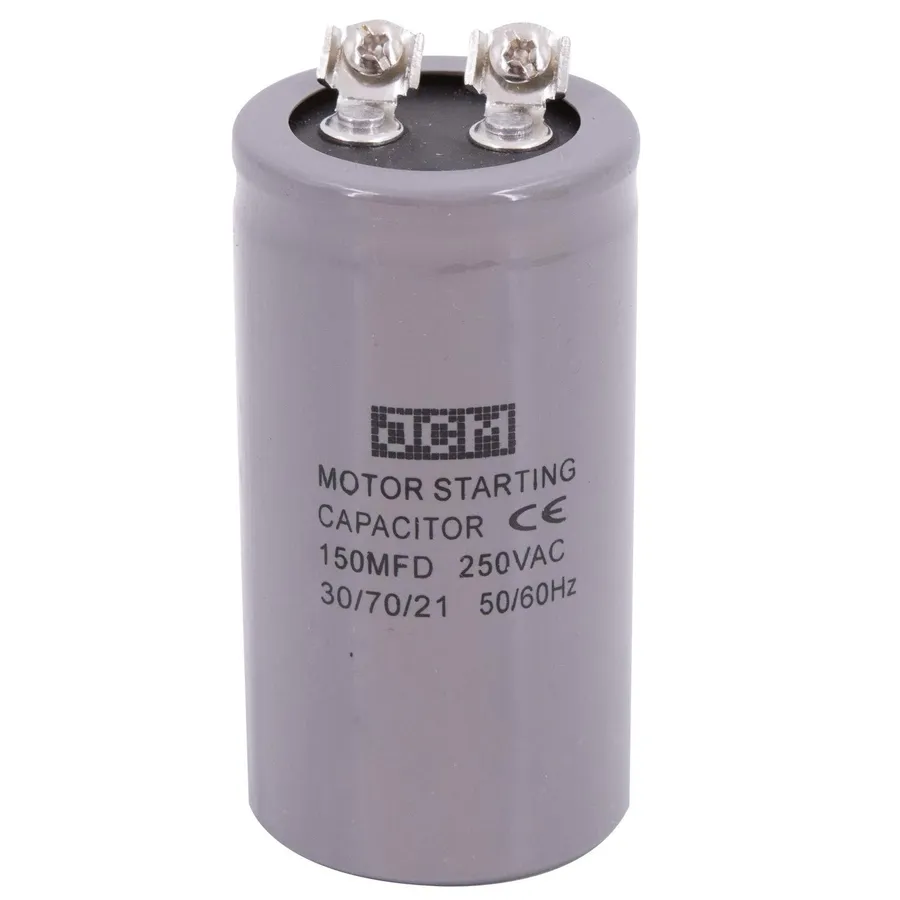
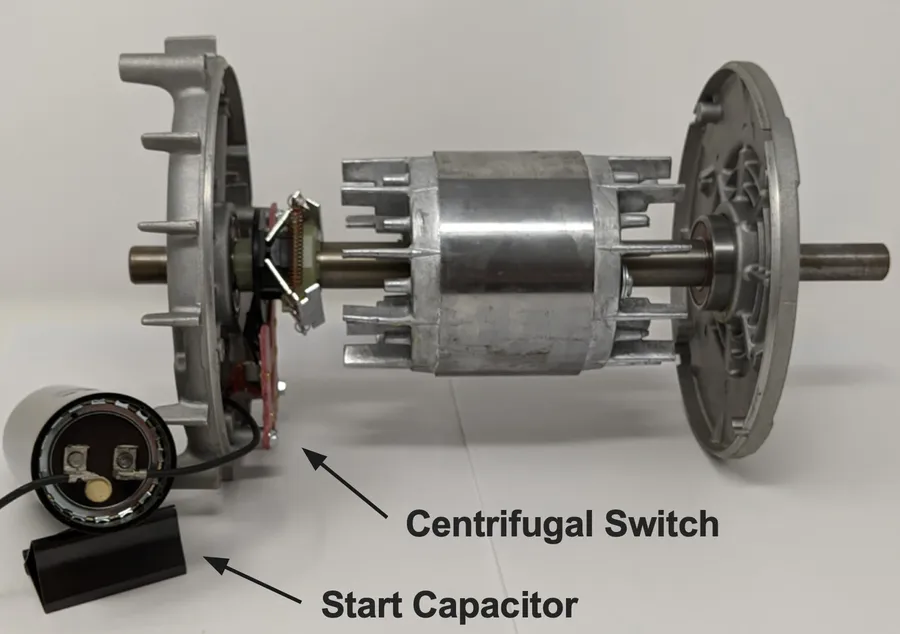
While both motor run and start capacitors are essential components in single-phase AC motors, their design and function differ significantly. Motor run capacitors are designed for continuous operation during the motor's running cycle, whereas start capacitors provide a brief, high-power boost to initiate motor rotation. This fundamental difference dictates their construction, capacitance, and current ratings.
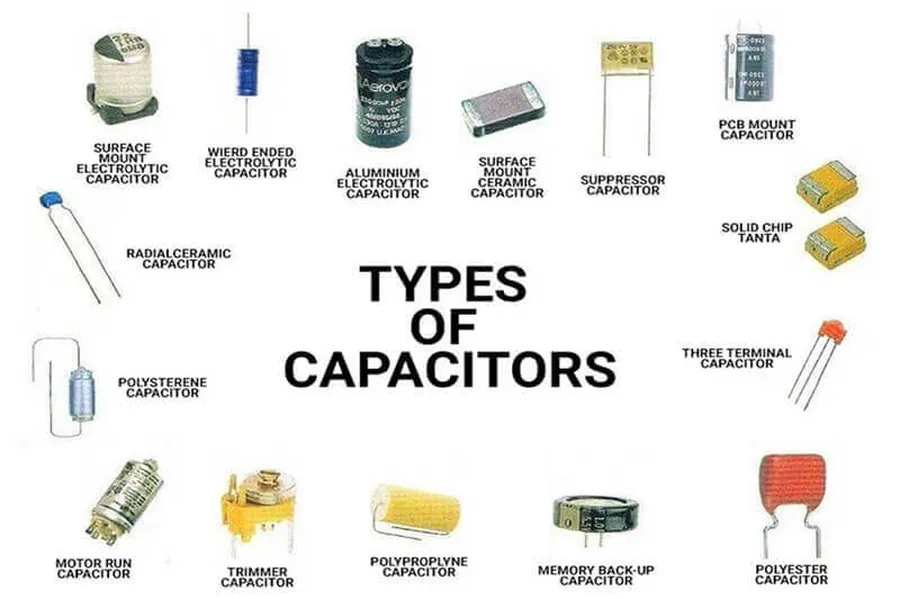
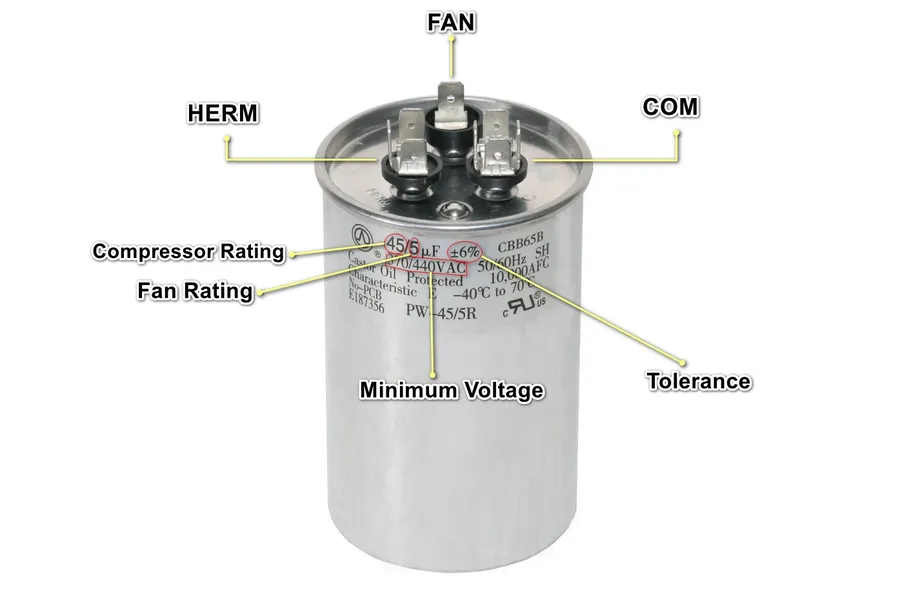
Motor run capacitors are crucial components in single-phase AC motors, and selecting the correct one requires a thorough understanding of their specifications and available types. These capacitors are characterized by their capacitance, voltage rating, and physical form factor, all of which are critical for ensuring proper motor operation and longevity.
| Specification | Description | Importance |
|---|---|---|
| Capacitance | Measured in microfarads (μF), this indicates the capacitor's ability to store electrical charge. | Directly affects motor torque, starting, and running performance. Must match motor specifications. |
| Voltage Rating | The maximum voltage the capacitor can safely withstand, typically specified in VAC (Volts Alternating Current). | Critical for safety and capacitor lifespan. The rating must be equal to or higher than the circuit voltage. |
| Shape/Form Factor | Common shapes include round, oval, and rectangular, each designed for different mounting scenarios. | Impacts physical installation and space constraints. |
| Operating Frequency | The frequency of the AC power the capacitor is designed to operate at, typically 50Hz or 60Hz. | Ensures proper performance based on power grid frequency. |
| Temperature Rating | Specifies the safe operating temperature range of the capacitor. | Important for environments with varying temperatures to ensure reliability and prevent failure. |
Capacitance is arguably the most critical parameter. It is specified in microfarads (μF) and must precisely match the motor manufacturer's specifications. Using a capacitor with incorrect capacitance will lead to inefficient operation, motor overheating, and premature failure. Common capacitance values range from a few microfarads to several tens of microfarads, depending on the motor size and application. The voltage rating, denoted in VAC (Volts Alternating Current), must also be carefully observed to avoid catastrophic failures; a capacitor's voltage rating should always equal or exceed the voltage of the motor's electrical system. The physical shape or form factor (e.g., round or oval) is primarily an installation concern.
The CBB65 type is a frequently encountered category of motor run capacitors, particularly in air conditioning systems, refrigeration units, and other appliances. These capacitors generally are constructed with a metalized polypropylene film dielectric, are self-healing (in case of a breakdown) , and are encased in an aluminum can, ensuring high reliability and thermal endurance. The CBB65 series come in a variety of standard voltage and capacitance ratings, with each specific model having its unique parameters to match the corresponding motor specifications. It is vital that exact replacements are made based on the motor’s specifications found on the nameplate to ensure proper and safe operations.
Selecting the correct replacement requires careful attention to these specifications; referencing the motor's nameplate and the existing capacitor's markings are paramount. Manufacturers often provide detailed datasheets that outline these parameters for their products. It is not safe to use a capacitor with lower voltage rating or capacitance than the motor's specifications.
A failing motor run capacitor manifests in several telltale signs that indicate its inability to properly support the motor's operation. Recognizing these symptoms early is crucial to prevent further damage and ensure the longevity of the motor. These symptoms often result from the capacitor's degradation, which leads to inefficiencies in the motor's electrical circuit and can cause a variety of operational problems.
Accurately diagnosing motor issues often requires testing the run capacitor, a crucial component for motor operation. This section outlines how to safely and effectively test a motor run capacitor using a multimeter to determine if it is functioning correctly and to confirm if it is the cause of motor malfunctions.
Proper testing is critical before considering a replacement. Always ensure the power is completely disconnected to the motor before beginning any testing or replacement procedures. Testing a motor run capacitor primarily involves measuring its capacitance, which should be close to the value stated on the capacitor’s label. Deviations from this value can indicate a failing capacitor.
This method is for testing the capacitor's ability to store charge. Other tests can include visual inspection for signs of bulging or leaks which can also signal capacitor failure.
Replacing a motor run capacitor, while seemingly complex, can be safely accomplished by following a methodical approach. This section provides detailed instructions on how to select the correct replacement capacitor based on the old unit's specifications, how to safely discharge the old capacitor, and how to properly install the new one in the motor circuit, using appropriate safety measures. Accurate identification of the capacitor's specifications and adherence to safety protocols are critical for a successful replacement and to prevent personal injury or damage to the motor.
This section addresses common inquiries about motor run capacitors, clarifying their function, failure modes, and operational necessities. These questions are essential for understanding the role of run capacitors in motor systems.
A direct comparison between motor run and start capacitors highlights their distinct roles and operational characteristics within single-phase AC motors. These differences are crucial for understanding their appropriate applications and ensuring optimal motor performance.
| Feature | Motor Run Capacitor | Motor Start Capacitor |
|---|---|---|
| Primary Function | Maintains phase shift and improves power factor during continuous motor operation. | Provides a high current boost for initial motor startup. |
| Duty Cycle | Continuous operation. Designed to carry current throughout the motor's running cycle. | Intermittent operation. Only in the circuit for a short period during startup. |
| Capacitance | Lower capacitance values, typically in the range of a few to several tens of microfarads (µF). | Higher capacitance values, can range from tens to hundreds of microfarads (µF). |
| Current Rating | Designed to handle continuous current flow. | Designed for high peak current for short durations. |
| Construction | Typically made with oil-filled or dry film capacitors for robust continuous use. | Usually electrolytic capacitors which have a higher capacitance per unit volume, suitable for short durations. |
| Life Cycle | Designed for a long operational lifespan due to robust construction. | Shorter life cycle compared to run capacitors because of their higher current and voltage rating requirements in short bursts. |
| Connection in Circuit | Permanently connected in series with one of the motor windings. | Connected in series with one of the motor windings and is usually switched out of the circuit by a centrifugal switch or a relay once the motor reaches a certain speed. |
| Impact on Power Factor | Improves the motor's power factor during operation, leading to higher efficiency. | Does not impact the power factor during continuous operation. It aids only during startup phase. |
| Physical Size | Often smaller physical size for a given voltage. | Often larger physical size for a given voltage rating due to its higher capacitance value. |
To maximize the operational lifespan of a motor run capacitor and ensure reliable motor performance, several preventative measures should be consistently applied. These measures largely revolve around maintaining suitable operating conditions and performing routine checks.
Motor run capacitors are small but crucial components in many of the single-phase AC motors that power our homes and industries. Understanding how these motor run capacitors work, recognizing the signs of failure, and knowing how to test and replace them can significantly extend the life and efficiency of your motors. Properly functioning motor run capacitors are vital for efficient operation and play a critical role in our modern technological infrastructure, and ensuring you choose the correct one is important to motor functionality and the longevity of your motors. By understanding and maintaining these parts, you ensure optimal efficiency for years to come, and keep our world spinning.

