In the bustling world of electronics, the 220k resistor is a silent workhorse, often overlooked yet crucial to countless circuits. Imagine it as a tiny traffic controller for electrical current, ensuring components receive just the right amount of power. From simple hobby projects to complex industrial devices, this humble component plays a vital role in the flow of electricity. This article delves into the 220k resistor's various applications, types, and key considerations when using it in your own projects, demystifying its function with practical tips to enhance your understanding and usage.
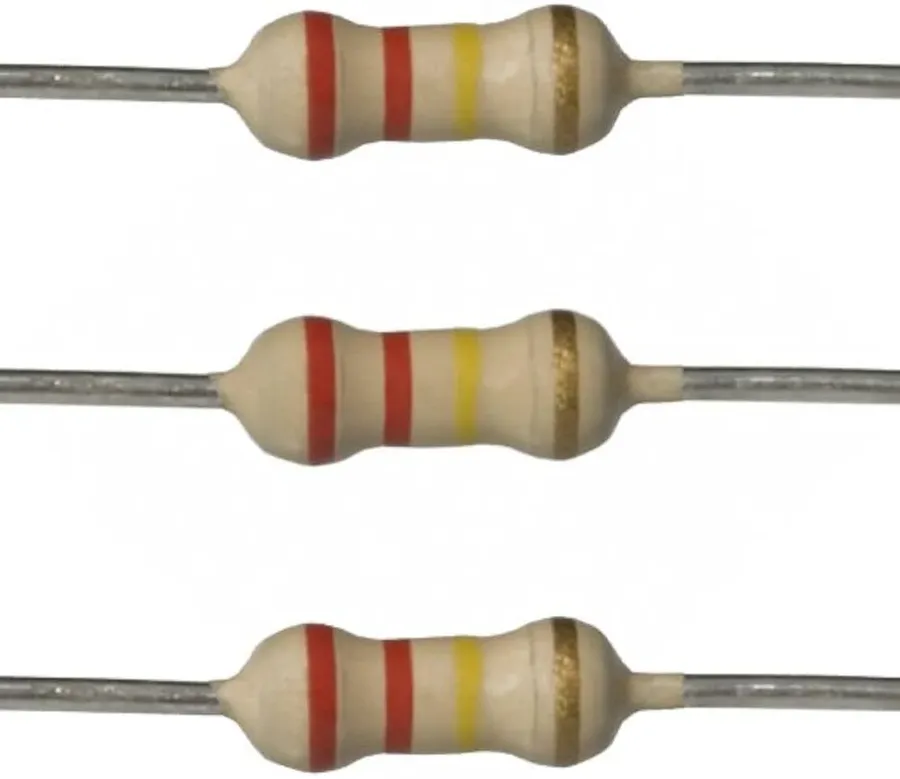
A 220k resistor is a fundamental electronic component designed to impede the flow of electrical current within a circuit. The '220k' designation specifies its resistance value: 220,000 ohms (Ω). This resistance is a measure of how strongly the component opposes current flow, thereby regulating the amount of current that passes through it. The unit, ohms, is a base SI unit of electrical resistance and is defined as the resistance between two points of a conductor when a constant potential difference of 1 volt, applied to these points, produces in the conductor a current of 1 ampere, the conductor not being the source of any electromotive force.
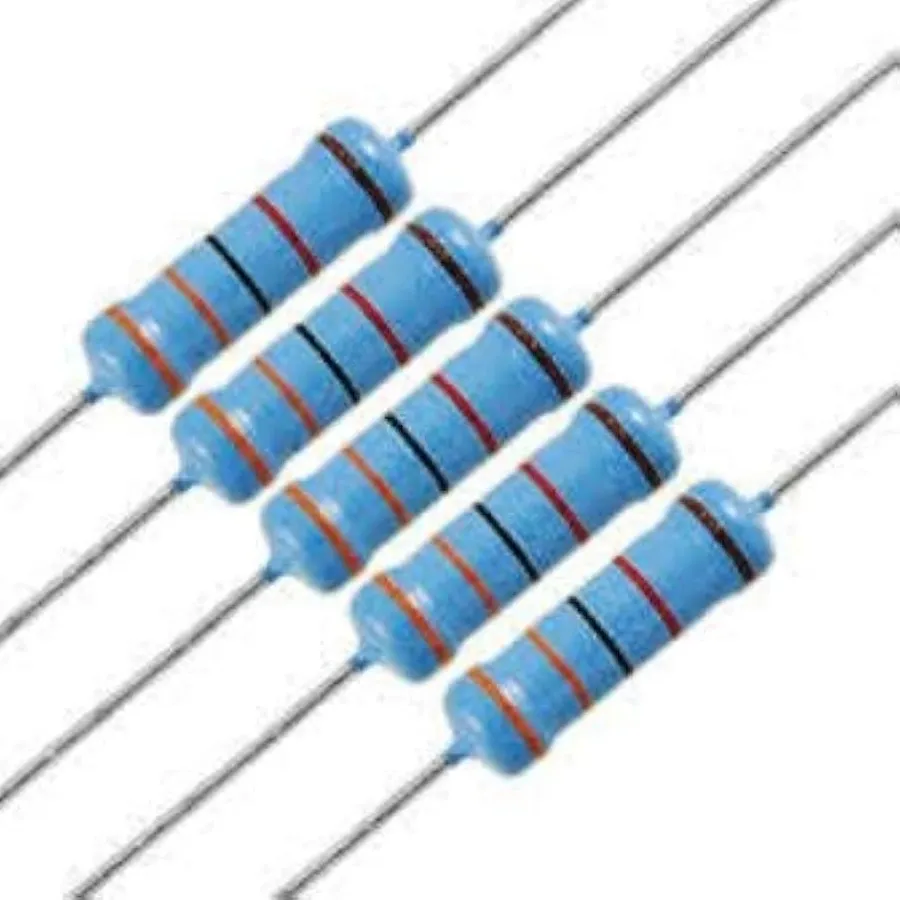
220k resistors, crucial components in electronic circuits, are manufactured using different materials and processes, primarily resulting in two main types: carbon film and metal film resistors. Each type exhibits distinct properties that affect their performance and suitability for various applications. This section provides a detailed comparison of these two resistor types, highlighting their construction, advantages, and disadvantages.
| Characteristic | Carbon Film Resistors | Metal Film Resistors |
|---|---|---|
| Construction | Thin film of carbon deposited on a ceramic substrate, with a protective coating. | Thin film of metal alloy deposited on a ceramic substrate, with a protective coating. |
| Resistance Tolerance | Generally higher tolerance (e.g., 5%, 10%), meaning less precise resistance values. | Generally lower tolerance (e.g., 1%, 0.5%), providing more precise resistance values. |
| Temperature Coefficient | Higher temperature coefficient, causing more significant resistance variations with temperature changes. | Lower temperature coefficient, exhibiting better stability with temperature changes. |
| Noise | Tend to produce slightly more noise than metal film resistors. | Generally produce less noise, beneficial for sensitive circuits. |
| Stability | Less stable over time and under varying conditions. | More stable over time and under varying conditions. |
| Power Handling | Usually lower power ratings. | Available in a range of power ratings, including higher power options. |
| Cost | Generally lower in cost. | Generally higher in cost due to more precise manufacturing processes and materials. |
| Applications | Suitable for general-purpose applications where high precision and stability aren't critical. | Preferred for precision circuits, sensitive equipment, and applications requiring high stability and low noise. |
In summary, while carbon film resistors offer a cost-effective solution for general-purpose applications, metal film resistors provide superior performance in terms of precision, stability, and lower noise, making them ideal for more demanding and sensitive applications. The choice between the two types hinges on the specific requirements of the circuit in question.
In electronic circuits, a 220k resistor's actual resistance can vary slightly from its nominal value. This deviation is known as tolerance, a crucial parameter that directly impacts the accuracy and reliability of circuit operation. Understanding resistor tolerance is vital for circuit design.
Tolerance is generally expressed as a percentage of the nominal resistance value. For example, a 220k resistor with a 5% tolerance could have an actual resistance anywhere between 209kΩ and 231kΩ. This inherent variability means that precise circuit design and component selection must account for these tolerances to ensure the circuit performs as intended.
| Tolerance (%) | Resistance Range for 220kΩ Resistor |
|---|---|
| 1% | 217.8kΩ - 222.2kΩ |
| 5% | 209kΩ - 231kΩ |
| 10% | 198kΩ - 242kΩ |
Standard tolerances for 220k resistors typically include 1%, 5%, and 10%. Resistors with a 1% tolerance are often referred to as precision resistors, suitable for applications where high accuracy is required. General-purpose applications may use 5% or 10% tolerance resistors. The choice of tolerance depends on the specific application and the degree of accuracy needed.
The implication of tolerance on circuit accuracy is significant. In a voltage divider circuit, for example, using a resistor with a 5% tolerance might cause variations in the output voltage of 5% or more. In critical applications, this could result in circuit malfunction. Therefore, it's always necessary to choose a tolerance that will ensure your circuit meets its performance requirements.
The power rating of a 220k resistor is a critical parameter that dictates the maximum amount of power the resistor can safely dissipate as heat without sustaining damage. Choosing the correct power rating is essential to prevent overheating, which can lead to resistor failure and potential harm to the circuit.
Common power ratings for 220k resistors include 1/8W, 1/4W, 1/2W, 1W, and 2W, with 1/4W and 1/2W being the most prevalent in general electronic applications. The appropriate power rating depends on the expected current flow and the voltage drop across the resistor.
The power dissipated by a resistor can be calculated using the formula P = I²R or P=V²/R, where P is power in watts, I is the current in amperes, V is the voltage in volts, and R is the resistance in ohms. Let's illustrate this with a practical example.
Consider a scenario where a 220k resistor is connected across a 12V voltage source. The current through the resistor can be calculated using Ohm's Law (I=V/R) and that will be I = 12V/220,000 ohms ≈ 0.0000545A. The power dissipated by the resistor will be P = I²R = (0.0000545A)^2 * 220000 ohms ≈ 0.00065W which is 0.65mW. In this case, even a 1/8W resistor would suffice.
| Power Rating | Description | Typical Applications |
|---|---|---|
| 1/8W | Suitable for very low-power circuits. | Logic circuits, sensor signal conditioning. |
| 1/4W | Most common for general-purpose electronics. | Pull-up/pull-down resistors, voltage dividers. |
| 1/2W | Good for moderate power applications. | Motor control, LED driving circuits. |
| 1W | Used for higher power applications | Audio amplifiers, power supplies. |
| 2W | Suitable for high power circuits. | Heavy-duty electronics, industrial applications. |
It is crucial to select a resistor with a power rating that exceeds the calculated power dissipation to ensure reliable operation and prevent overheating. As a rule of thumb, its good practice to choose a resistor with a power rating 2-3 times higher than your expected value for the application. Overheating is detrimental to resistors, leading to a shift in resistance values, increased noise, and in extreme cases, complete failure.
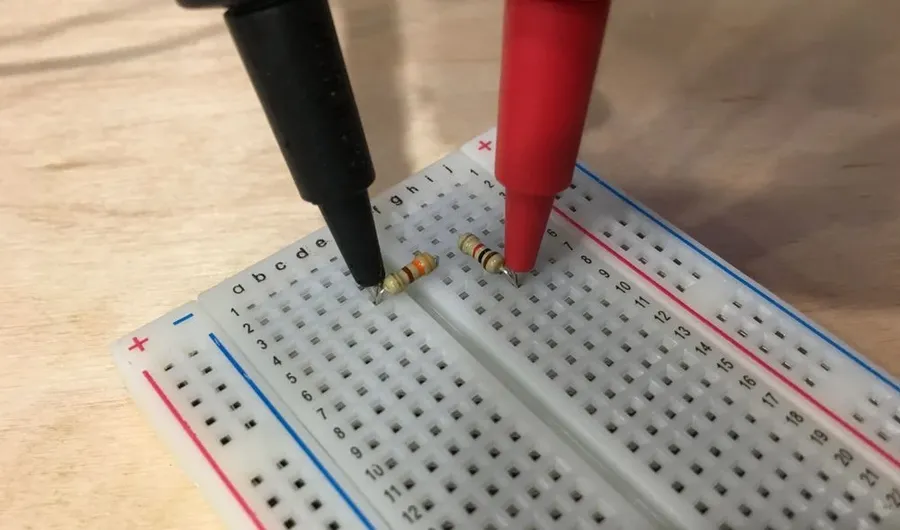
The 220k resistor, a component offering a substantial resistance, finds utility across a spectrum of electronic applications. Its high resistance value is particularly beneficial in scenarios where limiting current, establishing precise voltage levels, or biasing active devices are crucial.
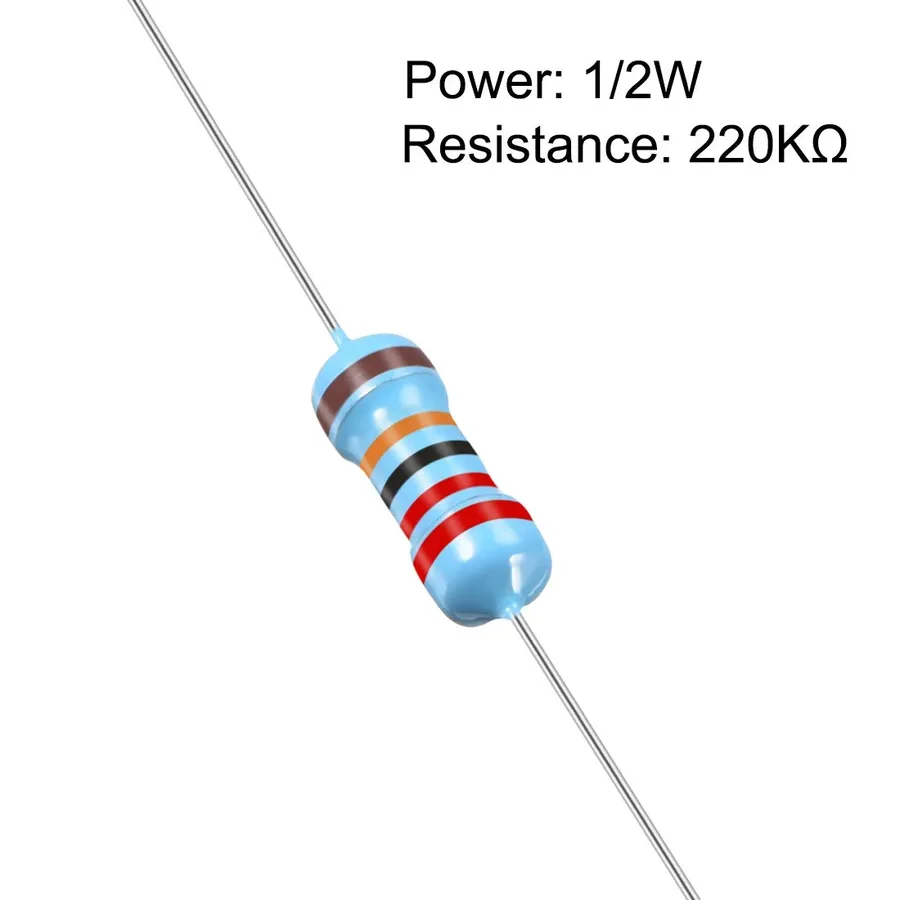
The color code on a 220k resistor is a standardized system for indicating its resistance value and tolerance. Understanding this color code is crucial for correctly identifying and utilizing the resistor in electronic circuits. A 220k resistor typically uses a 4-band or 5-band color code, with each band representing a numerical value, a multiplier, or a tolerance.
| Band | Color | Value/Multiplier | Tolerance |
|---|---|---|---|
| 1st Band | Red | 2 | N/A |
| 2nd Band | Red | 2 | N/A |
| 3rd Band | Yellow | 10,000 (or x10^4) | N/A |
| 4th Band | Brown or Gold | 1% or 5% | 1% or 5% |
For a 220k ohm resistor, the color bands are as follows: The first band represents the first digit of the resistance value. The second band represents the second digit. The third band acts as a multiplier, indicating how many zeros to add or the power of ten. The fourth band signifies the tolerance. For a 220k resistor, these bands are Red, Red, Yellow and either Brown or Gold, respectively. For example, for a 5-band resistor, the fifth band would represent the temperature coefficient, which can be ignored in most general applications.
This section addresses common questions regarding 220k resistors, providing clear and concise answers to help you understand their usage and characteristics.
Selecting the appropriate 220k resistor for a project involves considering several key factors to ensure optimal circuit performance and reliability. This guide provides a step-by-step approach to choosing the right 220k resistor based on tolerance, power rating, and application-specific requirements.
The 220k resistor, seemingly simple, is a pivotal component in electronics. Understanding its types, power ratings, and tolerances allows for effective use in varied applications. From controlling current flow to creating voltage dividers, this resistor plays a critical role in circuit functionality. Armed with the knowledge of how to correctly choose and implement a 220k resistor, you can now tackle your electronic projects with increased understanding and confidence. Always verify the specifications of your circuits with datasheets and remember that safety and accuracy are paramount when working with electronics, and a properly selected 220k resistor contributes to both.

