Understanding the 25uf Capacitor: Uses, Selection, and Replacement
2025.02.09
In our daily lives, many devices hum along thanks to the humble capacitor, a vital electronic component that stores and releases electrical energy. The 25uf capacitor, often found in air conditioners and motors, is a prime example. This article will delve into the specifics of the 25uf capacitor, explaining its function, different types available, and how to select and replace it when needed. By understanding its role, we can better appreciate the technology that powers our modern world.
What is a 25uf Capacitor and What Does it Do?
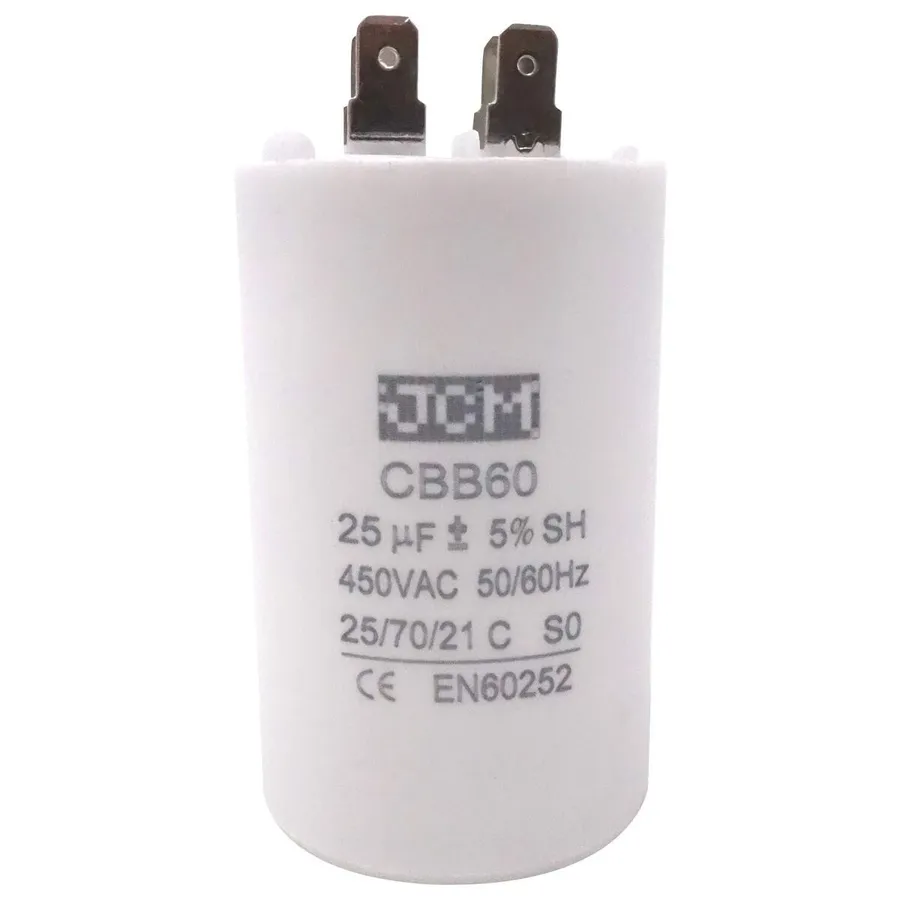
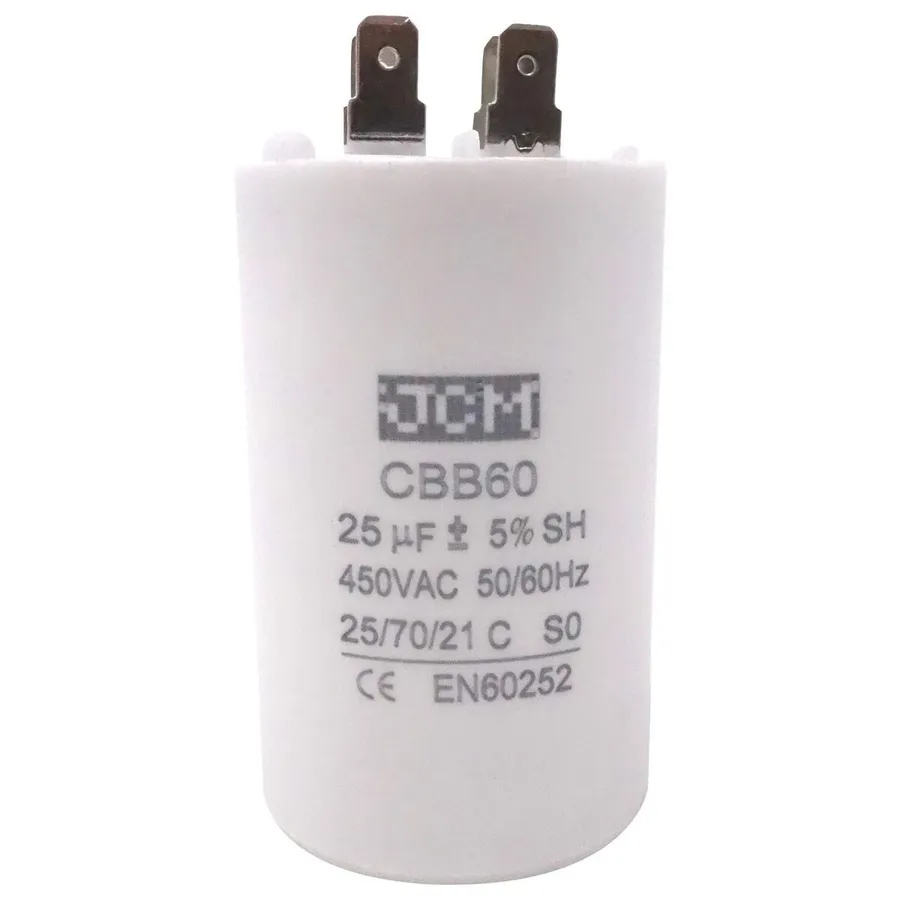
25uf capacitor
A 25uf capacitor is a passive electronic component that stores electrical energy in an electric field. The '25uf' designation indicates its capacitance, measured in microfarads (µF), which quantifies its ability to store charge. Capacitors, including the 25uf variant, are fundamental in electrical circuits, serving roles in energy storage, filtering, and phase shifting.
The capacitance value of 25µF signifies that the capacitor can store a specific amount of electrical charge for a given voltage, and this is crucial for applications where energy storage is important, such as motor run operations or timing circuits.
Types of 25uf Capacitors: Electrolytic, Film, and Ceramic
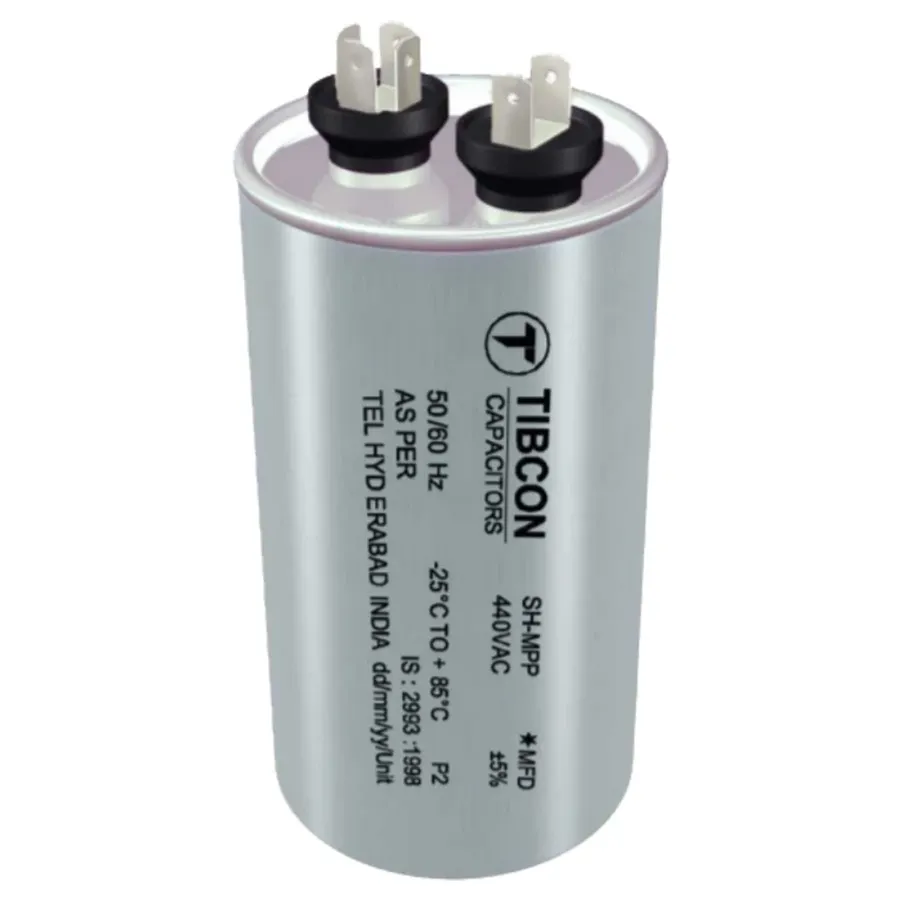
Ceramic 25uf capacitor
25uf capacitors, essential components in numerous electrical circuits, are available in several types, each exhibiting unique characteristics that dictate their suitability for specific applications. The primary types are electrolytic, film, and ceramic capacitors, distinguished by their construction, performance, and operational limitations. Understanding these differences is crucial for effective circuit design and component selection.
Capacitor Type
Construction
Advantages
Disadvantages
Typical Applications
Electrolytic
Two conductive plates separated by an electrolyte, often a liquid or gel.
High capacitance in small size, relatively inexpensive.
Polarized (must be installed with correct polarity), shorter lifespan, higher equivalent series resistance (ESR).
Power supply filtering, motor starting circuits where high capacitance is needed but polarity is maintained.
Film
Thin plastic film (e.g., polypropylene, polyester) dielectric between conductive plates.
Non-polarized, good tolerance, low ESR, more robust than electrolytic.
Larger size for same capacitance, can be more expensive.
Motor run applications, power factor correction, audio circuits.
Ceramic
Ceramic material as a dielectric with conductive electrodes.
Small size, very low ESR, non-polarized, high temperature stability.
Limited capacitance range, capacitance can vary with temperature and voltage (for some types).
High-frequency applications, decoupling, bypass capacitors in electronic circuits, where small physical size is paramount.
The selection of a 25uf capacitor hinges on the specific requirements of the application. For instance, electrolytic capacitors are often chosen where high capacitance is necessary but space is limited, such as in motor starting circuits. Film capacitors, with their superior performance characteristics and reliability, are preferred for motor run applications, where long operational lifespan and low energy loss are critical. Ceramic capacitors, known for their compact size, are commonly employed in electronic circuits for decoupling and noise filtering. The design considerations extend to voltage, temperature, and frequency specifications, each influencing the optimal capacitor type.
Common Applications of 25uf Capacitors
Air Conditioner Capacitor
25uf capacitors are critical components in numerous electrical and mechanical systems, primarily functioning as motor run capacitors. Their ability to store and release electrical energy makes them ideal for applications requiring a continuous phase shift for efficient motor operation, particularly in single-phase AC motors. These applications are commonly found in various appliances and industrial equipment, ensuring optimal performance and longevity.
Air Conditioners In air conditioning units, 25uf capacitors are essential for the proper functioning of the compressor and fan motors. They provide the necessary phase shift to start and maintain the motor’s rotation, ensuring efficient cooling performance. The consistent operation of these motors relies heavily on the stable performance of the 25uF capacitor.
Fans (Ceiling, Exhaust, and Table Fans) Many types of fans use 25uf capacitors to facilitate the operation of their single-phase AC motors. In ceiling fans, they help initiate and maintain smooth rotation, while in exhaust and table fans, they ensure reliable and continuous airflow. The use of 25uf capacitors allows these devices to run effectively and efficiently.
HVAC Systems Beyond air conditioners, larger HVAC systems also incorporate 25uf capacitors in various motor-driven components. These capacitors ensure the proper and consistent functioning of pumps, blowers, and other motors, optimizing the overall performance and energy efficiency of the heating, ventilation, and air conditioning system.
Pumps Water pumps and other types of pumps often rely on 25uf capacitors for motor operations. The capacitor helps start the motor and maintain its rotation, ensuring reliable and consistent water flow or other fluid movement. This is common in both residential and industrial pump applications.
Other Machinery Various other types of machinery utilize 25uf capacitors, including some compressors, machine tools, and other industrial and commercial equipment that use single-phase AC motors. The consistency and efficiency provided by these capacitors are crucial for these machines' effective operation.
How to Choose the Right 25uf Capacitor: Voltage, Tolerance, and Type
Selecting the correct 25uf capacitor involves understanding several key parameters beyond just its capacitance. The voltage rating, tolerance, and specific capacitor type are crucial for ensuring reliable performance and preventing premature failure. A mismatch in these specifications can lead to component damage or system malfunctions.
Parameter
Description
Importance for 25uf Capacitor Selection
Voltage Rating
The maximum voltage the capacitor can safely handle.
Must be equal to or greater than the circuit's operating voltage to avoid breakdown.
Tolerance
The permissible deviation from the stated capacitance value (25uF).
Affects circuit performance; tighter tolerances are needed for precision applications.
Capacitor Type
Electrolytic, film, or ceramic. Each type has unique properties.
Affects performance in various applications; film is often used for motor run, while electrolytic might suit a motor start.
Temperature Rating
Operating temperature range for the capacitor.
Important in ensuring performance stability, particularly in high-temperature operating conditions
Lifespan
Expected life of a capacitor.
Critical in applications that require long-term reliability, such as HVAC systems or industrial equipment
ESR
Equivalent series resistance of a capacitor
ESR affects capacitor performance at high frequencies. It should be lower for optimal performance
For example, motor run applications typically require capacitors with high AC voltage ratings and a robust construction (often film type), whereas motor start circuits might use electrolytic capacitors for their high capacitance and compact size. Selecting a capacitor with the proper specifications is crucial for ensuring reliability, optimal performance, and longevity within the electrical circuit. When replacing a 25uf capacitor, it is essential to ensure the replacement matches or exceeds the voltage rating and has the correct tolerance and temperature ratings based on the specific application requirements.
Replacing a 25uf Capacitor: A Step-by-Step Guide
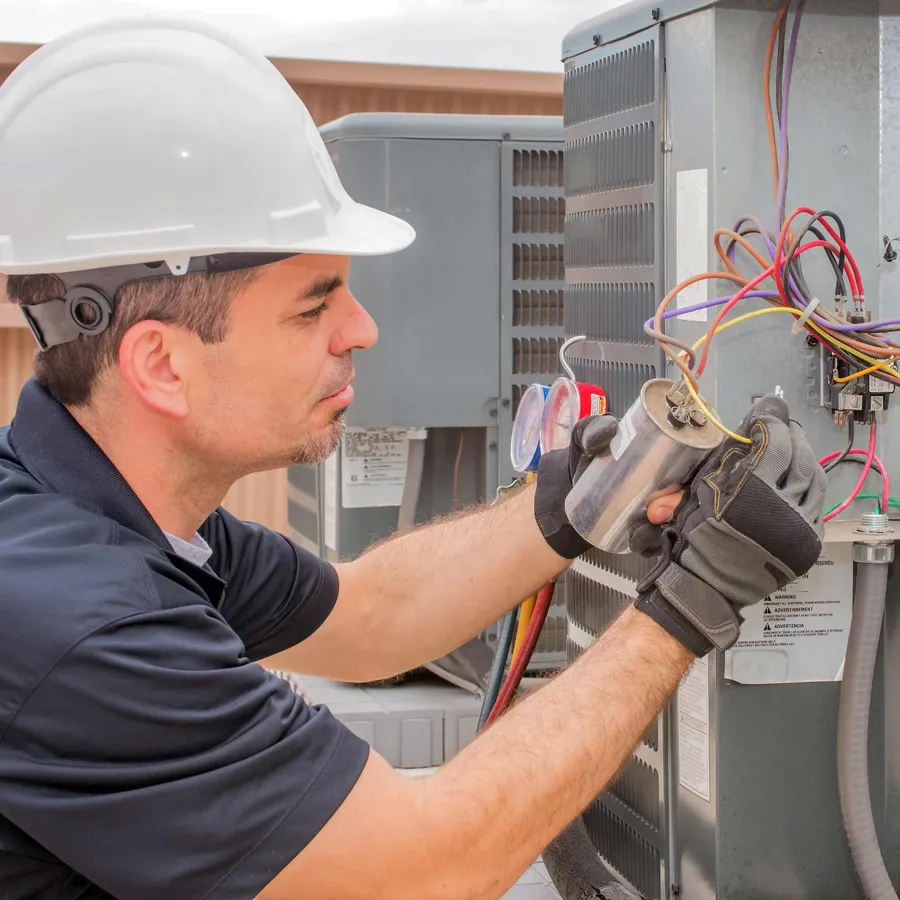
Replacing Capacitor
Replacing a 25uf capacitor, while seemingly straightforward, requires careful execution to ensure safety and proper functionality. This guide provides a detailed, step-by-step process for safely replacing a 25uf capacitor, emphasizing precautions to prevent electrical shock and ensure the longevity of your equipment.
Step 1: Disconnect Power Before beginning any work, completely disconnect the power supply to the equipment containing the 25uf capacitor. This may involve unplugging the device or shutting off the appropriate circuit breaker. Verify the power is off using a non-contact voltage tester.
Step 2: Locate the Capacitor Identify the 25uf capacitor within the equipment. It is typically cylindrical in shape and may be connected to terminals with wires. Take a photo or note the wiring connections for reference during reassembly.
Step 3: Discharge the Old Capacitor Before handling the capacitor, it is essential to discharge any stored electrical charge to avoid shocks. This is done using a 20k Ohm 2-watt resistor or a dedicated capacitor discharging tool with insulated leads. Connect the resistor across the capacitor terminals for several seconds to safely release the charge. This step is critical and must not be skipped.
Step 4: Remove the Old Capacitor Carefully disconnect the wires or terminals from the old capacitor. If soldered, carefully desolder them. Ensure you have a clear understanding of the connections for proper installation later. Remove the old capacitor from its mounting position.
Step 5: Install the New Capacitor Install the new 25uf capacitor, matching the wiring configuration and polarity (if applicable). Connect the wires or terminals securely, ensuring there are no loose connections. If using screws or brackets, tighten them properly to hold the capacitor in place.
Step 6: Double-Check Connections Before restoring power, carefully double-check all connections to ensure they are secure and properly placed, referring to the photos or notes made in step 2. There should be no loose wires, exposed wires, or misplaced components.
Step 7: Restore Power and Test Restore the power supply to the equipment. Test the equipment to ensure the new 25uf capacitor is functioning correctly. Observe for normal operation or any unusual signs like noise, overheating, or failure to start correctly.
25uf Capacitor Cross-Reference Guide
Finding a compatible replacement for a 25uf capacitor involves understanding its markings and using cross-reference resources. This section provides a guide to help you identify suitable alternatives, ensuring that your replacement meets the required specifications for your application. Correct replacement is crucial for the proper functioning and longevity of the equipment.
Capacitor markings typically include the capacitance value (25uF in this case), voltage rating, tolerance, and sometimes the manufacturer's code. Deciphering these markings allows you to find a suitable replacement. The most critical parameters for interchangeability are the capacitance (25uF) and the voltage rating, which must be equal or higher than the original capacitor. It's also crucial to note the type (e.g., electrolytic, film) as these have different performance characteristics.
Original Capacitor
Replacement Options
Voltage Rating
Type
25uF 370VAC
25uF 370VAC, 25uF 440VAC
370VAC or higher
Film
25uF 440VAC
25uF 440VAC, 25uF 450VAC
440VAC or higher
Film
25uF 250VAC
25uF 250VAC, 25uF 370VAC, 25uF 440VAC
250VAC or higher
Electrolytic or Film
Note: When selecting a replacement, ensure the voltage rating is equal or higher than the original capacitor. It's generally acceptable to replace a capacitor with one of the same or higher voltage and the same capacitance. Using a higher voltage rating will not damage the application and usually provides a margin of safety. The type (Film or Electrolytic) should be compatible with the original capacitor type unless you know they are interchangeable in that specific application (typically motor start or motor run applications use film caps).
Troubleshooting Common 25uf Capacitor Issues
Failing 25uf capacitors often manifest in a variety of system malfunctions, primarily due to their critical role in motor operation and power delivery. Identifying these issues early can prevent further damage and ensure efficient equipment performance. These problems range from subtle performance degradation to complete system failure, underscoring the importance of proper diagnosis.
Motor Start Failures A common symptom of a failing 25uf capacitor is the inability of a motor to start. The motor may hum or buzz without rotating, indicating the capacitor isn't providing the necessary phase shift for startup. This is particularly prevalent in single-phase AC motors found in HVAC systems and appliances.
Reduced Motor Torque or Speed If the capacitor is degrading but not completely failed, a motor may start but operate with reduced torque or speed. This is due to the capacitor’s inability to maintain the correct phase angle between current and voltage, resulting in inefficient energy conversion into mechanical work.
Overheating Motor A faulty 25uf capacitor can also cause a motor to overheat. The capacitor's internal resistance may increase as it ages or fails, causing it to draw excess current. This can lead to increased motor winding temperatures and can potentially damage the motor windings and other connected components.
Humming or Buzzing Noises A failing capacitor can produce noticeable humming or buzzing noises from the motor. This is a result of the motor struggling to start or run properly due to the insufficient phase shift provided by the capacitor. These noises are often accompanied by other performance issues.
Blown Fuses or Tripped Circuit Breakers In some cases, a shorted or severely degraded 25uf capacitor can cause a sudden surge in current, leading to blown fuses or tripped circuit breakers. This is a safety mechanism to prevent further damage and can indicate a severe fault within the capacitor or its connected circuit.
Visible Capacitor Damage Physical inspection may reveal signs of capacitor failure, such as bulged or cracked casing, leakage of electrolytic fluid (in electrolytic capacitors), or burn marks. These are clear indicators that the capacitor needs replacement.
Frequently Asked Questions about 25uf Capacitors
This section addresses common questions and misconceptions about 25uf capacitors, clarifying key aspects such as voltage requirements, capacitance meaning, and replacement guidelines.
What does 'uF' or 'µF' mean on a capacitor? The symbol 'uF' or 'µF' stands for microfarad, which is the unit of capacitance. A farad (F) is a very large unit, so microfarads (1 microfarad = 10^-6 farads) are commonly used to measure the capacitance of capacitors in electronic circuits. The 25uF designation indicates that the capacitor has a capacitance of 25 microfarads.
What does 25uF mean on a capacitor? A 25uF capacitor has a capacitance of 25 microfarads. This value indicates the capacitor's ability to store electrical charge; a 25uF capacitor can store 25 microfarads of charge at a given voltage. This is a specific, intended value for the components it is designed to operate with.
Can I replace a 25uF capacitor with a capacitor of higher uF? Generally, replacing a 25uF capacitor with one of significantly higher uF is not recommended without careful consideration. A higher capacitance can alter circuit timing and performance and potentially damage components or reduce the overall performance of the device. It's crucial to understand the intended function of the 25uF capacitor in your specific application before changing its value. A slight increase in capacitance value, such as from 25uF to 27uF, is sometimes acceptable, but consult with a professional when in doubt.
Can I replace a 25uF capacitor with a capacitor of lower uF? Replacing a 25uF capacitor with a lower uF capacitor is generally not recommended. This will result in reduced ability to store a charge, thus impacting the device's performance. For example, using a lower uF capacitor in a motor circuit may result in the motor failing to start or not running at the correct speed. It is critical to use the same or very close capacitance value of the capacitor for optimal circuit performance.
How do I determine the correct voltage rating for a 25uF capacitor? The voltage rating of a capacitor must meet or exceed the maximum voltage expected in the circuit. The voltage rating is critical to the safe and reliable operation of the capacitor. Using a capacitor with a voltage rating lower than the circuit voltage can lead to failure, sometimes catastrophic. The voltage rating is often printed directly on the capacitor. If you cannot determine the exact voltage requirement, it is advised to use a capacitor with a higher voltage rating, never less.
What does 450VAC, 370VAC, or 250VAC mean on a capacitor? These voltage values specify the maximum alternating current (VAC) voltage the capacitor can safely handle. It is crucial to use a capacitor with a voltage rating that meets or exceeds the circuit’s voltage requirements to ensure safety and reliable operation. For motor applications, typical voltage ratings include 250VAC, 370VAC, 440VAC, or 450VAC. The selected voltage rating must be greater or equal than the circuit voltage.
Can I use a 25uF capacitor with different voltage ratings? Yes, you can replace a 25uF capacitor with one that has the same capacitance but a higher voltage rating as long as the voltage rating meets or exceeds the requirements of the application. Using a higher voltage rating capacitor will not negatively impact the circuit’s performance and is often recommended if an exact replacement isn't available. Never replace a capacitor with a lower voltage rating as that can lead to failure.
Where to Buy 25uf Capacitors
Purchasing a 25uf capacitor requires careful consideration of the source to ensure you receive a genuine, high-quality component that meets your needs. Various options are available, each offering different benefits in terms of price, availability, and reliability. This section outlines these options, and key considerations when making your purchase.
Online Retailers Major online platforms like Amazon, Mouser, and Digi-Key offer a wide selection of 25uf capacitors. These retailers often provide detailed product specifications, customer reviews, and competitive pricing. However, it's crucial to verify the seller's authenticity and the product's specifications to avoid counterfeit components. Be sure to review ratings and feedback before purchasing. Look for sellers with high ratings and positive reviews, and always cross-reference the product specifications with your requirements.
Local Electronic Stores Local electronics stores provide the advantage of immediate availability and the ability to physically inspect the capacitor before purchasing. These stores are excellent options when you need a replacement part quickly or for smaller projects. However, the selection might be more limited compared to online retailers. Consider this route when time is of the essence, and if you require assistance from knowledgeable sales staff.
Appliance Parts Suppliers Appliance parts suppliers are a good choice if the 25uf capacitor is intended for use in a specific appliance. These suppliers often carry capacitors specifically designed for various appliances. While they may be more specialized, they can be the best source for getting a direct replacement. Contact them with your appliance model to ensure the part will be compatible.
Direct from Manufacturers Purchasing directly from the manufacturer ensures that you are getting a genuine, quality component. This is especially beneficial for high-precision or critical applications where reliability is paramount. However, this option may come with a higher price and might require minimum order quantities. For large projects or where quality cannot be compromised, dealing directly with the manufacturer is the safest approach.
Regardless of where you choose to buy your 25uf capacitor, always prioritize verifying its authenticity. Ensure that it meets the necessary voltage and tolerance specifications for your application. Do not compromise on quality, especially for critical components that affect the performance of your equipment.
The 25uf capacitor, though small, plays a pivotal role in a multitude of devices we rely on every day. By grasping its function, selecting the right specifications, and safely replacing it when necessary, we ensure the continued smooth operation of these essential machines. Whether it's in a home air conditioner or heavy industrial equipment, the 25uf capacitor’s role as a reliable energy storage component is critical for modern technology. As technology evolves, further developments in capacitor design will undoubtedly lead to even more efficient and reliable electronic systems.