In the world of electronics, the humble resistor is a cornerstone component, and a 3 ohm resistor plays a vital role in countless circuits. Just as a chef carefully selects ingredients for a dish, engineers choose resistors based on their resistance, power, and specific application. From everyday gadgets to complex industrial machinery, understanding the purpose of a 3 ohm resistor is important for anyone interested in how electronics work. This article will demystify this component, guiding you through the essentials of its usage and selection.
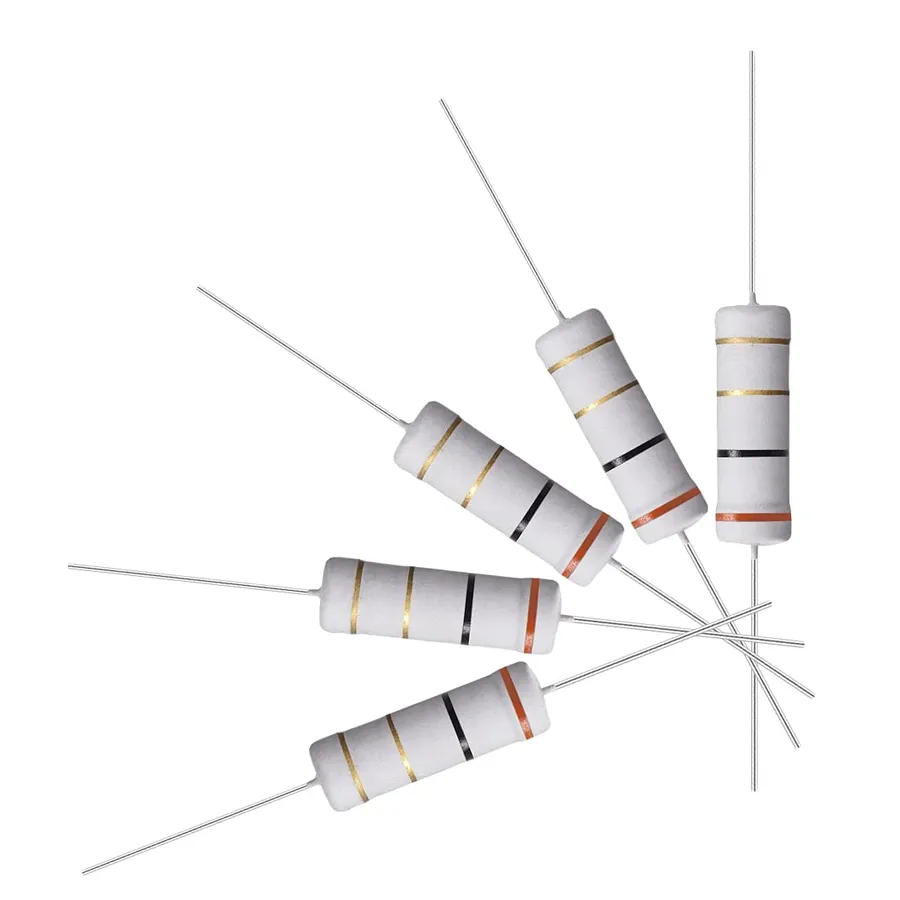
A 3 ohm resistor is a fundamental electronic component that presents a fixed opposition of 3 ohms to the flow of electrical current. This specific resistance value is crucial in circuit design for current control, voltage regulation, and power management. Understanding the concept of resistance, measured in ohms, is the bedrock for analyzing and manipulating electrical circuits; a 3-ohm resistor provides a specific and predictable level of this opposition, allowing for precise circuit behavior.
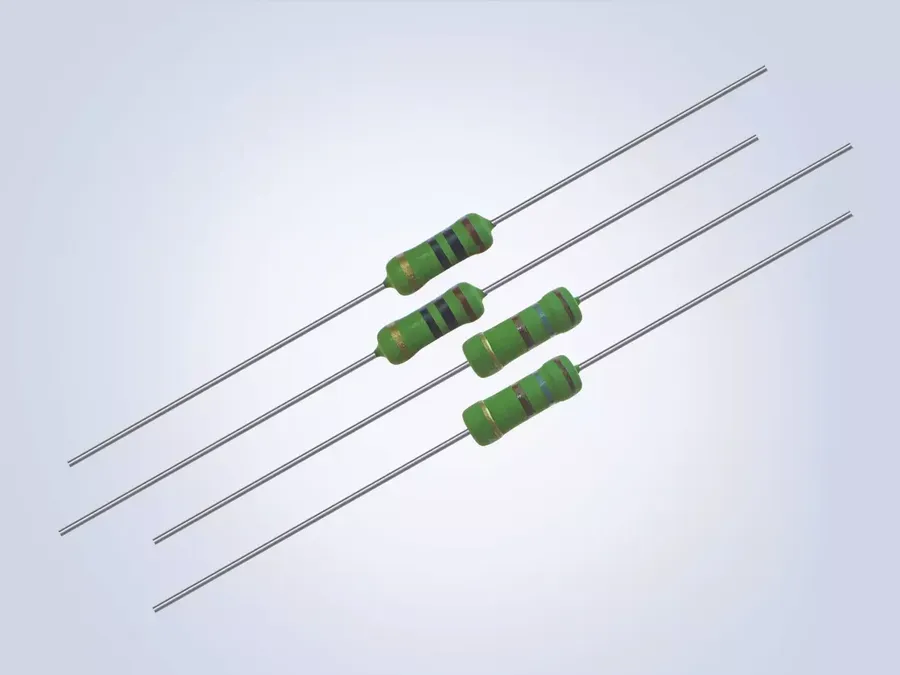
While the resistance value of 3 ohms is fundamental, other specifications are equally critical for selecting the correct resistor. These include power rating, tolerance, and resistor type, each significantly influencing performance, heat dissipation, and reliability within an electrical circuit. A deep dive into each specification will ensure you select the right resistor for your application.
| Specification | Description | Impact on Circuit | Typical Values |
|---|---|---|---|
| Power Rating | The maximum power (in watts) the resistor can safely dissipate as heat without being damaged. | Ensures the resistor doesn't overheat and fail. Under-rated resistors can burn out, causing circuit failure. | Common values include: 0.25W, 0.5W, 1W, 2W, 5W, 10W, 25W, 50W, 100W. High power resistors up to several hundred watts are also available |
| Tolerance | The acceptable percentage deviation from the nominal resistance value (3 ohms, in this case). | Affects circuit accuracy and predictability; tighter tolerances are needed for precision circuits. | Common values include: 1%, 2%, 5%, 10%, 20%. Precision resistors can be as low as 0.01% tolerance. |
| Resistor Type | The method of construction and material of the resistor, such as metal film, wirewound, or chip. | Impacts the resistor's stability, temperature coefficient, noise, parasitic inductance and physical size. | Metal film are common for general use, wirewound for higher power, and chip for surface mount. |
| Temperature Coefficient | The change in resistance value per degree Celsius. | Critical for circuits exposed to temperature variations, a lower temp co-efficient is generally better to reduce drift. | Values vary widely depending on the resistor type from 1ppm to 1000ppm or more. |
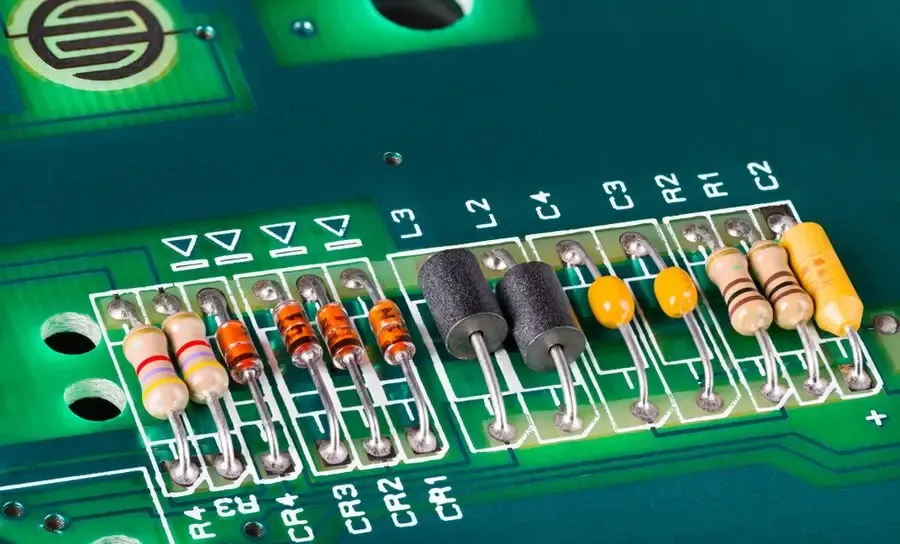
3-ohm resistors are indispensable components in a wide array of electronic circuits, providing a specific level of electrical resistance to control current flow, limit voltage, and manage power distribution. Their versatility makes them suitable for diverse applications, from basic electronics to more complex systems.
Here are some common applications of 3-ohm resistors:
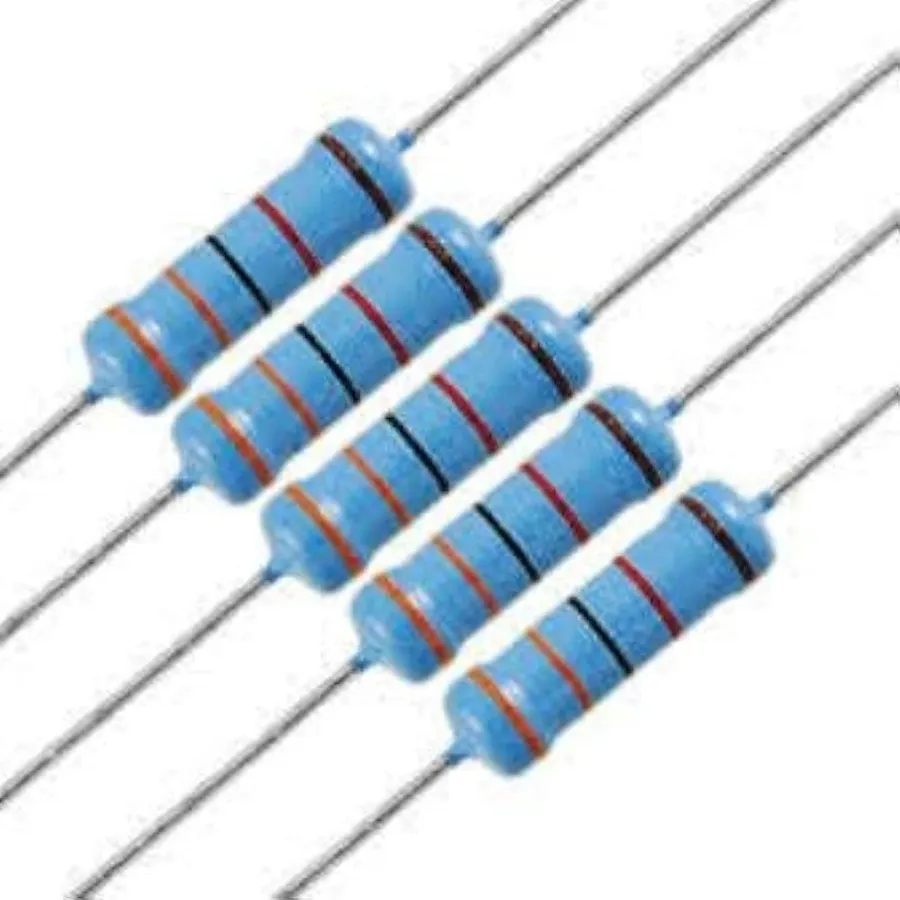
The selection of a 3 ohm resistor is not solely based on its resistance value, but also on its construction and material composition. Different applications demand specific resistor types, each with its own advantages and disadvantages in terms of performance, heat dissipation, and accuracy. Understanding these differences is crucial for optimal circuit design.
| Resistor Type | Material/Construction | Pros | Cons | Typical Applications |
|---|---|---|---|---|
| Metal Film Resistor | Thin film of metal alloy deposited on a ceramic substrate. | High precision, low noise, good temperature stability. | Lower power handling capability compared to wirewound, susceptible to damage from high voltage surges. | Precision circuits, signal processing, audio equipment. |
| Wirewound Resistor | Metallic wire wound around a ceramic or fiberglass core. | High power handling capacity, good pulse handling capability, robust. | Lower precision than metal film, higher inductance, larger physical size. | Power supplies, motor drives, braking resistors. |
| Chip Resistor (Surface Mount Device - SMD) | Thick or thin film of resistive material on a ceramic substrate with terminations for surface mounting. | Small size, low cost, suitable for automated assembly. | Lower power handling, less precise than metal film, can be susceptible to thermal shock | Mobile devices, computer motherboards, consumer electronics. |
| Carbon Film Resistor | Thin film of carbon deposited on a ceramic substrate. | Low cost, readily available. | Higher noise, less precise, susceptible to temperature variation, lower long-term stability | Basic electronics projects, general purpose circuits |
The choice of resistor type significantly impacts the overall performance and reliability of an electronic circuit. Each type, due to its construction and materials, exhibits varying degrees of tolerance to temperature changes, noise, and power dissipation. Hence, selecting the correct type of 3 ohm resistor is not just about meeting the resistance requirement, but also about optimizing the overall performance of your design for its intended application.
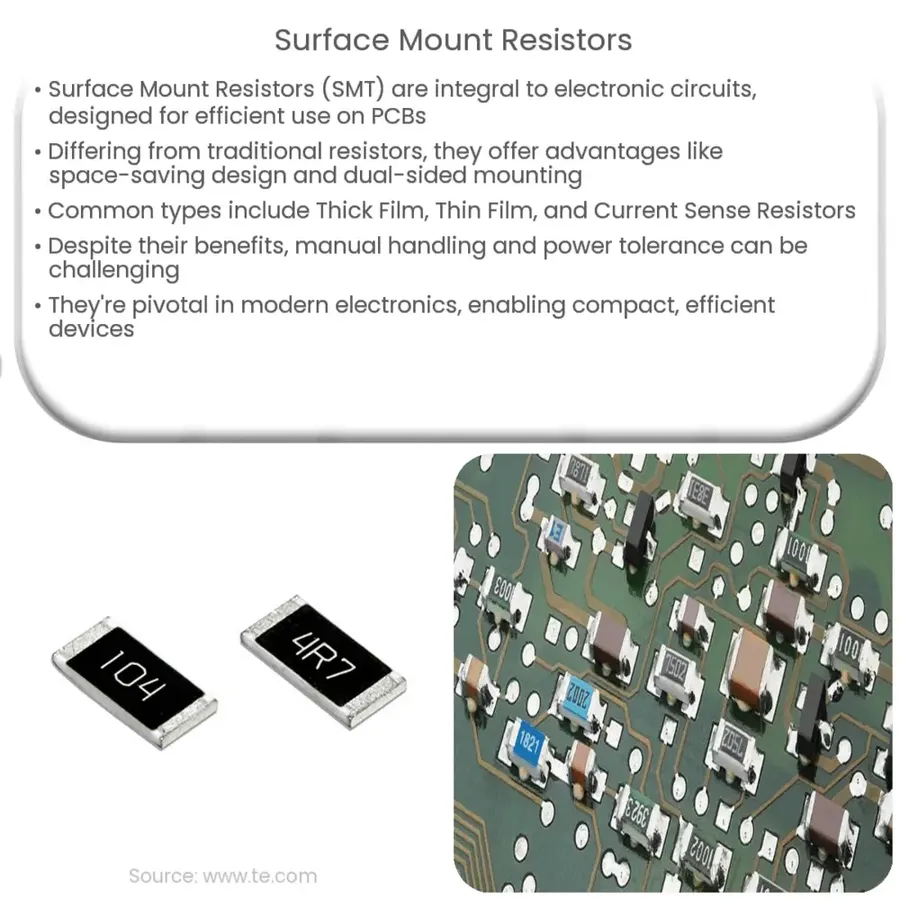
Selecting the appropriate 3 ohm resistor involves careful consideration of several factors beyond just the resistance value. The operational environment, power requirements, and desired performance all play crucial roles in the selection process. Choosing the wrong resistor can lead to component failure or unexpected circuit behavior. Therefore, understanding key parameters is essential to ensure optimal performance and reliability.
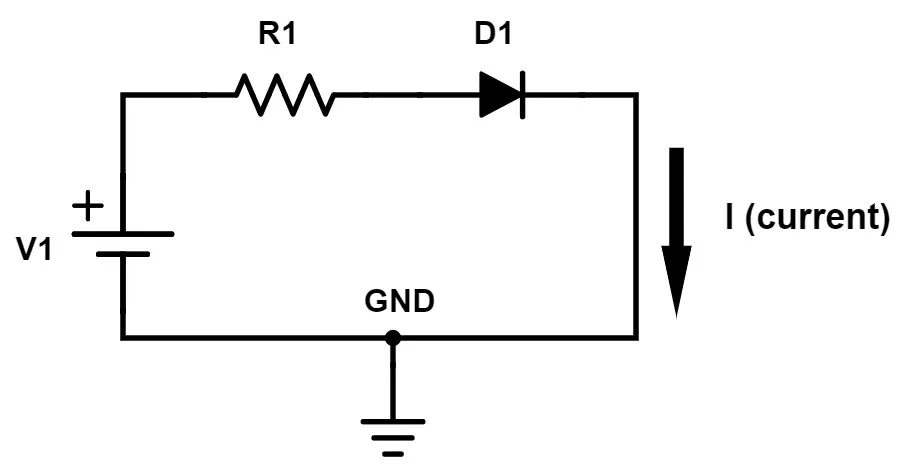
Accurately determining power dissipation in a 3 ohm resistor is critical to prevent overheating and potential failure, ensuring the longevity and reliability of electronic circuits. This calculation relies heavily on Ohm's Law, which establishes the fundamental relationships between voltage (V), current (I), and resistance (R).
The power (P) dissipated by a resistor is quantified in watts and can be calculated using any of three related formulas derived from Ohm's Law:
For a 3-ohm resistor, if you know the voltage across it (V), the power dissipation can be calculated as P = V² / 3. Conversely, if you know the current through it (I), the power can be found using P = I² * 3. The computed power value is crucial for choosing a resistor with an appropriate power rating.
It is imperative to select a resistor with a power rating higher than the calculated power dissipation to provide a safety margin. Typically, a resistor with a power rating 1.5 to 2 times the calculated value is used to ensure reliable operation. Failure to adhere to this principle can lead to resistor failure, heat damage to surrounding components or even fire.
| Parameter | Formula | Explanation |
|---|---|---|
| Power (P) | P = V * I | Power is the rate at which energy is transferred or converted. |
| Power (P) | P = I² * R | Power is directly proportional to the square of the current. |
| Power (P) | P = V² / R | Power is directly proportional to the square of the voltage. |
This section addresses common queries regarding 3 ohm resistors, offering concise and informative answers to enhance understanding and practical application.
While a 3 ohm resistor provides a specific level of current control, understanding how it compares to other resistance values, such as a 3.3 ohm resistor, is critical. These seemingly small differences can lead to significant variations in circuit behavior. This section will delve into these differences, highlighting their effects on various applications.
| Parameter | 3 Ohm Resistor | 3.3 Ohm Resistor | Impact of Higher Resistance |
|---|---|---|---|
| Resistance | 3 Ohms | 3.3 Ohms | Increased opposition to current flow |
| Current (with fixed voltage) | Higher | Lower | Reduced current flow through the component |
| Voltage Drop (with fixed current) | Lower | Higher | Increased voltage drop across the component |
| Power Dissipation (at same current) | Lower | Higher | Increased heat generation in the component |
| Precision Requirements | Suitable for many applications | Suitable for finer adjustments | May be more suitable for more precise circuit control |
| Common use | Current limiting, basic load | Feedback circuits, sensor applications | Different applications depending on specific needs |
A key understanding is that increasing resistance reduces current flow for a given voltage, as dictated by Ohm's Law (V=IR). Therefore, a 3.3 ohm resistor, with its higher resistance, will result in a lower current and a correspondingly higher voltage drop when placed in a circuit compared to a 3 ohm resistor. These differences might be subtle but their impact can be significant depending on your design. Choosing between 3 ohm and 3.3 ohm resistors, or those with even more significant variations, requires careful consideration of your design goals and parameters.
In the vast landscape of electronics, a seemingly simple component like the 3 ohm resistor plays a pivotal role in countless applications. Whether you're limiting current, dissipating heat, or fine-tuning audio signals, understanding the nuances of a 3 ohm resistor is critical to design a reliable circuit. By considering factors like power rating, tolerance, and construction, you can make informed decisions that ensure performance and longevity, just like choosing the right tools for a complex task. Whether you are a hobbyist or an experienced engineer, the knowledge of this fundamental component and its properties empowers you to bring electronic projects to life safely and effectively.

