Understanding the Crucial Role of a 1 Ohm Resistor in Electronics

2025.01.28

In the world of electronics, even seemingly small components like a 1 ohm resistor play a significant role in controlling current and ensuring circuits function correctly. Just as a tiny valve can regulate the flow of water in a vast plumbing system, a 1 ohm resistor manages the flow of electrons in an electrical circuit. This article dives deep into the purpose, types, and applications of this often underestimated component, bridging the gap between theoretical concepts and their practical implementation in circuits you might encounter daily. Whether you are an experienced engineer or a curious beginner, this guide will illuminate the role of the 1 ohm resistor.
What is a 1 Ohm Resistor and Its Function?

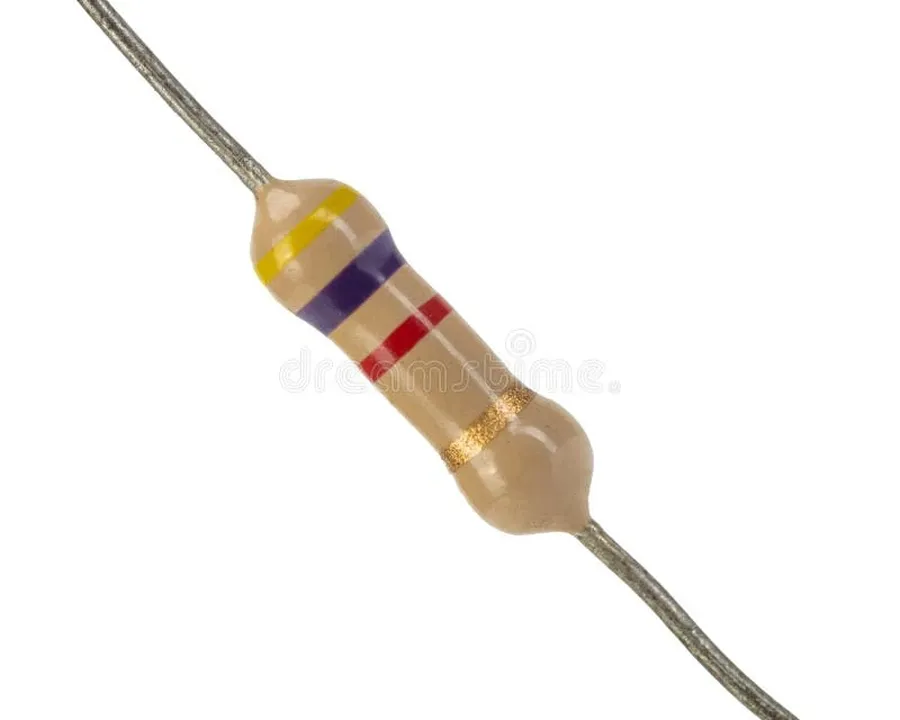
A close-up view of a 1 ohm resistor.
1 Ohm Resistor

A 1 ohm resistor is a fundamental passive electronic component designed to impede the flow of electrical current, presenting a resistance of precisely 1 ohm. This specific value plays a crucial role in circuit design, directly influencing current flow and voltage distribution as defined by Ohm's Law. Understanding its basic function is essential for any electronics engineer or enthusiast.

Ohm's Law, expressed as V = IR, clearly illustrates the relationship between voltage (V), current (I), and resistance (R). In this equation, a 1 ohm resistor dictates that a voltage of 1 volt will produce a current flow of 1 ampere. This makes the 1 ohm resistor useful in applications where precise current control or measurement is required. It's neither a conductor nor an insulator, but rather a device that provides a specific, calibrated amount of opposition to the flow of electrons.
Types of 1 Ohm Resistors and Their Characteristics

A collection of various resistor types.
Various Resistors

1 Ohm resistors, while seemingly simple, come in various types, each with unique characteristics that influence their suitability for different electronic applications. The primary differences lie in their construction materials and methods, leading to variations in power handling, precision, and temperature stability. Understanding these differences is crucial for selecting the appropriate resistor for a given design.

Resistor TypeConstructionPower RatingToleranceTemperature CoefficientTypical ApplicationsAdvantagesDisadvantages
Metal FilmThin metal film deposited on a ceramic substrate.Low to Medium (e.g., 1/8W to 2W)Low (e.g., ±1% to ±5%)Low (Stable with temperature)General purpose, precision circuits, audio equipmentGood precision, low noise, good temperature stabilityMore expensive than carbon film.
WirewoundResistive wire wound around a ceramic core.High (e.g., 1W to 10W or higher)Medium (e.g., ±1% to ±10%)Low (Good stability)Power circuits, current sensing, high power applicationsHigh power handling capability, good precision.Can be large in size, inductive (not suitable for high frequency).
Carbon FilmCarbon film deposited on a ceramic substrate.Low to Medium (e.g., 1/4W to 1W)Medium (e.g., ±2% to ±10%)Moderate (Temperature sensitive)General purpose, non critical applicationsLow cost, good pulse handling capability.Higher noise, less precise, less stable over temperature.
SMD (Surface Mount Device)Various materials, often metal film, in a surface mount package.Low to Medium (e.g., 1/16W to 1W)Low to High (e.g., ±0.1% to ±5%)Low to Moderate (Depending on material)Compact circuit designs, high density boards.Small size, easy for automated assembly, good thermal performance.Can be difficult to handle manually.

1 Ohm Resistor Color Code: A Practical Guide

A 1 ohm resistor with its color bands visible.
1 Ohm Resistor Color Code

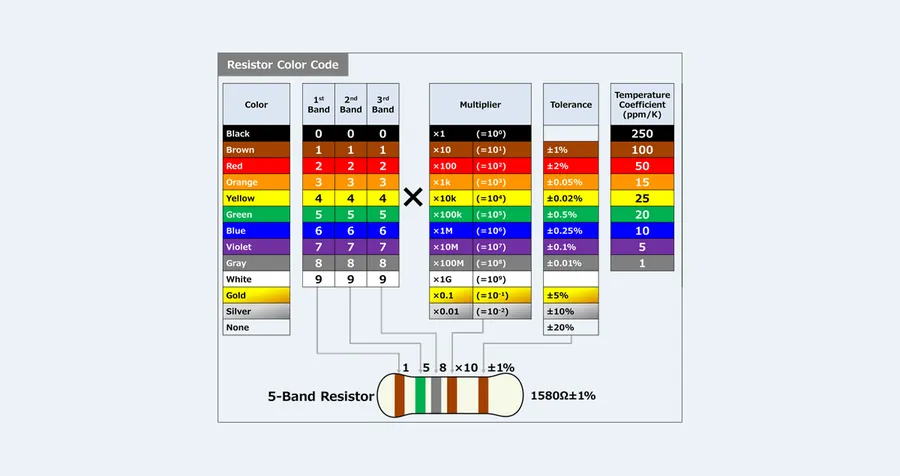
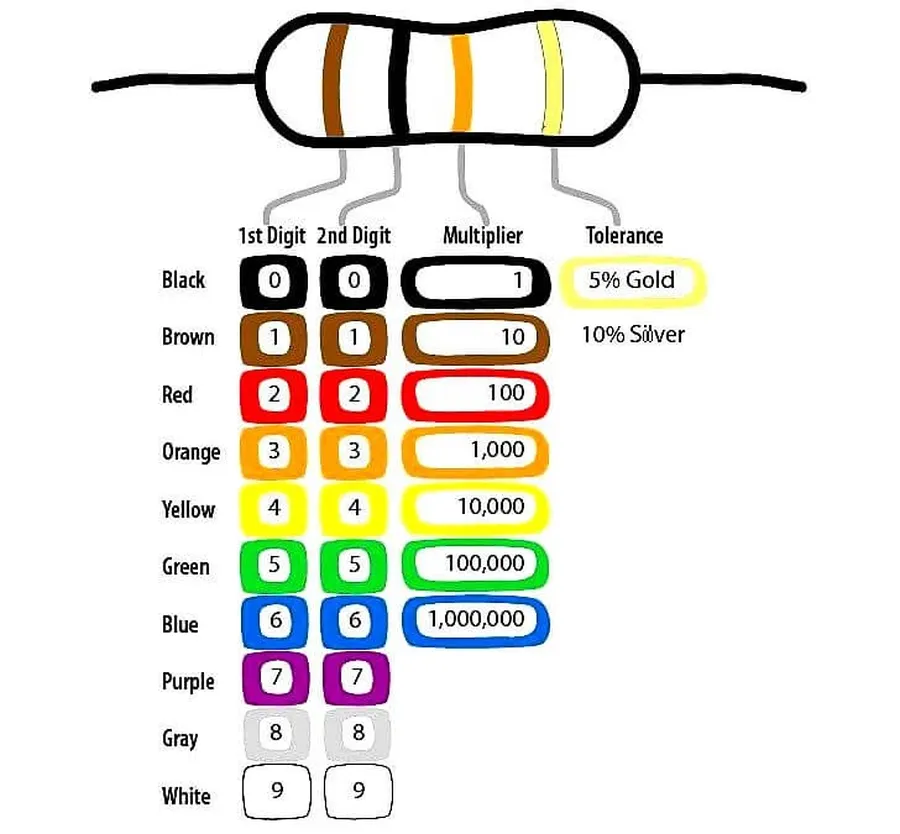
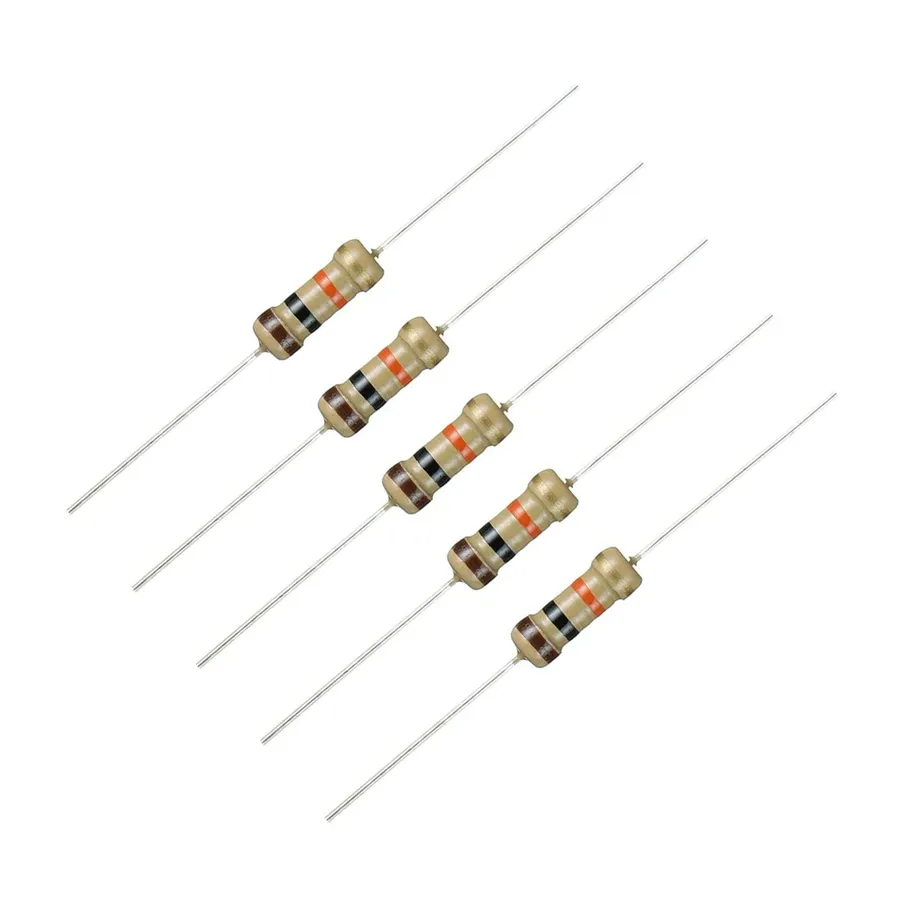
Identifying a 1-ohm resistor using its color code is a crucial skill for electronics work. The color bands on a resistor indicate its resistance value, tolerance, and sometimes its temperature coefficient. This section will clarify how to read these bands specifically for a 1-ohm resistor, addressing common confusion and the rare case of single-band markings.

The standard color code system uses a series of colored bands. Typically, a 1-ohm resistor will have four or five bands. For a four band resistor the first two bands represent significant figures, the third band is the multiplier, and the fourth band represents the tolerance. Five band resistors have three significant figure bands, followed by the multiplier and the tolerance band.

BandColorSignificance (4-Band)Significance (5-Band)Multiplier
1st BandBrown1st Digit1st Digit-
2nd BandBlack2nd Digit2nd Digit-
3rd BandBlackMultiplier3rd Digit10^0 (1)
3rd BandGold--0.1
4th BandGoldToleranceMultiplier-
4th BandSilverToleranceMultiplier-
5th BandBrownToleranceTolerance-

For a standard 1-ohm resistor with four bands, you will typically see these colors: * **Band 1:** Brown (1) * **Band 2:** Black (0) * **Band 3:** Gold (x 0.1 multiplier) * **Band 4:** Gold or Silver (tolerance of ±5% or ±10%, respectively) Reading the bands left to right, the combination of 'Brown, Black, Gold' translates to (10 * 0.1) = 1 ohm. The final band indicates the tolerance.

Five-band resistors are less common for low values like 1 ohm, but if encountered, the color bands would follow the same format but with three significant figures:. * **Band 1:** Brown (1) * **Band 2:** Black (0) * **Band 3:** Black (0) * **Band 4:** Gold (x 0.1 multiplier) * **Band 5:** Brown, Red, Green or Violet (tolerance). This combination, reading the bands left to right, is (100 * 0.01) = 1 ohm. The final band indicates the tolerance.

It's crucial to always verify the reading with a multimeter to ensure accuracy, particularly when dealing with components where color codes may be faded or hard to read. Single band resistors are generally not used for this value, and would be an unusual application
Applications of a 1 Ohm Resistor in Electronics

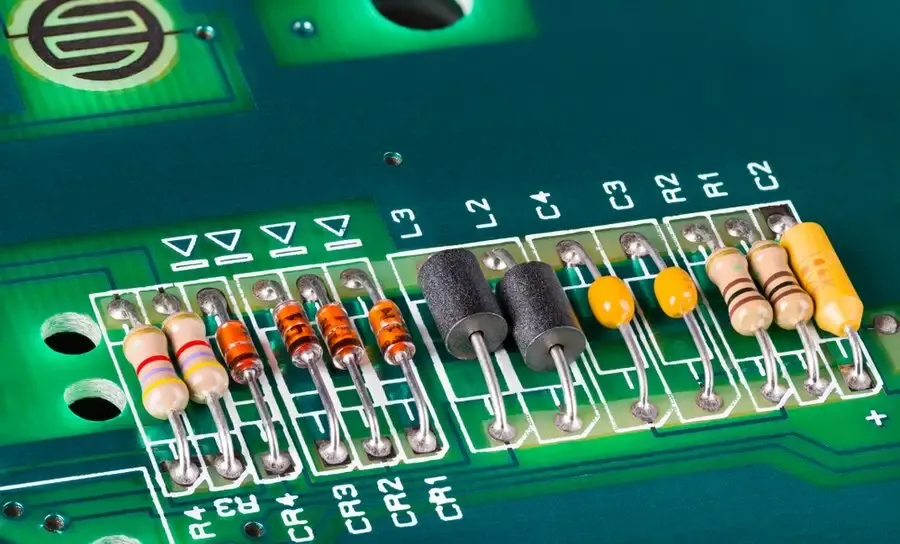
A circuit board with a 1 ohm resistor soldered on it.
Circuit Board with Resistor

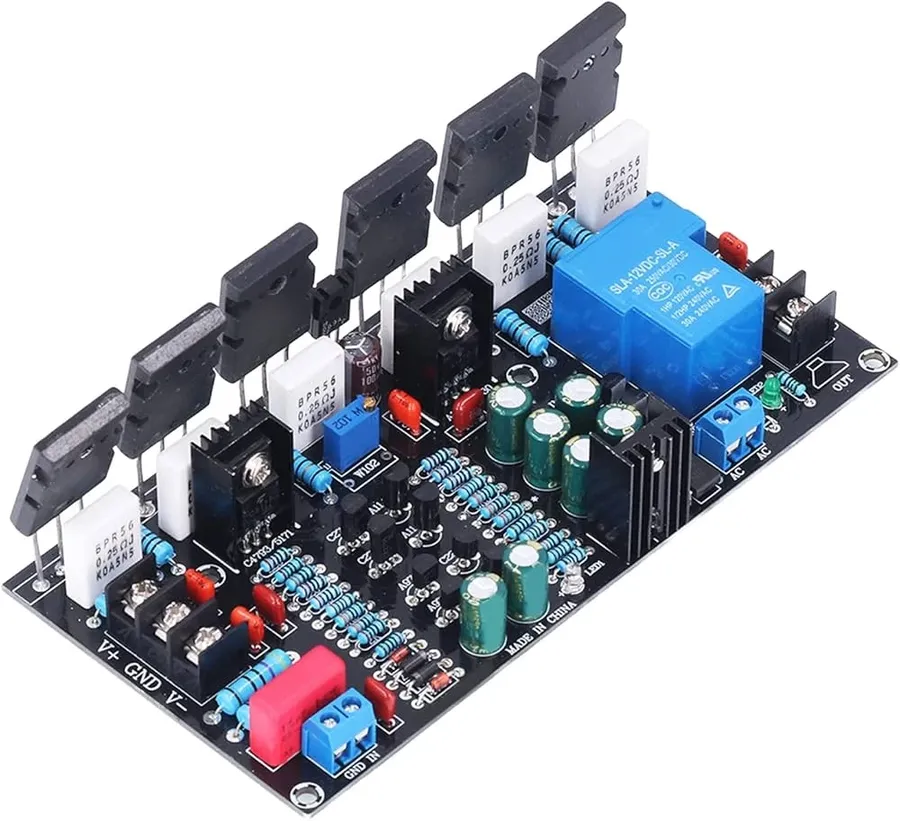
The 1 ohm resistor, while seemingly a very low resistance value, plays a critical role in various electronic applications where precise current control and measurement are paramount. Its applications range from limiting current to acting as a precision shunt for measuring high currents, and it's frequently found in scenarios that demand a balance between minimal voltage drop and accurate current regulation.
  • Current Limiting in LED Circuits
    1 ohm resistors are essential for protecting Light Emitting Diodes (LEDs) from excessive current, particularly when they are powered by a voltage source that exceeds their forward voltage drop. By adding a small series resistor, like a 1 ohm, to the circuit, the current is limited, thereby protecting the LED from burnout while also controlling the brightness.
  • Precision Current Measurement
    1 ohm resistors are used as shunt resistors in ammeters and other current measuring equipment. By measuring the voltage drop across the resistor using Ohm's Law (V = IR), highly accurate current flow can be determined in higher current circuits. The low resistance of the 1 ohm ensures minimal disturbance to the circuit being measured and reduces power losses due to heat dissipation.
  • Power Supply Circuits
    In power supplies, particularly in circuits where higher currents are expected, 1 ohm resistors can be used for current sensing and protection, they allow for monitoring of the current in the circuit to ensure that it operates within safe parameters. This often involves creating a feedback loop, that reduces output voltage when the current through the load exceeds the safe limits.
  • Audio Equipment
    In audio equipment, 1 ohm resistors are used as part of a circuit design. They are used in amplifier circuits as shunt resistors for current feedback, providing stability and controlling the gain to improve sound quality. They ensure that the current is regulated and does not damage the speaker.
  • Automotive Electronics
    Within automotive electronics, 1 ohm resistors are used in diverse electronic control systems, such as engine control units (ECU), anti-lock braking systems (ABS), and lighting systems. They serve to regulate the current flow, ensuring these essential parts perform reliably under different operating conditions.

1 Ohm Resistors in Audio Equipment

A close-up of an audio equipment circuit board, showing resistors.
Audio Circuit Board

In audio equipment, 1 ohm resistors play a critical role in ensuring optimal performance, particularly where low impedance and high current handling are necessary. These components are integral to speaker systems, amplifiers, and other audio circuitry, serving to protect sensitive components and maintain signal fidelity.

  • Speaker Systems
    In speaker systems, 1 ohm resistors are frequently utilized for current sensing and as part of crossover networks. They can help to protect the voice coil from excessive current, preventing damage from power surges.
  • Amplifiers
    In amplifiers, 1 ohm resistors are used in current sensing circuits, providing a feedback mechanism to regulate the output current. This is crucial in Class AB amplifiers to ensure stable output and minimize distortion, particularly at higher power levels. They are also used as shunt resistors, allowing the amplifier circuitry to respond accurately to audio signals.
  • Signal Integrity
    The low resistance of a 1 ohm resistor minimizes voltage drop and signal loss, preserving the integrity of the audio signal. This is important in high-fidelity applications where preserving the purity and clarity of the audio signal is paramount. The very small impedance they offer ensures the audio signal is not significantly attenuated.
  • Impedance Matching
    While not always a primary impedance-matching device, 1-ohm resistors can play a role in very low impedance circuit sections, where other components may cause minor deviations from the desired impedance. They can be strategically placed to fine-tune impedance characteristics to avoid signal reflections and ensure optimal power transfer.

1 Ohm Resistor vs. Other Resistance Values: When to Use a 1 Ohm Resistor?

Different resistors with different color codes and sizes.
Various Resistors

The selection of a resistor value is a critical aspect of circuit design, directly impacting current flow, voltage drops, and signal integrity. A 1 ohm resistor, in particular, is chosen for very specific applications where its low resistance is crucial. Understanding when to use a 1 ohm resistor compared to higher values like 10 ohms, 100 ohms, and 1k ohms involves analyzing the delicate balance between current limiting and minimizing signal attenuation.

Resistor ValueTypical ApplicationCurrent Limiting EffectSignal AttenuationPower Dissipation
1 OhmCurrent sensing, precision measurement, very low impedance matchingVery low current limitationMinimal signal attenuationLow, but can be significant at high current
10 OhmCurrent limiting in LEDs and other low-current circuitsLow to moderate current limitationSlight signal attenuationModerate, depending on current
100 OhmGeneral-purpose circuits, pull-up/pull-down resistorsModerate current limitationNoticeable signal attenuationModerate, but lower than 10 ohm at same current
1k OhmSignal biasing, feedback loops, higher-impedance circuitsSignificant current limitationHigh signal attenuationLow, usually negligible

The primary distinction lies in their opposition to current flow and their impact on voltage. A 1 ohm resistor allows relatively high current flow with a small voltage drop, making it suitable for current sensing and applications where minimal impedance is desired. Conversely, a 1k ohm resistor greatly restricts current flow, resulting in a higher voltage drop, which is advantageous for biasing or protection.

Here is a more detailed breakdown:

  • 1 Ohm Resistor:
    Used where minimal impedance is desired and very low resistance is critical, typically for current sensing in power supplies, precision measurement systems, and as shunt resistors for high current applications. They are chosen for minimal signal loss and minimal impact on circuit behavior.
  • 10 Ohm Resistor:
    Common in LED circuits to limit current and protect the LED from burnout. Suitable for moderate current-limiting where a small voltage drop is acceptable, often used in signal conditioning circuits to adjust the voltage levels.
  • 100 Ohm Resistor:
    Employed in general-purpose circuits for biasing and pull-up/pull-down applications. They limit current flow more effectively than a 10 ohm resistor, and are found in digital logic and signal conditioning circuits.
  • 1k Ohm Resistor:
    Predominantly used in biasing circuits, feedback loops, and high-impedance connections. They create larger voltage drops and limit current more effectively than lower-value resistors. Applications are in op-amp circuits, and signal isolation.

Frequently Asked Questions About 1 Ohm Resistors

This section addresses common inquiries regarding 1 ohm resistors, providing clear and concise answers to ensure a thorough understanding of their properties, applications, and proper usage.
  • Do 1 ohm resistors exist?
    Yes, 1 ohm resistors are standard components readily available from various electronics suppliers. They are commonly used in circuits requiring low resistance values for current control and precision measurements.
  • What is a 1 ohm resistor equivalent to?
    A 1 ohm resistor is equivalent to a resistance that allows 1 amp of current to flow when a potential difference of 1 volt is applied across it, as defined by Ohm's Law (V=IR). This fundamental principle governs its behavior in circuits.
  • What is the color code for a 1 ohm resistor?
    The color code for a 1 ohm resistor typically uses four bands. The bands are: Brown (1), Black (0), Black (multiplier of 1), and Gold (tolerance of 5%). Five band resistors have the same pattern, but with an extra digit before the multiplier. Note that this is for the most common type, metal film, which is designed to be accurate and stable. Wirewound resistors are often a different type with their value and tolerance stamped on the body, rather than using color codes. Carbon film and other types of resistors can have other, older color band schemes. For a 1 ohm, 1% tolerance resistor, the color code would be: Brown, Black, Black, Silver (multiplier), and Brown (1% tolerance).
  • Is a 1k resistor equal to 1000 ohms?
    Yes, a 1k resistor is indeed equal to 1000 ohms. The 'k' represents the metric prefix kilo, which means 1000. This standard nomenclature is consistently used across electrical and electronic engineering for component values.
  • What are some typical applications for 1 ohm resistors?
    1 ohm resistors are typically used for current sensing, limiting, and precision measurement applications. Common uses include LED circuits, power supply regulation, and audio amplifier feedback loops.
  • What should I consider when selecting a 1 ohm resistor?
    Key factors to consider when selecting a 1 ohm resistor include its power rating, tolerance, and physical size. The power rating must exceed the expected power dissipation of the resistor in the circuit, while the tolerance should be chosen based on the precision requirements of your application. Physical dimensions impact the ease of integration into your project.
  • How does a 1 ohm resistor behave in a circuit?
    In a circuit, a 1 ohm resistor opposes current flow, generating a voltage drop proportional to the current that flows through it. When a voltage is applied, current will flow through it, with the 1 ohm resistance acting as a known factor to control or measure current.

Selecting the Right 1 Ohm Resistor: Power Rating and Tolerance

Different sizes of resistors with various power ratings.
Power Rating Resistors

Choosing the appropriate 1 ohm resistor for a circuit requires careful consideration of both its power rating and tolerance. These specifications are critical to ensure the resistor operates reliably within the designed parameters, preventing failure and maintaining circuit integrity.

ParameterDescriptionSignificance for 1 Ohm Resistor
Power RatingThe maximum power (in Watts) that a resistor can dissipate continuously without damage.For a 1 ohm resistor, this value dictates the maximum current it can safely handle. Exceeding this rating can cause overheating and failure. Common ratings include 1/4W, 1/2W, 1W, 2W, and higher, with physical size typically scaling with power rating.
ToleranceThe permissible variation in the actual resistance value from the nominal (specified) value, expressed as a percentage.A 1 ohm resistor with a 5% tolerance, could actually measure between 0.95 ohms and 1.05 ohms. Precision applications necessitate lower tolerance, while less critical applications may use higher tolerance. Standard tolerances are 1%, 2%, 5%, and 10%.

The selection process should always begin with the worst case scenario in mind, considering not only the nominal operating condition but also any potential fluctuations.
  • Calculating Power Dissipation
    Use Ohm's Law (P = I²R) to determine the power the resistor will need to dissipate, where 'P' is power in watts, 'I' is current in amperes, and 'R' is resistance in ohms. Always select a resistor with a power rating significantly above the calculated value, often a factor of two or more, to ensure a safety margin and prevent overheating. A common best practice is to at least double the calculated power.
  • Impact of Tolerance on Circuit Performance
    Understand the impact of tolerance on your circuit's performance. In circuits that are highly sensitive to current, low tolerance resistors are a must. In less sensitive applications, higher tolerance values are acceptable. Ensure that you select a resistor tolerance which will not cause undesirable variations in your circuit behaviour. For instance, the tolerance of a current sense resistor, such as a 1 ohm resistor in current sensing application, is critical and will directly affect measurement precision and accuracy.
  • Consider Environmental Conditions
    Operating temperature can affect the resistor's tolerance and power rating. If the 1 ohm resistor operates in high temperature conditions, it may need to be rated for higher power and have a lower tolerance to maintain a stable resistance value. Temperature coefficient of resistance (TCR) is another important consideration for high-precision applications, and should be taken into account as a significant factor. The TCR defines the change in resistance value, with temperature variation.

Practical Tips for Using 1 Ohm Resistors in Circuits

Hand soldering a resistor onto a circuit board.
Soldering Resistors

Effectively integrating a 1 ohm resistor into a circuit requires careful installation and measurement practices. These practices ensure the resistor functions as intended, maintaining circuit integrity and performance.

  1. Preparation
    Before installation, verify that the selected 1 ohm resistor meets the circuit's power and tolerance requirements, which should be determined during the design phase.
  2. Soldering Process
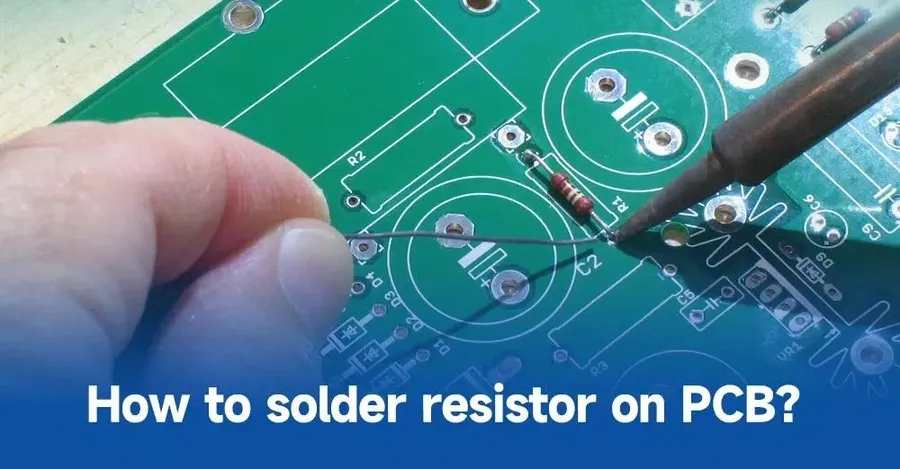
    When soldering, apply heat evenly to avoid thermal stress on the resistor. Use appropriate soldering techniques and materials to achieve reliable electrical connections, and ensure proper positioning of the resistor within the circuit.
  3. Surface Mount Technology (SMT) Resistors
    For Surface Mount resistors, utilize reflow soldering techniques to ensure secure mounting, using a compatible solder paste. Align the component precisely before reflow to prevent misalignment.
  4. Through-Hole Resistors
    For Through-Hole resistors, ensure proper lead forming to match the PCB hole spacing. Insert the resistor with the appropriate orientation before soldering. Trim excess lead length post-soldering for clean connections.
  5. Measuring Resistance
    After soldering, measure the resistance with a calibrated digital multimeter. Ensure the measured value is as specified within the tolerance range to ensure proper function of the 1 Ohm resistor.
  6. Verification
    Visually inspect the solder joints for imperfections such as cold solder joints, bridging, or inadequate solder wetting, which could impact the overall circuit performance.
  7. Post-Installation Testing
    Perform post-installation circuit testing to verify the resistor's proper function and the circuit's behavior under operating conditions.

The humble 1 ohm resistor, like many unseen heroes of electrical engineering, is indispensable in modern electronics. Its precise value plays a critical role in current control, circuit stability, and signal integrity across countless devices. As we continue to push the boundaries of technology, understanding the proper use of components like the 1 ohm resistor—from a simple LED circuit to a precision audio setup—becomes increasingly important, reminding us that the foundation of great engineering often lies in mastering the basics. Whether you are building a simple hobby project or designing complex electronics, a solid understanding of the 1 ohm resistor's capabilities and limitations will ensure the success and reliability of your creations.

Anypcba