From simple LED circuits to complex audio equipment, the humble 2 ohm resistor plays a critical role in controlling current flow and protecting delicate components. Imagine it as a tiny valve regulating the electronic bloodstream of your devices. This article delves into the world of 2 ohm resistors, covering their different types, common uses, and essential considerations, showing how these components are more significant than they appear. Whether you're an experienced engineer or just starting, you'll find invaluable information to enhance your projects.
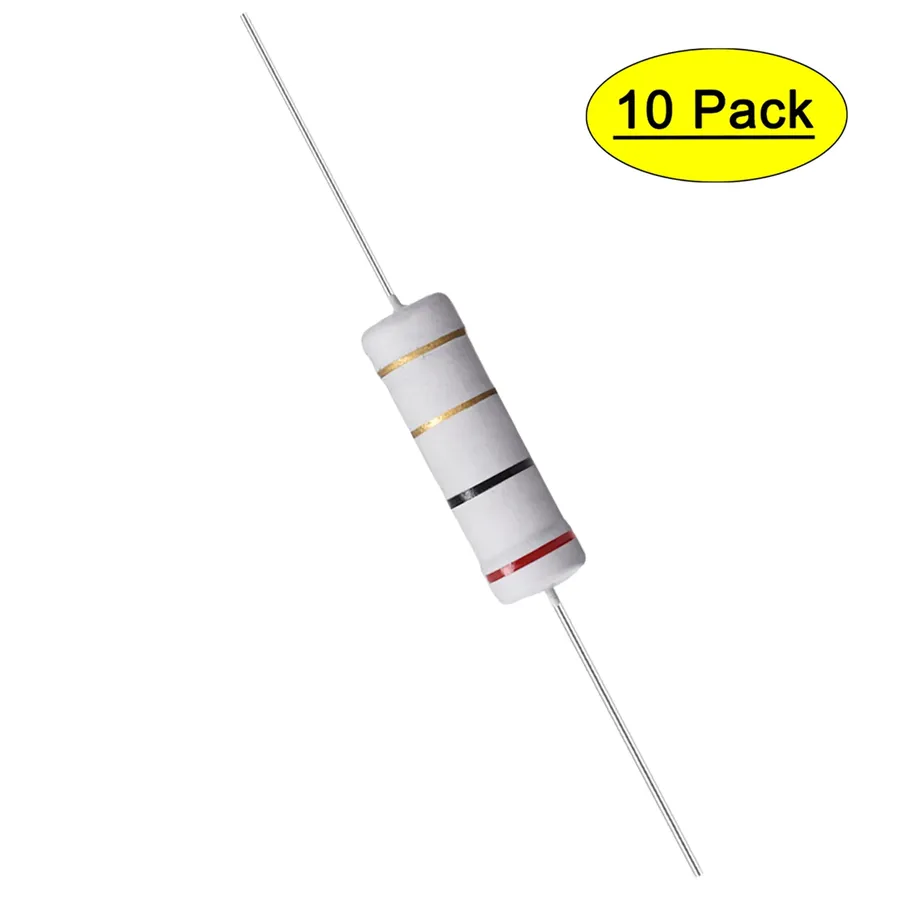
A 2 ohm resistor is a fundamental electronic component engineered to oppose the flow of electrical current, presenting a resistance of precisely 2 ohms. This specific resistance value is crucial in circuit design for controlling current levels and managing voltage distribution, effectively safeguarding more sensitive components from overloads and ensuring stable circuit operation.
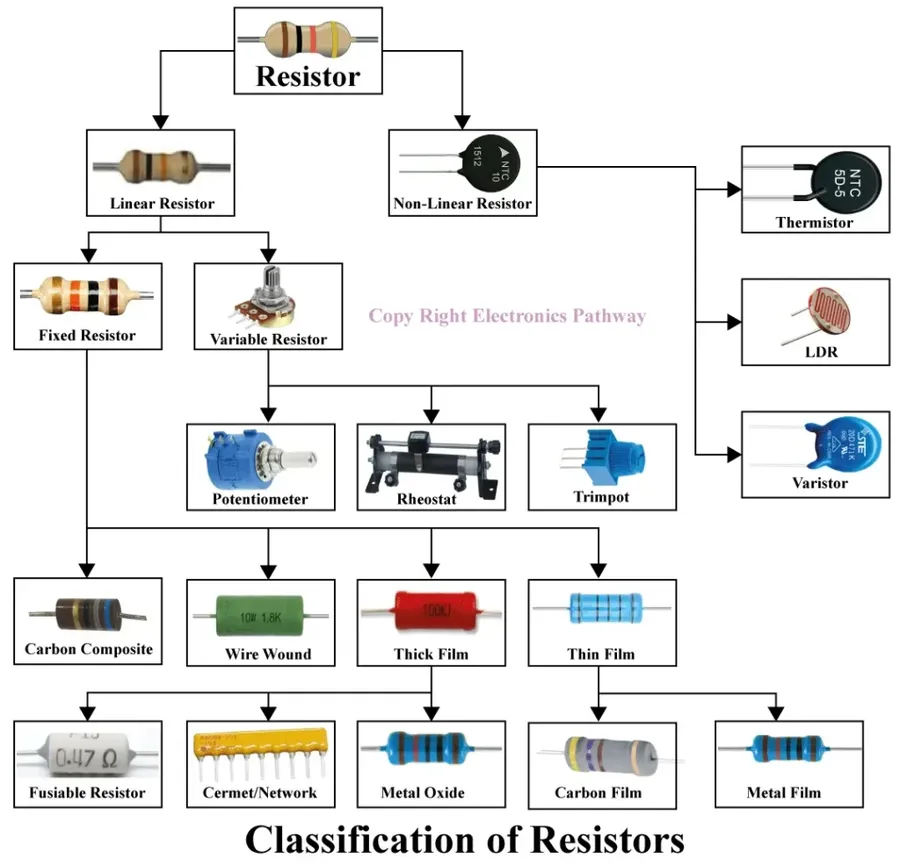
2 Ohm resistors are fundamental electronic components, available in various types, each engineered with unique construction and performance characteristics to suit diverse application needs. These types primarily differ in their materials, manufacturing processes, and physical forms, influencing their precision, power handling, temperature stability, and inductance.
| Resistor Type | Material | Construction | Key Characteristics | Typical Applications |
|---|---|---|---|---|
| Metal Film | Thin metallic film (e.g., nickel-chromium) deposited on a ceramic substrate | Film deposition, laser trimming | High precision, low temperature coefficient, low noise | Precision circuits, audio amplifiers, high-end electronics |
| Carbon Film | Carbon film deposited on a ceramic substrate | Film deposition, spiral cut | Good general-purpose, higher tolerance than metal film, moderate noise | General electronics, cost-sensitive applications, simple circuits |
| Wire-Wound | Resistive wire (e.g., nichrome) wound around a ceramic core | Wire winding, coating | High power rating, high precision, relatively high inductance | Power supplies, high-current circuits, motor control, braking circuits |
| Surface Mount (SMD) | Thick or thin film on ceramic substrate | Film deposition, multilayer processing | Compact size, automated assembly, variety of resistance values and sizes | Modern electronic devices, small form factor applications |
The choice between these types depends on specific circuit requirements. For instance, metal film resistors are preferred in applications requiring high precision and stability, while wire-wound resistors are better suited for high-power dissipation. Carbon film resistors provide a cost-effective solution for general-purpose applications, and SMDs are essential for compact designs. Furthermore, the parasitic inductance of the wire-wound type might be undesirable in some high frequency applications, where film type resistors are better candidates. Understanding these differences is crucial in selecting the most suitable 2 Ohm resistor for any given application.
Understanding the key characteristics of a 2 ohm resistor is essential for selecting the correct component for a given application. These characteristics include tolerance, power rating, temperature coefficient, and inductance, each playing a crucial role in circuit performance.
| Characteristic | Description | Impact on Performance |
|---|---|---|
| Tolerance | The allowable deviation of the actual resistance value from the stated 2 ohms (e.g., ±1%, ±5%). | Affects precision in current and voltage control. Lower tolerance resistors provide more accurate results. |
| Power Rating | The maximum power the resistor can dissipate without damage, typically expressed in watts (e.g., 1/4W, 1W, 10W). | Determines the resistor's ability to handle heat generated by current flow. Insufficient power rating can lead to overheating and failure. |
| Temperature Coefficient | Describes how the resistor's resistance changes with temperature, expressed in parts per million per degree Celsius (ppm/°C). | Important in applications with fluctuating temperatures. Low temperature coefficient resistors maintain stable performance. |
| Inductance | The property of the resistor to store energy in a magnetic field, especially at high frequencies. | Inductance can introduce impedance at high frequencies, affecting signal integrity. Non-inductive resistors are preferred in high-frequency applications. |
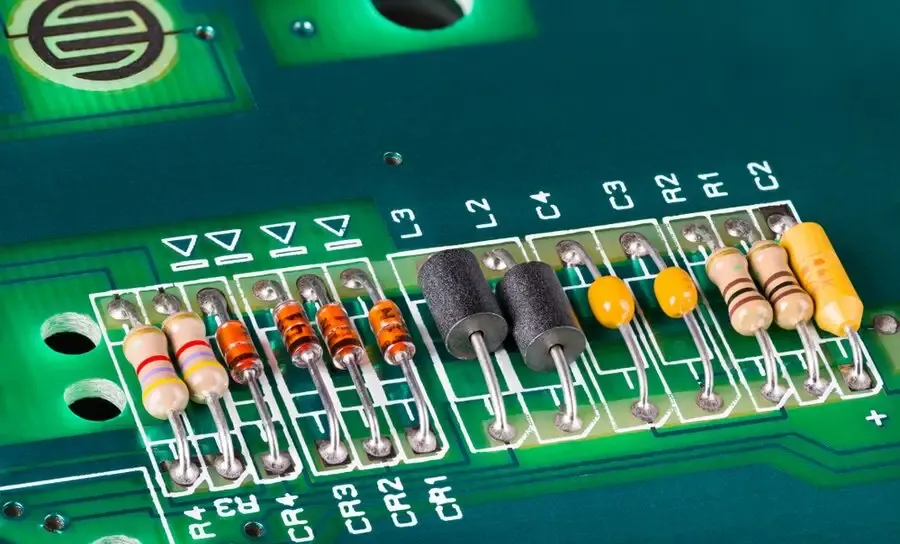
2 Ohm resistors are fundamental components in diverse electronic circuits, serving critical functions across various applications. Their low resistance value makes them ideal for current limiting, load balancing, and sensing in scenarios requiring precise control over electrical flow. From simple LED circuits to complex automotive systems, the 2 Ohm resistor's versatility is evident.
Calculating the voltage drop across a 2 ohm resistor is fundamental in circuit analysis and design, and it's achieved by applying Ohm's Law. This principle establishes a direct relationship between voltage, current, and resistance, allowing engineers to predict circuit behavior.
Ohm's Law is expressed mathematically as: V = I * R, where V is the voltage drop in volts, I is the current in amperes, and R is the resistance in ohms. For a 2 ohm resistor, the formula simplifies to V = I * 2.
| Current (Amperes) | Voltage Drop (Volts) across 2 Ohm Resistor |
|---|---|
| 0.1 | 0.2 |
| 0.5 | 1.0 |
| 1 | 2 |
| 2 | 4 |
| 5 | 10 |
| 10 | 20 |
This calculation is crucial in various practical applications, from designing simple LED circuits to more complex audio and power electronics systems. By using Ohm's Law, engineers can choose appropriate resistor values and power ratings to ensure that the voltage drops are within the required ranges and the circuit components operate correctly without risk of damage. When troubleshooting circuits, knowledge of how to calculate voltage drops allows for precise identification of malfunctioning parts and the location of circuit defects.

Choosing the appropriate 2 ohm resistor for a specific application requires careful consideration of several factors to ensure optimal circuit performance and reliability. The primary considerations are power rating, tolerance, and the operational environment, including ambient temperature. Additionally, for certain specialized applications, the inductance of the resistor may also be a significant factor.
| Parameter | Description | Impact on Selection |
|---|---|---|
| Power Rating | The maximum power (in watts) that the resistor can dissipate without being damaged. | Must exceed the expected power dissipation in the circuit to prevent overheating and failure. Common ratings include 1/4W, 1/2W, 1W, and higher. |
| Tolerance | The allowed deviation of the actual resistance value from the nominal 2 ohms, expressed as a percentage (e.g., ±1%, ±5%). | Critical for applications requiring precision. Lower tolerance values (e.g., 1%) are preferred for sensitive circuits where even small deviations can impact performance. |
| Temperature Coefficient | The change in resistance value per degree Celsius. Expressed in ppm/°C. | Important in circuits subjected to temperature variations. Lower temperature coefficient values are better for consistent performance across different operating temperatures. |
| Inductance | The tendency of a resistor to act as an inductor, which can affect high-frequency circuits. | Non-inductive resistors are required for applications where parasitic inductance needs to be minimized, such as in high frequency circuits or precision measurement circuits. |
| Physical Size | The dimensions and form factor of the resistor (e.g., axial leaded, SMD package). | Must be compatible with the circuit board layout and the available space in the application. |
| Environmental Conditions | Operating temperature range, humidity and other environmental factors. | Resistor selected must meet or exceed environment conditions. Resistors may need to be derated in extreme temperatures. Resistors exposed to moisture may require conformal coating. |
For high-power applications, such as in motor control circuits or power electronics, a wire-wound resistor with a higher power rating is typically chosen. In contrast, for low-power, precision circuits, such as in measurement instrumentation or sensor interfaces, metal film resistors with low tolerances and temperature coefficients are preferred. If the application involves high-frequency signals, non-inductive resistors should be used to avoid unwanted impedance changes. Therefore, a thorough understanding of each application's requirements is essential for selecting the most appropriate 2 ohm resistor.
This section addresses common queries regarding 2 ohm resistors, providing clear and concise answers to enhance your understanding of their functionality and application. We'll cover topics from basic function to color codes and comparisons.
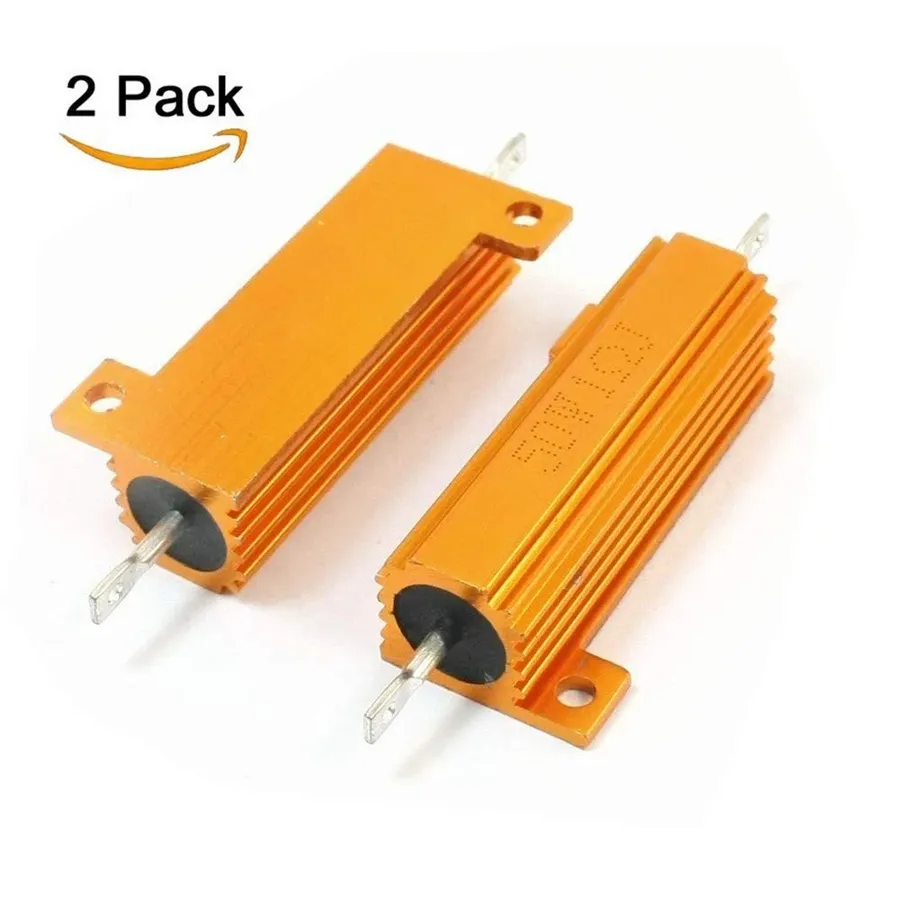
Integrating a 2 ohm resistor into a circuit requires careful consideration of several practical factors to ensure optimal performance and longevity. These considerations include heat management, soldering techniques, and avoiding stress on the component, particularly when used in sensitive applications like audio circuits.
Sourcing reliable 2 ohm resistors is crucial for ensuring the performance and safety of electronic circuits. Given their common use, these components are widely available from a range of suppliers, each offering different advantages in terms of selection, price, and reliability. It is essential to procure components from trusted sources to avoid counterfeit parts that could lead to circuit malfunction.
The 2 ohm resistor, though seemingly simple, is a fundamental component in countless electronic circuits. By understanding its various forms, applications, and key characteristics—such as power rating and precision—you can effectively utilize this tiny powerhouse in your designs. Whether you're building an audio crossover network or crafting a small LED circuit, knowing how and when to use a 2 ohm resistor is vital to success, it's the silent hero making sure your electrical currents are exactly where they need to be. Remember to consider factors like power rating and component tolerance to ensure optimal circuit performance and reliability. With the knowledge shared in this article, you're well equipped to utilize 2 ohm resistors effectively in your next project.

