In our increasingly power-dependent world, Uninterruptible Power Supplies (UPS) are essential to keep our critical devices running. At the heart of every UPS is its printed circuit board (PCB), the unsung hero managing power flow, battery charging, and voltage regulation. As a core component, the price of UPS PCBs significantly impacts the final cost of these critical devices. This article delves into the factors influencing 'ups pcb price', providing you with a comprehensive understanding of how to navigate this market effectively.
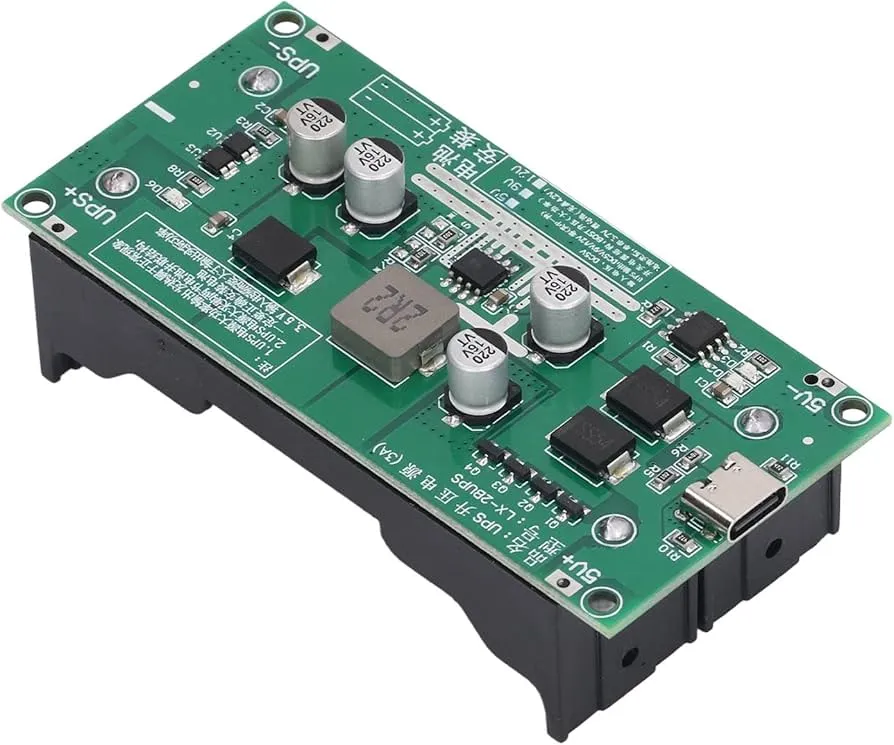
The price of a UPS (Uninterruptible Power Supply) Printed Circuit Board (PCB) is not arbitrary; it's a result of several interconnected factors. These factors range from the inherent complexity of the board itself to external market forces. Understanding these elements is crucial for effective cost management and strategic decision-making when sourcing UPS PCBs.
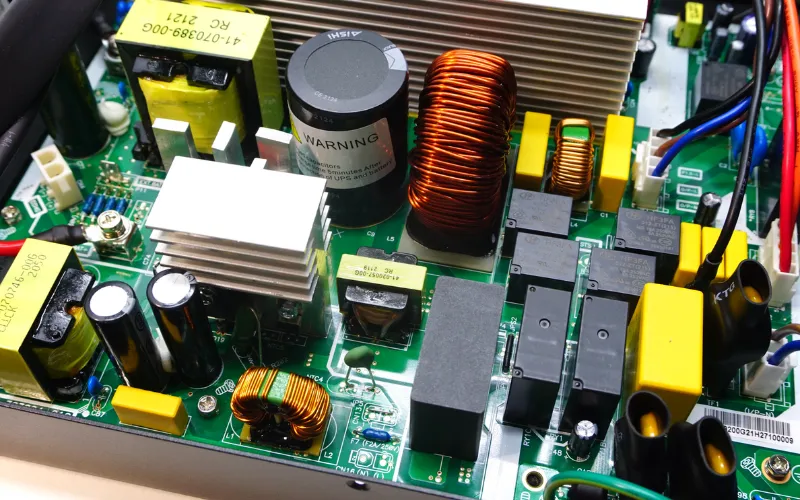
The architecture of a UPS (Uninterruptible Power Supply) Printed Circuit Board (PCB) directly impacts both its performance and cost. PCBs are categorized primarily by the number of conductive layers they incorporate: single-layer, double-layer, and multilayer, each of which carries distinct characteristics relating to functionality and price point. Understanding these differences is crucial for optimizing UPS design and cost management.
| PCB Type | Description | Complexity | Cost | Typical UPS Application | Advantages | Disadvantages |
|---|---|---|---|---|---|---|
| Single-Layer PCB | Consists of a single conductive layer of copper on one side of the board. | Low | Lowest | Simple, low-power UPS systems | Low cost, easy to manufacture | Limited routing density, susceptible to noise. |
| Double-Layer PCB | Features conductive layers on both sides of the board, allowing for connections through vias. | Medium | Moderate | Mid-range UPS systems. | Increased routing flexibility, better noise immunity compared to single-layer. | Limited routing density compared to multilayer. |
| Multilayer PCB | Includes three or more conductive layers, separated by insulating materials. Allows for complex interconnections and high density routing. | High | Highest | High-power and complex UPS systems. | High routing density, superior performance and noise immunity. | More expensive, complex manufacturing. |
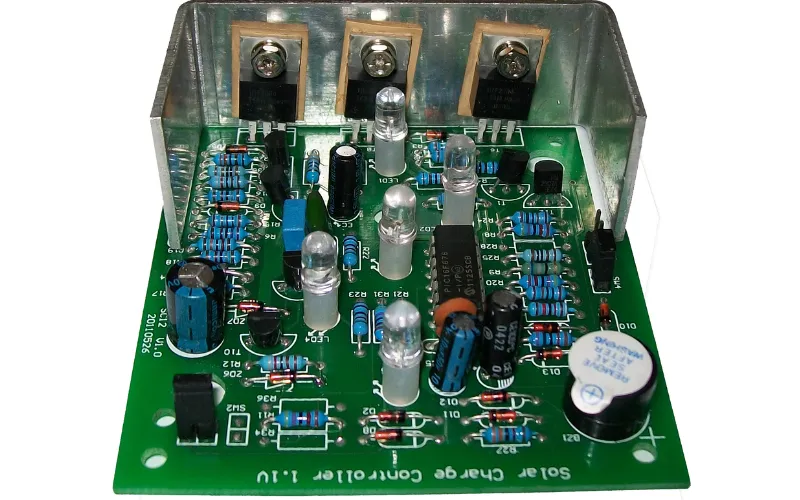
The selection of materials for a UPS PCB directly influences both its performance and cost. Common materials like FR-4, CEM-3, and specialized high-frequency laminates exhibit varying electrical properties, thermal stability, and mechanical strength, leading to differences in price points. Understanding these material characteristics is crucial for optimizing the cost and performance balance of a UPS system.
| Material Type | Description | Typical Applications | Cost | Performance Characteristics |
|---|---|---|---|---|
| FR-4 | A composite material made of woven fiberglass cloth with an epoxy resin binder. | Most common for standard UPS PCBs. | Moderate | Good balance of electrical and mechanical properties; widely available. |
| CEM-3 | Composite material with a paper core and fiberglass layers. | Cost-sensitive applications where performance is adequate. | Lower | Lower electrical and mechanical strength compared to FR-4, suitable for less demanding UPS systems. |
| High-Frequency Laminates (e.g., Rogers, Taconic) | Specialized materials with enhanced electrical properties for high-speed signal transmission. | High-performance UPS and specialized applications. | Higher | Superior electrical performance; typically required for advanced high-frequency switching and power control circuits. |
| Metal Core PCBs | PCBs with a metal base (e.g., aluminum or copper) to enhance thermal dissipation. | UPSs operating under high-power conditions and environments with heat management requirements. | Higher | Excellent thermal conductivity; ideal for higher-power applications where heat dissipation is critical. |
The choice of materials is not just about the cost but also about the reliability and lifespan of the UPS PCB. High-frequency laminates, while more expensive, are necessary for UPS designs requiring rapid switching and power control. Conversely, for lower power UPS systems where cost is a bigger constraint, CEM-3 can provide a viable option. The appropriate selection depends on performance requirements and budget limitations.
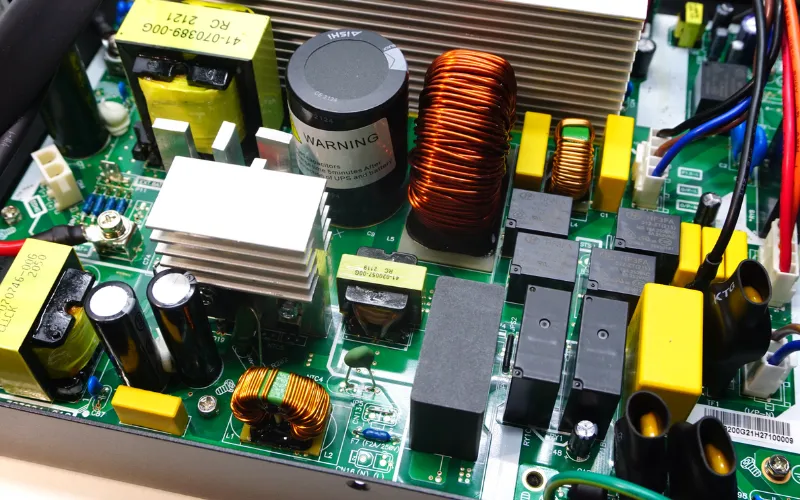
The price of UPS PCBs varies significantly across different brands due to factors such as brand reputation, manufacturing standards, component quality, and warranty provisions. This section will analyze and compare some of the leading brands in the UPS market to help you understand their pricing strategies, quality standards, and how they impact overall cost.
| Brand | Typical Application | Price Range (USD) | Quality Standard | Key Features | Warranty |
|---|---|---|---|---|---|
| APC | Consumer, Small Business | $$$ | High | Reliable, good support | 2 years |
| Schneider Electric | Enterprise, Industrial | $$$$ | Very High | Advanced features, Robust | 3-5 years |
| Eaton | Data centers, Industrial | $$$ | High | Energy efficient, scalable | 2-3 years |
| CyberPower | Consumer, Small Business | $$-$$$ | Medium to High | Cost-effective, good features | 1-3 years |
| Vertiv | Data centers, critical infrastructure | $$$$ | Very High | High performance, very reliable | 2-5 years |
| Local Manufacturers | Varies | $ | Variable | Economical, basic functionality | Varies, usually 1 year |
Note: Price ranges are indicative and can fluctuate based on specific models, features, and market conditions. Local manufacturers often provide cost-effective solutions but may have lower standards and less comprehensive warranty options. Brand reputation often correlates with the PCB's quality and the overall performance of the UPS.
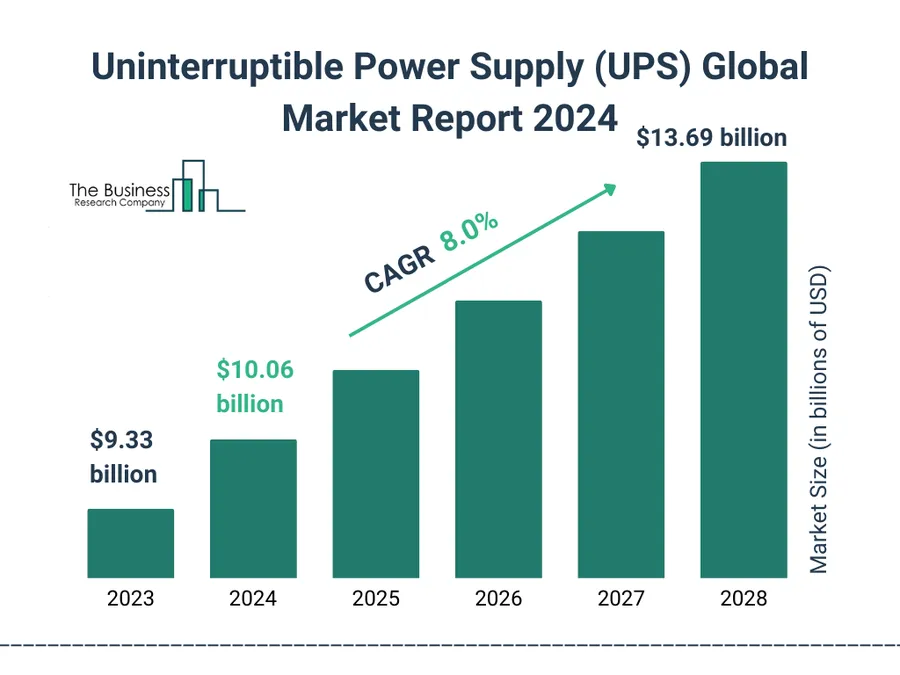
The global market for UPS PCBs exhibits significant price variations influenced by a complex interplay of factors, including regional labor costs, the availability of raw materials, and localized market demands and competitive landscapes. These variations can significantly impact sourcing and purchasing strategies for manufacturers and end-users.
| Region | Typical Labor Costs | Material Availability | Market Dynamics | Impact on PCB Price |
|---|---|---|---|---|
| Asia (e.g., China, India) | Lower labor costs | Generally good availability, but may fluctuate based on global supply chains | Highly competitive market with a large number of manufacturers | Lower PCB prices due to competitive manufacturing costs |
| North America (e.g., USA, Canada) | Higher labor costs | Good availability, but some reliance on imported materials | Established market with a focus on high quality and advanced technology | Higher PCB prices due to higher labor and manufacturing costs |
| Europe (e.g., Germany, France) | Higher labor costs | Moderate availability, with a focus on eco-friendly and specialized materials | Technologically advanced market with strict environmental regulations | Higher prices driven by labor costs and environmental compliance |
| South America (e.g., Brazil, Argentina) | Moderate labor costs | Material availability can be inconsistent and reliant on imports | Growing market with varying levels of technological advancement | Prices vary based on material availability and local manufacturing capabilities |
| Other regions (e.g., Africa, Middle East) | Varying labor costs | Material availability is often limited and dependent on imports | Less developed market with limited local PCB manufacturing | Prices are generally higher due to limited local manufacturing and reliance on imports |
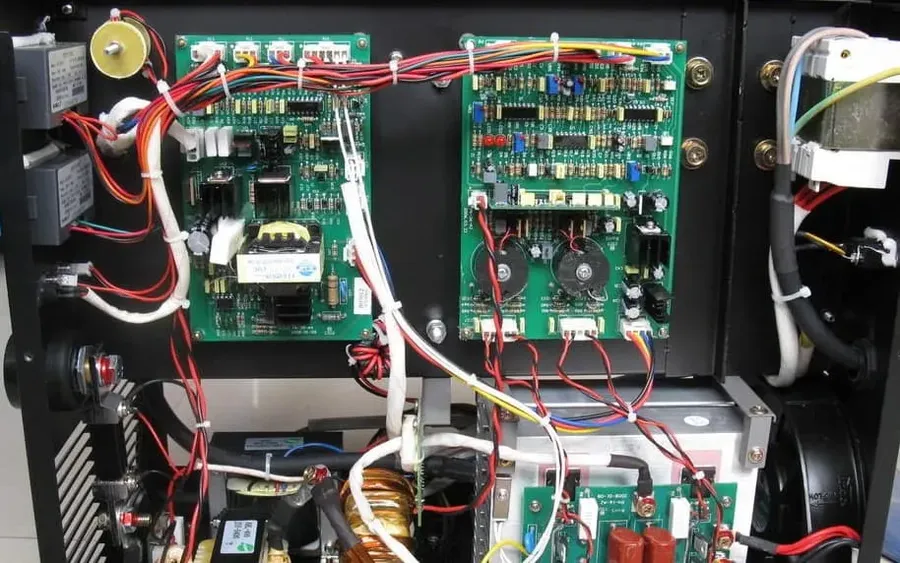
The decision to assemble a UPS PCB board yourself or purchase a pre-assembled unit involves careful consideration of cost, time, skill, and risk. Each approach presents distinct advantages and disadvantages that must be weighed against project requirements and available resources.
| Factor | DIY Assembly | Purchasing Ready-Made |
|---|---|---|
| Initial Cost | Potentially lower for components, but requires assembly tools, time and expertise. | Higher upfront cost due to labor and overhead, but includes assembly and testing. |
| Time Investment | Significant; requires time for design verification, component sourcing, assembly and troubleshooting. | Minimal; board is ready for installation after receiving. |
| Skill Level | Requires electronic engineering knowledge, soldering skills, and diagnostic experience. | Minimal; assumes user has basic installation knowledge. |
| Risk of Error | High, potential for assembly errors, component damage and functional failures. | Lower, typically factory tested to meet specifications. |
| Flexibility & Customization | High, offers opportunity for custom designs and component selection. | Limited to available models and features. |
| Repairability | Potentially easier for component-level repairs with good knowledge. | May be more difficult to repair if complex or if internal workings are less accessible. |
| Tools Required | Specialized soldering equipment, multimeter, and other testing instruments. | Minimal; requires basic installation tools (e.g., screwdriver). |
| Warranty & Support | No warranty, limited support. | Typically includes warranty and technical support by manufacturer. |
This section addresses common inquiries regarding UPS PCB costs, clarifying the role of PCBs in UPS systems and the factors influencing their price variations. Understanding these aspects can assist in making informed purchasing decisions.
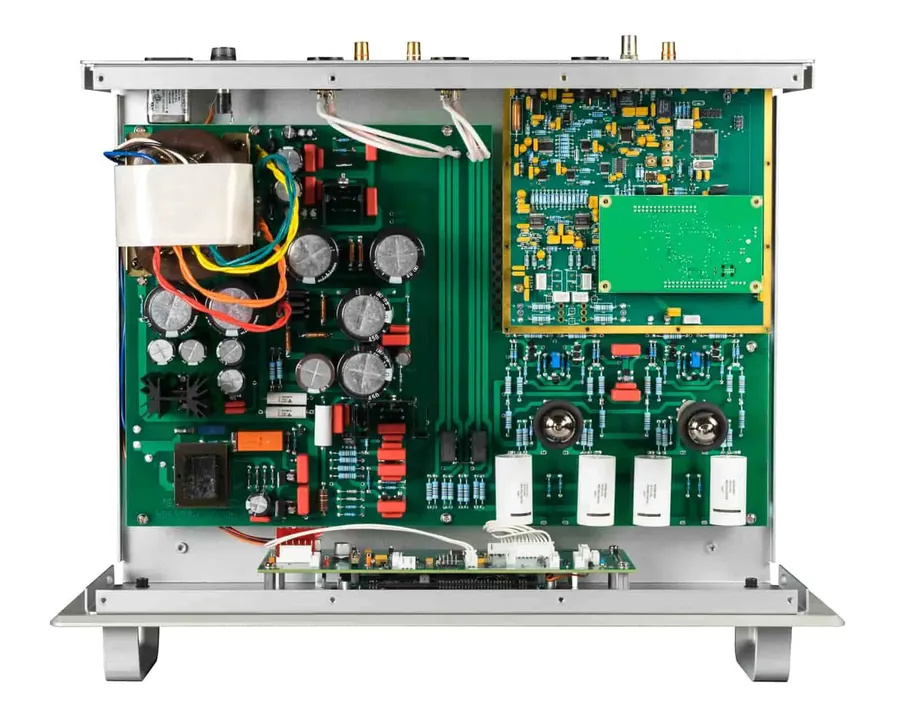
The future of UPS PCB technology is poised for significant advancements, driven by innovations in material science, fabrication techniques, and sustainable practices. These advancements are expected to influence both the performance and the pricing of UPS PCBs, offering opportunities for more efficient, reliable, and cost-effective power solutions.
Sourcing UPS PCBs requires careful consideration of factors such as brand reputation, customization needs, and purchasing volume. This section provides guidance on various avenues for acquiring UPS PCBs, ranging from established manufacturers to online marketplaces and specialized suppliers.
Understanding the cost of UPS PCBs is crucial, as it is directly correlated to the performance and reliability of your power backup system. This guide has explored the multiple facets influencing 'ups pcb price', from materials to manufacturing complexity and market trends. By considering these factors, you are better equipped to make informed decisions, ensuring you invest wisely in high-quality UPS components that meet your specific needs and budget requirements. As technology advances, the ‘ups pcb price’ landscape will continue to evolve, underscoring the importance of staying informed and adaptable in this dynamic market.

