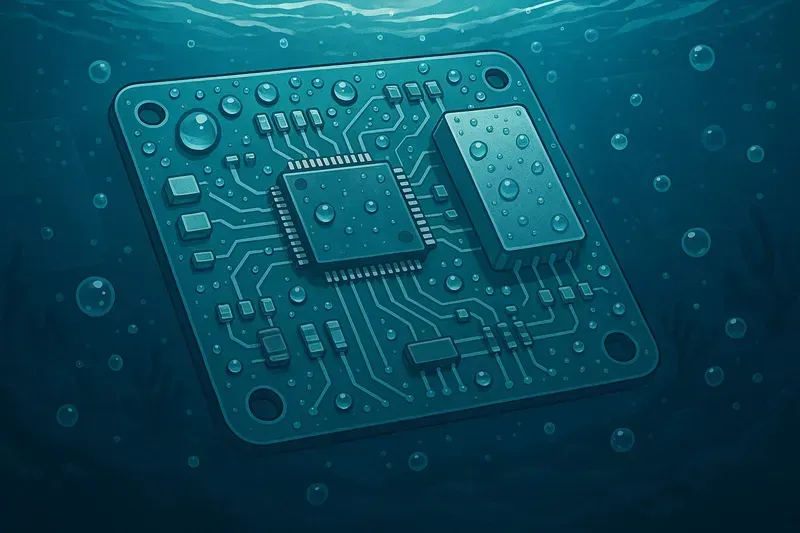
In the burgeoning field of marine exploration and defense, Underwater Unmanned Vehicles (UUVs) are at the forefront of innovation, performing critical tasks from data collection to subsea maintenance. The success of these sophisticated machines hinges on the reliability and precision of their control systems. At the heart of these systems lies the Printed Circuit Board (PCB), the foundational component enabling all electronic functionalities. Zero One Solution Limited, a leader in rapid prototyping and one-stop PCB services, understands the unique challenges of underwater applications. This article delves into our specialized PCB solutions designed to empower the next generation of UUVs, ensuring unparalleled performance in the most demanding aquatic environments.
The Critical Role of PCBs in Underwater Unmanned Vehicles (UUVs)
In the challenging and often extreme underwater environment, Printed Circuit Boards (PCBs) are not merely components but the indispensable backbone of Underwater Unmanned Vehicles (UUVs). They are the central nervous system, orchestrating every command, sensor input, and communication signal essential for a UUV's successful navigation, data collection, and mission execution. The unparalleled demands of subsea operations, including immense pressure, corrosive saltwater, and stringent power constraints, necessitate PCBs that transcend conventional standards, embodying extreme reliability and resilience to ensure uninterrupted performance in mission-critical applications.
Why are high-performance PCBs crucial for UUV operations? High-performance PCBs are crucial because UUVs operate in inherently hostile environments. Standard PCBs cannot withstand the extreme pressures, corrosive conditions, and rapid temperature fluctuations encountered underwater. Specialized high-performance PCBs, designed with robust materials and advanced manufacturing techniques, ensure the integrity of electronic signals, prevent system failures, and guarantee the reliability required for critical missions, from deep-sea exploration to defense applications. Their ability to maintain signal integrity and power delivery under duress is paramount for UUV longevity and mission success.
Key Challenges in UUV PCB Design and Manufacturing
UUV PCB Design Challenges
Designing and manufacturing Printed Circuit Boards (PCBs) for Underwater Unmanned Vehicles (UUVs) presents a unique array of engineering challenges that demand specialized knowledge and robust solutions. Unlike terrestrial or aerial applications, UUVs operate in an unforgiving marine environment characterized by extreme pressure, corrosive elements, and varying temperatures. Overcoming these hurdles is paramount to ensuring the reliability, longevity, and high-performance of UUV control PCBs, directly impacting mission success and operational safety. A failure to address these specific environmental stressors can lead to system malfunction, data corruption, and catastrophic operational failures.
Challenge Area
Description of Impact
Key Design/Manufacturing Consideration for UUV Control PCB
Extreme Pressure
Water depth exerts immense hydrostatic pressure, which can physically deform or damage standard PCB components and substrates, leading to delamination or cracks.
Use of high-density, low-porosity substrates; strategic component placement to minimize stress points; selection of robust, pressure-tolerant encapsulants and housings with proper sealing methods (e.g., O-rings).
Corrosion
Saline water is highly corrosive, attacking exposed metallic parts, solder joints, and even some PCB materials, leading to electrical shorts or open circuits over time.
Application of advanced conformal coatings (e.g., Parylene, epoxy, acrylics); use of corrosion-resistant materials for traces, pads, and connectors (e.g., gold plating, nickel); hermetic sealing of sensitive components and entire PCB assemblies. Compliance with IPC-CC-830 standards is crucial for coating reliability in marine environments.
How does signal integrity impact UUV control PCB performance in underwater environments? Signal integrity is critical because high-speed data transmission can be severely degraded by impedance mismatches, crosstalk, and electromagnetic interference (EMI) exacerbated by the dense underwater medium and power fluctuations from propulsion systems. Maintaining signal integrity ensures accurate data transfer for navigation, sensor readings, and command execution, directly influencing the UUV's responsiveness and mission success. Specialized trace routing, controlled impedance design, and proper grounding techniques are essential to mitigate these effects, often requiring advanced simulation and validation during the PCB design phase to meet stringent performance requirements for UUV control PCBs. This is particularly vital for real-time control systems and high-bandwidth sensor data.
Zero One Solution's Expertise in High-Reliability UUV PCB Solutions
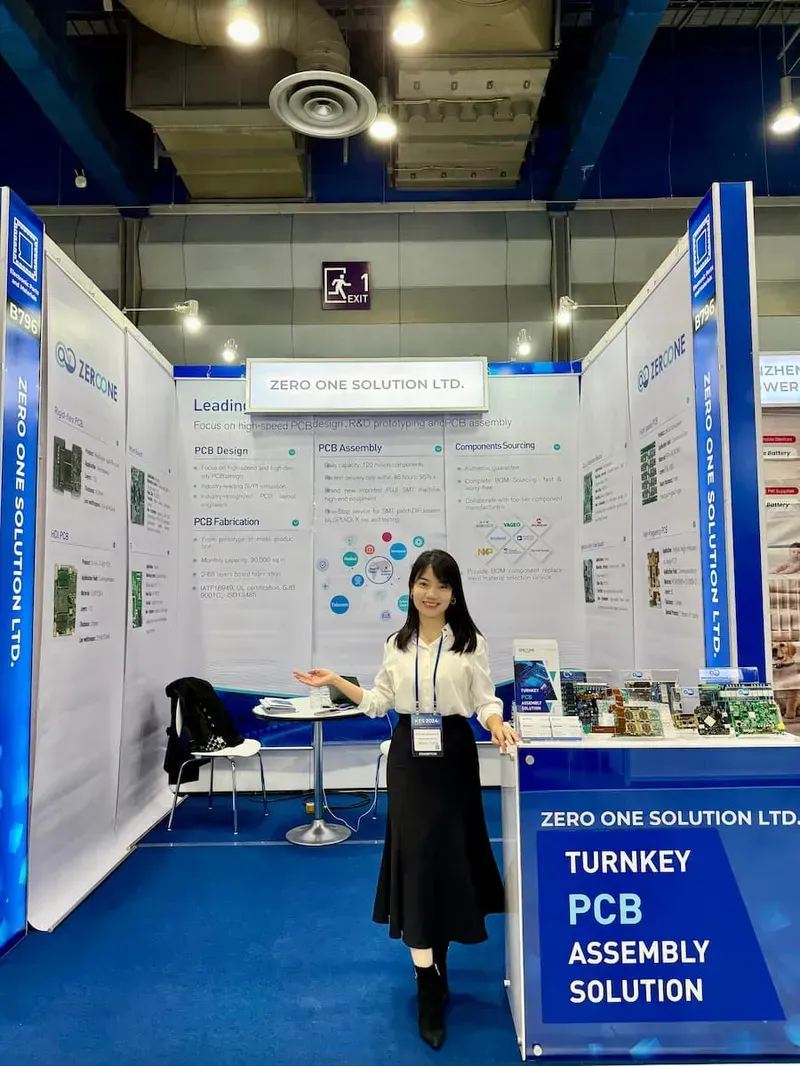
Zero One Solution PCB Factory
At Zero One Solution Limited, we bring over a decade of specialized experience in navigating the complex demands of underwater unmanned vehicle (UUV) PCB manufacturing. Our deep understanding of extreme operating conditions—including high pressure, corrosive environments, and signal integrity challenges—positions us as a leader in providing robust, high-performance PCB solutions. We are committed to empowering innovators in the marine robotics sector by accelerating their product development cycles with our rapid prototyping capabilities and comprehensive one-stop services, ensuring that every UUV control PCB is built for unparalleled reliability and mission-critical performance.
What specific UUV PCB challenges does Zero One Solution address? Zero One Solution directly tackles the most critical challenges in UUV PCB design and manufacturing, including extreme pressure resistance, superior corrosion protection through specialized coatings and material selection, and maintaining impeccable signal integrity in noisy underwater environments. We also specialize in thermal management for compact designs and ensuring power efficiency for extended mission durations.
How does Zero One Solution ensure rapid prototyping for UUV PCBs? Our rapid prototyping process for UUV PCBs is streamlined to compress development timelines significantly. By leveraging advanced manufacturing technologies, agile project management, and an integrated supply chain, we can quickly move from design conception to functional prototypes. This agility allows our clients to iterate designs faster, validate concepts efficiently, and accelerate their time-to-market for cutting-edge UUV technologies.
What are the components of Zero One Solution's "one-stop services" for UUV PCBs? Our one-stop services encompass the entire PCB lifecycle for UUVs, from initial design consultation and material selection to high-precision manufacturing, rigorous assembly (PCBA), and comprehensive quality assurance testing. This integrated approach ensures seamless project execution, reduces coordination complexities for clients, and guarantees a consistent, high-quality output tailored specifically for demanding underwater applications.
What sets Zero One Solution's UUV PCB solutions apart from competitors? Our distinction lies in our specialized expertise in marine-grade materials, advanced manufacturing processes like impedance control and conformal coating application, and an unwavering commitment to quality assurance specifically for mission-critical underwater electronics. Combined with our rapid prototyping and holistic one-stop services, we offer a unique value proposition that minimizes risks and maximizes performance for UUV developers.
Can Zero One Solution handle custom UUV PCB designs and unique specifications? Absolutely. Customization is at the core of our service. We thrive on collaborating with clients to develop bespoke UUV PCB solutions that precisely meet their unique operational requirements and design specifications, no matter how complex. Our engineering team possesses the flexibility and technical prowess to adapt to diverse project needs, from specialized sensor integration to advanced power management systems for specific UUV platforms.
Advanced Materials and Manufacturing Processes for UUV PCBs
Specialized Materials for Underwater Electronics
The unparalleled demands of the underwater environment necessitate a paradigm shift in PCB design and manufacturing for Underwater Unmanned Vehicles (UUVs). At Zero One Solution Limited, we understand that conventional PCB approaches fall short, which is why we leverage advanced materials and precision manufacturing processes to ensure the absolute durability and functionality of marine electronics PCBs, even in the most extreme conditions. Our meticulous selection of high-performance laminates, coupled with cutting-edge fabrication techniques, forms the bedrock of UUV control systems that perform reliably under immense pressure, corrosive elements, and fluctuating temperatures. This section delves into the critical material science and manufacturing rigor that defines our superior UUV PCB solutions.
Material/Process
Benefit for UUV PCBs
Application Example
High Tg Laminates
Superior thermal stability, resistance to delamination under heat cycling.
Ensures PCB integrity in environments with significant temperature fluctuations (e.g., power electronics sections).
Low Dk/Df Materials
Reduced signal loss and improved impedance control for high-frequency signals.
Critical for high-speed data transmission in sonar, communication, and navigation systems.
,Hydrophobic and Conformal Coatings
Exceptional moisture and corrosion resistance, electrical insulation.
Protects sensitive circuitry from water ingress and saltwater corrosion, extending operational life.
,Ceramic/Metal Substrates
Enhanced thermal conductivity for efficient heat dissipation.
Used in power amplification and motor control units to manage heat in confined spaces.
,Precision Impedance Control
Maintains consistent signal integrity across high-speed traces.
Ensures accurate data transfer for critical sensor readings and command signals, vital for ROV PCB design.
,Advanced Via Technologies (e.g., Microvias, HDI)
Increased routing density, improved signal path, reduced EMI.
Enables complex circuit designs in compact UUV form factors, crucial for underwater robotics electronics.
,Vacuum Lamination
Eliminates air voids between layers, improving structural integrity and thermal performance.
Enhances reliability and lifespan of multi-layer PCBs, especially those subjected to high pressures.
,Automated Optical Inspection (AOI)
Detects subtle manufacturing defects with high precision.
Guarantees the flawless fabrication of every Zero One Solution PCB before deployment in mission-critical applications.
Why are specialized materials essential for UUV PCBs compared to standard electronics? Standard electronics materials are not designed to withstand the unique stressors of the underwater environment, such as high hydrostatic pressure, corrosive saltwater, extreme temperature variations, and the need for absolute waterproofing. Specialized materials, like high-Tg laminates, low Dk/Df substrates, and robust conformal coatings, offer the necessary thermal stability, signal integrity, and environmental resistance to ensure long-term reliability and performance of marine electronics PCBs.
How do conformal coatings protect UUV PCBs? Conformal coatings create a thin, protective polymeric layer over the PCB assembly, encapsulating components and traces. This barrier provides excellent resistance against moisture ingress, saltwater corrosion, chemical exposure, fungal growth, and even some mechanical abrasion. For UUVs, hydrophobic and highly durable coatings are crucial for preventing electrical shorts and component degradation, thereby extending the operational lifespan of the underwater electronics.
What is the role of impedance control in UUV PCB manufacturing? Impedance control is paramount in UUV PCB manufacturing, especially for high-speed data transmission lines and RF circuits. It ensures that the characteristic impedance of signal traces matches the impedance of the components and cables, minimizing signal reflections, distortion, and loss. In UUV control systems, precise impedance control is vital for maintaining data integrity for sensors, communication systems (e.g., acoustic modems), and control signals, directly impacting the ROV PCB design's effectiveness and reliability.
How does Zero One Solution ensure the thermal performance of UUV PCBs? Zero One Solution addresses thermal performance through a multi-faceted approach. This includes selecting high thermal conductivity substrates (e.g., ceramic-filled laminates or metal-core PCBs for power stages), incorporating efficient thermal vias, and optimizing component placement to facilitate heat dissipation. Advanced thermal management solutions like embedded heat sinks and strategic use of potting compounds are also employed to maintain optimal operating temperatures for underwater robotics electronics, preventing thermal runaway and ensuring stable performance in compact UUV designs.
Ensuring Data Integrity and Communication Reliability in UUV Control Systems
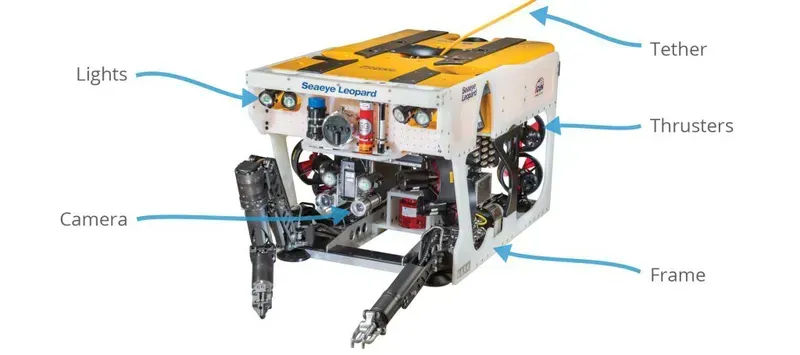
Underwater ROV Control System
In the complex and often hostile underwater environment, ensuring the unwavering data integrity and robust communication reliability of Underwater Unmanned Vehicle (UUV) control systems is paramount to mission success. Any compromise in signal quality or communication breakdown can lead to catastrophic failures, making meticulous ROV PCB design and implementation of resilient protocols non-negotiable. Zero One Solution Limited, as a leading PCB solution provider, prioritizes these critical aspects to guarantee seamless, uninterrupted operation and prevent costly data loss in subsea applications.
Why is signal integrity crucial for UUV control PCBs? Signal integrity is vital in UUV control PCBs because the underwater environment introduces significant challenges such as electromagnetic interference, signal attenuation, and impedance mismatches. Poor signal integrity can lead to corrupted data, inaccurate sensor readings, and unreliable control commands, directly impacting the UUV's performance, stability, and mission success. Ensuring optimal signal integrity through meticulous PCB layout, controlled impedance routing, and proper grounding minimizes these risks and guarantees precise, real-time data transmission.
How does Zero One Solution enhance communication reliability in ROV PCB designs? Zero One Solution enhances communication reliability in ROV PCB designs through a multi-faceted approach. We implement advanced noise reduction techniques, utilize differential signaling for improved common-mode noise rejection, and carefully select materials with low dielectric loss. Our designs also incorporate robust error correction codes, redundant communication channels where feasible, and strategic component placement to minimize crosstalk, ensuring that critical data packets are transmitted and received accurately even in challenging underwater conditions.
What are the common challenges to data integrity in underwater electronics? Common challenges to data integrity in underwater electronics include high hydrostatic pressure causing physical stress on components, corrosive saltwater leading to material degradation, temperature fluctuations affecting electronic performance, and external electromagnetic interference from other systems or natural phenomena. These factors can induce signal distortion, data corruption, and intermittent failures. Overcoming these requires specialized materials, hermetic sealing, and robust circuit design practices.
What role do impedance control and trace routing play in UUV communication? Impedance control and precise trace routing are fundamental to high-speed data transmission in UUV communication. Mismatched impedance can cause signal reflections, leading to ringing and reduced signal quality, while improperly routed traces can introduce crosstalk and electromagnetic interference (EMI). Zero One Solution employs advanced PCB design software for precise impedance matching and utilizes techniques like differential pair routing and careful trace length matching to preserve signal integrity and ensure reliable, high-speed data flow across the UUV's control systems.
How does Zero One Solution test for communication reliability in UUV PCBs? Zero One Solution employs rigorous testing protocols to validate communication reliability in UUV PCBs. This includes High-Speed Signal Analysis (HSSA), Time Domain Reflectometry (TDR) for impedance verification, and comprehensive environmental stress testing (EST) simulating real-world underwater conditions (pressure, temperature, humidity cycling). We also conduct functional testing with actual communication protocols to verify data throughput and error rates, ensuring the PCBs meet the stringent performance requirements for mission-critical UUV applications.
Thermal Management and Power Efficiency in Compact UUV Designs
UUV Thermal Management System
Effective thermal management and power efficiency are paramount for the reliability and longevity of Underwater Unmanned Vehicle (UUV) control PCB solutions, especially given the compact and often sealed environments they operate within. The confined space significantly restricts passive cooling options, making active and innovative thermal dissipation strategies crucial to prevent performance degradation, component failure, and ultimately, mission failure. Zero One Solution Limited addresses these intricate challenges with advanced design and manufacturing techniques, ensuring that our underwater robotics electronics maintain optimal operating temperatures and maximize mission endurance.
Why is thermal management critical for UUV control PCBs? UUVs operate in enclosed, often pressurized hulls, making heat dissipation difficult. Excessive heat can lead to component degradation, reduced lifespan, thermal runaway, and decreased operational reliability of critical electronics, including the control PCB. Effective thermal management ensures stable performance and prevents premature failure in challenging underwater environments.
How does Zero One Solution enhance power efficiency in UUV electronics? Zero One Solution employs a multi-faceted approach to power efficiency, starting with component selection for low power consumption. This includes utilizing highly efficient power converters, optimizing circuit designs to minimize quiescent current, and implementing intelligent power management ICs. Our design philosophy prioritizes maximizing operational time while minimizing energy waste, crucial for extended UUV missions.
What innovative thermal dissipation techniques are used in compact UUV designs? For compact UUV designs, Zero One Solution integrates advanced thermal dissipation techniques such as optimized PCB layouts with strategic copper pouring for heat spreading, the incorporation of thermal vias, and the use of thermally conductive materials and substrates. We also explore external heat sinks, liquid cooling loops within the sealed enclosure, and phase-change materials when design constraints allow, to efficiently transfer heat away from sensitive components.
Quality Assurance and Testing for Mission-Critical UUV PCBs
PCB Quality Testing Lab
For mission-critical underwater unmanned vehicle (UUV) control PCBs, exhaustive quality assurance and testing are not merely procedures but fundamental pillars ensuring operational reliability and mission success in extreme underwater environments. Zero One Solution Limited implements a multi-faceted, rigorous testing regimen that goes beyond industry standards, guaranteeing that every PCB we produce for UUV applications performs flawlessly under immense pressure, corrosive conditions, and varying temperatures, thereby minimizing failure risks and safeguarding invaluable subsea operations. Our commitment to stringent quality control is paramount to delivering UUV PCBs that consistently exceed performance expectations.
What specific tests do Zero One Solution PCBs undergo for UUV applications? Zero One Solution PCBs for UUVs undergo a comprehensive suite of tests, including Automated Optical Inspection (AOI) for manufacturing defects, In-Circuit Testing (ICT) for component integrity and short/open circuits, and Functional Testing (FCT) to simulate real-world operational scenarios. Crucially, we conduct environmental stress screening (ESS) such as thermal cycling, vibration testing, and humidity testing to validate performance under simulated harsh underwater conditions, ensuring resilience and reliability in mission-critical deployments.
How does Zero One Solution ensure the long-term reliability of UUV PCBs against corrosion and pressure? Long-term reliability against corrosion and pressure is achieved through a combination of material selection and specialized testing. We utilize high-performance substrates and advanced conformal coatings that offer superior resistance to saltwater and extreme pressures. Our quality assurance includes accelerated life testing (ALT) and highly accelerated stress screening (HASS) in environmental chambers capable of replicating deep-sea conditions, verifying the integrity of the PCB structure, and the efficacy of protective coatings over extended periods.
What role does traceability play in the quality assurance of Zero One Solution UUV PCBs? Traceability is integral to our quality assurance process for UUV PCBs. Every board, from raw material sourcing through each manufacturing step and final assembly, is meticulously tracked. This comprehensive traceability system allows for immediate identification of material batches, process parameters, and personnel involved at any stage, enabling swift root cause analysis in the rare event of an issue and ensuring continuous improvement in our manufacturing protocols. It forms a crucial part of our commitment to accountability and superior product quality.
Zero One Solution Limited stands as your premier partner in navigating the complexities of UUV control PCB development. With our deep expertise in rapid prototyping, design, manufacturing, and assembly, we are uniquely positioned to transform your innovative UUV concepts into robust, market-ready realities. Our commitment to quality, efficiency, and global strategic presence ensures that your projects benefit from the highest standards of engineering and supply chain resilience. Don't let the harsh underwater environment compromise your UUV's potential. Partner with Zero One Solution to harness cutting-edge PCB technology and propel your underwater unmanned vehicles to new depths of performance and reliability. Contact us today to discuss how our tailored PCB solutions can accelerate your product development and achieve your mission-critical objectives.