In the realm of electronics, the transition from abstract ideas to tangible circuits is crucial. PCB breadboards, the unsung heroes of prototyping, allow enthusiasts and professionals alike to experiment and iterate without the commitment of soldering. This article will be your guide, exploring the versatility and benefits of using PCB breadboards to bring your electronics projects to life, bridging the world of design with real applications. We’ll unravel their various forms and show you how they’re instrumental in electronics.
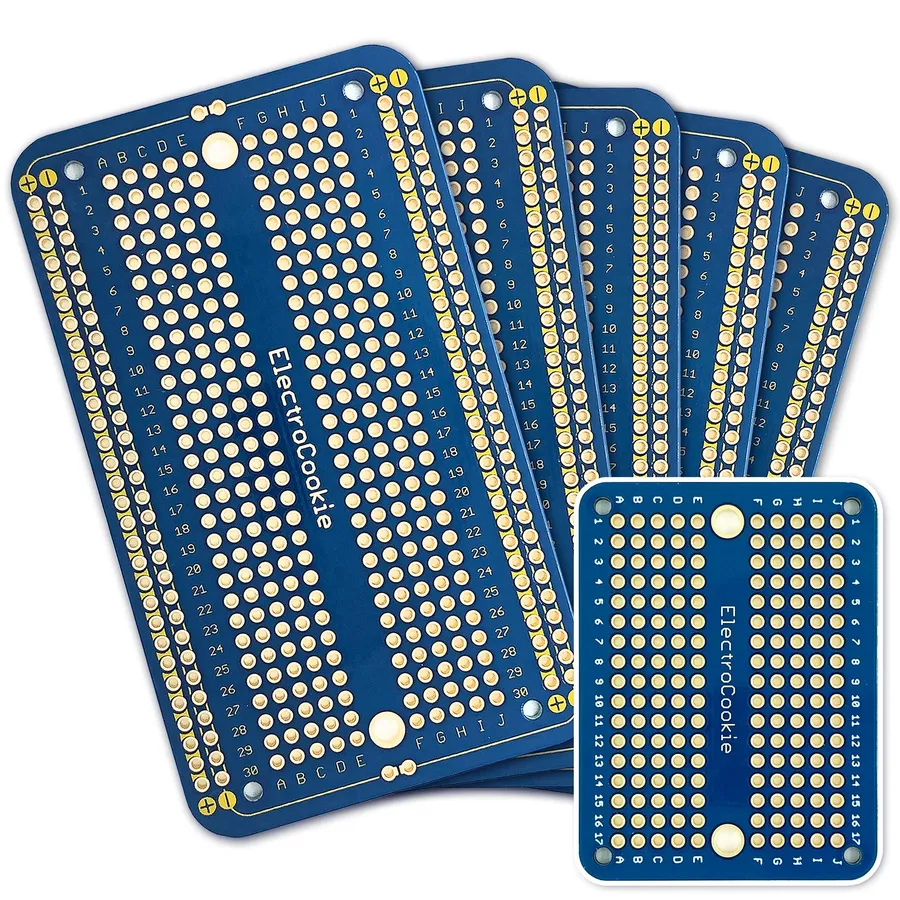
A PCB breadboard, at its core, represents a fusion of the user-friendly nature of a solderless breadboard with the inherent robustness of a printed circuit board (PCB). This innovative approach provides a more stable and durable platform for prototyping and testing electronic circuits compared to traditional plastic breadboards. By integrating the copper traces and through-holes found on a PCB, it facilitates a more permanent setup, reducing the common issues associated with loose connections and accidental disconnections encountered in conventional breadboards.
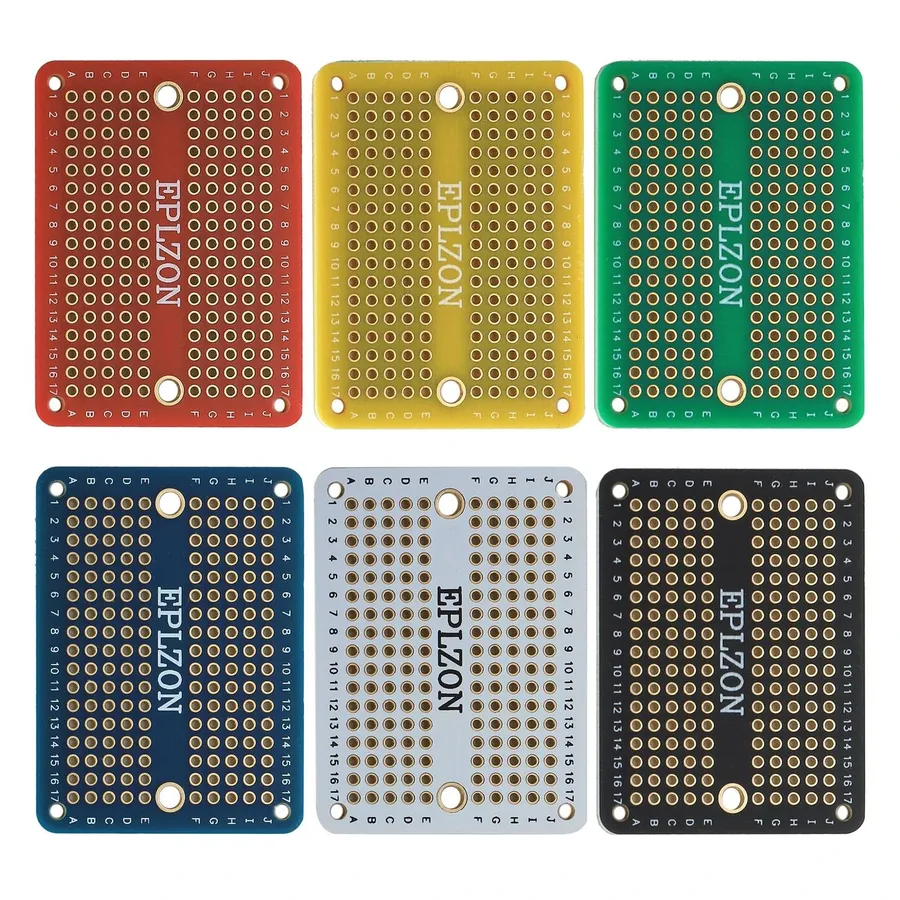
PCB breadboards serve as a bridge between the flexibility of solderless breadboards and the reliability of permanent PCBs, offering various designs to suit diverse prototyping needs. Understanding these types is crucial for effective project planning and execution.
| Type of PCB Breadboard | Key Features | Best Use Cases | Connection Method |
|---|---|---|---|
| Solderable | Durable, solderable pads or through-holes | Robust and Semi-permanent Prototypes, Projects that need increased stability | Soldering |
| Perfboard-Style | Grid of holes for custom circuit layouts | Customized, complex circuits, flexible layouts | Wire-Wrapping, Solder, or Conductive Epoxy |
| Standard Layout | Matches solderless breadboard layouts | Quick setup and testing, direct replacement for traditional breadboards | Soldering |
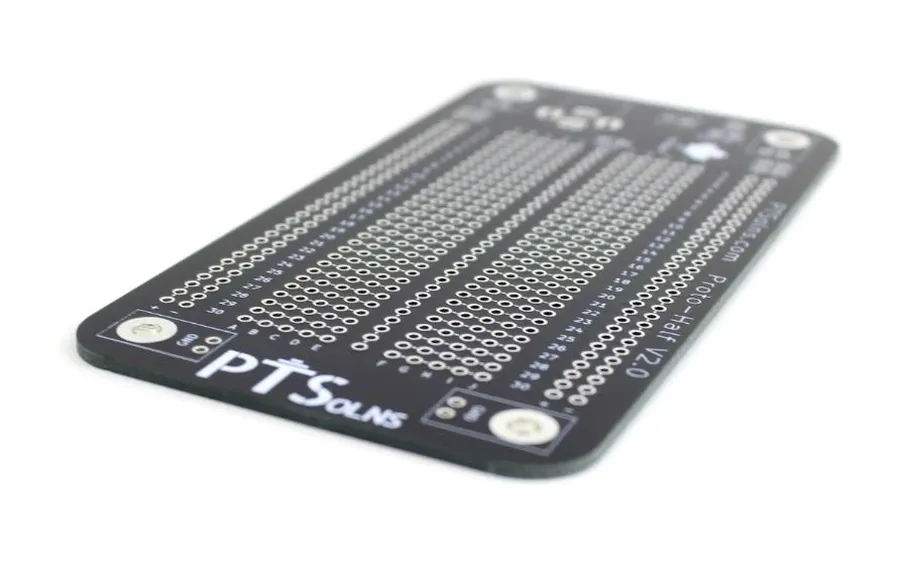
Solderable PCB breadboards represent a significant step up in robustness and permanence from standard solderless breadboards. Designed with a copper grid on a PCB substrate, these boards allow components to be soldered directly onto the surface, creating a more secure and reliable electrical connection ideal for prototypes that require extended testing or need to withstand physical stress. This design bridges the gap between temporary breadboarding and a final custom PCB design.
Unlike their solderless counterparts, solderable breadboards are intended for more permanent circuit construction. Here’s a breakdown of the pros and cons:
| Feature | Solderable PCB Breadboard | Standard Solderless Breadboard |
|---|---|---|
| Durability | High; soldered connections are robust. | Low; connections can easily be disrupted. |
| Signal Integrity | Good; shorter, soldered connections minimize signal loss. | Lower; longer paths and contact resistance can affect signal quality. |
| Permanence | Designed for semi-permanent prototypes. | Primarily for temporary prototyping. |
| Reusability | Limited; desoldering can be challenging. | High; components are easily removable. |
| Complexity | Requires soldering skills and equipment. | No soldering required. |
| Cost | Generally more expensive. | Generally less expensive. |
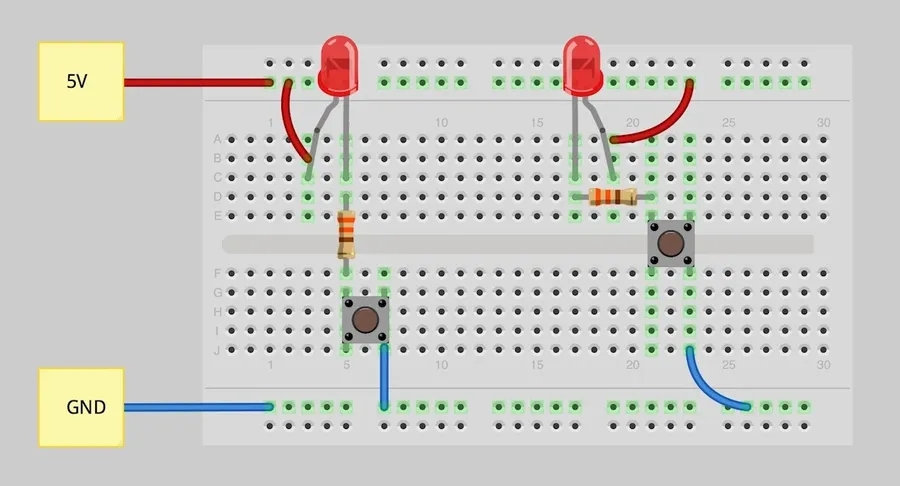
Protoboards, also sometimes referred to as perfboards or prototyping boards, offer a highly adaptable platform for constructing electronic circuits. Unlike breadboards that rely on a fixed grid, protoboards allow for customized component placement and wiring, providing greater flexibility in layout and circuit design. They are particularly useful when the final circuit design requires a non-standard configuration.
The defining characteristic of a protoboard is its array of holes, typically arranged in a grid pattern, that permit the insertion and soldering of electronic components. This physical structure allows for flexible circuit arrangement, enabling components to be positioned at locations best suited for efficient signal flow, heat dissipation, and the overall functionality of the device. Protoboards support a broad range of electronic components and can be readily customized to fit a specific design, making them an invaluable tool in the design process.
While often compared with standard breadboards, protoboards are designed for more permanent and custom circuit layouts. The direct soldering capability on a protoboard provides a robust and reliable connection that is far more stable than the temporary connections used in solderless breadboards. This makes protoboards ideal for projects where both flexibility in design and long-term stability of components are needed. They bridge the gap between the initial prototyping phase and the development of a final printed circuit board (PCB).
Furthermore, protoboards come in several configurations, including those with copper pads around each hole, and those with plated through holes, increasing their versatility in various electronic projects. The copper pads facilitate more robust solder joints, and the plated through holes provide additional mechanical stability when components are inserted. These options make protoboards a strong choice in both simple and complex prototype circuits.
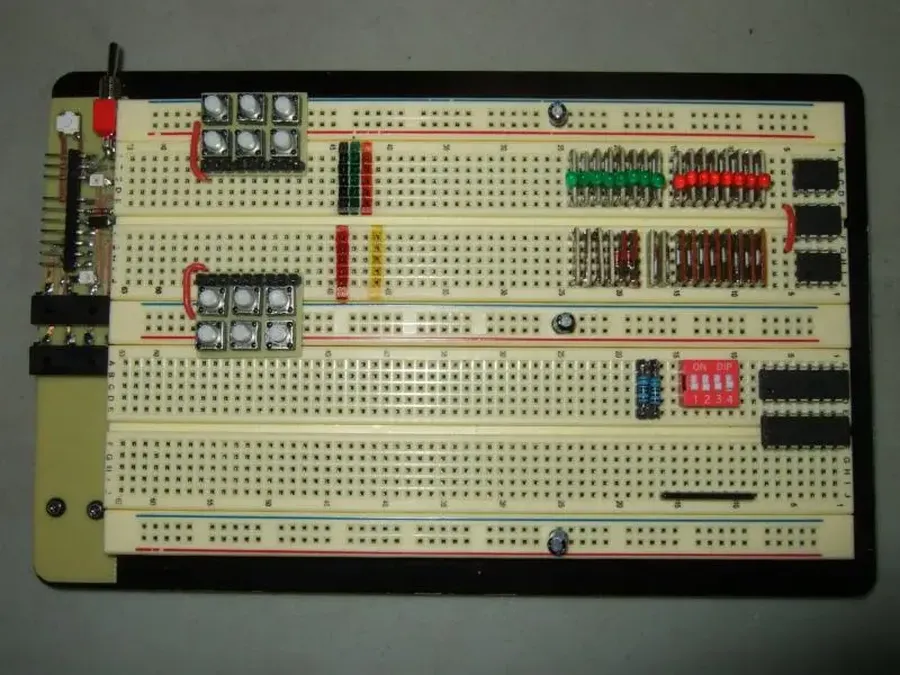
PCB breadboards and standard plastic breadboards serve the purpose of prototyping electronic circuits, but they differ significantly in their construction, durability, and suitability for various applications. A fundamental distinction lies in their physical structure; PCB breadboards utilize a rigid printed circuit board as their base, offering a more robust and often solderable platform, whereas standard breadboards use a plastic housing with internal metal clips designed for solderless connections.
| Feature | PCB Breadboard | Standard Breadboard |
|---|---|---|
| Base Material | Rigid PCB (often with solder pads) | Plastic with internal metal clips |
| Durability | High; can withstand soldering and repeated use | Moderate; prone to wear, loose connections and damage from heat or mechanical stress. |
| Connection Type | Solderable or solderless (depending on design), more permanent | Solderless; temporary connections using insertion |
| Signal Integrity | Generally better due to lower resistance and consistent conductor paths | Can have higher resistance and signal noise due to clip connections |
| Reusability | Reusable, but alterations may require desoldering | Highly reusable; easy to change connections |
| Component Stability | High; particularly with soldered components, excellent for secure component mounting | Moderate; prone to component movement and accidental disconnections |
| Typical Applications | More permanent prototypes, intermediate-term projects, circuits requiring stable connections, testing, and pre-production evaluation. | Temporary prototyping, testing simple circuits, educational purposes, quickly trying different circuit configurations |
| Cost | Higher initial cost, often more cost-effective over time with repeated use. | Lower initial cost, but may need to be replaced more frequently |
| Construction time | Soldering needed if using solderable types, time consuming if complex circuits are needed | Simple to construct complex circuit rapidly |
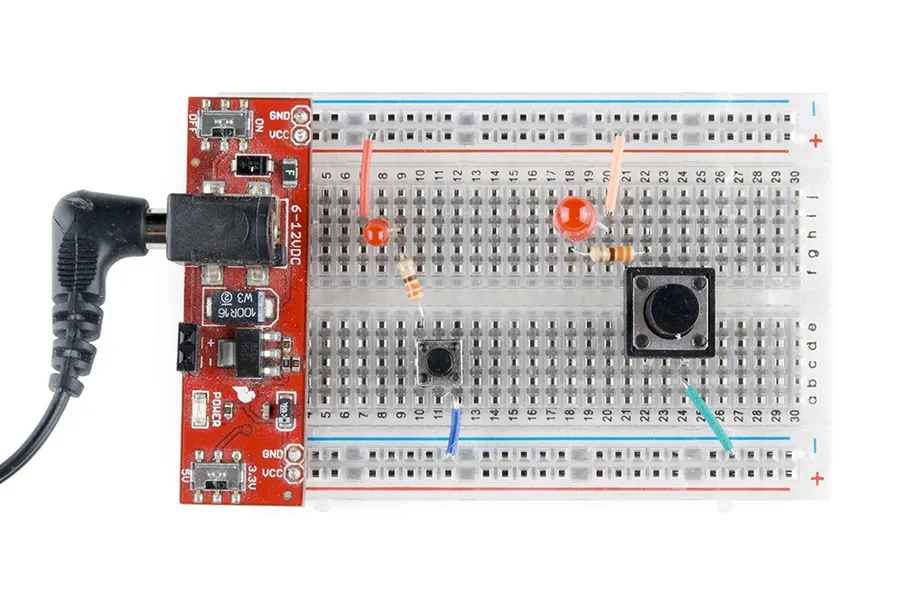
Moving from a breadboard prototype to a final PCB design is a crucial step in product development, and a PCB breadboard facilitates this transition by providing a stable intermediate platform. This process, when approached systematically, can significantly reduce design iterations and potential errors.
The use of a PCB breadboard offers several advantages during the transition phase. Firstly, it allows for a more accurate representation of the final circuit layout compared to a traditional solderless breadboard, reducing the risk of unforeseen issues arising from physical design changes. Secondly, it enables thorough testing and validation of component functionality and interconnection, leading to a more robust and reliable end product.
Here's a structured approach to facilitate the transition from a PCB breadboard to a finalized PCB:
This systematic approach, coupled with careful documentation at every step, ensures a smoother transition from prototype to final product. PCB breadboards serve not only as a testing ground but also as a bridge, smoothing the development path and preventing significant errors further down the line.
This section addresses common queries regarding PCB breadboards, offering clear, concise answers to help you understand their use, benefits, and limitations in electronic prototyping and design.
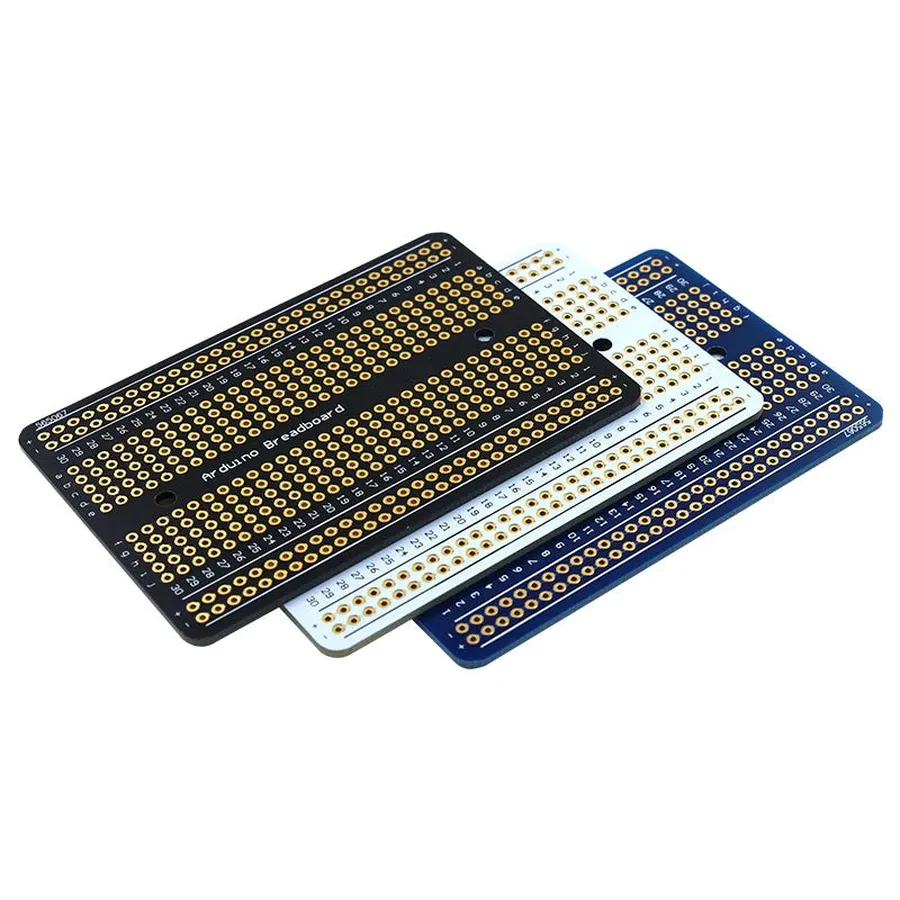
Selecting the appropriate PCB breadboard is crucial for successful prototyping, influenced by project complexity, component needs, and desired permanence. This section guides users, from beginners to experts, in making informed decisions.
| Feature | Solderable PCB Breadboard | Perfboard Style Breadboard | Solderless Breadboard with PCB Base |
|---|---|---|---|
| Durability | High; connections are permanent | Moderate; connections are semi-permanent | Low; connections are temporary |
| Complexity | Suitable for complex circuits; often includes power rails | Suitable for varied layouts; requires point-to-point wiring | Best for simple circuits; layout is fixed |
| Component Types | Supports both through-hole and SMD (with adapters) | Primarily for through-hole components; SMD can be challenging | Primarily for through-hole components |
| Ease of Use | Moderate; soldering skills required | Easy; less structured than solderable boards | Very easy; no soldering required |
| Signal Integrity | Good; offers low impedance and noise; with ground planes | Fair; may require extra care in wiring | Fair; susceptible to noise |
| Permanence | High; ideal for final prototype | Moderate; can be modified but not as permanent | Low; designed for temporary testing |
| Cost | Moderate to high | Low to moderate | Low |
Effective use of PCB breadboards hinges on careful planning and execution. These boards, designed for both prototyping and more permanent circuit construction, demand a methodical approach to maximize their benefits and avoid common pitfalls. This section provides actionable advice on layout, component placement, and troubleshooting techniques for PCB breadboards.
PCB breadboards represent a significant leap in prototyping. Their ability to bridge the gap between temporary experimentation and more permanent circuit solutions makes them an essential tool for any electronics enthusiast or professional. By understanding their unique benefits and applications, you can use PCB breadboards to efficiently bring your electronic designs to life with a blend of flexibility and stability, ensuring a smooth path from initial idea to the finished project. The PCB breadboard is a gateway to innovative designs, enabling creators to bring their visions to life.

