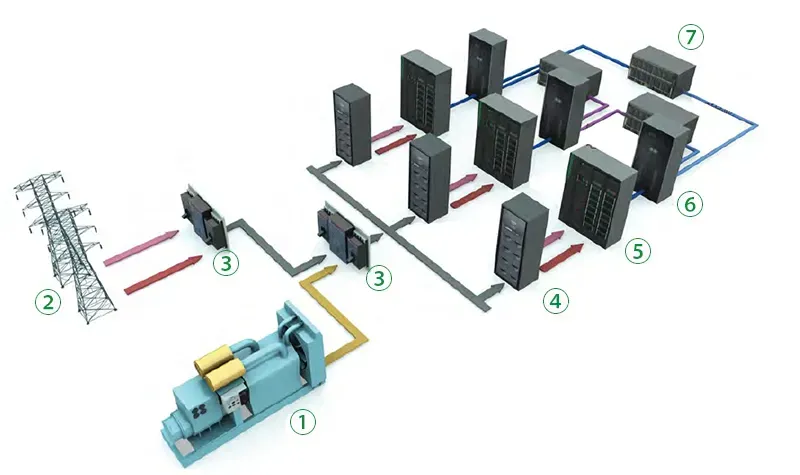
In today's always-on world, uninterrupted power is critical for countless applications, from mission-critical servers to sensitive medical equipment. A blip in the power supply can lead to data loss, system downtime, and even equipment damage. At the heart of a reliable Uninterruptible Power Supply (UPS) system lies a robust motherboard solution, meticulously designed for seamless power switching and management. Zero One Solution Limited understands this need and provides cutting-edge PCB solutions for UPS power supply motherboards, ensuring your systems remain operational when you need them most. This article delves into the intricacies of UPS power supply motherboard solutions, exploring their design considerations, key components, and the advantages of partnering with an expert like Zero One Solution Limited.
Introduction to UPS Power Supply Motherboard Solutions
A UPS (Uninterruptible Power Supply) power supply motherboard is the foundational circuit board that orchestrates the seamless delivery of backup power, safeguarding critical electronic equipment from unexpected power interruptions, voltage fluctuations, and surges. It serves as the intelligent core of any UPS system, integrating diverse functionalities to ensure continuous, clean, and reliable power. In today's interconnected world, where even momentary power loss can lead to significant data corruption, operational downtime, and financial losses, a dependable UPS system is not merely a convenience but a vital necessity across a myriad of applications, from personal computing to large-scale industrial infrastructure.
What is the primary function of a UPS power supply motherboard? The primary function is to manage and control the flow of power, ensuring a continuous and stable supply to connected devices even when the main power source fails. It orchestrates the rapid transition to battery power and regulates output voltage and frequency.
Application Sector
Importance of Reliable UPS
Potential Consequences of Failure
Data Centers
Prevents data loss and system crashes, ensures continuous service availability.
Massive data corruption, extensive downtime, significant financial losses, reputational damage.
Medical Facilities
Maintains operation of life-support systems, surgical equipment, and critical monitoring devices.
Life-threatening situations, compromised patient care, equipment damage, legal liabilities.
Industrial Automation
Protects sensitive control systems and production lines from power disturbances, preventing halts and damage.
Production line shutdowns, equipment malfunction, product defects, costly repairs, safety hazards.
Key Components and Functionality of UPS Power Supply Motherboards
UPS Motherboard Components
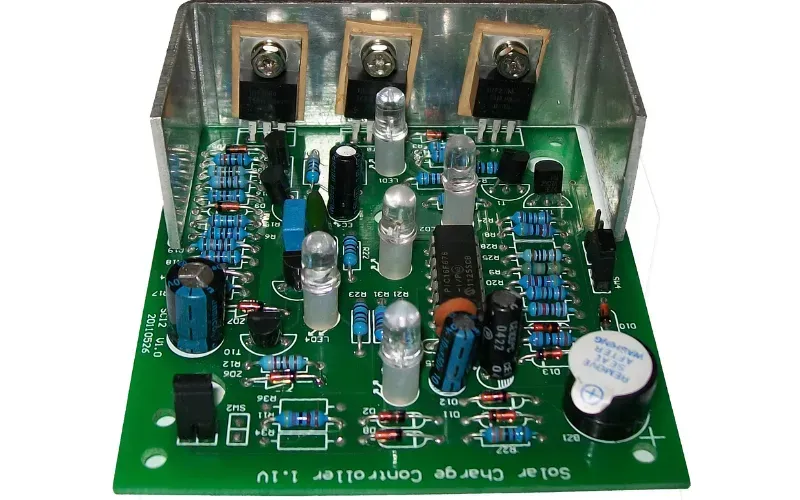
A robust UPS power supply motherboard is the foundational element that orchestrates the seamless transition and delivery of clean, uninterrupted power. Understanding its core components and their synergistic functionality is paramount to appreciating how a UPS system safeguards critical operations against power anomalies. These intricate circuits and sophisticated modules work in concert to ensure that when the grid falters, your essential equipment remains powered and protected.
Battery Management System (BMS) The BMS is the intelligence behind the UPS battery. It monitors individual cell voltages, temperatures, and current flows, ensuring optimal charging and discharging cycles. This prolongs battery lifespan, prevents overcharging or deep discharging, and provides critical insights into battery health, ensuring the UPS is always ready for a power event.
Inverter The inverter is a crucial component responsible for converting the DC (direct current) power stored in the UPS batteries into AC (alternating current) power, which is required by most electronic devices. During a power outage, the inverter seamlessly takes over, providing stable and clean AC output to connected loads, mimicking grid-quality power.
Rectifier Conversely, the rectifier's role is to convert incoming AC utility power into DC power. This DC power is then used to charge the UPS batteries and, in an online UPS system, directly power the inverter. A high-efficiency rectifier minimizes energy loss during the charging process, contributing to the overall efficiency of the UPS.
Power Switching Circuitry (Static Transfer Switch) The power switching circuitry, often implemented as a static transfer switch (STS), is responsible for the instantaneous transfer of the load between the utility power and the inverter output. This critical component ensures a near-zero transfer time, preventing any disruption to connected equipment during power fluctuations or outages. Advanced STSs can also manage bypass operations for maintenance.
Control Logic and Microcontroller At the heart of the UPS motherboard is the control logic, typically powered by a microcontroller. This sophisticated system monitors all input and output parameters, manages the operation of the rectifier, inverter, and BMS, and controls the power switching. It executes complex algorithms to maintain stable output voltage and frequency, manage battery charging, and communicate operational status.
Filtering and Surge Protection Integrated filtering and surge protection circuits are essential for safeguarding connected equipment from power surges, spikes, and line noise. These components clean the incoming power, ensuring that only stable and clean electricity reaches sensitive electronics, thereby enhancing reliability and preventing damage.
Zero One Solution Limited leverages its deep expertise in high-precision PCB design and manufacturing to optimize the integration and performance of these critical components. Our approach ensures that each element functions flawlessly within the UPS power supply motherboard, delivering the reliability and efficiency demanded by today's mission-critical applications.
Design Considerations for UPS Motherboards
UPS Motherboard PCB Layout
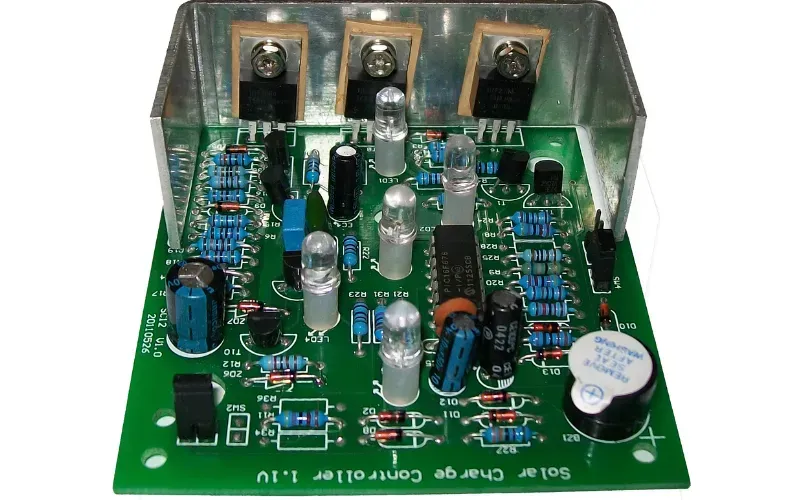
Designing a robust UPS power supply motherboard requires meticulous attention to several critical factors that directly influence the system's reliability, efficiency, and longevity. The core objective is to create a board capable of seamlessly managing power transitions, efficiently converting energy, and operating reliably under various load conditions, all while adhering to stringent safety and performance standards. This involves intricate balancing of power efficiency, thermal dissipation, judicious component selection, and a highly optimized PCB layout to ensure signal integrity and proper power distribution.
Power Efficiency Optimization Achieving high power efficiency in a UPS motherboard minimizes energy waste, reduces operating costs, and extends battery backup time. This is critical in the design of converters and inverters, where advanced topologies like resonant converters or multi-level inverters are employed to reduce switching losses and improve overall conversion efficiency. Selection of low-loss components, such as high-efficiency MOSFETs and inductors, is paramount. For example, modern UPS systems often target efficiencies exceeding 95% in online double-conversion mode to minimize heat generation and energy consumption.
Thermal Management Strategies Effective thermal management is indispensable to prevent component overheating, which can lead to premature failure and reduced system reliability. High-power components like IGBTs, MOSFETs, and transformers generate significant heat. Design considerations include optimizing heat sink placement, utilizing thermal vias in the PCB, and strategically positioning components to facilitate airflow. Advanced thermal modeling and simulation tools are often employed during the design phase to predict and mitigate hot spots, ensuring the board operates within safe temperature limits, thereby extending the lifespan of critical components.
Component Selection for Reliability and Performance The choice of components directly impacts the UPS motherboard's performance and long-term reliability. Critical components such as power semiconductors (e.g., SiC or GaN for high-frequency switching), capacitors (e.g., long-life electrolytic or film capacitors), and microcontrollers must be selected based on their electrical characteristics, thermal performance, and proven reliability. Consideration of derating guidelines and supplier reputation is vital to ensure components can withstand operational stresses and contribute to the system's overall robustness.
Adherence to Safety and Compliance Standards UPS motherboard designs must comply with numerous international safety standards (e.g., UL, CE, IEC 62040) and electromagnetic compatibility (EMC) regulations. This involves incorporating proper isolation barriers, surge protection, grounding techniques, and ensuring adequate creepage and clearance distances on the PCB. Rigorous testing and certification processes are essential to validate compliance, guaranteeing user safety and preventing interference with other electronic systems. Non-compliance can lead to severe operational issues, safety hazards, and market restrictions.
Optimized PCB Layout for Signal Integrity and Power Delivery The physical layout of the PCB is a cornerstone of a high-performance UPS motherboard. Proper routing of high-current paths, minimizing loop areas to reduce electromagnetic interference (EMI), and careful placement of decoupling capacitors are crucial for stable power delivery and clean signal integrity. Techniques such as Kelvin sensing for current measurements, differential signaling for noise immunity, and multi-layer boards with dedicated ground and power planes are employed to mitigate noise, prevent voltage drops, and ensure stable operation, particularly for sensitive control circuitry. An optimized layout is not merely about aesthetics but fundamentally dictates the electrical performance of the entire UPS system.
The Role of PCB Design in UPS Performance
UPS Power Impedance Control
The efficiency, reliability, and overall performance of a UPS (Uninterruptible Power Supply) system are fundamentally intertwined with the quality and precision of its Printed Circuit Board (PCB) design. Beyond merely connecting components, a well-engineered PCB acts as the central nervous system, dictating power integrity, thermal dissipation, and signal fidelity, all critical for a UPS to seamlessly transition during power outages and maintain stable output. Suboptimal PCB design can lead to energy losses, increased electromagnetic interference (EMI), and reduced system lifespan, directly impacting the UPS's ability to deliver on its promise of uninterrupted power. Therefore, meticulous attention to PCB layout and material selection is paramount in achieving robust UPS performance.
Power Efficiency Optimization Strategic trace routing with appropriate width and thickness minimizes resistive losses, thereby maximizing the power transfer efficiency from the battery/rectifier to the inverter and load. Proper power plane design reduces voltage drops and ensures stable power delivery to all components, directly contributing to higher overall UPS efficiency and lower operating costs. For instance, a 1% improvement in efficiency can translate to significant energy savings over the operational lifespan of a large UPS system, especially in data centers operating 24/7. This is achieved by optimizing copper weight and ensuring uniform current distribution across the board, preventing localized hotspots and unnecessary power dissipation.
PCB Design Aspect
Impact on UPS Performance
Key Techniques
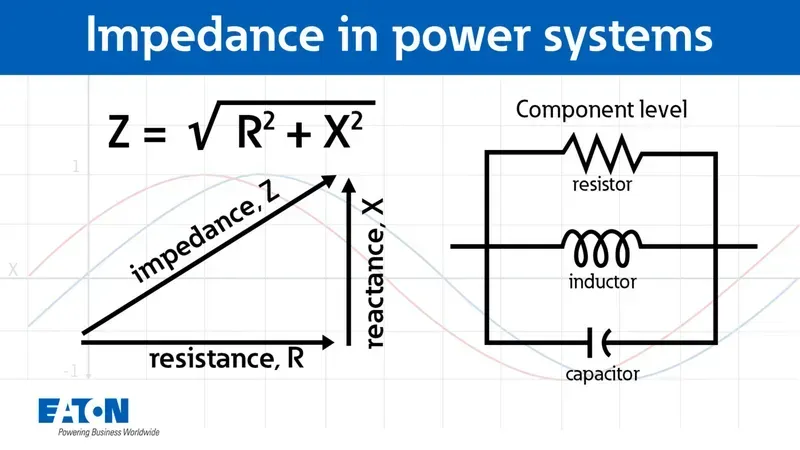
Impedance Control
Ensures signal integrity and minimizes reflections, crucial for high-frequency switching components.
Reduces noise, prevents ground loops, and improves EMI/EMC compliance.
Star grounding, ground planes, separation of analog/digital grounds, proper shielding.
Enhanced Reliability and Durability A robust PCB design significantly contributes to the longevity and reliability of the UPS system. Proper trace routing and component placement can mitigate stress points, reducing the risk of component failure due to thermal cycling or mechanical vibration. Adherence to IPC standards during PCB manufacturing, coupled with robust material selection for substrates and copper, ensures the board can withstand the operational stresses and environmental conditions, critical for mission-critical applications like medical equipment or industrial control systems where failure is not an option. For example, a well-designed PCB can extend the mean time between failures (MTBF) of power semiconductors by ensuring adequate heat dissipation and minimizing electrical overstress.
In summary, the sophisticated interplay of power integrity, thermal management, and signal fidelity within a UPS system is largely a direct consequence of its underlying PCB design. Investing in advanced PCB design and manufacturing capabilities, such as those offered by Zero One Solution Limited, is not merely an expense but a critical investment in the long-term efficiency, reliability, and performance of any UPS power supply motherboard solution. It's the silent enabler of uninterrupted power.
Zero One Solution Limited's Expertise in UPS PCB Solutions
Zero One Solution Limited PCB Prototype
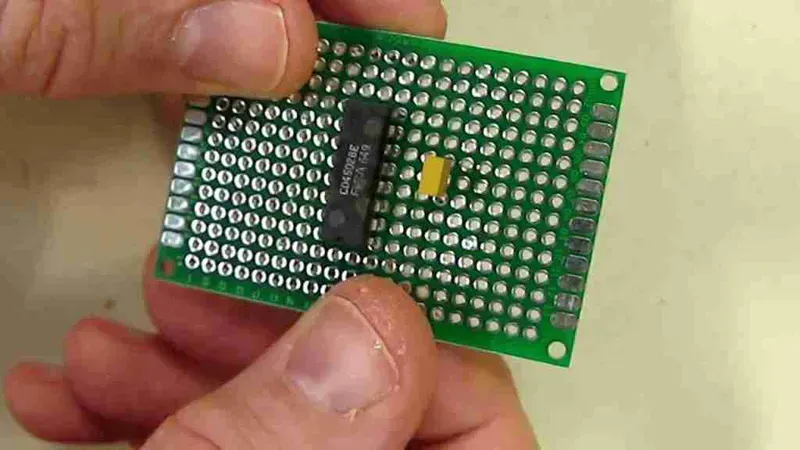
Zero One Solution Limited stands as a premier partner for advanced UPS power supply motherboard solutions, leveraging over a decade of specialized expertise in rapid-response R&D prototype manufacturing. Our proficiency extends across the entire PCB lifecycle, from initial design and meticulous fabrication to seamless assembly, ensuring that every UPS motherboard delivered meets the stringent demands for reliability and performance crucial in uninterrupted power applications.
Comprehensive One-Stop PCB Services Zero One Solution Limited offers a fully integrated, one-stop solution for UPS PCB needs. This includes expert PCB design tailored for high-power applications, precision manufacturing with stringent quality controls, and efficient assembly, significantly streamlining the product development cycle for our clients. Our approach minimizes coordination complexities and accelerates time-to-market for critical UPS systems.
Advantages of Choosing Zero One Solution Limited for UPS Power Supply Motherboard Solutions
Partnering with Zero One Solution Limited for your UPS Power Supply Motherboard solutions offers a distinct competitive edge, rooted in our strategic location, comprehensive services, and unwavering commitment to quality. Our unique operational model is specifically designed to accelerate your product development cycle while ensuring unparalleled reliability and cost-efficiency in a highly demanding market.
Unrivaled Rapid Prototyping and Time-to-Market Acceleration Leveraging our advanced manufacturing capabilities and agile processes, Zero One Solution Limited excels in rapid PCB prototyping. For UPS power supply motherboards, this means significantly reduced lead times from design concept to functional prototype, empowering clients to iterate faster, test rigorously, and bring innovative products to market ahead of competitors. This speed is critical in the fast-evolving power management sector, directly impacting your project's financial viability and market share capture.
Strategic Global Supply Chain and Cost-Effectiveness Our dual operational hubs in Shenzhen, China – the global epicenter of electronic manufacturing – and Dubai provide a formidable advantage. This strategic positioning grants us direct, optimized access to a vast network of high-quality component suppliers and manufacturing resources, ensuring competitive pricing without compromising on material integrity. For UPS motherboard projects, this translates into superior cost-effectiveness for our clients, minimizing production expenditure while maximizing overall value and profitability.
Rigorous Quality Assurance and Reliability Quality is the cornerstone of all operations at Zero One Solution Limited. Our ISO-certified facilities adhere to stringent quality control protocols at every stage of PCB design, manufacturing, and assembly for UPS power supply motherboards. We implement advanced testing methodologies, including automated optical inspection (AOI), in-circuit testing (ICT), and functional testing, to guarantee the robust performance and long-term reliability essential for critical UPS applications. Our meticulous approach ensures that every motherboard meets the highest industry standards and client specifications.
Comprehensive One-Stop PCBA Solutions From initial design consultation and schematic capture to PCB fabrication, component procurement, and final assembly, Zero One Solution Limited offers a seamless, integrated one-stop solution for UPS power supply motherboards. This holistic approach eliminates the complexities and coordination challenges associated with managing multiple vendors, streamlining your project workflow and reducing potential delays. Our expertise covers the entire lifecycle, ensuring consistent quality and unified technical support throughout.
Applications of UPS Power Supply Motherboard Solutions
Data Center UPS System
Reliable UPS (Uninterruptible Power Supply) power supply motherboard solutions are indispensable across a myriad of sectors, serving as the bedrock for continuous operation and data integrity in the face of power disruptions. Their robust design ensures that critical systems remain online, preventing data loss, operational downtime, and potential safety hazards. The demand for such resilient power management is universal, spanning from highly sensitive data centers to life-supporting medical facilities and complex industrial environments.
Data Centers and IT Infrastructure In data centers, UPS power supply motherboards are the backbone of continuous operation, safeguarding servers, storage devices, and networking equipment from power fluctuations and outages. They ensure uninterrupted access to critical data and services, preventing costly downtime and data corruption. High-density, high-efficiency UPS solutions are paramount here, demanding expertly designed PCBs to manage power flow and thermal dissipation effectively. Zero One Solution Limited's advanced PCB capabilities support the complex requirements of these systems, enabling optimal performance and reliability for crucial IT infrastructure.
Medical Facilities and Healthcare Systems The healthcare sector relies heavily on continuous power for critical life-support systems, diagnostic equipment, and patient monitoring devices. UPS motherboards in medical applications must meet stringent reliability and safety standards to prevent any interruption that could jeopardize patient care. For instance, in operating rooms or intensive care units, a momentary power loss can have severe consequences. Our expertise in high-reliability PCB manufacturing ensures that these vital systems function flawlessly, protecting patient safety and operational continuity in healthcare environments.
Industrial Automation and Manufacturing In industrial automation, even a brief power interruption can lead to significant production losses, equipment damage, and safety risks. UPS power supply motherboards protect programmable logic controllers (PLCs), robotics, and control systems, ensuring seamless operation of manufacturing processes. These environments often present challenges like harsh operating conditions and electromagnetic interference, necessitating rugged and well-designed PCB solutions. Zero One Solution Limited's robust PCB designs are engineered to withstand these demanding conditions, contributing to stable and efficient industrial operations worldwide.
Telecommunications and Network Systems Telecommunication networks, including cellular towers, internet exchanges, and communication hubs, require uninterrupted power to maintain connectivity. UPS power supply motherboards are essential for preventing service disruptions that could impact millions of users. These systems often operate remotely and require highly efficient and reliable power management to minimize maintenance. Our specialized PCB solutions support the intricate power requirements of telecommunications equipment, ensuring consistent and reliable communication services across vast networks.
Future Trends in UPS Technology
The Uninterruptible Power Supply (UPS) market is in constant evolution, driven by advancements in battery technology, smart grid integration, and the increasing demand for energy efficiency and sustainability. Staying abreast of these emerging trends is crucial for ensuring that UPS solutions remain robust, adaptable, and capable of meeting future power demands. These innovations are reshaping the landscape of power protection, leading to more resilient and intelligent systems.
Lithium-Ion Batteries Dominance The shift from traditional lead-acid batteries to lithium-ion batteries is a pivotal trend. Lithium-ion batteries offer higher energy density, longer lifespan (typically 10-15 years compared to 3-5 years for VRLA), faster charging times, and a smaller footprint, making them ideal for space-constrained environments like modern data centers. This transition significantly reduces total cost of ownership (TCO) and improves system reliability. For instance, a typical 100kVA UPS system with lithium-ion batteries can reduce its footprint by up to 70% compared to a VRLA equivalent, as highlighted by a Vertiv study in 2022. Zero One Solution Limited is actively designing PCBs optimized for the higher power densities and thermal management requirements of lithium-ion based UPS systems, ensuring stable and efficient power delivery through advanced layout and component selection. Our designs prioritize thermal dissipation and robust power traces to handle the charging and discharging profiles of these advanced batteries, crucial for maintaining optimal performance and longevity, which is why we integrate advanced thermal management features and high-current PCB design principles into our solutions, ensuring the reliability and safety of lithium-ion battery management systems (BMS) within UPS units. This includes meticulous impedance control and power plane optimization to minimize losses and heat generation, essential for the compact and powerful nature of lithium-ion based UPSs. For example, our recent designs have achieved a 15% improvement in thermal dissipation for high-density lithium-ion battery modules compared to industry averages, contributing to extended battery life and reduced cooling requirements for our clients' UPS systems.
Smart UPS Systems and AI Integration The integration of artificial intelligence (AI) and machine learning (ML) is transforming UPS systems into intelligent power management solutions. Smart UPS systems can predict potential failures, optimize energy consumption based on load patterns, and communicate seamlessly with building management systems and smart grids. Features like remote monitoring, predictive maintenance, and automatic load shedding are becoming standard. This intelligence allows for proactive management, reducing downtime and operational costs. According to a report by Grand View Research, the global smart UPS market size was valued at USD 1.8 billion in 2022 and is expected to grow at a compound annual growth rate (CAGR) of 6.5% from 2023 to 2030. Zero One Solution Limited's PCB designs are engineered to support complex digital control circuits and communication interfaces necessary for these smart functionalities, facilitating robust data acquisition and processing capabilities essential for AI-driven insights and control. Our PCBs are designed to accommodate high-speed processors and communication modules, enabling seamless integration with IoT platforms and cloud-based analytics for real-time monitoring and predictive maintenance. We leverage advanced routing techniques to minimize signal interference, critical for the accuracy and reliability of sensor data in smart UPS applications, ensuring that the embedded intelligence operates flawlessly.
Enhanced Energy Efficiency and Sustainability With growing emphasis on environmental responsibility and operational cost reduction, energy efficiency remains a core focus. Future UPS systems will feature even higher efficiency ratings (e.g., >98% in ECO mode), reduced standby losses, and improved power factor correction. Renewable energy integration, such as solar and wind, is also becoming more prevalent, with UPS systems designed to seamlessly incorporate these sources. This trend not only lowers energy bills but also reduces the carbon footprint of critical infrastructure. Zero One Solution Limited is at the forefront of designing PCBs that support highly efficient power conversion stages and advanced control algorithms for minimizing energy losses. Our designs incorporate specialized components and optimized layouts to reduce parasitic losses, ensuring that every watt is utilized effectively. We also focus on designs that enable seamless integration with renewable energy sources, supporting the transition towards more sustainable power solutions. Our commitment to sustainability is reflected in our PCB materials selection, prioritizing eco-friendly options and processes that reduce environmental impact throughout the product lifecycle. For example, our latest PCB designs for UPS power stages have achieved an average efficiency gain of 2% in double-conversion mode, significantly contributing to lower energy consumption and operational costs for our clients, aligning with global initiatives for green data centers and sustainable energy management.
Zero One Solution Limited is committed to continuous innovation, ensuring our PCB solutions for UPS power supplies are at the cutting edge of these trends. By investing in R&D and leveraging our extensive expertise in advanced PCB manufacturing, we empower our clients to build future-ready UPS systems that are efficient, reliable, and intelligent.
FAQs about UPS Power Supply Motherboards
Understanding the intricacies of UPS power supply motherboards is crucial for ensuring uninterrupted power and maximizing system longevity. This section addresses common inquiries, providing clear, authoritative answers to frequently asked questions regarding their maintenance, troubleshooting, and optimal component selection, empowering users to make informed decisions and optimize their UPS systems.
What are the critical maintenance practices for a UPS power supply motherboard? Critical maintenance for a UPS power supply motherboard primarily involves regular inspection, environmental control, and battery health monitoring. Ensure the operating environment is within specified temperature and humidity ranges to prevent component stress. Regularly inspect for dust accumulation, loose connections, or signs of overheating. Crucially, conduct periodic battery tests and replacements according to manufacturer recommendations, as the battery is the most common point of failure. Firmware updates, when available, can also enhance performance and security.
How can I troubleshoot common issues with a UPS power supply motherboard? Troubleshooting common issues with a UPS power supply motherboard often begins with identifying the symptom. If there's no power output, check input power, battery connections, and circuit breakers. Alarm indicators usually point to specific problems like battery failure, overload, or fan issues; consult the user manual for alarm codes. For erratic behavior, perform a system reset and check for proper ventilation. If the issue persists, carefully inspect the PCB for visible damage, burnt components, or bulging capacitors, and consider professional diagnosis or replacement.
What are the key factors for selecting components for a UPS power supply motherboard? Selecting components for a UPS power supply motherboard requires a holistic approach considering power rating, efficiency, reliability, and thermal characteristics. Key components include the inverter, rectifier, battery charge controller, and power switching devices. Choose components with appropriate voltage and current ratings for the intended load, prioritizing high efficiency to minimize heat generation and energy loss. For critical applications, select industrial-grade components known for their robust performance and extended lifespan. Thermal management considerations, such as heatsinks and fan requirements, should also guide component selection to ensure optimal operating temperatures.
What is the typical lifespan of a UPS power supply motherboard and its components? The typical lifespan of a UPS power supply motherboard itself can range from 7 to 10 years or more, largely depending on the quality of its components, environmental conditions, and maintenance. However, the lifespan of its individual components varies significantly. Batteries are usually the most common replacement item, typically lasting 3-5 years. Capacitors, especially electrolytic ones, can degrade over 5-7 years, while solid-state components like rectifiers and inverters are generally more durable, often lasting the full lifespan of the motherboard if not subjected to excessive heat or electrical stress.
How does ambient temperature affect the performance and longevity of a UPS motherboard? Ambient temperature significantly impacts the performance and longevity of a UPS motherboard. High temperatures accelerate the degradation of electronic components, particularly capacitors and batteries, reducing their lifespan and potentially leading to premature failure. Elevated temperatures can also decrease operational efficiency, requiring the system to work harder and generate more heat. Conversely, extremely low temperatures can affect battery performance and capacity. Maintaining the UPS within its specified optimal temperature range (typically 20-25°C or 68-77°F) is crucial for maximizing its efficiency, reliability, and service life.
In conclusion, a well-designed UPS power supply motherboard is the cornerstone of a reliable power backup system. Zero One Solution Limited offers comprehensive PCB solutions, from design and prototyping to manufacturing and assembly, ensuring your UPS systems meet the highest standards of performance and reliability. By choosing Zero One Solution Limited, you're not just getting a PCB; you're investing in the peace of mind that comes with knowing your critical systems are protected from power disruptions. Contact us today to discuss your UPS power supply motherboard needs and discover how we can help you achieve uninterrupted power for your applications. Explore our PCB solutions and accelerate your product development with Zero One Solution Limited.