Urban Heat Islands (UHIs) are a growing concern in densely populated areas, leading to increased energy consumption, air pollution, and health risks. Monitoring these effects requires precise and reliable data, often in challenging aquatic environments. Zero One Solution Limited provides advanced PCB solutions for urban heat island monitoring buoys, enabling accurate environmental data collection for smarter, more sustainable cities. Let’s explore how these specialized PCB solutions are revolutionizing UHI research and mitigation strategies.
Understanding the Urban Heat Island Effect
The Urban Heat Island (UHI) effect, a critical phenomenon in modern urbanization, refers to the significantly warmer temperatures observed in urban areas compared to their surrounding rural landscapes. This climatic anomaly is primarily driven by modifications to land surfaces, a direct consequence of concentrated human activities and extensive infrastructure development. Recognizing and mitigating the UHI effect is crucial for sustainable urban planning, public health, and energy efficiency.
Primary Causes of the Urban Heat Island Effect The UHI effect is a multifaceted issue stemming from several interconnected factors. Dark, impermeable surfaces like asphalt and concrete, prevalent in cities, absorb and retain solar radiation more effectively than natural landscapes, leading to elevated surface and ambient temperatures. Additionally, the lack of vegetation reduces evapotranspiration, a natural cooling process. Anthropogenic heat from vehicles, industrial activities, and air conditioning units further contributes to the warming. Finally, the geometric configuration of urban canyons (tall buildings and narrow streets) traps heat and reduces airflow, hindering cooling.
Consequences of the Urban Heat Island Effect The implications of the UHI effect are far-reaching and detrimental. Increased energy consumption for cooling systems, particularly during peak summer months, strains power grids and elevates greenhouse gas emissions. Elevated temperatures exacerbate air pollution by accelerating the formation of ground-level ozone. Human health is also significantly impacted, with a heightened risk of heat-related illnesses and mortality, especially among vulnerable populations. Furthermore, UHIs can alter local weather patterns, affecting precipitation and wind, and impacting urban biodiversity by stressing heat-sensitive species. According to the EPA, urban areas can be 1-7°F warmer during the day and 2-5°F warmer at night than surrounding rural areas, highlighting the severity of this issue.
Mitigating the Urban Heat Island Effect Addressing the UHI effect requires a multi-pronged approach. Implementing green infrastructure, such as green roofs, urban parks, and increased tree cover, can significantly reduce ambient temperatures through shading and evapotranspiration. Utilizing cool pavement and cool roof materials that reflect more solar radiation can lower surface temperatures. Sustainable urban planning that incorporates optimized building design for natural ventilation and promotes less heat-generating transportation methods are also vital strategies. Continuous monitoring, often via sophisticated solutions like environmental buoys, provides essential data to inform and evaluate the effectiveness of these mitigation efforts.
The Role of Monitoring Buoys in UHI Research
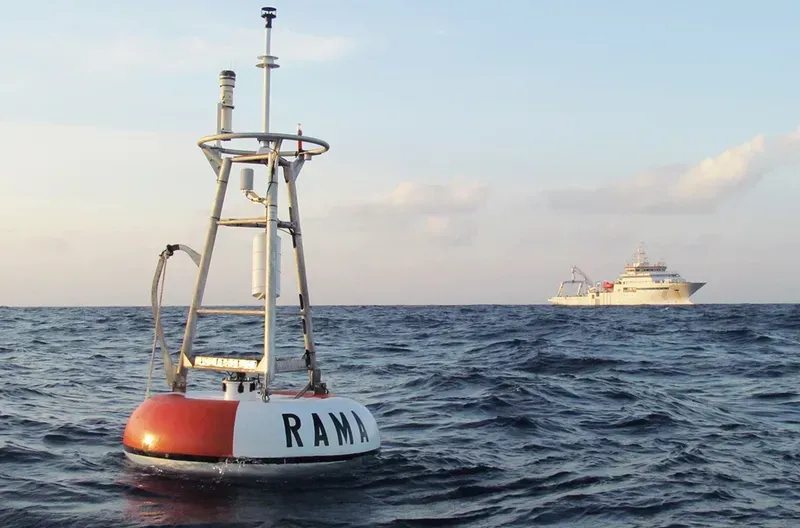
Monitoring buoys play a pivotal role in understanding and mitigating the Urban Heat Island (UHI) effect, particularly when deployed in aquatic environments adjacent to urban centers. These specialized buoys provide crucial spatiotemporal data on water temperature, air temperature, and humidity, offering a unique perspective on how urban heat is transferred to and retained by water bodies. This data is essential for validating climate models, assessing the effectiveness of UHI mitigation strategies, and informing urban planning decisions. By capturing localized microclimates, buoys reveal intricate UHI patterns that traditional land-based sensors might miss, providing a holistic view of thermal dynamics.
Why are aquatic environments crucial for UHI monitoring? Aquatic environments like rivers, lakes, and coastal areas act as significant heat sinks and sources within urban landscapes. Monitoring buoys in these locations help understand how water bodies influence local temperatures, potentially exacerbating or mitigating the UHI effect through heat absorption, convection, and evaporation. This provides a comprehensive thermal profile of the urban environment.
What specific data do UHI monitoring buoys collect? UHI monitoring buoys are typically equipped to collect a range of environmental parameters, including surface water temperature, air temperature, relative humidity, wind speed and direction, solar radiation, and sometimes even water quality parameters like dissolved oxygen and pH. This multi-variate data set is crucial for comprehensive UHI analysis.
How do buoys contribute to urban planning and policy? The precise data gathered by monitoring buoys enables urban planners to identify critical heat hotbeds and assess the impact of green infrastructure, reflective surfaces, or water features on local temperatures. This data-driven approach supports the development of targeted UHI mitigation policies, leading to more resilient and comfortable urban environments.
What challenges are associated with deploying UHI monitoring buoys? Key challenges include ensuring the durability and reliability of sensors in harsh aquatic conditions (e.g., biofouling, corrosion), managing power consumption for continuous operation in remote locations, and establishing robust, long-range data transmission protocols. Zero One Solution Limited addresses these challenges through advanced PCB design and manufacturing.
How does Zero One Solution Limited support UHI monitoring buoy development? Zero One Solution Limited specializes in providing robust PCB solutions tailored for environmental monitoring buoys. Our expertise in rapid prototyping, design for harsh environments (waterproofing, corrosion resistance), efficient power management, and seamless sensor integration ensures that buoys are highly reliable and effective for long-term UHI data collection. We empower researchers and urban planners with the critical hardware needed for accurate climate insights.
Key Features of PCB Solutions for Monitoring Buoys
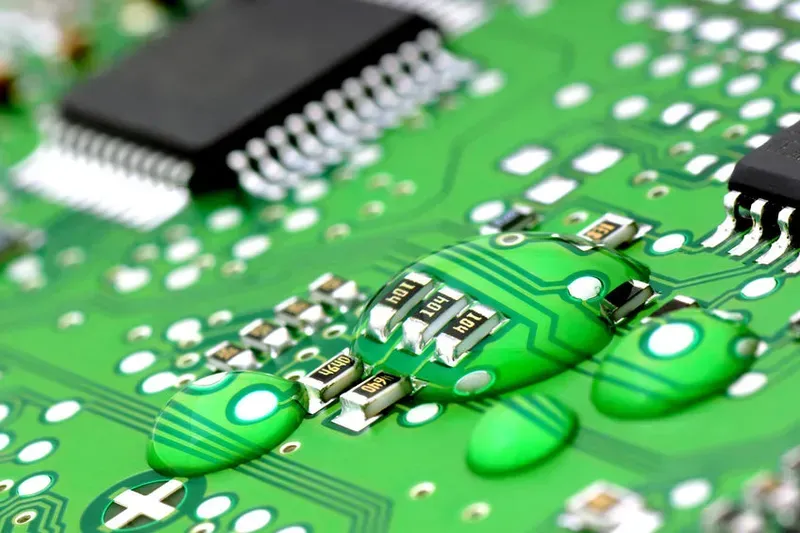
Waterproof PCB for Buoy
For urban heat island (UHI) monitoring buoys, the printed circuit board (PCB) is the central nervous system, and its resilience to harsh marine environments is paramount for accurate, continuous data collection. Key features of a robust PCB solution include advanced waterproofing, superior corrosion resistance, and robust mechanical integrity, ensuring sustained performance in demanding conditions where failure is not an option.
Feature
Description
PCB Design Implication
Waterproofing
Protecting sensitive electronic components from water ingress, critical in aquatic environments.
Preventing degradation from saltwater, humidity, and atmospheric pollutants.
Use of noble metals (gold, palladium-nickel) for contacts, specialized soldermasks, protective surface finishes (ENIG, OSP), and corrosion-resistant substrates.
Temperature Stability
Ensuring consistent performance across wide temperature fluctuations from surface water to air.
Selection of low CTE (Coefficient of Thermal Expansion) laminates (e.g., FR-4 variants, polyimide), thermal management vias, and heat sinks for critical components.
Vibration and Shock Resistance
Maintaining structural integrity and electrical connections despite wave action, currents, or accidental impacts.
Reinforced mounting points, optimized component weight distribution, use of flexible PCBs in specific areas, and robust through-hole components.
Low Power Consumption
Extending operational life in remote deployments without frequent battery replacement.
Efficient power plane design, selection of low-power components, sleep modes integration, and optimized trace routing to minimize resistance losses.
Why is waterproofing so crucial for UHI monitoring buoy PCBs? Waterproofing is vital because buoys operate directly within aquatic environments, making them highly susceptible to water ingress. Any moisture penetration can lead to short circuits, component corrosion, and ultimately, system failure. Effective waterproofing, often achieved through conformal coatings, sealed enclosures, and hydrophobic material selection, ensures the longevity and reliability of the electronic systems, safeguarding continuous data acquisition essential for UHI research.
How do PCBs achieve corrosion resistance in saltwater conditions? Corrosion resistance in saltwater environments is achieved through a multi-faceted approach. This includes the strategic use of noble metal platings (such as electroless nickel immersion gold - ENIG) for exposed pads and connectors, which resist oxidation and chemical attack. Additionally, specialized soldermasks, protective surface finishes, and the careful selection of base materials that exhibit high chemical inertness contribute significantly to extending the PCB's operational life in corrosive marine settings.
What are the common challenges in PCB design for marine environmental monitoring? Common challenges in PCB design for marine environmental monitoring include managing extreme temperature fluctuations, resisting constant mechanical stress from waves and currents, mitigating electromagnetic interference (EMI) from onboard or external sources, ensuring reliable data transmission over long distances, and optimizing power consumption for extended, autonomous operation. Overcoming these requires innovative material science, thermal management strategies, robust mechanical design, and advanced power management integrated into the PCB architecture.
Why is thermal management important for PCBs in buoys? Thermal management is important because electronic components generate heat, and high temperatures can degrade performance, reduce reliability, and shorten component lifespan. In buoys, where external temperatures can vary significantly, effective thermal management—through features like thermal vias, optimized copper pours, and strategic component placement—ensures that the PCB and its integrated sensors operate within their specified temperature ranges, maintaining measurement accuracy and system stability.
Zero One Solution Limited: Expertise in PCB Manufacturing for Environmental Monitoring
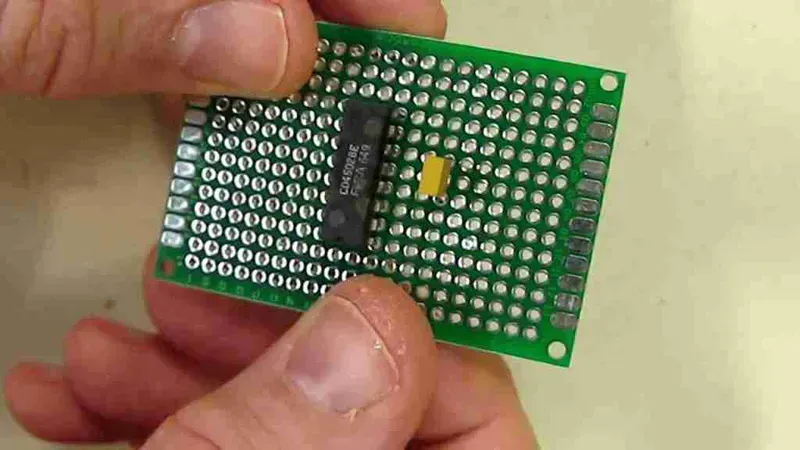
PCB Prototype
At Zero One Solution Limited, we bring over a decade of specialized experience in PCB manufacturing, particularly for demanding environmental monitoring applications like Urban Heat Island (UHI) buoy solutions. Our deep understanding of rapid prototyping and high-reliability PCB production enables us to deliver components that are not only robust and precise but also accelerate the development cycle of critical environmental sensing infrastructure.
Why Choose Zero One Solution for Environmental Monitoring PCBs? Zero One Solution Limited stands out due to our strategic location in Shenzhen, global supply chain network, and unwavering commitment to quality and rapid innovation. We understand the stringent demands of environmental monitoring, where reliability and accuracy are paramount, and our processes are optimized to meet these challenges head-on.
What specific challenges do environmental monitoring PCBs face? PCBs for environmental monitoring, especially those deployed in UHI monitoring buoys, face extreme conditions including humidity, temperature fluctuations, potential submersion, and corrosive agents. This necessitates specialized materials, conformal coatings, and robust design practices to ensure long-term operational integrity and data accuracy.
How does Zero One Solution ensure PCB durability for harsh environments? We employ advanced fabrication techniques, utilize high-grade, moisture-resistant laminates, and offer specialized surface finishes and conformal coatings designed to protect against corrosion and ingress. Our quality control processes include rigorous environmental testing to simulate real-world conditions, ensuring each PCB can withstand its intended operational environment.
What is rapid prototyping and how does it benefit UHI buoy development? Rapid prototyping is our ability to quickly produce functional PCB prototypes, significantly reducing the iteration time for R&D. For UHI buoy development, this means sensor integration, power management systems, and communication protocols can be tested and refined much faster, accelerating product launch and deployment of crucial monitoring networks.
Can Zero One Solution handle complex sensor integration on PCBs? Absolutely. Our engineering team possesses extensive expertise in designing PCBs that seamlessly integrate a diverse array of environmental sensors, including temperature, humidity, water quality, and atmospheric pressure. We focus on optimizing signal integrity, minimizing interference, and ensuring reliable data acquisition, which is critical for accurate UHI data collection.
PCB Design Considerations for Sensor Integration
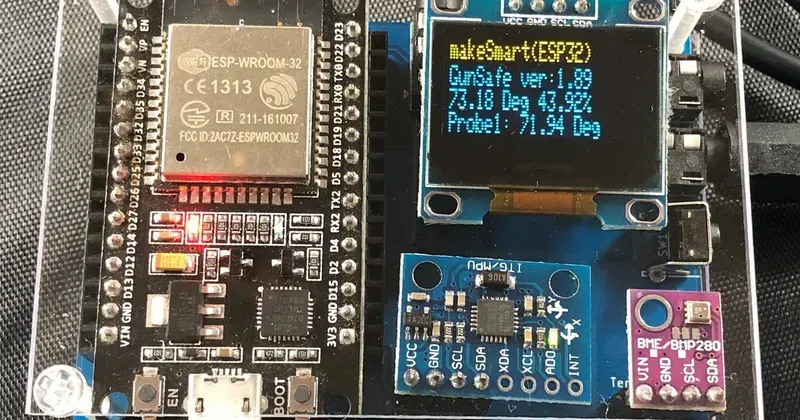
Sensor Integrated PCB
Effective Urban Heat Island (UHI) monitoring buoy solutions hinge on the precise integration of diverse environmental sensors onto robust Printed Circuit Boards (PCBs). This integration is not merely about physical connection; it demands meticulous PCB design to ensure optimal sensor performance, data accuracy, and long-term reliability in challenging aquatic environments. The complexities arise from accommodating varied sensor types—from highly sensitive temperature probes to sophisticated water quality analyzers—each with unique electrical characteristics and signal conditioning requirements. Achieving high accuracy and reliability necessitates careful layout planning, noise reduction techniques, and adherence to signal integrity principles.
Sensor Compatibility and Signal Conditioning Integrating various sensors such as temperature (thermistor, RTD), humidity (capacitive, resistive), and water quality (pH, conductivity, dissolved oxygen) requires a PCB capable of handling diverse signal types. Each sensor necessitates specific analog front-end (AFE) circuitry for amplification, filtering, and digitization, minimizing noise and ensuring accurate signal conversion. For instance, a pH sensor might require a high-impedance input buffer to prevent measurement drift, while a conductivity sensor needs precise excitation and measurement circuitry. Zero One Solution Limited's rapid prototyping allows for iterative testing of these complex sensor interfaces, accelerating validation.
Minimizing Noise and Interference In a dense sensor array, crosstalk and electromagnetic interference (EMI) can significantly degrade data quality. PCB design must incorporate strategies like proper grounding techniques (e.g., star grounding), careful trace routing to separate analog and digital signals, and strategic placement of decoupling capacitors. Shielding sensitive analog lines and employing multi-layer PCBs can further mitigate noise, ensuring the integrity of critical UHI data. Our expertise in high-density interconnect (HDI) and multi-layer PCB fabrication enables us to create compact, low-noise designs essential for precise sensor operation.
Sensor Type
Key PCB Integration Consideration
Impact on UHI Data Accuracy
Temperature Sensor
Stable reference voltage, low-noise amplification
Direct impact on temperature gradient analysis
Humidity Sensor
Protection from moisture, stable power supply
Critical for atmospheric heat flux calculations
Water Quality Sensor
Isolated ground planes, precise excitation current
Essential for aquatic UHI impact assessment
GPS Module
Clear line-of-sight for antenna, stable power
Accurate buoy location and spatial data correlation
Light Sensor
Shielding from internal light, wide dynamic range
Influences solar radiation absorption calculations
How does PCB design ensure the accuracy of temperature readings in UHI monitoring buoys? Accurate temperature readings are crucial for UHI monitoring. PCB design ensures this by incorporating stable voltage references for analog-to-digital converters (ADCs), using low-thermal-drift components, and applying careful trace routing to minimize thermal gradients across the board. Additionally, employing Kelvin sensing for precision RTDs helps eliminate resistance from traces, ensuring the sensor's true resistance is measured.
Effective power management is paramount for the sustained operation of remote Urban Heat Island (UHI) monitoring buoys. Given their often isolated deployment locations and the need for continuous data collection, optimizing energy consumption and extending battery life are critical design considerations. Our PCB solutions are engineered with advanced power efficiency features, ensuring that UHI monitoring buoys can operate autonomously for extended periods, minimizing maintenance requirements and maximizing data acquisition continuity. This focus on efficient power delivery directly impacts the longevity and reliability of environmental monitoring infrastructure.
Why is power management a critical aspect of UHI monitoring buoy design? Power management is critical because UHI monitoring buoys operate remotely, often for extended periods without human intervention. Efficient power usage directly translates to longer operational lifespans, reducing the frequency of battery replacements or recharges, which in turn lowers maintenance costs and ensures uninterrupted data collection for accurate long-term environmental trend analysis.
What are the common power sources for urban heat island monitoring buoys? Common power sources for UHI monitoring buoys include rechargeable battery packs (e.g., Li-ion, LiFePO4), often supplemented by renewable energy solutions such as solar panels and small wind turbines. For underwater or shaded deployments, thermoelectric generators or even wave energy converters are explored, though less common. The choice depends on deployment location, power requirements, and cost.
How does PCB design contribute to the power efficiency of a monitoring buoy? PCB design contributes significantly to power efficiency through careful component selection (low-power microcontrollers, sensors, and communication modules), optimized trace routing to minimize resistance and signal loss, and the implementation of power management integrated circuits (PMICs). Additionally, features like sleep modes, dynamic voltage scaling, and efficient power conversion circuits (e.g., buck-boost converters) are designed into the PCB to reduce quiescent current and maximize energy utilization.
What are the challenges in ensuring long battery life for remote monitoring buoys? Challenges include fluctuating environmental conditions (temperature extremes affecting battery performance), the energy demands of multiple sensors and data transmission modules, self-discharge rates of batteries, and the practical limitations of battery size and weight. Balancing data acquisition frequency with power consumption is also a constant challenge, requiring sophisticated power budgeting strategies.
What power management technologies does Zero One Solution Limited integrate into its PCB solutions for buoys? Zero One Solution Limited integrates several advanced power management technologies. This includes ultra-low-power microcontroller support, efficient DC-DC conversion circuits, intelligent power sequencing, and robust battery charging and protection circuits. We also design for seamless integration with external energy harvesting modules like solar charge controllers, ensuring optimal power capture and storage for sustained autonomous operation.
Data Transmission and Communication Protocols
Effective data transmission and robust communication protocols are paramount for the success of Urban Heat Island (UHI) monitoring buoy solutions, as they bridge the gap between remote sensors and insightful analysis. Reliable PCB design is crucial in enabling seamless connectivity, ensuring that the valuable environmental data collected in challenging aquatic environments is accurately and efficiently conveyed to researchers and decision-makers.
What are the primary data transmission methods for UHI monitoring buoys? The primary data transmission methods typically include cellular (4G/5G LTE), satellite communication (e.g., Iridium, Inmarsat), and short-range wireless protocols (e.g., LoRaWAN, Zigbee) for localized data aggregation before wider transmission. The choice depends on deployment location, data volume, power constraints, and budget, with satellite often preferred for remote oceanic deployments and cellular for coastal or inland waterways.
How does PCB design support reliable communication in harsh environments? PCB design supports reliable communication in harsh environments through several critical considerations: careful impedance matching for RF signals, robust component selection capable of extreme temperatures and humidity, adequate grounding and shielding to minimize interference, and strategic placement of antennas for optimal signal reception. Furthermore, conformal coatings and proper enclosure sealing protect the electronics from moisture and corrosion, which are prevalent in aquatic settings.
What communication protocols are commonly used in UHI monitoring buoy systems? Common communication protocols include TCP/IP for internet-based transmission, MQTT (Message Queuing Telemetry Transport) for lightweight messaging, and CoAP (Constrained Application Protocol) for resource-constrained devices, particularly in IoT deployments. For satellite communication, proprietary protocols or standard IP over satellite links are utilized. The selection often balances data efficiency, latency, and reliability requirements.
What are the power implications of different data transmission protocols on buoy design? Different data transmission protocols have significant power implications. High-bandwidth methods like 4G/5G consume more power than low-power wide-area networks (LPWAN) such as LoRaWAN. Satellite communication, while offering global coverage, can be power-intensive, especially during transmission bursts. PCB design must integrate efficient power management units (PMUs), potentially employing duty cycling and optimized transceiver operation to extend battery life in line with the chosen protocol's demands.
How does Zero One Solution Limited ensure seamless connectivity in its PCB solutions for monitoring buoys? Zero One Solution Limited ensures seamless connectivity through a multi-faceted approach. We employ advanced PCB layout techniques for optimal signal integrity and minimal electromagnetic interference (EMI). Our designs incorporate high-quality RF components and provide precise impedance control for robust wireless performance. We also focus on integrating versatile communication modules that support multiple protocols (cellular, satellite, LoRaWAN) and implement robust power management circuits, enabling buoys to operate reliably and transmit data consistently, even in challenging remote environments. Our rapid prototyping services also allow for quick iteration and optimization of communication subsystems.
Case Studies: Successful UHI Monitoring Buoy Deployments
Monitoring Buoy Deployment
Zero One Solution Limited has been instrumental in the successful deployment of Urban Heat Island (UHI) monitoring buoys globally, providing robust and reliable PCB solutions that are critical for data acquisition in challenging aquatic environments. Our expertise in rapid prototyping and high-quality manufacturing has enabled researchers and urban planners to gain precise insights into microclimates, facilitating effective mitigation strategies. These case studies underscore our commitment to advancing environmental monitoring through cutting-edge PCB technology.
Project Name
Location
Zero One Solution's Contribution
Impact/Outcome
Coastal City Climate Resilience
Miami, USA
Provided high-reliability, waterproof PCBs for multi-sensor integration (temperature, salinity, current).
Enabled real-time, granular data collection, identifying specific UHI hotspots within coastal zones, informing urban planning for climate resilience.
Lake Urban Microclimate Study
Geneva, Switzerland
Designed and manufactured low-power, compact PCBs for long-term data logging and satellite communication.
Supported continuous monitoring of lake surface temperatures and air temperatures, revealing significant nocturnal UHI effects and guiding lakeside development policies.
Future Trends in Urban Heat Island Monitoring Technology
The frontier of Urban Heat Island (UHI) monitoring is rapidly evolving, driven by advancements in sensor technology, data analytics, and crucially, PCB innovation. These future trends promise more precise, comprehensive, and actionable insights into urban climate dynamics, moving beyond simple temperature readings to holistic environmental assessments. As cities grow and climate change intensifies, the ability to accurately monitor and mitigate UHI effects becomes paramount, and the underlying electronics, particularly sophisticated PCBs, are central to realizing these next-generation solutions.
What are the emerging sensor technologies for UHI monitoring? Emerging sensor technologies include hyperspectral imaging for detailed surface temperature mapping, miniature air quality sensors for localized pollutant detection, and advanced meteorological sensors for precise wind speed and direction, humidity, and atmospheric pressure. These integrated systems provide a multi-dimensional view of UHI effects, far beyond traditional temperature measurements, enabling a more holistic understanding of urban microclimates and their contributing factors. PCB designs must increasingly accommodate the diverse power and communication requirements of these varied sensor types while maintaining a compact and robust form factor suitable for deployment.
How will AI and Machine Learning impact UHI monitoring buoy solutions? Artificial Intelligence (AI) and Machine Learning (ML) will revolutionize UHI monitoring by enabling predictive analytics, anomaly detection, and automated data interpretation. AI algorithms can process vast datasets from buoys and other sources to identify patterns, forecast UHI intensity, and even suggest mitigation strategies. ML can optimize sensor network deployment by identifying critical areas for data collection, and it can also refine calibration processes for improved accuracy over time. This shifts the paradigm from reactive data collection to proactive, intelligent environmental management, requiring robust processing capabilities directly on the monitoring buoy's PCB or via efficient edge computing integration supported by the PCB's architecture for data pre-processing and transmission.
Trend
Description
Role of PCB Innovation
Multi-Modal Sensing
Integration of diverse sensors (thermal, air quality, humidity) for comprehensive environmental data.
High-density PCB design, mixed-signal capabilities, power optimization for varied sensor loads, robust inter-sensor communication interfaces.
Edge Computing & AI
Processing data closer to the source to reduce latency and bandwidth, enabling real-time insights.
PCBs with integrated microcontrollers/FPGAs, optimized for low-power AI inference, secure data encryption modules, efficient thermal management for localized processing.
Energy Harvesting
Utilizing ambient energy (solar, wind, kinetic) to power buoys and extend operational life.
Ultra-low power PCB design, integration of energy harvesting circuits (MPPT controllers), efficient power management ICs, robust battery charging and storage management solutions.
In conclusion, Zero One Solution Limited's PCB solutions for Urban Heat Island monitoring buoys represent a significant advancement in environmental monitoring technology. By providing reliable and accurate data, these solutions empower researchers and policymakers to develop effective strategies for mitigating the impacts of UHIs. As cities continue to grow and face increasing environmental challenges, the importance of innovative monitoring solutions like these will only continue to grow. Contact Zero One Solution Limited today to discover how our PCB solutions can enhance your environmental monitoring projects and contribute to a more sustainable future.