In the intricate world of electronics, resistors play a vital role, and Vishay stands as a global leader in their production. From everyday devices to high-precision instruments, Vishay resistors are integral components. This article aims to provide a comprehensive guide to understanding the diverse world of Vishay resistors, their various types, applications, and key selection criteria, all in an easy-to-understand manner.
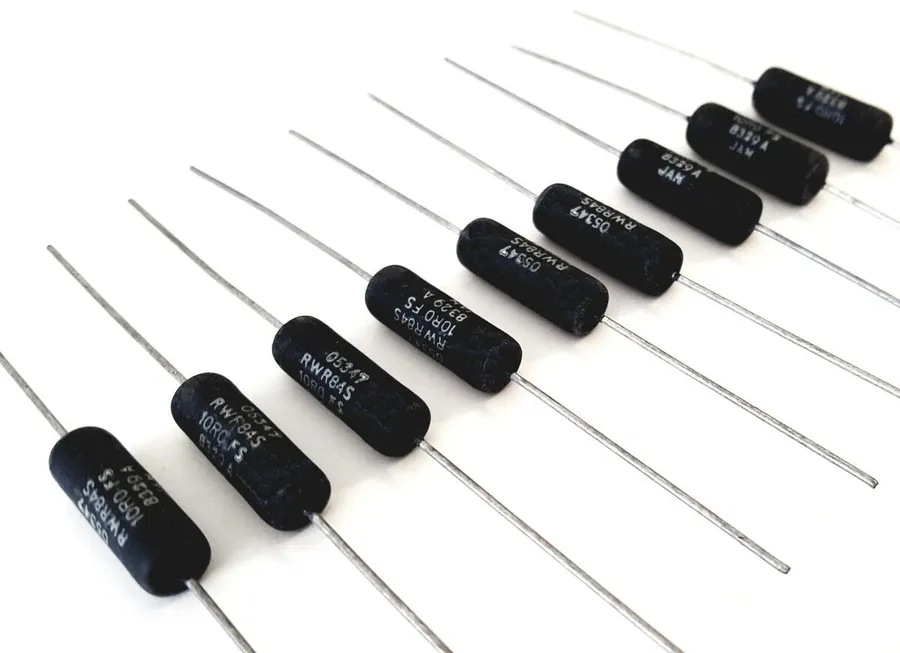
Vishay Intertechnology is a global manufacturer renowned for its broad portfolio of electronic components, including a wide array of resistors. Their commitment to quality, innovation, and a diverse product range has established them as a key player in the resistor market, serving industries from automotive and aerospace to consumer electronics and industrial automation. Vishay's extensive experience and continuous investment in research and development enable them to provide reliable and high-performance resistor solutions for varied applications.
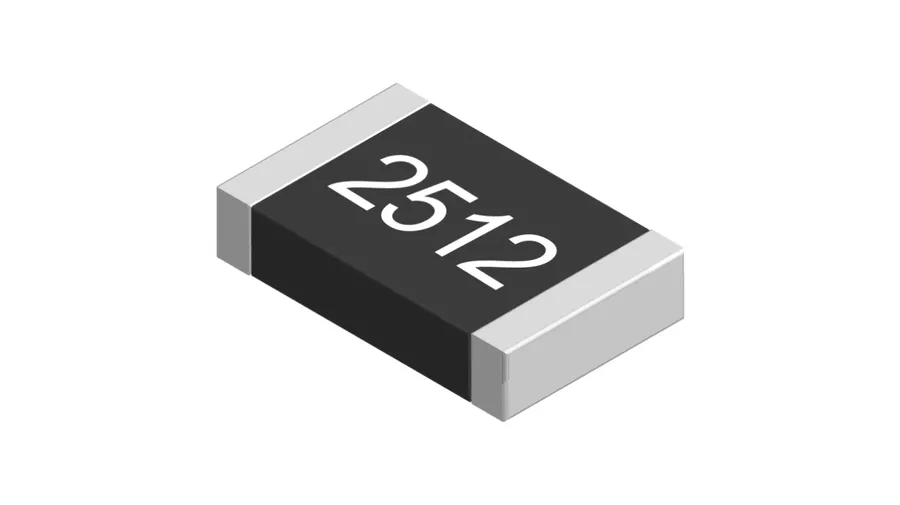
Vishay offers a diverse portfolio of resistors, each engineered to meet specific application demands. This section explores the various types, highlighting their unique characteristics and typical uses, from surface mount devices to high-precision foil resistors.
| Resistor Type | Description | Key Characteristics | Typical Applications |
|---|---|---|---|
| Surface Mount (SMD) | Small, leadless components designed for automated assembly. | Compact size, wide range of values, various tolerance options. | Consumer electronics, portable devices, high-density circuits. |
| Through-Hole | Leaded components designed for manual assembly or prototyping. | Easy to handle, robust, good for breadboarding and testing | Prototyping, hobbyist projects, applications requiring easy component replacement. |
| Thin Film | Resistors fabricated by depositing a thin layer of resistive material. | High precision, low temperature coefficient of resistance (TCR), good stability. | Precision measurement equipment, medical devices, high-accuracy analog circuits. |
| Thick Film | Resistors made by screen-printing a thick layer of resistive material. | Cost-effective, good power handling, suitable for general-purpose use. | General-purpose circuits, power supplies, automotive applications. |
| Wirewound | Resistors made by winding a resistive wire around a core. | High power ratings, high stability, good pulse handling capability. | Power circuits, motor control, industrial applications. |
| Foil | Resistors constructed using a thin metal foil etched to create a precise resistance path. | Extremely high precision, ultra-low TCR, excellent long-term stability. | High-accuracy instrumentation, metrology, precision current sensing. |
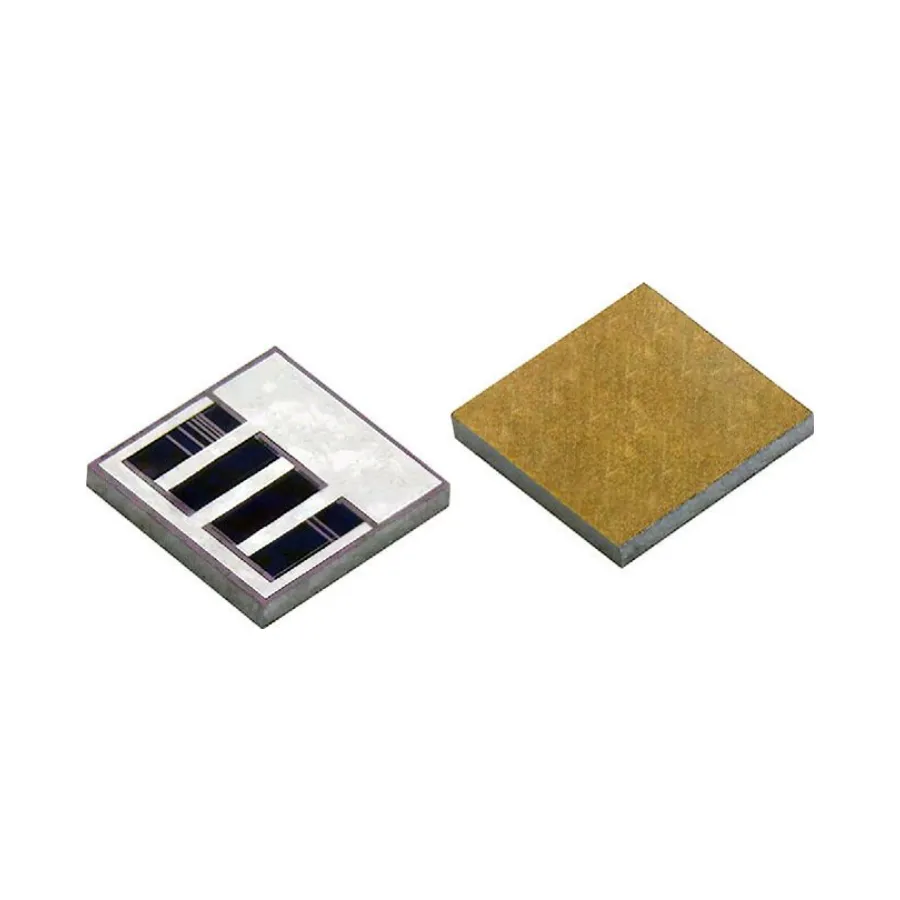
Vishay's Surface Mount Device (SMD) resistors are pivotal components in modern electronics, offering a compact footprint without compromising performance. These resistors are engineered for automated assembly processes, contributing to efficient and cost-effective manufacturing. Their key features include a wide range of package sizes, precise tolerance options, and diverse power ratings, making them suitable for various circuit designs.
| Feature | Description | Typical Applications |
|---|---|---|
| Package Sizes | Ranging from extremely small (e.g., 0201) to larger sizes (e.g., 2512), catering to different space constraints. | Portable electronics, wearables, industrial controllers |
| Tolerance | Available in a wide range, with options as precise as ±0.01%, crucial for sensitive circuits. | Precision instrumentation, medical equipment |
| Power Rating | From fractions of a watt to several watts, depending on package size and material. | Power supplies, motor drives |
| Resistance Range | Covering an extensive spectrum, from milliohms to megaohms. | All types of electronic circuits |
| TCR (Temperature Coefficient of Resistance) | Low TCR options available, especially for low resistance values, ensuring stable operation across temperature variations. | Precision amplifiers, current sensing |
The compact size and variety of SMD resistors make them ideal for high-density circuit board designs. Vishay's SMD resistor series caters to a wide array of needs, from general-purpose applications to high-precision and high-power requirements. Low TCR resistors are particularly crucial in low-resistance applications, ensuring minimal change in resistance with temperature fluctuations, which is paramount for stable current sensing and accurate measurements. Vishay also offers a wide range of thin-film chip resistors, which further improves on precision and stability for high-end applications.
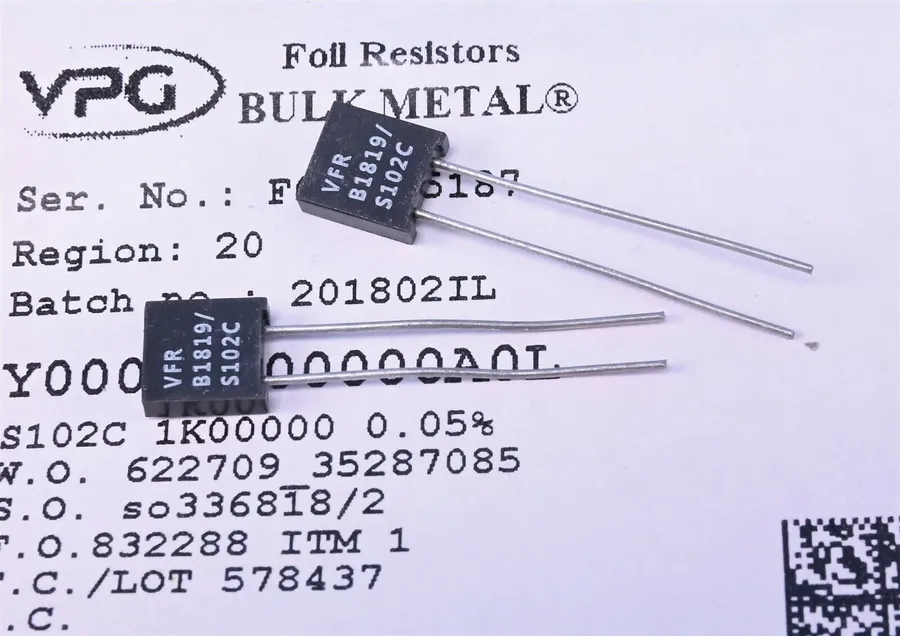
Vishay precision foil resistors stand out for their exceptional accuracy and stability, making them indispensable in applications where even the slightest deviation in resistance can compromise performance. These resistors leverage a unique foil technology to achieve unparalleled levels of precision, far surpassing that of conventional resistor types. This section delves into the core aspects of Vishay foil resistors, their manufacturing, and typical applications, including current sensing.
Key characteristics and advantages of Vishay Precision Foil Resistors include:
Manufacturing Process: Vishay foil resistors are manufactured using a precise technique. A thin metal foil, typically a nickel-chromium alloy, is bonded to a ceramic substrate. This foil is then patterned using photolithography and laser trimming to achieve precise resistance values. The manufacturing process enables intricate control over the resistor's characteristics, ensuring superior performance and reliability.
Applications of Vishay Precision Foil Resistors:
In summary, Vishay precision foil resistors are the preferred choice for applications that demand the highest levels of accuracy, stability, and reliability. Their unique construction and manufacturing process guarantee superior performance, making them a critical component in various high-precision electronic systems.
Selecting the correct Vishay resistor for a given application is crucial for optimal circuit performance and reliability. This process involves careful consideration of several key parameters, each impacting the resistor’s behavior and suitability within the designed electronic circuit. These parameters include resistance value, tolerance, power rating, temperature coefficient of resistance (TCR), and the operational environment.
| Parameter | Description | Impact on Performance | Considerations |
|---|---|---|---|
| Resistance Value | The nominal resistance of the component, measured in ohms (Ω). | Determines the current flow through the component under a given voltage, influencing circuit behavior and function. | Must match design calculations. Standard values are preferred for easy availability and cost efficiency. |
| Tolerance | The permissible variation from the nominal resistance value, typically expressed as a percentage. | Indicates the precision of the resistor. Tighter tolerances result in more consistent circuit performance. | Higher precision (lower tolerance) resistors are needed for circuits requiring accurate resistance values. Consider the cost implications. |
| Power Rating | The maximum power (in watts) the resistor can dissipate without exceeding its thermal limits. | Excessive power dissipation can lead to overheating, causing the resistor to change its value or fail. | Choose a resistor with sufficient power rating to handle expected load. Derating may be needed at elevated temperatures. |
| Temperature Coefficient of Resistance (TCR) | The change in resistance per degree Celsius (°C), usually expressed in ppm/°C. | A higher TCR indicates a greater change in resistance with temperature variations, which can affect circuit accuracy and stability. | Select low-TCR resistors for applications requiring high stability, particularly over a wide temperature range. |
| Operating Environment | The range of conditions (temperature, humidity, pressure, etc) the resistor is expected to operate within. | Extreme conditions can affect the stability and longevity of the resistor, possibly leading to premature failure. | Choose resistors with suitable environmental ratings. Consider factors like temperature, humidity, and exposure to chemicals. |
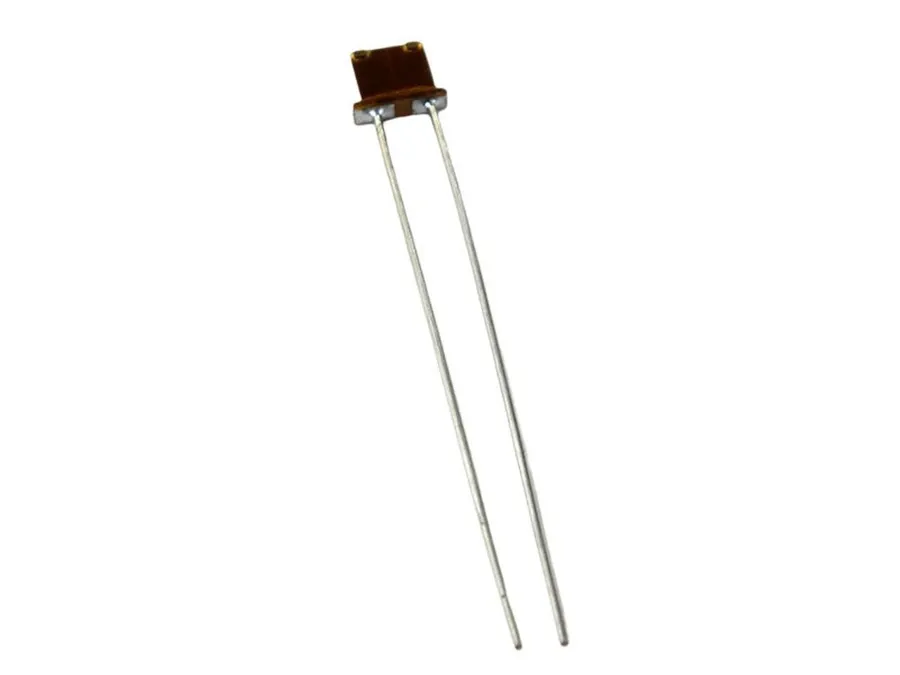
Vishay offers specialized low-noise resistors critical for high-fidelity audio equipment, ensuring minimal signal degradation and preserving the integrity of the audio signal. These resistors are designed to reduce unwanted noise that can mask delicate audio nuances, contributing to a cleaner and more detailed sound reproduction.
Key characteristics of Vishay's low-noise resistors for audio applications include:
Vishay's MELF (Metal Electrode Leadless Face) and thin film series are often chosen for audio equipment. They offer excellent performance in surface-mount applications, are small, and offer very low noise. Additionally, these resistors are often constructed with tight tolerances and with low temperature coefficients, which allows for accurate and stable performance across many different operational and environmental conditions.
Choosing low-noise resistors is a fundamental step in creating audiophile-grade devices. Vishay's commitment to precision and low-noise technology makes them a preferred supplier in the industry. When considering which resistors to use for your audio project, consider the noise level in db, and the distortion rate of the series, and you will see a considerable difference in performance.
Understanding Vishay's part numbering system is crucial for accurately identifying resistor specifications and preventing ordering errors. This system encodes vital information, enabling engineers to quickly determine key parameters directly from the part number. This guide will assist in deciphering these codes, particularly when referencing a Vishay Resistors datasheet PDF.
Vishay employs a structured alphanumeric system where each character or group of characters signifies different attributes, such as the resistor's type, size, tolerance, temperature coefficient of resistance (TCR), and packaging. While specific series will have variations, the following will cover general principles.
It is important to note that this is a simplified explanation. The precise structure and coding can vary significantly based on the specific resistor series. For accurate part number interpretation, the corresponding Vishay datasheet is the ultimate authority. Always verify against the appropriate Vishay Resistors datasheet PDF for precise details. Detailed information can be found on the Vishay website or through distributors.
Accessing accurate and up-to-date datasheets and resources is crucial for engineers when selecting Vishay resistors for their designs. This section guides you on locating these essential documents and exploring sources for pricing and availability.
When searching for Vishay resistor resources, consider the following:
By utilizing the resources mentioned above, engineers can quickly access the information they require, ensuring accurate specifications, cost-effective purchasing, and smooth procurement for their projects.
This section addresses common queries regarding Vishay resistors, encompassing their availability, pricing, suitable alternatives, and compatibility aspects. These FAQs are designed to provide clear and concise answers, aiding engineers and purchasers in their selection and application process.
Vishay resistors are essential components in modern electronics, offering a diverse range of solutions for various applications. Understanding the types, specifications, and selection criteria of Vishay resistors is crucial for any electronics designer or hobbyist. With their commitment to quality and innovation, Vishay continues to be a leader in the resistor market, providing components that meet the needs of today's ever-evolving technological landscape, ensuring a solid foundation for all electronic projects using their parts.

