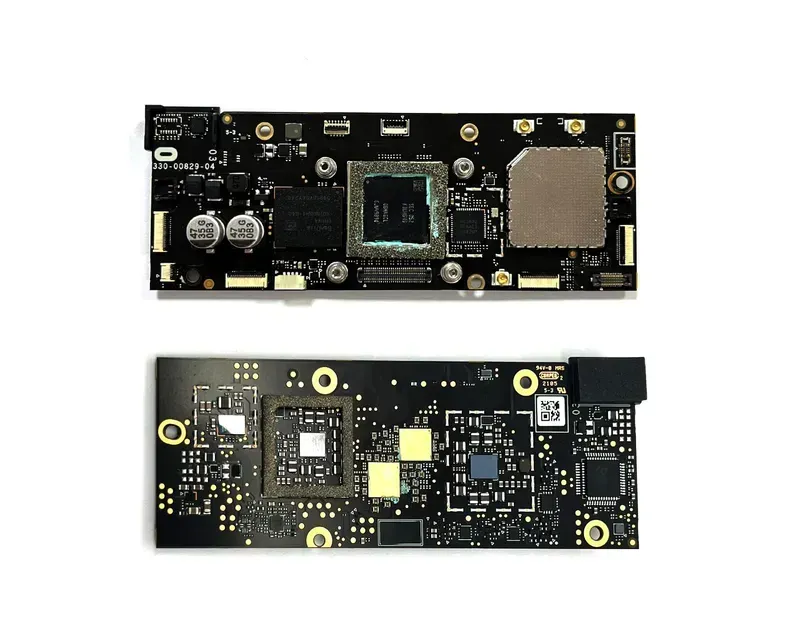
Virtual Reality (VR) gaming is revolutionizing the entertainment industry, offering immersive experiences that were once confined to the realm of science fiction. At the heart of every VR game console lies a sophisticated Printed Circuit Board (PCB), the backbone that supports all the intricate electronics. As VR technology advances, the demand for high-performance, reliable VR game console PCB solutions continues to grow. Zero One Solution Limited specializes in providing comprehensive PCB solutions tailored to the unique requirements of VR game consoles, enabling manufacturers to deliver cutting-edge gaming experiences. This article delves into the critical aspects of VR game console PCB design, manufacturing, and assembly, highlighting how Zero One Solution Limited empowers innovation in the VR gaming sector.
Introduction to VR Game Console PCBs
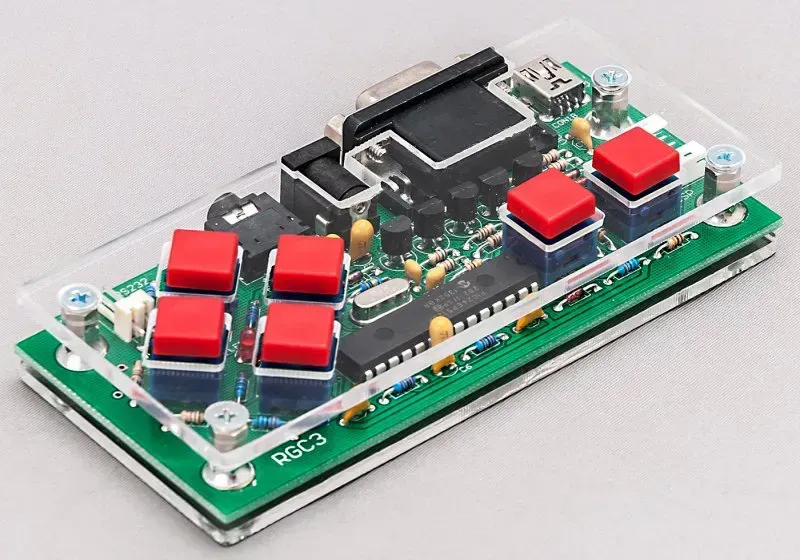
VR Game Console PCB Board
At the core of every immersive virtual reality (VR) experience lies a sophisticated Printed Circuit Board (PCB), serving as the central nervous system that orchestrates the seamless flow of data, power, and signals. For VR game consoles, these PCBs are not merely connection points; they are meticulously engineered components that directly dictate the device's processing power, graphical fidelity, and ultimately, the responsiveness and realism of the virtual world. The intricate design and manufacturing of VR game console PCBs are paramount, enabling high-speed data transmission essential for low-latency interactions and robust power delivery to demanding components like high-resolution displays and powerful GPUs. Without an optimally designed PCB, the promise of an uncompromised VR experience—free from lag, overheating, or visual artifacts—remains elusive, underscoring its foundational role in bridging the gap between digital content and human perception.
The Core Function of PCBs in VR Game Consoles PCBs in VR game consoles act as the foundational platform, interconnecting all electronic components. This includes the main processor (CPU), graphics processing unit (GPU), memory modules, sensors, and input/output interfaces. Their primary role is to provide stable electrical connections and facilitate high-speed data transfer between these critical components, ensuring the console operates efficiently and reliably. The dense integration of advanced components on a compact PCB is crucial for achieving the miniaturization required for portable VR devices while maintaining powerful processing capabilities.
Impact on Performance: Latency and Bandwidth The performance of a VR game console is heavily dependent on the PCB's ability to support high bandwidth and minimize signal latency. VR applications demand extremely low latency to prevent motion sickness and ensure a fluid user experience. The PCB's trace routing, impedance control, and material selection directly influence signal integrity, which is vital for high-speed data transmission between the display and the processing unit. Any degradation in signal quality can lead to noticeable delays, visual artifacts, and a diminished sense of presence within the virtual environment.
Thermal Management and Power Delivery Modern VR game consoles generate significant heat due to their high-performance processors and graphics cards. The PCB plays a critical role in effective thermal management by facilitating heat dissipation. This involves using specific PCB materials with good thermal conductivity and incorporating design features like copper pours and thermal vias. Simultaneously, the PCB must efficiently deliver power to all components, ensuring stable voltage and current, which is essential for consistent performance and preventing power-related crashes or slowdowns during intense gaming sessions. Proper power delivery is also crucial for extending the lifespan of the console's internal components.
Key Requirements for VR Game Console PCBs
The robust performance of a VR game console hinges critically on its Printed Circuit Board (PCB), which must intricately balance high-speed data transfer, efficient thermal dissipation, and stable power delivery. Unlike standard electronics, VR demands unparalleled signal integrity to prevent latency and distortion, meticulous thermal management to sustain performance under heavy load, and precise power distribution to fuel complex processing units, making these factors paramount in VR PCB design.
Signal Integrity (SI) Ensuring signal integrity is paramount for VR PCBs due to the high data rates required for immersive experiences. Signal distortion, crosstalk, and impedance mismatches can lead to visual artifacts, input lag, and a diminished user experience. Advanced techniques like controlled impedance routing, differential pair signaling, and careful trace length matching are essential to maintain signal fidelity. The goal is to minimize signal loss and noise, allowing for clear and rapid communication between components.
Thermal Management VR game consoles generate substantial heat due to their high-performance processors (CPUs and GPUs) and memory. Effective thermal management is crucial to prevent overheating, which can lead to performance throttling, system instability, and component damage. PCB design considerations include strategic component placement, the use of thermal vias, copper pouring for heat spreading, and integrating specialized thermal interface materials or heat sinks. Efficient heat dissipation ensures consistent performance and extends the lifespan of the device.
Power Distribution Network (PDN) A stable and efficient Power Distribution Network (PDN) is vital for the reliable operation of VR game console PCBs. High-performance components demand precise voltage and current delivery, often with rapid transient responses. A poorly designed PDN can result in voltage drops, power noise, and electromagnetic interference (EMI), negatively impacting performance and stability. Robust PDN design involves optimizing power planes, decoupling capacitor placement, and selecting appropriate trace widths to minimize impedance and ensure clean power delivery to all components.
Electromagnetic Compatibility (EMC) With high-speed signals and complex digital circuits, VR PCBs are susceptible to electromagnetic interference (EMI) both emitted and received. Ensuring Electromagnetic Compatibility (EMC) is critical to prevent self-interference and interference with other electronic devices. Design strategies include proper grounding techniques, shielding, careful routing of high-frequency traces, and selection of components with low EMI characteristics. Adhering to EMC standards helps ensure system stability and compliance with regulatory requirements.
Miniaturization and High-Density Interconnect (HDI) VR game consoles often require compact form factors, necessitating high-density component placement. This drives the need for miniaturization and the adoption of High-Density Interconnect (HDI) technologies. HDI PCBs utilize finer lines and spaces, smaller vias (microvias), and higher layer counts to pack more functionality into a smaller area. This enables the integration of advanced features and powerful processing capabilities while maintaining a sleek and portable design.
VR PCB Design Considerations
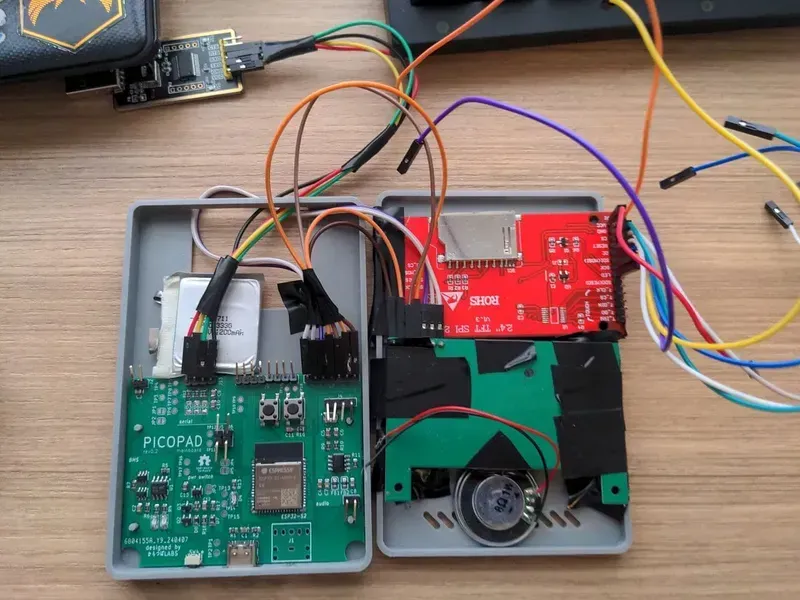
VR Game Console PCB Design
Designing PCBs for VR game consoles presents unique challenges that demand meticulous attention to high-speed data transmission, power efficiency, and miniaturization. The immersive nature of VR experiences hinges on instantaneous data processing and ultra-low latency, making optimal PCB design not merely beneficial but critical for achieving superior performance and user satisfaction.
High-Speed Data Transmission Integrity VR systems require transmitting massive amounts of data at extremely high speeds, particularly for video and sensor inputs. This necessitates advanced signal integrity design, including impedance control, crosstalk minimization, and careful trace routing. Utilizing differential pairs for critical signals and employing advanced dielectric materials can significantly mitigate signal degradation and ensure reliable data flow.
Efficient Thermal Management Despite their compact size, VR game consoles generate substantial heat due to high-performance processors and graphics units. Effective thermal management is paramount to prevent performance throttling and ensure device longevity. Design considerations include incorporating thermal vias, strategically placing heat-generating components, and utilizing copper planes for efficient heat dissipation. Advanced cooling solutions, such as micro-heat pipes or vapor chambers, may also be integrated for demanding applications.
Miniaturization and Compact Layout The drive for ergonomic and portable VR devices demands highly compact PCB layouts without compromising performance. This involves employing high-density interconnect (HDI) technology, fine-pitch components, and multi-layer PCBs. Careful component placement and routing are essential to maximize space utilization while adhering to signal integrity and thermal requirements. Stack-up optimization also plays a crucial role in achieving miniaturization.
Zero One Solution Limited employs a holistic approach to VR PCB design, leveraging decades of expertise to address these intricate challenges. Our design philosophy centers on optimizing every aspect from material selection to layout, ensuring that the resulting PCBs not only meet but exceed the stringent performance demands of next-generation VR game consoles, paving the way for truly immersive and seamless user experiences.
Material Selection for Optimal Performance
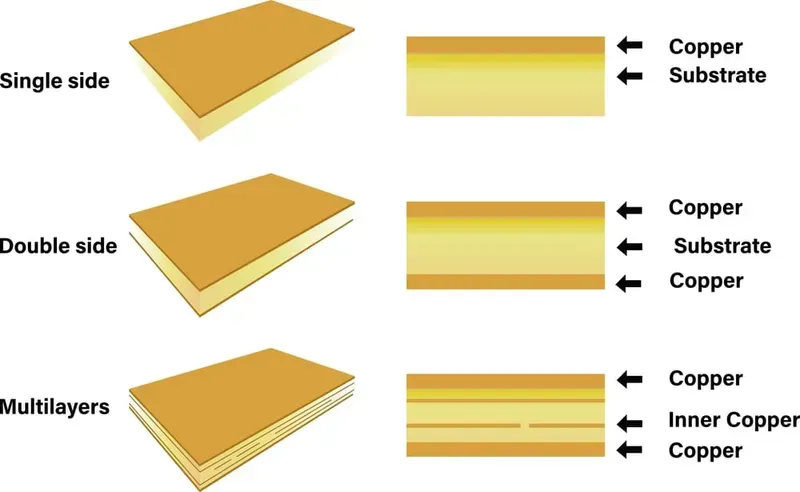
PCB Board Materials
The selection of appropriate materials is paramount for VR game console PCBs, directly influencing critical performance attributes such as signal integrity, thermal management, and long-term reliability. Sub-optimal material choices can lead to signal loss, overheating, and premature component failure, compromising the immersive user experience. Therefore, a meticulous approach to material selection is essential to meet the demanding specifications of high-performance VR systems.
Material Property
Impact on VR PCB Performance
Key Considerations
Dielectric Constant (Dk)
Affects signal propagation speed and impedance matching, crucial for high-speed data.
Lower Dk for better signal integrity at high frequencies; consistency across board is vital.
][
Higher dielectric loss leads to signal attenuation, especially at high frequencies.
Low Df materials minimize signal loss, critical for precise timing and data transmission.
,
High thermal conductivity prevents hot spots, ensuring stable operation and extended component lifespan.
Materials with higher thermal conductivity for efficient heat dissipation from high-power components like GPUs and CPUs.
,
Affects dimensional stability during temperature changes, crucial for reliable solder joints and long-term performance.
Low CTE to minimize stress on components and interconnects, ensuring long-term reliability.
,
Indicates how much moisture a material absorbs, which can degrade electrical performance.
Low moisture absorption to maintain stable electrical properties and prevent delamination in humid environments.
Leading PCB material suppliers like Rogers Corporation, Isola Group, and Ventec International Group offer advanced laminates specifically designed for high-frequency and high-speed applications. For instance, Rogers RO4000 series and Isola I-Tera MT40 are widely adopted for their excellent electrical properties and thermal performance, making them ideal for the rigorous demands of VR game console PCBs.
Manufacturing Processes and Quality Control
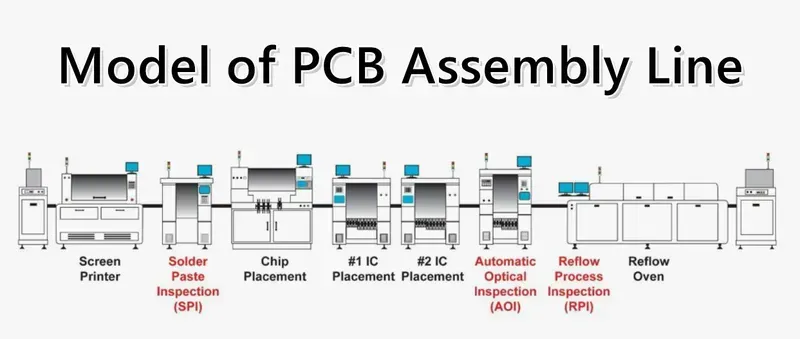
PCB Production Line
Ensuring the high performance and reliability of VR game console PCBs hinges critically on robust manufacturing processes and stringent quality control. From initial fabrication to final assembly, each stage demands precision to accommodate the complex requirements of high-speed data, thermal dissipation, and compact form factors. Effective quality control measures are not merely checks; they are integral to preventing defects, optimizing yield, and ultimately delivering a superior product that meets the demanding specifications of the VR gaming industry.
Advanced Fabrication Techniques Modern VR PCBs require multi-layer designs, often utilizing high layer counts (8-16+ layers) to manage complex routing and signal integrity. Key fabrication techniques include precise etching, high-aspect ratio drilling for vias (through-hole, blind, and buried), and accurate layer registration to prevent signal crosstalk and impedance mismatches. Specialized processes like laser drilling for microvias are common to achieve higher density and smaller form factors. IPC-6012 Class 2 or 3 standards are typically followed for consumer electronics and high-reliability applications, respectively.
Component Placement and Assembly Surface Mount Technology (SMT) is the primary assembly method, requiring high-precision pick-and-place machines for densely packed, miniature components like BGAs and fine-pitch QFNs. Reflow soldering profiles are meticulously calibrated to ensure proper solder joint formation while preventing thermal stress on sensitive components. Automated Optical Inspection (AOI) and Automated X-ray Inspection (AXI) are indispensable for verifying component placement accuracy, solder joint integrity (especially for hidden joints under BGAs), and the absence of shorts or opens.
Rigorous Testing Protocols Comprehensive testing is paramount. Electrical tests such as flying probe or bed-of-nails in-circuit testing (ICT) verify circuit continuity, shorts, and component values. Functional testing simulates the PCB's operational environment to ensure it performs as designed under various conditions, including signal integrity tests (TDR, VNA), power consumption analysis, and thermal performance validation. Burn-in testing, though time-consuming, is often employed for high-reliability VR units to screen out early-life failures by subjecting PCBs to elevated temperatures and power cycles.
IPC Standards Adherence Adherence to IPC standards (e.g., IPC-A-610 for electronic assemblies, IPC-6012 for rigid PCBs) is fundamental. These standards provide guidelines for acceptable quality, ensuring consistency and reliability across batches. Zero One Solution strictly follows these global benchmarks to guarantee the highest quality VR game console PCBs.
Zero One Solution's VR Game Console PCB Solutions
VR Game Console Motherboard Assembly
Zero One Solution Limited stands as a premier partner for VR game console developers, offering comprehensive PCB solutions that encompass every stage from conceptual design to final assembly. Our deep expertise, rooted in two decades of Silicon Valley experience, enables us to address the unique challenges of VR, ensuring high-performance, reliable, and cost-effective PCBs that bring immersive gaming experiences to life. We leverage advanced technologies and a global supply chain to deliver unparalleled quality and speed, aligning with the demanding development cycles of the VR industry.
Integrated Design & Engineering Our solutions begin with a collaborative design process, where our engineers work closely with clients to optimize PCB layouts for signal integrity, power efficiency, and thermal management. We utilize advanced simulation tools to predict and mitigate potential issues early in the design cycle, ensuring that critical VR components like high-resolution displays, haptic feedback systems, and precise tracking sensors perform flawlessly. Our design services are tailored to meet the exacting specifications of VR, from high-speed data transfer requirements to compact form factors.
Advanced Manufacturing Capabilities With state-of-the-art manufacturing facilities and rigorous quality control protocols, Zero One Solution produces VR game console PCBs of exceptional quality. We specialize in multi-layer PCBs, fine-pitch component placement, and advanced material handling, which are crucial for the complex circuitry found in VR devices. Our processes are optimized for precision and repeatability, ensuring consistent performance across all production runs, from prototypes to high-volume manufacturing.
Precision Assembly Services Beyond manufacturing, our comprehensive services extend to precision PCB assembly. We employ automated SMT and through-hole assembly lines capable of handling a wide array of component types, including miniature and high-density packages common in VR. Each assembled PCB undergoes thorough functional testing, in-circuit testing (ICT), and visual inspection to guarantee defect-free products. This end-to-end approach ensures seamless integration and accelerates time-to-market for our clients.
Rapid Prototyping for VR Game Console PCBs
PCB Rapid Prototyping
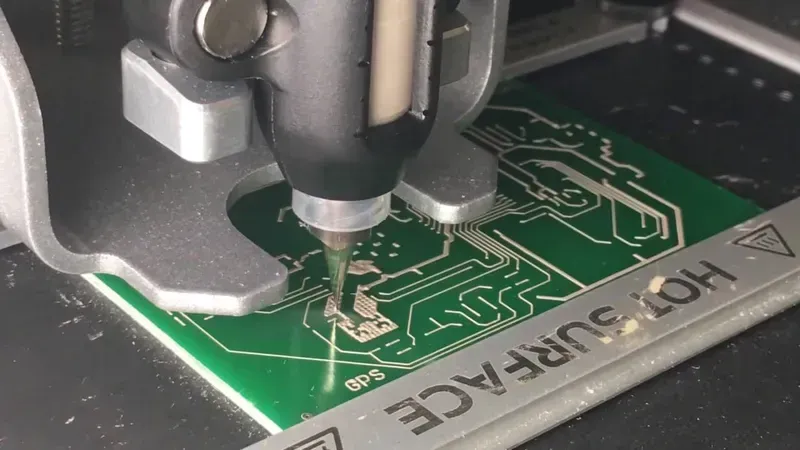
Rapid prototyping is an indispensable process in the fast-evolving landscape of VR game console development, enabling rapid iteration and validation of complex PCB designs. For VR game consoles, where performance, form factor, and thermal management are paramount, the ability to quickly produce and test physical prototypes is critical for identifying and resolving design flaws early, ultimately accelerating time-to-market and ensuring product excellence. Zero One Solution Limited specializes in providing comprehensive rapid prototyping services, empowering developers to transform conceptual designs into tangible, functional VR PCB prototypes with unparalleled speed and precision.
Accelerated Design Iteration Rapid prototyping allows engineers to quickly test multiple design variations, such as different component placements or trace layouts, to optimize performance and thermal characteristics. This iterative process significantly reduces the overall development cycle.
Early Bug Detection and Mitigation Physical prototypes reveal potential issues that might not be apparent in simulations, such as signal integrity problems due to impedance mismatches or thermal hotspots caused by inadequate heat dissipation. Early detection prevents costly redesigns later in the development phase.
Reduced Time-to-Market By streamlining the testing and validation process, rapid prototyping dramatically shortens the development timeline, allowing VR game console manufacturers to bring their innovative products to market faster than competitors.
Cost Efficiency While seemingly an upfront investment, rapid prototyping ultimately reduces overall development costs by minimizing the need for extensive retooling and re-fabrication that would arise from late-stage design changes.
Performance Validation Prototyping enables rigorous testing of the PCB's electrical, thermal, and mechanical performance under real-world operating conditions, ensuring the final product meets stringent VR console requirements for responsiveness and reliability.
Risk Mitigation By validating design concepts early, rapid prototyping significantly reduces the technical and financial risks associated with mass production, providing confidence in the manufacturing readiness of the VR game console PCB.
Prototyping Benefit
Impact on VR Game Console Development
Key Metric Improved
Speed of Iteration
Enables faster design optimization and bug fixes
Development Cycle Time
Cost Reduction
Minimizes late-stage design changes and rework
Total Development Cost
Performance Optimization
Facilitates fine-tuning for high-speed signals and thermal management
FPS, Latency, Heat Dissipation
Market Responsiveness
Accelerates product launch and competitive advantage
Time-to-Market
Risk Management
Validates designs before full-scale production
Project Risk
Case Studies: Successful VR Game Console PCB Projects
Zero One Solution Limited has a proven track record in delivering high-performance PCB solutions for the demanding VR game console market. Our expertise in navigating complex design challenges, coupled with advanced manufacturing and rapid prototyping capabilities, has enabled numerous clients to bring innovative VR products to market with unmatched speed and reliability. These case studies exemplify our commitment to excellence and our ability to translate intricate requirements into tangible, successful outcomes.
Optimizing Signal Integrity for a High-Refresh-Rate VR Headset A leading VR hardware developer approached Zero One Solution with the challenge of achieving impeccable signal integrity for their next-generation VR headset, targeting a 120Hz refresh rate. Our team implemented a multi-layer PCB design with controlled impedance routing and advanced EMI shielding techniques. The result was a 15% improvement in signal-to-noise ratio and a 20% reduction in latency compared to their previous prototype, enabling a truly immersive user experience without visual artifacts. This project showcased our deep understanding of high-speed digital circuit design and material science application in VR contexts, leading to the client securing a major distribution deal within months of product launch.
Miniaturization and Thermal Management for a Portable VR Controller For a startup developing a compact, portable VR game controller, the primary challenges were severe space constraints and efficient thermal dissipation from integrated processors. Zero One Solution engineered a high-density interconnect (HDI) PCB utilizing advanced via-in-pad technology and specialized thermal vias. We also advised on the integration of a custom heat sink design that worked synergistically with the PCB's thermal management features. The final product achieved a 30% reduction in overall PCB footprint and maintained optimal operating temperatures even during prolonged gaming sessions, exceeding the client's performance and size specifications. This success enabled the client to launch a highly competitive product in the portable VR accessories market, achieving significant market penetration.
FAQs about VR Game Console PCBs
Optimizing VR game console PCBs is crucial for delivering an immersive and seamless user experience, and understanding the common challenges and solutions is key to successful development. This section addresses frequently asked questions regarding VR game console PCBs, providing insights into design considerations, performance optimization, and manufacturing best practices to help developers navigate the complexities of this cutting-edge technology.
What are the primary challenges in designing PCBs for VR game consoles? The primary challenges include managing high-speed data transmission (e.g., for display and sensor data), dissipating significant heat generated by powerful processors and GPUs in a compact form factor, ensuring excellent signal integrity to prevent latency and glitches, and miniaturization for ergonomic design without compromising performance. Balancing these factors while maintaining cost-effectiveness is a significant hurdle in VR PCB design.
How does thermal management impact VR Game Console PCB performance? Effective thermal management is paramount for VR game console PCB performance. High temperatures can lead to reduced component lifespan, performance throttling (where the system intentionally slows down to prevent overheating), and even system instability or crashes, directly impacting the user's immersive experience. Proper thermal design, including optimized copper pours, thermal vias, and heatsink integration, ensures consistent and reliable performance, preventing thermal runaway and extending device longevity.
Why is signal integrity critical in VR Game Console PCB design? Signal integrity is critical in VR game console PCB design because it directly affects the clarity, responsiveness, and overall fidelity of the VR experience. High-speed data signals for displays (e.g., 8K), sensors, and processing units must arrive precisely and without distortion. Poor signal integrity can cause visual artifacts, motion sickness, input lag, and data corruption, severely degrading the user experience. Meticulous impedance control, proper routing, and material selection are essential to maintain signal integrity in these high-frequency environments.
What materials are commonly used for VR Game Console PCBs to enhance performance? Common materials used for VR game console PCBs to enhance performance include high-Tg laminates (e.g., FR-4 variants with higher glass transition temperatures) for improved thermal stability, low-loss tangent materials (e.g., specialized FR-4, high-frequency laminates like Rogers) for better signal integrity at high speeds, and copper with optimized thickness for superior thermal conductivity and current carrying capacity. These materials are selected to minimize signal attenuation, reduce heat buildup, and ensure reliability under demanding operational conditions.
In conclusion, the PCB is a critical component of VR game consoles, directly impacting performance, reliability, and overall user experience. Zero One Solution Limited offers comprehensive VR game console PCB solutions, from design and rapid prototyping to manufacturing and assembly, empowering our clients to create cutting-edge VR gaming experiences. By focusing on high-performance materials, advanced manufacturing techniques, and rigorous testing, we ensure that our PCB solutions meet the demands of the rapidly evolving VR gaming market. Contact Zero One Solution Limited today to discover how our PCB expertise can elevate your VR game console development and help you bring innovative products to market faster.