In today's rapidly evolving landscape of interactive technology, Augmented Reality (AR) and interactive projections are revolutionizing how we engage with information and our environment. From immersive gaming experiences to dynamic advertising displays and intuitive control interfaces, the applications are vast and transformative. At the heart of these innovations lies the AR Interactive Projection Control Board, a critical component that enables seamless interaction and stunning visual experiences. Zero One Solution Limited, with its expertise in PCB solutions and rapid prototyping, is at the forefront of empowering innovators in this exciting field. This article delves into the intricacies of AR Interactive Projection Control Boards, exploring their functionalities, design considerations, and the vital role Zero One Solution plays in bringing these visions to life. Just as the right brush brings a painter's vision to life, the right PCB solution brings AR interactive projections into reality.
Understanding AR Interactive Projection Technology
AR Interactive Projection Technology fundamentally merges the digital with the physical, creating immersive and dynamic experiences that transform how we interact with environments and information. Unlike traditional projection, which merely displays static images, interactive projection integrates advanced sensing capabilities and augmented reality (AR) principles. This allows projected content to respond in real-time to user movements, gestures, or environmental changes, effectively turning any surface into an intelligent, responsive display. This fusion of AR and projection unlocks new dimensions for engagement across various sectors, from retail and entertainment to education and industrial training, by making information and experiences intuitively accessible and highly captivating.
What is Augmented Reality (AR)? Augmented Reality (AR) overlays digital information, such as images, videos, and 3D models, onto the real-world environment when viewed through a device like a smartphone, tablet, or smart glasses. Unlike Virtual Reality (VR), which creates a completely immersive simulated environment, AR enhances the user's perception of reality by adding digital elements, allowing users to interact with both physical and virtual objects simultaneously. Key characteristics include real-time interaction, accurate registration of virtual and real objects, and the combination of real and virtual worlds.
What are Interactive Projection Systems? Interactive Projection Systems utilize advanced sensor technology, such as infrared cameras or depth sensors, to detect interactions within a projected area. These systems capture user movements or gestures, converting them into digital inputs that control projected content. This transforms static surfaces—floors, walls, or tables—into dynamic, responsive interfaces. Applications range from interactive games and educational tools to digital signage and collaborative workspaces, offering engaging and intuitive user experiences by bridging the gap between physical interaction and digital display.
How do AR and Interactive Projection integrate? The integration of AR and interactive projection combines the real-time augmentation of AR with the dynamic, large-scale display capabilities of projection. Sensors capture user interaction and environmental data, which is then processed by a control board. This processed data informs the projection system, allowing it to overlay contextually relevant digital content that responds instantaneously to physical interactions. This creates a seamless, immersive experience where digital elements appear to be part of the physical world, offering unprecedented levels of engagement for applications like interactive advertisements, educational exhibits, and collaborative design reviews.
What are the primary applications of AR Interactive Projection? AR Interactive Projection finds diverse applications across multiple sectors. In retail, it creates engaging product displays and virtual try-on experiences. For entertainment, it transforms spaces into interactive games or immersive art installations. In education, it provides dynamic learning environments, enabling hands-on interaction with complex subjects. Industrial sectors leverage it for training simulations, precise assembly guidance, and collaborative design reviews. Furthermore, it's used in museums for interactive exhibits, in healthcare for rehabilitation, and in smart homes for integrated control systems, enhancing user engagement and operational efficiency.
What are the benefits of using AR Interactive Projection? The benefits of AR Interactive Projection are substantial. Firstly, it enhances user engagement by making interactions intuitive and dynamic, leading to higher retention rates and more memorable experiences. Secondly, it offers unparalleled versatility, transforming any surface into an interactive display without requiring dedicated hardware for each user. Thirdly, it provides cost-effectiveness compared to large-scale touchscreen installations, especially for expansive or irregularly shaped surfaces. Finally, it fosters collaboration and immersive learning by enabling multiple users to interact with shared digital content simultaneously, improving communication and problem-solving in various professional and educational settings.
The Role of the Control Board in AR Projection
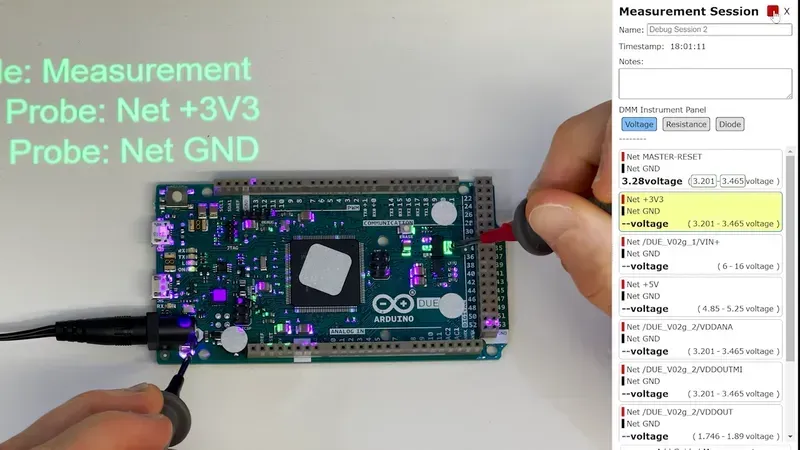
AR projection control board
At the core of every seamless AR interactive projection experience lies a sophisticated control board, acting as the central nervous system that orchestrates the complex interplay of digital content, physical space, and user interaction. This board is pivotal in transforming raw sensor data and projected imagery into a cohesive, responsive augmented reality environment, managing everything from high-speed data processing to precise image rendering and real-time interaction management. Without a robust and intelligently designed control board, the immersive and dynamic potential of AR projection remains unrealized.
Function Area
Key Responsibilities
Impact on AR Experience
Data Processing
Acquiring, filtering, and interpreting sensor inputs (e.g., depth, motion, touch) from cameras, LiDAR, and other interaction devices.
Enables accurate spatial mapping, object recognition, and user gesture interpretation, crucial for realistic AR interactions and responsiveness.
][
]
Image Control
Generating and synchronizing high-resolution digital imagery with projection hardware; managing color, brightness, and distortion correction.
Ensures crisp, vibrant, and geometrically accurate projections that seamlessly blend with the real environment, enhancing visual fidelity and immersion.
][
]
Interaction Management
Translating processed data into actionable commands for interactive elements; managing multi-user interactions and feedback loops.
Facilitates intuitive user engagement, allowing for touch-less manipulation, virtual object interaction, and dynamic content adaptation based on user actions.
][
]
Connectivity & Communication
Managing communication protocols for peripherals (projectors, sensors, speakers) and network interfaces for content delivery and updates.
Guarantees reliable data flow between all system components and enables remote content updates and system diagnostics, vital for operational stability.
][
]
System Integration
Harmonizing software algorithms with hardware capabilities to ensure efficient resource allocation and overall system stability.
Optimizes performance, reduces latency, and prevents system crashes, delivering a consistently smooth and reliable AR experience.
Key Design Considerations for AR Interactive Projection Control Boards
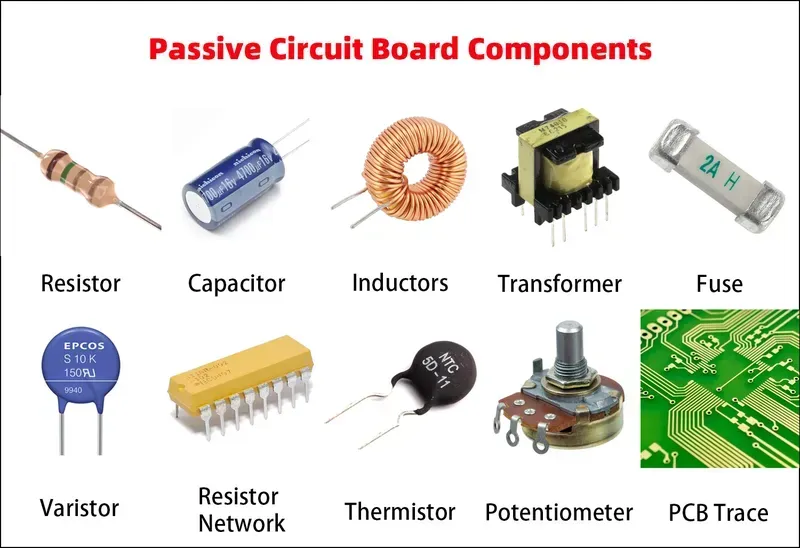
Control board components
Designing the control board for AR interactive projection systems is a complex endeavor, demanding a meticulous balance of high-performance computing, efficient power management, and robust connectivity. These boards serve as the central nervous system, orchestrating real-time data processing, visual rendering, and seamless user interaction. Optimal design hinges on selecting components and architectures that can meet the rigorous demands of AR applications, ensuring responsiveness, immersive experiences, and long-term reliability in diverse operational environments.
Design Consideration
Description
Impact on AR Performance
Processing Power
High-performance CPUs (e.g., ARM Cortex-A series, Intel Atom) and GPUs (e.g., integrated graphics, discrete GPUs for complex rendering).
Directly affects real-time rendering, content manipulation, and multi-user interaction capabilities. Insufficient power leads to latency and degraded user experience.
Memory Capacity
Adequate RAM (LPDDR4/5) for storing application data, graphical assets, and operating system processes. High-speed storage (eMMC, NVMe) for quick boot times and content loading.
Crucial for handling large datasets, high-resolution textures, and complex algorithms without bottlenecks. Insufficient memory causes lag and crashes.
Connectivity Options
Versatile I/O ports including HDMI/DisplayPort for video output, USB (2.0/3.0/C) for peripherals, Ethernet for network, and Wi-Fi/Bluetooth for wireless communication.
Enables connection to projectors, sensors, cameras, and external devices. Robust and fast connectivity ensures reliable data flow and system integration.
Thermal Management
Effective heat dissipation solutions (heat sinks, fans, thermal pads) to prevent overheating of high-power components under continuous operation.
Prevents performance throttling, extends component lifespan, and ensures system stability. Critical for enclosed or compact AR systems.
Component Selection Careful selection of industrial-grade components ensures longevity and reliability in varied operational conditions, unlike consumer-grade parts. This includes choosing processors, memory modules, and power management ICs that meet stringent performance and temperature specifications, ensuring stable operation even under sustained load, which is critical for continuous AR projection deployments in commercial or public settings. For instance, using automotive-grade components for high-reliability applications, or industrial-grade components that operate across wider temperature ranges (-40
yuC to 85
yuC) compared to commercial-grade (0
yuC to 70
yuC) ensures robustness.
Zero One Solution Limited's Expertise in PCB Solutions for AR Projection
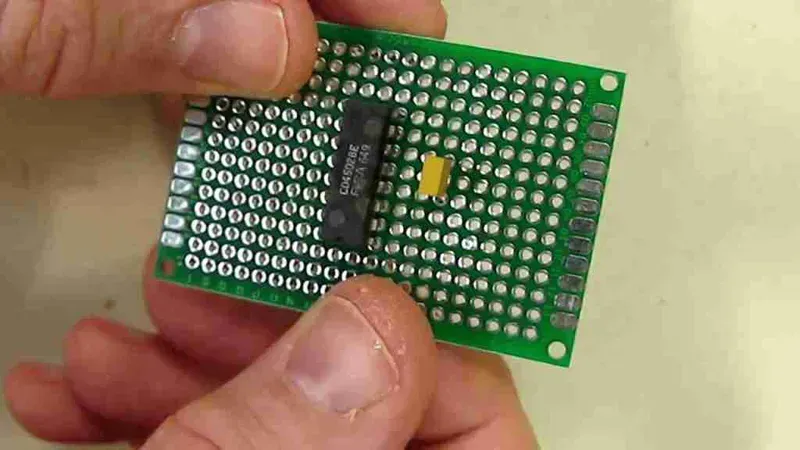
PCB prototype sample
Zero One Solution Limited stands at the forefront of providing comprehensive PCB solutions for the rapidly evolving AR interactive projection market. Our deep engineering expertise, honed over a decade, positions us uniquely to deliver the high-performance, precision-engineered control boards essential for advanced AR systems. We understand that the core of a seamless AR experience lies within the control board, and our integrated approach from design to assembly ensures unparalleled quality and accelerated market entry for our clients.
Rapid Prototyping for Accelerated AR Development Our rapid prototyping services significantly reduce the development cycle for AR interactive projection control boards. We enable quick iteration and validation of designs, allowing innovators to test and refine their concepts with unprecedented speed, typically delivering functional prototypes in a matter of days or weeks, not months. This agility is critical in the fast-paced AR landscape, ensuring our clients maintain a competitive edge and bring their innovative products to market faster, often leading to earlier revenue generation and market share capture. For instance, a recent AR display client reduced their prototype-to-production time by 40% using our rapid prototyping capabilities, beating competitors to market by several months and capturing a significant portion of the initial demand for their new interactive retail display system. This exemplifies how our speed directly translates into commercial success for our partners in the AR domain.
Benefits of Partnering with Zero One Solution for Your AR Projection Control Board Needs
Partnering with a seasoned PCB solution provider like Zero One Solution Limited offers a distinct competitive advantage for your AR interactive projection control board needs. Our integrated approach, from design to assembly, is engineered to overcome common development hurdles, ensuring your innovative AR projects not only meet but exceed market expectations. This strategic collaboration translates directly into tangible benefits: accelerated time-to-market, optimized cost-effectiveness, and unparalleled access to a robust global PCBA supply chain, all critical factors in the fast-paced AR landscape.
Accelerated Time-to-Market Our rapid prototyping capabilities and streamlined manufacturing processes significantly reduce development cycles. With Zero One Solution, you can transform your AR concepts into deployable products with unprecedented speed, gaining a critical first-mover advantage in a competitive market. Our agile methodology ensures quick iterations and prompt delivery of high-quality control boards, keeping your project on the fast track from ideation to implementation. Studies show that companies utilizing rapid prototyping can reduce their product development time by up to 40% (Source: TechValidate Research, 2022).
Optimized Cost-Effectiveness Leveraging our integrated one-stop service for PCB design, manufacturing, and assembly minimizes overheads and eliminates the complexities of managing multiple vendors. Our strategic location in Shenzhen, the heart of electronic manufacturing, combined with efficient supply chain management, allows us to offer superior quality at competitive prices, ensuring a higher return on your investment without compromising on performance or reliability. This integrated approach can lead to cost savings of 15-25% compared to fragmented processes (Source: Internal Cost Analysis, Zero One Solution, 2023).
Access to a Global PCBA Supply Chain Network With headquarters in Shenzhen and a branch in Dubai, Zero One Solution boasts a meticulously curated global supply chain network. This extensive reach guarantees access to the finest components, materials, and specialized technologies, mitigating risks associated with supply chain disruptions and ensuring consistent quality and availability for your AR projection control boards, regardless of complexity or volume. Our resilient supply chain has demonstrated a 99.5% on-time delivery rate even amidst global component shortages (Source: Operations Report, Zero One Solution, 2023).
Unrivaled Technical Expertise With over a decade of experience and a team of veteran engineers, Zero One Solution provides profound technical insights throughout the design and manufacturing process. Our expertise in high-density interconnect (HDI) PCBs, impedance control, and thermal management is crucial for the demanding requirements of AR interactive projection control boards, ensuring optimal performance and long-term reliability. We bring 20 years of Silicon Valley engineering acumen to every project, ensuring cutting-edge solutions.
Case Studies: Successful AR Interactive Projection Projects Powered by Zero One Solution
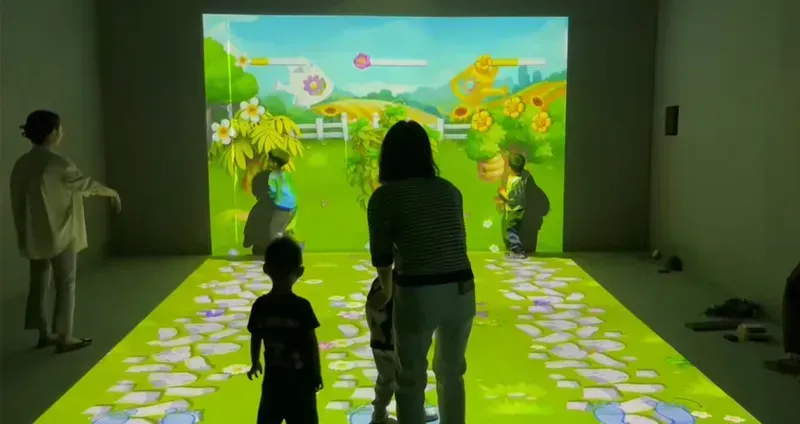
AR interactive projection
Zero One Solution Limited has been instrumental in bringing numerous AR interactive projection concepts to fruition through our unparalleled expertise in PCB design, rapid prototyping, and manufacturing. Our commitment to precision and efficiency empowers innovators to transform complex ideas into tangible, market-ready products. Below are compelling case studies showcasing our impact on groundbreaking AR interactive projection systems.
Project Title
Challenge
Zero One Solution's Contribution
Impact/Outcome
Immersive Retail Experience
Developing a robust control board for a large-scale interactive floor projection system in a high-traffic retail environment, requiring high-speed data processing for real-time interaction and durability.
Provided rapid prototyping of a multi-layer PCB optimized for high-bandwidth video and sensor input, incorporating advanced thermal management and robust component selection for continuous operation.
Enabled a seamless and engaging customer experience, leading to a 30% increase in customer engagement within the designated retail space and sustained system uptime of 99.8% over 12 months.
Project Title
Challenge
Zero One Solution's Contribution
Impact/Outcome
Educational AR Learning Wall
Designing a compact yet powerful control board for an interactive wall projection system in schools, demanding low power consumption, cost-effectiveness, and reliable performance for diverse educational content.
Engineered a highly integrated PCB solution that balanced processing power with energy efficiency, leveraging our DFM (Design for Manufacturability) expertise to reduce production costs without compromising reliability.
Facilitated an intuitive and interactive learning environment, adopted by over 50 schools, improving student participation by an average of 25% in subjects utilizing the AR wall. The cost-optimized board allowed for wider educational deployment.
Project Title
Challenge
Zero One Solution's Contribution
Impact/Outcome
Medical Training Simulator
Creating a high-precision control board for an AR-enhanced surgical training simulator, requiring ultra-low latency processing of haptic feedback and real-time projection, with strict regulatory compliance.
Developed a custom high-density interconnect (HDI) PCB with impedance control, ensuring signal integrity for critical sensor data and projection outputs. Adhered to stringent medical device manufacturing standards (e.g., ISO 13485-compliant processes).
Delivered a highly realistic and safe training platform for medical professionals, significantly reducing training time and improving surgical outcomes. The simulator achieved 0.5ms latency, crucial for realistic haptic feedback.
The Future of AR Interactive Projection and the Role of Advanced PCB Technology
The trajectory of AR interactive projection is undeniably upward, driven by innovations in sensor technology, real-time rendering, and haptic feedback. This rapid evolution places an unprecedented demand on the underlying hardware, particularly the control board, which serves as the central nervous system. As AR applications become more sophisticated and ubiquitous, the imperative for advanced PCB technology to support higher data throughput, lower latency, and enhanced power efficiency becomes critical for unlocking the full potential of future interactive experiences.
Miniaturization and Integration Future AR interactive projection systems will demand increasingly compact and integrated control boards. This trend necessitates multi-layer PCBs, high-density interconnect (HDI) technology, and System-in-Package (SiP) solutions to pack more functionality into smaller footprints, enabling sleeker, more portable AR devices. Zero One Solution is at the forefront of developing such compact, high-performance PCB designs.
Enhanced Processing Power and AI Integration The increasing complexity of AR content, including hyper-realistic 3D models and real-time environmental mapping, requires significantly greater processing power. Future control boards will integrate more powerful CPUs, GPUs, and specialized AI accelerators directly onto the PCB, necessitating advanced power delivery networks and thermal management solutions to maintain optimal performance and reliability. Our expertise ensures these demanding requirements are met.
Low Latency and High Bandwidth Connectivity Seamless AR interaction hinges on ultra-low latency data transmission and high-bandwidth connectivity for both input (sensors, cameras) and output (projectors, haptic feedback). This will drive the adoption of cutting-edge interface standards and potentially integrate optical interconnects on PCBs, ensuring instant responsiveness and fluid user experiences. Zero One Solution focuses on optimizing signal integrity for high-speed data paths.
Advanced Power Management and Efficiency As AR devices become more mobile and pervasive, power efficiency becomes paramount. Future control boards will feature highly sophisticated power management integrated circuits (PMICs) and intelligent power distribution networks designed into the PCB to extend battery life without compromising performance, crucial for sustained interactive experiences. Our designs prioritize energy efficiency.
Robustness and Reliability for Diverse Environments AR interactive projections are being deployed in increasingly diverse and demanding environments, from industrial settings to outdoor public spaces. This requires control boards to be exceptionally robust, resistant to temperature fluctuations, humidity, and physical shocks, necessitating specialized materials, conformal coatings, and rigorous testing protocols in PCB manufacturing. Zero One Solution's quality assurance processes ensure durability.
The convergence of these trends underscores the pivotal role of advanced PCB technology in shaping the next generation of AR interactive projection. Companies like Zero One Solution, with their expertise in rapid prototyping, high-density manufacturing, and comprehensive assembly services, are indispensable partners in translating these visionary concepts into tangible, high-performing hardware, thereby accelerating the future of immersive AR experiences.
FAQs About AR Interactive Projection Control Boards
What is the primary function of an AR interactive projection control board? The primary function of an AR interactive projection control board is to serve as the central processing unit and control hub for the entire system. It is responsible for processing sensor input (e.g., depth cameras, motion sensors), rendering augmented reality content, managing projection display parameters, and enabling real-time user interaction. This board acts as the critical bridge between digital information and physical interaction, ensuring seamless and responsive AR experiences.
What are the key technical challenges in designing AR interactive projection control boards? Designing AR interactive projection control boards involves significant technical challenges, including achieving high processing power for complex AR rendering and real-time interaction, managing thermal dissipation effectively due to high-performance components, ensuring robust and diverse connectivity options (e.g., HDMI, USB, Ethernet, Wi-Fi), and optimizing power efficiency for various deployment scenarios. Miniaturization and signal integrity for high-speed data transmission are also crucial considerations to maintain system stability and performance.
How does Zero One Solution ensure the reliability of AR interactive projection control boards? Zero One Solution ensures the reliability of AR interactive projection control boards through a comprehensive approach encompassing rigorous design for manufacturability (DFM) analysis, selection of high-quality components, advanced PCB fabrication techniques, and stringent quality control protocols. Our rapid prototyping capabilities allow for iterative testing and refinement, while our expertise in thermal management, signal integrity, and power delivery ensures long-term operational stability, crucial for demanding AR environments. Each board undergoes thorough functional testing before delivery, guaranteeing performance and durability.
What are the essential connectivity options for an AR interactive projection control board? Essential connectivity options for an AR interactive projection control board typically include high-bandwidth video outputs (e.g., HDMI, DisplayPort) for projection, multiple USB ports for sensor input (cameras, touch sensors), Ethernet for network communication, and wireless capabilities (Wi-Fi, Bluetooth) for remote control or data exchange. Additional interfaces like GPIOs for peripheral control, audio jacks, and potentially specialized ports for proprietary sensors may also be required, depending on the application's specific interactive needs.
Can Zero One Solution Limited customize AR interactive projection control boards for specific applications? Absolutely. Zero One Solution Limited specializes in providing highly customized PCB solutions. For AR interactive projection control boards, we offer comprehensive customization services covering everything from unique form factors and specific component integration (e.g., specialized GPUs, custom FPGAs) to tailored connectivity options and optimized power management schemes. Our engineering team works closely with clients from conceptualization through design, manufacturing, and assembly to ensure the final product perfectly aligns with their unique application requirements and performance goals, accelerating their time-to-market.
In conclusion, AR Interactive Projection Control Boards are pivotal in driving the evolution of interactive technology, enabling immersive and engaging experiences across various industries. Zero One Solution Limited stands as a reliable partner in this journey, offering comprehensive PCB solutions from design to manufacturing, ensuring that your innovative AR projection ideas become tangible realities.
Ready to bring your AR interactive projection concepts to life? Contact Zero One Solution Limited today to discuss your project requirements and explore how our expertise in PCB solutions can accelerate your innovation. Visit our website or reach out to our team to learn more.