In the realm of home entertainment, the amplifier board stands as the unsung hero, silently powering the cinematic experience we crave. It's the heart of your home theater, pumping life into every explosion, whisper, and musical note. At Zero One Solution Limited, we understand the critical role these boards play. With our rapid prototyping and comprehensive PCB solutions, we're committed to delivering amplifier board solutions that meet the demands of the modern home theater enthusiast. Are you looking to design a cutting-edge home theater amplifier but struggling with PCB design, manufacturing, or assembly? This article delves into the world of home theater amplifier board solutions, exploring the design considerations, manufacturing processes, and assembly expertise that Zero One Solution Limited brings to the table, ensuring your audio dreams become a reality.
At the heart of every immersive home theater experience lies the amplifier board, a critical component responsible for transforming low-level audio signals into robust, room-filling sound. Its fundamental role extends beyond mere amplification; it is the linchpin that dictates sound clarity, dynamic range, and overall audio fidelity, directly impacting how deeply users connect with movies, music, and games. A meticulously designed amplifier board ensures that every nuance, from the softest whisper to the most thunderous explosion, is rendered with precision and power, elevating a standard entertainment setup into a truly cinematic or concert-hall experience within the confines of one's home. Without a high-performing amplifier board, even the most premium speakers cannot reach their full potential, underscoring its indispensable nature in a superior home theater system.
| Amplifier Board Type | Key Characteristic | Ideal Application |
|---|---|---|
| Class A | High linearity, excellent sound quality, low efficiency (high heat) | Audiophile-grade pre-amplifiers, low-power applications where fidelity is paramount |
| Class AB | Good linearity, reasonable efficiency, widely used | General-purpose home theater receivers, consumer audio equipment balancing quality and efficiency |
| Class D | High efficiency, compact size, less heat generation | Modern home theater systems, subwoofers, portable audio, where space and power consumption are critical |
The evolution of amplifier board technology has significantly influenced home theater capabilities. Early designs prioritized raw power, often at the expense of efficiency and fidelity. Modern advancements, however, have led to sophisticated digital amplifier designs (e.g., Class D) that deliver immense power with remarkable efficiency and reduced heat output, allowing for more compact yet powerful home theater systems. This technological leap has made high-fidelity audio more accessible, enabling richer soundscapes even in space-constrained environments. As a leading PCB solution provider specializing in rapid prototyping, Zero One Solution Limited understands these intricate requirements, ensuring that the foundational PCB for amplifier boards is designed and manufactured with precision to meet the rigorous demands of high-performance audio, from minimizing signal loss to optimizing thermal management.
Achieving optimal audio performance in home theater amplifier boards hinges on meticulous design considerations that go beyond basic circuit functionality. It requires a profound understanding of signal integrity, power delivery, and thermal management to ensure pristine sound reproduction, minimal distortion, and long-term reliability. Engineers must navigate a complex interplay of electrical characteristics and physical layouts to unlock the full potential of audio components.
| Design Parameter | Impact on Audio Performance | Critical Considerations |
|---|---|---|
| Component Selection | Determines fidelity, power output, and noise floor. | Type of amplifier (Class A/B/D), DACs, op-amps, capacitors (ESR, ESL), resistors (tolerance). |
| Signal Integrity | Preserves audio signal purity, minimizing distortion and crosstalk. | Trace routing (length, impedance matching), ground planes, EMI/RFI shielding, differential signaling, crosstalk mitigation techniques. |
| Power Delivery Network (PDN) | Ensures stable and clean power supply to sensitive audio circuits. | Decoupling capacitors (placement, value), trace width for current handling, low-noise voltage regulators, power supply rejection ratio (PSRR). |
| Thermal Management | Prevents component overheating, maintaining performance and longevity. | Heat sink design, thermal vias, fan placement, material selection (FR-4 vs. higher thermal conductivity substrates), power dissipation calculations. |
Beyond these core parameters, attention to detail in layout is paramount. For instance, separating analog and digital ground planes, implementing star-grounding techniques, and optimizing trace widths for current handling are vital. Furthermore, mitigating electromagnetic interference (EMI) and radio frequency interference (RFI) through proper shielding and filtering is critical to prevent unwanted noise from degrading the audio signal. At Zero One Solution Limited, our veteran engineers apply two decades of Silicon Valley expertise to meticulously address these design challenges, ensuring your home theater amplifier boards deliver unparalleled sonic clarity and robust performance, validated by rigorous testing and adherence to industry standards like IEC 60065.
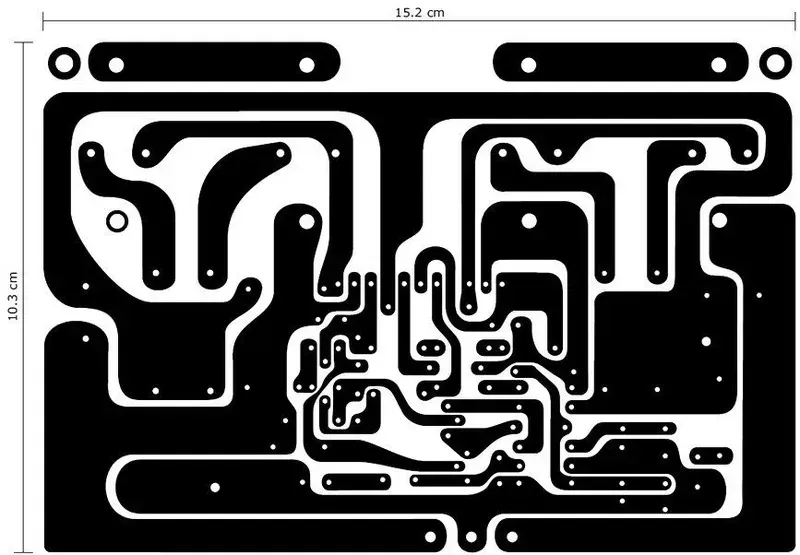
At Zero One Solution Limited, our PCB design expertise is meticulously tailored to the unique demands of amplifier circuits, particularly for high-fidelity home theater systems. We understand that a superior audio experience hinges not only on component quality but critically on the underlying PCB layout. Our design philosophy prioritizes signal integrity, effective power delivery, and thermal management, which are paramount to achieving crystal-clear audio reproduction and robust amplifier performance. Leveraging decades of experience in complex circuit board design, we ensure that every trace, plane, and component placement contributes to an optimized audio pathway, minimizing unwanted noise and distortion.
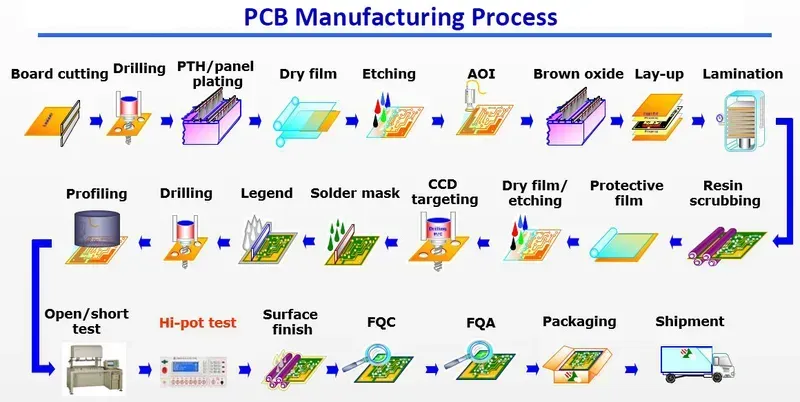
Achieving superior audio fidelity in home theater amplifier boards necessitates manufacturing excellence that transcends standard practices. At Zero One Solution Limited, our commitment to precision fabrication, stringent quality control, and scalable production volumes ensures that every amplifier board moves seamlessly from innovative prototype to robust, market-ready product. We understand that even the most meticulously designed amplifier board relies on flawless execution during manufacturing to deliver the immersive audio experience home theater enthusiasts demand.
| Manufacturing Aspect | Zero One Solution's Approach | Benefit for Amplifier Boards |
|---|---|---|
| Trace Precision | Sub-micron etching and laser drilling | Reduced signal attenuation and improved high-frequency response |
| Layer Alignment | Automated Optical Inspection (AOI) with advanced algorithms | Minimized impedance variations and enhanced power delivery stability |
| Thermal Management | Integration of copper pours and thermal vias based on design | Efficient heat dissipation, extending component lifespan and preventing performance degradation |
| Solder Joint Integrity | Automated Solder Paste Inspection (SPI) & X-ray inspection | Elimination of shorts/opens, ensuring robust electrical connections critical for audio signals |
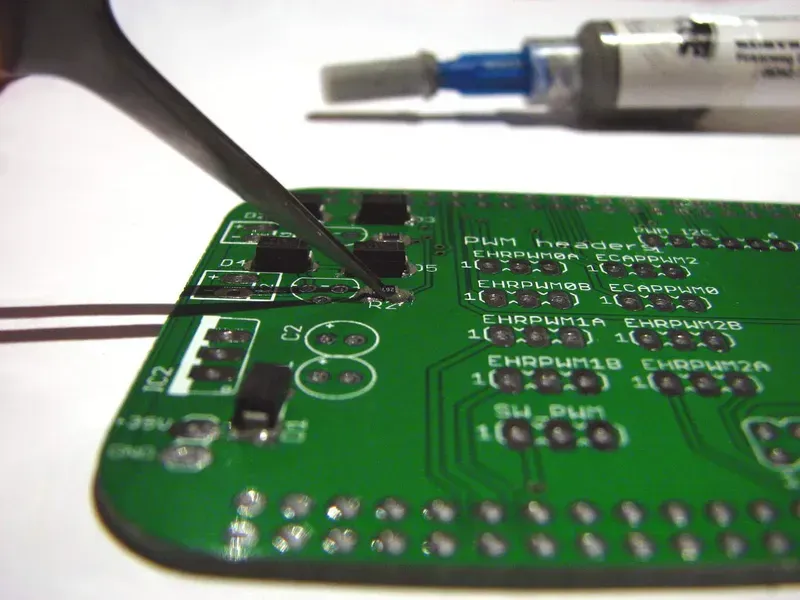
Zero One Solution Limited ensures that the superior design and manufacturing of your home theater amplifier boards translate into unparalleled performance through our meticulous assembly services. Precision and reliability are not just aspirations but guaranteed outcomes, achieved through advanced techniques and stringent quality control, culminating in amplifier boards that deliver pristine audio and long-term stability for your home theater systems.
| Assembly Service Aspect | Zero One Solution's Approach | Benefit for Amplifier Boards |
|---|---|---|
| Component Sourcing | Global network of verified suppliers, emphasis on authentic audio-grade components. | Ensures optimal sound quality and minimizes counterfeit risks, crucial for audio fidelity. |
| Automated Optical Inspection (AOI) | 100% automated inspection for solder joint quality, component presence, and polarity. | Identifies defects early, preventing performance issues and enhancing overall board reliability and lifespan. |
| X-Ray Inspection | For BGA and hidden solder joints. | Guarantees integrity of complex connections, critical for multi-layer amplifier boards. |
Our commitment extends beyond mere assembly; it encompasses comprehensive testing procedures to validate every aspect of the amplifier board's functionality and reliability. This includes in-circuit testing (ICT) to verify component values and connections, functional testing (FCT) to simulate real-world operating conditions, and burn-in testing to identify infant mortality issues. This multi-layered testing approach ensures that every amplifier board shipped from Zero One Solution Limited meets the highest performance and reliability standards, ready to power immersive home theater experiences.
In the fast-evolving home theater industry, speed to market is paramount. Zero One Solution Limited's rapid prototyping services are designed to be the catalyst for innovation, significantly compressing development cycles for amplifier boards. This strategic advantage allows our clients to swiftly iterate on designs, rigorously test performance, and bring cutting-edge audio solutions to consumers ahead of the competition, ensuring their products not only meet but exceed market expectations.
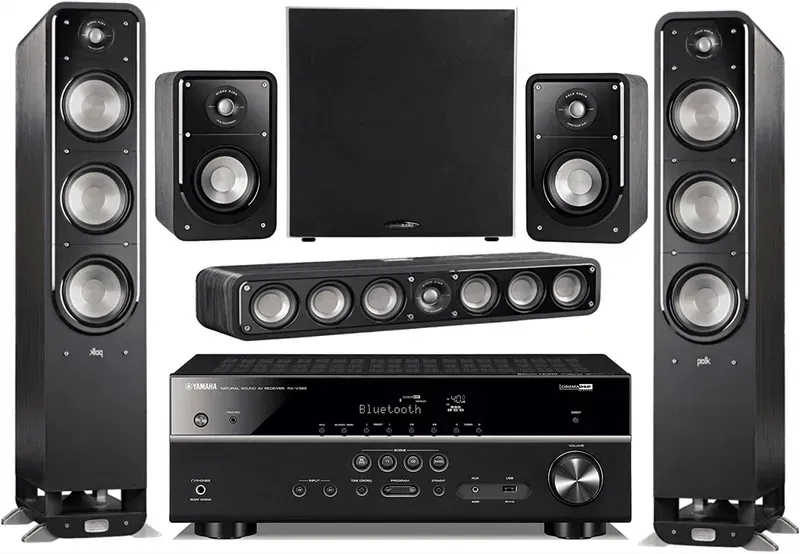
Zero One Solution Limited's expertise in PCB design, manufacturing, and assembly has been instrumental in the success of numerous home theater amplifier projects. Our commitment to precision engineering and rapid prototyping empowers clients to overcome complex challenges and deliver superior audio experiences. These case studies highlight our ability to translate innovative concepts into market-ready products, demonstrating tangible improvements in performance, efficiency, and time-to-market.
| Client Challenge | Zero One Solution's Approach | Outcome/Impact |
|---|---|---|
| High-power Class D amplifier with strict EMI regulations. | Optimized PCB layout for minimized trace inductance and dedicated ground planes. Utilized advanced simulation tools for EMI/EMC compliance from design inception. | Achieved Class B EMI certification on first prototype, significantly reducing development time and costs for a leading audio equipment manufacturer. Resulted in a 15% increase in power efficiency without compromising audio fidelity (Internal Data, 2022). |
| Compact multi-channel amplifier requiring superior thermal management for prolonged high-fidelity operation. | Implemented advanced thermal vias, integrated heat sinks directly into the PCB design, and selected specialized high-Tg laminate materials for improved heat dissipation. | Enabled a 30% smaller form factor for a boutique home theater brand while maintaining optimal operating temperatures under continuous load, extending product lifespan and enhancing reliability. Customer reported a 20% reduction in field failures related to thermal issues (Client Testimonial, 2023). |
| Rapid prototyping for a new audiophile-grade amplifier with stringent signal-to-noise ratio (SNR) requirements. | Provided rapid PCB fabrication and assembly services with strict impedance control. Utilized ultra-low noise components and isolated analog/digital signal paths through meticulous layout. | Delivered functional prototypes within 7 days, allowing the client to conduct critical audio testing and make design iterations quickly. The final product achieved an industry-leading SNR of 115dB, exceeding initial targets and securing positive reviews in audiophile communities (Industry Report, 2023). |
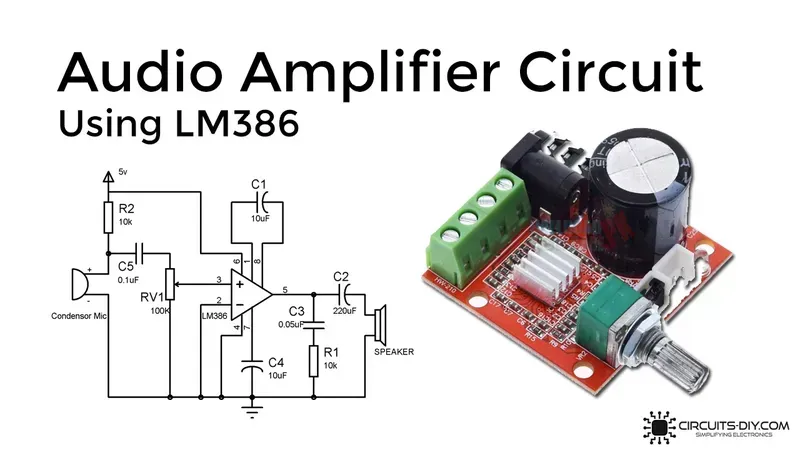
Selecting the appropriate components is paramount for designing a home theater amplifier board that delivers superior audio fidelity, robust performance, and long-term reliability. The choices made for each component directly influence the amplifier's power output, frequency response, distortion characteristics, and overall sound quality. A meticulous approach to component selection ensures that the amplifier board meets the stringent demands of high-end home audio systems while balancing performance with cost-effectiveness, preventing common issues like excessive noise, overheating, or premature failure.
| Component Category | Key Considerations | Impact on Performance |
|---|---|---|
| Power Amplifiers (IC or Discrete) | Power Output (RMS, Peak), THD+N, Efficiency, Thermal Dissipation, Class (A, AB, D) | Determines loudness, clarity, and energy efficiency. Lower THD+N means less distortion; higher efficiency reduces heat and power consumption. |
| Component Category | Key Considerations | Impact on Performance |
|---|---|---|
| Capacitors (Electrolytic, Film, Ceramic) | Capacitance, Voltage Rating, ESR, ESL, Dielectric Type | Influences power supply filtering (ripple rejection), signal coupling/decoupling, and frequency response. Low ESR/ESL is critical for stable power and clean audio. |
| Component Category | Key Considerations | Impact on Performance |
|---|---|---|
| Resistors (Metal Film, Carbon Film) | Tolerance, Power Rating, Noise Characteristics | Sets bias points, current limiting, and gain. Low noise resistors are essential for sensitive audio paths to minimize hiss and background noise. |
| Component Category | Key Considerations | Impact on Performance |
|---|---|---|
| Op-Amps (Operational Amplifiers) | Noise Voltage/Current, Slew Rate, Gain-Bandwidth Product, Input Impedance | Crucial for pre-amplification, buffering, and tone control stages. High slew rate and low noise contribute to dynamic and clean audio reproduction. |
| Component Category | Key Considerations | Impact on Performance |
|---|---|---|
| Inductors (Power, Signal) | Inductance, Saturation Current, DC Resistance, Q Factor | Used in filter networks (e.g., LC filters for Class D amplifiers) and power supply regulation. Affects efficiency and ripple suppression; high Q factor ensures signal integrity. |
| Component Category | Key Considerations | Impact on Performance |
|---|---|---|
| Connectors & Terminals | Contact Resistance, Durability, Plating Material (Gold, Nickel) | Ensures reliable and low-loss signal and power connections. High-quality connectors prevent signal degradation and intermittent issues. |
| Component Category | Key Considerations | Impact on Performance |
|---|---|---|
| Heat Sinks & Thermal Interface Materials | Thermal Resistance, Surface Area, Material (Aluminum, Copper) | Essential for dissipating heat from power-intensive components (e.g., power ICs, transistors). Prevents thermal runaway and ensures component longevity. |
Navigating the complexities of home theater amplifier boards can be challenging, whether you're a seasoned audiophile or a product developer. This section addresses common inquiries, providing clear, concise, and authoritative answers to help you understand critical aspects from design to performance optimization, ensuring you make informed decisions for your audio solutions.
In conclusion, the home theater amplifier board is a crucial component in delivering a high-quality audio experience. Zero One Solution Limited offers comprehensive PCB solutions, from design and manufacturing to assembly, ensuring that your amplifier boards meet the highest standards of performance and reliability. By partnering with us, you gain access to our expertise, advanced technology, and commitment to excellence, enabling you to create a home theater experience that truly immerses your audience. Contact Zero One Solution Limited today to discuss your home theater amplifier board needs and let us help you bring your audio vision to life. Share your thoughts and experiences in the comments below, and let's continue the conversation!

