In the dynamic world of meteorology and atmospheric science, precision is paramount. Weather radar systems stand as critical instruments, providing indispensable data for forecasting, research, and public safety. At the heart of these sophisticated systems lies the ability to accurately process complex signals, a feat made possible by highly specialized Printed Circuit Boards (PCBs). As a veteran engineer at Zero One Solution Limited, a leader in rapid-response R&D prototype manufacturing and one-stop PCB solutions since 2011, I've witnessed firsthand how advancements in PCB technology are transforming the capabilities of weather radar. This article will delve into the intricacies of our bespoke PCB solutions for weather radar signal processing, highlighting how our expertise empowers clients to push the boundaries of innovation and bring next-generation meteorological instruments to market with unparalleled efficiency.
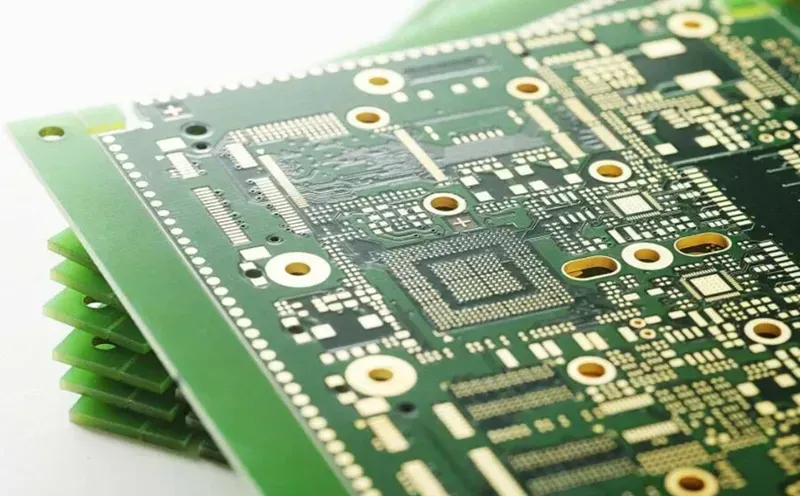
At the heart of every weather radar system lies a complex interplay of electronic components, and Printed Circuit Boards (PCBs) are the foundational backbone enabling these systems to function. PCBs are essential for signal acquisition and processing, facilitating the capture and interpretation of intricate atmospheric data. They are the unsung heroes, providing the electrical pathways necessary for weather radar to detect precipitation, measure wind speed, and track the movement of severe weather systems. Without robust, high-performing PCBs, the valuable insights provided by weather radar would be impossible.
Modern weather radar systems demand exceptionally high performance from their PCBs. The ability to handle high-frequency signals, maintain signal integrity, and ensure rapid data transfer are critical for accurate and timely weather forecasting. These systems often operate at microwave frequencies, necessitating PCB designs that minimize signal loss, impedance mismatches, and electromagnetic interference (EMI). The data generated must be processed quickly to provide real-time updates, which is why high-speed data transfer capabilities are essential. The performance of a weather radar system directly correlates with the quality and precision of the PCBs used within it.
The demanding requirements for weather radar PCBs include:
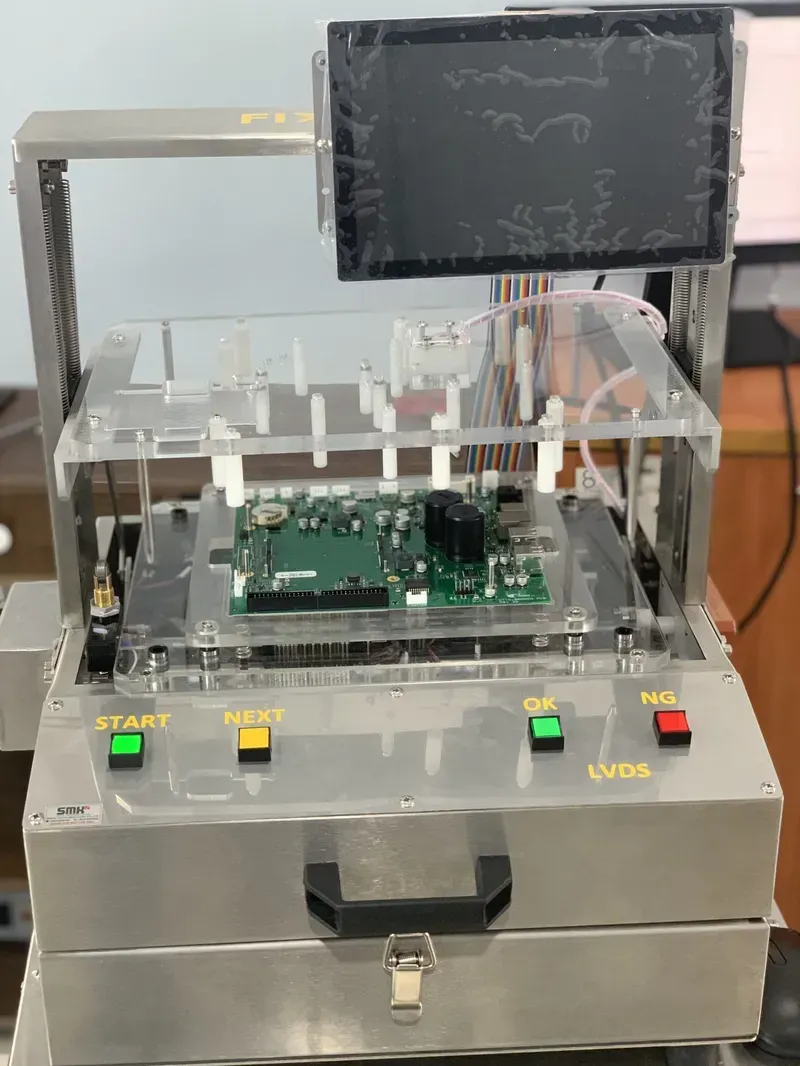
Designing Printed Circuit Boards (PCBs) for weather radar signal processing presents a unique set of engineering challenges. These challenges stem from the demanding requirements of high-frequency operation, environmental resilience, and the need for precise signal integrity. Successfully navigating these hurdles is critical for ensuring the accuracy and reliability of weather radar systems, which are essential tools for meteorological forecasting and severe weather monitoring.
One of the primary challenges is maintaining high-frequency signal integrity. Weather radar systems operate at microwave frequencies (typically in the GHz range), where even minor impedance mismatches or signal reflections can significantly degrade performance. This necessitates meticulous design practices, including controlled impedance routing, careful selection of PCB materials, and the use of advanced simulation tools to predict and mitigate signal integrity issues. The selection of low-loss materials such as Rogers or Teflon laminates is often crucial, as is the precise control of trace widths and spacing to match the characteristic impedance of the transmission lines. Furthermore, the design must account for the skin effect and dielectric losses that become more pronounced at higher frequencies.
Thermal management is another critical consideration. High-power radar systems generate significant heat, which can impact the performance and longevity of electronic components. Effective thermal management strategies include the use of thermal vias, heat sinks, and careful placement of heat-generating components to ensure that operating temperatures remain within acceptable limits. The thermal conductivity of the PCB material itself also plays a role, with materials like copper-invar-copper (CIC) being used in some applications to improve heat dissipation.
Electromagnetic Interference (EMI) and Electromagnetic Compatibility (EMC) are crucial for weather radar PCBs. These systems must operate in a harsh electromagnetic environment, and any interference can compromise the accuracy of the radar data. Shielding, proper grounding techniques, and the use of ferrite beads are often necessary to minimize EMI and ensure that the system complies with relevant EMC standards. The design must also consider potential interference from external sources, such as other electronic devices or radio frequency signals.
Environmental ruggedization is essential for PCBs deployed in outdoor weather radar stations. These PCBs must withstand extreme temperatures, humidity, and vibration. Conformal coatings and the use of ruggedized components are common strategies to protect the PCB from environmental factors. The design should also account for potential exposure to lightning strikes and other environmental hazards, which may necessitate the use of surge protection devices and other protective measures.
Addressing these challenges requires a deep understanding of RF engineering principles, PCB design best practices, and a commitment to rigorous testing and validation. Zero One Solution Limited has the expertise and experience to overcome these challenges, providing reliable and high-performing PCB solutions for weather radar applications.
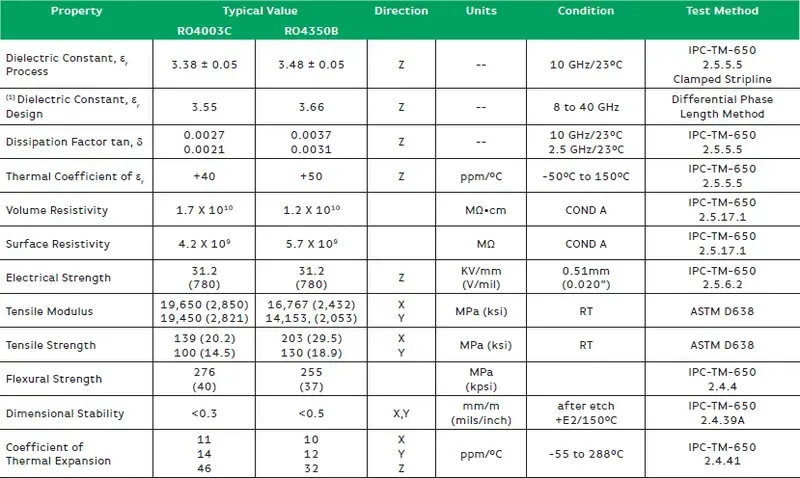
At Zero One Solution Limited, we understand that the performance of weather radar systems hinges on the precision of their high-frequency PCBs. Our expertise lies in designing and manufacturing these critical components, ensuring that your radar systems achieve optimal signal integrity, reliability, and accuracy. We leverage advanced techniques and materials to meet the demanding requirements of weather radar applications.
Our capabilities include:
By partnering with Zero One Solution Limited, you gain access to a team of experienced engineers committed to delivering high-quality, high-performance PCBs that meet the specific needs of your weather radar systems. Our commitment to excellence ensures your radar systems are reliable, accurate, and ready to perform in demanding conditions.
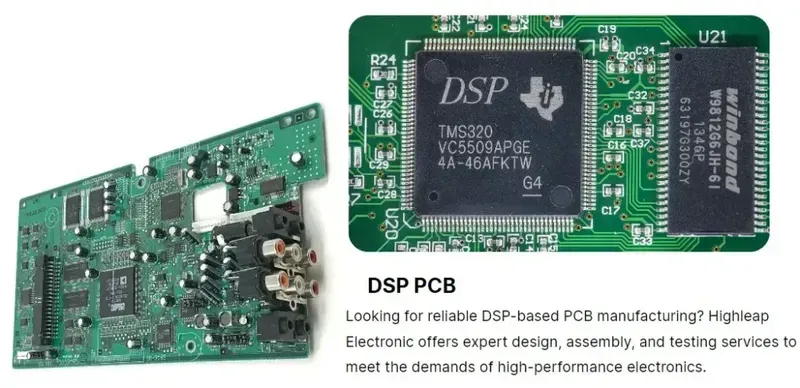
The effectiveness of modern weather radar hinges on the ability to process vast amounts of data swiftly and accurately. Zero One Solution Limited specializes in providing custom PCB solutions that seamlessly integrate Digital Signal Processing (DSP) components, ensuring optimal performance in weather radar systems. Our expertise lies in designing PCBs that not only accommodate complex DSP architectures but also enhance the efficiency of data analysis for precise weather predictions.
Our approach involves a deep understanding of the specific requirements of weather radar systems, which includes the following:
By focusing on these key areas, Zero One Solution Limited delivers DSP-integrated PCB solutions that enhance the accuracy, reliability, and efficiency of weather radar systems. Our commitment to excellence ensures that our clients can effectively monitor and analyze weather patterns, contributing to more accurate forecasting and improved public safety.
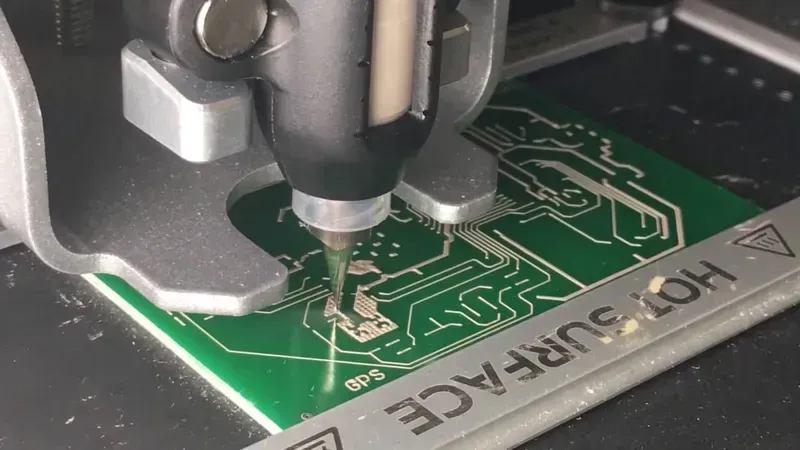
In the fast-paced world of weather radar technology, the ability to quickly iterate and test new designs is paramount. Zero One Solution Limited excels in rapid PCB prototyping, a service designed to significantly accelerate the development cycles for weather radar manufacturers. This capability allows for faster experimentation, optimization, and ultimately, a quicker path to market for cutting-edge radar systems. Our expertise in rapid prototyping reduces time-to-market, improves product performance, and reduces development costs for our clients.
The benefits of rapid prototyping extend beyond just speed. Complex radar designs often require multiple iterations to refine signal integrity, thermal management, and overall system performance. Through our advanced prototyping services, we enable engineers to:
At Zero One Solution Limited, we leverage state-of-the-art equipment and a highly skilled team to provide rapid prototyping services that meet the demanding requirements of the weather radar industry. Our commitment to speed, quality, and precision makes us the ideal partner for accelerating your radar system development.
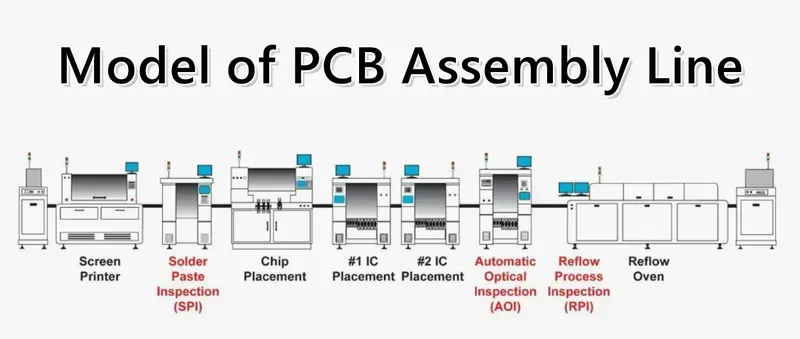
Zero One Solution Limited provides a streamlined, end-to-end service for Weather Radar Signal Processing PCB solutions, ensuring a seamless transition from initial design to final assembly. Our comprehensive approach covers every critical step, including PCB design and layout, manufacturing, component sourcing, and rigorous quality control, providing a complete solution tailored to the stringent demands of weather radar applications.
By integrating all aspects of PCB production under one roof, Zero One Solution Limited minimizes project lead times, reduces costs, and eliminates the complexities often associated with multiple vendors. Our commitment to quality, efficiency, and innovation makes us the preferred partner for weather radar system manufacturers worldwide.
Zero One Solution Limited strategically leverages its global presence to provide unparalleled access to resources and ensure timely delivery of Weather Radar Signal Processing PCB solutions worldwide. Our dual-location strategy, with headquarters in Shenzhen, China, and a branch in Dubai, UAE, offers a significant advantage in the complex global supply chain, which is essential for the demanding requirements of weather radar systems.
Our Shenzhen facility is situated in the heart of China's electronics manufacturing hub, providing direct access to a vast network of component suppliers, manufacturers, and advanced technologies. This location enables us to quickly source critical components, negotiate favorable pricing, and maintain rigorous quality control throughout the production process. In contrast, our Dubai branch serves as a strategic hub for accessing resources across the Middle East, Africa, and Europe. This location not only expands our reach but also provides logistical advantages, facilitating faster delivery times and reducing shipping costs for our global clientele.
| Feature | Shenzhen, China | Dubai, UAE |
|---|---|---|
| Supply Chain Access | Extensive component suppliers, advanced manufacturing technologies | Strategic hub for Middle East, Africa, and Europe |
| Logistics | Efficient logistics and manufacturing | Reduced shipping costs, faster delivery times |
| Market Reach | Global market, particularly Asia and North America | Expanded market reach, serving EMEA regions efficiently |
| Quality Control | Stringent QC processes and experienced teams | Quality control and support for regional projects |
By combining the strengths of both locations, Zero One Solution Limited offers a robust and reliable supply chain, ensuring that weather radar manufacturers receive high-quality PCBs on time and within budget. This global approach reflects our commitment to providing superior solutions for the complex challenges of weather radar signal processing.
Understanding the nuances of PCBs for weather radar systems is crucial for engineers and manufacturers alike. This section addresses common inquiries, providing clarity on key aspects of design, materials, and performance.
The demands of weather radar signal processing are rigorous, requiring not just robust hardware but also a deep understanding of high-frequency design, signal integrity, and environmental resilience. Zero One Solution Limited stands as your ideal partner in navigating these complexities. With our established reputation for rapid prototyping, comprehensive one-stop services from design to assembly, and strategic global presence, we empower innovators to accelerate their product development cycles and deliver exceptional weather radar systems. Headquartered in Shenzhen and operating with a branch in Dubai, our commitment to excellence ensures that your weather radar signal processing PCB solutions are not just built, but meticulously engineered for peak performance. Partner with Zero One Solution Limited to unlock the full potential of your next-generation weather radar technology.

