In the complex world of aviation, safety and data integrity are paramount. At the heart of accident investigation and flight safety analysis lie the Flight Data Recorder (FDR) and Cockpit Voice Recorder (CVR), commonly known as black boxes. These critical devices rely on highly specialized Printed Circuit Boards (PCBs) to capture, store, and protect vital information. As a veteran engineer at Zero One Solution Limited, a leader in rapid prototyping and one-stop PCB solutions, I understand the immense challenges and precise requirements involved in designing and manufacturing PCBs for such mission-critical applications. This article delves into the intricacies of black box PCB solutions, highlighting how Zero One Solution Limited's expertise ensures the uncompromising reliability and performance demanded by the aerospace industry.
Deciphering the Indispensable Role of Aircraft Black Boxes (FDR/CVR)
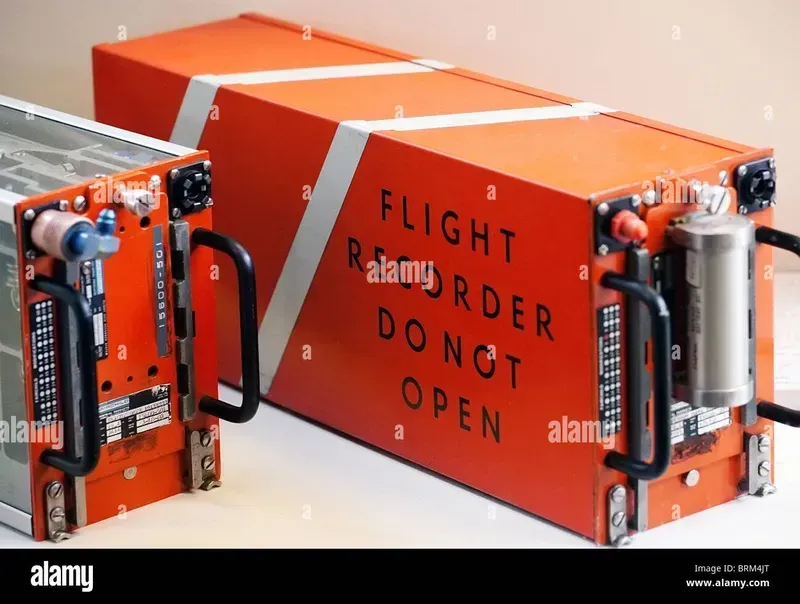
Aircraft Black Box Close-Up
Aircraft Black Boxes, comprising Flight Data Recorders (FDRs) and Cockpit Voice Recorders (CVRs), are the aviation industry's most critical safety instruments. These devices are designed to survive catastrophic events, meticulously capturing crucial flight parameters and cockpit conversations. Their primary purpose is to provide invaluable data for accident investigation, helping to determine the causes of incidents, improve safety protocols, and prevent future occurrences. Without these recorders, understanding the circumstances of an aviation accident would be significantly hampered, potentially leading to the loss of critical insights and hindering the implementation of necessary safety improvements.
The FDR continuously records hundreds of flight parameters, including altitude, airspeed, heading, vertical acceleration, engine performance, and control surface positions. This comprehensive data set enables investigators to reconstruct the flight path and understand the aircraft's operational status leading up to an event. Simultaneously, the CVR captures the sounds in the cockpit, including pilot conversations, instrument warnings, and ambient noises, providing essential context to the flight crew's actions and the overall situation.
The data from FDRs and CVRs are often analyzed together, providing a complete picture of the events leading to an accident. This combined analysis helps investigators understand pilot decision-making, system failures, and environmental factors. The information gathered is instrumental in creating new safety regulations, improving aircraft designs, and enhancing pilot training programs. (Source: Federal Aviation Administration, Aviation Safety Reporting System).
The Core of Aircraft Black Boxes: PCB Technology and Its Function
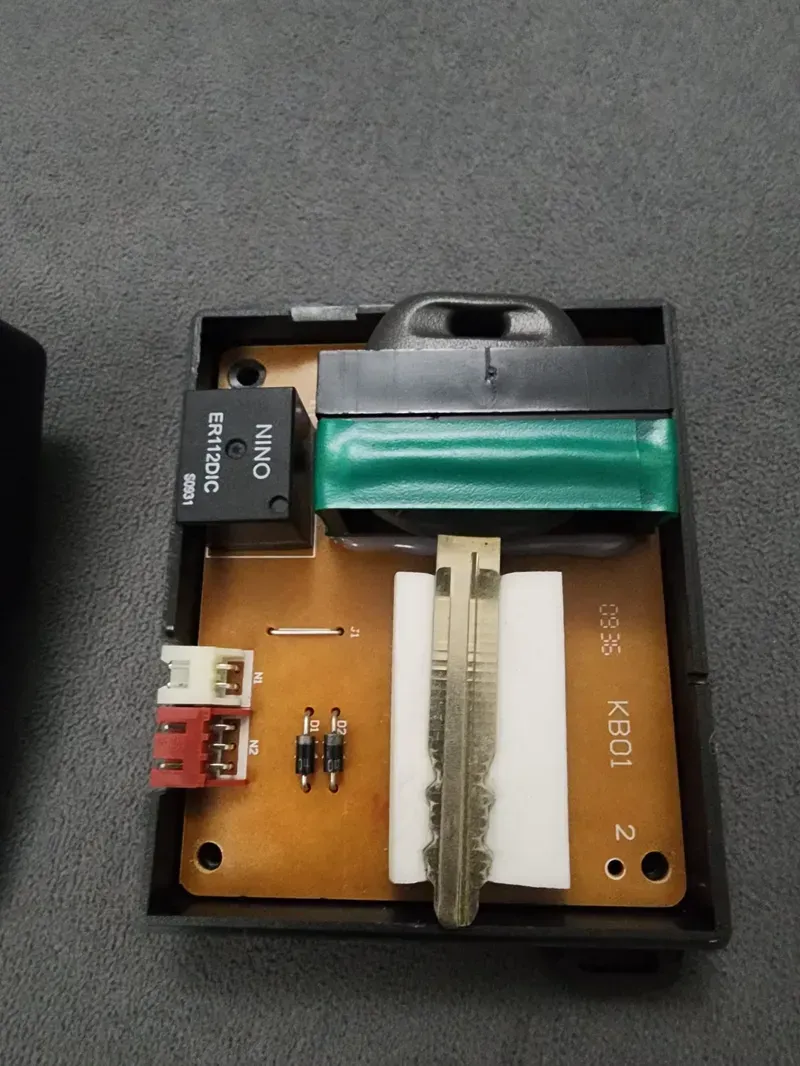
Black Box Internal PCB
At the heart of every aircraft black box, both Flight Data Recorders (FDRs) and Cockpit Voice Recorders (CVRs), lies the Printed Circuit Board (PCB). These intricate electronic boards are not merely components; they are the very backbone that enables the critical functions of data acquisition, processing, and storage, playing a pivotal role in aviation safety. The robustness, reliability, and precision of the PCB design and manufacturing directly correlate to the black box's ability to withstand extreme conditions and provide crucial data during accident investigations.
Data Acquisition PCBs facilitate the collection of a vast array of flight parameters. Sensors throughout the aircraft feed data – altitude, airspeed, engine performance, and control surface positions – to the PCB, which then converts these analog signals into digital data for recording. The accuracy of this data acquisition is paramount, ensuring that investigators have a complete and reliable picture of the flight.
Data Processing The PCB houses the processing unit, which filters, formats, and prepares the acquired data for storage. This includes tasks such as data compression, error correction, and timestamping, optimizing the data for efficient storage while maintaining its integrity. Sophisticated algorithms are employed to ensure that critical information is prioritized and preserved.
Data Storage PCBs integrate the memory modules where the processed flight data and cockpit voice recordings are stored. These memory units are designed to withstand extreme impacts, high temperatures, and pressures, ensuring that the recorded information is preserved even in the event of a catastrophic accident. Modern black boxes often utilize solid-state memory for its durability and reliability.
Power Management and Interface PCBs manage power distribution within the black box, ensuring that all components receive the necessary voltage and current. They also provide the interface for external communication and data retrieval after an incident. This includes the connection to the underwater locator beacon, which aids in the recovery of the black box from underwater locations.
The design of these PCBs must adhere to stringent aerospace standards, such as those set by the FAA (Federal Aviation Administration) and EASA (European Union Aviation Safety Agency). These standards dictate the materials used, the manufacturing processes, and the rigorous testing protocols that ensure the PCBs can withstand the harsh environments and potential impacts associated with aviation accidents. The selection of components, the layout of the circuitry, and the overall design are critical factors that contribute to the black box's survivability and data retrieval capabilities.
Key Challenges in Aircraft Black Box PCB Manufacturing
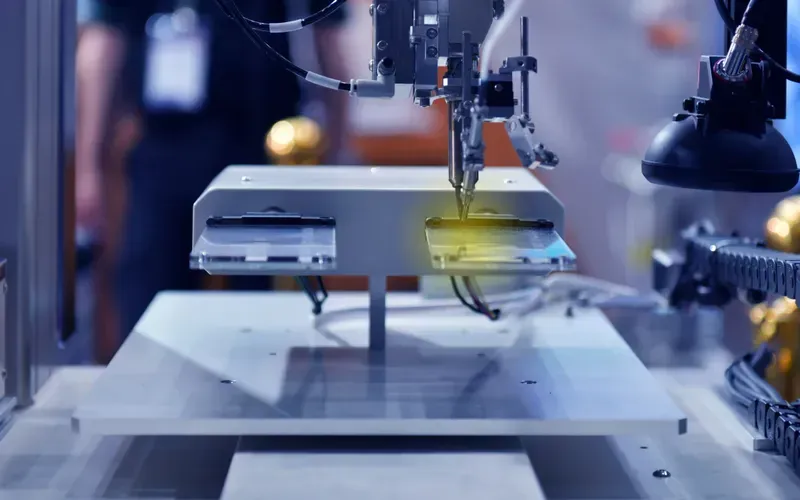
Engineer Operating PCB Equipment
Manufacturing Printed Circuit Boards (PCBs) for Aircraft Black Boxes (FDR/CVR) presents a unique set of demanding challenges. These challenges stem from the critical nature of the data recorded and the extreme environments these devices must withstand. The stringent requirements necessitate specialized materials, meticulous fabrication, and rigorous testing to ensure the highest levels of reliability and data integrity. At Zero One Solution Limited, we understand these challenges intimately and have developed expertise in overcoming them.
Environmental Resistance Black box PCBs must function flawlessly in extreme conditions. This includes resistance to intense heat (up to +110°C) and cold (-55°C), high pressure, vibration, and impact forces during a crash. Special conformal coatings and ruggedized designs are essential.
Data Integrity and Reliability The primary function of an FDR/CVR is to capture and preserve critical flight data. Any failure in the PCB can lead to data loss, which can be catastrophic in accident investigations. High-quality components, robust design, and stringent quality control are imperative to minimize the risk of failure and ensure data integrity.
Regulatory Compliance Black box PCBs are subject to strict regulatory standards, such as those set by the FAA (Federal Aviation Administration) and EASA (European Union Aviation Safety Agency). Compliance with these standards is non-negotiable and dictates design, manufacturing, and testing processes. Zero One Solution Limited ensures that all PCBs meet or exceed these requirements.
Material Selection The choice of PCB materials is critical. High-Tg (glass transition temperature) laminates, such as FR-4 or specialized aerospace-grade materials, are often used to withstand extreme temperatures. Furthermore, the materials must be resistant to corrosion, moisture, and other environmental factors.
Miniaturization and Space Constraints Aircraft black boxes are designed to fit within confined spaces. Therefore, PCBs need to be compact and lightweight without compromising performance. This often requires the use of advanced manufacturing techniques, such as HDI (High-Density Interconnect) technology, and fine-pitch components.
Survivability Black boxes are designed to survive a crash. PCBs must be able to withstand significant impact forces. This necessitates robust design features, such as reinforced mounting holes, and encapsulation techniques to protect sensitive components.
Addressing these challenges requires a comprehensive approach, encompassing advanced materials, precision manufacturing, and rigorous testing. Zero One Solution Limited utilizes cutting-edge technology and follows strict quality control procedures to ensure the reliability and performance of our aerospace PCB solutions. Our rapid prototyping capabilities allow us to quickly develop and refine designs to meet the specific requirements of each application.
Zero One Solution Limited: Your Trusted Partner for Aircraft Black Box PCB Solutions
Zero One Solution Limited stands as a premier provider of high-reliability PCB solutions, specializing in the demanding field of aerospace applications. With over a decade of experience, we offer comprehensive, one-stop services, from initial PCB design to manufacturing and assembly, tailored specifically for the critical needs of aircraft black boxes (FDR/CVR). Our dedication to rapid prototyping and adherence to stringent quality standards make us an ideal partner for ensuring the integrity and performance of your flight data and cockpit voice recorders.
Our core competencies in aerospace PCB solutions include:
Rapid Prototyping We understand the urgency of aerospace projects. Our rapid prototyping services enable quick iteration and validation of PCB designs, accelerating your product development cycles.
Advanced Manufacturing Capabilities Our state-of-the-art manufacturing facilities are equipped to handle complex PCB designs, including multi-layer boards, high-density interconnects (HDIs), and specialized materials required for black box applications.
Stringent Quality Control We implement rigorous quality control measures at every stage of production, including automated optical inspection (AOI), X-ray inspection, and functional testing to ensure the highest standards of reliability and performance.
Regulatory Compliance We are committed to meeting all relevant industry standards and regulations, including those set by the FAA, EASA, and other aviation authorities, ensuring your PCBs meet the necessary compliance requirements.
Design for Manufacturability (DFM) Expertise Our experienced engineers work closely with your team to optimize PCB designs for manufacturability, minimizing potential issues and maximizing product yield.
By choosing Zero One Solution Limited, you gain access to a partner who is not only a PCB manufacturer but also a strategic ally in ensuring the safety and reliability of your aircraft black box systems. Our commitment to excellence, coupled with our deep understanding of aerospace requirements, positions us as the ideal choice for your PCB solution needs.
Advanced Materials and Manufacturing Processes for Aircraft Black Box PCBs
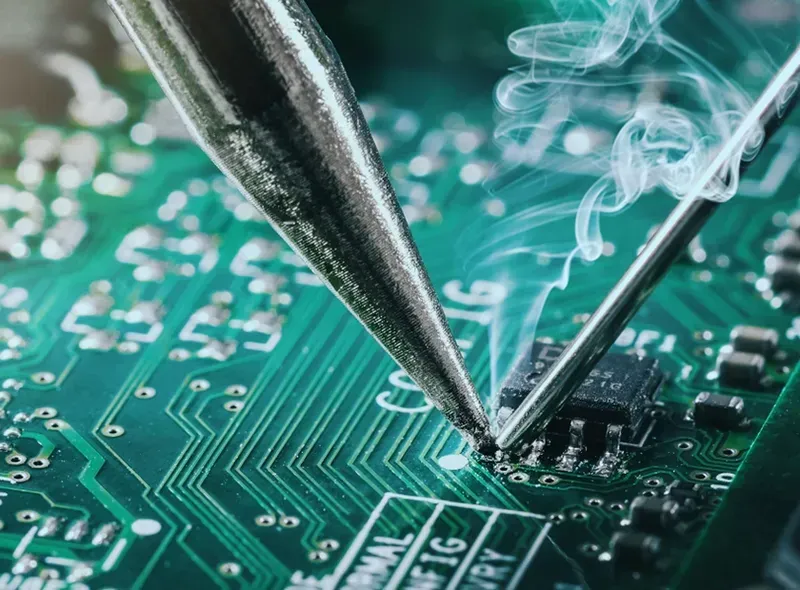
Precision PCB Solder Joints
The resilience and reliability of Aircraft Black Box PCBs hinge on the meticulous selection of materials and the precision of manufacturing processes. Zero One Solution Limited leverages cutting-edge technologies and adheres to stringent standards to ensure that every PCB withstands the extreme conditions of aviation, safeguarding critical flight data.
At the heart of our manufacturing process are advanced materials specifically chosen for their durability and performance:
High-Temperature Laminates: We utilize laminates like FR-4 and specialized polyimide materials known for their thermal stability and resistance to delamination under extreme heat, which is critical during a crash.
Specialized Copper: Thick copper layers provide enhanced current-carrying capacity and improve the PCB's ability to dissipate heat, vital for the operation of electronic components within the black box.
Conformal Coatings: Applying protective coatings shields the PCB from moisture, dust, and chemicals. These coatings, often made of acrylic, silicone, or polyurethane, ensure long-term operational reliability.
High-Reliability Connectors: We use connectors that can withstand repeated mating cycles and remain secure under high-vibration conditions, maintaining the integrity of data transfer.
Our manufacturing processes are equally critical:
Advanced Fabrication Techniques: We employ techniques like laser direct imaging (LDI) for precision etching and via-hole drilling, essential for creating complex PCB layouts within the confines of a black box.
Automated Assembly: Surface mount technology (SMT) assembly using automated pick-and-place machines ensures precise component placement, minimizing human error and enhancing reliability.
Reflow Soldering: Reflow soldering processes with carefully controlled temperature profiles guarantee robust solder joints that withstand the extreme G-forces and vibrations during a crash event.
Rigorous Inspection: Automated optical inspection (AOI) and X-ray inspection are used to detect any defects in component placement, solder joints, and internal board layers. This ensures high-quality manufacturing.
These combined efforts ensure that Zero One Solution Limited delivers PCB solutions that not only meet but exceed the demanding requirements of aircraft black box applications, contributing to enhanced flight safety and accident investigation capabilities.
Rigorous Testing and Quality Assurance: Ensuring Unwavering Reliability in Aircraft Black Box PCBs
PCB Testing Equipment
At Zero One Solution Limited, the integrity and reliability of Aircraft Black Box (FDR/CVR) PCBs are paramount. Our commitment to aviation safety is reflected in our comprehensive testing and quality assurance protocols, designed to meet and exceed the stringent demands of the aerospace industry. This meticulous approach guarantees that our PCBs function flawlessly under extreme conditions, preserving critical flight data and cockpit voice recordings.
Environmental Stress Testing Our PCBs undergo rigorous environmental stress testing, including thermal cycling, vibration, and shock testing, to simulate the harsh conditions experienced during flight and potential crash scenarios. This testing validates the PCB's ability to withstand extreme temperatures, mechanical stress, and G-forces, ensuring data integrity and operational performance.
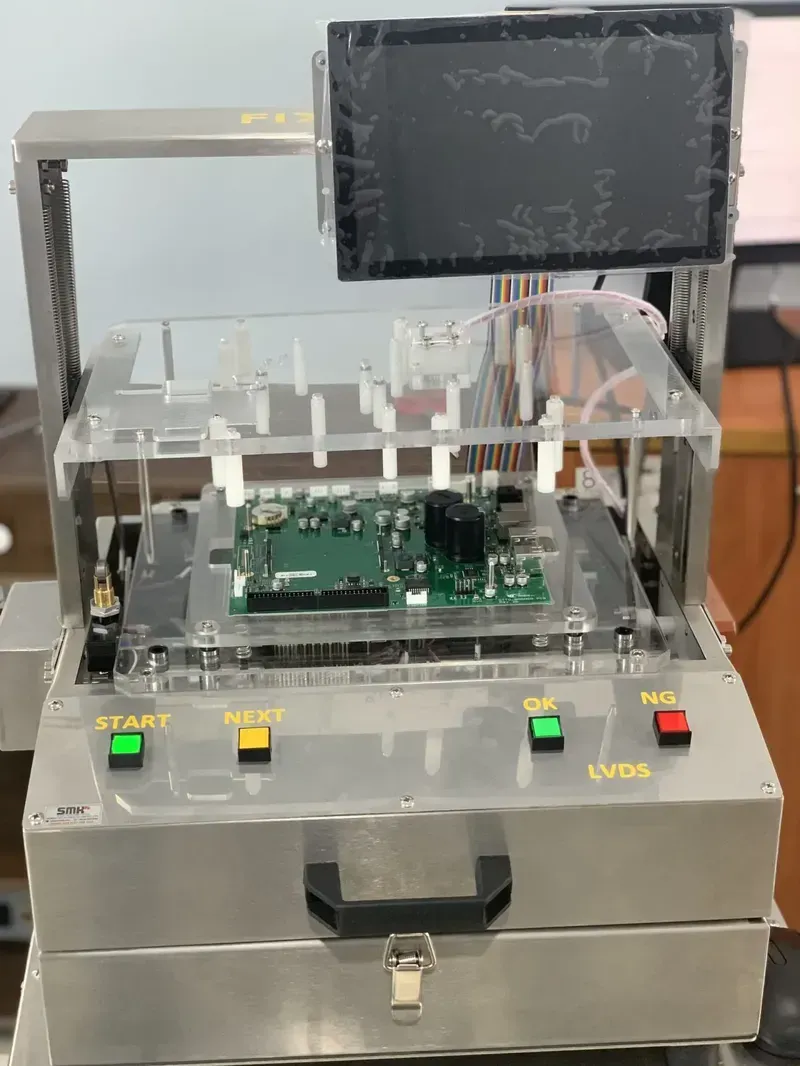
Functional Testing Functional testing is performed to verify the PCB's electrical performance, including signal integrity, power distribution, and data acquisition capabilities. Advanced testing equipment is used to simulate real-world operational scenarios, ensuring the PCB meets the specified performance criteria for data recording and retrieval.
Data Integrity Verification To guarantee that recorded data remains accurate and complete, we implement data integrity checks throughout the manufacturing process. This includes verifying data storage mechanisms, error detection and correction techniques, and data recovery procedures to prevent data loss or corruption.
Material Analysis and Traceability We employ advanced material analysis techniques to verify the quality and composition of all components and materials used in our PCBs. Full traceability is maintained throughout the manufacturing process, ensuring that every PCB can be traced back to its original components, providing complete transparency and accountability.
Regulatory Compliance Our testing and quality assurance processes are fully compliant with industry standards and regulatory requirements, such as those set by the FAA (Federal Aviation Administration) and EASA (European Aviation Safety Agency). This ensures that our PCBs meet all necessary safety and performance standards, offering our customers peace of mind and regulatory confidence.
Failure Analysis and Continuous Improvement We conduct thorough failure analysis to identify and address any potential weaknesses in our PCB designs or manufacturing processes. This feedback loop enables us to continually improve our products and refine our quality assurance measures, ensuring that our PCBs are always at the forefront of aerospace technology.
Future Trends in Aircraft Black Box PCB Technology: Advancements and Innovations
Miniaturized PCB
The relentless pursuit of enhanced safety and data integrity in aviation is driving continuous innovation in Aircraft Black Box (FDR/CVR) PCB technology. As a veteran engineer at Zero One Solution Limited, I have observed significant shifts in design and manufacturing processes, influenced by the need for greater data capacity, miniaturization, and extreme environmental resilience. The future of these critical components promises even more sophisticated solutions, directly impacting accident investigation and prevention.
Increased Data Storage and Processing Capabilities Future PCBs will incorporate higher-density storage solutions, such as advanced solid-state drives (SSDs) and advanced flash memory. This will enable the capture and storage of more detailed flight data, including high-resolution audio and video, expanding the scope of accident analysis. Sophisticated processing units will facilitate real-time data analysis, potentially identifying anomalies during flights and enabling predictive maintenance.
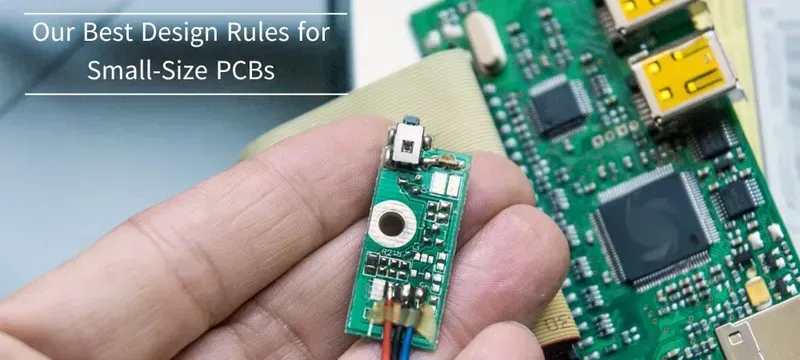
Miniaturization and Lightweight Design Reducing the size and weight of black box components is a key trend. This involves integrating more functionalities into smaller form factors using advanced component packaging like System-in-Package (SiP) technology and through-hole technology. Miniaturization contributes to overall aircraft efficiency and allows for the inclusion of additional safety features without increasing the black box footprint.
Enhanced Survivability and Durability PCBs will be engineered to withstand increasingly extreme conditions. This includes using robust materials like advanced ceramics and specialized coatings that offer improved resistance to high-impact forces, extreme temperatures, and corrosive substances. Enhanced survivability also involves implementing redundant systems, ensuring that critical data is preserved even in the event of partial system failure.
Integration of Advanced Sensors and Communication Technologies Future black boxes are likely to incorporate a wider array of sensors to monitor aircraft performance, including parameters beyond current standards. This will enable more comprehensive data capture for improved analysis. Furthermore, advanced communication capabilities, such as secure wireless data transmission, could facilitate rapid access to flight data after an incident, improving response times.
Artificial Intelligence and Machine Learning Integration AI and machine learning algorithms will play a bigger role in data analysis. These technologies can automatically detect patterns, anomalies, and potential risks in flight data. AI integration in black boxes can lead to faster and more accurate accident investigations, identifying causal factors that might be missed by conventional analysis methods. This integration will facilitate predictive maintenance and improve flight safety.
At Zero One Solution Limited, we are actively involved in the research and development of these advanced technologies. Our rapid prototyping services allow us to quickly adapt to these evolving trends, ensuring that our clients have access to the most advanced and reliable PCB solutions. We are committed to leading the industry and contributing to the future of aviation safety.
Frequently Asked Questions About Aircraft Black Box PCB Solutions
This section addresses frequently asked questions regarding the design, manufacturing, and reliability of PCBs used in aircraft black boxes (FDRs and CVRs), providing insights for aviation professionals and engineers.
What specific requirements must PCBs for aircraft black boxes meet? PCBs for aircraft black boxes must meet stringent requirements, including extreme temperature resistance (ranging from -55°C to +125°C), high shock and vibration resistance, and the ability to withstand impact forces of up to 3,400 Gs. They must also comply with aviation standards like RTCA DO-254 for hardware and DO-178C for software, ensuring data integrity and operational reliability.
How does Zero One Solution Limited ensure the reliability of PCBs used in black boxes? Zero One Solution Limited ensures PCB reliability through rigorous testing and quality control, including environmental stress screening (ESS), highly accelerated life testing (HALT), and advanced inspection methods like automated optical inspection (AOI) and X-ray inspection. We also use high-quality materials and adhere to strict manufacturing processes to meet the demanding standards required for aerospace applications.
What materials are typically used in the manufacturing of black box PCBs? Black box PCBs typically utilize high-performance materials such as polyimide or specialized epoxy resins due to their thermal stability and mechanical strength. Copper traces are often thicker than standard PCBs to handle high current requirements. Furthermore, conformal coatings protect against environmental factors, and specialized connectors ensure reliable data transmission even in extreme conditions.
Can Zero One Solution Limited provide rapid prototyping services for black box PCB designs? Yes, Zero One Solution Limited specializes in rapid prototyping, which is critical for aerospace applications. We offer quick turnaround times, often within days, to facilitate the development and testing of new black box PCB designs, enabling our clients to accelerate their product development cycles and bring innovative solutions to market faster.
What are the key differences between PCBs used in FDRs and CVRs? While both FDR and CVR PCBs share many characteristics, their specific requirements differ. FDR PCBs emphasize data acquisition and storage capabilities, requiring high memory capacity and robust data integrity measures. CVR PCBs prioritize audio recording and processing, necessitating high-fidelity audio components and secure data storage solutions. Both must meet rigorous impact and fire resistance standards.
How does regulatory compliance affect the design and manufacturing of black box PCBs? Regulatory compliance is paramount. Black box PCBs must adhere to stringent aviation standards set by organizations like the FAA (Federal Aviation Administration) and EASA (European Aviation Safety Agency). Compliance involves rigorous testing, detailed documentation, and adherence to design and manufacturing processes outlined in standards such as RTCA DO-254 and DO-160, ensuring the safety and reliability of flight data and cockpit voice recordings.
The demands placed on Aircraft Black Box (FDR/CVR) PCBs are immense, requiring a blend of cutting-edge technology, stringent quality control, and deep engineering expertise. Zero One Solution Limited stands as a beacon in this specialized field, offering comprehensive, rapid-response PCB solutions from design to assembly. Our unwavering commitment to excellence, coupled with our strategic global presence and rapid-response R&D prototype manufacturing capabilities, ensures that we are not just a supplier, but a true partner in advancing aerospace safety and data integrity. Empower your aerospace innovations with Zero One Solution Limited's proven expertise. Contact us today to discuss your next mission-critical PCB project and discover how our solutions can elevate your success.