Missile Guidance Control Unit PCB Solution

2025.07.26

In the complex world of modern defense, precision is paramount. Every millisecond, every degree of accuracy, can determine the success or failure of a mission. At the heart of this precision lies the Missile Guidance Control Unit (GCU), an intricate electronic brain responsible for directing these sophisticated systems. The Printed Circuit Boards (PCBs) within these GCUs are not just components; they are the backbone, demanding unparalleled reliability, performance, and resilience in the most extreme environments. Zero One Solution Limited, with our deep expertise in rapid-response R&D prototype manufacturing and one-stop PCB solutions, understands these critical demands. This article delves into how our specialized PCB solutions are empowering the next generation of missile guidance technology, ensuring superior operational performance and mission readiness.
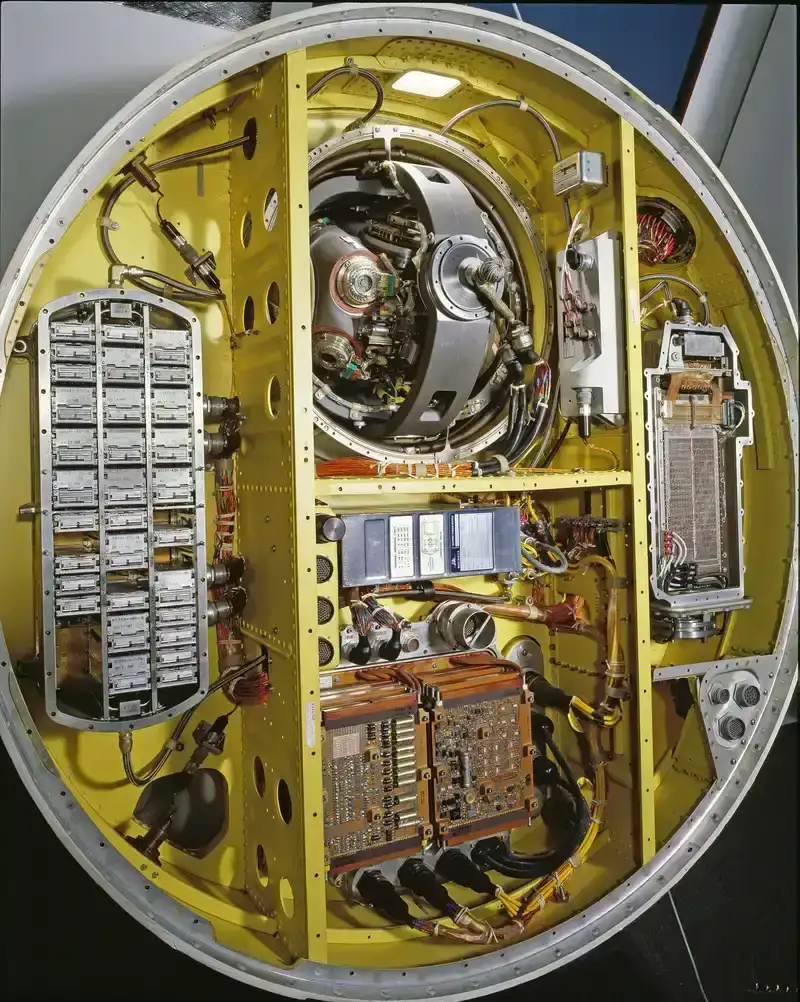
The Indispensable Role of PCBs in Missile Guidance Systems: Ensuring Precision and Reliability

A close-up view of a PCB board designed for a missile guidance system
Missile Guidance System PCB

Printed Circuit Boards (PCBs) are the unsung heroes at the heart of missile guidance systems, enabling the complex functionalities required for accurate targeting and mission success. These compact, yet sophisticated components, are fundamental to navigation, communication, and weapon activation, providing the critical pathways for electronic signals to operate. Their ability to withstand extreme conditions, including high G-forces, vibrations, temperature fluctuations, and electromagnetic interference (EMI), is paramount to the operational reliability of these defense systems.

  1. Navigation and Guidance
    PCBs integrate sensors, accelerometers, and gyroscopes, which process real-time data to determine the missile's position, velocity, and orientation, ensuring precise flight path adjustments.
  2. Communication
    They facilitate secure, reliable communication links with launch platforms and command centers, transmitting critical information and receiving mission updates.
  3. Weapon Activation
    PCBs manage the critical arming and firing sequences, ensuring safe handling and effective deployment of the missile's payload.

The reliability of these systems is non-negotiable, as any failure could lead to catastrophic consequences. PCBs must be designed and manufactured to meet stringent military standards, such as those defined by IPC and MIL-SPECs, to ensure they can operate in the harsh environments associated with missile deployment. For example, the IPC-6012 standard specifies the performance and qualification requirements for rigid PCBs, ensuring they can withstand extreme thermal and mechanical stresses (IPC, 2023).

The design and manufacturing of these PCBs require specialized expertise and advanced technologies. Zero One Solution Limited specializes in the rapid prototyping and manufacturing of high-reliability PCBs for aerospace and defense applications, providing the essential support for these critical systems.
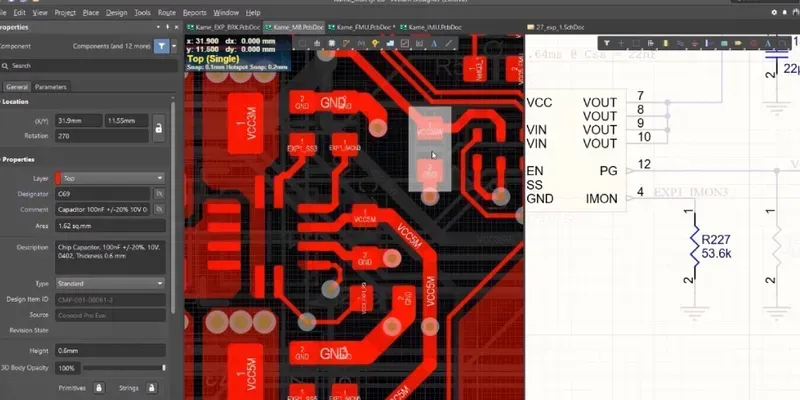
Key Design Considerations for Missile Guidance Control Unit PCBs

A software interface showing a PCB design with components and traces
PCB Design Software Interface

Designing Printed Circuit Boards (PCBs) for missile guidance control units presents unique challenges, demanding precision and reliability to ensure mission success. These PCBs must withstand extreme conditions while delivering flawless performance. This section delves into the critical design considerations essential for creating robust and dependable missile guidance PCBs.

Signal Integrity is paramount. High-speed signals must remain clear and undistorted, even in environments with intense electromagnetic interference (EMI). This requires careful impedance matching, controlled trace lengths, and effective shielding techniques.

Power Management is another critical aspect. Missile guidance systems demand efficient and stable power delivery. Designers must implement robust power distribution networks, utilizing appropriate filtering and decoupling techniques to minimize noise and ensure the integrity of sensitive electronic components.

Thermal Dissipation is a significant concern. The high-density, high-performance electronics within missile guidance systems generate substantial heat. Effective thermal management strategies, such as the use of thermal vias, heat sinks, and advanced materials like thermally conductive substrates, are necessary to prevent overheating and maintain operational reliability.

Miniaturization and Component Density are crucial for reducing size and weight while maximizing functionality. Designers employ advanced PCB technologies, including High-Density Interconnect (HDI) and component-on-component stacking, to achieve compact designs without compromising performance.

Robust Design for Harsh Environments is non-negotiable. Missile guidance PCBs must function reliably under extreme conditions, including high G-forces, vibrations, and temperature fluctuations. This mandates the use of ruggedized components, conformal coatings, and meticulous attention to mechanical integrity.

In essence, the design of missile guidance control unit PCBs demands a comprehensive approach that integrates signal integrity, power management, thermal management, miniaturization, and environmental robustness. Adhering to these key design considerations is crucial to ensure that the PCBs meet the stringent performance and reliability requirements of these critical defense systems.
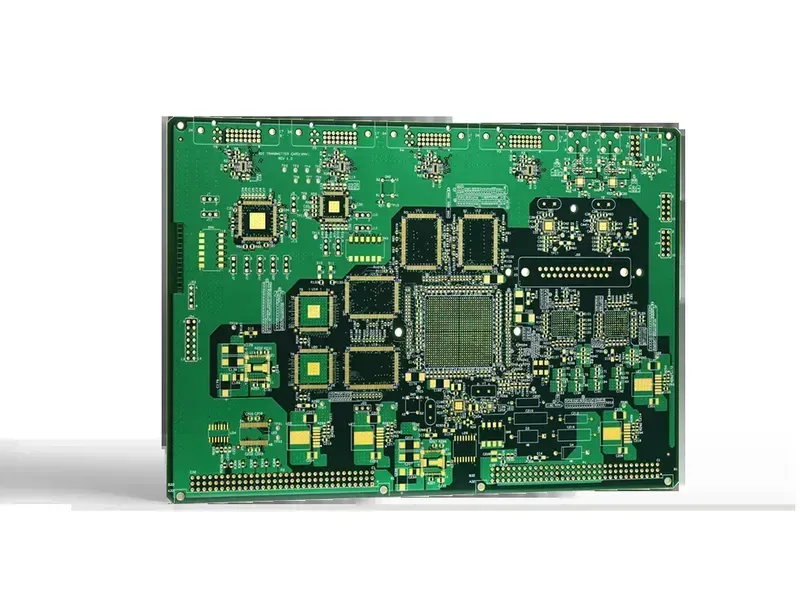
Essential Materials and Manufacturing Processes for High-Reliability Missile Guidance PCBs

A close-up of a High-Density Interconnect (HDI) PCB board
HDI PCB Board

The extreme demands placed on missile guidance control unit (GCU) PCBs necessitate the use of specialized materials and advanced manufacturing techniques to ensure operational integrity and mission success. These components must withstand harsh environments, including high G-forces, rapid temperature changes, and significant vibration, underscoring the need for robust design and stringent manufacturing practices.

The choice of materials is paramount for GCU PCB reliability. High-Tg (glass transition temperature) laminates are essential, as they maintain structural stability at elevated operating temperatures. Low-loss dielectrics are also crucial to minimize signal degradation and ensure optimal performance in high-frequency applications. Furthermore, the selection of appropriate solder mask and conformal coatings provides protection against environmental factors, such as moisture and chemical exposure, thereby extending the lifespan and reliability of the PCB. For instance, the use of materials like Rogers and Isola laminates, known for their superior thermal and electrical properties, can significantly enhance performance in demanding conditions.

Advanced manufacturing processes are equally critical. High-Density Interconnect (HDI) technology allows for miniaturization and increased component density, which is vital for reducing the size and weight of GCUs. Rigid-flex PCBs combine the benefits of both rigid and flexible circuits, providing flexibility in design and enabling complex 3D configurations to fit within tight spaces. Embedded components offer further space savings and improved signal integrity by integrating components directly into the PCB substrate. These advanced techniques ensure that the PCBs meet stringent size, weight, and power (SWaP) requirements, which are crucial for modern missile systems.

Compliance with industry standards and military specifications is non-negotiable. IPC Class 3 standards, which set the highest criteria for PCB fabrication, are essential for ensuring the reliability and longevity of GCUs. MIL-SPECs (military specifications) provide rigorous guidelines for material selection, manufacturing processes, and quality control, guaranteeing that PCBs can withstand the extreme conditions encountered during missile operation. Adhering to these standards ensures that the PCBs meet the stringent requirements for performance and reliability in defense applications.

In summary, the successful production of high-reliability GCU PCBs hinges on the strategic selection of materials, implementation of advanced manufacturing processes, and strict adherence to industry and military standards. These elements combine to create robust, high-performance PCBs that are critical to the operational effectiveness and safety of missile guidance systems.
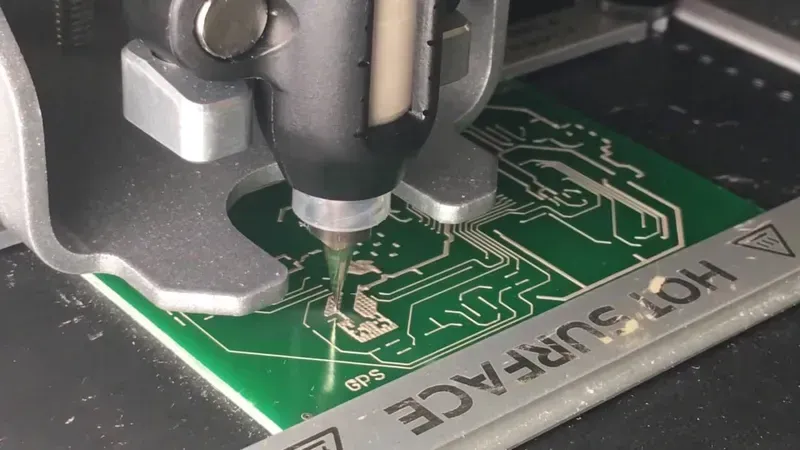
Zero One Solution Limited: Accelerating Missile Guidance System Development Through Rapid PCB Prototyping

Engineers working on rapid PCB prototyping in a lab
PCB Rapid Prototyping

In the fast-paced world of aerospace and defense, the ability to rapidly prototype and iterate on designs is crucial. Zero One Solution Limited excels in providing advanced PCB prototyping services specifically tailored for missile guidance systems. We understand the critical need for speed and precision in developing these complex electronics, offering accelerated turnaround times and comprehensive engineering support to help you stay ahead of the curve.

Our core capabilities are centered around delivering high-quality, reliable PCBs for missile guidance systems quickly. We achieve this through a combination of cutting-edge technology, experienced engineering teams, and streamlined processes. From initial design to manufacturing and assembly, we provide end-to-end solutions, ensuring that your prototypes meet the stringent demands of defense applications. Our focus is on helping aerospace and defense contractors reduce development cycles and accelerate their time-to-market.

  • Rapid Prototyping Advantage
    We specialize in rapid PCB prototyping, allowing for quick iterations and design validation. This capability significantly reduces lead times, enabling faster development cycles for missile guidance systems. Our efficient processes ensure that your projects move from concept to reality with unmatched speed.
  • Expert Engineering Support
    Our team of seasoned engineers offers comprehensive support throughout the prototyping process. From design assistance and DFM reviews to component selection and assembly guidance, we provide the expertise needed to overcome complex challenges and ensure optimal performance.
  • Advanced Manufacturing Capabilities
    We utilize advanced manufacturing techniques, including HDI, rigid-flex, and embedded components, to meet the intricate requirements of missile guidance PCBs. Our state-of-the-art facilities are equipped to handle complex designs, ensuring the highest levels of precision and reliability.
  • Focus on Defense Applications
    Our experience in serving the aerospace and defense industry means we are well-versed in the unique demands and standards of missile guidance systems. We adhere to stringent quality control measures and industry-specific regulations to ensure the highest level of performance and reliability.

By partnering with Zero One Solution Limited, you gain a strategic advantage in developing advanced missile guidance systems. Our commitment to rapid prototyping, engineering excellence, and adherence to the highest quality standards positions us as your trusted partner in this critical domain. Let us help you bring your innovative solutions to market faster and more efficiently.
Comprehensive One-Stop Services for Missile Guidance PCB Solutions

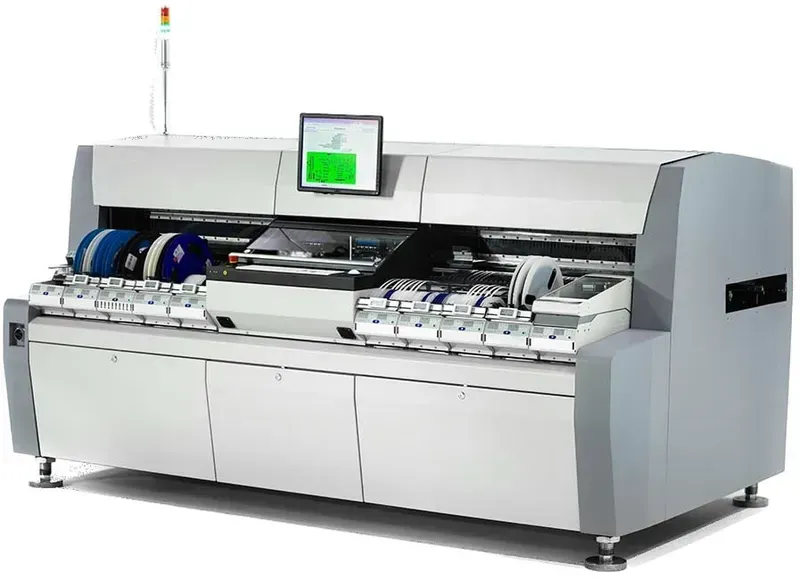
A Surface Mount Technology (SMT) assembly machine placing components on a PCB
SMT Assembly Machine

At Zero One Solution Limited, we offer end-to-end PCB solutions meticulously tailored for the demanding requirements of missile guidance control units. Our comprehensive services encompass every stage, from initial design consultation to final assembly and testing, ensuring seamless integration and optimal performance in mission-critical applications. We are committed to providing a streamlined, efficient process that accelerates your product development cycle, reduces time-to-market, and ensures the highest standards of quality and reliability.
  1. Design Assistance and DFM (Design for Manufacturability)
    Our experienced engineering team provides expert design assistance to optimize PCB layouts for manufacturability and performance. We utilize advanced CAD tools and employ DFM principles to minimize manufacturing defects, enhance signal integrity, and improve thermal management. This proactive approach ensures a smooth transition from design to production.
  2. PCB Fabrication
    We leverage cutting-edge fabrication technologies to produce high-quality PCBs that meet stringent military specifications. Our capabilities include multi-layer PCBs, HDI (High-Density Interconnect) boards, rigid-flex circuits, and specialized materials such as high-Tg laminates and low-loss dielectrics. We adhere to IPC Class 3 standards and employ rigorous quality control throughout the fabrication process.
  3. Component Sourcing and Management
    With our extensive global supply chain network, we provide comprehensive component sourcing services. We work closely with trusted suppliers to ensure the availability of high-quality, authentic components. Our component management system includes strict adherence to traceability and anti-counterfeiting measures, critical for defense applications.
  4. Assembly Services
    Our state-of-the-art assembly facilities are equipped to handle complex and intricate assembly processes. We specialize in SMT (Surface Mount Technology), through-hole, and mixed-technology assembly for missile guidance control units. Our capabilities include fine-pitch component placement, BGA (Ball Grid Array) assembly, and conformal coating, guaranteeing the reliability and durability of your PCBs.
  5. Testing and Quality Assurance
    We implement rigorous testing and quality assurance protocols to ensure the highest level of reliability and performance. Our testing services include AOI (Automated Optical Inspection), X-ray inspection, functional testing, and environmental stress screening (ESS). We also provide detailed traceability reports to meet the strict requirements of defense projects.

Rigorous Quality Assurance and Testing for Missile Guidance PCBs

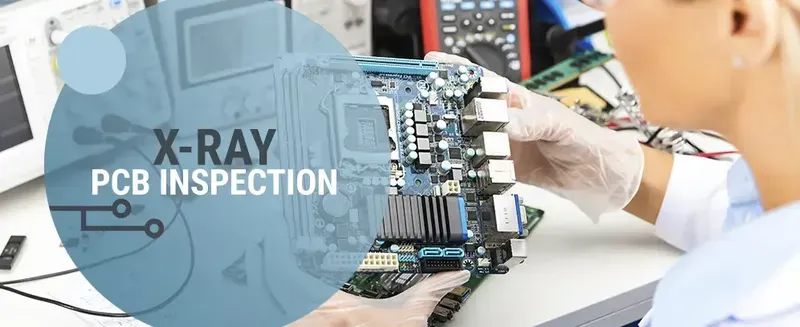
An X-ray machine inspecting a PCB board for defects
X-ray Inspection PCB

Ensuring the unwavering reliability of missile guidance control unit (GCU) PCBs is paramount, necessitating stringent quality assurance and testing protocols. At Zero One Solution Limited, we implement comprehensive measures throughout the manufacturing process to guarantee that every PCB meets the highest standards of performance and durability, vital for mission-critical applications. Our commitment to quality is reflected in our meticulous approach, adhering to and often exceeding industry standards to deliver unparalleled reliability.

  • Automated Optical Inspection (AOI):
    Utilizing high-resolution AOI systems, we meticulously inspect each PCB for component placement accuracy, solder joint quality, and any manufacturing defects. This automated process ensures that potential issues are identified early, preventing costly rework and ensuring optimal performance.
  • X-ray Inspection:
    For complex assemblies and hidden solder joints, X-ray inspection provides a non-destructive method to assess the integrity of solder connections, particularly in BGAs (Ball Grid Arrays) and other intricate components. This technique is crucial for verifying the quality of concealed solder joints and ensuring long-term reliability.
  • Functional Testing:
    We perform comprehensive functional testing to verify that the assembled PCB performs as designed under simulated operational conditions. This includes electrical testing, signal integrity analysis, and performance validation to ensure the PCB meets all functional requirements.
  • Environmental Stress Screening (ESS):
    ESS involves subjecting the PCBs to extreme temperatures and vibrations to identify any potential weaknesses or defects. This accelerated testing helps us uncover latent failures and ensure that the PCBs can withstand the harsh environments encountered in missile guidance systems.
  • Strict Traceability:
    We maintain meticulous traceability throughout the entire manufacturing process, from component sourcing to final assembly. This includes detailed records of all materials, processes, and inspections, allowing us to track and address any issues quickly and efficiently. Full traceability is essential for ensuring accountability and maintaining the highest quality standards.

By adhering to these rigorous quality control measures, Zero One Solution Limited ensures that our missile guidance PCBs consistently deliver superior performance and reliability, meeting the stringent demands of defense applications. Our dedication to quality assurance underscores our commitment to providing cutting-edge solutions for the most demanding requirements.

Global Supply Chain and Strategic Advantage for Missile Guidance PCB Projects

Zero One Solution Limited's strategic global presence, with headquarters in Shenzhen, China, and a branch in Dubai, UAE, is a key differentiator in providing missile guidance control unit (GCU) PCB solutions. This global footprint offers significant advantages in component sourcing, supply chain management, and project execution for defense-related projects, ensuring both efficiency and cost-effectiveness.

Our strategic advantages include:

  • Optimized Component Sourcing
    Leveraging our extensive network within the global electronics supply chain, we efficiently source high-quality, reliable components. Our Shenzhen headquarters grants us direct access to a vast array of component manufacturers and distributors, enabling us to procure parts that meet stringent military specifications. We have established strong relationships with key component suppliers, which ensures competitive pricing, timely delivery, and reduced risk of obsolescence. The Dubai branch further supports this by facilitating access to components and resources in the Middle East and North Africa regions.
  • Robust Supply Chain Management
    We implement a comprehensive supply chain management system designed to mitigate risks and ensure continuous project flow. This includes rigorous supplier qualification processes, detailed inventory management, and proactive risk assessment to address potential disruptions. Our experienced team monitors every stage of the supply chain, from component procurement to final delivery, ensuring that all milestones are met. Our strategic locations enable us to navigate geopolitical complexities and adapt quickly to changing market conditions.
  • Cost Efficiency
    Our global presence allows us to optimize costs through strategic sourcing and efficient logistics. By leveraging the competitive landscape of the global market, we can negotiate favorable pricing for components and services. Our streamlined processes and economies of scale further contribute to cost reductions. Our Dubai branch enhances our ability to serve clients in the MENA region, providing optimized solutions tailored to local market dynamics.
  • Enhanced Project Support
    Our strategic locations facilitate seamless communication and collaboration with clients worldwide. We provide local support in both Shenzhen and Dubai, ensuring that our clients have direct access to our engineering and project management teams. This localized support enables us to quickly address inquiries, resolve issues, and provide customized solutions. We are committed to providing exceptional service and support to ensure the success of every project.

By strategically positioning ourselves in key global locations, Zero One Solution Limited offers a distinct advantage in delivering superior PCB solutions for missile guidance systems, ensuring quality, reliability, and efficiency throughout the entire project lifecycle.

Frequently Asked Questions (FAQs) about Missile Guidance Control Unit PCBs

This section addresses common queries regarding the design, manufacturing, and testing of PCBs for missile guidance systems. It aims to provide clear, concise answers to ensure a comprehensive understanding of these critical components.

  • What specific materials are best suited for Missile Guidance Control Unit PCBs?
    High-reliability PCBs for missile guidance systems necessitate specialized materials. These include high-Tg (glass transition temperature) laminates like those from Rogers or Isola, which maintain structural integrity at elevated temperatures. Low-loss dielectrics minimize signal loss, crucial for high-frequency applications. Furthermore, the selection of materials must adhere to stringent military specifications like MIL-PRF-31032 for ensuring performance in harsh environments.
  • What reliability standards and certifications are crucial for these PCBs?
    Adherence to IPC Class 3 standards is non-negotiable, signifying the highest level of reliability and performance. Military specifications (MIL-SPECs) are also essential, covering areas like materials, manufacturing, and testing. Certifications such as AS9100 for aerospace quality management systems are highly valued, ensuring traceability and quality throughout the manufacturing process.
  • What are the typical lead times for prototyping Missile Guidance Control Unit PCBs?
    At Zero One Solution Limited, we understand the importance of rapid prototyping in defense projects. Our focus is on fast turnaround times, with advanced prototyping services able to deliver within days. This allows engineers to quickly validate designs and proceed with confidence, ensuring minimal delays in the development cycle.
  • What specific capabilities does Zero One Solution Limited offer for defense applications?
    Our capabilities encompass a full spectrum of PCB solutions, from design assistance and DFM to manufacturing and assembly. We specialize in complex PCB assembly including SMT, through-hole, and mixed-technology assembly, and offer extensive quality control measures. Our global supply chain and strategic location provide us with a competitive edge in component sourcing and cost-effective project management.
  • How does environmental stress screening (ESS) improve the reliability of these PCBs?
    ESS is a crucial step in enhancing the reliability of missile guidance PCBs. This process subjects the assembled boards to extreme temperature cycles and vibration, revealing potential defects before they can manifest in the field. By identifying and eliminating weaknesses, ESS significantly increases the operational lifespan and dependability of the final product.
  • What testing methods are employed to ensure the performance of Missile Guidance Control Unit PCBs?
    Our testing regimen includes Automated Optical Inspection (AOI) to detect manufacturing defects, X-ray inspection for hidden solder joints, and comprehensive functional testing to simulate real-world operating conditions. Environmental Stress Screening (ESS) is applied to identify potential weaknesses, and all activities are supported by meticulous traceability practices.

The demands placed on Missile Guidance Control Unit PCBs are immense, requiring a fusion of cutting-edge design, robust manufacturing, and stringent quality control. Zero One Solution Limited stands as a proven partner in this critical domain, offering comprehensive, high-reliability PCB solutions from rapid prototyping to full-scale assembly. Our commitment to excellence, coupled with our strategic global presence and rapid-response capabilities, ensures that your defense projects benefit from the highest standards of electronic integrity and performance. Partner with us to navigate the complexities of aerospace electronics and achieve unparalleled precision in your next mission. Contact Zero One Solution Limited today to discuss how our bespoke PCB solutions can elevate your missile guidance systems.


Anypcba