As a veteran engineer at Zero One Solution Limited, I've witnessed firsthand the accelerating pace of technological advancement in renewable energy. Wind power stands at the forefront of this revolution, yet its efficiency and longevity hinge critically on the integrity of its most dynamic components: the turbine blades. How can we ensure these colossal structures withstand the relentless forces of nature, operating optimally for decades? The answer lies in sophisticated monitoring. This article will delve into Zero One Solution Limited's cutting-edge PCB solutions designed specifically for wind turbine blade monitoring sensors, ensuring unparalleled reliability and accelerating the deployment of next-generation wind energy infrastructure. Zero One Solution Limited, founded in 2011 and headquartered in Shenzhen with a branch in Dubai, is a leader in rapid-response R&D prototype manufacturing, offering comprehensive one-stop services from PCB design to assembly within a global supply chain.

Continuous, real-time monitoring of wind turbine blades is not merely an operational luxury but a fundamental necessity for ensuring the efficiency, safety, and longevity of modern wind power generation systems. Traditional periodic visual inspections are inherently limited, failing to detect nascent micro-fractures or internal delaminations that can rapidly escalate into catastrophic failures, leading to extensive downtime and significant financial losses. The proactive detection of such early-stage damage, facilitated by advanced sensor technology, is paramount in mitigating these risks and optimizing the performance of critical wind energy infrastructure. This underscores the indispensable role of robust and reliable PCB solutions in enabling the deployment of these sophisticated monitoring systems.
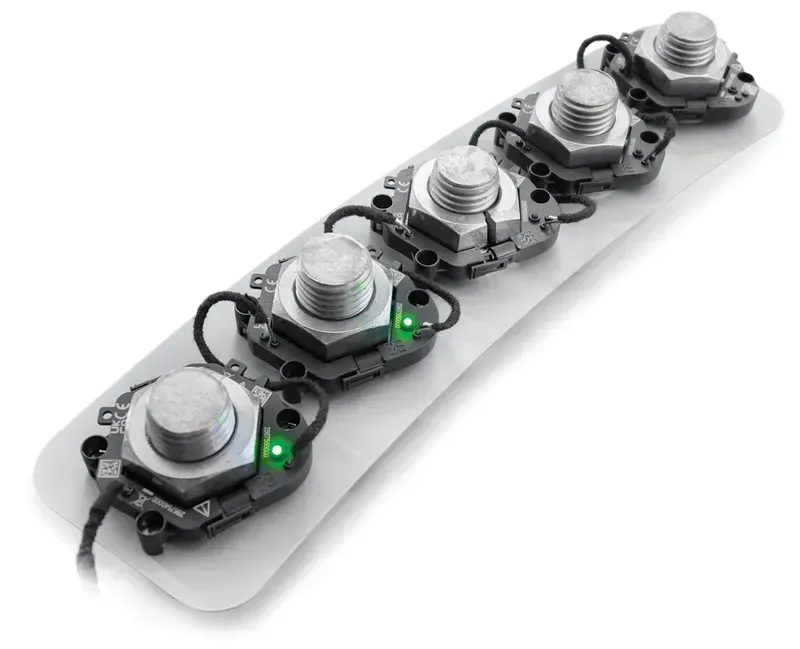
Designing printed circuit boards (PCBs) for wind turbine blade monitoring sensors presents a unique gauntlet of challenges. Unlike typical electronics, these PCBs operate in an unforgiving environment, constantly exposed to dynamic forces, extreme weather conditions, and disruptive electrical phenomena. Overcoming these hurdles is paramount to ensure the accuracy, reliability, and longevity of the sensor systems crucial for the operational integrity of wind turbines. The stringent demands necessitate specialized design considerations and advanced material selections, moving far beyond conventional PCB manufacturing to address the core requirements for robust wind turbine blade monitoring sensor PCB solutions.
| Challenge | Impact on PCB | Design/Material Solution |
|---|---|---|
| Extreme Temperatures | Thermal cycling causes material expansion/contraction, leading to stress fractures and delamination. | High-Tg laminates, enhanced thermal management design (e.g., thermal vias, heat sinks). |
| Vibration and Mechanical Stress | Fatigue of solder joints, component displacement, and board cracking. | Robust mechanical design, optimized component placement, flexible substrates, secure mounting mechanisms, vibration-resistant solders (e.g., SAC alloys). |
| Moisture and Humidity | Corrosion of traces and components, short circuits, and reduced dielectric strength. | Conformal coatings (e.g., acrylic, silicone, epoxy), sealed enclosures, hydrophobic materials, moisture-resistant solder masks, proper component spacing for airflow and drying. |
Meeting these challenges requires a deep understanding of both electronic engineering and environmental resilience. For a PCB solution to be truly effective in wind turbine blade monitoring, it must not only function accurately but also withstand years of relentless exposure, ensuring the continuous, reliable operation of these vital renewable energy assets.

Zero One Solution Limited stands at the forefront of rapid prototyping and custom PCB manufacturing, offering unparalleled expertise crucial for the specialized demands of wind turbine blade monitoring sensor solutions. Our proficiency lies in our agile ability to quickly iterate and produce high-quality, robust PCBs, directly addressing the stringent performance and environmental requirements of these critical components. This responsiveness in R&D and our comprehensive one-stop service, from initial design to final assembly, empower our clients to accelerate innovation and efficiently bring advanced wind energy monitoring systems to market.
| Service Aspect | Zero One Solution Limited Advantage | Impact on Wind Turbine Sensor PCBs |
|---|---|---|
| Rapid Prototyping | Accelerated design-to-production cycle (typically 5-7 days for complex PCBs) | Quick validation of sensor PCB designs, reducing development risks and project timelines |
| Custom PCB Manufacturing | Tailored solutions for unique sensor specifications (e.g., specific form factors, high-frequency requirements) | Optimized performance and seamless integration of monitoring sensors into diverse blade designs |
| One-Stop Service (Design to Assembly) | Streamlined workflow and reduced vendor management | Ensures design integrity from concept to a fully functional sensor module, enhancing reliability |
| Responsive R&D Support | Dedicated engineering teams providing real-time technical consultation | Facilitates rapid problem-solving and innovation for complex sensor integration challenges |
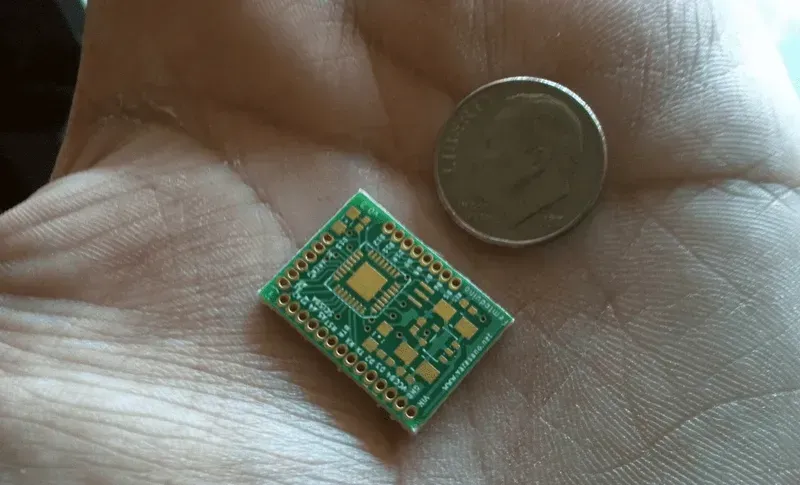
Zero One Solution Limited's Wind Turbine Blade Monitoring Sensor PCB Solutions are engineered with a meticulous focus on the unique demands of this critical application, directly supporting the development of advanced monitoring technologies. Our PCBs are designed to deliver unparalleled performance, reliability, and integration capabilities, ensuring precise data acquisition and sustained operation even in the most demanding environmental conditions. We prioritize attributes like miniaturization, signal integrity, power efficiency, and robust material selection to empower the next generation of embedded sensing and wireless data transmission systems for wind energy.
| Feature | Benefit for Wind Turbine Blade Monitoring | Zero One Solution Limited's Approach |
|---|---|---|
| Miniaturization & Compact Design | Enables seamless integration within narrow blade structures without affecting aerodynamics or structural integrity; facilitates multi-sensor arrays for comprehensive coverage. | Advanced HDI (High-Density Interconnect) technology, fine-pitch component placement, and compact PCB layouts optimize space utilization and reduce overall sensor footprint. |
| Exceptional Signal Integrity | Ensures accurate and reliable data acquisition from various sensors (e.g., strain, vibration, temperature), crucial for early fault detection and predictive maintenance. | Utilizes controlled impedance routing, specialized ground planes, and advanced EMI shielding techniques to minimize noise interference and maintain signal fidelity in electrically noisy environments. |
| Ultra-Low Power Consumption | Extends battery life for remote, wirelessly transmitted data, reducing maintenance cycles and operational costs in inaccessible blade locations. | Implements power-efficient circuit designs, optimized component selection, and intelligent power management strategies, ideal for energy harvesting or long-duration autonomous operation. |
| Robust Material & Construction | Withstands extreme temperatures, high vibrations, moisture, UV exposure, and corrosive elements inherent in wind turbine environments, ensuring long-term operational reliability. | Employs high-Tg (Glass Transition Temperature) laminates, enhanced copper weights, advanced surface finishes (e.g., ENIG), and optional conformal coatings to provide superior environmental resilience and durability. |
| High Reliability & Durability | Minimizes sensor failure rates, reducing costly downtime and ensuring continuous monitoring for optimal turbine performance and safety. | Rigorous quality control processes, IPC Class 2/3 standards adherence, and extensive testing (e.g., thermal cycling, vibration testing) ensure PCBs meet the stringent demands of wind energy applications. |
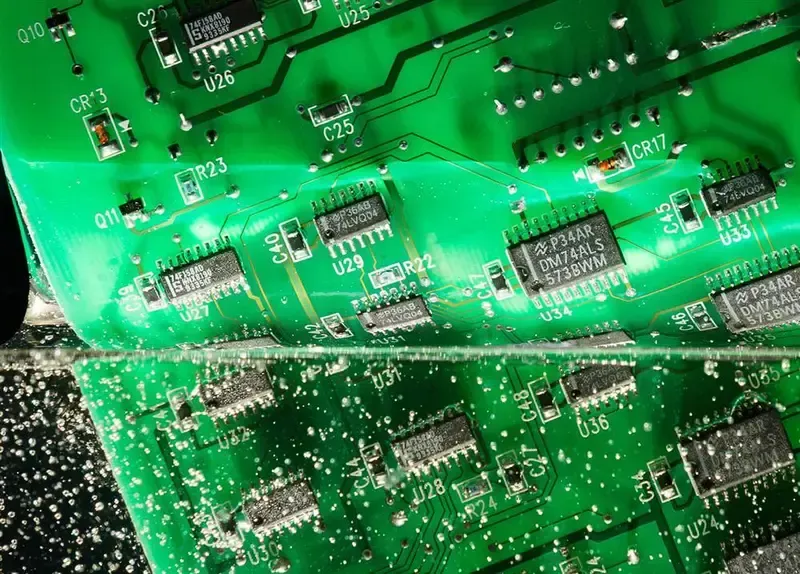
Ensuring the extreme reliability and longevity of Printed Circuit Boards (PCBs) in the demanding environment of wind turbine blade monitoring sensors is paramount. This necessitates the meticulous selection of advanced materials and the implementation of robust manufacturing processes. At Zero One Solution Limited, we leverage cutting-edge techniques and high-performance components to engineer PCBs that withstand the harshest conditions, critical for the sustained, uninterrupted operation of wind energy infrastructure.
| Material Type | Key Benefit for Wind Turbine PCBs | Specific Examples |
|---|---|---|
| High-Tg Laminates | Enhanced thermal stability under extreme temperature fluctuations. | FR-4 (Tg > 170°C), Polyimide (for flex/rigid-flex) |
| Low-Loss Dielectrics | Minimizes signal attenuation for accurate data transmission. | Rogers, Arlon substrates |
| Conformal Coatings | Protection against moisture, dust, chemicals, and vibration. | Acrylic, Epoxy, Silicone, Urethane coatings |
| Heavy Copper Traces | Improved current carrying capacity and heat dissipation. | 2oz, 3oz, or higher copper thickness |
| Lead-Free Solders | Environmental compliance and robust mechanical joints. | SAC alloys (e.g., SAC305) |
Beyond material selection, the manufacturing processes employed are equally vital for the reliability and longevity of wind turbine blade monitoring sensor PCBs. Precision in every step, from design to assembly, is key to preventing failures and ensuring consistent performance.

Zero One Solution Limited offers a comprehensive, integrated service model that spans the entire PCB solution lifecycle for wind turbine blade monitoring sensor systems, from initial concept design through to manufacturing and final assembly. This holistic approach is engineered to significantly streamline the development pipeline, reduce time-to-market, and ensure flawless project execution for our global clientele, leveraging our strategic presence in Shenzhen and Dubai within the vast PCBA supply chain network. By providing a single point of accountability, we eliminate common bottlenecks and complexities often associated with multi-vendor engagements, delivering unparalleled efficiency and peace of mind.
| Service Aspect | Zero One Solution Limited Approach | Client Benefit |
|---|---|---|
| Design | Collaborative, specialized for harsh environments, DFM optimization | Reduced design iterations, optimized performance, faster time-to-market |
| Prototyping | Rapid turnaround, iterative development support | Accelerated R&D, early validation, minimized design risks |
| Manufacturing | High-reliability materials, advanced processes, stringent QC | Exceptional durability, consistent quality, long operational life |
| Assembly | Precision SMT/THT, comprehensive testing (AOI, X-ray), IPC compliance | Flawless functionality, reduced field failures, lower total cost of ownership |
| Global Support | Strategic locations (Shenzhen, Dubai), robust supply chain | Seamless project execution, worldwide resource access, localized support |
In summary, Zero One Solution Limited's expertise in rapid prototyping and high-quality PCB manufacturing is pivotal for advancing wind turbine blade monitoring sensor technology. Our solutions provide the robust, precise, and reliable foundation necessary for the next generation of wind energy infrastructure, ensuring both operational efficiency and environmental sustainability. As a veteran SEO engineer and marketing expert, I urge you to recognize that investing in superior PCB solutions from Zero One Solution Limited isn't just about components; it's about investing in the future of renewable energy. Reach out to us today to discuss how our bespoke PCB solutions can empower your wind energy projects and accelerate your journey towards a more sustainable future. Visit our website or contact our sales team to experience the Zero One Solution difference.

