As a veteran engineer at Zero One Solution Limited, I've witnessed firsthand the critical role that advanced electronics play in the evolution of renewable energy. The wind energy sector, a cornerstone of our sustainable future, relies heavily on sophisticated control systems. At the heart of these systems are Printed Circuit Boards (PCBs) – the silent workhorses dictating performance, reliability, and efficiency. This article delves into Zero One Solution Limited's specialized Wind Turbine Control PCB Solution, designed to meet the rigorous demands of this dynamic industry and empower clients to accelerate their product development with unparalleled efficiency.
The Crucial Role of PCBs in Wind Turbine Control Systems
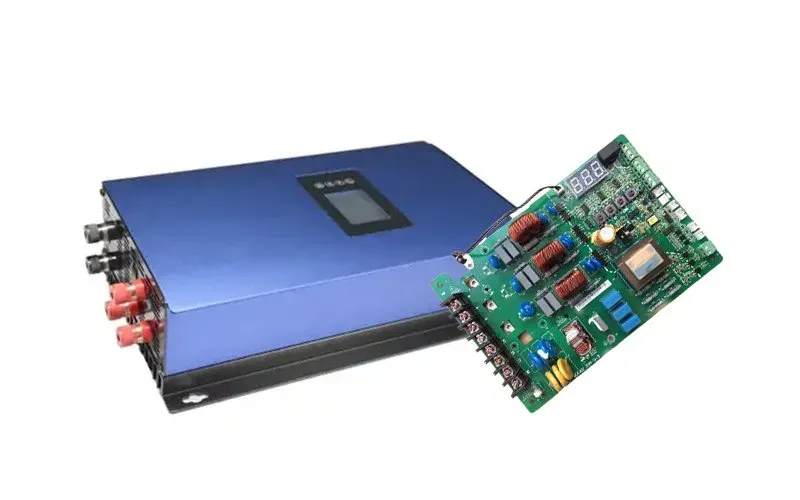
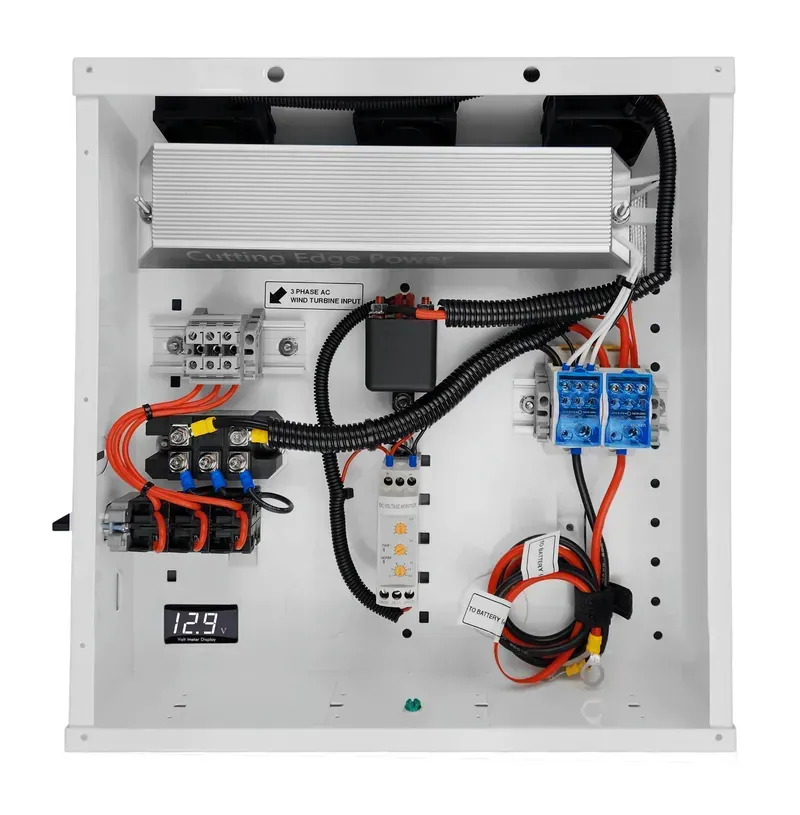
Wind Turbine Internal PCB
Printed Circuit Boards (PCBs) are the unseen backbone of modern wind turbine control systems, indispensable for ensuring their precise, reliable, and efficient operation. From optimizing energy capture through intricate pitch and yaw control to converting generated power for grid integration, high-performance PCBs orchestrate every critical function. Their ability to withstand extreme environmental conditions and manage complex data flows is paramount to the economic viability and operational longevity of wind energy infrastructure.
Pitch Control Systems PCBs in pitch control modules accurately adjust blade angles to maximize aerodynamic efficiency and prevent over-speeding. This precise control is vital for optimizing power output across varying wind speeds and protecting the turbine from structural damage during high winds, demanding high-reliability and low-latency PCB designs.
Yaw Control Mechanisms For optimal energy capture, wind turbines must constantly orient themselves perpendicular to the wind direction. PCBs govern the yaw system, enabling the nacelle to rotate smoothly and accurately. These PCBs require robust designs to handle continuous movement, motor control, and data acquisition from wind sensors.
Power Conversion and Grid Integration Modern wind turbines generate variable AC power, which must be converted to stable, grid-compliant electricity. PCBs are central to the power converters and inverters, managing complex switching algorithms and high-power electronics. The integrity and thermal management capabilities of these PCBs directly impact conversion efficiency and grid stability.
Monitoring and Diagnostic Systems Sophisticated PCBs underpin the SCADA (Supervisory Control and Data Acquisition) systems, continuously monitoring hundreds of parameters such as vibration, temperature, and current. These PCBs facilitate real-time data analysis, predictive maintenance, and remote diagnostics, significantly reducing downtime and operational costs by enabling proactive intervention.
Safety and Protection Circuits Given the immense scale and power of wind turbines, safety is paramount. PCBs incorporate critical safety interlocks, emergency shutdown protocols, and fault detection circuits. These robust control boards ensure the rapid and reliable activation of safety measures, protecting both personnel and multi-million dollar assets from potential failures.
Challenges in Wind Turbine Control PCB Design and Manufacturing
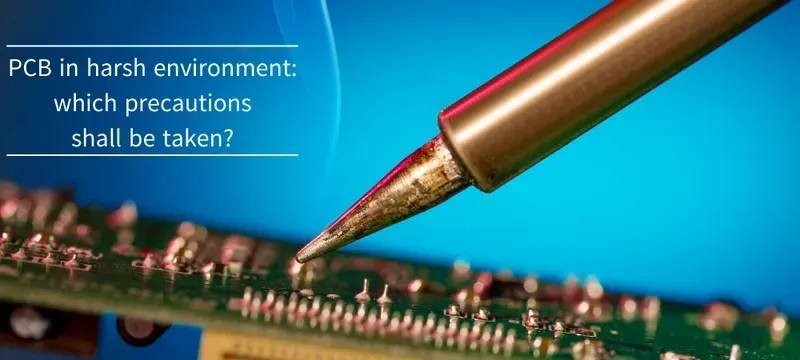
PCB in Harsh Environment
Designing and manufacturing Printed Circuit Boards (PCBs) for wind turbine control systems presents a unique array of challenges, primarily driven by the extreme environmental and operational conditions these critical components must endure. Unlike standard industrial electronics, wind turbine PCBs are subjected to constant vibration, wide temperature fluctuations, high humidity, and significant electromagnetic interference (EMI), all of which can severely impact their performance and longevity. Overcoming these hurdles is paramount to ensuring the reliable and efficient operation of wind turbines, directly influencing energy output and maintenance costs. Addressing these challenges necessitates a deep understanding of material science, advanced thermal management, and robust design principles to guarantee the unwavering functionality of control systems.
Vibration and Mechanical Stress Wind turbines are dynamic structures, constantly exposed to mechanical vibrations from rotating blades, gearboxes, and the tower itself. These vibrations can cause solder joint fatigue, component detachment, and micro-cracking in PCB traces over time. Our solution utilizes robust PCB substrate materials with high flexural strength, reinforced mounting points, and advanced soldering techniques (e.g., selective soldering with appropriate solder alloys) to mitigate the effects of continuous mechanical stress, ensuring structural integrity and electrical continuity. This approach goes beyond standard industrial requirements, focusing on the specific vibrational frequencies and amplitudes encountered in wind turbine environments, often informed by detailed finite element analysis (FEA).
Extreme Temperature Fluctuations Wind turbines operate across diverse climates, from arctic cold to desert heat, leading to significant temperature variations within the control cabinets. Such rapid or extreme temperature cycles can induce thermal expansion mismatches between the PCB substrate, copper traces, and components, leading to delamination, warpage, and solder joint failures. We address this by selecting low Coefficient of Thermal Expansion (CTE) materials like specific grades of FR-4 or polyimide, implementing effective thermal management solutions such as heat sinks, thermal vias, and careful component placement, and employing stress-relieving design patterns to accommodate thermal expansion, validated through rigorous thermal cycling tests as per IEC 61400 standards for wind turbine applications. This ensures stable performance across a wide operational temperature range.
Challenge Category
Specific Impact on PCB
Zero One Solution's Approach
Electromagnetic Interference (EMI)
Signal corruption, data loss, control system malfunctions
Multi-layer stack-up optimization, strategic grounding and shielding, common-mode chokes, differential signal routing, and use of EMI-resistant components. Validation through EMC testing per IEC 61000 series standards to ensure robust operation in electrically noisy environments.
Humidity and Corrosion Operating in coastal areas or regions with high humidity can expose PCBs to moisture, leading to short circuits, material degradation, and corrosion of traces and components. Our manufacturing process incorporates conformal coating applications (e.g., acrylic, silicone, polyurethane) to create a protective barrier against moisture and contaminants. Additionally, we utilize gold-plated contacts and corrosion-resistant finishes to enhance long-term reliability in humid and saline environments, adhering to IPC-CC-830 standards for conformal coating qualification to ensure maximum protection and longevity for critical control systems.
Zero One Solution Limited: Your Partner in Wind Energy Electronics
Zero One Solution Limited stands as a beacon of excellence in the PCB assembly solutions industry, with over a decade of specialized experience since our inception in 2011. Our deep-rooted expertise, particularly in rapid prototyping and comprehensive one-stop services, positions us as the ideal partner for the complex and demanding requirements of wind energy electronics. We empower our clients to accelerate innovation and achieve unparalleled efficiency in product development within the critical sector of wind turbine control PCB solutions.
Headquartered in Shenzhen, China's dynamic electronic manufacturing hub, and complemented by a strategic branch office in Dubai, Zero One Solution Limited operates at the nexus of a robust global PCBA supply chain network. This dual presence ensures not only seamless access to a vast array of resources but also provides localized support, facilitating agile responses to diverse client needs worldwide. Our commitment to precision engineering and expedited time-to-market is foundational to our mission, enabling wind energy developers to bring cutting-edge solutions to fruition with speed and confidence.
Proven Expertise in Industrial PCBs With over 10 years of experience, Zero One Solution Limited has a demonstrated track record in designing and manufacturing high-reliability PCBs for demanding industrial applications, including the critical energy sector. Our longevity in the market reflects our consistent quality and technical prowess.
Service Aspect
Zero One Solution Advantage
Impact on Wind Energy Projects
Rapid Prototyping
Accelerated R&D and Iteration Cycles
Significantly reduces time-to-market for new turbine control innovations, enabling faster deployment and competitive edge
One-Stop Services
Seamless Integration from Design to Assembly
Streamlines the entire PCB development process, ensuring quality control, reducing complexities, and optimizing cost efficiencies
Global Supply Chain Access
Strategic Locations in Shenzhen & Dubai
Ensures consistent material sourcing, efficient logistics, and robust support for international clients, mitigating supply chain risks
Quality Assurance
Rigorous Testing & Validation
Guarantees the long-term reliability and performance of PCBs in harsh wind turbine operating environments, minimizing downtime
Key Features of Our Wind Turbine Control PCB Solution
Wind Turbine Control PCB Features
Zero One Solution Limited's Wind Turbine Control PCB Solution is engineered with a meticulous focus on the unique demands of the wind energy sector, delivering unparalleled reliability and performance. Our PCBs are not merely components; they are the robust and intelligent backbone enabling precise control and efficient power conversion in the most challenging operational environments. We integrate cutting-edge technologies and materials to ensure that every PCB contributes to the longevity and optimal output of wind turbine systems, setting a new standard for resilience and functionality in renewable energy electronics.
Robust Material Selection for Extreme Durability Our Wind Turbine Control PCBs utilize advanced laminates and substrates specifically chosen for their exceptional thermal stability, moisture resistance, and mechanical strength. Materials such as high-Tg (glass transition temperature) FR-4, polyimide, and specialized ceramic-filled hydrocarbons are employed to withstand wide temperature fluctuations, high humidity, and constant vibrations inherent in wind turbine operation, ensuring signal integrity and structural integrity over decades of service.
Advanced Thermal Management for Sustained Performance Effective heat dissipation is critical for electronic components operating in high-power environments. Our PCB designs incorporate sophisticated thermal management techniques, including heavy copper layers, thermal vias, integrated heat sinks, and specialized dielectric materials. These features ensure efficient heat transfer away from sensitive components, preventing thermal degradation and maintaining optimal operating temperatures, which is crucial for the long-term reliability of power electronics within the turbine control system.
High-Density Interconnect (HDI) Capabilities for Compact Efficiency As wind turbine control systems become more sophisticated and compact, HDI technology is indispensable. Our PCBs leverage HDI, including microvias, buried vias, and fine-line technology, to achieve higher component density and improved signal routing within a smaller footprint. This not only optimizes space but also reduces signal path lengths, minimizing electromagnetic interference (EMI) and enhancing overall system performance and responsiveness in critical control applications.
Enhanced EMI/EMC Performance for Reliable Communication Wind turbines generate significant electromagnetic interference, which can disrupt sensitive control electronics. Our Wind Turbine Control PCBs are designed with robust electromagnetic compatibility (EMC) in mind, incorporating features like controlled impedance traces, ground planes, shielding, and careful component placement. This minimizes EMI, ensuring stable and reliable communication between critical control modules, sensors, and actuators, thereby preventing operational disruptions and maximizing turbine uptime.
Conformal Coating and Environmental Sealing for Harsh Conditions To protect against moisture, salt spray, corrosive gases, and other environmental contaminants prevalent in wind farm locations, our PCBs undergo specialized post-fabrication processes. This includes applying advanced conformal coatings (e.g., acrylic, silicone, polyurethane) and implementing strategic environmental sealing techniques. These protective layers encapsulate the sensitive circuitry, significantly extending the lifespan and reliability of the PCBs even in the most aggressive atmospheric conditions.
Rapid Prototyping and Accelerated Product Development for Wind Turbines
Rapid Prototyping PCB
In the fast-evolving wind energy sector, the ability to rapidly prototype and iterate on control system designs is paramount for achieving a competitive edge and bringing innovative solutions to market efficiently. Zero One Solution Limited specializes in accelerating this critical phase, offering a rapid-response R&D prototype manufacturing process that transforms conceptual designs into functional PCBs with unprecedented speed, directly contributing to shorter development cycles and faster deployment of next-generation wind turbine control innovations.
Phase
Traditional Prototyping
Zero One Solution Rapid Prototyping
Design Review & Optimization
Weeks
Days (Concurrent Engineering)
Material Sourcing
1-2 Months (Standard Lead Times)
Days (Global Supply Chain Network)
Fabrication & Assembly
3-6 Weeks
7-10 Days (Express Service)
Testing & Iteration
Extensive Rework Cycles
Optimized Feedback Loop, Fewer Iterations
Time-to-Market Impact
Slowed Development
Accelerated Product Launch
Optimized Design Feedback Loop Our rapid prototyping process integrates a continuous feedback loop, allowing for immediate design adjustments and performance validation. This iterative approach minimizes errors early in the development cycle, reducing the need for costly rework and significantly compressing the overall timeline from initial concept to a validated prototype for wind turbine control systems. This is crucial for complex systems where real-world testing is indispensable.
Advanced Manufacturing Capabilities Leveraging state-of-the-art equipment and advanced manufacturing techniques, we can quickly produce high-quality, complex PCBs tailored for wind turbine environments. Our capabilities include handling diverse material requirements, fine-pitch components, and multi-layer stack-ups, ensuring that prototypes are not just fast, but also accurately represent the final production quality and performance.
Streamlined Supply Chain Management With strategic locations in Shenzhen and Dubai, Zero One Solution Limited boasts a robust and agile global supply chain. This enables us to rapidly source specialized components required for wind turbine control PCBs, circumventing typical lead time challenges and ensuring that prototype manufacturing proceeds without delays, even for highly customized specifications.
Expert Collaboration and Technical Support Our team of veteran engineers works closely with your R&D department, providing expert guidance and technical support throughout the prototyping phase. This collaborative approach ensures that design challenges are addressed proactively, and prototypes meet all functional and environmental specifications required for the demanding applications within wind energy infrastructure.
Comprehensive One-Stop Services: From Design to Assembly
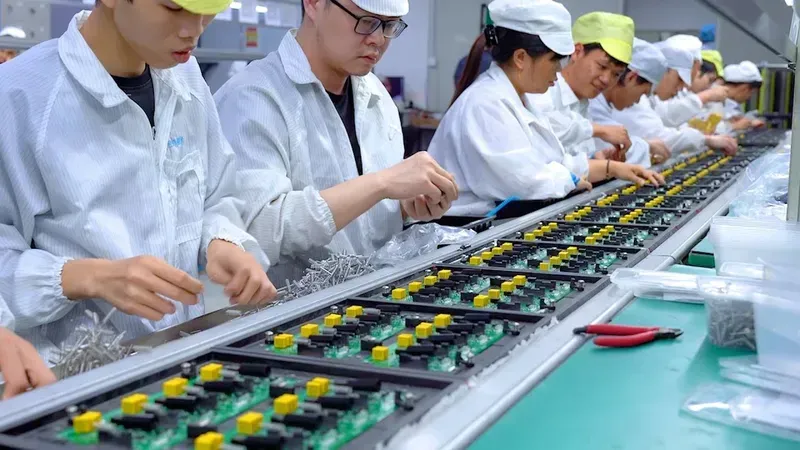
PCB Assembly Production Line
Achieving peak performance and reliability in wind turbine control systems demands a holistic approach, where seamless integration from initial concept to final assembly is paramount. Zero One Solution Limited offers a comprehensive one-stop service for Wind Turbine Control PCBs, streamlining the entire product development lifecycle. This integrated model not only accelerates time-to-market but also guarantees consistent quality and compatibility across all stages, eliminating the complexities and potential pitfalls of managing multiple vendors.
PCB Design & Optimization for Wind Applications Our expert engineers collaborate closely with your R&D teams to translate complex functional requirements into robust PCB designs. We optimize layouts for signal integrity, power distribution, thermal management, and EMI/EMC compliance, specifically addressing the demanding environmental conditions within wind turbines. This includes material selection for vibration resistance and temperature extremes, ensuring the design inherently supports long-term reliability and performance.
Precision PCB Fabrication Leveraging state-of-the-art manufacturing facilities, we fabricate PCBs with exceptional precision and adherence to stringent quality standards. Our capabilities span various board types, including multi-layer, HDI, and flexible PCBs, crucial for the compact and high-performance demands of wind turbine control units. We employ advanced fabrication techniques to ensure tight tolerances and consistent material properties critical for reliable operation.
Global Component Sourcing & Management With a strategic presence in Shenzhen and Dubai, we tap into a vast global supply chain network for high-quality, reliable electronic components. Our robust component sourcing process minimizes lead times, mitigates supply chain risks, and ensures the use of authentic, high-grade parts. We manage the entire bill of materials (BOM), providing cost-effective solutions without compromising on component quality or availability.
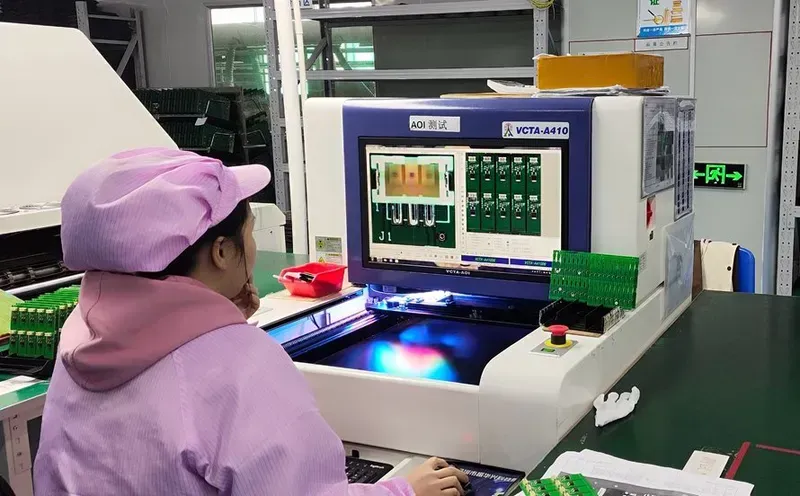
Advanced PCBA (PCB Assembly) Services Our assembly lines are equipped for high-precision SMT (Surface Mount Technology) and THT (Through-Hole Technology) assembly, handling both high-volume production and low-volume, high-mix prototypes. We implement rigorous process controls, including automated optical inspection (AOI) and X-ray inspection, to ensure flawless component placement and soldering integrity, vital for the uninterrupted operation of wind turbine electronics.
Comprehensive Testing & Quality Control Quality assurance is embedded throughout our entire process. Beyond in-process inspections, we conduct comprehensive functional testing, environmental stress screening (ESS), and burn-in testing to simulate real-world operating conditions. This proactive approach identifies and rectifies potential issues before deployment, guaranteeing the long-term reliability and performance of your Wind Turbine Control PCBs even in the harshest environments. Our testing protocols align with industry standards such as IEC 61400 series for wind turbine design requirements.
Quality Assurance and Reliability in Harsh Environments
PCB Quality Assurance Testing
Ensuring the long-term reliability and uncompromised performance of Wind Turbine Control PCBs in harsh environments is paramount. At Zero One Solution Limited, our commitment to quality assurance is embedded in every stage of our process, from material selection to final assembly and rigorous testing. We understand that failure in these critical components can lead to significant downtime and costly repairs, which is why our protocols are designed to exceed industry standards for durability and operational integrity.
Why is reliability crucial for Wind Turbine Control PCBs? Reliability is crucial because wind turbines operate in extremely challenging conditions, including high winds, extreme temperatures, humidity, and vibrations. Any failure in the control PCB can lead to complete turbine shutdown, significant energy production losses, and substantial maintenance costs. High reliability ensures continuous operation, maximizes energy output, and minimizes operational expenditure over the turbine's lifespan, contributing directly to the economic viability of wind energy projects. It's not just about functionality; it's about sustained performance under stress and maximizing return on investment for operators and investors.
What specific environmental factors do Wind Turbine Control PCBs face? Wind Turbine Control PCBs encounter a formidable array of environmental stressors. These include rapid and wide temperature fluctuations (from sub-zero to high heat), high humidity levels, corrosive atmospheres (salt spray in offshore environments), constant mechanical vibrations from turbine rotation, and potential electromagnetic interference (EMI) from power electronics. These factors necessitate specialized design, material selection, and manufacturing processes to ensure the PCB's integrity and performance over decades of operation. Our designs account for thermal cycling, shock resistance, and corrosion protection to maintain signal integrity and power delivery.
How does Zero One Solution ensure the quality of its PCBs? Zero One Solution implements a multi-faceted quality assurance program. This includes rigorous material qualification, advanced manufacturing process controls, in-process inspections (AOI, X-ray), and comprehensive end-of-line functional testing. We adhere to IPC standards for PCB manufacturing and assembly, utilize DFM/DFA principles to enhance manufacturability and reliability, and conduct environmental stress screening (ESS) such as thermal cycling, vibration testing, and humidity testing to simulate real-world conditions. Our ISO-certified facilities and traceability systems ensure consistent quality and accountability from raw material to finished product.
Quality Control Measure
Description
Benefit for Wind Turbine PCBs
Material Qualification
Rigorous selection and testing of substrates, copper foils, and solders for durability and performance in extreme conditions.
Ensures fundamental robustness against temperature, moisture, and mechanical stress, extending PCB lifespan in harsh environments and preventing premature failures from material degradation or delamination under thermal cycling or vibration.
Quality Control Measure
Description
Benefit for Wind Turbine PCBs
Automated Optical Inspection (AOI)
High-speed, high-precision visual inspection of all PCB layers and solder joints for defects like shorts, opens, and missing components.
Identifies manufacturing defects early in the production cycle, ensuring flawless circuit connectivity and preventing field failures due to manufacturing imperfections. Crucial for complex, multi-layered boards found in wind turbine control systems.
Quality Control Measure
Description
Benefit for Wind Turbine PCBs
Environmental Stress Screening (ESS)
subjecting PCBs to accelerated thermal cycling, humidity, and vibration tests to expose potential latent defects.
Proactively identifies components or assembly weaknesses that might otherwise fail in the field, enhancing overall product reliability and reducing warranty claims and costly turbine downtime. This ensures boards are 'battle-hardened' before deployment.
Quality Control Measure
Description
Benefit for Wind Turbine PCBs
Functional Testing & Calibration
Comprehensive testing of the assembled PCB's electrical performance against design specifications, often including calibration for specific control parameters.
Guarantees that the PCB performs precisely as intended under operational loads, ensuring accurate control of turbine components (e.g., pitch, yaw, generator) and optimal energy conversion efficiency. This directly impacts the turbine's performance and output.
Global Reach, Local Support: Zero One Solution's Strategic Advantage
Zero One Solution Limited's strategic global footprint, anchored by our headquarters in Shenzhen, China, and a key branch office in Dubai, UAE, provides an unparalleled advantage in delivering robust Wind Turbine Control PCB Solutions. This dual presence ensures not only proximity to the world's most dynamic electronic manufacturing ecosystem but also direct access to burgeoning renewable energy markets, facilitating agile supply chain management and responsive client support across continents. Our operational model is designed to optimize logistical efficiencies and provide localized expertise, critical for the time-sensitive and highly specialized demands of the wind energy sector.
Shenzhen Headquarters: The Core of Innovation and Manufacturing Excellence Our headquarters in Shenzhen, China, places us at the epicenter of global electronics manufacturing. This strategic location offers direct access to a vast network of high-quality component suppliers, cutting-edge fabrication facilities, and a highly skilled workforce. It enables us to leverage economies of scale, reduce lead times for prototyping and mass production, and maintain rigorous quality control throughout the PCB manufacturing process for wind turbine applications. This ensures that our Wind Turbine Control PCBs benefit from the latest technological advancements and efficient production methodologies.
Dubai Branch Office: Bridging East and West, Enhancing Global Supply Chain Agility The establishment of our branch office in Dubai serves as a pivotal hub for our global operations. Dubai's strategic geographical position acts as a gateway between Asia, Europe, and Africa, significantly enhancing our logistical capabilities and facilitating rapid distribution. This office not only streamlines international client engagement and technical support but also reinforces our supply chain resilience, allowing for diversified sourcing and faster delivery of critical components and finished Wind Turbine Control PCBs, adapting swiftly to global market demands and localized requirements.
This unique dual-location strategy ensures that Zero One Solution Limited is not merely a supplier but a globally connected partner, offering the flexibility, speed, and localized support necessary for the successful deployment and maintenance of advanced wind energy systems worldwide. Our commitment extends beyond manufacturing, encompassing comprehensive support that spans time zones and transcends geographical boundaries.
Frequently Asked Questions about Wind Turbine Control PCBs
Understanding the intricacies of Printed Circuit Boards (PCBs) in wind turbine control systems is crucial for ensuring optimal performance, longevity, and efficiency. This section addresses common inquiries to provide clarity on the design, manufacturing, and application of PCBs specifically tailored for the demanding environment of wind energy systems, offering insights into their critical role and the solutions we provide.
Why are specialized PCBs essential for wind turbine control systems? Standard PCBs cannot withstand the extreme conditions (vibration, temperature fluctuations, humidity, EMI) prevalent in wind turbine operation. Specialized Wind Turbine Control PCBs are designed with robust materials, advanced thermal management, and enhanced electromagnetic compatibility (EMC) features to ensure uninterrupted performance, extended lifespan, and precise control of critical functions like pitch, yaw, and power conversion, directly impacting energy output and system reliability. Without these specialized PCBs, frequent failures and costly downtime would occur, severely impacting the turbine's economic viability and operational efficiency. The integration of high-reliability components and redundant pathways further fortifies these boards against single points of failure, which is paramount in remote and critical infrastructure applications.
What are the key material considerations for Wind Turbine Control PCBs? Material selection for Wind Turbine Control PCBs is critical. We prioritize substrates with high thermal conductivity (e.g., FR-4 variants with enhanced Tg values, polyamide, or even ceramic-based materials for specific modules), excellent mechanical stability, and low coefficient of thermal expansion (CTE) to resist warping under temperature changes. Copper foil thickness is often increased for higher current carrying capacity and improved thermal dissipation. Conformal coatings and specialized solder masks are applied to protect against moisture, salt spray, and corrosive elements, ensuring the integrity of the circuitry over decades of operation. These selections are based on rigorous testing and adherence to industry standards like IPC Class 2/3 and relevant IEC specifications for renewable energy applications, guaranteeing performance under stress.
How does Zero One Solution ensure the reliability of PCBs in harsh wind turbine environments? Our commitment to reliability in harsh environments is multifaceted. We implement stringent DFM (Design for Manufacturability) and DFT (Design for Testability) principles from the outset. This includes comprehensive thermal analysis, vibration testing, humidity and salt spray exposure tests, and HALT/HASS (Highly Accelerated Life Test/Stress Screen) protocols. We utilize automated optical inspection (AOI) and X-ray inspection for internal layer alignment and solder joint integrity. Furthermore, our quality management system adheres to ISO 9001 and specific industry certifications relevant to industrial electronics, ensuring every PCB fabricated meets or exceeds the demanding specifications for wind energy applications. Traceability of all components and materials provides an additional layer of quality assurance, ensuring accountability throughout the supply chain and product lifecycle.
In conclusion, Zero One Solution Limited's Wind Turbine Control PCB Solution stands as a testament to our commitment to innovation, quality, and sustainability within the renewable energy sector. Our rapid prototyping capabilities, coupled with comprehensive one-stop services from design to assembly, ensure that your wind energy projects are equipped with the most reliable and efficient control systems. By partnering with us, you gain a strategic advantage in accelerating product development and bringing cutting-edge solutions to market faster. We invite you to explore how our expertise can power your next wind energy breakthrough. Visit our website or contact us today to discuss your specific requirements and join us in building a greener future.