Your Guide to Choosing the Right PCB Service: From Prototype to Production
2025.02.11
In today's technologically advanced world, Printed Circuit Boards (PCBs) are the backbone of almost all electronic devices. Finding the right PCB service is crucial for successful project execution. This article delves into the world of PCB services, covering everything from prototype creation to full production, and provides insights to assist you in making informed decisions for your needs.
Understanding the Basics of PCB Services
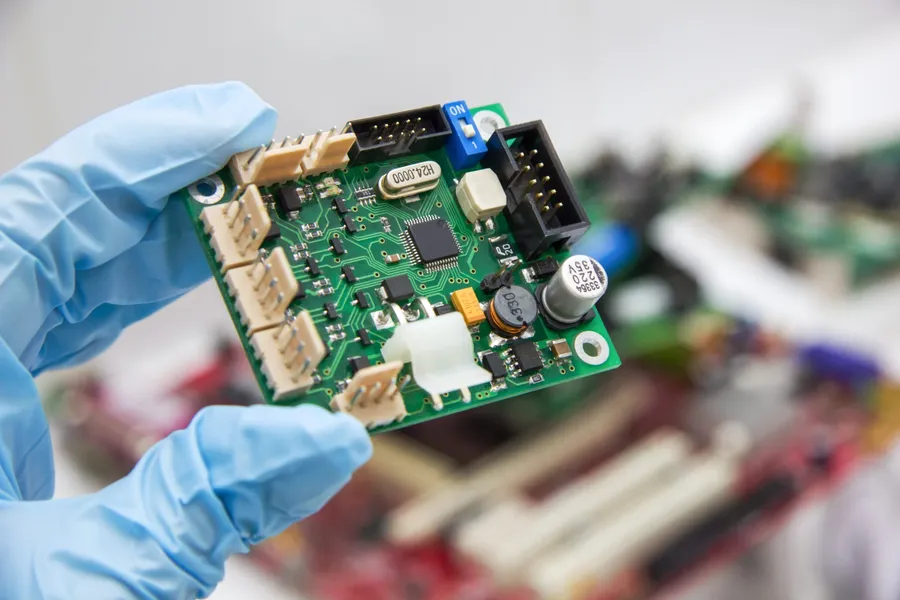
Printed Circuit Board
PCB services encompass the complete lifecycle of printed circuit boards, from initial design and fabrication to assembly and testing. These services are crucial for the electronics industry, enabling the creation of functional electronic devices by providing the physical substrate for components and their interconnections. The scope of PCB services is broad, generally including manufacturing (bare board production), assembly (component placement and soldering), and design (layout and optimization).
Understanding the different types of PCBs and their specific applications is essential when selecting a PCB service. PCBs can vary significantly, from single-layer boards used in simple electronics to complex multi-layer boards found in advanced devices. Material choices, such as FR-4, aluminum, or flexible substrates, also impact performance and suitability for particular environments. Selecting the appropriate service hinges on a detailed understanding of the types of PCBs required for a given application, thereby ensuring optimal outcomes for specific projects.
PCB Prototyping: Getting Your Design Right
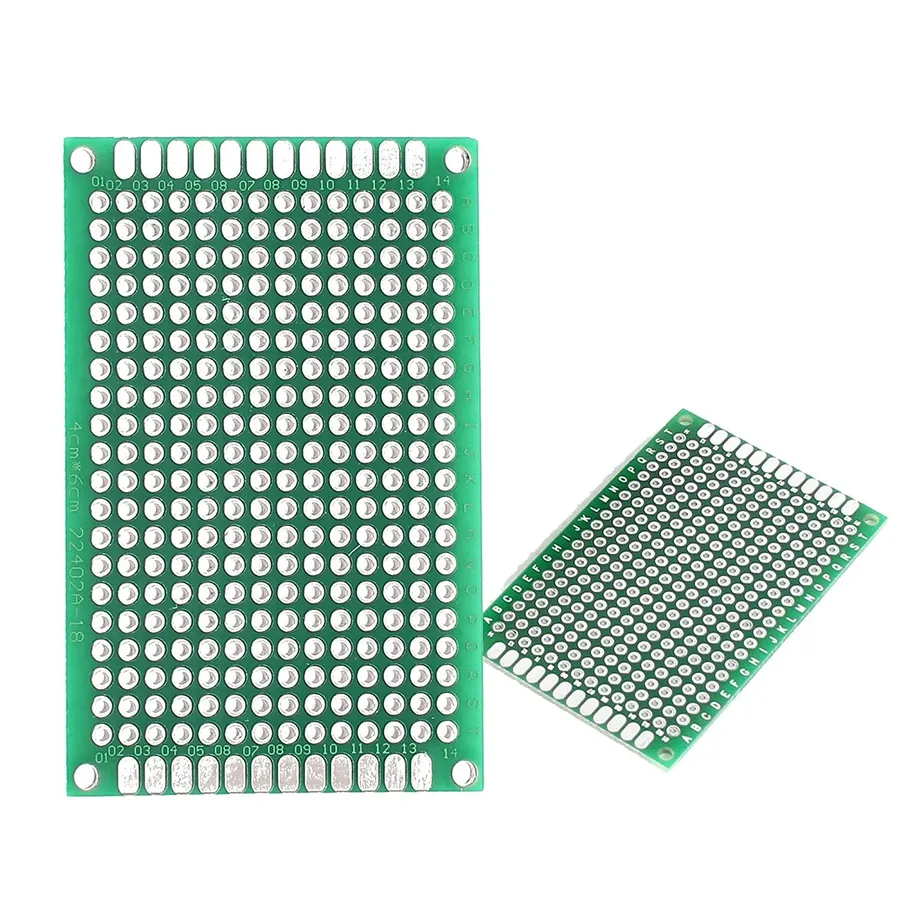
PCB Prototype
PCB prototyping is an essential stage in product development, allowing designers to validate their circuit designs before committing to full-scale production. It serves as a crucial bridge between the theoretical design and the final manufactured product, significantly reducing the risk of costly errors and ensuring the functionality of the Printed Circuit Board.
The process of prototyping enables engineers to identify and correct any design flaws or functional issues, and to optimize the performance of the PCB in its intended application. By iterating through multiple prototype revisions, designers can be more confident in their final design, leading to a more successful end product.
Various prototyping methods cater to different needs, including quick-turn prototypes for rapid design validation and more detailed prototypes for thorough testing. Factors such as turnaround time, cost, and the complexity of the design play a crucial role in the selection of a suitable prototyping approach.
Importance of PCB Prototyping Prototyping helps in verifying the electrical and mechanical aspects of the design, ensuring that the final product will function as intended and fit within any required enclosure. It serves as a critical step to identify and fix any design flaws, such as incorrect component placement, incorrect track width, and unexpected impedance issues, significantly reducing the risk of production failures and costly re-designs. Furthermore, it serves to optimize the performance of the PCB design, before committing to larger-scale production.
Different Methods of PCB Prototyping Different PCB prototyping methods suit various needs, such as: In-house prototyping using laser or CNC machines, is suitable for simple designs. Quick-turn prototyping services offers fast turnaround times for validating basic functionality. Advanced prototyping services that offer a wider range of capabilities for complex designs. Also, PCB simulation software is another tool used in the process, to test and analyze the PCB's electrical behavior, optimizing its design prior to the physical fabrication.
Key Features of a PCB Prototyping Service Selecting a PCB prototyping service requires careful consideration of several features: Quick turnaround time, is essential for rapidly iterating designs, and cost-effectiveness, ensures budget alignment. Also, it's important to consider the material availability, layer count, and complexity of the fabrication process. Customer support, such as design assistance and troubleshooting, can also be invaluable.
Choosing a PCB Manufacturer: Factors to Consider
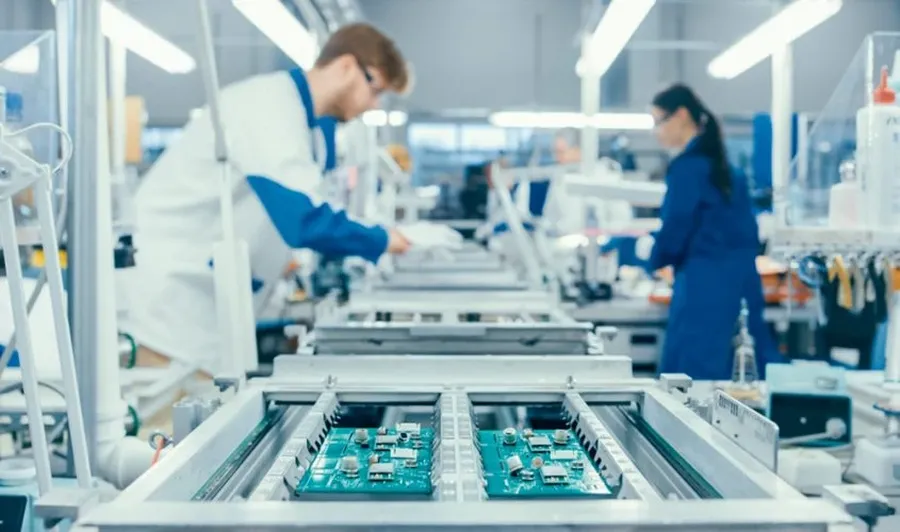
PCB Manufacturing Factory
Selecting the right PCB manufacturer is crucial for the success of any electronics project. This decision impacts not only the quality of the final product but also the project's budget and timeline. A careful evaluation of several factors is necessary to ensure the manufacturer can meet your specific needs and requirements.
Manufacturing Capabilities Assess the manufacturer's technological capabilities, including the types of PCBs they can produce (single-layer, multi-layer, flexible, rigid-flex), the minimum track width and spacing, hole size, and surface finish options. Their equipment and processes should align with your design's complexity and requirements.
Quality Standards and Certifications Verify that the manufacturer adheres to industry-standard quality control processes. Certifications like ISO 9001, IPC standards, and UL markings indicate commitment to quality and reliability. Inquire about their defect rates, inspection procedures, and testing capabilities. For example, IPC-A-600 is the industry standard for printed board acceptability.
Lead Time and Turnaround Consider the manufacturer's lead time for PCB production, especially for prototyping and time-sensitive projects. Confirm their ability to meet your project timeline and inquire about options for expedited services if needed. Note that lead times can vary considerably based on the complexity of your boards and the manufacturer's current production schedule.
Cost and Pricing Structure Analyze the manufacturer's pricing structure, understanding all associated costs, including tooling, setup, and per-unit pricing. Get a clear quote, and compare it with other manufacturers. Explore different pricing models for various quantity scales, from prototypes to production runs, to identify the most cost-effective options.
Customer Support and Communication Evaluate the quality of the manufacturer's customer support. Effective communication channels and responsiveness to inquiries are essential. A reliable manufacturer should be able to provide technical support, design assistance, and proactive communication throughout the production process.
Domestic vs. Overseas Manufacturers Consider the implications of selecting a domestic versus an overseas manufacturer. Domestic manufacturers often provide faster lead times, better communication, and may be easier to visit for audits. However, overseas manufacturers may offer more competitive pricing, though they may entail longer lead times, more communication challenges due to time zone differences and potential quality control issues. The optimal choice depends on the project's priorities and risk tolerance.
PCB Assembly Services: Assembling Your Components
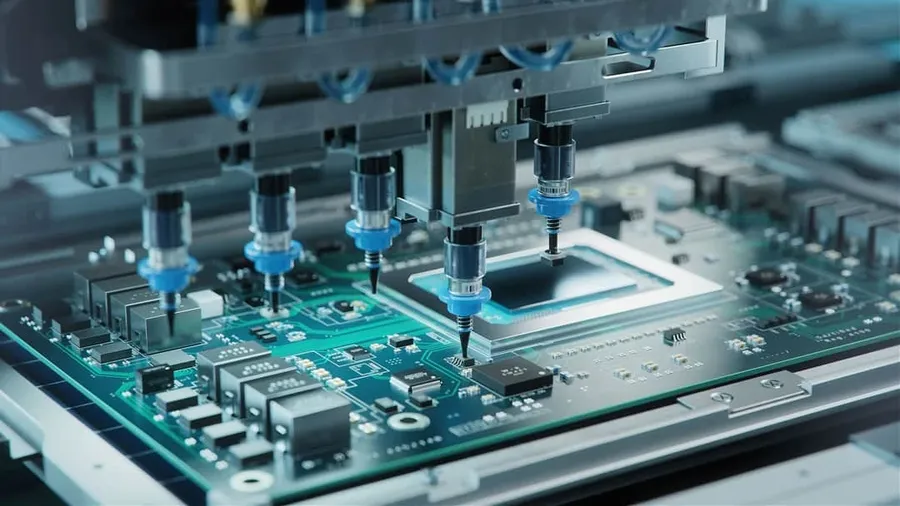
PCB Assembly
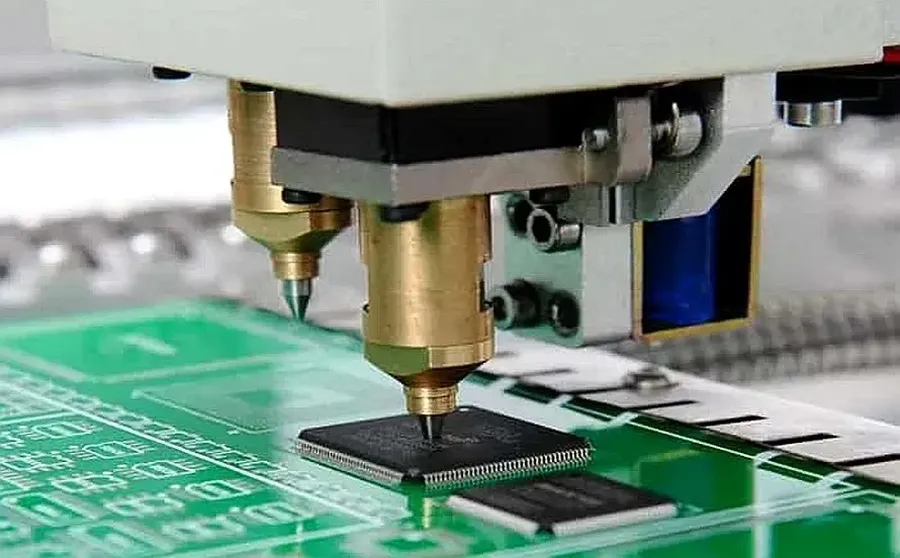
PCB assembly services are crucial for transforming bare printed circuit boards into functional electronic devices. These services involve the precise placement and attachment of electronic components onto the PCB, utilizing techniques like surface mount technology (SMT) and through-hole technology. Effective assembly not only requires sophisticated machinery but also a meticulous approach to component sourcing and rigorous quality control measures to ensure reliability and performance.
Surface Mount Technology (SMT) SMT involves mounting components directly onto the surface of the PCB. This technique is characterized by the use of small, leadless components and automated placement machinery, enabling higher density and faster production rates.
Through-Hole Technology (THT) THT uses components with leads that are inserted into pre-drilled holes in the PCB and then soldered on the opposite side. While it is less dense than SMT, THT provides stronger mechanical connections and is suitable for larger components or those exposed to high stress.
Component Sourcing The procurement of electronic components is a critical aspect of PCB assembly. Reliable sourcing ensures that the correct, high-quality components are used for assembly, which is essential for achieving the desired functionality and longevity of the final product. Component procurement includes selecting vendors, managing lead times, and ensuring compliance with industry regulations.
Quality Control Stringent quality control measures during PCB assembly are crucial to prevent defects, ensure functionality, and increase reliability. These measures range from automated optical inspection (AOI) to functional testing and encompass every phase of the assembly process. Effective quality control reduces waste and ensures consistency in the assembled boards.
Feature
SMT Assembly
Through-Hole Assembly
Component Size
Smaller, leadless components
Larger components with leads
Component Mounting
Surface mounting
Insertion into PCB holes
Assembly Density
Higher
Lower
Mechanical Strength
Moderate
Stronger
Automation
Highly Automated
Manual or Semi-Automated
Cost
Generally Lower for High Volumes
Higher, especially for small volume
Turnkey PCB Assembly: Streamlining Your Project
SMT Assembly
Turnkey PCB assembly represents a comprehensive solution where a single provider manages all facets of the PCB production process. This encompasses not only the manufacturing of the bare printed circuit boards but also the procurement of all necessary components, and the final assembly of those components onto the boards. The primary advantage of this approach is a significant reduction in project management complexity and a marked decrease in the overall lead time, as it eliminates the need to coordinate with multiple suppliers.
This integrated approach is particularly beneficial for projects with tight deadlines, complex component lists, or when resources for managing multiple vendors are limited. Furthermore, by centralizing the process, it enhances the accountability and quality control from a single point of contact.
Key Benefits of Turnkey PCB Assembly Turnkey PCB assembly offers several advantages: reduced project lead times, simplified supply chain management, minimized errors, and enhanced quality control. Centralizing the process with a single provider can significantly speed up the production timeline by streamlining the process of PCB manufacturing, component procurement and assembly. This results in less time wasted on communication and logistics between multiple vendors.
Simplified Supply Chain Management The most significant advantage is the simplification of supply chain management. With a single provider responsible for the entire process, manufacturers avoid the complexity of dealing with multiple vendors. This minimizes the risk of miscommunication, delays, and compatibility issues between the bare board and components.
Reduced Risk of Errors By entrusting a single provider with the entire process, the likelihood of errors and mismatches between the bare board and the assembled components are considerably minimized. The streamlined approach ensures a more coherent flow of data, materials, and processes which results in higher quality results.
Enhanced Quality Control With a single responsible party, the accountability for quality is significantly improved. From the bare board fabrication to component placement and soldering, each step is closely monitored to adhere to the highest quality standards.
The decision to use turnkey services often hinges on the complexity and scale of the project, as well as internal resource availability. While it may come with a premium over procuring services individually, the time savings and simplified logistics are often justifiable, particularly for projects requiring rapid turnaround and high-quality standards.
Cost-Effective PCB Services: Budgeting for Your Project
PCB Panel
Managing costs effectively in PCB projects requires a strategic approach, balancing desired quality with budget constraints. Understanding the primary cost drivers and employing cost-saving techniques are crucial for project success.
Several factors influence the final cost of PCB services. These include:
PCB Complexity The number of layers, via types, and trace width/spacing directly impacts manufacturing cost.
Material Selection High-performance materials, such as those with high temperature resistance or unique dielectric properties, come at a higher price. For standard applications, FR-4 remains a cost-effective solution.
Board Size and Quantity Larger boards require more materials and processing time, increasing cost. Higher volumes typically reduce per-unit costs due to economies of scale.
Surface Finish Different surface finishes like ENIG, HASL, and immersion tin have varying costs, performance characteristics and environmental impacts.
Assembly Requirements The complexity of the assembly process, including the number of components, type of assembly (SMT/through-hole), and component sourcing, affects the total cost.
Lead Time Faster turnaround times usually incur additional costs. If the project allows, planning with a standard lead time is generally more cost-effective.
Geographic Location Manufacturing locations and associated labor and supply chain costs influence the price, with off-shore options potentially offering lower costs at the expense of longer lead times.
Strategies for reducing costs without compromising quality include:
Optimize PCB Design Simplify the PCB design by minimizing the number of layers, using standard component footprints, and increasing trace widths where possible. Consider design for manufacturability (DFM) principles to avoid costly manufacturing issues.
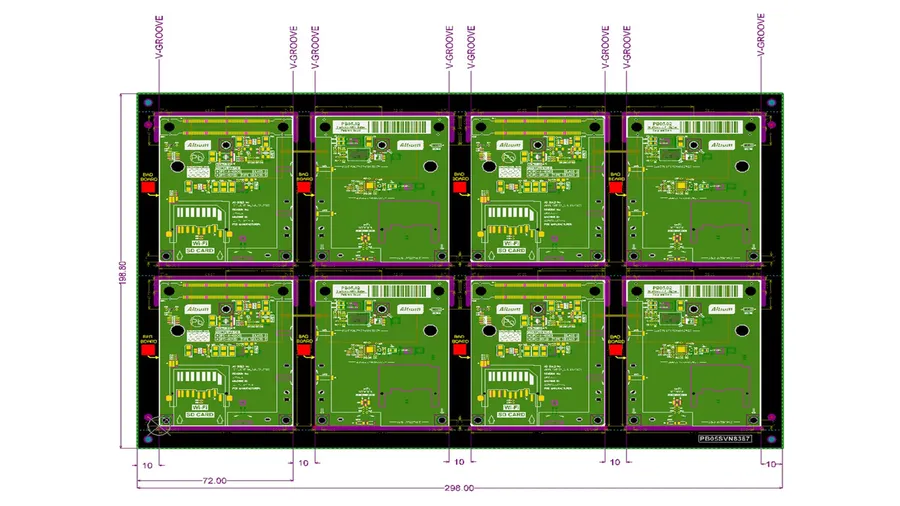
Panelization Where volume allows, panelizing multiple PCBs onto a single manufacturing panel can reduce the per-unit cost. Careful consideration should be given to the size and arrangement of the panels.
Standard Materials and Finishes Select standard materials (like FR-4) and common surface finishes (like HASL), if appropriate for the application, to minimize costs. Choosing standard materials simplifies the manufacturing process and can lead to reduced costs.
Component Sourcing Sourcing components directly or working with a provider offering competitive pricing options can significantly reduce overall costs.
Plan Ahead Avoid expedited or rush services by carefully planning your production timeline. Allow for the standard lead times to ensure cost-effectiveness.
Compare Quotes Get multiple quotes from different PCB service providers. Thoroughly review each quote to understand the scope of the services and total costs.
Pricing models in PCB services vary, but the most common include:
Per-Board Pricing This involves a fixed price for each board, which usually decreases with volume.
Panel Pricing This is based on the size and material of the manufacturing panel. It is optimal for bulk manufacturing as boards are panelized together.
Setup or NRE Costs Non-Recurring Engineering (NRE) costs are charged at the start of a project to cover the preparation and programming of equipment.
Quote-Based Pricing Pricing for complex or custom jobs will be evaluated and quoted on a per-project basis.
Effective cost management is an essential aspect of successful PCB manufacturing and assembly. By carefully considering the design, material choices, and service options, project stakeholders can achieve desired outcomes within budgetary constraints.
Frequently Asked Questions About PCB Services
This section addresses common inquiries regarding PCB services, offering clear and concise answers to help users better understand the complexities and nuances of printed circuit board design, manufacturing, and assembly.
What exactly are PCB services? PCB services encompass the complete range of activities required to bring a printed circuit board from concept to finished product. This includes PCB design, fabrication (manufacturing of the bare board), component sourcing, assembly (population of the board with electronic components), and testing. Depending on the provider, these services may be offered individually or as a complete, turnkey solution.
What does PCB stand for? PCB stands for Printed Circuit Board. It is a fundamental building block in electronics, providing the physical substrate for mounting and electrically connecting electronic components. The 'printed' aspect refers to the conductive pathways that are etched or printed onto the board to form the circuitry.
How much do PCB services typically cost? The cost of PCB services varies significantly based on several factors, including the complexity of the board design (number of layers, via count, etc.), material specifications, manufacturing volume, required tolerances, component costs, and assembly requirements. Prototyping is generally more expensive per board than mass production, which benefits from economies of scale. It is crucial to obtain detailed quotes and understand the pricing model of a service provider to accurately budget for your project.
What is the role of PCB in the healthcare industry? PCBs are critical in numerous medical devices, from diagnostic equipment like MRI machines and X-ray devices to therapeutic tools such as pacemakers and infusion pumps. The reliability, precision, and biocompatibility of PCBs are crucial in healthcare to ensure patient safety and efficacy of medical treatments. PCBs are also utilized in patient monitoring systems to collect and transmit health data.
What are the primary types of PCBs? PCBs come in several varieties, with single-sided, double-sided, and multi-layer boards being the most common. Single-sided boards have conductive traces on one side only; double-sided boards have traces on both sides, with vias connecting them; and multi-layer PCBs consist of three or more layers of conductive material separated by insulating material, enabling high-density complex designs. Rigid, flexible, and rigid-flex PCBs are also frequently encountered, each designed for specific applications and environmental conditions.
What are common PCB design considerations? Key design considerations include choosing the right materials (e.g., FR-4, aluminum), layer stack-up, trace impedance, thermal management, signal integrity, component placement, via design, and manufacturability. It's essential to maintain proper clearances, observe design rules, and ensure that the design complies with industry standards such as IPC guidelines to avoid manufacturing issues and performance failures.
How do I select a suitable PCB service provider? Selecting a PCB service provider requires assessing their capabilities, quality standards, turnaround time, cost, and customer support. Verify their certifications, examine samples of their work, and obtain customer references. Consider factors such as if they have in-house design, manufacturing, and assembly capabilities, their experience in handling projects similar to yours, and their capacity to scale production to your needs. Clear communication and responsiveness are vital attributes of a dependable provider.
PCB Service Selection: A Comparative Analysis
Selecting the right PCB service is crucial for the success of any electronics project. This section provides a comparative analysis of various PCB service providers based on key factors to aid in making an informed decision. We examine prototyping costs, production scale capabilities, assembly services offered, and the level of customer support provided, enabling you to choose a service that aligns with your project's specific needs and constraints.
Factor
Provider A
Provider B
Provider C
Provider D
Prototyping Cost (USD per board)
Low (e.g., $5-$20)
Medium (e.g., $20-$50)
High (e.g., $50+)
Varies based on complexity
Production Scale
Small to Medium
Medium to Large
Small to Large
Primarily Large Scale
Assembly Capabilities
SMT Only
SMT and Through-Hole
SMT, Through-Hole, and BGA
SMT and PTH
Customer Support
Email/Ticket
Phone/Email
Dedicated Account Manager
Online chat/Email
Lead Time (Prototyping)
2-5 days
3-7 days
1-3 days
5-10 days
Lead Time (Production)
1-2 weeks
2-4 weeks
1-3 weeks
3-6 weeks
Specialization
Quick Turn Prototypes
High-Volume Production
Complex Boards
Standard PCBs
Quality Standards
IPC Class 2
IPC Class 3
IPC Class 2 or 3
IPC Class 1 & 2
The Future of PCB Services
The printed circuit board (PCB) industry is on the cusp of significant transformation, driven by emerging technologies and advancements in material science. These innovations promise not only to enhance the performance and capabilities of PCBs but also to streamline manufacturing processes and reduce costs. Understanding these future trends is crucial for businesses aiming to remain competitive and innovative in electronics manufacturing.
Advanced Materials The development of new substrate materials with enhanced thermal and electrical properties is key. This includes the exploration of materials like ceramics, composites, and advanced polymers to increase signal integrity, reduce signal loss, and enhance heat dissipation.
Additive Manufacturing (3D Printing) 3D printing offers the potential for rapid prototyping and customized PCB designs, enabling complex geometries and multi-layer structures. This technology facilitates quicker iterations and allows for on-demand production, reducing lead times and manufacturing costs for niche applications.
Flexible and Stretchable PCBs The demand for flexible and stretchable PCBs is increasing, driven by wearable electronics, IoT devices, and biomedical applications. These PCBs can conform to curved surfaces and dynamic environments, enabling integration into diverse forms and use cases.
High-Density Interconnect (HDI) Technology HDI technology is critical for creating smaller and more densely populated circuit boards. It enables miniaturization of electronic devices, especially vital in portable and high-performance computing sectors.
Artificial Intelligence (AI) in PCB Design and Manufacturing AI-powered tools are being developed to automate PCB design, layout, and manufacturing processes. This results in enhanced efficiency, higher accuracy, and fewer design errors while allowing for rapid customization and optimization of PCB solutions.
Sustainability and Green Practices There's a growing focus on eco-friendly manufacturing techniques and materials. This includes reducing waste, using sustainable materials, and adopting environmentally conscious processes, driven by environmental regulations and corporate social responsibility.
Integration of Advanced Sensor Technology Future PCBs will integrate advanced sensor technology directly into the board. This enables sensing capabilities, which are increasingly important in IoT, healthcare and smart industrial applications, such as condition monitoring.
Choosing the right PCB service is a critical step in bringing your electronic project to life. By understanding the various options available, from prototyping to full-scale production, and by paying close attention to cost, quality and service capabilities, you can ensure your project is a success. Whether you need PCB manufacturing, assembly, or design services, this article will help guide your decisions for the best results. Consider how these services align with your project needs to make an informed choice and move forward with confidence.