In our increasingly interconnected world, printed circuit boards (PCBs) are the unsung heroes powering our devices, from smartphones to sophisticated medical equipment. The process of assembling these boards accurately and reliably is critical for product functionality and success. This guide provides a comprehensive overview of PCB assembly services, offering insights to help you select the best partner for your specific needs and project scope. Let's delve into the nuances of PCB assembly, connecting technology with the practicalities of real-world applications.
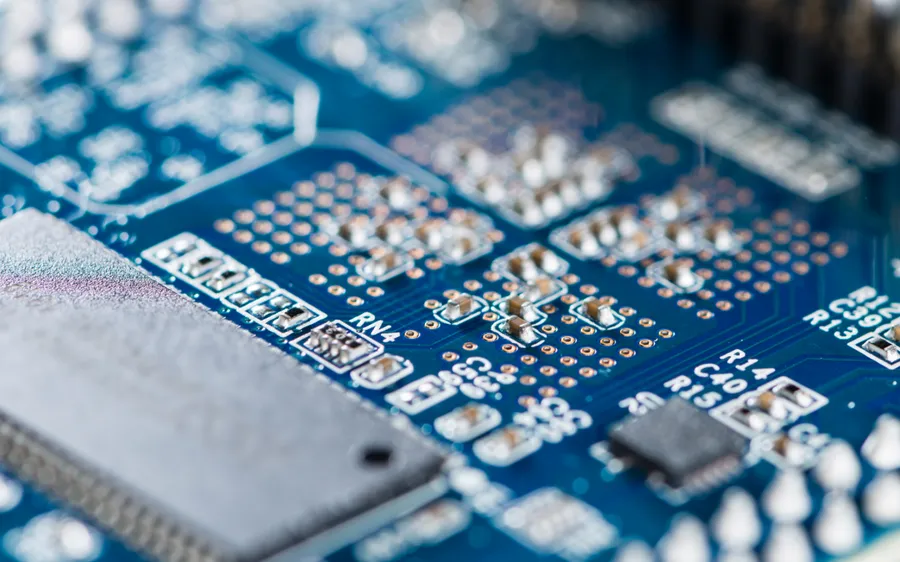
Printed Circuit Board (PCB) assembly is the process of mounting electronic components onto a PCB to create a functional electronic circuit. This process utilizes a range of technologies, primarily Surface Mount Technology (SMT) and through-hole assembly, each with distinct advantages and suitable applications. Understanding these core methods is crucial for effective PCB design and manufacturing.
| Feature | Surface Mount Technology (SMT) | Through-Hole Technology |
|---|---|---|
| Component Mounting | Components are soldered directly onto the surface of the PCB. | Components are inserted through holes in the PCB and soldered on the other side. |
| Component Size | Typically utilizes smaller, surface-mountable components. | Accommodates larger components with leads. |
| Density | Allows for higher component density and miniaturization. | Offers lower component density but more robust physical connections. |
| Application | Dominant technology for most modern electronics, including smartphones and computers. | Often used for larger, heavier components requiring a stronger mechanical bond. Also common for some connectors, large capacitors, or inductors. |
| Automation | Highly suitable for automated assembly processes with pick-and-place machines. | Often involves manual assembly or semi-automated processes |
SMT's prevalence stems from its efficiency in mass production, high density, and the miniaturization it affords, all essential for today's complex electronic devices. Through-hole technology, while less common in high-density applications, remains important for components needing robust physical support or when dealing with larger, specialized parts.
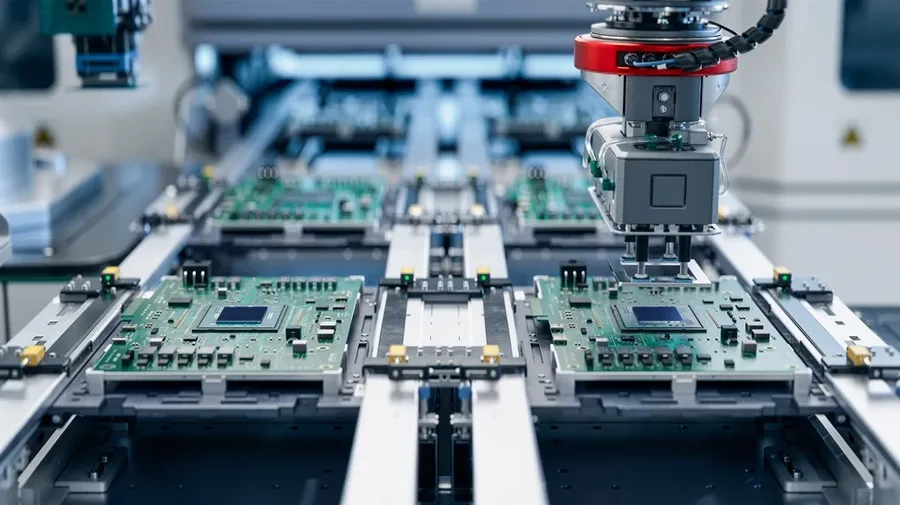
PCB assembly services cater to a wide spectrum of needs, ranging from initial prototypes to mass production. Understanding the nuances of prototype, low-volume, and high-volume assembly is crucial for selecting the right service for each stage of product development. This ensures both cost-effectiveness and timely delivery.
| Service Type | Volume | Turnaround Time | Cost per Unit | Quality Control Focus | Ideal For |
|---|---|---|---|---|---|
| Prototype PCB Assembly | Very Low (1-10 boards) | Fastest (Few days to 1-2 weeks) | Highest | Functionality Verification and Design Validation | Early-stage design testing and proof of concept |
| Low-Volume Production | Low to Medium (10 - 1000 boards) | Moderate (1-4 weeks) | Moderate to High | Initial market testing, small batch production, or specialty products | Pilot runs and initial product launches |
| High-Volume Production | High (1000+ boards) | Longest (4+ weeks) | Lowest | Consistency and Scalability | Mass production, mature designs and large-scale product launches |

The selection between turnkey and partial PCB assembly services is a critical decision that significantly impacts project management, timelines, and overall costs. Turnkey solutions offer a comprehensive approach where a single vendor handles all aspects of the assembly process, while partial services involve the client in supplying some components or sub-processes, thus necessitating a detailed understanding of each to ensure the most suitable choice for a given project.
| Feature | Turnkey PCB Assembly | Partial PCB Assembly |
|---|---|---|
| Definition | Vendor handles all aspects (component sourcing, assembly, testing) | Client provides some components or manages parts of the assembly process. |
| Component Sourcing | Vendor is responsible | Client is responsible for some or all components |
| Project Management | Simplified management, single point of contact | More complex management, multiple points of contact |
| Timeline | Potentially faster due to streamlined process | Can be longer depending on client's component supply chain |
| Cost | Potentially higher upfront cost but could reduce overall costs | Potentially lower upfront cost, but risks associated with component sourcing |
| Quality Control | Typically better process control | Client needs to manage the quality of supplied parts |
| Ideal for | Clients with limited resources or need faster turnaround times | Clients with in-house capabilities or established component supply chain |
Turnkey PCB assembly streamlines the manufacturing process by entrusting a single provider with complete responsibility from parts procurement to final assembly. This approach minimizes coordination challenges, reduces lead times, and provides a unified point of contact, simplifying project management. However, turnkey solutions may involve higher upfront costs, although this is often offset by time savings and reduced overhead in the long run. Turnkey services are suitable for projects where speed, reliability, and minimized management burden are prioritized.
Partial PCB assembly, conversely, involves the client in supplying certain components or handling specific sub-processes. This approach can be more cost-effective upfront but demands more active involvement from the client in project management and quality control. It may require coordination with multiple vendors which may introduce complexities and increase lead times. Partial services are most suitable for clients who have well-established supply chains, in-house component sourcing capabilities, or specialized assembly expertise.
Ultimately, choosing between turnkey and partial PCB assembly depends on a careful consideration of project requirements, available resources, and strategic priorities. Turnkey solutions excel in delivering a streamlined process and reduced overall project burden, while partial services provide cost flexibility for clients with established component procurement and management skills. Each approach has its advantages and disadvantages. Thus, a thorough evaluation is crucial before deciding which service is best suited to a particular project's scope and constraints.
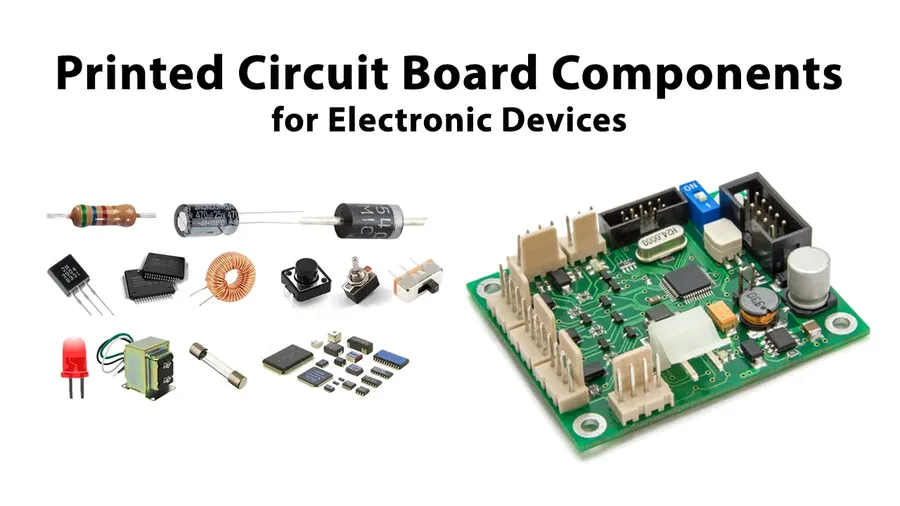
Selecting the right PCB assembly service is crucial for project success, necessitating a careful evaluation of several key factors. These include cost, quality, turnaround time, component sourcing, and adherence to industry standards. Understanding the interplay of these elements is paramount to ensuring you secure a service that meets both budgetary and performance requirements.
| Factor | Description | Impact |
|---|---|---|
| Cost | The total expense of the assembly service, encompassing labor, materials, and testing. | Directly impacts project budget; balancing cost with quality is essential. |
| Quality | The level of precision and reliability in the assembly process, including component placement and soldering. | Determines the functionality and lifespan of the final product; rigorous quality checks minimize defects. |
| Turnaround Time | The time required to complete the assembly process from the initiation of the project to the final delivery. | Affects project timelines and time-to-market; faster turnaround may incur higher costs. |
| Component Sourcing | The ability of the assembly service to acquire necessary components reliably and cost-effectively. | Ensures component availability and reduces supply chain disruptions; consider the provider's network and pricing. |
| Industry Compliance | The provider's adherence to industry standards and certifications like IPC and AS9100d. | Guarantees that the assembly processes meet established benchmarks for quality and safety; look for certifications as evidence. |
A detailed understanding of each of these factors will guide the selection process, ensuring a balance between performance expectations and financial limitations. Furthermore, the selection of a suitable service provider requires careful consideration of the delicate equilibrium between cost and quality, a principle that should underpin all decision-making.
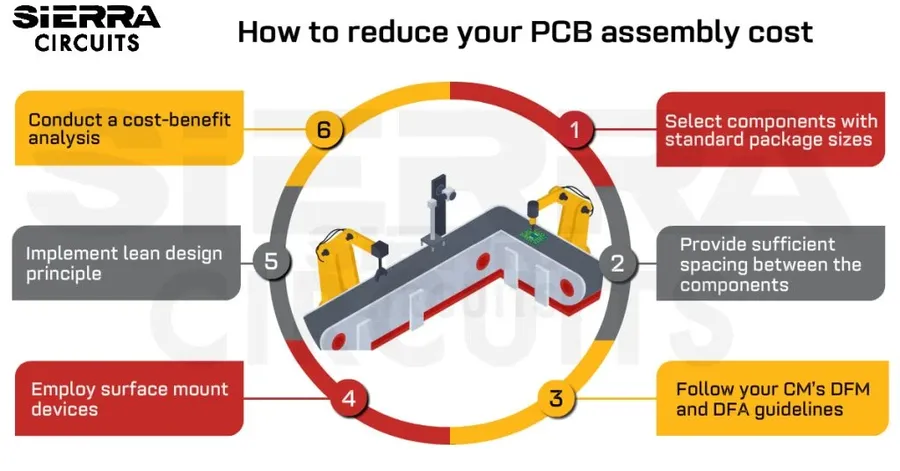
Understanding the factors that contribute to the cost of PCB assembly is crucial for effective project planning and budgeting. The overall expense is influenced by a variety of interconnected variables, from the intricacies of the PCB design to the volume of units produced. This section provides a detailed breakdown of these factors to help you estimate costs accurately and make informed decisions when requesting quotations.
| Cost Factor | Description | Impact on Cost |
|---|---|---|
| PCB Design Complexity | Number of layers, trace density, via count, and component placement difficulty. | Higher complexity leads to increased manufacturing time and precision requirements, thus increasing cost. |
| Component Types | Variety of components used, including surface-mount (SMT), through-hole, and specialized parts. Cost of each component and sourcing time. | Complex components and hard-to-source components increase BOM costs and labor in assembly time. |
| Production Volume | Number of PCBs assembled per batch or order. | Higher volumes often result in lower per-unit costs due to economies of scale, while low volumes may incur setup fees. |
| Assembly Method | Whether the assembly uses SMT, through-hole or a combination of both. | SMT is generally cheaper and more efficient for high volumes, but through-hole can add to the cost depending on component placement. |
| Testing Requirements | The type and amount of testing needed after assembly, including AOI, functional testing, and other custom test. | More extensive testing increases labor and equipment costs, but ensures higher quality. |
| Turnaround Time | The time needed to complete the assembly process. | Faster turnaround times often come at a premium due to expedited production processes. |
| Component Sourcing | Who purchases the components and how long does it take. | Sourcing can add additional cost and time if the PCB assembly house does not have the needed components in their stock and have to purchase them from a third-party vendor. |
| PCB Size and Panelization | The physical dimensions of the PCB and the method of production (single PCB or panelized). | Larger PCBs and complex panel arrangements can raise costs due to material usage and handling. |
To effectively estimate costs, consider obtaining detailed quotations from multiple PCB assembly service providers. Provide comprehensive information regarding your design files, Bill of Materials (BOM), and specific project requirements to ensure accurate pricing. Be sure to ask specific questions regarding their capabilities and minimum order quantities.
Navigating the landscape of PCB assembly services can raise numerous questions. This section consolidates common inquiries to provide clear, concise answers, ensuring you're well-informed about the processes and considerations involved.
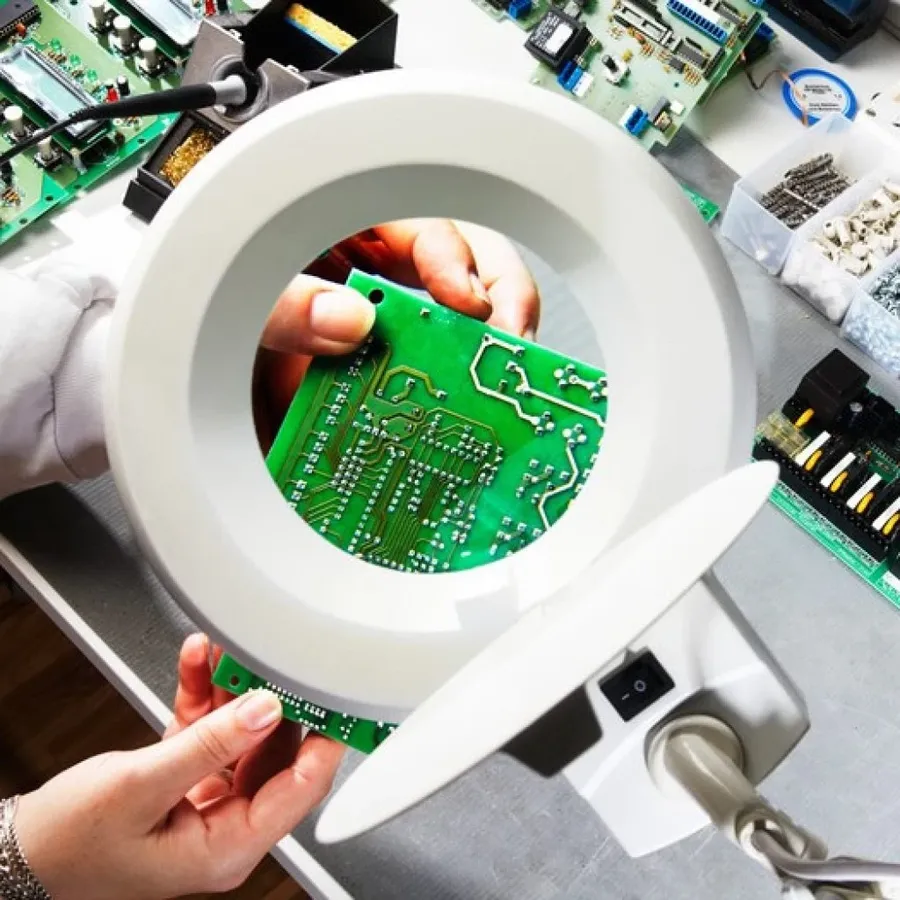
Rigorous quality control (QC) in PCB assembly is paramount to ensure the reliability and functionality of electronic products. It's not merely a final inspection step but an integrated process woven throughout the assembly procedure, directly impacting the performance and longevity of the finished product. Employing robust QC procedures is essential for minimizing defects and ensuring adherence to design specifications.
Several QC techniques are crucial in PCB assembly. Automated Optical Inspection (AOI) uses cameras to scan the PCB, detecting common flaws such as missing components, incorrect orientations, solder defects, and misaligned parts. This method is especially effective in ensuring consistent quality at scale. Functional testing goes beyond visual checks, assessing the electrical performance of the assembled board. It applies power and signals to the board, evaluating whether it performs as designed. These tests identify issues that visual inspections can miss, ensuring functionality matches the specifications.
Choosing a PCB assembly provider that adheres to stringent standards is a key factor. Certifications like AS9100d, specific to aerospace and defense, and various IPC standards (like IPC-A-610 for acceptability of electronic assemblies) serve as benchmarks for quality. These certifications indicate a provider's commitment to maintaining meticulous processes and delivering high-quality assemblies. The presence of these certifications offers a degree of assurance that the assembly will meet expected requirements.
| Quality Control Method | Description | Purpose |
|---|---|---|
| Automated Optical Inspection (AOI) | Uses cameras to scan the PCB. | Detects visual defects like missing/misaligned components, solder issues, and incorrect orientations. |
| Functional Testing | Applies power and signals to the board. | Verifies that the assembled board operates as designed, identifying electrical performance issues. |
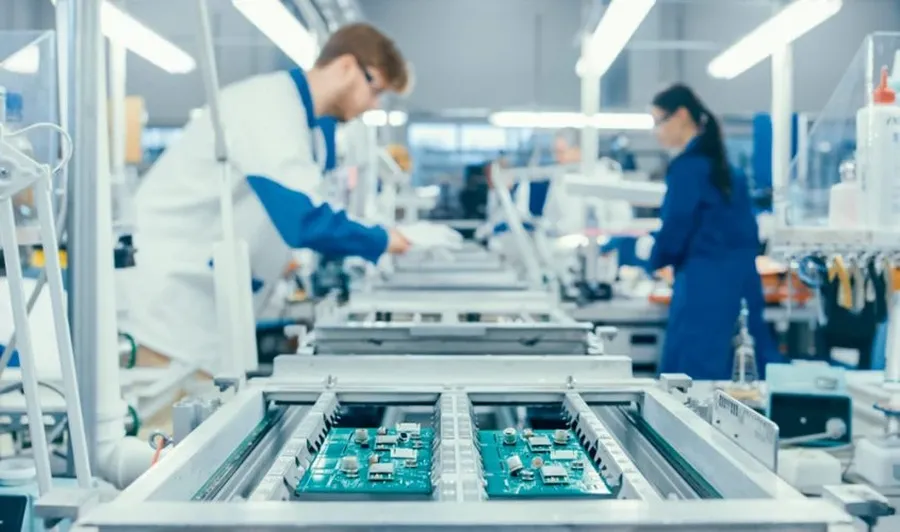
Selecting the right PCB assembly provider is crucial for project success, requiring careful consideration of location, capabilities, and reputation. The decision between domestic and overseas providers, along with an assessment of their certifications, experience, and customer feedback, significantly impacts project outcomes.
Geographic location affects lead times, communication, and cost. US-based providers often offer quicker turnaround and stronger IP protection but may come at a higher price. Overseas providers, particularly in Asia, can provide cost-effective solutions, but this may come with longer lead times and potentially challenging communication. Thoroughly assessing these trade-offs is essential for choosing a provider.
A provider’s capabilities should match project requirements, including surface mount (SMT), through-hole, mixed technology, and specialized assembly. The provider's certifications, such as AS9100d for aerospace or ISO 9001 for quality management, demonstrate compliance with industry standards and commitment to quality. Experience also counts; a provider’s track record handling similar projects provides insights into their proficiency and problem-solving abilities.
Reputation is critical, often assessed through online reviews, case studies, and client referrals. Reviews can indicate a provider's reliability, responsiveness, and overall quality. Contacting previous clients can validate a provider's claims about their service quality. By focusing on these aspects, you can choose a provider that fits all your project requirements.
Selecting the right PCB assembly services is crucial for the success of any electronics project. From understanding the various assembly methods and service types to evaluating cost factors and ensuring quality, making informed choices is essential. Whether you need prototype assembly, SMT assembly, or full turnkey solutions, this guide provides the insights to confidently navigate the PCB assembly landscape. By partnering with a reputable and capable provider of PCB assembly services, your product will be efficiently manufactured and ready to perform in the real world.

