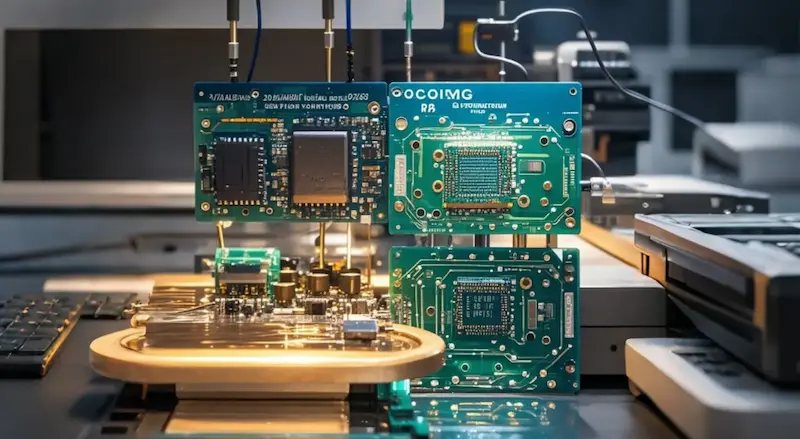
As automotive lighting shifts from simple illumination to complex, intelligent safety systems, the thermal management demands on internal hardware have reached critical thresholds. Today, engineers must choose substrates capable of handling extreme heat without sacrificing longevity or performance. We examine why aluminum-clad PCBs are now the definitive choice over traditional materials for the future of vehicle aesthetics and functional safety.
The Evolution of Automotive Headlight Technology
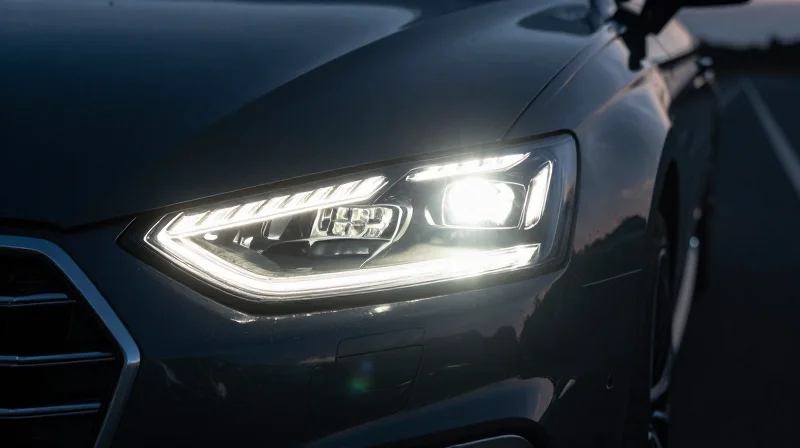
The Shift in Automotive Illumination Standards
Automotive headlight technology has undergone a radical transformation, moving away from simple incandescent filaments to sophisticated semiconductor-based lighting. The rapid evolution from halogen lamps to High-Intensity Discharge (HID) and eventually to adaptive matrix LED and laser systems has been driven by the need for greater energy efficiency, increased longevity, and advanced safety features such as glare-free high beams.
Key Technological Milestones
| Technology Era | Primary Light Source | Thermal Management Needs |
|---|---|---|
| Legacy | Halogen | Minimal (Radiative) |
| Transition | HID/Xenon | Moderate (Ballast-controlled) |
| Modern | LED/Matrix LED | High (Active/Conduction) |
| Emerging | Laser/Micro-LED | Extreme (High Density) |
The Thermal Management Challenge
As headlight units become more compact and lumen density increases, thermal management becomes the primary constraint. Unlike halogen bulbs, which disperse heat primarily through infrared radiation, modern LED and laser modules generate intense heat within a localized semiconductor junction. If not effectively dissipated, this heat leads to rapid lumen degradation and premature component failure, necessitating a transition toward superior substrate materials like Aluminum Core Printed Circuit Boards (MCPCBs) to replace standard FR4.
Frequently Asked Questions
- Why is traditional FR4 insufficient for modern headlight modules?
FR4, an epoxy-glass composite, acts as a thermal insulator. High-power LEDs demand high thermal conductivity, which standard FR4 cannot provide, leading to dangerous heat accumulation. - How do adaptive matrix systems influence lighting design?
Matrix systems utilize dozens of individually addressable LEDs to carve out shadows and prevent glare to oncoming drivers, requiring complex, high-density circuitry that produces significant thermal loads. - Is laser-driven lighting the future?
Laser lighting offers superior intensity and range over LEDs. However, it requires even more precise thermal regulation, making advanced metal-core substrate technology indispensable for reliable operation.
Thermal Constraints of Traditional FR4
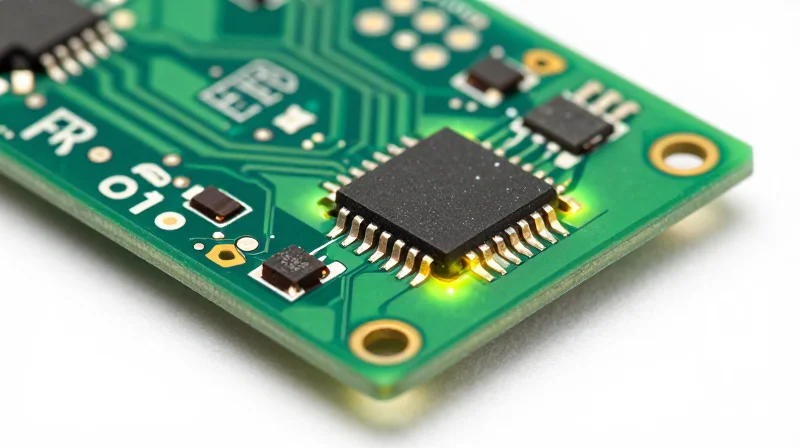
The Thermal Ceiling of FR4
Traditional FR4 (Flame Retardant 4) is a composite material consisting of woven fiberglass cloth impregnated with an epoxy resin binder. While it is the industry standard for general electronics due to its cost-effectiveness and structural rigidity, it possesses a significant flaw for modern automotive lighting: poor thermal conductivity. FR4 acts as an effective thermal insulator, with a thermal conductivity typically ranging from 0.25 to 0.35 W/mK. In the context of high-power LED arrays, this lack of heat dissipation capability creates a thermal bottleneck that leads to junction temperature spikes, accelerated degradation of the LED semiconductor, and eventual light output decay.
Comparison of Thermal Conductivity
| Material Type | Typical Thermal Conductivity (W/mK) | Suitability for High-Power LED |
|---|---|---|
| Standard FR4 | 0.25 - 0.35 | Low |
| High-Tg FR4 | 0.40 - 0.60 | Moderate |
| Aluminum Core (MCPCB) | 1.00 - 3.00+ | High |
Key Limitations in Automotive Lighting
- Why does FR4 fail in high-current LED systems?
The low thermal conductivity of FR4 traps heat at the LED junction, causing the junction temperature to exceed safe operating limits, which drastically reduces the lifespan of the diode. - What is the impact of coefficient of thermal expansion (CTE) mismatch?
During thermal cycling, the disparity between the expansion rates of FR4 and the metal heat sinks or LED packages can lead to solder joint fatigue and mechanical fracturing over long periods. - Can specialized high-Tg FR4 solve these issues?
While High-Glass Transition (High-Tg) FR4 offers better structural stability under heat, it does not fundamentally improve heat dissipation, making it insufficient for advanced adaptive matrix systems requiring dense LED integration.
Anatomy of an Aluminum Core PCB
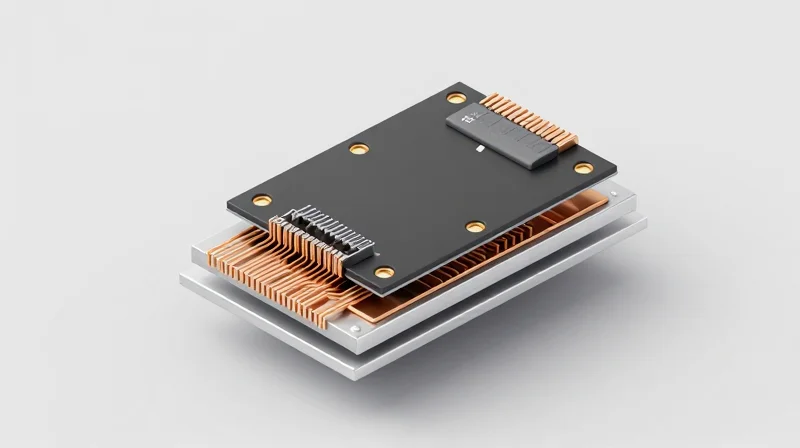
Core Architecture of Aluminum MCPCBs
The fundamental distinction between an Aluminum Core PCB (MCPCB) and a standard FR4 board lies in its integrated thermal management path. While FR4 relies on thin copper traces and conductive vias to dissipate heat, the MCPCB utilizes a metal core to act as a monolithic heat sink, significantly reducing thermal resistance between the semiconductor junction and the external environment.
The Three-Layer Structural Framework
| Layer | Material Composition | Primary Function |
|---|---|---|
| Circuit Layer | Copper Foil (1oz to 3oz) | Electrical signal distribution |
| Dielectric Layer | Thermally Conductive Polymer | Electrical isolation + Thermal coupling |
| Metal Base Core | Aluminum Alloy (5052/6061) | Mechanical support + Heat dissipation |
The Dielectric Layer represents the most critical component in this stack. It must balance two opposing goals: providing high dielectric strength for electrical insulation and maintaining low thermal impedance to allow heat transfer from the copper circuit layer to the aluminum base. In modern automotive applications, ceramic-filled prepregs are typically utilized to minimize the thermal bridge resistance, ensuring that heat generated by high-density LEDs does not trigger premature degradation.
Frequently Asked Questions
- Why is Aluminum preferred over Copper for the base core?
While copper has superior thermal conductivity, aluminum is significantly lighter, more cost-effective, and easier to machine, making it ideal for the high-volume manufacturing requirements of automotive headlamp assemblies. - What is the role of the metal core in EMI shielding?
The grounded aluminum base acts as an excellent shield, reducing electromagnetic interference (EMI) radiated by high-frequency LED drivers, which is critical for complying with automotive electronic safety standards. - Can multi-layer circuits be built on aluminum?
Yes, although standard designs are single-layer. Multi-layer MCPCBs can be achieved using sub-assemblies or specialized insulated metal substrate bonding, though this increases manufacturing complexity and cost.
Thermal Conductivity: The Critical Advantage
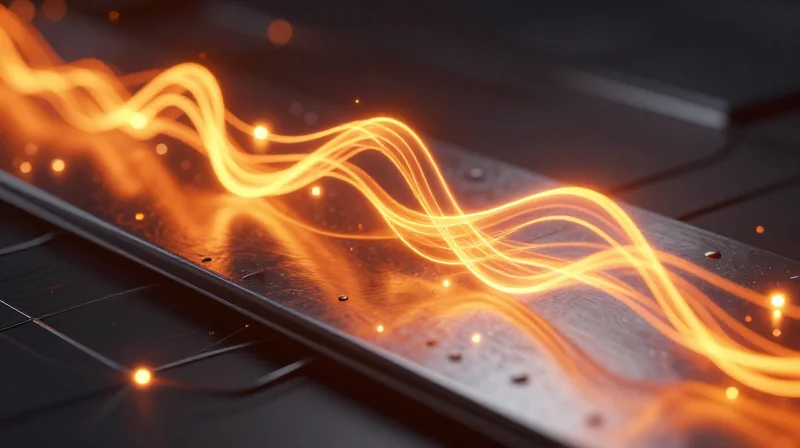
The Thermal Conductivity Advantage
In the context of automotive headlight technology, thermal management is the primary determinant of system longevity. Unlike traditional FR4 substrates, which rely on organic resin-based cores that act as thermal insulators, aluminum core PCBs (MCPCBs) utilize a metal base to serve as an active heat sink. This architecture allows for the rapid transfer of heat away from the LED junction, significantly reducing thermal resistance and maintaining the operating temperature within the optimal range for semiconductor stability.
| Material Property | FR4 Substrate | Aluminum Core (MCPCB) |
|---|---|---|
| Thermal Conductivity | 0.25 W/mK | 1.0 - 3.0 W/mK (Dielectric) |
| Heat Dissipation | Low (Insulating) | High (Conductive) |
| Junction Temp Management | Poor at high current | Excellent at high current |
Addressing Thermal Resistance
The bottleneck in headlight performance is often the 'junction-to-ambient' thermal resistance. By replacing the FR4 core with aluminum, manufacturers can leverage the high thermal conductivity of metal to dissipate waste heat directly into the vehicle's structural heat sink. This reduction in thermal resistance prevents thermal throttling, ensuring that the matrix LED pixels remain at peak intensity even during prolonged operation in extreme ambient environments.
Common Thermal Management FAQs
- Why does FR4 fail under high current?
FR4 is essentially glass-reinforced epoxy, which is a poor thermal conductor. Under high current, the heat generated by LEDs cannot escape, leading to localized 'hot spots' that degrade the substrate and reduce LED lifespan. - How does the aluminum base improve headlight reliability?
By acting as a high-efficiency heat spreader, the aluminum base lowers the operating junction temperature of the LEDs, directly preventing color shift and permanent semiconductor damage. - Is the dielectric layer a performance bottleneck?
While the dielectric layer has a lower conductivity than pure aluminum, it is engineered to be exceptionally thin to minimize resistance, ensuring the overall thermal path remains vastly superior to FR4.
Mechanical Durability in Harsh Automotive Environments
Mechanical Durability in Harsh Automotive Environments
Automotive headlight systems face extreme operational stressors, ranging from continuous engine-induced vibrations to rapid thermal expansion cycles caused by fluctuating ambient temperatures. Unlike standard FR4 materials, which are prone to delamination and trace fatigue under these conditions, Aluminum Core PCBs (MCPCBs) provide a structurally rigid foundation that anchors sensitive LED matrices securely, preventing micro-fractures in solder joints.
Structural Integrity and Vibration Resistance
The metal core acts as a mechanical stiffener, significantly reducing board flexure under heavy g-force loads common in high-performance or off-road vehicles. This rigidity prevents the mechanical decoupling of ceramic LED packages from the substrate, a failure mode that frequently plagues thinner, flexible fiberglass boards when exposed to prolonged road vibration.
| Feature | FR4 Performance | Aluminum PCB Performance |
|---|---|---|
| Thermal Expansion Compatibility | Low (High risk of fatigue) | High (Stable expansion) |
| Vibration Resistance | Moderate (Prone to warping) | Excellent (High rigidity) |
| Mechanical Shock Tolerance | Lower (Solder cracking) | Higher (Energy dissipation) |
Frequently Asked Questions
- How does an aluminum base handle rapid temperature cycling?
The metal core serves as a superior heat sink, effectively normalizing the temperature gradient across the substrate, which minimizes the physical stress on solder joints during rapid cooling or heating cycles. - Does the weight of the aluminum core negatively impact the headlight assembly?
While aluminum is denser than fiberglass, the structural advantages—such as eliminating the need for bulky external heat sinks—often allow for an overall reduction in the weight and volume of the complete headlight module. - Why do FR4 boards struggle with heavy automotive shock?
FR4 lacks the structural stiffness required to suppress harmonic resonance during high-frequency vibration, leading to board deflection that can crack delicate electronic components.
Miniaturization and Design Freedom
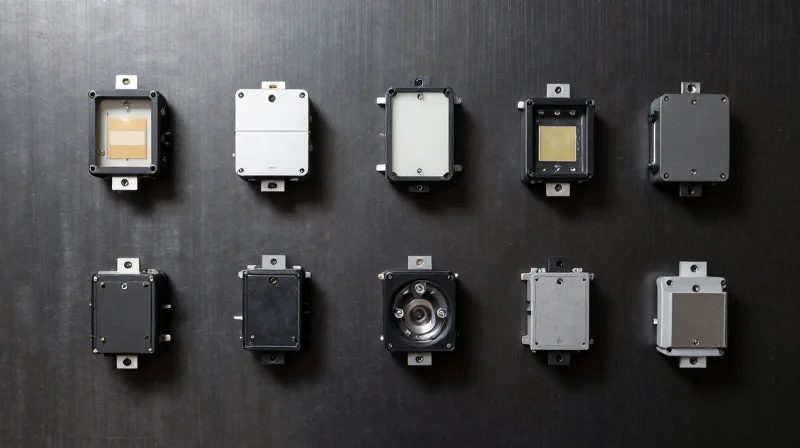
Unlocking Design Freedom through Thermal Efficiency
The transition from traditional FR4 to aluminum core PCBs (MCPCBs) has fundamentally altered the geometry of modern automotive lighting. By utilizing an aluminum base to act as a built-in heat sink, engineers can pack LEDs closer together without risking thermal runaway. This direct thermal path facilitates a dramatic reduction in board size, allowing designers to sculpt complex, slim-profile headlight assemblies that were previously hindered by the bulk of traditional cooling requirements.
Comparative Impact on Design Constraints
| Feature | Traditional FR4 | Aluminum Core PCB |
|---|---|---|
| Thermal Strategy | External Heat Sinks | Integrated Metal Base |
| Miniaturization Potential | Low (Requires Airflow) | High (Compact Integration) |
| Styling Flexibility | Restricted by Heat Volume | High (Slim Profiles) |
Strategic Advantages for Automotive Styling
The inherent thermal conductivity of the aluminum substrate means that active cooling systems or large aluminum fins can often be eliminated. This provides stylists with a cleaner canvas to execute signature lighting patterns, such as thin-line daytime running lights (DRLs) and adaptive matrix arrays. Because the heat is spread laterally across the metal base, the stress on individual solder joints is minimized, allowing for thinner, more delicate PCB shapes that withstand the rigors of vehicle vibration.
Frequently Asked Questions
- Does miniaturization affect light intensity?
No; because aluminum core PCBs maintain lower junction temperatures, you can drive LEDs at higher current levels within a smaller area, resulting in increased brightness without sacrificing LED lifespan. - Can complex board shapes be manufactured?
Yes, aluminum substrates are highly compatible with CNC machining and stamping processes, allowing for non-rectangular and contoured shapes that conform to the inner curves of modern headlight housings. - Is weight reduction a byproduct of this design shift?
Absolutely. By replacing heavy, separate aluminum heat sinks with a thinner integrated metal core, manufacturers significantly reduce the total assembly weight of the lighting module.
Cost-Benefit Analysis for Manufacturers
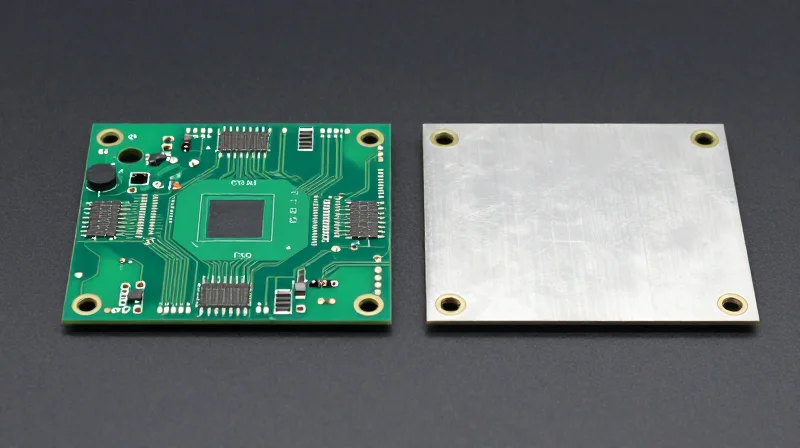
Strategic Financial Evaluation of MCPCBs
While Aluminum Core PCBs (MCPCBs) command a higher unit cost compared to standard FR4, the total cost of ownership (TCO) in automotive lighting often favors aluminum due to reduced system complexity and extended component lifespans. Manufacturers must look beyond the raw material price to evaluate savings in thermal management hardware, housing volume, and warranty-related failure rates.
| Financial Metric | FR4 Performance | MCPCB Performance |
|---|---|---|
| Initial Material Cost | Low | Moderate to High |
| External Heatsinking Requirements | High/Expensive | Minimal/Integrated |
| Thermal Management Complexity | High | Low |
| System Long-term Reliability | Moderate | High |
| Warranty Risk Profile | Higher | Lower |
Key Economic Drivers for Automotive Adoption
- Does the elimination of auxiliary cooling save money?
Yes. Because MCPCBs dissipate heat directly through the metal substrate, engineers can often remove secondary aluminum extrusions or complex heat pipes from the lighting module, offsetting the substrate's higher cost. - How does longevity impact automotive ROI?
Automotive manufacturers face stringent warranty requirements. MCPCBs lower the junction temperature of LEDs, significantly extending the Mean Time Between Failures (MTBF) and reducing costly field recalls and warranty claims. - Are there savings in assembly time?
Integration is streamlined; since the board itself acts as the heatsink, there is less manual labor required to mount boards to secondary cooling components, increasing throughput on assembly lines.
In the context of high-volume production, the transition to Aluminum Core technology represents a shift from a 'component-price-focused' strategy to a 'system-optimization' strategy. The initial investment in MCPCB technology is mitigated by lower failure rates, reduced part counts, and the ability to design more compact, high-performance headlight units that command higher value in the current EV and premium vehicle markets.
Future-Proofing Lighting Systems for Autonomous Driving
The Convergence of Lighting and Sensor Fusion
Autonomous vehicles (AVs) are shifting the paradigm of automotive lighting from mere illumination to integrated sensor nodes. As headlamps incorporate LiDAR, infrared cameras, and projection systems, the underlying PCB technology must manage significantly higher power densities and complex signal routing. Aluminum Core PCBs (MCPCBs) provide the necessary structural and thermal foundation to prevent thermal throttling, ensuring that integrated sensors maintain precise operational accuracy in demanding environments.
Technological Requirements for Next-Gen Lighting
| Feature | FR4 Performance | MCPCB Performance |
|---|---|---|
| Thermal Conductivity | Low (Insulator based) | High (Metal base) |
| Sensor Integration | Risk of signal interference | Excellent heat dissipation |
| Component Density | Limited by heat pockets | High-density mounting |
| System Longevity | Moderate in high-power | Superior in high-heat |
Frequently Asked Questions
- Why is thermal management critical for autonomous driving lighting?
Autonomous lighting modules often house processing hardware and sensors. Excess heat causes signal degradation and hardware failure; MCPCBs dissipate this heat efficiently, protecting sensitive AV electronics. - Will FR4 become obsolete in smart lighting?
While FR4 remains cost-effective for low-power signaling, it is increasingly inadequate for the high-intensity light-emitting diodes (LEDs) and integrated sensor arrays required for Level 4 and 5 autonomous capabilities. - How does MCPCB design influence future vehicle architecture?
By allowing for more compact and powerful lighting units, MCPCBs provide engineers with the flexibility to integrate advanced lighting systems without sacrificing aerodynamics or space for other critical autonomous hardware.
The transition to adaptive lighting is more than an aesthetic trend; it is a fundamental shift in automotive reliability. By integrating aluminum core PCBs, manufacturers can ensure high performance, extended product lifespan, and superior thermal stability. Ready to upgrade your thermal management strategy for next-gen lighting? Contact our engineering team today to discuss your project requirements.