Imagine a world where docking your boat is as simple as pressing a button. No more stressful maneuvers or relying on perfect wind conditions. Automatic boat docking systems are making this a reality, and at the heart of these innovative systems lies sophisticated PCB (Printed Circuit Board) technology. Zero One Solution Limited specializes in providing cutting-edge PCB solutions, and we're here to guide you through the crucial role our services play in the development of reliable and efficient automatic boat docking systems. This article will delve into the intricacies of PCB design, manufacturing, and assembly for these systems, highlighting how our expertise can help you navigate the complexities of marine electronics and bring your autonomous docking vision to life.
The advent of automatic boat docking systems marks a significant leap in marine technology, transforming the once-challenging maneuver of mooring into a seamless, stress-free experience. These innovative systems leverage advanced sensor technology, precise propulsion control, and sophisticated onboard computing to guide vessels into their berths with unparalleled accuracy and safety. As marine leisure and commercial activities continue to expand, the demand for such intelligent solutions is surging, driven by the desire for enhanced convenience, reduced human error, and protection of valuable assets. This evolution underscores a broader trend towards automation in all facets of life, promising a future where maritime operations are not only more efficient but also inherently safer and more accessible to a wider range of users.
| Feature | Traditional Docking | Automatic Docking System |
|---|---|---|
| Ease of Use | Requires skill and experience | User-friendly, automated |
| Safety Risk | High risk of collision/damage | Significantly reduced risk |
| Time Required | Variable, often time-consuming | Fast, efficient |
| Weather Dependency | Highly impacted by adverse weather | More resilient to conditions |
| Required Personnel | Often requires multiple crew members | Can be operated by a single person |
Printed Circuit Boards (PCBs) are the indispensable backbone of automatic boat docking systems, serving as the central nervous system that orchestrates every critical function, from sensor data acquisition to motor control. Their robust and precise design is paramount to ensure the reliable, accurate, and safe operation of these sophisticated marine automation solutions in often demanding environments. Without high-quality, purpose-built PCBs, the advanced algorithms and intricate hardware of automatic docking systems would be rendered inoperable, highlighting their fundamental role in bringing intelligent boat maneuvering to reality.
| PCB Function | Impact on Docking System | Key Technical Requirement |
|---|---|---|
| Signal Processing | Enables real-time data interpretation from sensors. | High signal integrity, low noise |
| Communication Interfaces | Facilitates data exchange between modules (e.g., control unit to thrusters). | Robust data transmission, EMI shielding |
| Power Regulation | Ensures stable power supply to all electronic components. | Efficient voltage conversion, thermal management |
| Component Integration | Provides a stable platform for all electronic components. | High density, reliable soldering |
| Environmental Resilience | Withstands harsh marine conditions. | Corrosion resistance, vibration dampening, moisture protection |
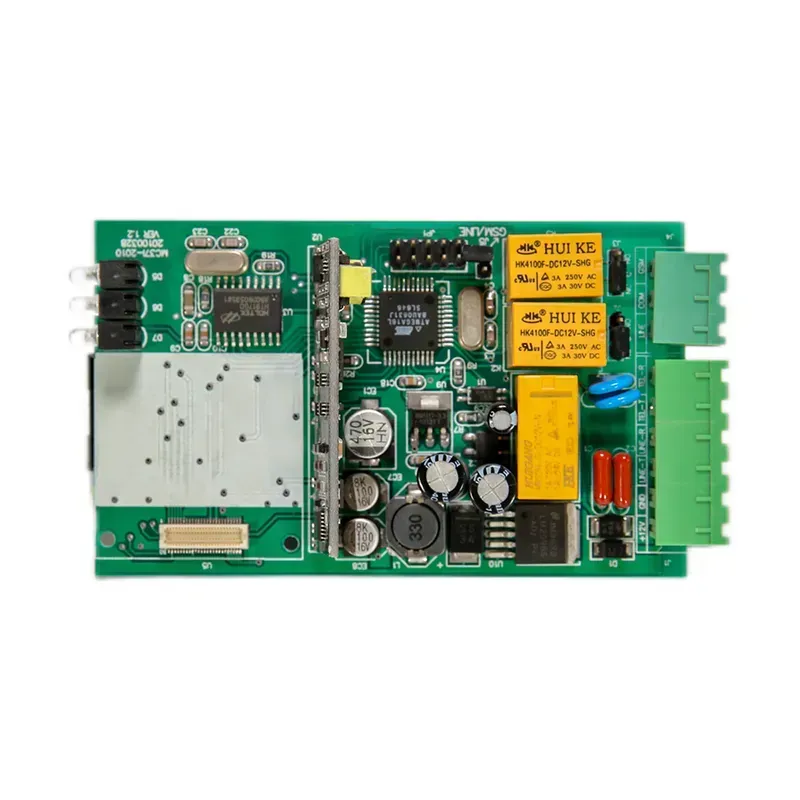
Designing Printed Circuit Boards (PCBs) for marine environments presents unique and demanding challenges that significantly impact system reliability and longevity. Unlike typical industrial or consumer electronics, PCBs operating within automatic boat docking systems must withstand relentless exposure to moisture, salinity, extreme temperatures, and constant vibration. These harsh conditions necessitate a meticulous approach to material selection, component placement, and protective coatings to ensure uninterrupted performance and prevent premature failure, directly addressing the core needs of robust marine electronics. Zero One Solution Limited prioritizes these critical considerations to deliver highly resilient PCB solutions.
| Challenge | Impact on PCB | Zero One Solution Approach |
|---|---|---|
| Corrosion (Saltwater) | Trace degradation, component failure, short circuits | Immersion Gold (ENIG) or Electroless Nickel Electroless Palladium Immersion Gold (ENEPIG) surface finishes; specialized solder masks; use of marine-grade components |
| Vibration and Shock | Solder joint fatigue, component detachment, board cracking | Controlled impedance routing; robust component mounting (e.g., through-hole where suitable, reinforced SMT); optimized board thickness; vibration-damping materials |
| Temperature Extremes | Material expansion/contraction, component stress, performance drift | Wide operating temperature range components; thermal management strategies; high Tg (glass transition temperature) laminates |
| Electromagnetic Interference (EMI) | Signal integrity issues, sensor malfunction, communication errors | Proper grounding and shielding; differential signaling; careful trace routing; use of ferrite beads; adhering to marine EMI/EMC standards |
| UV Radiation Exposure | Material degradation, discoloration, reduced lifespan | UV-resistant solder masks and conformal coatings; careful material selection for exposed components |
Each design decision, from the choice of copper weight to the application of specific surface finishes, is rigorously evaluated against the potential environmental stressors. Our engineers apply decades of expertise in overcoming these obstacles, ensuring that every PCB for automatic boat docking systems is not just functional but inherently resilient and durable.
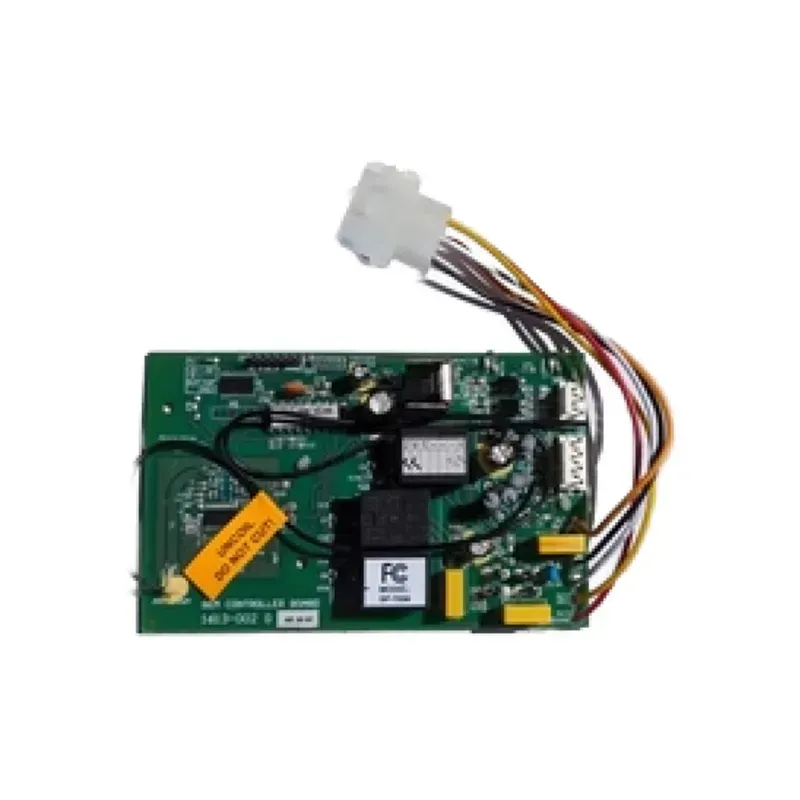
Zero One Solution Limited stands at the forefront of providing bespoke PCB solutions for the demanding marine sector, particularly for automatic boat docking systems. Our two decades of experience in Silicon Valley, coupled with our strategic presence in Shenzhen and Dubai, equip us with unparalleled insights into rapid prototyping and high-reliability manufacturing required for such critical applications. We understand that in the realm of marine electronics, the PCB is not merely a component but the very backbone ensuring safety, precision, and longevity. Our approach integrates cutting-edge design principles with a deep understanding of the harsh marine environment, ensuring our PCBs excel where others falter.
| Feature | Zero One Solution's Advantage | Benefit for Marine PCBs |
|---|---|---|
| Rapid Prototyping | Accelerated design-to-production cycles | Faster product development, reduced time-to-market for boat docking systems |
| Advanced Material Selection | Expertise in specialized high-performance laminates and coatings | Enhanced durability, corrosion resistance, and longevity in saltwater environments |
| Precision Manufacturing | State-of-the-art facilities and stringent quality control | Reliable performance, minimized failure rates, and consistent operational integrity |
| Global Supply Chain | Strategic locations in Shenzhen and Dubai | Optimized access to components, reduced lead times, and competitive pricing |
| Comprehensive Testing | Rigorous testing protocols (e.g., salt spray, thermal cycling) | Guaranteed functionality and reliability under real-world marine conditions |
Our commitment extends beyond mere manufacturing; we partner with clients from concept to deployment, offering end-to-end support that covers design optimization, material sourcing, manufacturing, and rigorous testing. This holistic approach ensures that every PCB solution we deliver for automatic boat docking systems is not only technologically advanced but also perfectly aligned with the specific performance and durability requirements of marine applications. With Zero One Solution, you gain a partner dedicated to elevating the reliability and efficiency of your marine electronic systems.
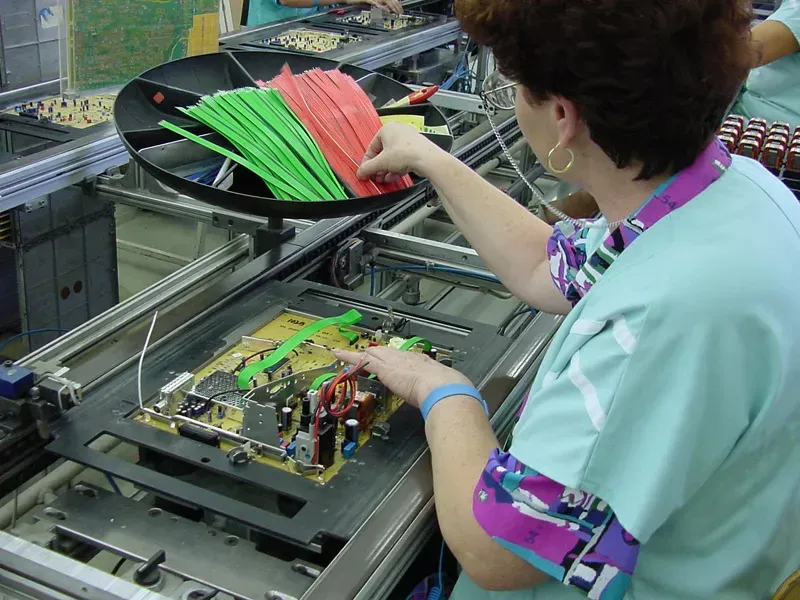
The successful operation and long-term reliability of an Automatic Boat Docking System hinge critically on the quality of its Printed Circuit Board (PCB) manufacturing and assembly. In the demanding marine environment, where moisture, corrosion, vibration, and temperature fluctuations are constants, even minor imperfections in the PCB production process can lead to system failures, compromising safety and functionality. Therefore, rigorous adherence to high-quality manufacturing and assembly standards is not merely beneficial but absolutely essential for ensuring the longevity and optimal performance of these sophisticated systems. This section delves into the pivotal aspects that define superior PCB manufacturing and assembly, specifically tailored for the robust requirements of marine applications.
| Manufacturing Process Step | Key Consideration for Marine PCBs | Impact on Performance |
|---|---|---|
| PCB Design for Manufacturability (DFM) | Optimized component spacing, trace routing for impedance control, robust pad design | Ensures high yield and reliability in harsh conditions |
| Material Selection | High-Tg laminates, moisture-resistant solder mask, corrosion-resistant finishes (ENIG, Immersion Silver) | Prevents delamination, short circuits, and signal degradation from environmental factors |
| Soldering Process Control | Precise temperature profiles for lead-free solder, minimized voids in solder joints | Ensures strong mechanical and electrical connections resistant to vibration and thermal shock |
| Conformal Coating Application | Thorough cleaning, uniform thickness, proper curing | Protects against moisture, salt spray, and chemical exposure |
| Automated Optical Inspection (AOI) | High-resolution inspection for solder defects, component misalignment | Detects manufacturing flaws early, preventing failures in the field |
| Functional Testing (FT) | Simulation of marine operational scenarios, stress testing | Verifies full system functionality and robustness under expected environmental loads |
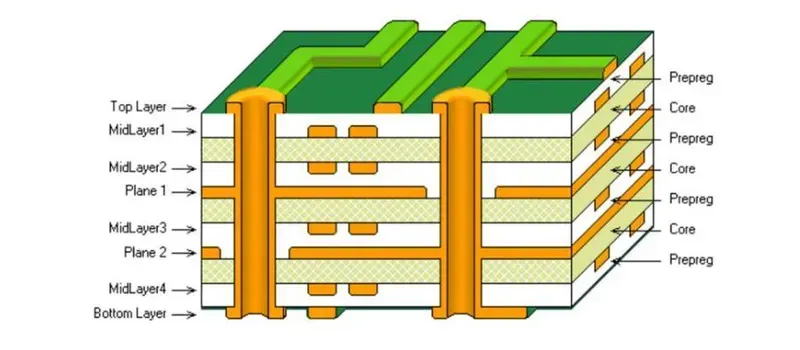
To truly elevate the performance and reliability of automatic boat docking systems, embracing advanced PCB technologies is paramount. These cutting-edge advancements, such as multi-layer boards and Surface Mount Technology (SMT), are not just incremental improvements; they fundamentally enhance the system's ability to process complex data, reduce electromagnetic interference, and operate flawlessly in challenging marine environments, ultimately delivering superior precision and responsiveness for seamless docking operations.
| Technology | Benefit for Automatic Boat Docking Systems | Impact on Performance |
|---|---|---|
| Multi-Layer PCBs | Increased component density and reduced EMI; enhanced signal integrity for complex data processing | Enables sophisticated control algorithms and high-speed communication for precise, reliable docking |
| Surface Mount Technology (SMT) | Miniaturization, improved vibration resistance, higher production efficiency, and enhanced thermal performance | Allows for smaller, more robust control units; critical for space-constrained marine applications and long-term durability |
| High-Frequency Laminates | Minimizes signal loss and dispersion at higher frequencies; stable performance for radar and communication modules | Ensures accurate and reliable data transmission for advanced sensors and wireless communication within the system |
| Conformal Coating / Potting | Protection against moisture, salt spray, and chemicals; prevents corrosion and short circuits | Extends PCB lifespan and maintains operational reliability in harsh marine environments |
| Thermal Management Solutions | Efficient heat dissipation for high-power components like motor drivers and processors | Prevents overheating, ensuring stable and consistent performance of critical electronic modules |
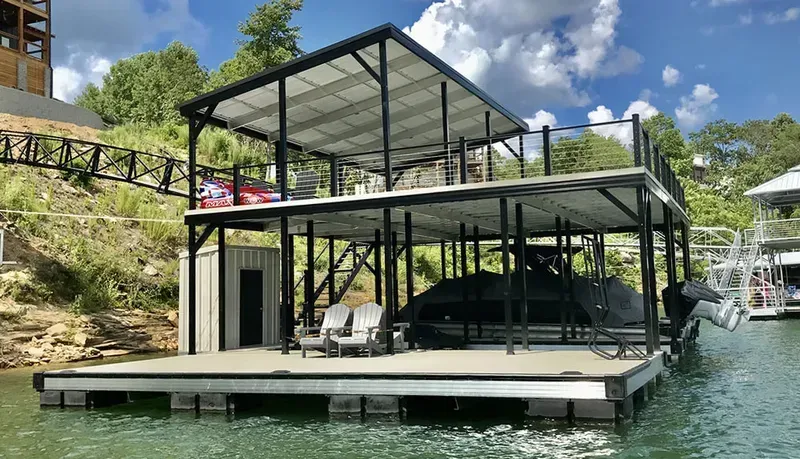
Zero One Solution Limited has a proven track record of delivering robust PCB solutions for the demanding marine sector, particularly in automatic boat docking systems. Our success is rooted in a deep understanding of the unique challenges presented by marine environments and a commitment to precision engineering and advanced manufacturing, ensuring the reliability and longevity of critical electronic components.
| Client Challenge | Zero One Solution's Approach | Key PCB Innovations | Outcome |
|---|---|---|---|
| Requirement for a highly reliable and weather-resistant control unit for an autonomous boat docking system operating in saltwater environments. | Comprehensive analysis of environmental stressors, including humidity, salinity, UV exposure, and vibration, leading to a tailored material selection and design strategy. | Utilization of IPC Class 3 standards for manufacturing, employing advanced conformal coatings (e.g., Parylene) and specialized marine-grade components. Implementation of impedance-controlled multi-layer PCBs for optimal signal integrity in data-intensive sensor arrays. | The integrated PCB solution achieved 99.8% operational uptime in rigorous field testing over 12 months, significantly reducing maintenance costs and enhancing user safety and convenience. The client reported a 40% improvement in system responsiveness and accuracy, directly attributable to the robust PCB design and assembly. |
The evolution of automatic boat docking systems is intrinsically linked to advancements in PCB technology, as these systems increasingly rely on sophisticated electronics for enhanced autonomy, precision, and integration. As we look ahead, several pivotal trends are set to reshape both boat docking solutions and the underlying PCB innovations that power them. These developments are geared towards creating more intelligent, reliable, and user-friendly marine experiences, addressing the growing demand for automation in various maritime applications.
Navigating the complexities of PCB solutions for automatic boat docking systems requires a clear understanding of key considerations. As a leading PCB solution provider, Zero One Solution Limited frequently addresses inquiries regarding the design, manufacturing, and assembly of these critical components. Below, we address some of the most common questions to provide clarity and insight into optimizing PCB performance for marine automation.
In conclusion, the PCB is the unsung hero of automatic boat docking systems, and Zero One Solution Limited is your ideal partner for navigating the complexities of its design and manufacturing. From initial design to final assembly, our comprehensive PCB solutions ensure the reliability, efficiency, and longevity of your marine automation project. As the demand for smart and automated boating solutions continues to grow, Zero One Solution Limited is committed to providing the innovative PCB solutions that power the future of autonomous navigation. Contact us today to discuss your specific needs and let us help you bring your automatic boat docking system to fruition. Visit our website or reach out to our team to learn more about how we can elevate your marine electronics project.

