In the vast and demanding world of maritime operations, reliable and efficient lighting systems are not merely a convenience, they are a necessity. From ensuring safe navigation to providing comfortable living conditions for the crew, lighting plays a critical role on any ship. At the heart of these systems lies the Printed Circuit Board (PCB), the unsung hero that controls and manages the intricate network of lights. As Zero One Solution Limited, we provide advanced PCB solutions, ensuring your ship's lighting is not just functional, but optimized for performance and longevity. Our expertise in rapid prototyping and one-stop services, honed over a decade, allows us to deliver solutions that meet the unique challenges of the marine environment. This article delves into the world of ship lighting control PCBs, exploring their design considerations, functionalities, and how Zero One Solution Limited can help you navigate the complexities of PCB design and manufacturing.
The Importance of Reliable Lighting Control in Maritime Environments
Reliable lighting control is paramount in maritime environments, serving as a critical foundation for operational safety, efficient navigation, and the overall well-being of the crew. Unlike land-based applications, the challenging and dynamic nature of the sea demands robust and dependable lighting control systems that can withstand extreme conditions and ensure uninterrupted functionality. These systems are not merely for illumination; they are integral to a vessel's operational integrity, directly impacting compliance with international maritime regulations and the ability to respond effectively to critical situations.
Safety Criticality Proper illumination is indispensable for safe operations, preventing accidents during cargo handling, maintenance, and general movement on deck. Integrated emergency lighting, managed by reliable control systems, ensures visibility and clear evacuation paths during power failures or unforeseen incidents, a non-negotiable safety feature.
Navigation and Visibility Accurate and controllable navigation lights are fundamental for collision avoidance and adherence to international maritime law. Interior lighting, particularly in the bridge and control rooms, must be precisely dimmable to preserve night vision while providing sufficient illumination for instrument readings, minimizing glare and enhancing situational awareness.
Crew Well-being and Productivity Beyond functional requirements, lighting significantly impacts crew comfort and circadian rhythms. Well-designed, controllable lighting systems can simulate natural light cycles, reducing fatigue, improving mood, and enhancing overall productivity during long voyages. This directly contributes to a safer and more efficient working environment aboard the vessel.
Aspect of Reliability
Impact on Maritime Operations
Consequence of Failure
Operational Durability
Ensures continuous lighting despite vibrations, shocks, and temperature extremes.
Loss of essential visibility, potential for operational errors and accidents (e.g., machinery spaces).
System Redundancy
Maintains lighting functionality even if primary components fail.
Complete blackout, leading to immediate safety hazards and navigation risks, particularly in critical areas like the bridge or engine room. Estimated financial impact of a major operational disruption is significant, potentially exceeding $500,000 per incident for large vessels due to delays and repairs. (Source: Maritime Safety & Operations Reports).
Energy Efficiency
Optimizes power consumption through intelligent control and dimming capabilities.
Increased fuel consumption and operational costs, higher carbon footprint. For a large cargo vessel, inefficient lighting can add tens of thousands of dollars annually to fuel expenses (Source: DNV GL Maritime Energy Efficiency Studies).
Regulatory Compliance
Adherence to international standards (e.g., SOLAS, IEC 60945) for lighting systems.
Penalties, detentions, or loss of certification, severely impacting a vessel's operational readiness and commercial viability. Flag state and port state control inspections rigorously check lighting systems.
Challenges of Designing PCBs for Ship Lighting
PCB Board in Water
Designing Printed Circuit Boards (PCBs) for ship lighting control presents a unique set of formidable challenges, far exceeding those encountered in typical land-based applications. The unforgiving marine environment—characterized by relentless moisture, constant vibration, extreme temperature fluctuations, and pervasive electromagnetic interference—demands a specialized approach to material selection and design techniques. Overlooking these critical factors can lead to premature system failure, compromised safety, and significant operational downtime, underscoring the paramount importance of robust and resilient PCB solutions.
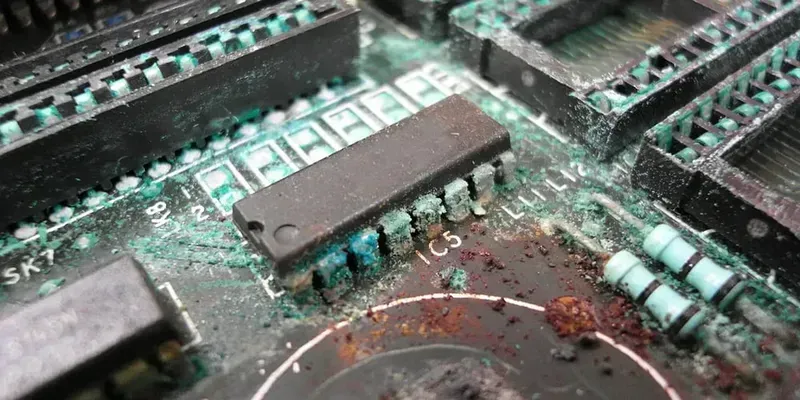
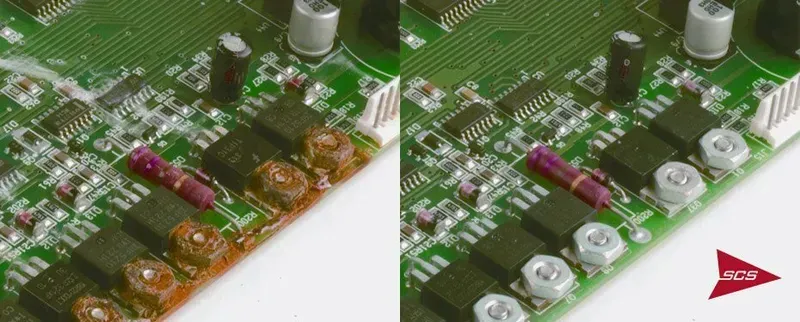
Moisture and Corrosion The omnipresent humidity and potential for saltwater ingress necessitate the use of conformal coatings, waterproof enclosures, and corrosion-resistant materials to protect sensitive electronic components from degradation and short circuits. Proper sealing and material selection are crucial for longevity and reliability in a high-salinity atmosphere, preventing galvanic corrosion and material breakdown over time. Adherence to standards like IEC 60945 for maritime navigation and radio communication equipment is essential for environmental resilience.
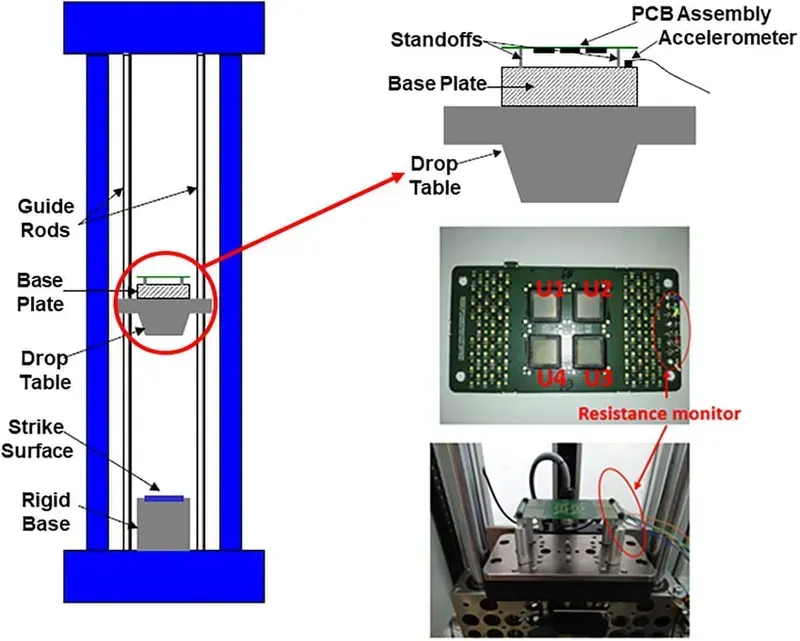
Vibration and Mechanical Stress Constant engine vibrations, wave impacts, and ship movements subject PCBs to significant mechanical stress. This requires robust mechanical design, secure component mounting (e.g., through-hole components, optimized solder joints), and the use of flexible or rigid-flex PCB substrates to absorb shocks and prevent solder joint fatigue or component detachment. Vibration testing, often to standards like MIL-STD-810G, is critical to validate the mechanical integrity of the design and ensure consistent performance under dynamic conditions.
Temperature Extremes Ships operate across diverse climates, from freezing Arctic waters to scorching equatorial zones, leading to wide temperature swings. PCBs must be designed with components rated for extended temperature ranges, and thermal management strategies (e.g., heat sinks, optimized trace routing, multi-layer designs for heat dissipation) must be implemented to prevent overheating or cold-induced failures. Material selection must account for Coefficient of Thermal Expansion (CTE) mismatch to prevent warping and stress on components, ensuring stability across wide operating temperatures.
Electromagnetic Interference (EMI) The shipboard environment is rife with potential sources of EMI, including high-power radar systems, communication equipment, and electrical motors. Effective EMI shielding, proper grounding techniques, optimized PCB layout for signal integrity, and careful selection of components with inherent EMI immunity are essential to prevent signal disruption, ensure reliable communication, and comply with maritime electromagnetic compatibility (EMC) regulations, such as those specified in IEC 60945 for marine equipment.
Key Features of Ship Lighting Control PCBs
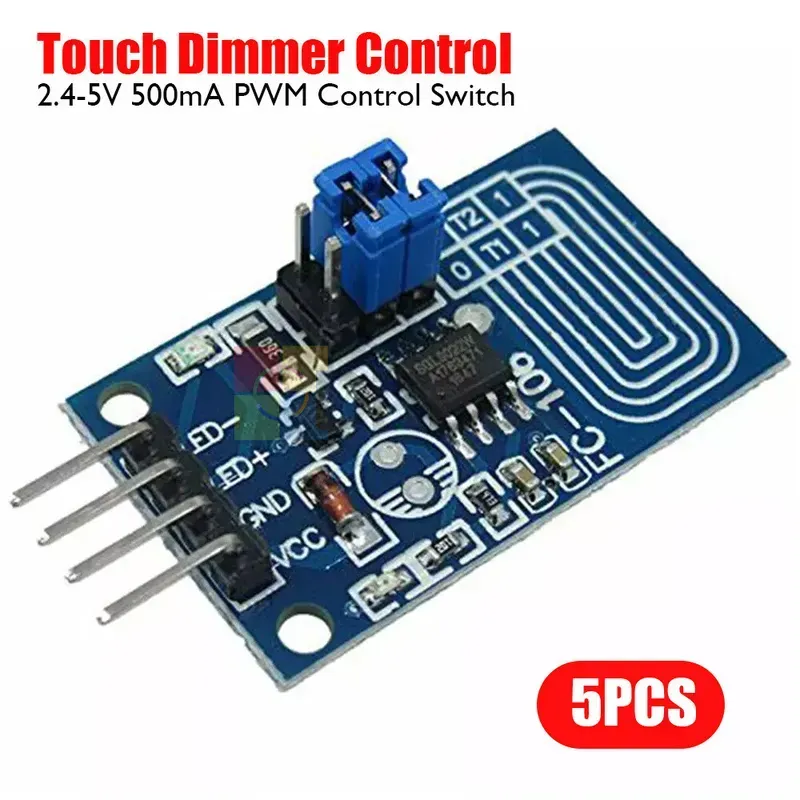
Dimming Control PCB
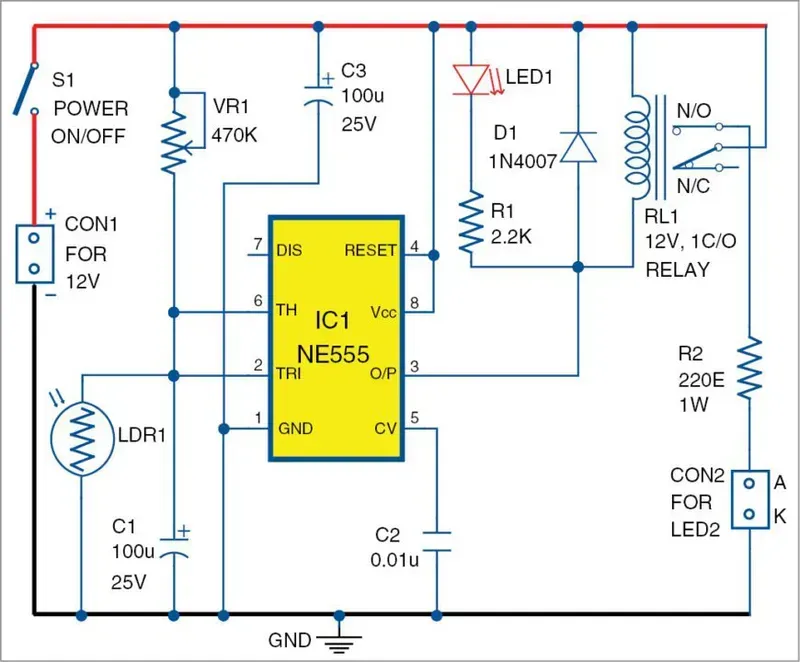
Optimizing ship lighting control through advanced Printed Circuit Boards (PCBs) is crucial for enhancing functionality, energy efficiency, and operational safety in the demanding marine environment. These specialized PCBs are engineered to integrate a range of features that address the unique requirements of maritime lighting, ensuring precise control, adaptability, and resilience against harsh conditions. Implementing these features translates directly into improved crew comfort, reduced energy consumption, and compliance with stringent maritime regulations, ultimately contributing to a more efficient and safer vessel operation.
Feature
Description
Benefits for Ship Lighting Control
Dimming Control
Allows precise adjustment of light intensity from 0-100%, often through Pulse Width Modulation (PWM) or analog control.
Optimizes energy consumption, extends LED lifespan, reduces glare, and creates adaptable lighting environments for various tasks and times of day. Essential for navigation bridges to maintain night vision.
Zone Control
Enables independent control of lighting in distinct areas or zones of the ship (e.g., cabins, engine room, navigation bridge, cargo holds).
Enhances operational flexibility, allows targeted lighting for specific activities, and further improves energy efficiency by only illuminating necessary areas. Simplifies wiring and management.
Emergency Lighting Integration
Seamlessly integrates with ship's emergency power systems to ensure critical lighting remains operational during power failures.
Crucial for safety, providing clear evacuation routes and essential visibility during emergencies. Compliance with SOLAS (Safety of Life at Sea) regulations is paramount.
Communication Interfaces
Incorporates industry-standard protocols like DALI (Digital Addressable Lighting Interface), Modbus, or Ethernet for networked control.
Facilitates centralized control, remote monitoring, and integration with the ship's broader automation system (e.g., Integrated Bridge Systems). Enables advanced scheduling and fault detection.
How do advanced ship lighting control PCBs contribute to energy efficiency? Advanced PCBs for ship lighting incorporate features like precise dimming, granular zone control, and intelligent scheduling capabilities. By allowing lights to be dimmed when full brightness isn't needed or turned off in unoccupied areas, energy consumption is significantly reduced. Integration with ambient light sensors can further automate this process, ensuring optimal illumination with minimal energy waste. This directly translates to lower fuel consumption and operational costs for vessels, aligning with modern maritime sustainability goals.
Zero One Solution Limited: Your Partner for Ship Lighting PCB Solutions
At the heart of reliable maritime operations lies robust infrastructure, and for ship lighting control, the Printed Circuit Board (PCB) is the unsung hero. Zero One Solution Limited stands as a beacon of expertise in this specialized domain, offering comprehensive, high-quality PCB solutions meticulously engineered for the demanding marine environment. Our unparalleled commitment to rapid prototyping and a seamless one-stop service from design to assembly ensures that your critical ship lighting systems are not only functional but resilient, enhancing safety, efficiency, and comfort onboard.
Rapid Prototyping for Accelerated Development In the fast-paced maritime industry, time-to-market is crucial. Zero One Solution Limited excels in rapid prototyping, enabling quick iterations and validation of ship lighting control PCB designs. This agile approach significantly reduces development cycles, allowing clients to deploy advanced lighting solutions with unprecedented speed and efficiency.
End-to-End One-Stop Solution We eliminate the complexities of managing multiple vendors by providing a complete, integrated service. From initial PCB design and material selection to manufacturing and final assembly, our comprehensive one-stop solution ensures seamless coordination, stringent quality control, and optimized project timelines for your ship lighting control PCBs.
Unwavering Commitment to Quality and Reliability For ship lighting control, where failure is not an option, quality and reliability are paramount. Zero One Solution Limited employs rigorous quality assurance protocols and adheres to international maritime standards (e.g., IEC 60945) throughout every stage of our process, guaranteeing the exceptional performance and longevity of our PCBs even in the harshest marine conditions.
Deep Expertise in Maritime PCB Challenges Leveraging years of experience, our veteran engineers possess profound insights into the unique challenges of marine PCB design, including moisture, vibration, temperature extremes, and electromagnetic interference. This specialized knowledge enables us to craft resilient and high-performing ship lighting control PCB solutions tailored to your specific requirements.
Our Design and Manufacturing Capabilities
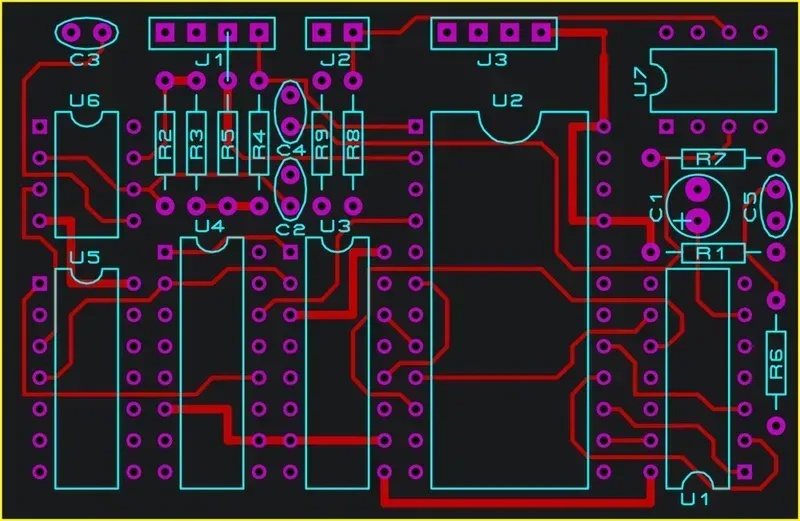
PCB Layout Design
At Zero One Solution Limited, our comprehensive design and manufacturing capabilities are precisely engineered to meet the demanding specifications of ship lighting control PCBs. We leverage advanced tools and methodologies to ensure every board delivers unparalleled performance and reliability in harsh marine environments, from initial concept to final production.
Schematic Capture and Layout Design Our expert engineers utilize industry-leading EDA software for meticulous schematic capture and efficient PCB layout design. We focus on optimizing component placement, routing, and layer stack-up to minimize signal path lengths and reduce noise, crucial for stable lighting control systems.
Signal Integrity Analysis High-speed signals in modern lighting controls demand rigorous signal integrity (SI) analysis. We conduct comprehensive simulations to predict and mitigate issues like crosstalk, reflections, and electromagnetic interference (EMI), ensuring clean signal transmission and reliable operation in electromagnetically noisy ship environments.
Thermal Management Solutions Effective thermal management is critical for the longevity and performance of ship lighting control PCBs, especially given potential enclosed spaces and high power densities. Our designs incorporate advanced thermal analysis, selecting appropriate materials and integrating heat dissipation features to maintain optimal operating temperatures and prevent premature component failure.
Advanced Manufacturing Processes Our state-of-the-art manufacturing facilities are equipped for high-precision PCB fabrication and assembly. We utilize automated processes for component placement (SMT, THT), reflow soldering, and rigorous in-process inspections, ensuring consistent quality and adherence to strict industry standards for marine applications.
DFM (Design for Manufacturability) Optimization From the earliest design stages, we integrate Design for Manufacturability (DFM) principles. This proactive approach ensures that designs are not only functionally robust but also cost-effective and efficient to produce, streamlining the transition from prototype to mass production for ship lighting solutions.
Material Selection for Harsh Marine Environments
Corrosion Resistant PCB Material
The unparalleled demands of marine environments necessitate a rigorous approach to material selection for Ship Lighting Control PCBs. Beyond mere functionality, these boards must withstand relentless exposure to corrosive saltwater, extreme temperature fluctuations, high humidity, and constant vibrations. The choice of materials directly dictates the longevity, reliability, and ultimately, the safety of shipboard lighting systems. At Zero One Solution Limited, our material selection process is meticulously engineered to exceed these challenges, ensuring every PCB delivers unwavering performance in the harshest marine conditions, adhering strictly to industry standards like IEC 60945.
Substrate Materials (FR-4 Variants & Advanced Composites) For robust Ship Lighting Control PCBs, we primarily utilize advanced FR-4 variants engineered for enhanced moisture resistance and thermal stability. These include high-Tg (Glass Transition Temperature) FR-4 laminates that maintain structural integrity under elevated temperatures, crucial for areas with heat-generating components. For applications demanding superior performance against extreme humidity and corrosive agents, we employ specialized composites such as polyimide and PTFE-based laminates. These materials offer exceptional dielectric properties, minimal water absorption, and superior chemical resistance, ensuring signal integrity and preventing short circuits even in persistently damp environments.
Copper Foils (ED & RA Copper) The type of copper foil significantly impacts signal transmission and thermal dissipation. We predominantly use Electro-Deposited (ED) copper for its uniform thickness and excellent peel strength, ensuring reliable trace adhesion even under vibration. For applications requiring superior flexibility or extreme thermal cycling resistance, Rolled Annealed (RA) copper is selected. Both types are treated with anti-tarnish coatings to prevent oxidation and ensure solderability over extended periods.
Solder Masks (Liquid Photoimageable & LPI-based) Solder mask is a critical protective layer. We employ high-quality Liquid Photoimageable (LPI) solder masks known for their excellent adhesion, chemical resistance, and dielectric strength. These masks are formulated to withstand UV radiation and high temperatures, providing robust insulation and preventing solder bridges. For enhanced resilience against aggressive chemicals and abrasion, we utilize specialized LPI-based masks with improved environmental stability, crucial for marine applications where exposure to various cleaning agents and corrosive atmospheres is common.
Surface Finishes (ENIG & Immersion Tin) The choice of surface finish is vital for solderability, wire bonding, and corrosion protection. Electroless Nickel Immersion Gold (ENIG) is a preferred finish for its excellent flatness, long shelf life, and superior corrosion resistance, making it ideal for harsh marine environments. The gold layer protects the underlying nickel from oxidation, ensuring reliable solder joints over time. For cost-sensitive applications that still demand good solderability and reasonable corrosion resistance, Immersion Tin (ImSn) can be utilized, offering a highly planar surface that is compatible with lead-free soldering processes.
Component Selection (Marine-Grade & Extended Temperature Range) Beyond the bare PCB, the selection of components is paramount. We specify marine-grade components that are rated for extended temperature ranges, high humidity, and vibration resistance. This includes sealed connectors, conformal coated ICs, and passive components with robust packaging. Furthermore, all chosen components comply with relevant maritime certifications, ensuring their suitability and longevity in shipboard applications.
Quality Assurance and Testing Procedures
PCB Environmental Testing
Ensuring the unwavering reliability and performance of Ship Lighting Control PCBs is paramount, especially given the demanding maritime environment. At Zero One Solution Limited, our robust quality assurance and testing procedures are meticulously designed to guarantee that every PCB meets the highest industry standards for durability, functionality, and longevity. This rigorous approach ensures that our solutions contribute to the safety, efficiency, and operational continuity of any vessel.
Testing Category
Description
Key Standards Adhered To
Functional Testing
Comprehensive verification of all PCB functionalities, including dimming control accuracy, zone switching, communication interface integrity (e.g., DALI, Modbus), and emergency lighting activation. This involves simulating real-world operational scenarios.
Subjecting PCBs to simulated harsh marine conditions such as extreme temperatures (-40°C to +85°C), high humidity (up to 95% RH), salt mist corrosion, and vibration/shock resistance to validate performance under stress.
IEC 60945 (Maritime Navigation and Radiocommunication Equipment and Systems – General Requirements), MIL-STD-810G (Environmental Engineering Considerations and Laboratory Tests)
Electrical Performance Testing
Assessment of critical electrical parameters including signal integrity, power consumption, current leakage, dielectric strength, and electromagnetic compatibility (EMC/EMI) to prevent interference and ensure stable operation.
Rigorous inspection and verification of all raw materials and electronic components for authenticity, quality, and adherence to specified tolerances, including FR-4 variants, conformal coatings, and connectors.
RoHS (Restriction of Hazardous Substances), REACH (Registration, Evaluation, Authorisation and Restriction of Chemicals)
Burn-in and Life Cycle Testing
Extended operation of PCBs under accelerated conditions to detect early-life failures and predict long-term reliability and lifespan, crucial for continuous marine operations.
JEDEC Standards (e.g., JESD47, Reliability Test Methods for Packaged Devices)
Our commitment to quality extends beyond standard checks; we integrate advanced automated optical inspection (AOI) and X-ray inspection to detect microscopic defects that might compromise performance. This multi-layered testing strategy ensures that every Ship Lighting Control PCB delivered by Zero One Solution Limited is not just compliant, but engineered for unparalleled resilience and sustained peak performance in the most challenging maritime environments.
Case Studies: Successful Ship Lighting PCB Projects
Ship Lighting PCB Project
At Zero One Solution Limited, our commitment to engineering excellence and specialized expertise in marine-grade PCB solutions is best demonstrated through our successful project implementations. We collaborate closely with clients to transform complex lighting control requirements into robust, reliable, and high-performance Ship Lighting Control PCB Solutions that withstand the rigors of the maritime environment. Our case studies exemplify our ability to deliver bespoke solutions, from rapid prototyping to full-scale production, ensuring optimal functionality and regulatory compliance for diverse vessel applications.
Project Name
Client Need
Zero One Solution Provided
Key Outcome
Naval Vessel Integrated Lighting System
A naval client required a highly resilient, EMI-hardened lighting control PCB for critical operational areas, demanding MIL-STD compliance and precise dimming capabilities.
Designed and manufactured a multi-layer PCB with enhanced shielding, robust power regulation, and DALI integration, utilizing FR4-TG170 material and conformal coating.
Achieved 99.9% reliability in harsh electromagnetic environments and enabled granular control over lighting zones, surpassing MIL-STD-461E and MIL-STD-810G requirements, reducing energy consumption by 20%.
Luxury Yacht Smart Lighting Network
A superyacht builder sought an aesthetically integrated, energy-efficient smart lighting control system with seamless dimming, color temperature adjustment, and remote management for passenger comfort.
Developed a compact, high-density PCB with embedded IoT modules (Wi-Fi/Bluetooth), advanced dimming drivers (PWM), and a custom API for mobile app integration. Utilized flexible PCB sections for seamless installation within intricate yacht interiors.
Delivered a visually stunning and intuitive lighting experience, allowing guests personalized control, reducing installation time by 30%, and achieving a 25% improvement in overall energy efficiency compared to traditional systems.
These case studies underscore Zero One Solution Limited's unwavering dedication to innovation, quality, and client satisfaction in the specialized field of Ship Lighting Control PCB Solutions. Our proven track record in addressing unique marine challenges positions us as a trusted partner for your next maritime electronics project.
FAQs about Ship Lighting Control PCBs
Navigating the complexities of ship lighting control PCBs requires a clear understanding of key design, material, and testing considerations. This section addresses frequently asked questions, providing precise, authoritative answers to common inquiries and ensuring a comprehensive grasp of these critical components for maritime applications.
What are the primary challenges in designing Ship Lighting Control PCBs for maritime environments? The primary challenges include extreme environmental conditions such as high humidity, salt spray, constant vibration, wide temperature fluctuations, and electromagnetic interference (EMI). Design must account for these factors by selecting robust components, implementing conformal coatings, and optimizing layout for signal integrity and EMI suppression. Compliance with stringent marine industry standards like IEC 60945 is also critical.
Which materials are best suited for Ship Lighting Control PCBs in harsh marine conditions? Materials must be selected for their durability and resistance to marine elements. FR-4 laminates with enhanced moisture resistance, often combined with specialized surface finishes like ENIG (Electroless Nickel Immersion Gold) or OSP (Organic Solderability Preservative), are commonly used. For extreme conditions, polyimide or ceramic substrates offer superior thermal and chemical resistance. Conformal coatings (e.g., acrylic, silicone, polyurethane) are essential to protect against moisture, chemicals, and fungi.
How do you ensure the reliability and longevity of Ship Lighting Control PCBs? Reliability and longevity are ensured through a rigorous multi-stage process. This includes meticulous design validation (e.g., DFM, DFA, signal integrity analysis), selection of high-grade, marine-certified components, and adherence to IPC Class 2/3 manufacturing standards. Comprehensive testing procedures such as functional testing, environmental stress screening (thermal cycling, humidity testing), vibration testing, and HALT/HASS (Highly Accelerated Life Test/Stress Screen) are also implemented to identify and mitigate potential failure points before deployment.
What communication protocols are typically integrated into Ship Lighting Control PCBs? Common communication protocols integrated into Ship Lighting Control PCBs include DALI (Digital Addressable Lighting Interface) for flexible and addressable lighting control, Modbus for robust industrial communication, and sometimes CAN Bus for networked control systems. Ethernet-based protocols are also gaining traction for more complex, integrated ship management systems. The choice depends on the system's complexity, required features, and integration with other shipboard systems.
What specific testing procedures are crucial for Ship Lighting Control PCBs? Crucial testing procedures include electrical functional testing to verify all circuit operations, environmental testing (e.g., temperature cycling, humidity exposure, salt mist spray testing) to simulate marine conditions, vibration and shock testing to ensure mechanical integrity, and electromagnetic compatibility (EMC/EMI) testing to prevent interference with other ship systems. Immersion testing and insulation resistance testing are also vital to confirm sealing and prevent electrical leakage in wet environments. All testing must comply with relevant marine certifications and standards.
In conclusion, ship lighting control PCBs are critical components in ensuring the safety, efficiency, and comfort of maritime operations. Zero One Solution Limited offers comprehensive PCB solutions tailored to the unique demands of shipboard lighting, from design and prototyping to manufacturing and assembly. With our commitment to rapid response and global support, we empower our clients to innovate and excel in the maritime industry. Contact Zero One Solution Limited today to discover how our PCB solutions can optimize your ship's lighting control systems and drive your success at sea. We encourage you to reach out for a consultation or to share your specific needs – let's illuminate the future of maritime lighting together.