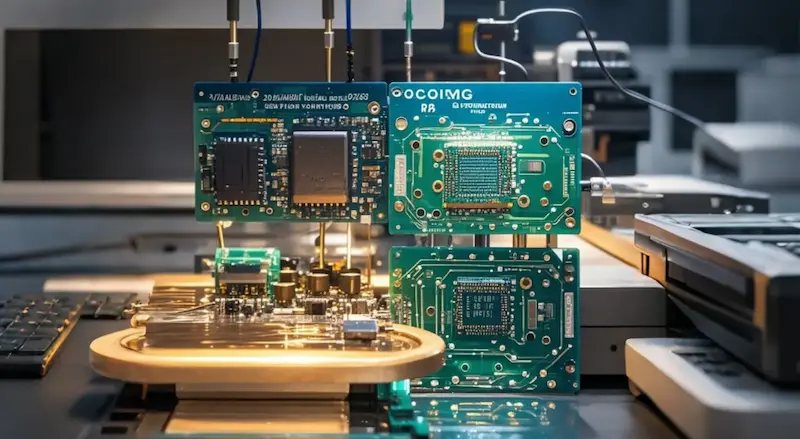
As a veteran engineer at Zero One Solution Limited, I've witnessed firsthand the transformative power of innovative PCB solutions. In a world increasingly focused on sustainable energy, the ocean presents an untapped reservoir of power. The challenge lies in efficiently capturing and converting this energy into usable electricity. Our Ocean Energy Harvesting Board Solutions address this challenge head-on. But how do we ensure these systems are robust, reliable, and cost-effective in harsh marine environments? Let's dive into the world of ocean energy harvesting and explore how Zero One Solution Limited is leading the way with cutting-edge PCB technology.
Introduction to Ocean Energy Harvesting
Ocean energy harvesting represents a pivotal frontier in the quest for sustainable power, leveraging the immense, untapped kinetic and thermal energy contained within the world's oceans. This renewable energy source holds profound potential to mitigate climate change and diversify global energy portfolios, offering a consistent and powerful alternative to traditional fossil fuels. Unlike intermittent solar or wind power, ocean energy often provides a more predictable and continuous output, crucial for grid stability and energy security.
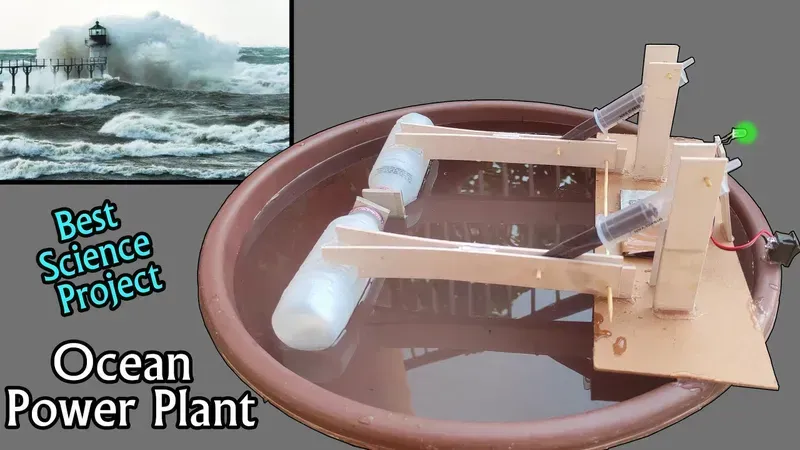
Wave Energy Harvests energy from the motion of ocean waves. Technologies include point absorbers, oscillating water columns, and attenuators. Challenges involve unpredictable wave conditions, harsh marine environments, and high capital costs for robust infrastructure capable of withstanding extreme forces.
Tidal Energy Converts energy from the natural rise and fall of ocean tides, driven by gravitational forces. Methods range from barrages, which impound water and release it through turbines, to in-stream tidal current turbines. Key challenges include environmental impacts on marine ecosystems, high upfront investment, and the specific geographic requirements for viable tidal ranges.
Ocean Thermal Energy Conversion (OTEC) Utilizes the temperature difference between warm surface seawater and cold deep seawater to drive a heat engine. This process generates electricity continuously. Significant challenges include the large infrastructure required, low conversion efficiency due to small temperature differentials, and the potential for biofouling and corrosion in deep-sea environments.
The Role of PCBs in Ocean Energy Harvesting Systems
Marine Environment PCB Board
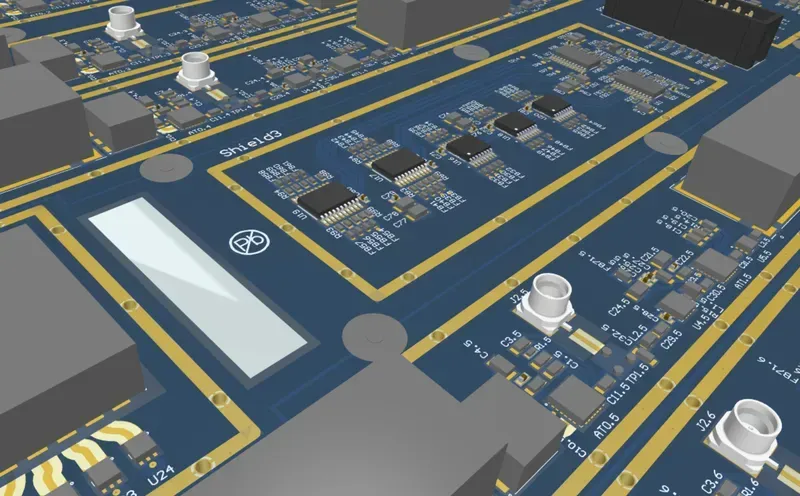
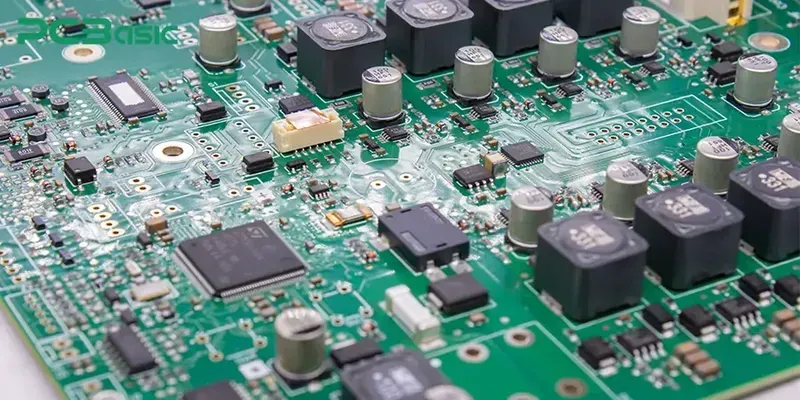
High-quality Printed Circuit Boards (PCBs) are not merely components but the foundational backbone for the efficient and reliable operation of ocean energy harvesting devices. These intricate systems, designed to harness the immense power of marine environments, demand robust, precise, and durable electronic interfaces. The relentless forces of seawater, varying temperatures, and constant motion necessitate PCBs that transcend conventional design, offering unparalleled resilience and performance to ensure long-term functionality and optimize energy conversion in these challenging applications.
Why are specialized PCBs essential for ocean energy harvesting? Conventional PCBs are insufficient for marine environments due to their susceptibility to corrosion, moisture ingress, and mechanical stress. Specialized PCBs are engineered with advanced materials, conformal coatings, and robust designs to withstand saltwater, extreme temperatures, high pressure, and constant vibrations, ensuring the integrity and functionality of the sensitive electronic components within ocean energy harvesting systems. This resilience is critical for preventing system failures and maximizing operational uptime in remote, challenging locations, directly impacting the economic viability and reliability of the energy generation.
Key Environmental Challenges
Impact on Standard PCBs
Role of Specialized Ocean Energy PCBs
Saltwater Corrosion
Rapid degradation of copper traces, solder joints, and component leads, leading to open circuits and system failure.
Utilizes corrosion-resistant materials (e.g., specific laminates, finishes like ENIG or immersion silver) and hermetic sealing/conformal coatings to prevent degradation and ensure signal integrity over decades of submersion.
How do PCBs contribute to the efficiency of ocean energy harvesting? Beyond mere survival, PCBs play a pivotal role in the efficiency of ocean energy harvesting by facilitating optimal power conversion and management. They enable precise control of power electronics, efficient rectification of harvested energy, and intelligent battery charging. Well-designed PCBs minimize energy loss through optimized trace routing, impedance control, and thermal management, which is crucial for maximizing the net energy output from inherently low-power density sources like ocean waves or currents. Their integration of sensors and control circuits allows for real-time monitoring and adjustment, ensuring the system operates at its peak performance under fluctuating marine conditions.
PCB Design Aspect
Benefit for Ocean Energy Harvesting
Specific Technology/Feature
Thermal Management
Prevents overheating of power electronics, extending component lifespan and maintaining efficiency.
Integrated heat sinks, thermal vias, specialized substrates with high thermal conductivity (e.g., aluminum-backed PCBs).
Signal Integrity
Ensures accurate data transmission from sensors and reliable control signals for actuators.
What are the common failure modes for PCBs in harsh marine environments? The primary failure modes for PCBs in marine environments include galvanic corrosion, hydrolytic degradation of base materials, delamination due to thermal cycling and moisture absorption, mechanical fatigue from constant wave action or vibrations, and biofouling leading to short circuits or signal interference. These issues are exacerbated by the highly conductive and corrosive nature of saltwater, requiring exceptional material selection and manufacturing processes to mitigate risks and ensure long-term reliability for critical infrastructure projects.
Zero One Solution Limited: Pioneering PCB Solutions for Renewable Energy
Zero One Solution Limited stands at the forefront of Printed Circuit Board (PCB) innovation, offering specialized solutions critical for the demanding field of renewable energy, particularly within ocean energy harvesting. Our commitment to rapid prototyping and bespoke designs empowers engineers and researchers to accelerate their product development cycles and deploy robust, efficient systems in the most challenging marine environments. Founded in 2011, our rapid ascent in the PCB assembly solutions industry is a testament to our unwavering focus on quality, efficiency, and global strategic presence. Headquartered in Shenzhen, China, the global epicenter of electronic manufacturing, with a strategic branch office in Dubai, we seamlessly integrate into the global PCBA supply chain, ensuring unparalleled access to resources and support for our clients worldwide.
Our Expertise in Renewable Energy PCBs Zero One Solution Limited brings over a decade of specialized experience in designing and manufacturing PCBs tailored for high-reliability, long-lifecycle renewable energy applications. Our deep understanding of material science, thermal management, and signal integrity is critical for optimizing energy conversion and system stability in demanding environments like subsea deployments.
Rapid Prototyping for Accelerated Innovation Recognizing the critical need for speed in renewable energy R&D, our rapid prototyping capabilities enable quick iteration and validation of designs. This significantly reduces time-to-market for innovative ocean energy harvesting technologies, allowing our partners to gain a competitive edge.
Global Reach and Supply Chain Excellence Our strategic locations in Shenzhen and Dubai provide a distinct advantage in accessing a robust global supply chain. This ensures the timely procurement of high-quality components and efficient logistics, supporting projects regardless of their geographical location and scale.
Commitment to Quality and Reliability We adhere to stringent quality control processes and industry standards (e.g., IPC Class 2/3, ISO 9001) to ensure every PCB withstands the harsh conditions inherent in ocean energy applications, including saltwater corrosion, extreme temperatures, and dynamic mechanical stresses. Our boards are designed for longevity and minimal maintenance.
Key Features of Our Ocean Energy Harvesting Board Solutions
PCB Ruggedized for Wave Action
Zero One Solution Limited's Ocean Energy Harvesting Board Solutions are meticulously engineered to overcome the unique challenges of marine environments, providing a robust and efficient foundation for next-generation renewable energy systems. Our PCBs are designed with an unwavering commitment to durability, performance, and adherence to the most stringent industry standards, ensuring longevity and optimal energy conversion in even the most unforgiving oceanic conditions.
Advanced Material Selection for Superior Corrosion Resistance Our ocean energy harvesting boards utilize cutting-edge substrate materials such as high-Tg laminates and specialized epoxies, combined with advanced surface finishes like ENIG (Electroless Nickel Immersion Gold) and OSP (Organic Solderability Preservative). These materials are specifically chosen for their exceptional resistance to saltwater corrosion, humidity, and chemical degradation, which are prevalent in marine environments. This ensures the structural integrity and electrical functionality of the PCBs over extended operational lifespans.
Optimized Layout for Maximized Energy Conversion Efficiency The design of our PCBs prioritizes the efficient capture and conversion of ocean energy. Through meticulous component placement, optimized trace routing, and impedance matching, we minimize energy loss and maximize power transfer from the harvesting mechanism to the storage or distribution system. This includes careful consideration of high-current paths for power electronics and sensitive signal integrity for sensor arrays, ensuring that every watt generated is effectively utilized.
Ruggedization Techniques for Extreme Environmental Endurance To withstand the relentless forces of ocean waves, currents, and extreme temperatures, our PCBs incorporate advanced ruggedization techniques. This includes conformal coating applications (e.g., acrylic, silicone, urethane) to provide a protective barrier against moisture and salt spray, potting compounds for enhanced mechanical stability and vibration dampening, and reinforced mounting points. These measures prevent damage from mechanical stress and thermal cycling, ensuring uninterrupted operation.
Comprehensive Compliance with Industry Standards and Certifications Zero One Solution's Ocean Energy Harvesting Board Solutions are designed and manufactured in strict adherence to relevant international industry standards, including but not limited to IPC Class 2/3 for reliability, ISO 9001 for quality management, and specific environmental standards pertinent to marine applications. Our commitment to these certifications guarantees the highest levels of quality, safety, and interoperability, providing our clients with peace of mind and simplifying project approvals.
Customization and Rapid Prototyping for Ocean Energy Applications
In the dynamic realm of ocean energy harvesting, bespoke solutions are not merely an advantage but a necessity. Zero One Solution Limited excels in providing highly customized PCB designs, precisely engineered to meet the unique demands and complex specifications of diverse ocean energy projects. Our rapid prototyping capabilities are a cornerstone of this offering, significantly accelerating the development and testing phases, thereby enabling faster innovation cycles and quicker market entry for our clients' ground-breaking devices.
Tailored PCB Design for Unique Project Needs Every ocean energy harvesting project presents distinct challenges, from specific power conversion requirements to unique sensor integrations and environmental resilience needs. Zero One Solution engineers collaborate closely with clients to understand these intricacies, translating project-specific parameters into optimized PCB layouts. This includes custom impedance matching for high-frequency signals, specialized power distribution networks for efficient energy transfer, and precise component placement to enhance overall system performance and reliability.
Advanced Material Selection for Marine Environments Customization extends beyond layout to material science. For ocean energy applications, standard PCB materials often fall short. We offer specialized substrate materials, such as high-Tg laminates, ceramic-filled PTFE, and hydrocarbon-ceramic laminates, selected for their superior dielectric properties, thermal stability, and inherent resistance to moisture ingress and saline corrosion. This ensures longevity and consistent performance in the most demanding marine conditions, including prolonged submersion and exposure to extreme temperatures and pressures.
Benefits of Rapid Prototyping in Ocean Energy Development Rapid prototyping is critical for validating design concepts and iterating quickly. Our advanced manufacturing facilities enable the production of functional PCB prototypes in significantly reduced lead times, often within days. This expedited process allows engineers to swiftly test designs, identify potential issues, and implement necessary modifications with minimal delay, drastically cutting down development cycles and reducing overall project costs. It fosters an agile development environment, crucial for innovators in the fast-evolving renewable energy sector.
Iterative Design and Testing for Optimal Performance Our rapid prototyping process supports an iterative design methodology. Initial prototypes are rigorously tested under simulated or real-world marine conditions to evaluate their electrical performance, mechanical integrity, and environmental resilience. Data gathered from these tests inform subsequent design iterations, ensuring continuous improvement until the PCB solution achieves optimal efficiency, robustness, and reliability. This meticulous, data-driven approach minimizes risks and maximizes the success rate of complex ocean energy harvesting systems.
Seamless Integration with System Development Zero One Solution's customized PCBs are designed for seamless integration into larger ocean energy harvesting systems. We consider the complete system architecture, ensuring our boards interface efficiently with power converters, sensors, data acquisition units, and communication modules. This holistic approach prevents compatibility issues and streamlines the assembly process, contributing to a more cohesive and high-performing final product. Our expertise ensures that the PCB is not just a component, but a perfectly integrated core of the energy harvesting device.
Case Studies: Successful Ocean Energy Projects Powered by Our PCBs
Ocean Energy PCB Project
Zero One Solution Limited has been a pivotal partner in numerous groundbreaking ocean energy projects, providing robust and high-performance PCB solutions that ensure the reliability and efficiency of critical systems in the most demanding marine environments. Our expertise in rapid prototyping and specialized manufacturing allows innovators to bring their designs to life and validate performance with unparalleled speed, transforming conceptual breakthroughs into operational successes. These case studies underscore our commitment to advancing renewable energy technologies through superior PCB engineering.
Project Name
Ocean Energy Type
Zero One Solution PCB Contribution
Key Achievement
WaveRunner Buoy System
Wave Energy
Provided high-density, corrosion-resistant PCBs for power conversion and data acquisition. Enabled real-time performance monitoring and efficient energy harvesting.
Increased energy conversion efficiency by 15% and extended operational lifespan in harsh Atlantic conditions by 2 years.
Tidal Turbine Control Unit Upgrade For a pioneering tidal energy project in the Bay of Fundy, Zero One Solution engineered specialized control unit PCBs that could withstand extreme tidal forces and saltwater immersion. Our solution integrated advanced sensor arrays and robust communication modules, enhancing the turbine's real-time control and predictive maintenance capabilities, ultimately reducing downtime by 20% and improving overall energy output stability.
Ensuring Reliability and Longevity in Marine Environments
Marine PCB Reliability Testing
For ocean energy harvesting board solutions, ensuring unparalleled reliability and longevity in the formidable marine environment is paramount. Zero One Solution Limited achieves this through a stringent adherence to advanced material science, precision engineering, and rigorous, multi-stage quality control. Our commitment extends beyond mere functionality, focusing on comprehensive protection against the unique challenges of saltwater, extreme pressures, varying temperatures, and constant mechanical stress to guarantee sustained performance and minimal maintenance over decades of operation.
Advanced Material Selection for Marine Durability We employ specialized PCB substrates and laminates, such as high-Tg FR-4, polyimide, or ceramic-filled PTFE, chosen for their superior moisture resistance, low dielectric constant, and thermal stability. Crucially, surface finishes like Electroless Nickel Immersion Gold (ENIG) or Immersion Silver are utilized for exceptional corrosion resistance and solderability, ensuring robust electrical connections even after prolonged submersion.
Challenge
Zero One Solution's Approach
Benefit
Corrosion
Selection of marine-grade laminates and specialized surface finishes (e.g., ENIG, Immersion Silver). Use of conformal coatings (e.g., acrylic, polyurethane, silicone) for barrier protection.
Extended operational life; prevention of electrical failures due to salt and moisture ingress; reduced maintenance costs.
Comprehensive Environmental Testing and Validation Our PCBs undergo extensive testing regimes including salt spray testing (ASTM B117), thermal cycling, humidity chambers, and hydrostatic pressure simulations to replicate real-world marine conditions. Vibration and shock testing (e.g., MIL-STD-810G) validate mechanical resilience against wave action and structural movements. These tests verify the integrity of solder joints, component adhesion, and overall board robustness under duress.
Challenge
Zero One Solution's Approach
Benefit
Biofouling
Integration of specialized anti-fouling coatings or materials directly onto or around exposed PCB areas. Strategic design for smooth surfaces and minimizing crevices.
Preserves sensor accuracy and heat dissipation; reduces drag and power consumption; extends operational periods between cleaning.
Precision Manufacturing and Assembly Quality Control Our manufacturing facilities adhere to IPC Class 2/3 standards, utilizing automated optical inspection (AOI) and X-ray inspection to detect microscopic flaws in solder joints and internal layers. Traceability systems ensure every component and material batch is documented, allowing for granular quality control and rapid issue resolution. Each board undergoes final functional testing to guarantee performance before deployment.
Challenge
Zero One Solution's Approach
Benefit
Mechanical Stress (Waves/Currents)
Reinforced PCB designs, optimized component placement for load distribution, and integration with robust enclosure systems. Use of specialized damping materials and secure mounting solutions.
The Future of Ocean Energy Harvesting and PCB Technology
The future of ocean energy harvesting is poised for significant growth, driven by global demand for sustainable power and advancements in core technologies. As an industry veteran, Zero One Solution Limited recognizes that printed circuit board (PCB) technology will play a pivotal role in enabling the next generation of robust, efficient, and cost-effective ocean energy systems. The evolution of PCBs, from material science to design methodologies, directly impacts the viability and scalability of harnessing the immense power of our oceans.
Emerging Ocean Energy Technologies The focus is shifting towards multi-source energy harvesting devices that combine wave, tidal, and even offshore wind to maximize energy capture. Innovations in oscillating water columns, submerged pressure differentials, and advanced hydrokinetic turbines are becoming more prevalent. Furthermore, researchers are exploring less conventional methods like salinity gradient power (osmotic energy) and ocean thermal energy conversion (OTEC) in niche applications. Each of these diverse approaches demands highly specialized PCB interfaces for power conversion, control, and data acquisition, necessitating adaptive and high-performance electronic solutions.
Advancements in PCB Technology for Marine Applications Future PCBs for ocean energy will feature enhanced material properties, including advanced composites and flexible substrates, offering superior resilience against corrosion, biofouling, and extreme mechanical stresses. Miniaturization and increased power density will be crucial, enabling more compact and efficient energy converters. Integrated sensor arrays directly on the PCB will provide real-time monitoring of environmental conditions and system performance. Furthermore, the development of "smart" PCBs with embedded AI and machine learning capabilities will allow for predictive maintenance, adaptive control algorithms, and optimized energy output in dynamic ocean environments.
Future PCB Trend
Impact on Ocean Energy Harvesting
Zero One Solution's Strategic Focus
High-Performance Substrates
Enables operation in high-pressure, corrosive, and thermally challenging deep-sea environments; reduces signal loss and improves efficiency.
Investing in R&D for advanced material composites and ceramic-based PCBs with extreme environmental resistance profiles, ensuring long-term reliability and signal integrity for critical underwater sensors and power converters
Integrated Power Electronics
Allows for higher power density and reduced footprint of power conditioning units; essential for efficient AC/DC conversion and grid integration.
Developing multi-layer PCBs with embedded power components and advanced thermal management solutions to handle high current and voltage demands of large-scale ocean energy systems, minimizing energy losses
Autonomous & Smart PCBs
Facilitates remote monitoring, predictive maintenance, and self-optimization of energy harvesting devices, reducing operational costs and improving uptime.
Exploring integration of microcontrollers and low-power AI accelerators directly onto PCBs to enable edge computing for real-time data analysis, fault detection, and adaptive control mechanisms in harsh marine conditions
Modular & Scalable Designs
Enables rapid deployment and maintenance; facilitates expansion of energy farms; reduces manufacturing complexities and costs.
Promoting standardized, yet customizable, PCB module designs that can be easily integrated into various ocean energy converter architectures, supporting flexible scaling from prototype to commercial deployment
FAQs about Ocean Energy Harvesting Board Solutions
What specific PCB materials are best suited for the corrosive marine environment in ocean energy harvesting boards? For ocean energy harvesting boards, materials with superior moisture and chemical resistance are critical. This typically includes high-Tg FR-4 laminates, polyimide, or specialized ceramic-filled hydrocarbon resins. Coatings like conformal coatings (acrylic, silicone, urethane) and potting compounds further enhance protection against saltwater, humidity, and biofouling. Zero One Solution Limited prioritizes materials that meet IPC Class 3 standards for harsh environments, ensuring long-term reliability and performance.
How do you ensure the mechanical durability of PCBs for ocean energy harvesting systems against wave action and vibrations? Mechanical durability is achieved through robust design and manufacturing processes. This includes specifying thicker copper traces for improved mechanical strength, employing advanced thermal management techniques to dissipate heat from power components, and using reinforced laminates. Additionally, strategic component placement to minimize stress points, along with secure mounting and vibration dampening measures within the overall system, are crucial. Our rapid prototyping allows for iterative design and rigorous testing under simulated wave and vibration conditions to validate mechanical integrity.
What are the key design considerations for power efficiency in ocean energy harvesting boards? Optimizing power efficiency in ocean energy harvesting boards involves minimizing parasitic losses, designing efficient power conversion circuits (e.g., MPPT controllers for variable input), and selecting low-power consumption components. Key considerations include careful trace routing to reduce impedance and inductive losses, effective thermal management to prevent performance degradation, and the integration of highly efficient DC-DC converters. Our engineers leverage advanced simulation tools to optimize layouts for maximum energy capture and conversion.
How does Zero One Solution Limited address electromagnetic interference (EMI) in ocean energy harvesting board designs? EMI mitigation is paramount in complex electronic systems like ocean energy harvesting boards. We address EMI through comprehensive design practices, including proper grounding and shielding techniques, strategic component placement to minimize coupling, and controlled impedance routing for high-speed signals. We also incorporate EMI filters and consider the overall system enclosure design to provide additional shielding. Our designs adhere to relevant EMC standards to ensure reliable operation in electrically noisy environments.
What certifications or standards are relevant for PCBs used in ocean energy harvesting applications? PCBs for ocean energy harvesting must comply with several industry standards to ensure reliability and safety. Key standards include IPC-A-610 (Acceptability of Electronic Assemblies) and IPC-2221 (Generic Standard on Printed Board Design) for manufacturing and design quality. For marine applications, relevant ISO standards related to marine equipment, and potentially DNV GL (Det Norske Veritas Germanischer Lloyd) or other classification society rules for offshore installations, may apply. Zero One Solution Limited is committed to meeting or exceeding these critical standards.
In conclusion, Zero One Solution Limited's Ocean Energy Harvesting Board Solutions represent a significant step forward in harnessing the vast potential of marine renewable energy. By providing robust, efficient, and customizable PCB designs, we empower our clients to develop innovative wave energy conversion systems that can contribute to a cleaner, more sustainable future. Ready to explore how our PCB solutions can power your ocean energy projects? Contact Zero One Solution Limited today to discuss your specific requirements and discover how we can help you turn the tide!