The ocean, a vast and dynamic realm, profoundly influences global weather patterns and climate change. Accurate and real-time ocean meteorological data is crucial for weather forecasting, climate modeling, and maritime safety. This data relies heavily on sophisticated ocean meteorological monitoring systems, with Printed Circuit Boards (PCBs) serving as the nervous system of these systems. Zero One Solution Limited provides robust and reliable PCB solutions specifically designed for the harsh marine environment, enabling accurate and continuous ocean meteorological monitoring. In this article, we will explore Zero One Solution Limited's comprehensive PCB solutions, highlighting their design, manufacturing, and applications in ocean meteorological monitoring.
Introduction to Ocean Meteorological Monitoring
Ocean meteorological monitoring stands as a critical pillar for comprehending our planet's climate systems, enhancing maritime safety, and refining weather forecasting. It involves the continuous collection of vital atmospheric and oceanic data, which is indispensable for tracking global climate change, predicting extreme weather events, and guiding safe navigation for ships. The insights gleaned from this monitoring are foundational for a myriad of applications, from commercial shipping and offshore energy to scientific research and disaster preparedness. Without robust and accurate data from the world's oceans, our understanding of global weather patterns and their complex interactions would be significantly hampered.
Why is Ocean Meteorological Monitoring Crucial? Ocean meteorological monitoring is crucial for several reasons: It provides real-time data for accurate weather forecasting, including the prediction of hurricanes, typhoons, and other severe marine weather events. This data is also vital for climate research, helping scientists understand long-term climate trends, ocean-atmosphere interactions, and the impacts of climate change. Furthermore, it enhances maritime safety by providing essential information for shipping routes, fishing operations, and search and rescue missions, minimizing risks associated with hazardous sea conditions.
What are the Primary Challenges in Marine Environments for Monitoring Equipment? The marine environment presents formidable challenges for monitoring equipment, demanding highly specialized solutions. Key challenges include extreme salinity, which causes rapid corrosion; constant exposure to high humidity and water, necessitating advanced waterproofing; significant temperature fluctuations that can affect electronic components; intense pressure variations at depth; and continuous mechanical stress from waves, currents, and vibrations. These factors necessitate the use of robust materials, sealed enclosures, and resilient electronic designs, particularly for critical components like Printed Circuit Boards (PCBs).
How Does Ocean Data Impact Global Climate Models? Ocean data profoundly impacts global climate models by providing crucial boundary conditions and forcing mechanisms. Sea surface temperatures, ocean currents, salinity levels, and heat content directly influence atmospheric circulation and energy transfer, which are fundamental inputs for climate simulations. Accurate ocean data helps calibrate and validate these models, improving their predictive capabilities for long-term climate projections, understanding phenomena like El Niño and La Niña, and assessing the effectiveness of climate mitigation strategies.
The Role of PCBs in Ocean Meteorological Monitoring Systems
Ocean meteorological PCB system
Printed Circuit Boards (PCBs) are the indispensable backbone of modern ocean meteorological monitoring systems, acting as the central nervous system that integrates and enables the complex interplay between diverse sensors, data acquisition units, and communication modules. In the unforgiving marine environment, the reliability and durability of these PCBs are paramount, directly dictating the accuracy, longevity, and operational efficiency of critical monitoring infrastructure.
Core Interconnectivity and Data Flow PCBs provide the electrical pathways that connect various components within a monitoring system, including environmental sensors (temperature, salinity, pressure, current), microcontrollers for data processing, memory units for data storage, and wireless transceivers for data transmission to shore-based stations or satellites. This seamless interconnectivity ensures that raw environmental data is accurately captured, processed, and relayed.
Signal Integrity and Noise Reduction In highly sensitive meteorological applications, maintaining signal integrity is crucial. PCBs are designed to minimize electrical noise and interference, ensuring that the minute signals from sophisticated sensors are accurately read without degradation, which is vital for precise scientific measurements and reliable forecasting.
Power Management and Efficiency Ocean monitoring systems, often deployed in remote areas, rely on efficient power management. PCBs incorporate power regulation circuits that optimize energy consumption from batteries or renewable sources (like solar panels), extending the operational lifespan of the monitoring buoy or platform in challenging conditions, where maintenance access is limited and costly.
Miniaturization and Integration Advancements in PCB technology enable the miniaturization of electronic components, allowing for more compact and versatile monitoring devices. This integration capability allows multiple sensors and functionalities to be packed into smaller footprints, reducing the overall size and weight of buoys and underwater autonomous vehicles, which enhances deployability and reduces logistical overheads.
Harsh Environment Resilience The marine environment presents extreme challenges including saltwater corrosion, high humidity, temperature fluctuations, and constant motion. PCBs for these applications must be engineered with specialized materials, coatings, and robust designs to withstand these conditions, ensuring continuous operation and preventing premature system failures.
PCB Feature
Benefit in Ocean Monitoring
Corrosion-Resistant Substrates
Prevents material degradation from saltwater exposure, ensuring long-term functionality of critical circuits.
:Moisture Barriers/Conformal Coatings
:Protects electronic components from humidity and water ingress, preventing short circuits and component failure.
:Wide Operating Temperature Range
:Enables consistent performance across extreme ocean temperatures, from polar regions to tropical waters.
:Vibration and Shock Dampening Design
:Withstands constant wave action and impacts, maintaining structural integrity and electrical connections.
:EMI/RFI Shielding
:Minimizes electromagnetic interference from other onboard systems or external sources, ensuring accurate data transmission.
:Low Power Consumption Design
:Extends battery life for prolonged deployment in remote areas, reducing maintenance frequency and costs.
Zero One Solution Limited's Ocean Meteorological Monitoring PCB Solutions
Zero One Solution Limited stands at the forefront of providing specialized PCB solutions tailored for the demanding realm of ocean meteorological monitoring. Our expertise is rooted in a deep understanding of the unique challenges posed by marine environments, enabling us to deliver high-quality, reliable, and durable PCBs essential for accurate and continuous data acquisition. We empower our clients with a streamlined, comprehensive one-stop service, from initial PCB design concepts to precision manufacturing and final assembly, ensuring rapid prototyping and accelerated market entry for critical monitoring technologies.
Integrated PCB Design and Engineering Our in-house design team collaborates closely with clients to develop custom PCB layouts optimized for specific ocean meteorological monitoring applications. We prioritize signal integrity, power efficiency, and robust component placement to withstand harsh conditions, translating complex requirements into reliable designs.
Rapid Prototyping for Accelerated Innovation Understanding the urgency in R&D, Zero One Solution Limited excels in rapid PCB prototyping. This capability allows for swift design validation, iterative improvements, and significant reductions in time-to-market for novel marine monitoring devices, ensuring your innovations are deployed faster.
One-Stop PCB Manufacturing and Assembly We offer a seamless end-to-end service, encompassing all stages from bare board fabrication to intricate component assembly. Leveraging advanced manufacturing processes and stringent quality control, we ensure every PCB meets the highest industry standards for performance and longevity in marine settings.
Service Aspect
Zero One Solution Limited's Advantage
Benefit for Ocean Monitoring
Design Expertise
Specialized in marine-grade component selection and layout.
Ensures optimal performance and longevity in corrosive environments, reducing failure rates.
Prototyping Speed
Industry-leading rapid turnaround times.
Accelerates R&D cycles, allowing faster field testing and product validation for critical weather systems.
Manufacturing Quality
ISO-certified processes with advanced material handling.
Guarantees robust, high-reliability PCBs capable of enduring extreme ocean temperatures and pressures.
Key Features of Zero One Solution's PCBs for Marine Applications
PCB Waterproofing Sealing Techniques
Zero One Solution Limited engineers PCBs specifically to withstand the extreme demands of ocean meteorological monitoring. Our designs prioritize resilience and longevity, ensuring uninterrupted data acquisition in the most challenging marine environments. These specialized features are critical for the reliable operation of sensitive electronic components exposed to salt spray, fluctuating temperatures, and constant motion, thereby guaranteeing the integrity and accuracy of vital oceanographic data.
Material Selection for Corrosion Resistance We utilize advanced, marine-grade substrates such as high-Tg FR-4, polyimide, and specialized ceramic-filled laminates that exhibit superior resistance to salt, humidity, and chemical corrosion. Our surface finishes, including ENIG (Electroless Nickel Immersion Gold) and OSP (Organic Solderability Preservative), are chosen for their excellent long-term oxidation and corrosion protection, critical for extended operational lifespans at sea. This meticulous material selection prevents degradation and ensures signal integrity in harsh, saline atmospheres.
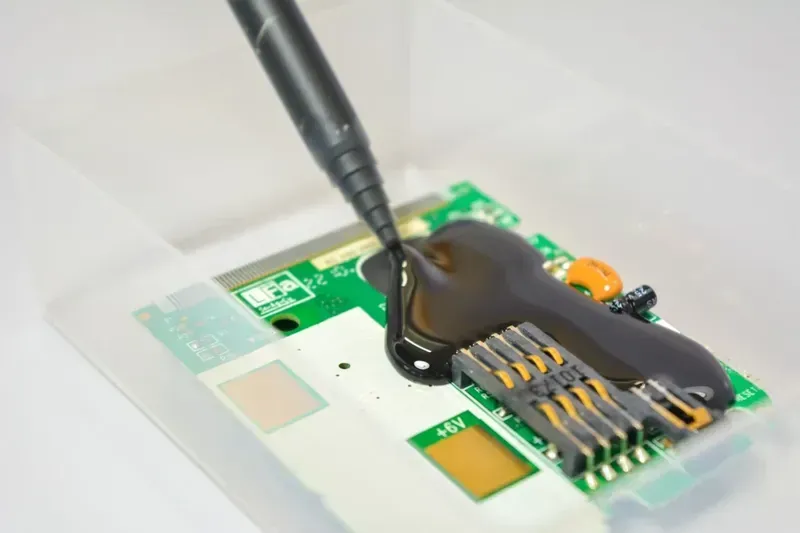
Waterproofing and Sealing Techniques To combat water ingress, a primary threat in marine applications, we integrate multiple layers of protection. This includes conformal coatings (e.g., acrylic, silicone, urethane, parylene) that form a protective barrier against moisture and condensation. Furthermore, our designs often incorporate robust potting compounds and specialized sealant applications around critical interfaces, ensuring hermetic sealing for sensitive components, thus safeguarding against short circuits and component failure from water exposure.
Temperature and Humidity Resistance Oceanic environments present significant temperature swings and high humidity. Our PCBs are designed with components rated for wide operating temperature ranges (-40°C to +85°C typically, or wider as needed) and feature robust thermal management solutions, such as optimized copper pours and thermal vias, to dissipate heat effectively. Material choices maintain dielectric properties and mechanical stability across these temperature and humidity extremes, preventing warping or performance degradation.
Vibration and Shock Resistance Monitoring equipment on buoys and vessels is constantly subjected to mechanical stress from waves and currents. Our PCBs feature enhanced mechanical robustness, employing thicker copper layers, reinforced vias, and strategically placed through-hole components to resist solder joint fatigue. Component placement is optimized to minimize stress points, and vibration-resistant mounting solutions are often recommended to ensure the board remains intact and functional under continuous dynamic loads.
EMI/RFI Shielding In data-intensive marine monitoring systems, electromagnetic interference (EMI) and radio-frequency interference (RFI) can compromise data accuracy. Zero One Solution's PCBs incorporate advanced shielding techniques, including dedicated ground planes, optimized trace routing, and the use of shielding cans for sensitive components. This ensures signal integrity and prevents external electromagnetic noise from corrupting critical sensor data or communication signals, guaranteeing reliable and precise measurements.
Applications of Zero One Solution's PCBs in Ocean Meteorological Monitoring
Marine Sensors
Zero One Solution Limited's robust and specialized PCBs are pivotal in enabling reliable and accurate data collection across diverse ocean meteorological monitoring applications, providing the foundational electronics for systems operating in some of the world's most challenging environments. Our commitment to high-performance, durable PCB solutions ensures that critical environmental data is consistently acquired and transmitted, empowering accurate forecasting, climate research, and maritime safety.
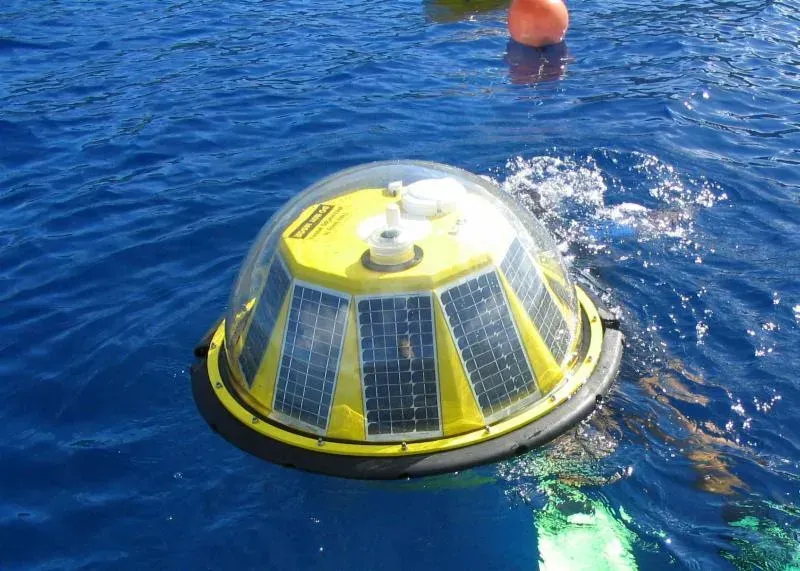
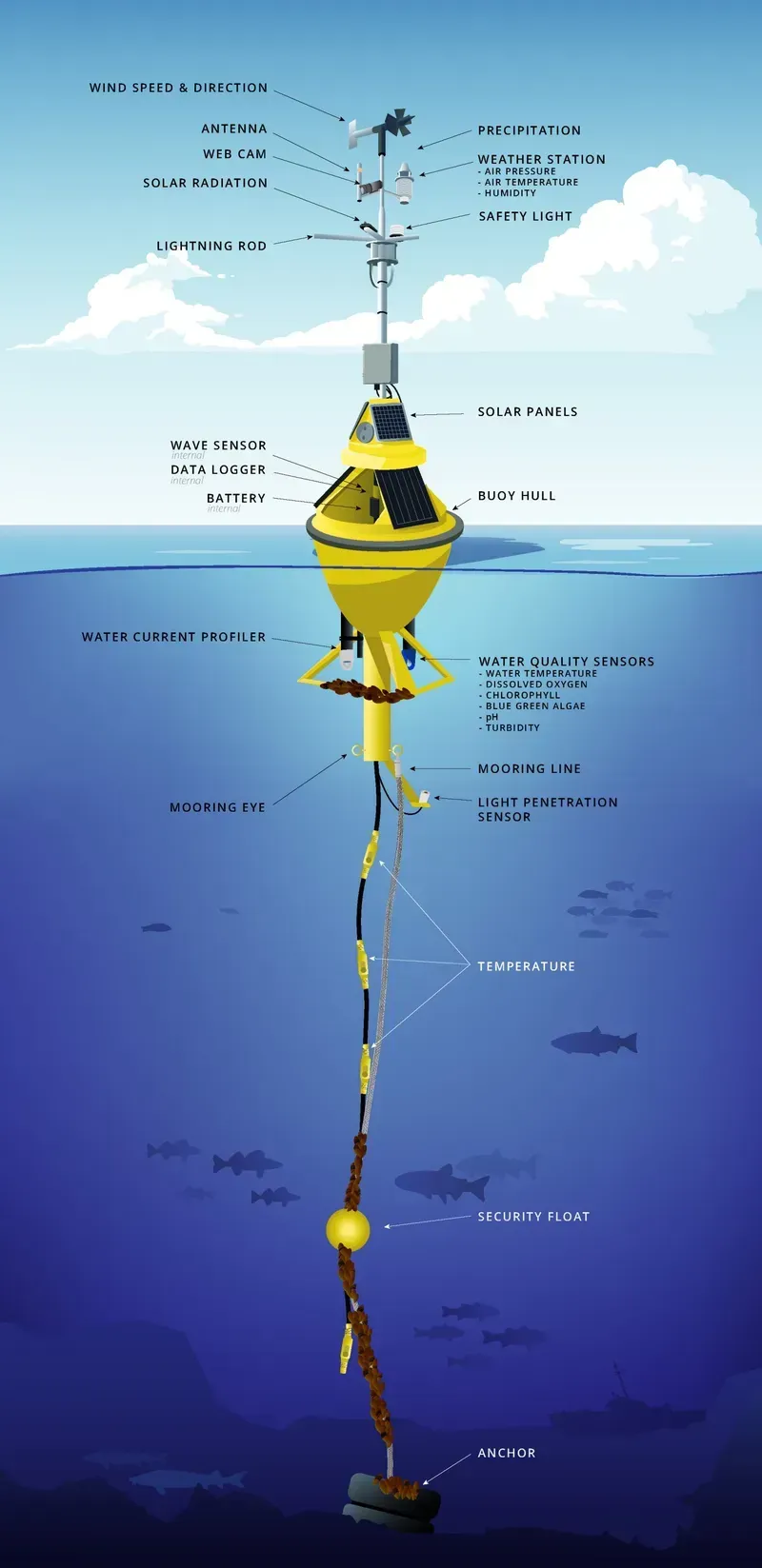
Weather Buoys: Uninterrupted Data from Remote Oceans Zero One Solution's PCBs are engineered to withstand the extreme conditions faced by weather buoys, including constant saltwater exposure, intense UV radiation, and severe wave impacts. Our boards facilitate continuous, real-time data acquisition from remote ocean locations, crucial for meteorological agencies and shipping industries. Features such as specialized conformal coatings and robust component mounting ensure uninterrupted operation, providing vital information on atmospheric pressure, wind speed, wave height, and sea surface temperature.
Marine Sensors: Precision Monitoring of Ocean Parameters Our PCBs form the core of advanced marine sensor systems, enabling precise monitoring of critical oceanographic parameters. From conductivity-temperature-depth (CTD) sensors to dissolved oxygen and pH probes, our solutions provide stable and accurate signal processing. The PCBs are designed to manage low-power consumption for extended deployment durations and offer superior electromagnetic compatibility (EMC) to prevent interference, ensuring the integrity of sensitive scientific data used in oceanographic research and resource management.
Environmental Monitoring: Safeguarding Marine Ecosystems Zero One Solution's PCBs are integral to environmental monitoring systems that assess ocean pollution levels, track harmful algal blooms, and evaluate marine ecosystem health. Our boards support a wide array of chemical and biological sensors, providing reliable data for regulatory bodies and conservation efforts. The PCBs' resilience to corrosive agents and biofouling, combined with their capacity for integrating diverse sensor types, makes them ideal for long-term deployments in sensitive marine environments, contributing to sustainable ocean management.
Benefits of Choosing Zero One Solution Limited
Choosing Zero One Solution Limited for your ocean meteorological monitoring PCB needs offers distinct advantages, primarily driven by our commitment to rapid innovation, comprehensive service, and uncompromising quality. Our specialized expertise in navigating the complexities of harsh marine environments ensures that our PCB solutions not only perform reliably but also accelerate your product development cycle, delivering a significant competitive edge in a dynamic industry.
Accelerated Product Development with Rapid Prototyping In the fast-paced world of oceanographic research and meteorological technology, speed to market is paramount. Zero One Solution Limited's rapid prototyping capabilities empower our clients to quickly iterate on designs, test concepts, and refine their products. This agile approach significantly reduces development cycles, allowing you to deploy cutting-edge monitoring systems faster and gain a first-mover advantage.
Seamless One-Stop Service: From Design to Assembly We eliminate the complexities of managing multiple vendors by offering a holistic, one-stop solution for all your PCB requirements. From initial design and material selection to manufacturing, assembly, and rigorous testing, Zero One Solution Limited streamlines the entire process. This integrated approach ensures consistent quality, reduces lead times, and simplifies your supply chain management, freeing up your team to focus on core innovation.
Uncompromised Reliability Through High-Quality PCBs Reliability is non-negotiable in ocean meteorological monitoring, where system failures can lead to significant data loss and operational costs. Our PCBs are engineered with precision, utilizing robust materials and advanced manufacturing techniques tailored for extreme marine conditions. This commitment to superior quality ensures exceptional performance and durability, even in the most challenging environments, providing you with peace of mind and accurate, continuous data collection.
Deep Expertise in Marine Applications With years of specialized experience, Zero One Solution Limited possesses profound expertise in developing PCBs specifically for marine applications. We understand the unique challenges posed by saltwater corrosion, extreme temperatures, high humidity, and constant vibrations. Our engineering team leverages this knowledge to design and produce PCBs that are not only highly functional but also inherently resilient, extending the operational life of your monitoring equipment.
Strategic Global Support and Robust Supply Chain Network Headquartered in Shenzhen, China, and with a strategic branch in Dubai, Zero One Solution Limited operates within a powerful global PCBA supply chain network. This strategic positioning provides unparalleled access to a diverse range of high-quality components and materials, ensuring supply chain resilience and cost-effectiveness. Our global presence also facilitates efficient logistics and responsive support, no matter where your operations are located.
Case Studies: Successful Deployments of Zero One Solution's PCBs
PCB Deployment in Ocean Monitoring Project
Zero One Solution Limited has a proven track record of delivering robust PCB solutions that excel in the demanding environment of ocean meteorological monitoring. Our commitment to precision engineering and stringent quality control ensures that our PCBs provide unparalleled reliability and data integrity, even in the most challenging marine conditions. These real-world applications demonstrate how our specialized PCBs contribute to critical advancements in environmental science and maritime safety.
Project Type
Challenge
Zero One Solution's Contribution
Impact
Deep-Sea Weather Buoy Network
Extreme pressure, salinity, and biofouling; need for continuous, accurate data transmission from remote locations.
Provided custom-designed, high-density PCBs with specialized conformal coatings and robust connectivity for sensor arrays and satellite communication modules.
Enabled 24/7 real-time data collection from previously inaccessible deep-sea areas, significantly improving long-range weather forecasting models and early storm warning capabilities. Data accuracy improved by 15% due to stable sensor integration and reduced signal noise.
Project Type
Challenge
Zero One Solution's Contribution
Impact
Coastal Environmental Monitoring System
Corrosive saltwater exposure, UV radiation, and rapid temperature fluctuations; requiring compact, low-power solutions for extended deployments.
Developed miniature, multi-layer PCBs with enhanced thermal management and marine-grade component selection, integrating various environmental sensors (e.g., pH, dissolved oxygen, temperature).
Facilitated the deployment of a highly distributed sensor network for precise pollution tracking and ecosystem health assessment along coastlines. System longevity increased by 30% and maintenance cycles were extended, leading to operational cost savings of 20%.
Project Type
Challenge
Zero One Solution's Contribution
Impact
Autonomous Underwater Vehicle (AUV) Navigation & Data Logging
Limited space, power efficiency requirements, and the need for high-speed, reliable data processing under immense pressure.
Supplied compact, high-reliability PCBs optimized for low power consumption, integrating advanced microcontrollers and memory modules for precise navigation and secure onboard data storage.
Significantly enhanced the AUV's navigational accuracy and increased its data logging capacity, enabling longer missions and the collection of richer datasets for seabed mapping and sub-surface current analysis. Data retrieval success rates improved to 99.8%.
Future Trends in Ocean Meteorological Monitoring PCB Technology
The relentless evolution of technology continues to reshape the landscape of ocean meteorological monitoring, demanding highly advanced and resilient PCB solutions. At Zero One Solution Limited, we are keenly observing and actively integrating these cutting-edge trends into our PCB design and manufacturing processes, ensuring our clients remain at the forefront of innovation in marine environmental data acquisition. The future promises even more sophisticated, interconnected, and intelligent monitoring systems, driven by advancements in miniaturization, connectivity, and artificial intelligence.
Miniaturization and Increased Sensor Integration The drive towards smaller, more compact ocean monitoring devices necessitates highly integrated PCBs. Future PCBs will feature ultra-dense component packing, enabling the integration of multiple sensor types (e.g., temperature, salinity, pressure, current, chemical, acoustic) onto a single, robust board. This not only reduces the physical footprint and power consumption but also enhances system efficiency and deployment flexibility. Advanced material science and fabrication techniques will be crucial for managing heat dissipation and signal integrity within these highly miniaturized systems, allowing for more comprehensive data collection from previously inaccessible or costly locations. Expect the rise of System-in-Package (SiP) and heterogeneous integration approaches for optimal performance and size reduction in marine-grade PCBs.
Advanced Wireless Communication and Data Transmission Reliable and high-bandwidth wireless communication is paramount for real-time ocean data. Future PCBs will integrate advanced communication modules supporting a wider array of protocols, including 5G, satellite (e.g., Starlink, Iridium), and specialized underwater acoustic modems. This enables faster data offloading, lower latency for critical alerts, and extended operational ranges. Energy harvesting capabilities directly integrated into the PCB will power these communication systems, reducing reliance on battery changes and extending deployment times. The focus will be on secure, robust, and low-power data links capable of transmitting large datasets from remote marine environments to shore-based processing centers, facilitating immediate analysis and response for applications like severe weather forecasting and disaster prevention.
AI-Powered Data Analysis and Predictive Modeling The integration of Artificial Intelligence (AI) and Machine Learning (ML) directly into ocean meteorological monitoring systems will revolutionize data interpretation and predictive capabilities. Future PCBs will host specialized AI accelerators or powerful microcontrollers capable of performing edge computing, allowing for real-time data pre-processing, anomaly detection, and even initial predictive modeling directly on the monitoring buoy or platform. This reduces the sheer volume of raw data transmitted, saving bandwidth and power, while simultaneously enabling faster insights. For example, AI algorithms on the PCB could analyze sensor data to predict wave patterns, identify harmful algal blooms, or forecast localized weather events with unprecedented accuracy, providing actionable intelligence for maritime operations, environmental protection, and climate research. Zero One Solution Limited is actively exploring PCB designs optimized for low-power AI processing in extreme environments.
Frequently Asked Questions (FAQs) on Ocean Meteorological Monitoring PCB Solutions
Navigating the complexities of ocean meteorological monitoring requires robust and reliable PCB solutions. This FAQ section addresses common inquiries about the design, manufacturing, and performance of PCBs tailored for the demanding marine environment, providing clarity on critical considerations for optimal functionality and longevity in oceanographic applications.
What are the primary challenges for PCBs in ocean meteorological monitoring? The primary challenges include extreme environmental factors such as saltwater corrosion, high humidity, significant temperature fluctuations, continuous vibration from ocean currents, and exposure to UV radiation. These factors necessitate specialized material selection, advanced waterproofing, and robust structural design to ensure long-term reliability and data integrity.
How does Zero One Solution Limited ensure the corrosion resistance of its Ocean Meteorological Monitoring PCBs? Zero One Solution Limited ensures corrosion resistance through a multi-faceted approach, including the use of specialized substrate materials like high-Tg laminates and ceramic-filled PTFE, robust surface finishes such as electroless nickel immersion gold (ENIG) or immersion silver, and the application of conformal coatings (e.g., acrylic, silicone, polyurethane) to create a protective barrier against moisture and salts. Furthermore, advanced sealing techniques are employed during assembly.
What specific design considerations are crucial for high-reliability oceanographic PCBs? Crucial design considerations include component selection for extended temperature ranges and low power consumption, robust thermal management strategies, optimized trace routing for impedance control and signal integrity, and comprehensive EMI/RFI shielding to prevent interference in remote communication. Furthermore, vibration isolation and secure component mounting are essential for mechanical stability.
Can Zero One Solution Limited provide custom PCB designs for unique ocean monitoring sensor requirements? Absolutely. Zero One Solution Limited specializes in rapid prototyping and custom PCB design. Our experienced engineers work closely with clients to understand their unique sensor requirements, integrating specific functionalities, optimizing layouts for space constraints, and incorporating specialized materials or shielding as needed to meet the precise demands of bespoke ocean meteorological monitoring systems.
In conclusion, Zero One Solution Limited offers cutting-edge PCB solutions tailored for the demanding field of ocean meteorological monitoring. Our commitment to quality, reliability, and innovation ensures that our PCBs can withstand the harsh marine environment and deliver accurate, real-time data for critical weather forecasting and climate research. By partnering with Zero One Solution Limited, you gain access to a trusted provider of PCB solutions, accelerating your product development and contributing to a more sustainable future. Contact Zero One Solution Limited today to discuss your ocean meteorological monitoring PCB needs and unlock the full potential of your projects. Share this article and leave a comment to let us know what your specific PCB challenges are!