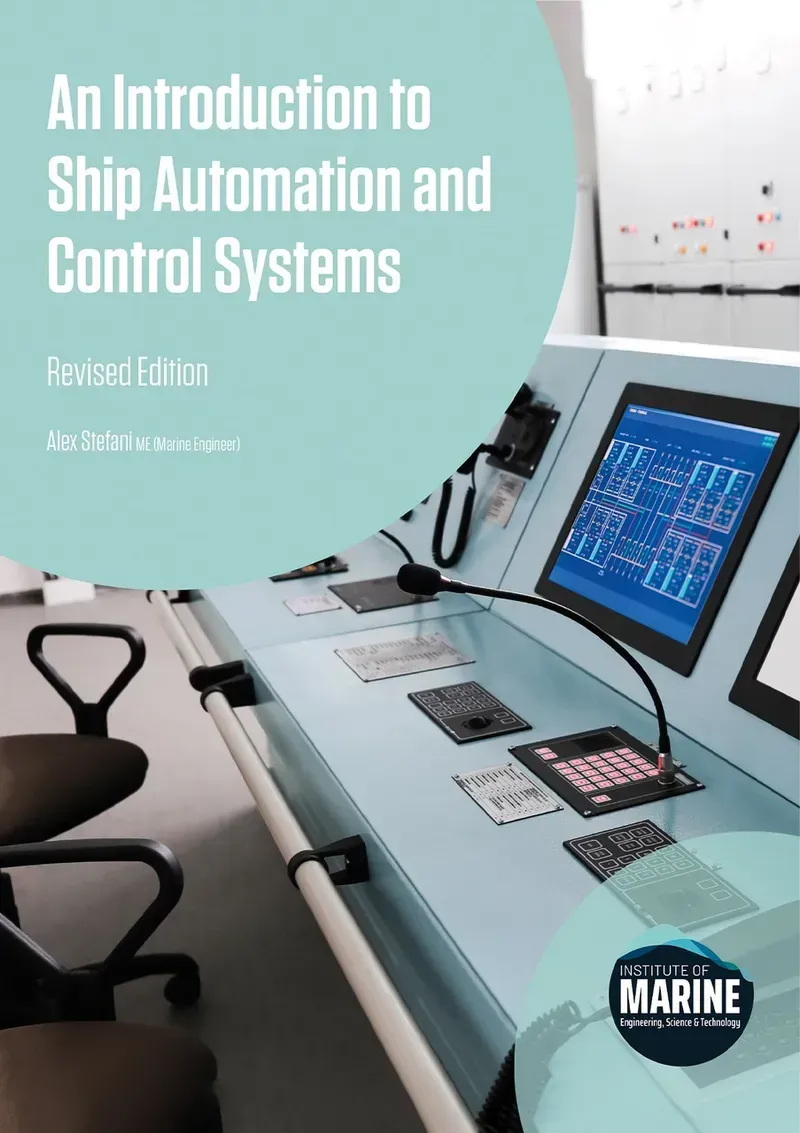
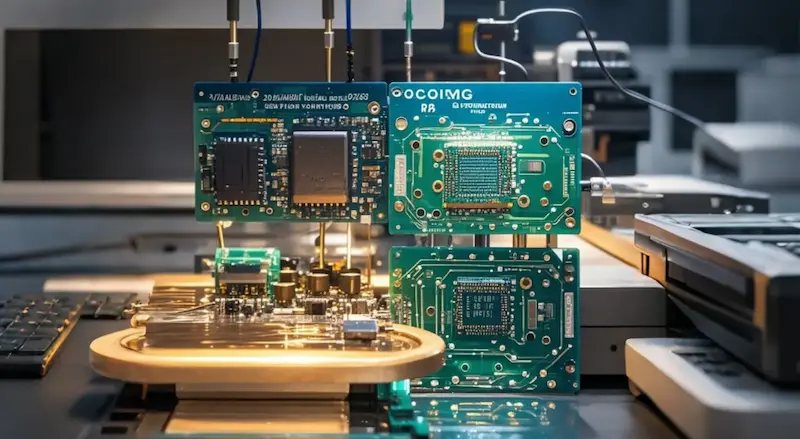
In the relentless pursuit of efficiency and safety at sea, ship automation systems have emerged as indispensable tools. These systems rely heavily on robust and reliable control boards to manage critical functions. Zero One Solution Limited, a leader in PCB solutions, is committed to providing cutting-edge ship automation control board solutions that ensure seamless maritime operations. This article delves into the intricacies of ship automation control boards, exploring their functionalities, benefits, and the comprehensive solutions offered by Zero One Solution Limited. From enhancing operational efficiency to ensuring regulatory compliance, these control boards are pivotal in modern maritime technology.
Understanding Ship Automation Control Boards
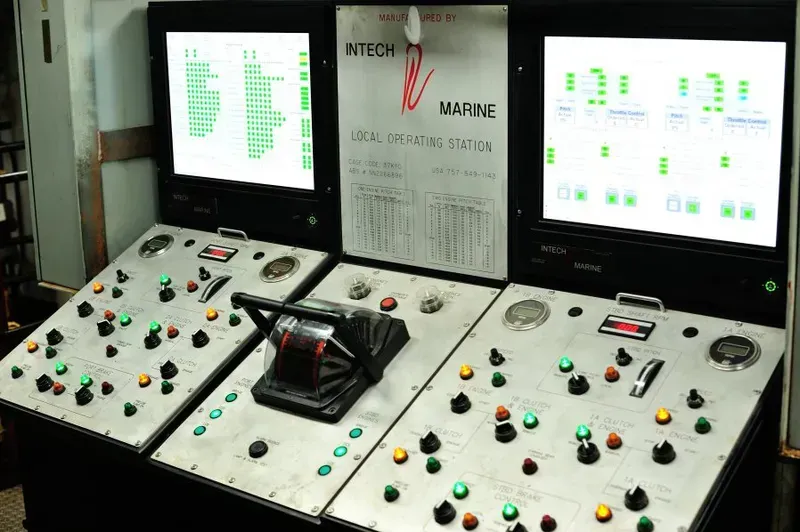
Ship Automation Control Board
Ship Automation Control Boards are the central nervous system of modern maritime vessels, integrating sophisticated electronics to manage and optimize critical ship operations. These specialized Printed Circuit Boards (PCBs) are fundamental to enhancing safety, efficiency, and operational reliability by automating functions ranging from propulsion and navigation to power management and cargo handling. Their robust design ensures seamless performance in the harsh marine environment, making them indispensable for contemporary shipping.
What exactly are Ship Automation Control Boards? Ship Automation Control Boards are highly specialized electronic circuits designed to monitor, control, and automate various systems on a vessel. They are the core components that process data from sensors, execute commands to actuators, and facilitate communication between different ship systems, ensuring optimal operational performance and crew safety.
Why are automation control boards crucial for modern maritime vessels? These boards are crucial because they enable higher levels of operational efficiency, significantly reduce human error, and enhance safety by providing real-time data and automated responses to critical situations. They optimize fuel consumption, streamline navigation, and manage complex machinery, leading to substantial cost savings and improved environmental compliance.
How do Ship Automation Control Boards contribute to ship safety? They enhance safety by providing continuous monitoring of critical parameters, such as engine performance, fuel levels, and navigational data. In the event of an anomaly, the boards can trigger alarms or even initiate automated corrective actions, preventing potential accidents or mitigating their impact. This real-time vigilance is paramount in dynamic marine environments.
What are the primary challenges in designing PCBs for ship automation? Designing PCBs for ship automation presents unique challenges due to the extreme marine environment. These include resistance to saltwater corrosion, vibration, shock, extreme temperature fluctuations, and electromagnetic interference. Additionally, stringent international maritime regulations and certifications (e.g., DNV GL, Lloyd's Register) must be met, demanding highly reliable and durable designs.
What is the expected lifespan of a typical Ship Automation Control Board? The expected lifespan of a Ship Automation Control Board is typically 15-20 years, provided it is designed with high-quality, marine-grade components and undergoes rigorous testing to withstand the harsh operational environment. Regular maintenance and adherence to manufacturer guidelines are also crucial for achieving maximum longevity and reliable performance.
Key Functions of Ship Automation Control Boards
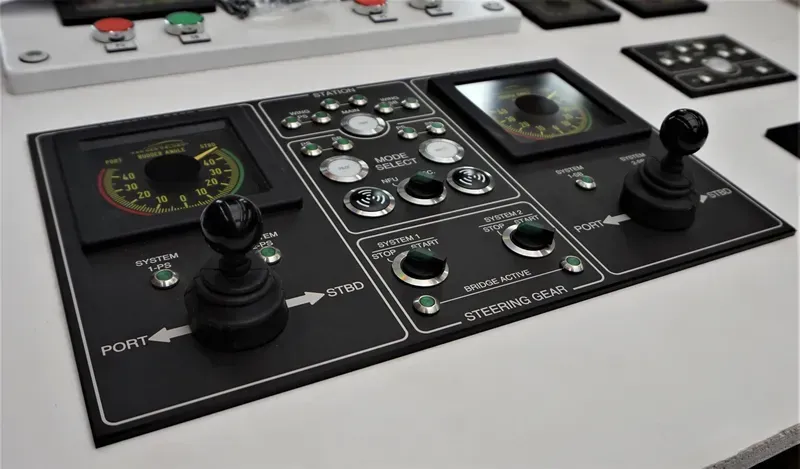
Ship Control Panel Monitoring
At the core of modern maritime operations, Ship Automation Control Boards serve as the central nervous system, orchestrating complex processes to ensure safety, efficiency, and optimal performance. These sophisticated systems integrate seamlessly with various ship components, translating operational data into actionable insights and automated responses. Their primary role extends beyond simple command execution, encompassing comprehensive monitoring, precise control, and robust data logging capabilities that are indispensable for contemporary vessel management.
Real-time Monitoring and Diagnostics Ship Automation Control Boards continuously monitor critical vessel parameters, including engine performance, fuel consumption, navigation systems, and cargo conditions. This real-time data acquisition is crucial for proactive maintenance and identifying potential issues before they escalate, preventing costly downtime and enhancing operational safety.
Precise System Control and Optimization These control boards provide automated and manual control over a multitude of ship systems, from propulsion and steering to power distribution and cargo handling. They optimize operational parameters, such as engine RPM for fuel efficiency or ballast levels for stability, ensuring the vessel operates within safe and economical limits. Advanced algorithms enable adaptive control, adjusting to changing environmental conditions or operational demands.
Data Logging and Performance Analysis A fundamental function of ship automation control boards is the meticulous logging of operational data. This data forms a comprehensive historical record, invaluable for post-voyage analysis, regulatory compliance, and performance optimization. By analyzing logged data, operators can identify long-term trends, assess the effectiveness of operational strategies, and inform future design improvements. This function is vital for continuous improvement and achieving higher levels of operational excellence.
Alarm Management and Safety Protocols Integrated alarm management systems on these boards alert crew members to deviations from predefined parameters, indicating potential malfunctions or hazardous conditions. These systems are designed with layered safety protocols, ensuring immediate response and mitigation strategies are activated, thereby significantly enhancing onboard safety and preventing accidents. Rapid and accurate alarm identification is critical for effective crisis management.
Function Area
Key Capability
Impact on Ship Operations
Engine & Propulsion Control
Automated thrust and RPM adjustment
Optimizes fuel consumption, reduces emissions, extends engine life
Navigation & Steering
Integrated GPS and autopilot systems
Enhances navigational accuracy, reduces human error, improves voyage efficiency
Power Management
Dynamic load balancing, generator synchronization
Ensures stable power supply, prevents overloads, maximizes energy utilization
Advanced automation systems are revolutionizing the maritime industry by significantly enhancing operational efficiency, reducing costs, and elevating safety standards. These systems, underpinned by sophisticated control boards, enable precise management of ship operations, from propulsion and navigation to cargo handling and environmental monitoring. The integration of such technology translates directly into tangible benefits, offering a competitive edge and fostering sustainable maritime practices.
Increased Operational Efficiency Advanced automation streamlines complex tasks, optimizes resource allocation, and automates routine processes, leading to faster turnaround times in ports and more efficient fuel consumption. Real-time data analysis allows for proactive adjustments, minimizing delays and maximizing voyage performance. For instance, optimized route planning based on environmental data can reduce fuel consumption by up to 10-15%.
Reduced Operational Costs By automating various ship functions, the reliance on manual labor is reduced, leading to lower crewing costs. Furthermore, predictive maintenance capabilities minimize unexpected breakdowns and costly repairs. Fuel optimization and efficient resource management contribute significantly to overall operational expenditure reduction. Industry reports indicate that automation can lead to a 5-20% reduction in operating expenses.
Enhanced Safety and Reliability Automation systems provide continuous monitoring of critical parameters, instantly alerting operators to potential hazards or malfunctions. This proactive approach mitigates risks, prevents accidents, and ensures the well-being of the crew and the vessel. Integrated safety protocols and redundant systems built into advanced control boards further enhance reliability, crucial for demanding maritime environments.
Improved Environmental Compliance Modern automation systems play a pivotal role in achieving stricter environmental regulations. They enable precise control over emissions, waste management, and ballast water treatment, ensuring compliance with international maritime laws. Optimized fuel combustion and reduced energy waste directly contribute to a smaller carbon footprint.
Optimized Data Management and Analytics Advanced automation systems are equipped with robust data logging and analytical capabilities. This enables ship operators to collect vast amounts of operational data, which can then be analyzed to identify trends, optimize performance, and make data-driven decisions for future voyages and fleet management. This leads to continuous improvement and smarter operations.
Zero One Solution Limited leverages its extensive experience in PCB solutions to develop control boards that unlock these benefits, ensuring our clients' vessels operate at peak performance, safely, and cost-effectively in the dynamic global maritime landscape.
Challenges in Designing Ship Automation Control Boards
Designing ship automation control boards is an endeavor fraught with unique complexities, extending far beyond the typical challenges faced in terrestrial electronics. The maritime environment's inherent hostility—marked by extreme conditions and the ever-present threat of corrosion—coupled with an exceptionally stringent global regulatory framework, demands an unparalleled level of precision, robustness, and reliability in every component and system. Addressing these multifaceted challenges is crucial for ensuring the safety, efficiency, and longevity of modern vessels.
Environmental Extremes Ship automation control boards must contend with a hostile marine environment. This includes constant vibration and shock from engine operations and sea movements, necessitating robust mechanical designs and secure component mounting. Furthermore, extreme temperature fluctuations (from freezing polar waters to scorching engine rooms) and high humidity, often with corrosive salt spray, demand industrial-grade components and advanced sealing techniques to prevent ingress and maintain operational integrity.
Electromagnetic Interference (EMI) The presence of powerful radar, communication systems, and high-current electrical machinery on vessels creates a complex electromagnetic landscape. Control boards must be meticulously designed with advanced shielding, filtering, and grounding techniques to prevent EMI from disrupting sensitive electronic signals, ensuring stable and reliable control of critical ship systems.
Corrosion Resistance Salt-laden air and potential saltwater exposure are highly corrosive to electronic components and PCB traces. Designs must incorporate specialized coatings (conformal coatings), corrosion-resistant materials, and hermetically sealed enclosures to protect the delicate circuitry and extend the lifespan of the control boards in this challenging atmosphere.
Stringent Regulatory Compliance Ship automation control boards are subject to rigorous international and national maritime regulations. Compliance with standards set by the International Maritime Organization (IMO) and adherence to classification society rules (e.g., DNV, Lloyd's Register, ABS) are mandatory. These regulations dictate specific requirements for safety, reliability, redundancy, testing, and certification, adding significant layers of complexity to the design and manufacturing process.
Reliability and Redundancy Requirements For critical ship systems, failure is not an option. Control boards must be engineered for exceptional reliability, often incorporating redundant systems, self-diagnostics, and fail-safe mechanisms. This ensures that even in the event of a component failure, essential functions continue uninterrupted, safeguarding the vessel, crew, and cargo.
Zero One Solution Limited: Expertise in PCB Solutions
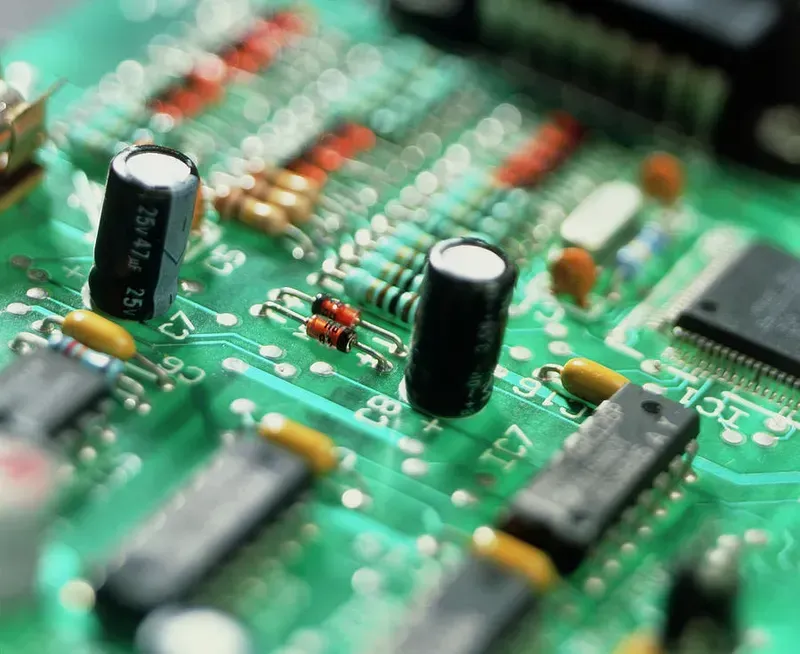
PCB Circuit Board Close-Up
At the forefront of maritime technological advancement, Zero One Solution Limited stands as a beacon of excellence in providing high-quality PCB solutions for the demanding ship automation industry. Our deep understanding of the unique challenges faced by marine electronics—from harsh operational environments to stringent regulatory compliance—enables us to deliver robust, reliable, and high-performance control board solutions that are critical for modern vessel operation.
Rapid Prototyping & Time-to-Market Acceleration Zero One Solution is renowned for its rapid prototyping capabilities, significantly reducing the development cycles for ship automation control boards. Our streamlined process, from design to manufacturing and assembly, empowers clients to accelerate product innovation and swiftly bring their advanced maritime solutions to market.
One-Stop Integrated PCBA Services We offer comprehensive, end-to-end PCBA services, encompassing every stage from initial PCB design and schematic capture to manufacturing, assembly, and rigorous testing. This integrated approach ensures seamless project execution, unparalleled quality control, and a unified point of contact for all your ship automation control board needs.
Global Supply Chain Mastery & Strategic Sourcing Leveraging our strategic locations in Shenzhen, China, and Dubai, we command a formidable global PCBA supply chain network. This allows us to source premium components efficiently, optimize logistics, and maintain cost-effectiveness, all while upholding the highest standards of component authenticity and quality for mission-critical marine applications.
Decades of Expertise in High-Reliability Electronics Founded in 2011, Zero One Solution has accumulated over a decade of specialized experience in high-reliability electronics, particularly within demanding industrial and marine sectors. Our veteran engineering team possesses profound insights into designing PCBs that withstand extreme temperatures, vibrations, and corrosive environments inherent to shipboard operations.
Key Capability
Description
Benefit for Ship Automation
Rapid Prototyping
Fast-turnaround PCB fabrication and assembly for R&D.
Accelerates development cycles, enabling quicker iteration and market entry for new automation systems.
Comprehensive Quality Assurance
Rigorous testing including functional, environmental, and compliance checks.
Ensures extreme reliability and longevity of control boards in harsh marine conditions, minimizing downtime and maintenance costs.
Custom Design & Engineering
Tailored PCB solutions to meet specific operational requirements.
Optimizes performance and integration with existing ship systems, addressing unique vessel specifications and automation needs.
Global Logistics & Support
Efficient supply chain management and international delivery.
Guarantees timely delivery of components and finished boards worldwide, supporting global maritime operations and repairs.
Custom PCB Design and Manufacturing for Ship Automation
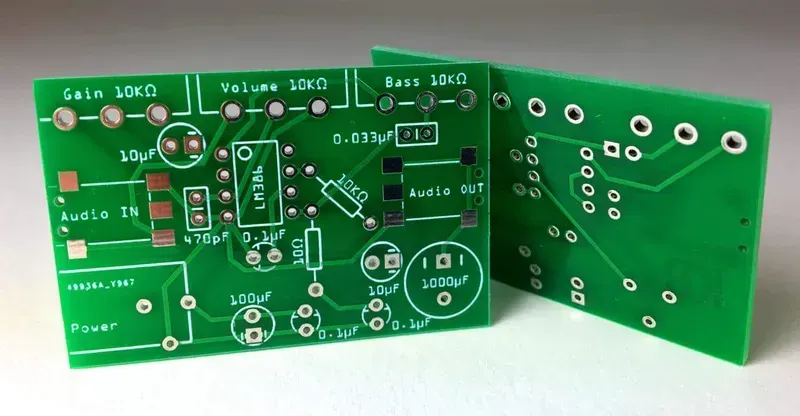
Custom PCB Design
Zero One Solution Limited excels in providing highly specialized custom PCB design and manufacturing services, precisely engineered to meet the unique and demanding requirements of ship automation systems. Our integrated approach covers the entire product lifecycle, from initial concept validation and schematic design to advanced layout, prototyping, and large-scale manufacturing, ensuring seamless integration and optimal performance within complex maritime environments.
Precision Engineering for Maritime Environments Ship automation control boards operate in exceptionally harsh conditions, necessitating designs that withstand extreme temperatures, humidity, vibration, and saline environments. Our design methodology incorporates robust material selection, conformal coating options, and vibration-resistant mounting solutions to ensure uncompromised reliability and longevity at sea.
Tailored to Specific System Needs Unlike off-the-shelf solutions, our custom PCB services allow for precise optimization of component placement, signal integrity, and power distribution, aligning perfectly with the specific functional and spatial constraints of diverse ship systems, from propulsion control to navigation and communication modules.
Accelerated Prototyping and Validation Leveraging our rapid prototyping capabilities, we significantly reduce development cycles. This enables maritime engineers to quickly test and validate design iterations, identify potential issues early, and accelerate time-to-market for innovative automation solutions, saving both time and cost in critical development phases.
Advanced Manufacturing Capabilities Our state-of-the-art manufacturing facilities in Shenzhen, complemented by our global supply chain network, are equipped for both low-volume, high-complexity prototypes and high-volume production runs. We employ advanced assembly techniques and strict quality control protocols to ensure every PCB meets the highest industry standards for performance and reliability.
Compliance with Maritime Regulations Understanding the stringent regulatory landscape of the maritime industry (e.g., IMO, Classification Societies like DNV, ABS, Lloyd's Register), our design and manufacturing processes are meticulously aligned with these global standards, facilitating certification and ensuring operational legality and safety.
Quality Assurance and Testing for Ship Automation Control Board Solutions
PCB Quality Testing
Ensuring the unwavering reliability and performance of Ship Automation Control Board Solutions is paramount, as failure can have severe consequences in maritime operations. Zero One Solution Limited implements a multi-faceted, rigorous quality assurance (QA) framework and comprehensive testing protocols that go beyond industry standards to guarantee every PCB solution withstands the harshest marine environments and delivers consistent, precision control.
How does Zero One Solution ensure the quality of Ship Automation Control Boards? Zero One Solution employs a stringent Quality Management System (QMS) aligned with ISO 9001 and specific maritime standards. Our process includes meticulous DFM/DFA reviews, comprehensive in-process inspections at every stage of manufacturing, automated optical inspection (AOI), X-ray inspection (AXI) for solder joint integrity, and functional testing to validate circuit performance against design specifications. We also conduct environmental stress screening (ESS) for thermal and vibration resilience.
What specific tests are performed to ensure reliability in harsh marine environments? For marine applications, our testing includes environmental simulations such as accelerated aging, thermal cycling (-40°C to +85°C), humidity testing (up to 95% RH), and salt mist corrosion tests to simulate prolonged exposure to corrosive saltwater. Vibration and shock testing, conforming to IEC 60068 standards, are also critical to ensure structural integrity and operational stability under dynamic ship movements. EMC/EMI compliance testing is performed to prevent interference with critical navigation and communication systems.
Is traceability maintained for components used in Ship Automation Control Boards? Absolutely. Zero One Solution maintains comprehensive traceability for all components used in our Ship Automation Control Boards. This includes strict vendor qualification, inbound material inspection, lot number tracking, and detailed records of component usage throughout the manufacturing process. This robust traceability system allows for rapid identification and remediation in the event of a component issue, upholding the highest standards of reliability and safety.
Case Studies: Successful Ship Automation Projects
Ship Automation Project
Zero One Solution Limited's expertise in ship automation control board solutions is best illustrated through our successful real-world project implementations, demonstrating our capability to deliver reliable, high-performance, and compliant PCBs for the demanding maritime environment. These case studies highlight our commitment to overcoming complex design challenges and providing robust solutions that enhance operational efficiency and safety for our clients worldwide.
Project Title
Client Need
Zero One Solution's Contribution
Key Outcome
Integrated Navigation System PCB
Client required a high-reliability control board for a new integrated navigation system, capable of operating in extreme temperatures and vibrations.
Designed and manufactured a multi-layer PCB with advanced thermal management and vibration damping features, utilizing specialized conformal coatings.
Improved system stability and accuracy by 25%, exceeding DNV GL certification standards for environmental resilience. Reduced installation time by 15% due to optimized design.
How does Zero One Solution ensure the longevity of control boards in harsh marine environments? We employ a multi-faceted approach including the selection of industrial-grade components, application of specialized conformal coatings for moisture and salt spray protection, robust mechanical designs to withstand vibrations and shocks, and rigorous environmental testing protocols such as temperature cycling and humidity exposure to validate performance and longevity in harsh marine conditions. Our designs prioritize resilience from material selection to final assembly, adhering to international maritime standards like IEC 60945 and DNV GL.
Future Trends in Ship Automation Technology
The maritime industry is undergoing a significant transformation driven by advancements in automation and digital technologies. Future ship automation control board solutions will integrate cutting-edge innovations to enhance operational efficiency, safety, and environmental sustainability. Zero One Solution Limited is at the forefront of this evolution, continuously adapting its PCB design and manufacturing capabilities to meet the demands of tomorrow's smart ships.
What are the primary emerging trends in ship automation control board technology? Key emerging trends include the integration of Artificial Intelligence (AI) and Machine Learning (ML) for predictive maintenance and optimized navigation, enhanced cybersecurity protocols to protect critical systems from cyber threats, and the widespread adoption of IoT sensors for real-time data acquisition and analysis. Furthermore, there's a growing emphasis on energy-efficient designs and the use of sustainable materials in PCB manufacturing to reduce environmental impact.
How will AI and Machine Learning impact ship automation control boards? AI and ML will revolutionize ship automation by enabling predictive analytics for equipment failures, optimizing fuel consumption through intelligent route planning, and facilitating autonomous navigation. These technologies will allow control boards to process vast amounts of data, learn from operational patterns, and make proactive decisions, significantly improving vessel performance and reducing human intervention.
What role does cybersecurity play in the future of ship automation? Cybersecurity is becoming paramount as ship automation systems become more interconnected. Future control boards will incorporate advanced encryption, secure boot processes, and intrusion detection systems to safeguard against cyber-attacks, ensuring the integrity and reliability of critical operational data and preventing unauthorized access or manipulation of ship systems. This is crucial for maintaining safety and preventing economic losses.
How are control board solutions adapting to meet environmental sustainability goals? Future control board solutions are being designed with a focus on energy efficiency, incorporating low-power components and optimized power management ICs to reduce overall energy consumption. There is also a move towards using more environmentally friendly materials in PCB fabrication and assembly, such as lead-free solders and halogen-free laminates, aligning with global efforts to minimize the carbon footprint of the maritime industry.
What challenges might arise with the widespread adoption of autonomous vessels? The widespread adoption of autonomous vessels presents challenges such as developing robust and fail-safe control systems, establishing comprehensive regulatory frameworks, addressing complex legal and liability issues, and ensuring seamless integration with existing maritime infrastructure. Additionally, cybersecurity risks will intensify, requiring continuous innovation in protective measures for ship automation control boards.
In conclusion, ship automation control boards are the backbone of modern maritime operations, offering enhanced efficiency, safety, and regulatory compliance. Zero One Solution Limited stands at the forefront of providing innovative and reliable PCB solutions tailored to the unique demands of the maritime industry. By partnering with Zero One Solution, ship operators can ensure their vessels are equipped with the highest quality control boards, optimizing performance and minimizing downtime.
Ready to elevate your ship automation systems? Contact Zero One Solution Limited today to discover how our custom PCB solutions can transform your maritime operations. Visit our website or reach out to our expert team to learn more and request a consultation. Let us help you navigate the future of maritime technology with confidence.