In today's world, capacitors are everywhere, quietly powering our electronic devices, from smartphones to air conditioners. Understanding capacitor costs is essential, whether you're an electronics hobbyist, an HVAC technician, or simply someone curious about how much these essential components cost. This guide will demystify capacitor pricing, exploring various types, factors influencing their prices, and how to secure the best deals. We'll also briefly discuss how the [capacitor price list] can fluctuate due to material costs, manufacturing techniques, and market demands.
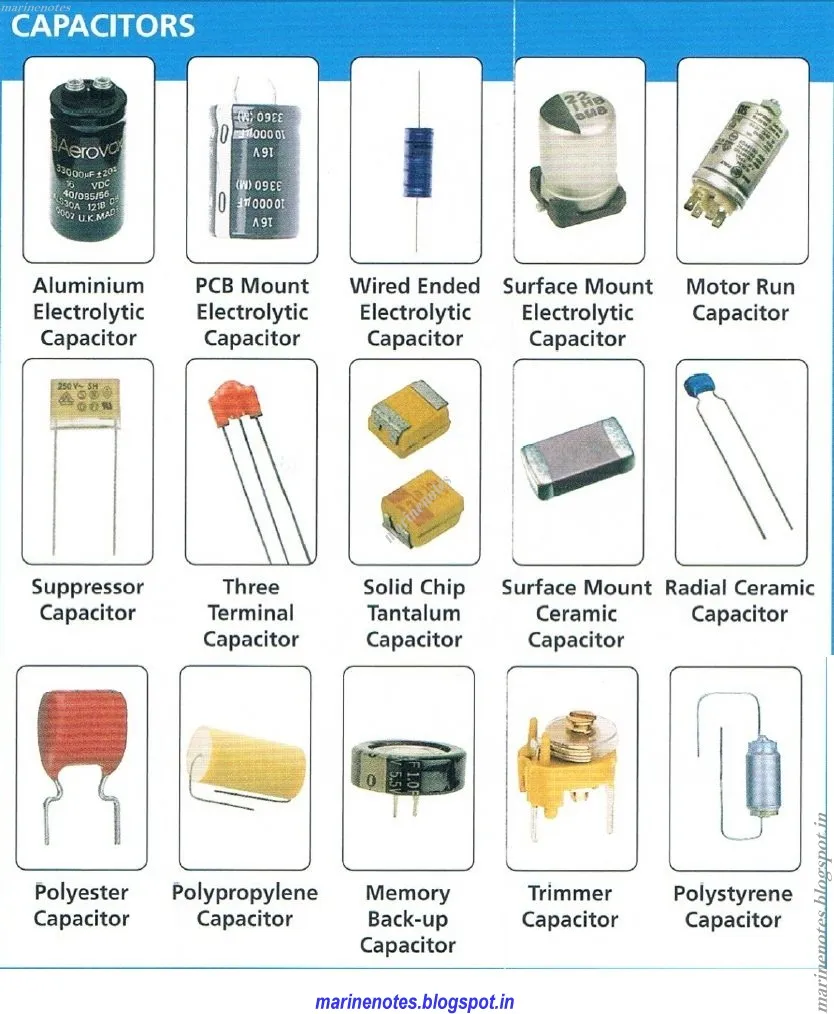
Capacitors, fundamental components in electronic circuits, store electrical energy in an electric field. Their diverse types – electrolytic, ceramic, film, and tantalum – each possess unique characteristics that dictate their applications and consequently, their pricing. Understanding these differences is crucial when consulting a capacitor price list and selecting the appropriate component for a project.
| Capacitor Type | Material | Typical Applications | Key Characteristics | Price Sensitivity |
|---|---|---|---|---|
| Electrolytic | Aluminum or Tantalum with electrolyte | Power supplies, decoupling, filtering | High capacitance, polarized, moderate accuracy | Moderate |
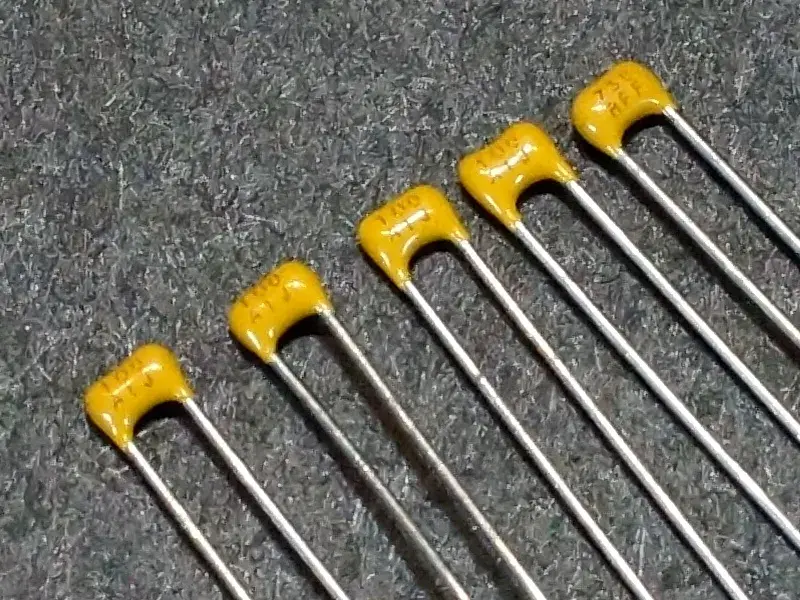
| Ceramic | Ceramic dielectric | High-frequency circuits, bypass, coupling | Small size, low inductance, non-polarized | Low to Moderate |
| Film | Plastic film dielectric | Audio circuits, precision timing, power applications | High accuracy, low losses, various voltage ratings | Moderate to High |
| Tantalum | Tantalum pentoxide dielectric | Portable electronics, high-reliability applications | High capacitance, small size, relatively high cost | High |
Capacitor prices are not uniform; they are determined by a confluence of factors related to materials, manufacturing, electrical characteristics, and market dynamics. Understanding these variables is crucial when interpreting a capacitor price list and making informed purchasing decisions.
| Factor | Description | Impact on Price |
|---|---|---|
| Material Costs | The type of materials used in capacitor construction significantly impacts price. Tantalum, often used in high-performance capacitors, is more expensive than aluminum, commonly used in electrolytic capacitors. Similarly, the cost of ceramic materials varies depending on the dielectric properties. | Higher material cost translates to higher capacitor price. Tantalum capacitors are typically more expensive than aluminum or ceramic capacitors. |
| Manufacturing Complexity | The precision required in manufacturing processes, including layer stacking, material deposition, and quality control, adds to the overall cost. Smaller, more precise capacitors with tighter tolerances require more advanced and expensive manufacturing processes. | More complex manufacturing results in higher prices. Specialized fabrication techniques increase production cost. |
| Voltage and Capacitance Ratings | Capacitors with higher voltage and capacitance ratings are generally more expensive. These higher ratings demand more robust construction with higher quality materials, larger capacitor sizes, and more complex manufacturing. | Capacitors with higher voltage and capacitance ratings command premium prices. |
| Tolerance | Capacitor tolerance is the range of acceptable variance in its actual capacitance value from its nominal value. Tighter tolerance requirements demand precision and more rigorous quality control in manufacturing, which results in increased cost. | Capacitors with tight tolerance values have a higher cost. |
| Order Volumes | The number of capacitors ordered significantly impacts price. Bulk orders typically attract volume discounts, while smaller, one-off orders are usually more expensive per unit. | Prices per unit decrease with increasing order volume, as manufacturers can reduce unit production cost. |
| Market Demand and Availability | The fluctuating demands in the market and the availability of certain materials or specialized components can affect pricing. Shortages of specific materials can lead to price hikes, and similarly, very high demands can affect pricing. | Prices vary based on market fluctuations. |
Capacitor pricing is significantly influenced by their intended application. The requirements of each application dictate specific performance characteristics, leading to diverse manufacturing processes and materials, ultimately affecting the price. A capacitor price list will show that capacitors used for HVAC systems, consumer electronics, industrial equipment, and tube radios vary considerably in cost due to these different requirements.
| Application | Typical Capacitor Types | Price Range (USD) | Key Characteristics |
|---|---|---|---|
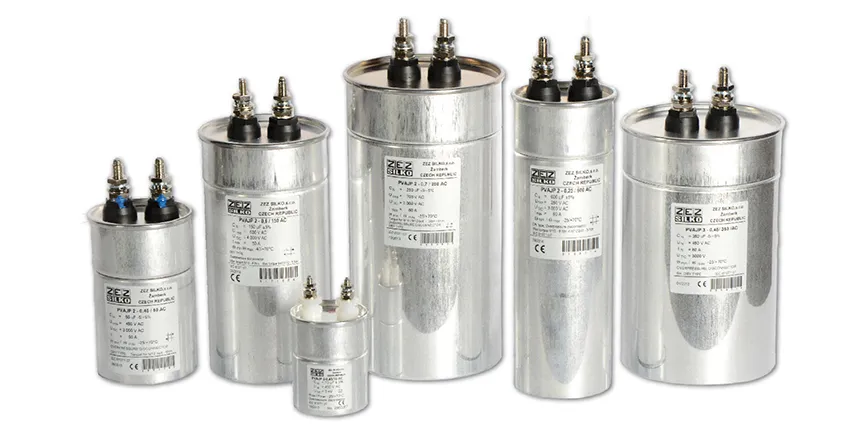
| HVAC (e.g., AC Capacitor Replacement) | Motor Run Capacitors (Typically Film) | $10 - $50+ | High voltage, High capacitance, robust design for motor starting and running. |
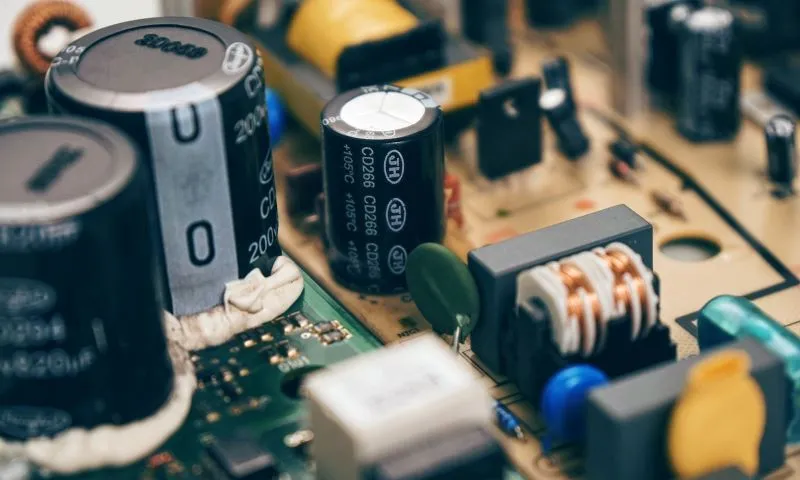
| Consumer Electronics (e.g., Smartphones, PCBs) | Ceramic, Electrolytic Capacitors | $0.01 - $1 (per piece) | Small size, moderate voltage, diverse capacitance range for filtering and decoupling. |
| Industrial Equipment (e.g., Power Supplies) | Electrolytic, Film, Tantalum Capacitors | $0.10 - $10+ (per piece) | High reliability, high voltage, high capacitance for power conversion and smoothing. |
| Tube Radios (e.g., Vintage Audio) | Paper, Electrolytic Capacitors (Often vintage) | $1 - $20+ (per piece, often vintage) | High voltage, Moderate capacitance, specific vintage sizes, often with a premium for NOS (new old stock). |
The table above demonstrates that prices for capacitors vary significantly depending on application specific needs. For example, HVAC systems require high-voltage motor run capacitors, leading to a higher cost than smaller capacitors used in consumer electronics. Industrial applications will often demand high-reliability capacitors, driving up the costs. When consulting a capacitor price list, ensure that the specifications match the requirements of the intended application to avoid unnecessary costs or performance issues.
The cost of replacing an AC capacitor in 2024 is influenced by several factors, including the capacitor's type and rating, the HVAC system's complexity, and local labor rates. Understanding these variables is crucial for accurately estimating replacement expenses. Typically, the total cost ranges from $100 to $250, encompassing both the component itself and the labor involved.
| Cost Factor | Description | Typical Impact on Price |
|---|---|---|
| Capacitor Type & Rating | Capacitors vary in capacitance (measured in microfarads or µF) and voltage, as well as physical size, materials, and construction which impact cost. | Higher capacitance and voltage ratings typically increase the cost. Specialized designs also carry premium prices. |
| HVAC System Complexity | Some HVAC systems require more intricate access for capacitor replacement or have specific capacitor configurations. | More complex systems lead to higher labor costs due to increased time and skill needed. |
| Local Labor Rates | The hourly rate for HVAC technicians can vary significantly based on location. | Areas with a higher cost of living usually have higher labor costs for replacement. |
| Geographic Location | Market rates and supply chain logistics can vary considerably from city to city. | Local market conditions influence both the cost of the capacitor and the cost of the labour. |
It's essential to note that these figures are averages. Actual costs can deviate due to specific circumstances. For instance, systems requiring unique or hard-to-find capacitor specifications will tend towards the higher end of the cost spectrum. Additionally, regional variances in pricing due to market demand and service provider fees should be considered.
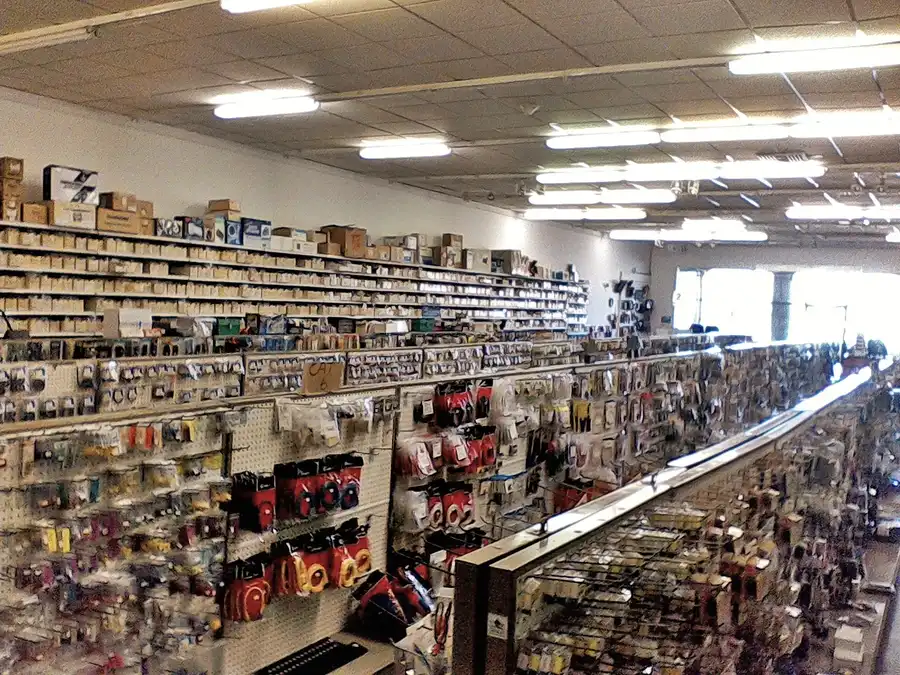
The decision of where to purchase capacitors—whether online or from local suppliers—hinges on a trade-off between cost, convenience, and immediacy. Online marketplaces offer a wider selection and often lower prices, while local suppliers provide faster access and potentially more personalized customer service. Understanding these differences is critical when using a capacitor price list to make informed purchasing decisions.
| Factor | Online Suppliers (e.g., Alibaba, Specialized Retailers) | Local Suppliers |
|---|---|---|
| Price | Generally lower due to reduced overhead and direct sourcing. | Potentially higher due to overhead and smaller purchasing volumes. |
| Selection | Extensive range of capacitors from various manufacturers worldwide. | More limited selection based on local distributor agreements and inventory. |
| Convenience | Shopping from anywhere, 24/7. Easy price comparison and product research. | Requires physical visit to the store during business hours. |
| Shipping Time | Typically requires shipping time, which can range from a few days to several weeks. | Immediate availability of in-stock items. |
| Customer Service | May be limited to online support. Returns can be more cumbersome. | Potentially more personalized assistance with immediate access to product expertise. |
| Minimum Order Quantity | Often includes minimum order quantities for bulk purchases, especially on platforms like Alibaba. | Typically more flexible for smaller quantity purchases. |
| Authenticity and Quality | Risk of counterfeit products, requiring diligence to verify supplier reputation. | Generally more trustworthy in terms of product authenticity and quality. |
Securing the most favorable capacitor prices requires a strategic approach that extends beyond simply comparing a capacitor price list. This involves understanding market dynamics, purchasing efficiently, and ensuring that product specifications align precisely with project requirements.
Understanding the cost of capacitors can be complex due to the variety of types, specifications, and applications. This section addresses common questions to provide clarity on capacitor pricing and related factors, helping you navigate a capacitor price list effectively.
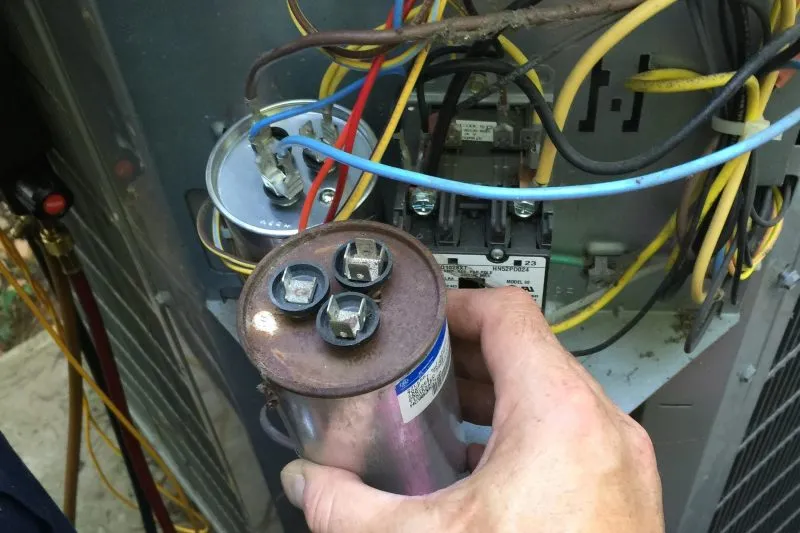
Capacitor lifespan is a critical factor in the reliability of electronic circuits and systems. Their performance and longevity are significantly influenced by operating conditions such as temperature, voltage, and current, directly affecting their price and replacement needs, as reflected in a capacitor price list.
A comparative analysis of capacitor costs reveals significant price variations based on type, capacitance, and voltage ratings. Understanding these differences is crucial when consulting a capacitor price list to ensure the right components are selected for any given application. The following table provides a general overview of cost ranges for common capacitor types; these are indicative and can fluctuate based on manufacturer, quantity, and specifications.
| Capacitor Type | Typical Capacitance Range | Typical Voltage Range | Cost per unit (USD - Small Quantity) | Application Examples |
|---|---|---|---|---|
| Electrolytic | 0.1 µF to 100,000+ µF | 6.3 V to 500+ V | $0.10 - $5.00+ | Power supplies, audio circuits, general purpose |
| Ceramic | 1 pF to 10 µF | 10 V to 1000+ V | $0.05 - $1.00 | High frequency circuits, decoupling, filtering |
| Film | 100 pF to 100 µF | 50 V to 2000+ V | $0.20 - $5.00+ | Precision timing, audio equipment, high voltage applications |
| Tantalum | 0.1 µF to 1000 µF | 2.5 V to 125 V | $0.30 - $10.00+ | High reliability circuits, portable devices, medical equipment |
Understanding the capacitor landscape is crucial, whether you're replacing a faulty AC unit component or building a complex electronics project. This guide should help you navigate the [capacitor price list], making informed decisions based on different types of capacitors, their applications, and market prices. Keep in mind that prices can fluctuate, so it's always good to check multiple sources and stay informed. With this knowledge, you are better equipped to find the right capacitors for your needs at the best possible cost. Always choose parts that meet specific requirements, avoid cutting corners for critical applications and be mindful of the lifespan of the component for safety and efficiency.

