Capacitors, the unsung heroes of electronic circuits, play a critical role in countless devices, from the humble air conditioner to sophisticated industrial machinery. Understanding the price of an ADN capacitor, a key component in many electrical systems, is crucial for both consumers and businesses. This article provides an in-depth analysis of ADN capacitor prices, exploring the factors that influence cost and offering practical guidance for purchasing them effectively, touching upon its practical use in ACs and industrial applications.
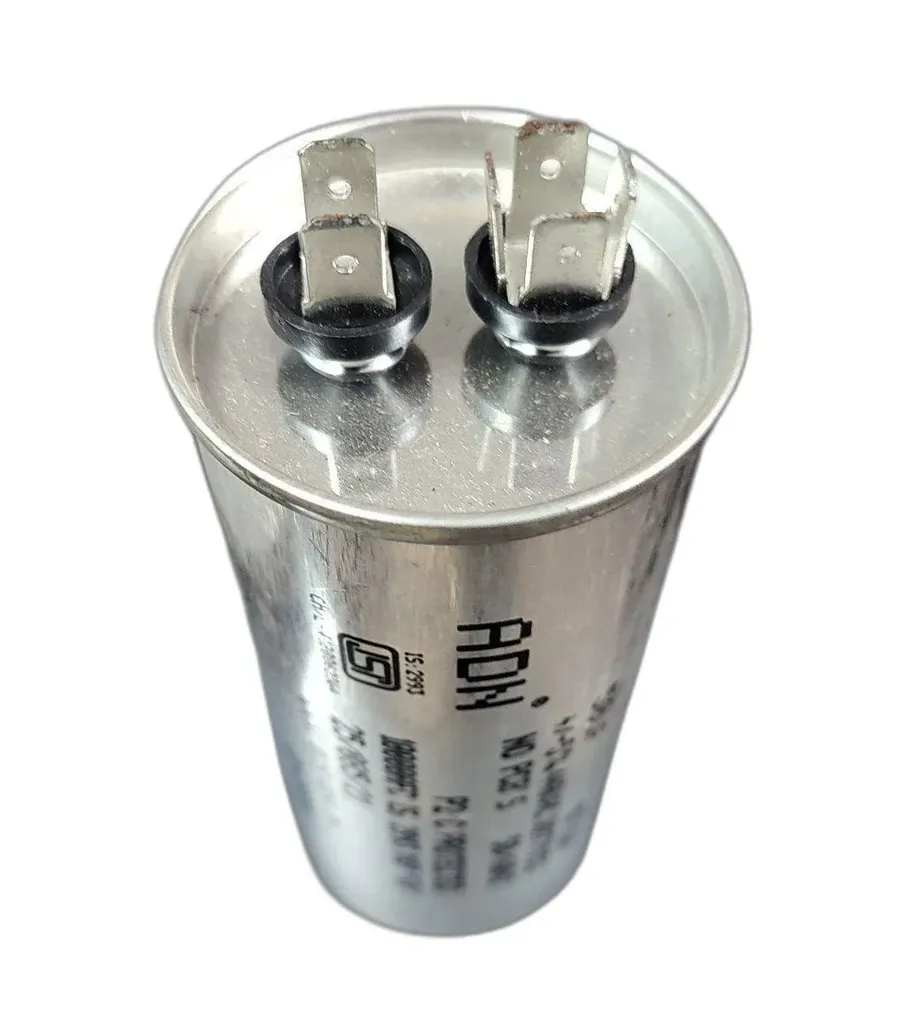
ADN capacitors are specialized electrical components crucial for the efficient operation of various electrical systems, most notably air conditioning (AC) units and other motor-driven equipment. At their core, they are energy storage devices that regulate the flow of electrical current, playing a vital role in starting and running motors. Unlike batteries which provide sustained power, capacitors store and release energy rapidly, making them essential for motor start-up and maintaining stable electrical circuits. This precise regulation is important to ensure that motors function efficiently, reliably, and without causing damage to the system.
In AC systems, ADN capacitors provide the necessary initial surge of power to the compressor motor, which is essential for starting. They are designed to withstand high current surges and variations, making them ideal for this purpose. Without a functioning capacitor, the AC unit may fail to start or operate inefficiently, leading to premature wear and potential system failure. Moreover, these capacitors also play a role in maintaining the power factor and stability of the overall electrical circuit, leading to efficient energy utilization. They come in various capacitance ratings, voltage ratings, and physical sizes, tailored to different applications and motor requirements.
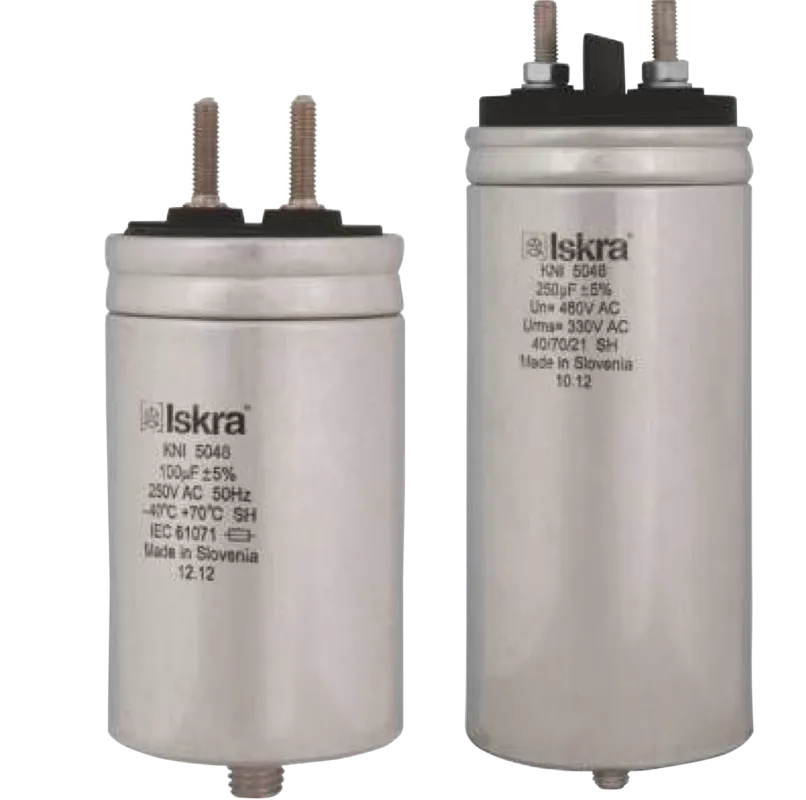
ADN capacitors are integral components in various electrical systems, with their specific types tailored to meet diverse application needs. These capacitors primarily function to store and release electrical energy, playing crucial roles in power factor correction, motor starting, and voltage stabilization. Understanding the different types of ADN capacitors and their applications is essential for selecting the appropriate component for a given system. This section elucidates the primary categories of ADN capacitors and their respective uses.
| Capacitor Type | Application | Key Characteristics | Typical Usage Examples |
|---|---|---|---|
| AC Capacitors | AC motor circuits, especially in air conditioners and refrigerators. | Designed for alternating current, typically has high voltage and capacitance ratings. | Air conditioner compressor motors, fan motors in HVAC systems, refrigerators. |
| Power Capacitors | Industrial equipment, power factor correction, and high-voltage systems. | Robust design, high power ratings, suitable for heavy-duty applications. | Power distribution networks, industrial machinery, and heavy motor-driven equipment. |
| Motor Start Capacitors | Motor starting circuits. | High capacitance for motor startup, suitable for intermittent use. | Single-phase motor start circuits, for example, pumps and some appliances |
| Run Capacitors | Continuous operation within motor circuits. | lower capacitance, designed for continuous operation. | Maintaining the running phase in single-phase motors and AC circuits. |
The choice of ADN capacitor type is critical for ensuring the efficient and reliable operation of electrical equipment. AC capacitors are designed to withstand the alternating current found in mains power supplies. Power capacitors often have higher voltage and power ratings for industrial equipment. Motor start capacitors provide a short burst of current to help motors overcome initial inertia and reach their operating speed. Run capacitors assist in maintaining the current in the motor windings for continuous operation.
The price of ADN capacitors is not fixed, but rather, it is subject to a variety of factors that influence both the cost of production and market value. Understanding these factors is crucial for both consumers and businesses when purchasing or stocking these components. These elements primarily relate to the capacitor's inherent specifications, the materials used in its construction, and market dynamics.
| Factor | Description | Impact on Price |
|---|---|---|
| Capacitance (MFD Rating) | Measured in microfarads (µF) or MFD. This dictates the capacitor's ability to store charge. | Higher capacitance typically leads to higher price due to larger component sizes and greater material requirements. |
| Voltage Rating | Indicates the maximum voltage the capacitor can safely handle without failing. | Higher voltage ratings often increase the cost due to the use of more robust dielectric materials. |
| Material Quality | The quality of the dielectric material (e.g., polypropylene film, ceramic) directly impacts performance and longevity. | Premium materials, offering superior performance and longer life, generally increase the overall price. |
| Brand Reputation | The brand name of the capacitor and the manufacturer’s reputation for quality and reliability plays a key role. | Well-known and reputable brands often command higher prices due to perceived higher quality and reliability. |
| Manufacturer | The production capacity, location, and technology used by the manufacturer can affect pricing. | Manufacturers that have efficient, high-volume production processes might offer more competitive prices. |
The price of ADN capacitors varies significantly based on several factors, primarily capacitance (measured in microfarads or MFD), voltage rating, brand, and the vendor. Understanding these variations is crucial for budgeting and procurement. Generally, higher MFD ratings and voltage capacities will correlate with higher prices, also, brand reputation and manufacturing quality also affect the price.
| Capacitor Type | Capacitance (MFD) | Typical Voltage Rating (VAC) | Typical Price Range (USD) | Application |
|---|---|---|---|---|
| Standard AC Capacitor | 20-40 | 370-440 | 10-30 | Residential Air Conditioners (Smaller Units) |
| Standard AC Capacitor | 45-60 | 370-440 | 20-45 | Residential Air Conditioners (Larger Units) |
| Industrial Grade Capacitor | 50-100+ | 440-660 | 40-100+ | Industrial HVAC Systems, Motor Drives |
| High Voltage Capacitor | 5-20 | 660-1000 | 30-70+ | Specialized Equipment, High Power Systems |
| Motor Start Capacitor | 88-108 | 125-250 | 15-35 | Motor Start Applications |
When purchasing ADN capacitors, it is essential to consider more than just the initial cost. Factors like the quality of materials and the manufacturer's reputation can have a significant impact on the capacitor's lifespan and performance. Therefore, it is often more cost-effective to invest in a higher-quality capacitor from a reputable brand to avoid premature failures and the associated replacement costs.
Securing reliable ADN capacitors at competitive prices requires careful consideration of various purchasing channels. This section details the pros and cons of buying from online marketplaces, local suppliers, and authorized distributors, guiding you to the best option based on your needs.
| Vendor Type | Pros | Cons | Best For |
|---|---|---|---|
| Online Marketplaces (e.g., Amazon, Flipkart, IndiaMART) | Convenience, wide selection, price comparison, customer reviews, often faster delivery. | Risk of counterfeit products, variable quality, potentially higher prices due to platform fees. | Consumers seeking convenience and price comparison. |
| Local Suppliers | Immediate availability, potentially lower prices, ability to inspect before purchase, personalized assistance. | Limited stock availability, may not carry all models, variable pricing, potentially less convenient. | Consumers who need immediate replacement or prefer in-person interaction. |
| Authorized Distributors | Guaranteed authenticity, reliable quality, warranty support, access to technical specifications. | Potentially higher prices, may require bulk purchase or have limited accessibility for individual consumers. | Professionals or businesses requiring bulk purchases and/or guaranteed quality and support. |
Identifying a failing ADN capacitor is crucial for maintaining the functionality of your air conditioning or other electrical systems. A capacitor's degradation often manifests through several observable symptoms, and being able to recognize these early can prevent more significant equipment damage and costly repairs. A failing capacitor impacts the start-up and running efficiency of connected devices by preventing the system from delivering the required power to the attached machinery.
Testing the Capacitor: To verify a suspected faulty capacitor, a multimeter that measures capacitance is required. If using a multimeter, remove the capacitor and set the multimeter to capacitance mode. Check the measured reading against the stated capacitance printed on the capacitor. If the reading is significantly lower (usually more than 6-10% lower), the capacitor is likely failing and should be replaced. Note that a multimeter can be used to quickly test whether a capacitor is shorted. But testing for a loss of capacitance usually requires a dedicated capacitance meter. This is needed as a capacitor can still measure an acceptable capacitance even though it is starting to fail. Always adhere to all safety guidelines when testing or handling capacitors as they store charge and can deliver an electrical shock even when disconnected from a power source.
This section addresses common queries related to ADN capacitors, their pricing, functionality, and troubleshooting. These answers are designed to provide clarity and actionable solutions for users.
Selecting the appropriate ADN capacitor is crucial for ensuring the efficient and reliable operation of your equipment, particularly in air conditioning and industrial applications. The correct choice hinges on several factors including compatibility with your existing system, required performance specifications, and environmental conditions. Understanding these parameters ensures optimal performance and avoids premature failure.
Key considerations include:
MFD Selection for Different AC Tonnages:
| AC Tonnage | Typical MFD Range for Start Capacitor | Typical MFD Range for Run Capacitor |
|---|---|---|
| 1 Ton | 30-40 MFD | 20-35 MFD |
| 1.5 Ton | 35-50 MFD | 30-40 MFD |
| 2 Ton | 40-60 MFD | 35-45 MFD |
| 3 Ton | 50-70 MFD | 40-50 MFD |
Note: These values are approximate and may vary based on the manufacturer's specifications. Always refer to the equipment's manual for precise MFD requirements. Start capacitors typically have higher MFD values than run capacitors.
Proper maintenance and timely replacement of ADN capacitors are crucial for ensuring the longevity and efficient operation of the equipment they serve, particularly in AC systems. Addressing both proactive measures and reactive replacement protocols can mitigate potential failures and costly downtime.
Understanding the factors that influence ADN capacitor price, ranging from capacitance to brand, empowers you to make informed purchases. Whether you need a capacitor for your AC unit or an industrial application, being well informed about costs, maintenance, and where to buy ensures both performance and value. By considering these points, you can ensure that your electrical systems remain reliable without overspending on your next ADN capacitor. Remember that adn capacitor price can range from a few hundred to several thousand rupees depending on your needs.

