In today's tech-driven world, diodes are fundamental components in countless electronic devices. The 4007 diode, a staple in rectification, plays a crucial role in converting AC to DC current, making it indispensable for power supplies, adapters, and circuit protection. This article explores the 4007 diode price landscape, offering clarity on its costs, applications, and technical specifications, ensuring you make informed purchasing decisions, similar to how a simple traffic light uses the principles of electronic circuits to manage the flow of cars and people.
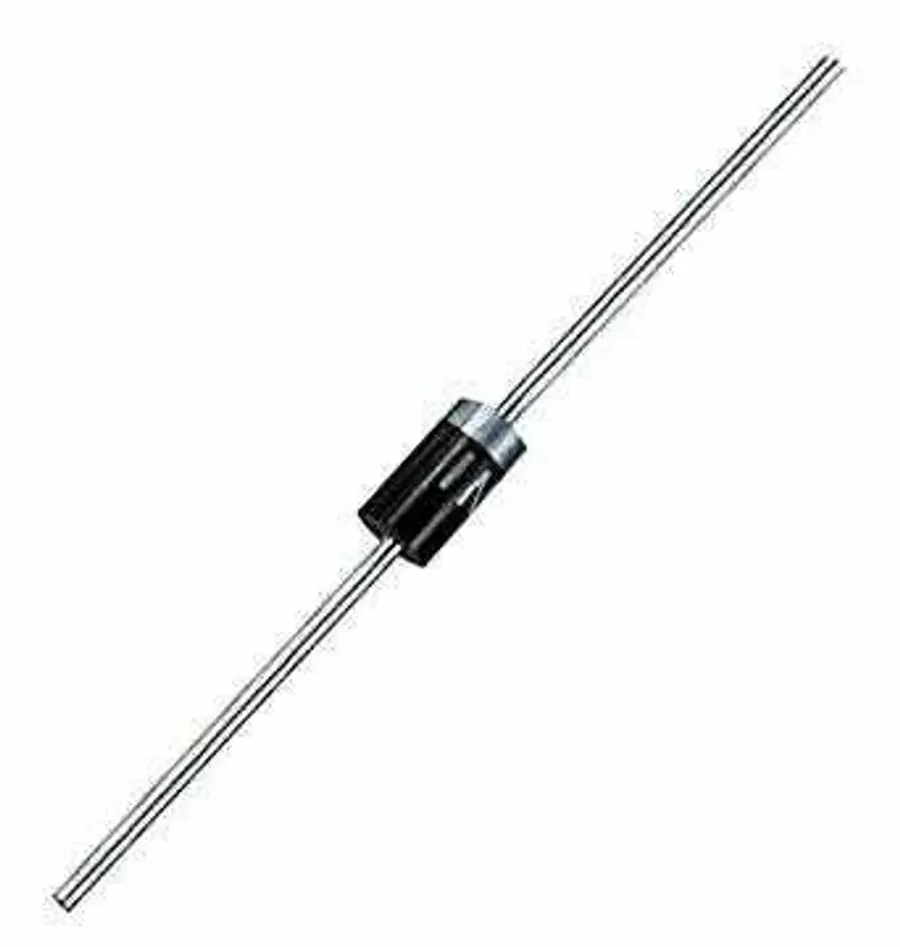
The 1N4007 diode is a ubiquitous semiconductor device primarily used as a rectifier, converting alternating current (AC) to direct current (DC). Its importance lies in its ability to allow current to flow predominantly in one direction, making it a fundamental component in power supplies, voltage regulators, and various other electronic circuits.
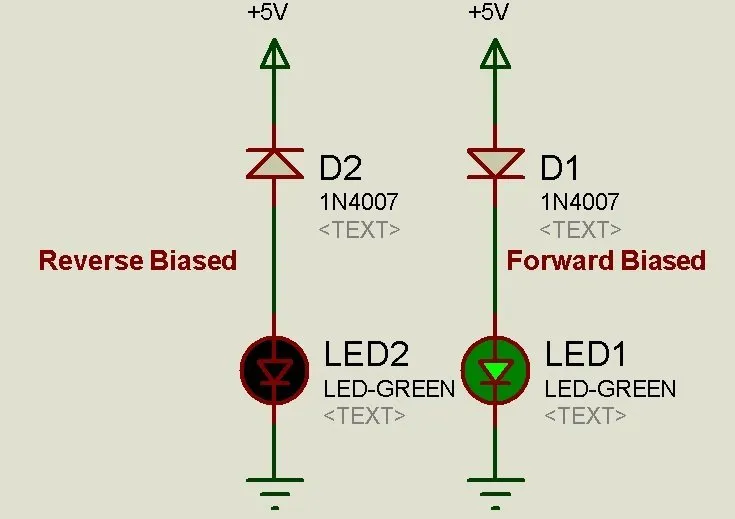
At its core, the 1N4007 diode is a PN-junction device. This junction is formed by doping a semiconductor material, typically silicon, with impurities to create a P-type region (with a deficiency of electrons, or an abundance of 'holes') and an N-type region (with an excess of electrons). When a positive voltage is applied to the P-side (anode) relative to the N-side (cathode), the diode is forward-biased, allowing current to flow with minimal resistance, as the depletion region shrinks. Conversely, when a reverse voltage is applied, the diode is reverse-biased, and the depletion region expands, effectively blocking current flow, except for a very small leakage current.
The 1N4007's ability to rectify AC signals is crucial. In AC circuits, the voltage and current directions change periodically. By using the 1N4007 diode, the negative portions of the AC waveform are effectively blocked, resulting in a pulsating DC signal. This pulsating DC is often further processed, using smoothing capacitors and filters, to produce a more stable DC voltage suitable for powering electronic devices. Its widespread adoption stems from its reliability, low cost, and ability to handle typical power requirements. This makes the 1N4007 a cornerstone in countless electronic devices, from simple home appliances to complex industrial equipment.
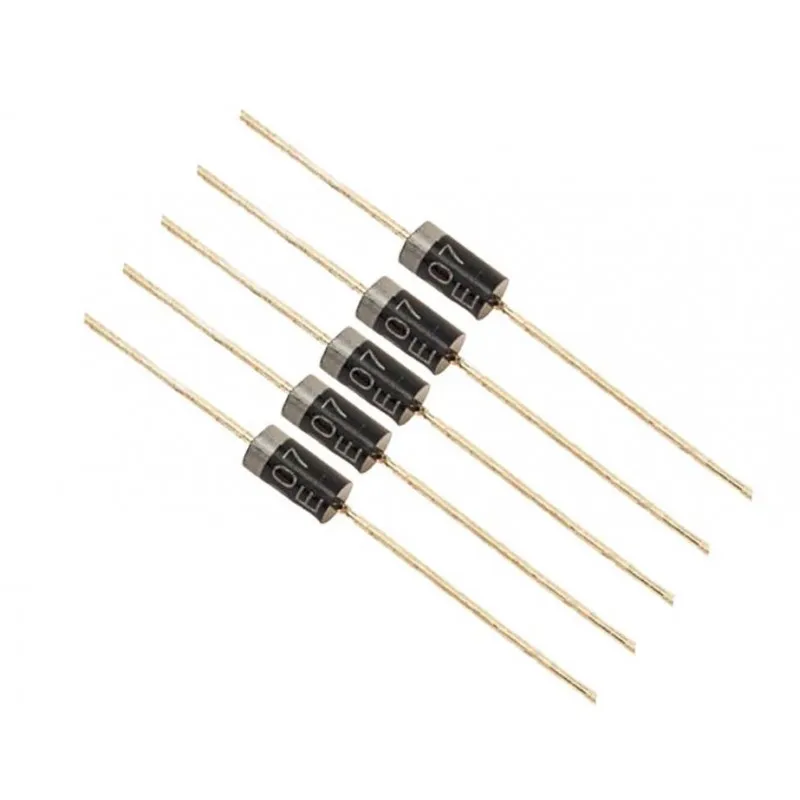
The price of a 4007 diode, a ubiquitous component in electronics, is not static. Several factors interplay to determine its cost, encompassing aspects of manufacturing, market dynamics, and procurement strategies. Understanding these influences is crucial for cost-effective purchasing, whether for individual projects or large-scale production.
| Factor | Impact on Price | Explanation |
|---|---|---|
| Manufacturer Reputation | Higher price for established brands | Due to higher production standards and reliability. |
| Quantity | Lower per-unit cost for bulk purchases | Volume discounts reflecting reduced packaging and handling costs. |
| Market Dynamics | Fluctuations due to material costs and demand | Supply chain issues and global events impact costs |
| Supplier Markup | Markup added by distributors and retailers | Varies based on their operation costs and customer service levels |
| Component Quality | Genuine parts cost more, lower quality counterfeits cost less | Ensuring that purchased components are from a reliable source and meet specifications. |
The price of 1N4007 diodes exhibits variability based on several factors, primarily the quantity purchased and the supplier. Generally, these diodes are inexpensive, but understanding the price fluctuations is crucial for cost-effective procurement. This section details the current market price ranges for 1N4007 diodes, covering both retail and wholesale options and exploring the cost differences between single unit and bulk purchases.
| Purchase Quantity | Estimated Price per Diode (USD) | Notes |
|---|---|---|
| Single Unit | $0.05 - $0.20 | Retail pricing from online marketplaces and small electronics stores |
| 10-100 Units | $0.02 - $0.08 | Small quantity purchases often available from online suppliers |
| 1000+ Units | $0.005 - $0.02 | Bulk pricing from large distributors, requiring volume orders |
| 10,000+ Units | $0.002 - $0.01 | High-volume orders for manufacturers and large-scale projects. |
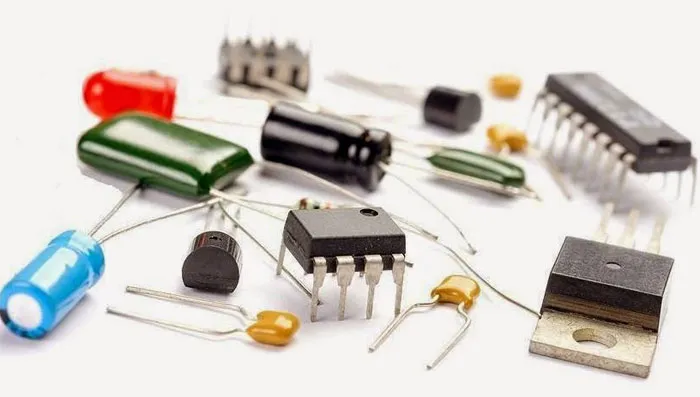
The availability of 1N4007 diodes from various suppliers offers engineers and hobbyists numerous options, each with distinct advantages and disadvantages. Choosing the right supplier can impact cost, delivery time, and the quality of components, ultimately influencing project success.
| Supplier | Pros | Cons | Typical Price (USD/unit) | Shipping Time |
|---|---|---|---|---|
| Amazon | Wide selection, often competitive pricing, fast shipping (for Prime members) | Quality may vary by seller, potential for counterfeit products, higher prices for small quantity orders | 0.05 - 0.15 | 1-5 days |
| DigiKey | High-quality components, broad product range, detailed datasheets available | Higher prices, may not be ideal for small quantity orders, shipping costs can be higher | 0.10 - 0.30 | 1-3 days |
| Mouser | Extensive inventory, reliable components, good customer service | Potentially higher prices, shipping costs and minimum order quantities | 0.10 - 0.30 | 1-3 days |
| eBay | Potentially lower prices, wide variety of sellers | Quality varies greatly, high risk of counterfeits, longer shipping times possible | 0.02 - 0.20 | 2-10 days |
| Local Electronics Stores | Immediate availability, good for urgent needs, ability to inspect components before purchasing | Limited selection, typically higher prices, may not always have the specific 1N4007 variant | 0.15 - 0.50 | Same day |
| AliExpress/Alibaba | Very low prices, suitable for bulk purchases, wide product range | Long shipping times, quality varies greatly, significant risk of counterfeits | 0.01 - 0.10 | 15-45 days |
The 1N4007 diode is a ubiquitous rectifier diode characterized by specific electrical parameters that are crucial for its correct application. These parameters, detailed in datasheets, govern the diode's performance in circuits, influencing factors such as voltage handling, current capacity, and operating temperature. A thorough understanding of these specifications is essential for engineers and hobbyists alike to ensure the diode functions reliably within its intended operational limits.
| Parameter | Symbol | Value | Description |
|---|---|---|---|
| Maximum Repetitive Reverse Voltage | VRRM | 1000V | The peak reverse voltage the diode can withstand repeatedly without breakdown. |
| Maximum RMS Reverse Voltage | VRMS | 700V | The root mean square reverse voltage the diode can withstand continuously. |
| Maximum DC Blocking Voltage | VR | 1000V | The maximum DC reverse voltage the diode can continuously block. |
| Maximum Average Forward Rectified Current | IF(AV) | 1.0A | The maximum average current the diode can handle in the forward direction. |
| Peak Forward Surge Current | IFSM | 30A | The maximum non-repetitive forward current the diode can handle for a short duration. |
| Forward Voltage Drop | VF | 1.1V @ 1A | The voltage drop across the diode when conducting in the forward direction. |
| Operating Temperature Range | Tj | -55 to +150°C | The range of temperatures within which the diode operates safely. |
| Reverse Leakage Current | IR | 5uA @ 1000V | The small current that flows through the diode in the reverse direction. |
Datasheets provide a wealth of information beyond these key parameters, including graphical representations of the diode's performance under various conditions. Understanding these graphs is critical for accurate design work. For example, the forward voltage drop (VF) is not constant, it varies with temperature and forward current. Similarly, the reverse leakage current (IR) increases with temperature.
When reading a datasheet, pay close attention to the test conditions specified for each parameter. For instance, the forward voltage drop (VF) is typically measured at a specific forward current (IF) and temperature. The specified maximum ratings are absolute limits; exceeding these can cause damage or premature failure of the diode. Always operate the diode within the recommended operating range to ensure performance and longevity.
The 1N4007 diode, a ubiquitous component in electronics, serves as a fundamental building block across a wide array of applications, primarily as a rectifier. Its robust characteristics and low cost make it suitable for various uses. This section delves into these practical applications, illustrating its importance in diverse electronic circuits.
This section addresses common questions regarding the 1N4007 diode, clarifying its applications, electrical characteristics, alternatives, and distinctions from similar components. It aims to resolve typical uncertainties and provide a complete understanding for users.
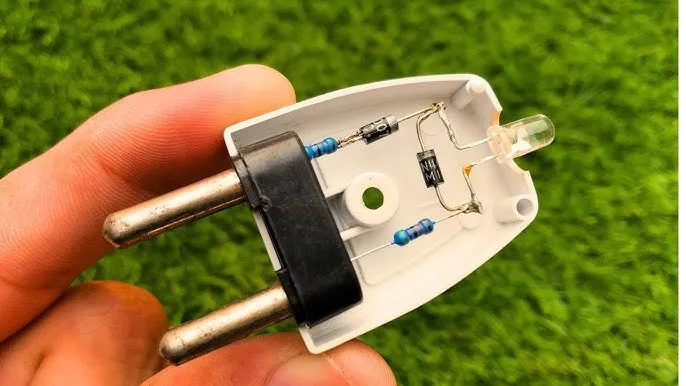
The 1N4007 diode's low cost and wide availability make it an excellent component for beginners and hobbyists in electronics. Its robust nature and basic functionality as a rectifier make it ideal for simple projects where understanding diode behavior is key. This section outlines a few practical examples showcasing its utility.
Selecting and implementing 1N4007 diodes effectively involves considering project requirements and adhering to best practices to ensure circuit reliability and longevity. Careful selection based on voltage and current demands, along with proper handling, is key to avoiding common issues such as overheating and component failure.
The 4007 diode is a fundamental component in electronics, known for its reliability and low cost, typically ranging from a few cents to $0.29 per unit depending on quantity and supplier. Understanding the factors that influence the 4007 diode price, its specifications, and applications will help you make informed decisions for your projects. Its role in simple rectification is pivotal in many electronic circuits, ensuring proper operation of power supplies and other circuits across diverse applications. By understanding the 4007 and its price, electronics hobbyists, students, and engineers can effectively design and implement their electronic ideas in the same way that knowledge and understanding has fueled the development of society's most important and powerful technologies.

