Capacitors, fundamental building blocks of modern electronics, are everywhere, from smartphones to industrial machinery. These seemingly simple devices, made with dielectric material between two conductive plates, play a crucial role in storing and releasing electrical energy. Like tiny reservoirs, they manage electrical flow in countless ways, impacting our daily lives and the functioning of countless devices, this article dives deep into the world of capacitors, exploring their workings, types, applications, and crucial role in the world of modern electronics.
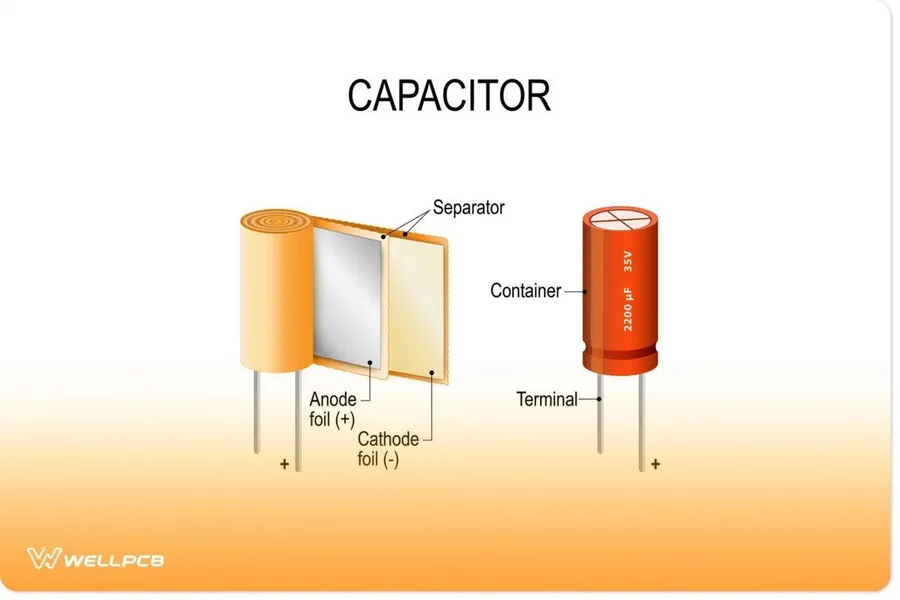
A capacitor is a fundamental electronic component designed to store electrical energy electrostatically within an electric field, achieved by accumulating electric charge on two conductive plates separated by a dielectric material. Unlike batteries that utilize chemical reactions to store energy, capacitors provide rapid charge and discharge capabilities, making them indispensable in various electronic applications.
Fundamentally, a capacitor consists of two conductive plates, typically made of metal, separated by an insulating material called a dielectric. When a voltage is applied across these plates, electrical charge accumulates on them, creating an electric field within the dielectric. The amount of charge a capacitor can store is directly related to its capacitance, which is determined by the physical characteristics of the device—namely, the area of the plates, the distance between them, and the type of dielectric material used.
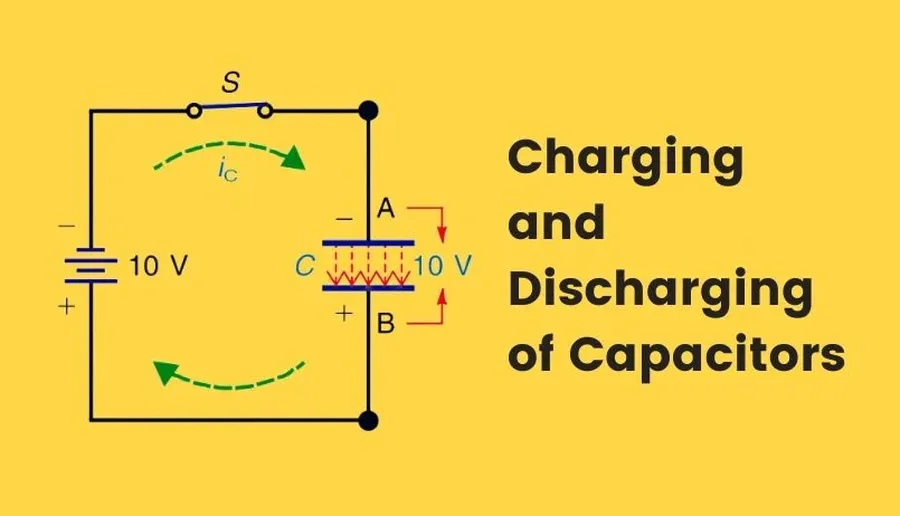
Capacitors store electrical energy through the accumulation of charge on conductive plates separated by a dielectric material. This process is driven by an applied voltage, which creates an electric field within the dielectric. The energy is stored within this electric field, contrasting with batteries which store energy via chemical reactions.
When a voltage source is connected across the capacitor, electrons flow from the source to one plate, while an equal number of electrons are withdrawn from the other plate. This charge separation establishes an electric field in the dielectric between the plates. The strength of the electric field and the amount of charge stored depend on the capacitance and applied voltage.
The key distinction from batteries lies in the method of energy storage. Capacitors store energy electrostatically within the electric field, allowing for rapid charging and discharging, whereas batteries rely on chemical reactions that result in slower energy transfer rates. The stored energy remains until the electrical potential is removed or a path for discharge is provided, at which point the charges will flow back and the stored energy is released.
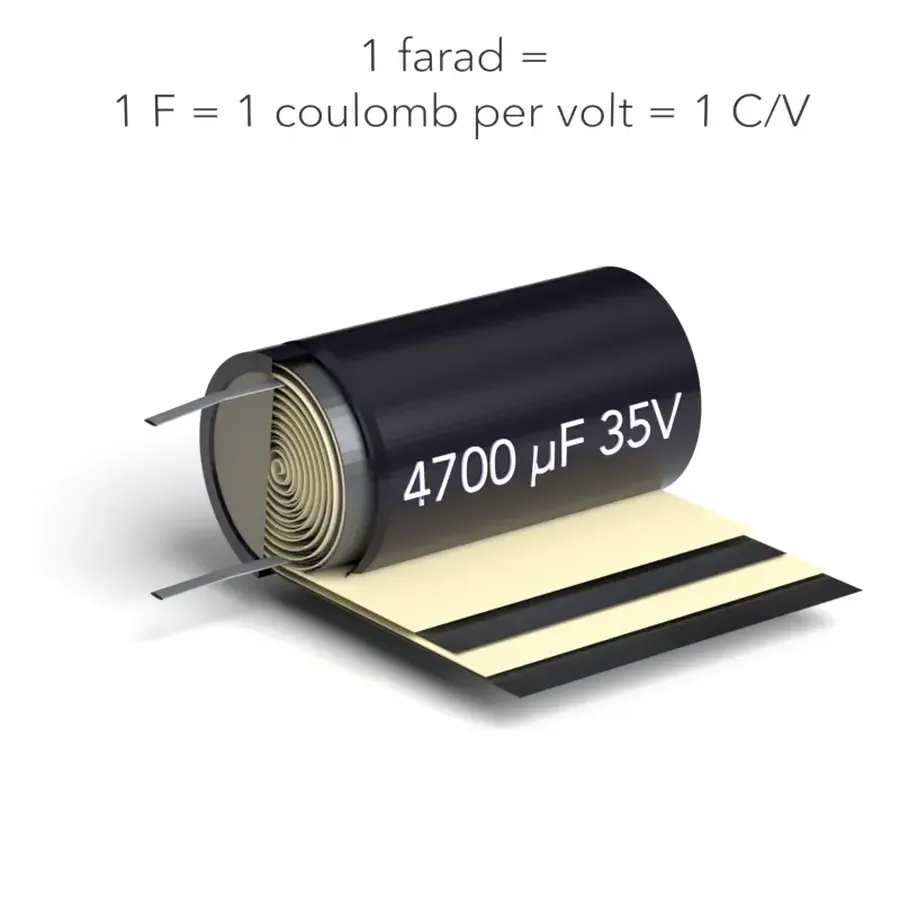
Capacitance is the fundamental property that defines a capacitor's ability to store electrical charge, quantified in Farads (F). A higher capacitance value signifies a greater capability for storing energy within an electric field created by the capacitor's structure.
The Farad (F), while the standard unit, often results in impractical values for common applications. Therefore, sub-units such as microfarads (µF), nanofarads (nF), and picofarads (pF) are more frequently encountered in practical scenarios. These sub-units simplify the expression of capacitance values for components used in electronics.
| Unit | Symbol | Value in Farads |
|---|---|---|
| Farad | F | 1 F |
| Microfarad | µF | 10^-6 F |
| Nanofarad | nF | 10^-9 F |
| Picofarad | pF | 10^-12 F |
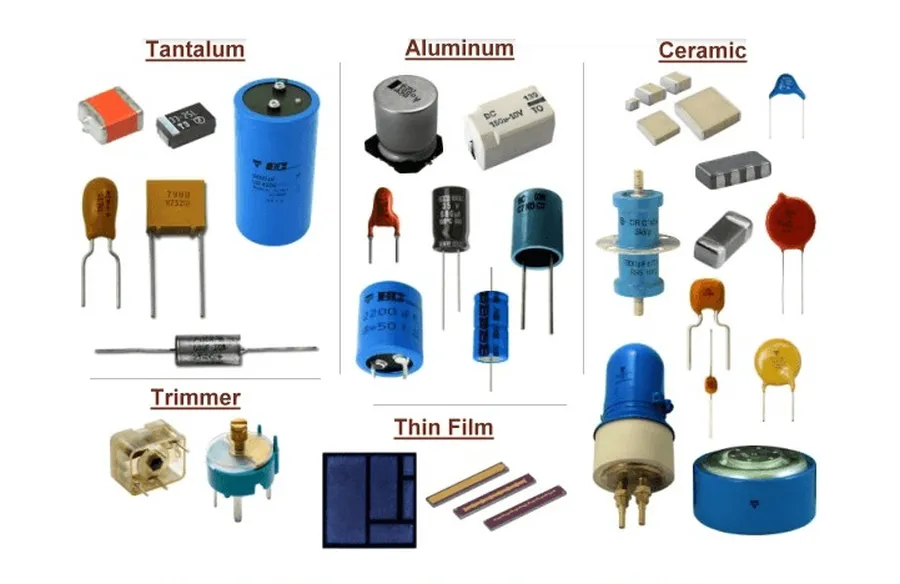
Capacitors are not monolithic; they exist in various types, each tailored for specific applications based on their unique characteristics. These variations stem from differences in dielectric materials and construction techniques, leading to diverse performance attributes. Understanding these differences is crucial for selecting the appropriate capacitor for a given electronic circuit design.
| Capacitor Type | Dielectric Material | Typical Applications | Key Characteristics | Advantages | Disadvantages |
|---|---|---|---|---|---|
| Ceramic Capacitors | Ceramic (e.g., barium titanate) | High-frequency circuits, decoupling, bypass | Small size, low cost, non-polarized | Low cost, high-frequency performance | Lower capacitance values, temperature sensitivity |
| Electrolytic Capacitors | Aluminum oxide or tantalum pentoxide with electrolyte | Power supply filtering, audio coupling | High capacitance, polarized | High capacitance values, compact size | Polarized, limited frequency response, shorter lifespan |
| Film Capacitors | Polyester, polypropylene, or other polymer films | High-precision timing circuits, audio applications | Stable performance, low loss, non-polarized | Stable over a range of conditions, low loss | Larger size, higher cost compared to ceramic |
| Tantalum Capacitors | Tantalum pentoxide | High-reliability applications, compact power supplies | High capacitance in small size, polarized | High capacitance-to-size ratio, good temperature stability | Polarized, prone to failure if overstressed, higher cost |
| Supercapacitors (Ultracapacitors) | Porous carbon, metal oxides, or conductive polymers | Energy storage for longer durations, hybrid vehicles | Very high capacitance, high energy storage | High energy storage, rapid charge/discharge | Lower voltage rating than traditional capacitors |
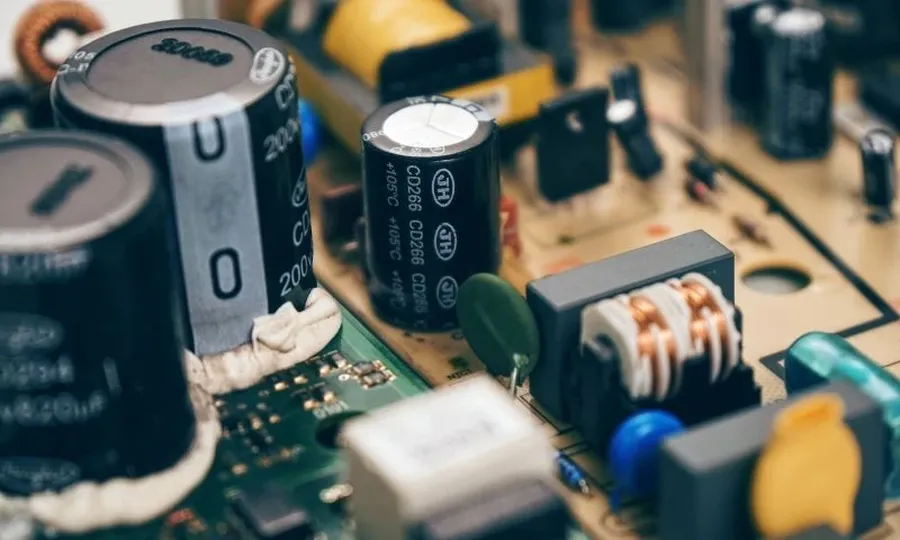
Capacitors are ubiquitous components in modern electronics, serving a multitude of essential functions across diverse applications. Their ability to store and release electrical energy rapidly makes them indispensable for a wide range of tasks, from smoothing power delivery to enabling complex signal processing.
The diverse applications of capacitors stem from their fundamental ability to store and release electrical energy in a controlled manner, thus making them essential in virtually all areas of electronics, from consumer gadgets to large-scale industrial systems.
| Application | Function of Capacitor | Specific Examples |
|---|---|---|
| Power Supplies | Filtering and Smoothing | Computer power supplies, phone chargers |
| Audio Amplifiers | Coupling and Decoupling | Audio equipment, signal processing |
| RF Circuits | Tuning and Filtering | Radios, wireless communications |
| Camera Flashes | Energy Storage | Digital cameras, portable lighting devices |
| AC Motors | Phase Shifting and Motor Starting | Washing machines, refrigerators |
| Timing Circuits | Time Delay and Oscillations | Microcontrollers, digital clocks |
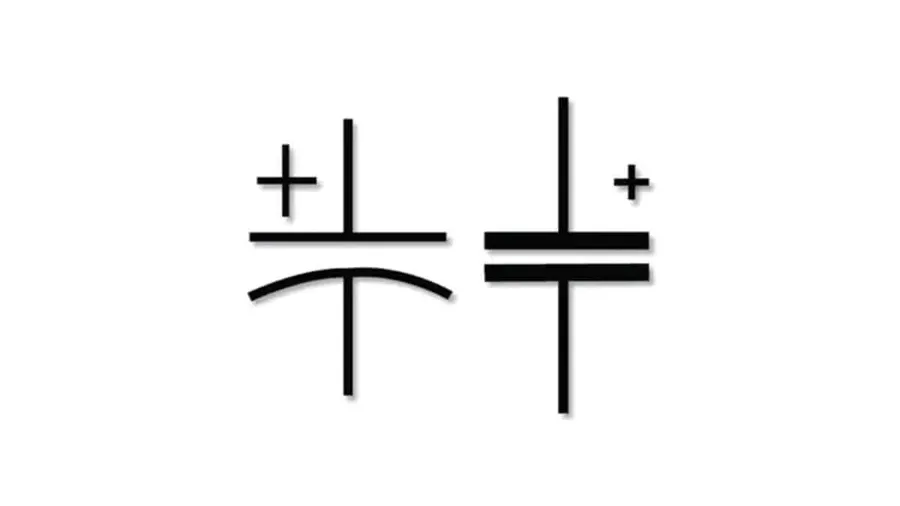
Accurate interpretation of circuit diagrams relies heavily on understanding capacitor symbols. These symbols, standardized for electronic schematics, provide vital information about the capacitor’s type and polarity, facilitating effective circuit design, analysis, and troubleshooting.
| Symbol Type | Description | Typical Capacitor Types |
|---|---|---|
| Two Parallel Lines | Non-polarized capacitor, no specific orientation required in the circuit. | Ceramic, Film |
| One Straight Line, One Curved Line | Polarized capacitor, orientation of the leads is important. | Electrolytic, Tantalum |
| Symbol with Arrow Through It | Variable Capacitor, capacitance can be changed. | Trimmer capacitors, Tuning capacitors |
Capacitors, while generally robust, are susceptible to failure like any other electronic component. Understanding common failure modes and troubleshooting techniques is crucial for maintaining the reliable operation of electronic circuits. Identifying and addressing capacitor failures promptly can prevent system malfunctions and performance degradation.
Capacitor failures typically manifest in several ways:
Visual inspection can reveal several telltale signs of capacitor failure:
Troubleshooting techniques involve both visual inspection and measurement.
In conclusion, prompt diagnosis of capacitor failures is essential because failed capacitors can lead to a spectrum of issues, ranging from minor performance degradation to complete system failure. Proper testing techniques and visual checks are needed to maintain operational efficiency and reliability.
This section addresses common questions about capacitors, clarifying their uses, functions, and behavior in various applications. Understanding these fundamental aspects of capacitors is essential for anyone working with electronics.
Understanding the fundamental formulas governing capacitor behavior is crucial for circuit analysis and design. These equations allow engineers and technicians to predict performance, troubleshoot issues, and optimize circuits involving capacitors. The core relationships involve charge, capacitance, voltage, and energy.
| Formula | Description | Variables |
|---|---|---|
| Q = CV | Charge stored in a capacitor is directly proportional to the capacitance and the applied voltage. | Q = Charge (Coulombs), C = Capacitance (Farads), V = Voltage (Volts) |
| E = 1/2CV² | Energy stored in a capacitor is proportional to half the capacitance multiplied by the square of the voltage. | E = Energy (Joules), C = Capacitance (Farads), V = Voltage (Volts) |
| C = εA/d | Capacitance is proportional to the permittivity of the dielectric material, the area of the plates, and inversely proportional to the separation distance between the plates. | C = Capacitance (Farads), ε = Permittivity (F/m), A = Area of plates (m²), d = Distance between plates (m) |
These formulas facilitate not only the theoretical understanding of capacitor behavior but are also indispensable for practical applications. They permit the precise calculation of charge storage, energy accumulation, and capacitance in various circuit designs and troubleshooting scenarios. These equations also assist in the selection of the appropriate capacitor for a specific application. Understanding and applying these formulas helps ensure correct design and operation of any electronic circuit incorporating capacitors.
In conclusion, capacitors are indispensable in modern electronics, enabling energy storage, signal filtering, and many other essential functions. Understanding the diverse types, their characteristics, and their proper use, is essential for anyone working with or using electronics. From storing energy in tiny circuits to providing power for heavy machinery, the unassuming capacitor is fundamental to our technological world. As technology continues to advance, understanding the behavior of capacitors will continue to be increasingly vital for engineering, and other science fields.

