In our daily lives, from smartphones to supercomputers, we're surrounded by technology powered by tiny, almost invisible switches: transistors. These miniature marvels, born from semiconductor materials, revolutionized electronics. This article dives into the fascinating world of transistors, revealing how they work, their various types, and the impact they've had on shaping the modern world we live in.
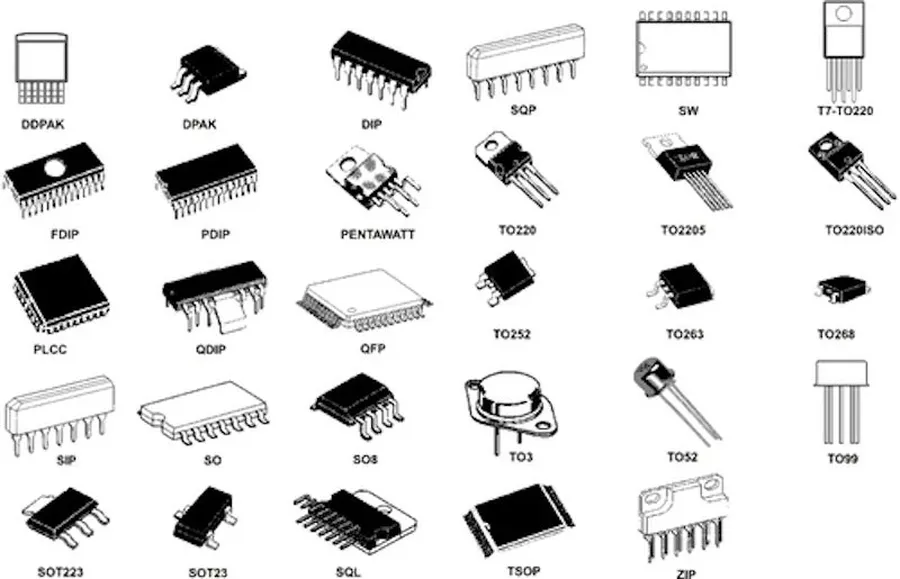
A transistor is a fundamental semiconductor device that acts as both an amplifier and an electronic switch, controlling and manipulating electrical signals and power. Its critical role in modern electronics makes it an essential building block for virtually all electronic devices.
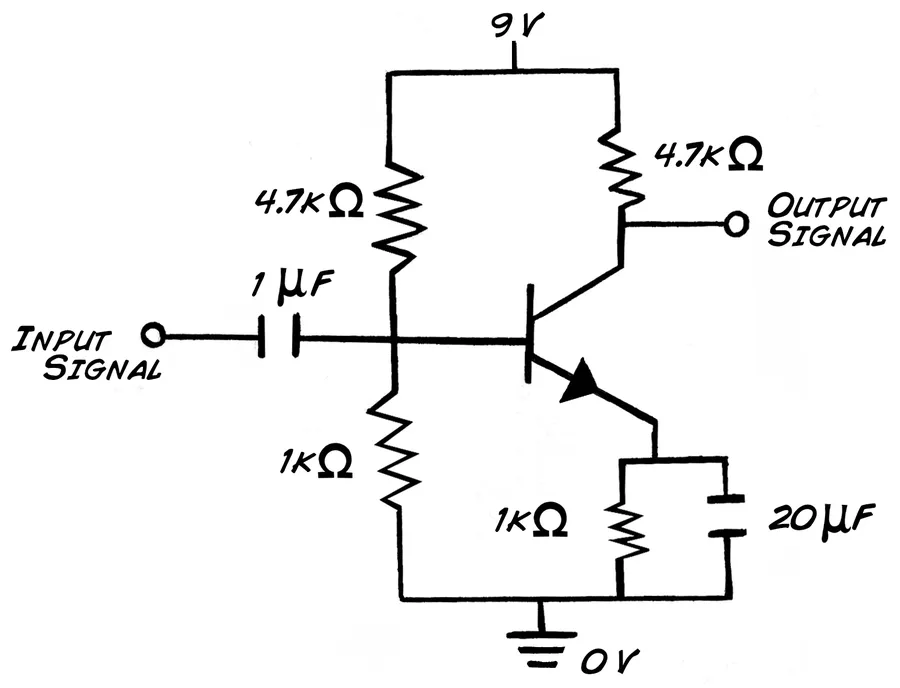
Transistors are fundamental semiconductor devices that operate primarily as either amplifiers or electronic switches, utilizing the manipulation of semiconductor material properties to control electrical current. This dual functionality is the bedrock of modern electronic circuits.
At their core, transistors leverage the unique behavior of semiconductors, materials whose conductivity can be altered by external factors like electric fields or temperature. This control mechanism enables the amplification of weak signals into stronger ones, or the precise switching of electrical current, which are the two primary modes of transistor operation.
| Operation Mode | Function | Mechanism |
|---|---|---|
| Amplification | Increases the magnitude of a weak electrical signal. | Modulating current flow to generate a larger signal mirroring the input, but at higher power. |
| Switching | Controls the flow of current, either allowing it to pass or blocking it. | Utilizes input signal to open or close a conductive channel, enabling or stopping current flow. |
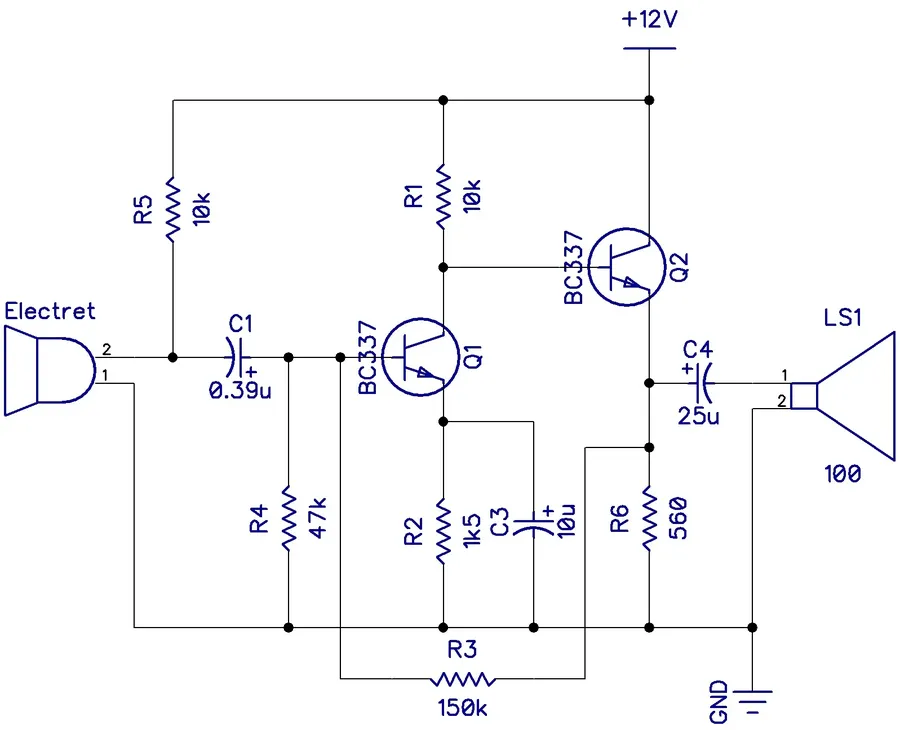
Transistors, at their core, perform two essential functions that are fundamental to modern electronics: signal amplification and electronic switching. These functions enable a wide array of applications, from simple circuits to complex computing systems.
| Function | Description | Mechanism | Applications |
|---|---|---|---|
| Amplification | Increasing the magnitude (power or current) of an input signal. | Modulating the output based on a smaller input signal, often using the transistor's active region. | Audio amplifiers, RF amplifiers, instrumentation amplifiers |
| Switching | Controlling the flow of current; acting as an electrical on/off switch. | Operating the transistor in either its cut-off or saturation regions. | Digital logic gates, memory cells, power controllers |
These dual functionalities allow transistors to be utilized in countless applications, serving as the workhorses of modern electronics.
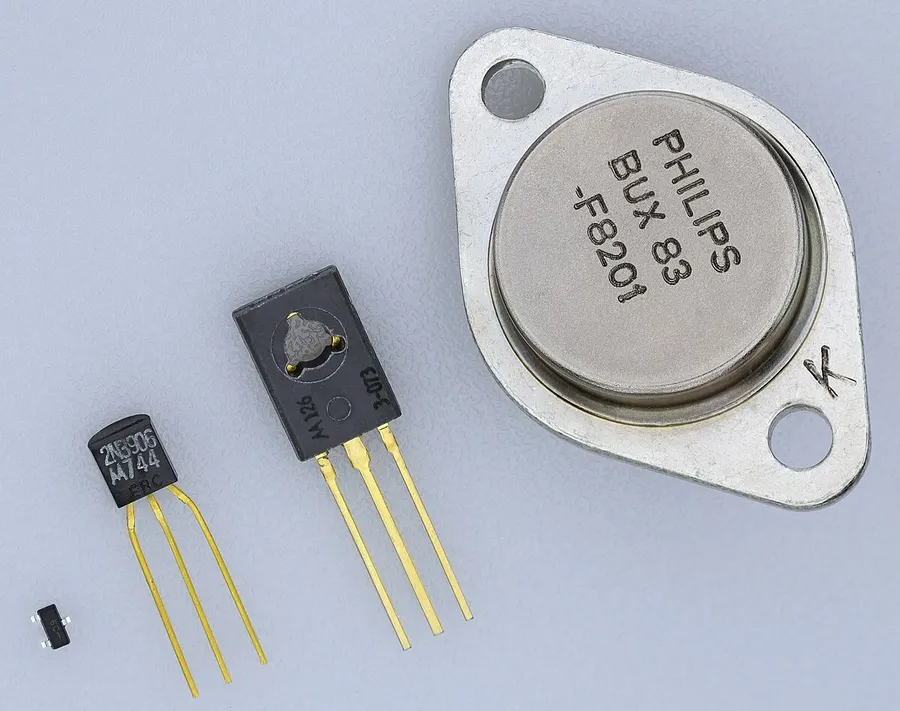
Transistors, the fundamental building blocks of modern electronics, come in a variety of types, each designed with specific characteristics to suit diverse applications. Understanding these different types is crucial for selecting the appropriate transistor for a given task, whether it be amplification, switching, or logic processing.
| Transistor Type | Operating Principle | Key Characteristics | Common Applications |
|---|---|---|---|
| Bipolar Junction Transistor (BJT) | Current-controlled device, using current to modulate current flow. | Available in NPN and PNP configurations, relatively high current gain. | Amplifiers, analog circuits, and switching applications. |
| Field-Effect Transistor (FET) | Voltage-controlled device, using an electric field to control current flow. | High input impedance, low noise, various types including MOSFETs and JFETs. | Analog switches, high-frequency circuits, power management. |
| Metal-Oxide-Semiconductor FET (MOSFET) | A type of FET where gate is insulated from the channel via a thin layer of oxide. | Extremely high input impedance, low power consumption, dominant in digital ICs. | Microprocessors, memory chips, digital logic circuits. |
The choice of transistor type depends largely on the specific requirements of the application, including voltage and current handling, speed, and power consumption. Each type offers a unique set of advantages and limitations.
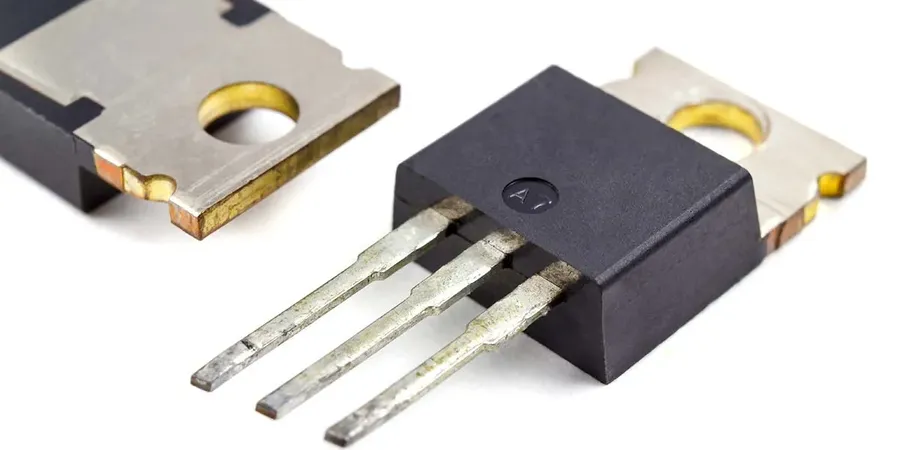
Bipolar Junction Transistors (BJTs) are a class of transistors characterized by their current-controlled operation, utilizing both electrons and holes as charge carriers. These three-terminal devices are fundamental to both digital and analog electronic circuits, serving as amplifiers and switches.
| Feature | NPN BJT | PNP BJT |
|---|---|---|
| Structure | Two N-type regions separated by a P-type region | Two P-type regions separated by an N-type region |
| Current Flow | Electrons flow from emitter to collector when base is activated | Holes flow from emitter to collector when base is activated |
| Polarity | Positive voltage is applied to the base to activate | Negative voltage is applied to the base to activate |
| Common Use Cases | Switching, amplifying signals | Complementary circuits, signal inverting |
BJTs are constructed with three semiconductor layers forming two junctions, offering distinct operating characteristics based on the configuration. The current flowing through the collector and emitter is controlled by a small amount of current into the base terminal. This allows for current amplification within the circuit, enabling the transistor to control larger currents with a relatively small controlling current. The functionality and choice of BJT configuration depend on the specific requirements of a circuit design, whether the circuit is for amplification or switching.
Field-Effect Transistors (FETs) represent a crucial class of transistors distinguished by their voltage-controlled operation. Unlike Bipolar Junction Transistors (BJTs) which are current-controlled, FETs modulate the flow of current between the 'source' and 'drain' terminals by applying a voltage to the 'gate' terminal. This voltage control mechanism makes FETs highly versatile and essential in numerous electronic applications, particularly in integrated circuits and microprocessors.
The ability of FETs to act as voltage-controlled switches and amplifiers stems from their unique structure and operating principles. Key characteristics of FETs include high input impedance, which minimizes the load on driving circuits and simplifies circuit design, and they are generally more thermally stable and have lower power consumption when compared to BJTs. Due to these advantages, FETs, and particularly MOSFETs, have become fundamental building blocks of modern microelectronics.
| Feature | FETs | BJTs |
|---|---|---|
| Control Mechanism | Voltage-controlled | Current-controlled |
| Input Impedance | High | Lower |
| Power Consumption | Generally Lower | Generally Higher |
| Thermal Stability | Generally Better | Generally Less Stable |
Among the different types of FETs, Metal-Oxide-Semiconductor FETs (MOSFETs) are particularly prominent. MOSFETs offer high-density integration on microchips, making them ideal for use in high-density integrated circuits. Their construction allows for very small geometries and high efficiency, which is paramount in modern microprocessors, memory chips, and other advanced electronics.
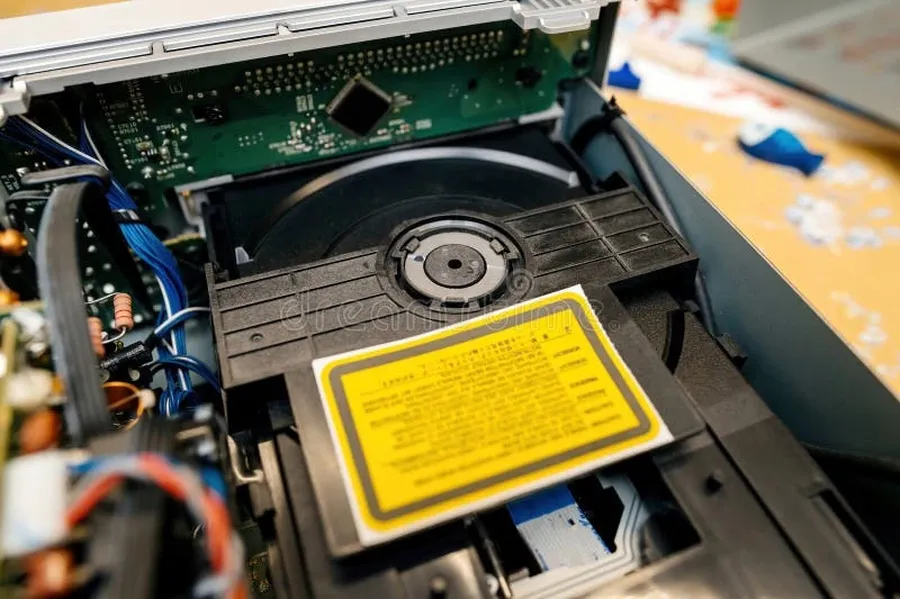
Transistors are the bedrock of modern computer systems, serving as the fundamental building blocks of microprocessors and memory chips. Their ability to switch electrical signals on and off at incredibly high speeds enables the execution of logical operations essential for computing. The performance of these systems is directly correlated with the density and switching speed of transistors within their integrated circuits.
| Component | Transistor Role | Function |
|---|---|---|
| Microprocessors (CPUs) | Logic gates and switches | Performing arithmetic, logical operations, and control functions |
| Memory Chips (RAM, ROM) | Storage cells | Storing data and instructions as binary bits (0s and 1s) |
| Graphics Processing Units (GPUs) | Parallel processing units | Rendering images, videos, and complex simulations |
The evolution of computer technology is closely tied to advancements in transistor technology. As manufacturers pack more transistors into smaller chips, computational power increases dramatically, enabling faster processing, more complex software, and innovative applications.
Transistors, while foundational in computer systems, extend their influence far beyond the realm of computing. Their versatile nature as both amplifiers and switches makes them indispensable components in a vast array of electronic devices and systems. From consumer electronics to industrial equipment, transistors are at the heart of modern technology, enabling countless functionalities.
This section addresses common inquiries about transistors, clarifying their fundamental role, applications, and operational mechanisms. By exploring these questions, a deeper understanding of these critical electronic components can be achieved.
Transistors are the cornerstone of modern electronics. From simple switches to complex microprocessors, these tiny components have transformed our world. Understanding how transistors amplify and switch signals is key to grasping the fundamental principles behind today's technology. Their continuous development and evolution will continue to shape the future of electronics and technological innovation.

