The acronym 'PCB' can refer to two very different things: the backbone of modern electronics - the printed circuit board, and a group of toxic, man-made chemicals known as polychlorinated biphenyls. While one is essential for technology, the other is a significant environmental concern. This article will delve into both aspects, unraveling their significance and implications, bridging the gap between the tiny circuit boards powering our gadgets and the environmental toxins that have left a global footprint. This understanding is crucial in today's interconnected world.
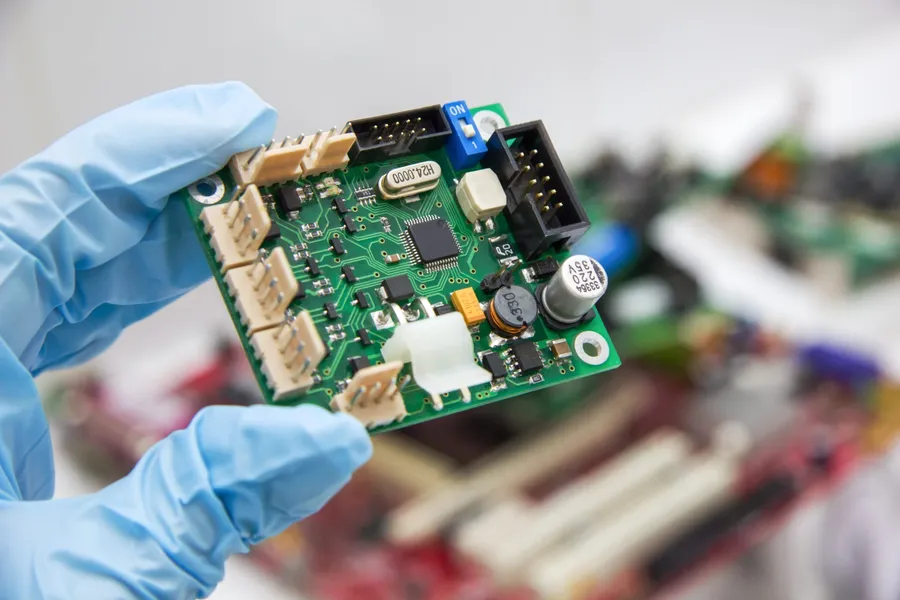
A Printed Circuit Board (PCB) serves as the foundational building block for nearly all modern electronic devices. Functionally, it's a robust platform that provides both structural support and the electrical pathways necessary for electronic components to interact. PCBs enable the organized connection of various components, ensuring a functioning circuit according to the intended design.
Key structural elements of a PCB include the substrate, copper traces, and vias. The substrate, typically made of fiberglass or composite materials, provides the rigid base. Copper traces, which are thin layers of copper, act as conductive pathways, enabling the flow of electrical current, while vias are plated holes connecting traces on different layers.
Together, these components form a sophisticated network allowing electricity to flow between different parts of the circuit, and enable engineers to design compact and complex electronic systems.
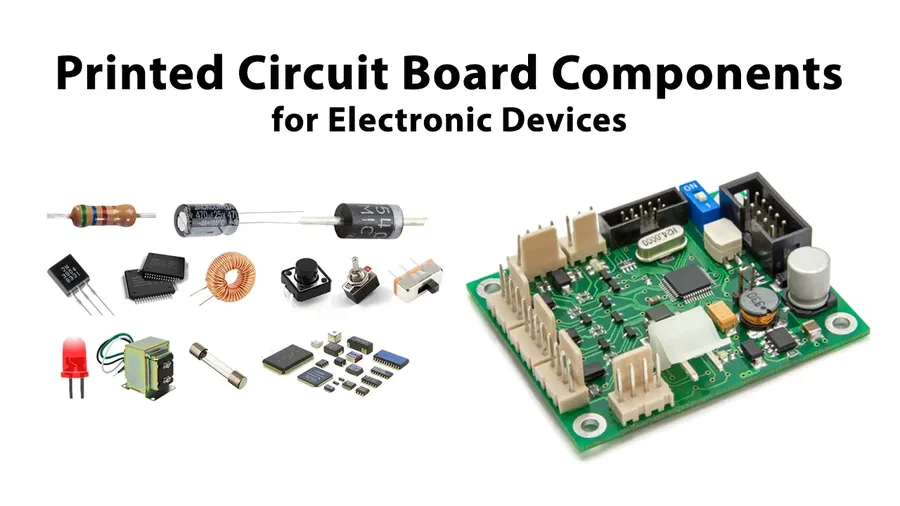
Printed circuit boards (PCBs) are fundamental to the functionality of modern electronics, serving as both the structural foundation and the electrical pathway for components within a device. Their role extends beyond simple connections; they are critical for miniaturization, efficient power distribution, and ensuring reliable operation of devices from simple consumer electronics to sophisticated industrial equipment.
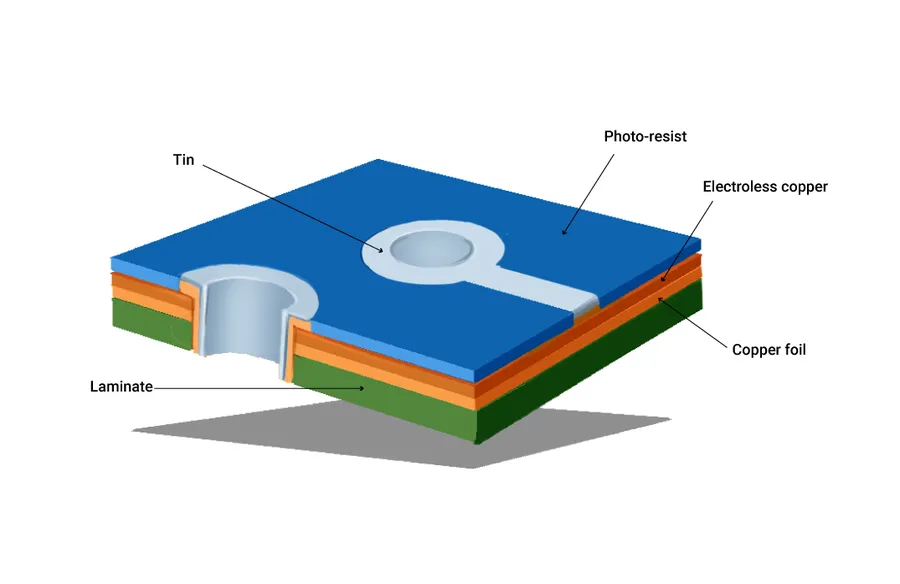
The creation of a Printed Circuit Board (PCB) is a multi-stage process involving intricate design and precise manufacturing techniques. This process transforms a conceptual electronic circuit into a physical, functional board.
The process starts with circuit design, moves into physical board layout and fabrication, and concludes with component assembly. Different types of PCBs, such as single-sided, double-sided, and multilayer boards, are produced using similar steps but with varying complexities.
The design phase utilizes Computer-Aided Design (CAD) software. Engineers use this to layout the circuit, defining the conductive traces, component placement, and other features. The CAD output is the blueprint for the physical board.
Manufacturing involves several key steps. The substrate, typically a non-conductive material like fiberglass or ceramic, is prepared. Copper is then applied to this substrate, often through a process called lamination. The design created in CAD is then transferred to the copper through etching. Etching removes unwanted copper, leaving behind the traces. Drilling creates holes for component insertion and vias, which are connections between layers. Plating is used to enhance conductivity of vias and to provide solderable surfaces. After the circuit is formed, components are then soldered onto the board.
| PCB Type | Description | Typical Applications |
|---|---|---|
| Single-sided | Components and circuits on one side. | Simple electronics, basic lighting. |
| Double-sided | Components and circuits on both sides. | Moderate complexity electronics, basic consumer electronics |
| Multilayer | Multiple layers of circuits sandwiched together. | Complex electronics, high-density circuits, advanced computing. |
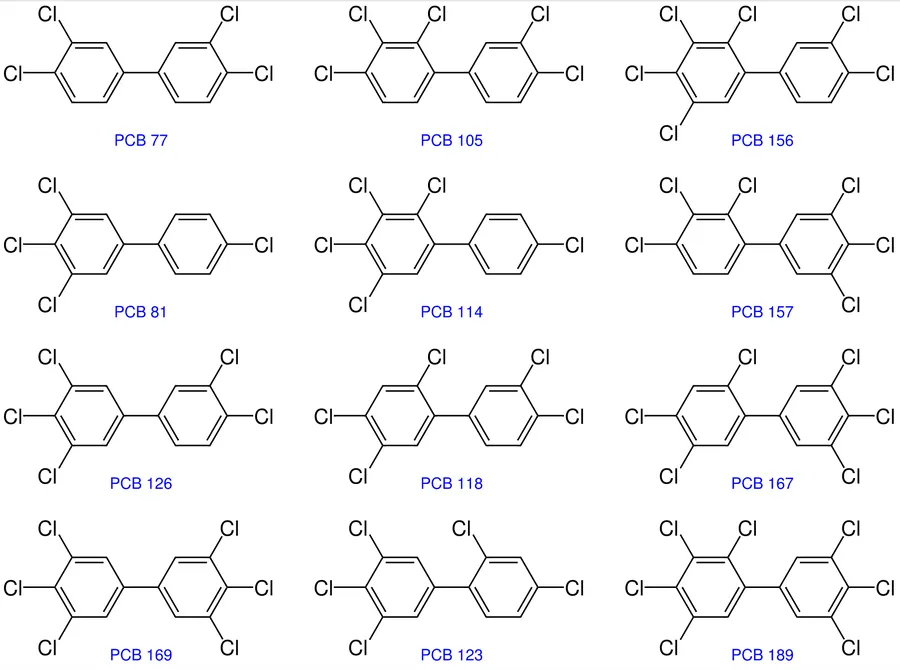
Polychlorinated biphenyls (PCBs) are a class of synthetic organic chemicals, characterized by a structure where chlorine atoms are attached to a biphenyl molecule. These compounds, once widely utilized for their insulating and non-flammable properties, are now recognized as persistent environmental pollutants with significant health risks. Their chemical stability, which initially made them valuable, also makes them extremely resistant to degradation in the environment.
Before their widespread ban, PCBs were primarily used as dielectric and coolant fluids in electrical equipment, such as transformers and capacitors, and in various industrial applications like hydraulic fluids, plasticizers, and adhesives. The presence of multiple chlorine atoms on the biphenyl structure leads to a wide variety of PCB congeners, each with slightly different chemical and toxicological properties. The properties that made PCBs desirable, such as their high thermal stability and electrical insulation capabilities, also contribute to their environmental persistence and bioaccumulation.
The inherent stability of PCBs stems from their chemical structure and the strong carbon-chlorine bonds. This stability, while useful in their industrial applications, also renders them highly resistant to environmental degradation processes. Consequently, PCBs can persist in the environment for extended periods and accumulate in living organisms, which leads to concerns about their long-term impact on ecosystems and human health.
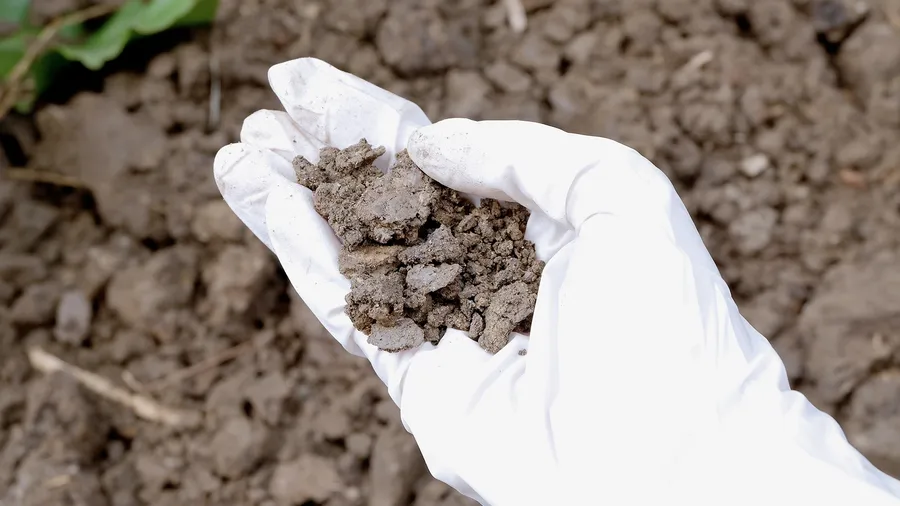
Polychlorinated biphenyls (PCBs), despite their useful industrial properties, pose significant risks to human health and the environment. These compounds are persistent organic pollutants that can accumulate in living organisms and ecosystems, leading to long-term adverse effects.
The adverse health effects associated with PCB exposure are varied and can include:
The environmental impact of PCBs is equally concerning, characterized by:
The bioaccumulation of PCBs in the food chain is a major concern, as it can lead to human exposure through the consumption of contaminated fish, meat, and dairy products. Effective mitigation and regulatory measures are essential to reduce and control the widespread presence of PCBs and protect both human and environmental well-being.
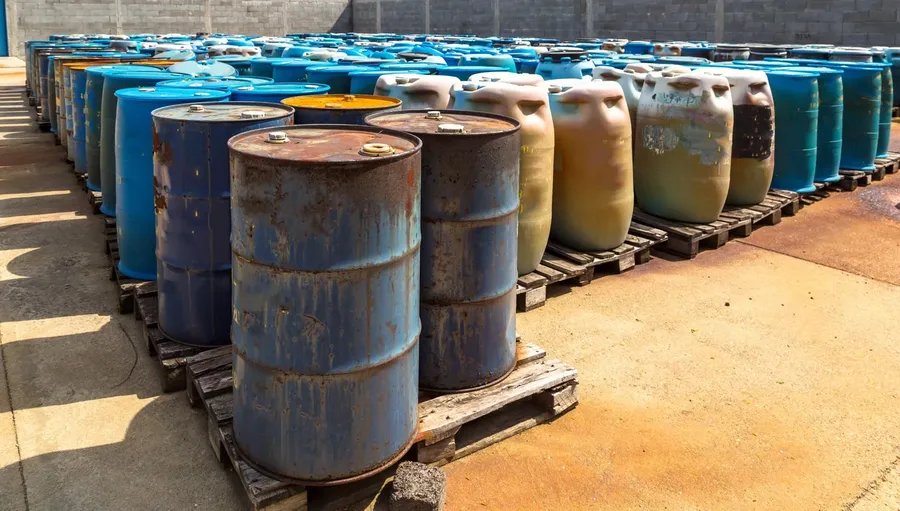
The regulation and management of Polychlorinated Biphenyls (PCBs) are critical due to their persistent and toxic nature. International and national efforts have been established to control their production, use, and disposal, as well as to remediate contaminated sites. These actions aim to safeguard human health and the environment from the detrimental effects of PCBs.
This section addresses common questions regarding PCBs, clarifying the distinction between printed circuit boards and polychlorinated biphenyls. Understanding this difference is crucial due to their drastically different nature and implications.
This section provides a comparative analysis highlighting the fundamental differences between PCBs as Printed Circuit Boards, essential components in electronics, and PCBs as Polychlorinated Biphenyls, hazardous chemical compounds. Understanding these distinctions is crucial, as the acronym 'PCB' refers to two completely different entities with vastly different implications.
| Feature | PCB (Printed Circuit Board) | PCB (Polychlorinated Biphenyl) |
|---|---|---|
| Definition | A structural base and electrical connection platform for electronic components. | A class of persistent organic pollutants, synthetic chemical compounds. |
| Primary Use | Foundation of electronic devices, facilitating electrical connections. | Formerly used as industrial fluids for electrical equipment, heat transfer, and hydraulic fluids; now mostly banned. |
| Composition | Typically made of fiberglass or composite substrate, copper traces, and other conductive materials. | Composed of chlorinated biphenyl molecules, with varying numbers of chlorine atoms. |
| Function | Supports and connects electronic components to form a functional circuit. | Formerly used for their dielectric and thermal properties, now known for their environmental persistence and toxicity. |
| Environmental Impact | Minimal environmental impact when properly disposed of or recycled. | Highly toxic, persistent pollutants; cause significant environmental contamination and bioaccumulation in the food chain. |
| Health Impact | Not toxic, though improper handling of manufacturing processes may carry risks. | Highly toxic; linked to cancer, developmental issues, immune system dysfunction and other health problems. |
| Regulation | Subject to manufacturing and recycling guidelines. | Strictly regulated, with bans in place across many countries and regions due to their toxicity. |
| Disposal | Recycled or disposed of according to e-waste regulations. | Requires special disposal processes, often involving high-temperature incineration. |
| Safety Considerations | Safe in intended use and handling of electronic devices. | Extremely hazardous and require careful handling and containment; poses risks at even low concentrations. |
Understanding the dual nature of the term 'PCB' is crucial for both technological and environmental awareness. Printed circuit boards are indispensable components of our modern technological world, while polychlorinated biphenyls represent a significant environmental and health concern that requires ongoing attention and management. By being informed about both aspects of PCBs, we can make better choices and contribute to a more sustainable and healthier future, whether it's designing safer electronics or advocating for stricter environmental policies.

