In our daily lives, from the gentle hum of a refrigerator to the powerful spin of a washing machine, capacitors like the CBB60 play a crucial, yet often unseen role. These small components are vital for the smooth operation of many AC motors and appliances. This article will delve into the specifics of the CBB60 capacitor, its applications, and what you need to know for reliable performance, connecting everyday technology with the fundamental principles of electrical engineering.
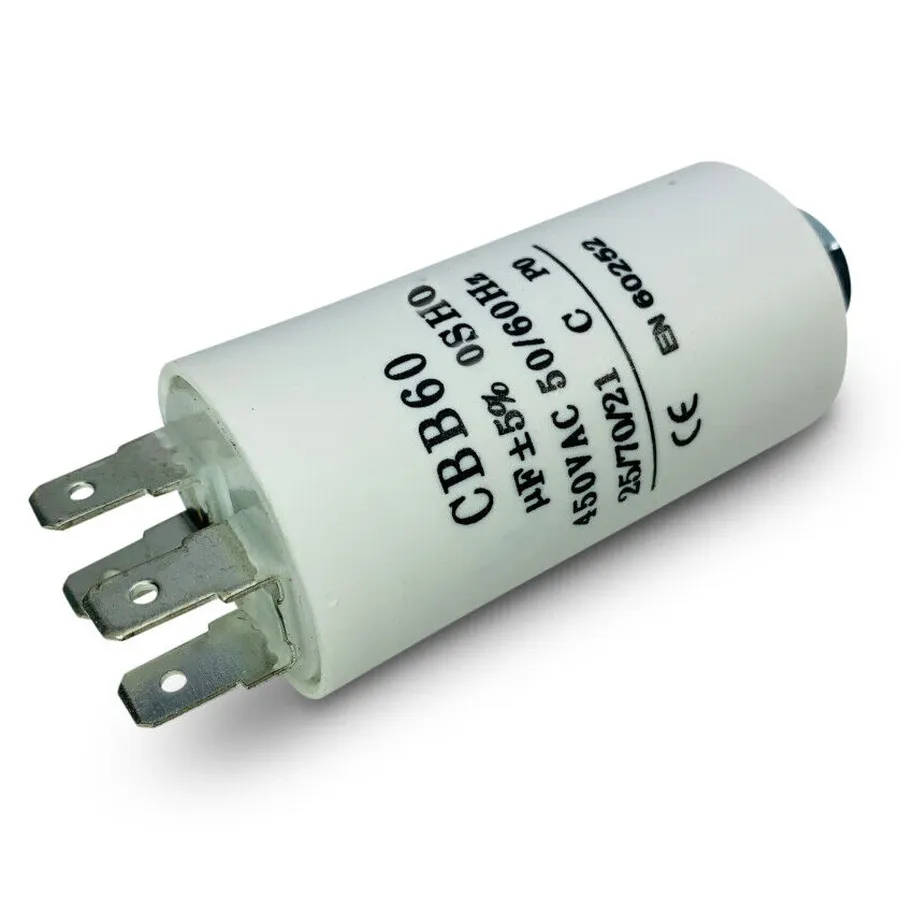
The CBB60 capacitor is a crucial component in single-phase AC motor circuits, primarily functioning as a run capacitor. Its design leverages a metallized polypropylene film dielectric, which offers high insulation resistance, low losses, and robust self-healing properties. This design ensures that the capacitor can handle the continuous operation demanded by motor applications, maintaining optimal power factor and contributing to efficient energy usage in appliances.
These capacitors are typically constructed by layering metallized polypropylene film. The film layers are wound together and encased in a flame-retardant plastic or aluminum housing, often with resin or epoxy filling to enhance mechanical stability and environmental protection. This construction minimizes internal vibrations and prevents moisture ingress. Terminals are typically screw or quick-connect type, facilitating easy installation and replacement.
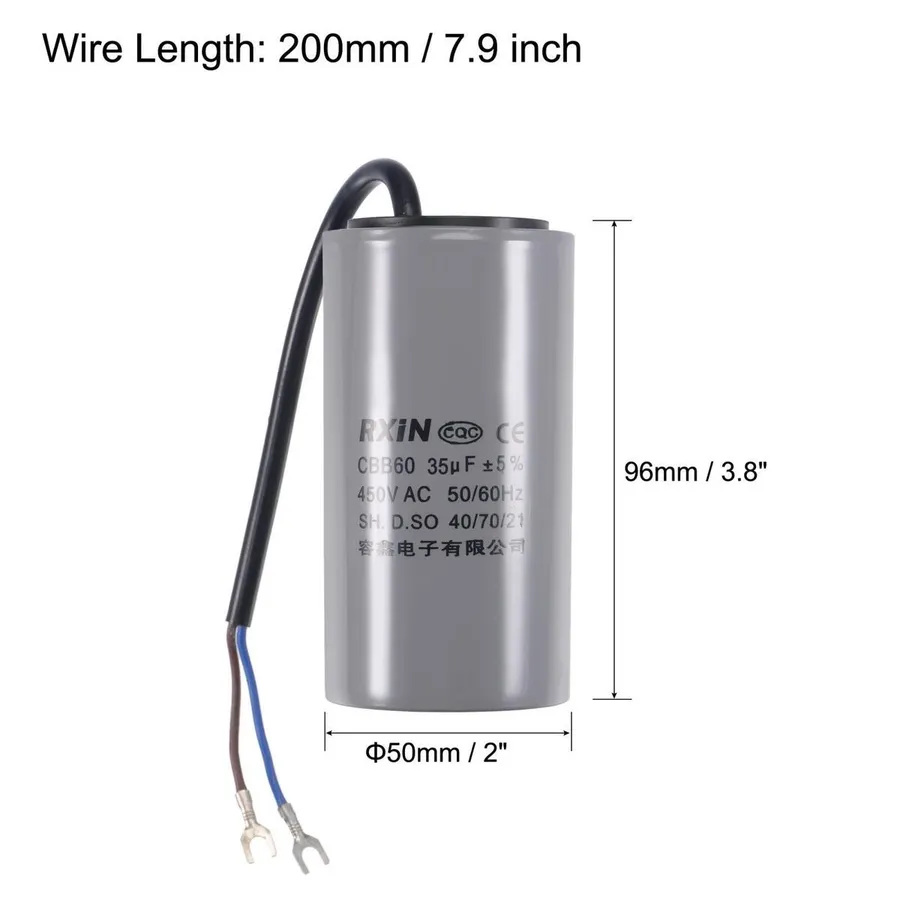
Selecting the correct CBB60 capacitor requires careful consideration of its key specifications, including voltage, capacitance, tolerance, and physical dimensions. These parameters are crucial for ensuring the capacitor functions correctly within its intended application and directly impact the performance and longevity of the equipment it serves.
| Specification | Description | Importance |
|---|---|---|
| Voltage Rating | The maximum AC voltage the capacitor can safely handle. Common ratings include 250VAC, 400VAC, and 450VAC. | Exceeding the voltage rating can lead to capacitor failure, posing a safety risk and potentially damaging the connected equipment. |
| Capacitance | Measured in microfarads (µF), determines the amount of electrical charge the capacitor can store. Common values range from 1uF to 100uF or more. | Incorrect capacitance can cause the motor or appliance to operate inefficiently, resulting in overheating, reduced performance, or failure to start. |
| Tolerance | The permissible deviation from the stated capacitance value, typically expressed as a percentage (e.g., ±5%). | A tighter tolerance ensures consistent performance, while a wider tolerance may lead to variability in operation. |
| Physical Dimensions | The capacitor's size and shape (diameter and height) affect its physical fit within the equipment. | The capacitor must physically fit within the designated space in the device. An improper fit may cause damage to the capacitor or surrounding parts or not connect correctly. |
| Operating Temperature | The range of temperatures within which the capacitor is designed to operate reliably, often specified as a minimum and maximum value (e.g., -25°C to +70°C). | Operating outside this range can reduce the capacitor's lifespan and compromise its performance. |
| Lifespan | The expected operating life of the capacitor under normal operating conditions. Usually specified in hours or years. | A longer lifespan contributes to better reliability and reduces the need for frequent replacements. |
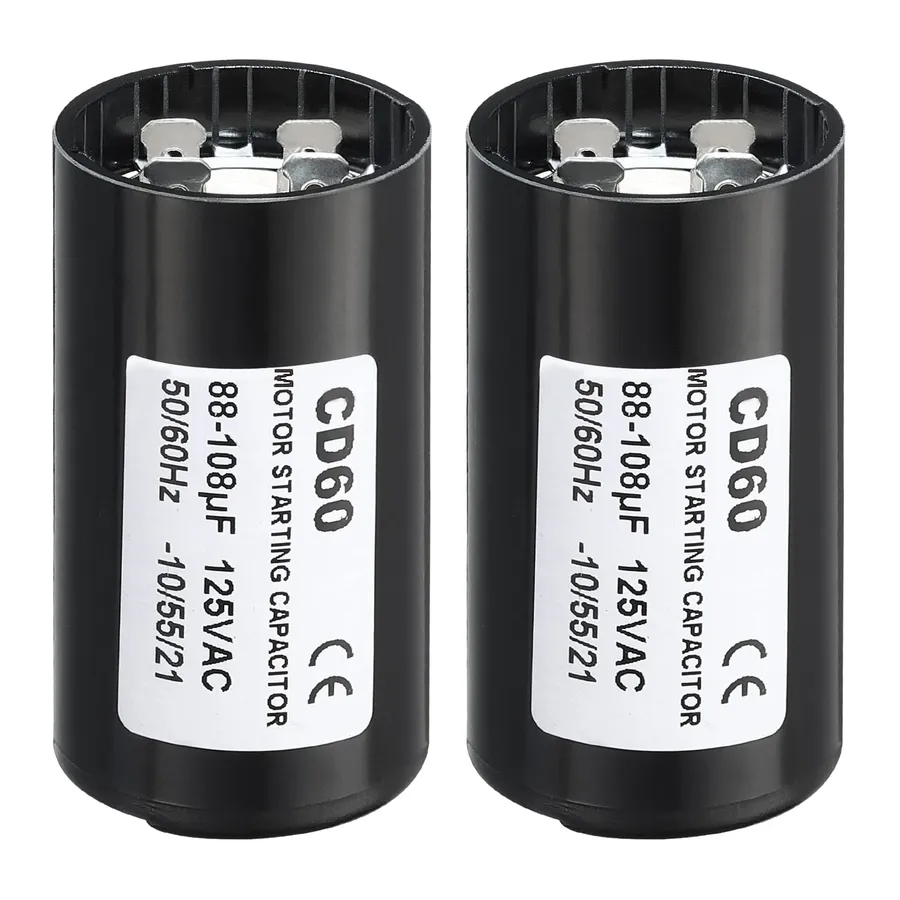
CBB60 capacitors are predominantly used as motor run capacitors in single-phase AC motor circuits. Their robust design and electrical characteristics make them ideal for various applications where consistent and reliable motor operation is essential. These capacitors play a crucial role in providing the necessary phase shift for the motor's starting and running torque, ensuring smooth and efficient performance.
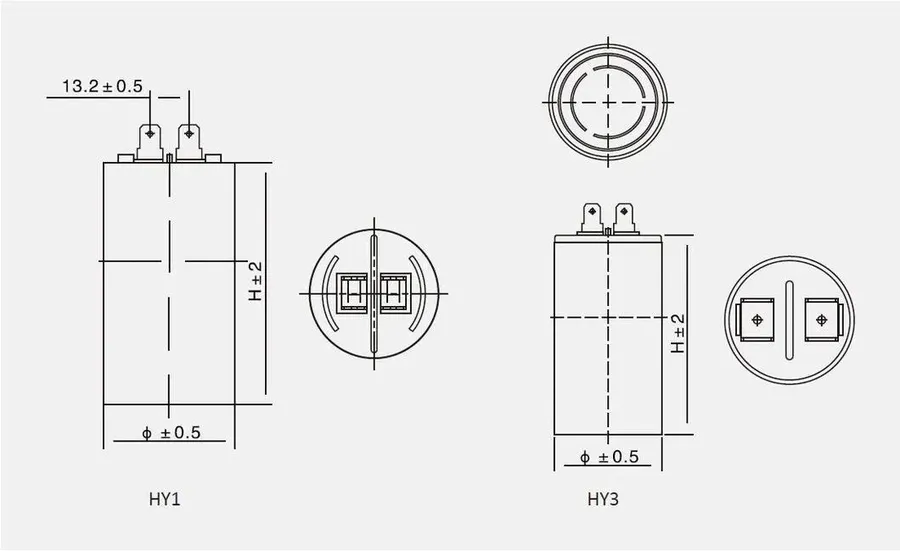
Correctly wiring and installing a CBB60 capacitor is essential for the safe and effective operation of any appliance or motor it serves. This section provides practical guidelines to ensure proper connections, adherence to safety protocols, and optimal performance.
Different devices and systems may have unique wiring setups, and consulting specific wiring diagrams from the device manufacturer is always recommended. General guidance should only be used as general advice and should not be substituted for wiring diagrams from the equipment manufacturer.
Identifying a failing CBB60 capacitor is crucial for maintaining the performance and safety of electrical appliances and motors. Early detection of issues can prevent more significant damage and costly repairs. This section outlines common symptoms, diagnostic methods, and safe handling practices for faulty CBB60 capacitors.
Safety Considerations: When diagnosing and replacing CBB60 capacitors, ensure the power to the appliance is disconnected. Since capacitors store electrical charge, safely discharge the capacitor using a suitable resistor (such as a 10kΩ resistor, 5W) before handling. Always wear appropriate personal protective equipment, such as gloves and safety glasses. Dispose of old or faulty capacitors in accordance with local regulations for electronic waste. Never try to disassemble or repair a capacitor yourself.
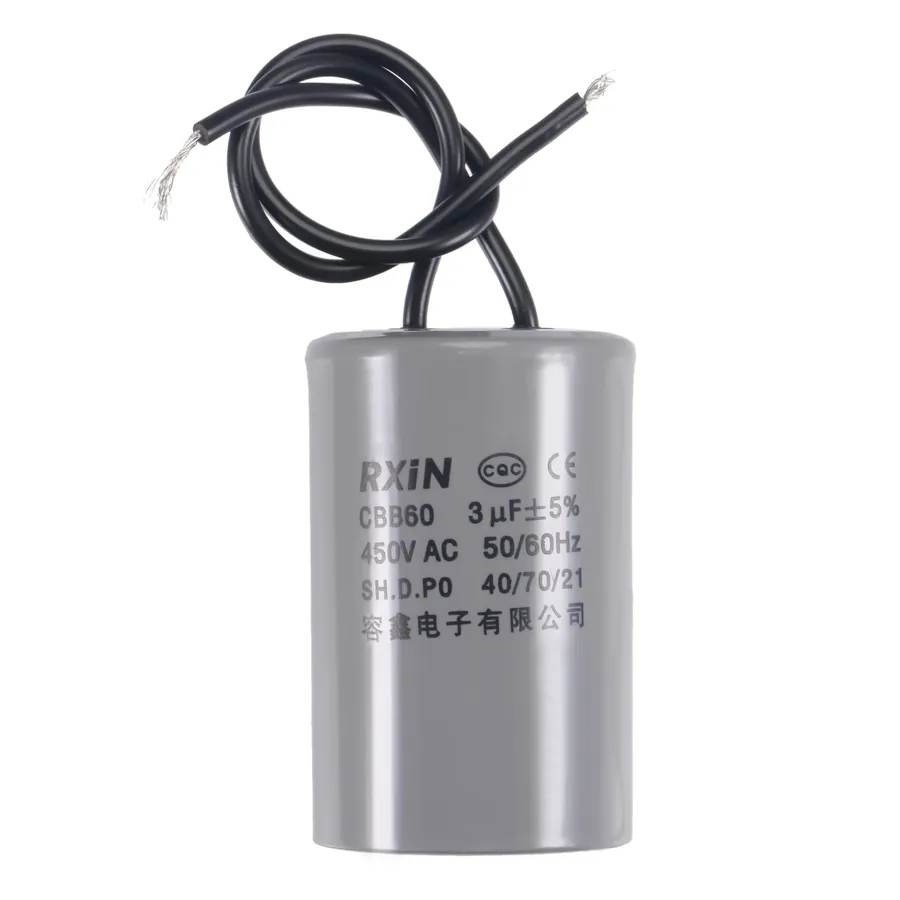
While CBB60 capacitors are primarily used as run capacitors in AC motors, it's essential to understand how they differ from other types, particularly the CBB61. These differences are crucial for selecting the right capacitor for your application. The CBB60 is optimized for continuous operation in motor run applications, whereas the CBB61 is often used for starting and running, with a focus on higher starting torque.
| Feature | CBB60 Capacitor | CBB61 Capacitor |
|---|---|---|
| Primary Function | Motor Run Capacitor | Motor Start/Run Capacitor |
| Typical Application | Continuous operation in single-phase AC motors, such as in air conditioners, refrigerators, and pumps. | Applications requiring both starting and running torque, such as in ceiling fans and some industrial motors. |
| Starting Torque | Designed for continuous operation; not optimized for high starting torque. | Designed to provide higher starting torque, in addition to running torque. |
| Capacitance Rating | Typically lower capacitance values since it's designed for steady state operation. | Can be found in a broader range of capacitance values, to cover requirements for both starting and running. |
| Electrical Characteristics | Optimized for steady-state, sinusoidal AC waveforms. | Can handle both steady-state and transient current loads associated with motor starting. |
| Lifespan | Designed for long life under continuous operation | Potentially shorter lifespan due to increased stresses during starting cycles, however, proper application will help maximize lifespan. |
The choice between CBB60 and CBB61 capacitors depends primarily on the operational demands of the application. For continuous running applications without a significant need for high starting torque, the CBB60 is preferable. However, for applications requiring a large start-up surge, the CBB61 offers superior performance.
This section addresses common inquiries regarding CBB60 capacitors, providing concise and authoritative answers to help users understand their functionality, application, and troubleshooting. Understanding these answers is crucial for the safe and effective use of CBB60 capacitors in various applications.
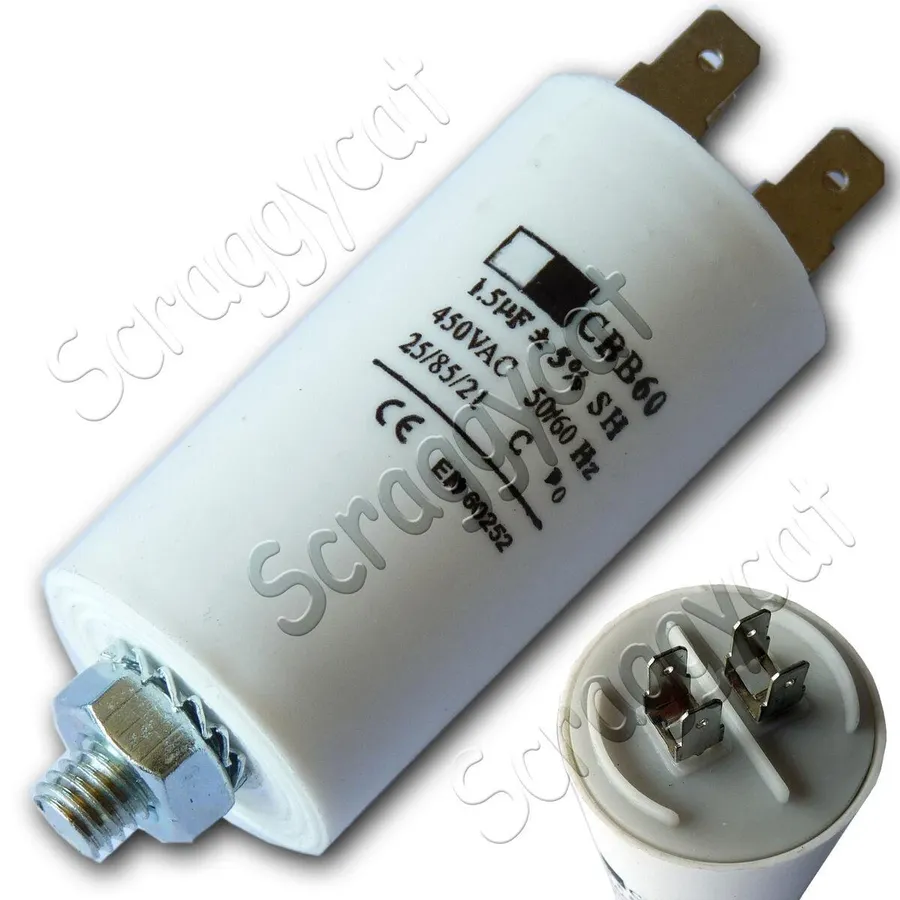
Choosing the correct CBB60 capacitor is crucial for ensuring the optimal performance and longevity of your electrical equipment. This selection process involves carefully matching the capacitor's specifications to the requirements of the device it will be used in. The primary considerations are voltage, capacitance, physical dimensions, and operating conditions. A mismatch in any of these factors can lead to reduced performance, premature failure, or even damage to the device.
| Parameter | Description | Importance |
|---|---|---|
| Voltage Rating (VAC) | Maximum AC voltage the capacitor can handle continuously. Commonly found as 450VAC or 250VAC. | Must meet or exceed the circuit's voltage. Lower rating leads to immediate failure. |
| Capacitance (µF) | The capacity of the capacitor to store electrical charge. Often specified in microfarads (µF), with common values including 10µF, 20µF, or 25µF | Critical for motor operation, proper timing circuits and energy storage. Incorrect value can lead to poor motor performance or failure. |
| Physical Size and Dimensions | The capacitor's dimensions to ensure it fits within the device's housing, consider diameter and height. | Physical dimensions are important for compatibility and proper fit within the device's casing. |
| Tolerance | The allowable variation from the nominal capacitance value. Often given as a percentage (e.g., ±5%). | Affects circuit performance, though generally not a critical factor if within standard tolerance. |
| Operating Temperature Range | The range of ambient temperatures within which the capacitor will operate reliably. Typically marked with temperature codes such as 25/70/21 | Ensures stable operation and affects life span; check compatibility with application's operating environment |
| Terminal Type | Type of connecting terminals or leads of the capacitor, e.g. Faston Tabs or Wire leads. | Need to consider the way in which to connect the capacitor in the circuit, ensure correct fitment. |
When replacing a CBB60 capacitor, carefully note the existing capacitor's markings, paying close attention to voltage rating and capacitance. It is also advisable to consider the operating conditions of the equipment. Always choose a capacitor that meets or exceeds the original specifications to ensure reliable performance and longevity. For example, if the original capacitor is 450VAC and 25uF, select a new CBB60 capacitor with at least these same ratings, and confirm the physical dimensions will allow fitment. Understanding the markings on the CBB60 capacitor is straightforward; they typically include the capacitance, voltage rating, operating temperature code and a brand identifier. Always match the old with the new when replacing.
Ensuring the longevity and stable operation of CBB60 capacitors involves careful maintenance and consideration of environmental factors. Proper care can significantly extend their lifespan and prevent premature failures, which are critical for the reliable functioning of motors and appliances.
Understanding the role of CBB60 capacitors is essential for maintaining the performance of numerous household and industrial appliances. By choosing the correct type and ensuring proper maintenance, you can safeguard equipment and ensure the longevity of components, from air compressors to washing machines. Armed with knowledge about the technical aspects and common failure points, you can tackle repairs and replacements with confidence, making your technological world run more efficiently thanks to the small but mighty CBB60 capacitor.

