Sourcing Quality Electronics Supply: A Comprehensive Guide
2025.01.24
From the simple circuit powering your alarm clock to the complex systems in your smartphone, electronics are integral to modern life. Understanding where to source reliable electronics supply is crucial for hobbyists, engineers, and businesses. This guide will explore the best practices for finding quality components, ensuring your projects are successful and your products are reliable.
Understanding Your Electronics Supply Needs
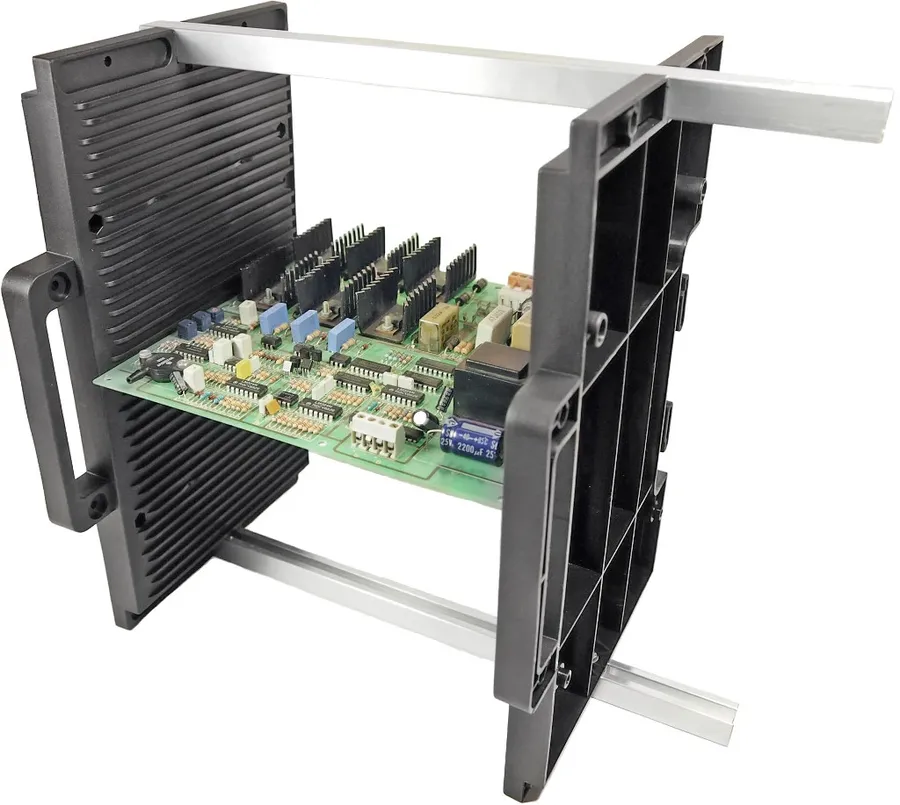
Electronic Components Stack
Accurately defining your specific requirements is the crucial first step in sourcing electronic components. Whether you are a hobbyist, a professional manufacturer, or a repair technician, understanding the nature of your projects, the specific components you need, and the required quantities will directly impact your choice of electronics supply source.
Hobbyist Projects: For hobbyists, projects are often experimental and varied. Needs might include smaller quantities of a diverse array of components for prototyping and experimentation.
Professional Manufacturing: Manufacturers require large quantities of specific components to meet production demands. Consistency and reliability of supply are paramount, with a focus on cost-effectiveness.
Repair Technicians: Repair technicians need a mix of common and specialized components. Their focus is on availability and quick delivery to minimize downtime for the end user.
Prior to sourcing, identifying your needs by type and quantity will streamline the selection process and improve the success of your projects. Failure to do so, might lead to additional cost, delays and an unsuccessful outcome.
Key Factors to Consider When Choosing an Electronics Supplier
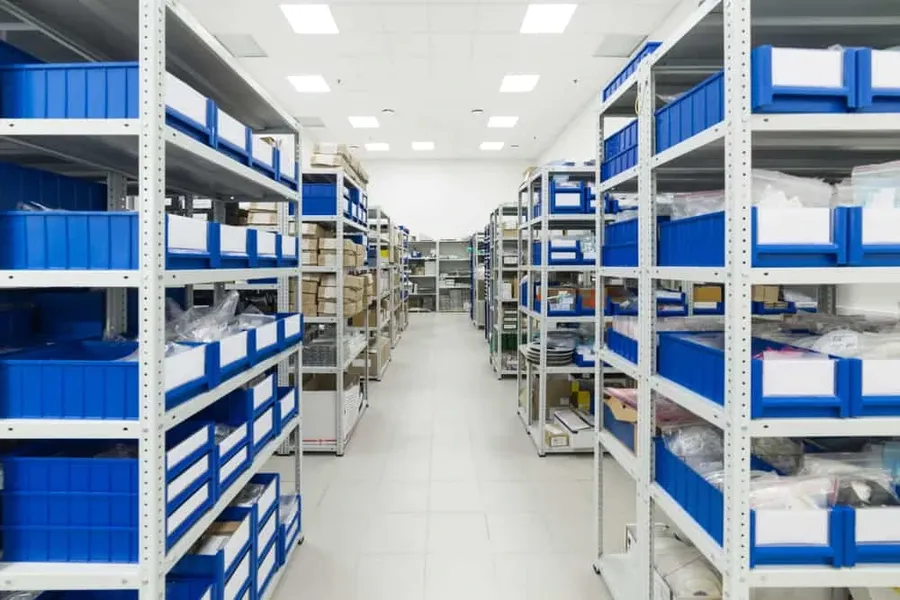
Component Supplier Warehouse
Selecting the right electronics supplier is crucial for ensuring the quality and efficiency of your projects. A comprehensive evaluation of several key factors will ensure that your chosen supplier aligns with your specific needs. These factors include the breadth of inventory, the quality of parts, competitive pricing, shipping logistics, and the level of customer service.
Inventory Size and Breadth A supplier's inventory should align with your typical project needs. Consider if they stock a wide variety of components and in sufficient quantities. A broad inventory can consolidate your purchasing process.
Parts Quality and Authenticity The supplier should provide genuine, high-quality components. Counterfeit components pose a significant risk, so verify the supplier’s authorization with manufacturers and quality control processes.
Competitive Pricing Pricing needs to be competitive, but cost should not be the sole driver. A balance between cost and quality must be achieved to maintain a reasonable project budget without compromising component reliability.
Shipping Costs and Speed Shipping costs and delivery times are vital, especially for time-sensitive projects. Evaluate if the supplier offers a range of shipping options and if costs are reasonable. Consider their order processing efficiency.
Customer Service and Support Robust customer service is important, specifically for addressing queries, handling returns, and for technical support. A responsive support team can significantly ease the sourcing experience.
Exploring Online Electronics Supply Distributors
Online Component Store
Major online electronics supply distributors provide extensive catalogs and reliable shipping, serving as vital resources for sourcing electronic components. These platforms, such as Mouser, DigiKey, Newark, and Jameco, offer a wide variety of parts, catering to diverse project needs from basic to advanced requirements. Evaluating these distributors is key to optimizing your electronics supply chain.
Mouser Electronics Mouser is known for its vast selection of components and fast shipping. It's a preferred distributor for both prototyping and large-scale manufacturing.
DigiKey DigiKey provides a broad range of electronic parts, coupled with detailed datasheets and specifications, making it a trusted source for engineers and designers.
Newark Newark specializes in industrial electronic components and systems, making it a strong choice for users requiring more specialized and robust supplies.
Jameco Electronics Jameco provides a more generalized selection of electronic supplies, catering to both hobbyists and professionals looking for common components.
When evaluating online distributors, consider factors beyond just the range of components offered. Shipping speed, inventory levels, customer support quality, and website navigation all significantly impact the overall purchasing experience. Each distributor also offers unique resources like technical documentation and design tools that might be crucial for complex projects. Always review distributor-specific policies, particularly regarding returns and warranties, to ensure a smooth and efficient sourcing process.
Finding Local Electronics Supply Options
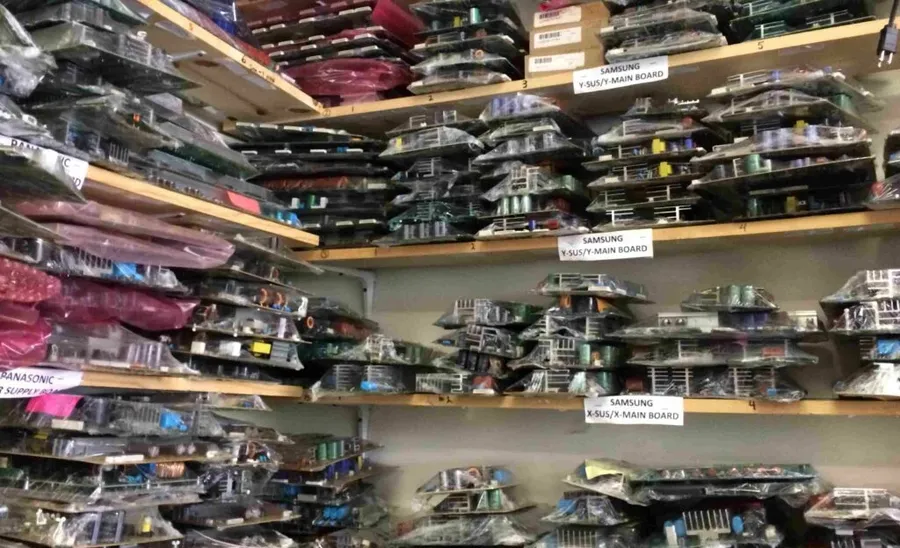
Local Electronics Store
For engineers and hobbyists who need immediate access to electronic components or prefer in-person consultation, local electronics supply stores offer a valuable alternative to online distributors. These brick-and-mortar locations can provide hands-on assistance, immediate part availability, and the opportunity to discuss specific project requirements directly with knowledgeable staff.
Immediate Availability One of the primary advantages of local electronics supply stores is the immediate availability of components. Unlike online orders that require shipping time, you can acquire the needed parts on the spot.
Personalized Assistance Local stores often provide personalized assistance from experienced staff. This can be beneficial for troubleshooting, selecting the correct components, or obtaining advice on specific projects.
Tactile Inspection In-person purchases allow for physical inspection of parts before purchase which can be crucial in assessing quality and ensuring suitability for a project, especially when dealing with delicate components.
Reduced Shipping Costs By purchasing from a local store, you can eliminate or reduce shipping costs. This is especially advantageous for small or urgent orders.
Potential for Custom Orders Some local suppliers may be able to accommodate custom orders, providing parts that might not be readily available from larger online distributors.
Examples of Local Stores: "You-Do-It" Electronics Center and Elliott Electronic Supply are examples of established walk-in options for those seeking to source components from local electronics supply stores.
Specialty Electronics Supply for Specific Projects
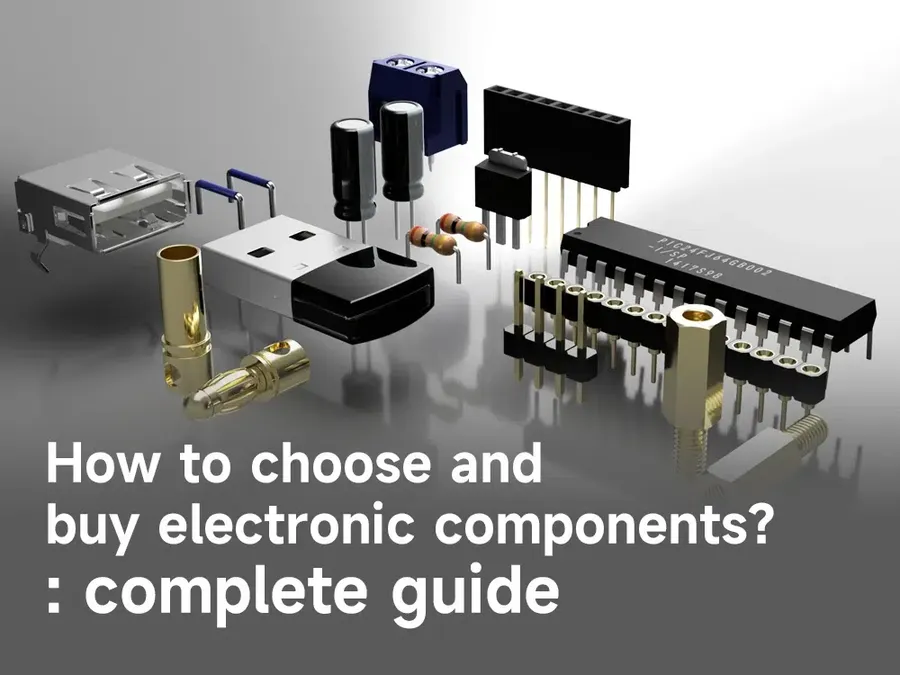
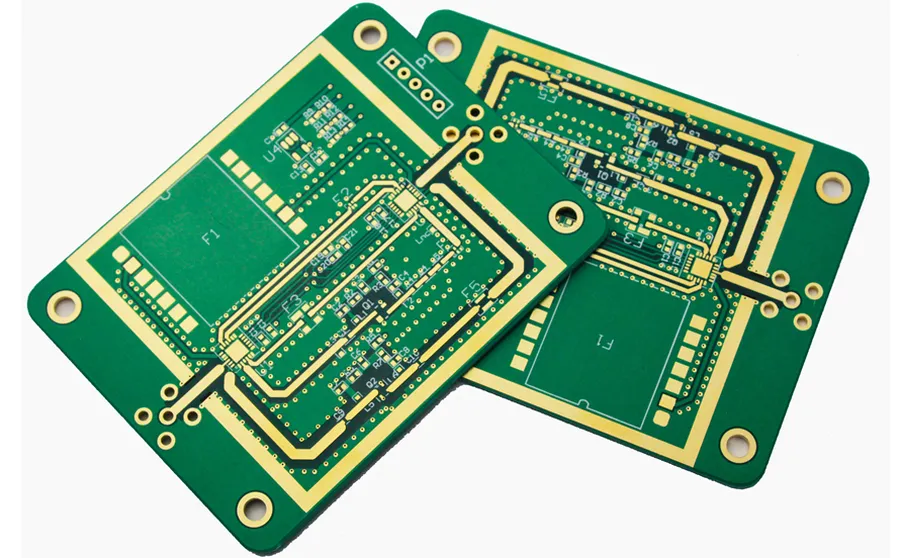
Custom PCB
Certain projects demand highly specialized electronic components that are not typically available from general-purpose suppliers. Identifying the precise requirements of these specialized components is paramount to selecting the most appropriate source for your electronics supply needs. Specialized suppliers cater to niche markets, offering unique parts and expertise.
For instance, if your project involves audio equipment, a supplier like Parts-Express, known for its extensive selection of audio-related components, would be more suitable than a general-purpose distributor. Likewise, if your project demands specialized tools or a variety of general electronic supplies, then Circuit Specialists would be the ideal source of electronic supply. The key is to recognize which unique components are necessary to match with the supplier who specializes in it.
Audio Components For projects involving amplifiers, speakers, or other audio equipment, Parts-Express is a good choice, due to their extensive inventory in this area.
Tools and General Supplies Circuit Specialists offers a range of specialized tools, general electronic supplies and components that can be useful for a variety of projects.
Niche Components Consider suppliers that specialize in particular component types like RF, microwave or high-precision analog circuits.
Component Selection Strategy Careful consideration of the function of specific components is key to the right supplier selection. This approach ensures you find suitable and specialized sources, reducing costs and improving project outcomes.
Comparing Electronics Supply Distributors: A Detailed Look
Component Distributor
Selecting the right electronics supply distributor is crucial for efficient project execution and cost management. This section provides a detailed overview of popular distributors, highlighting their specializations and strengths, to help you identify the most suitable partner for your specific electronics supply needs. The aim is to help you navigate the options to find the best match.
To aid in your selection process, we will analyze factors including inventory size, technical support, shipping times, and the specific product focuses of key distributors.
Comparison of Major Electronic Components Distributors
This section will quickly compare key distributors based on several criteria, including the breadth of their inventory, level of technical support, delivery speed, and specialization. This comparison will help you to make an informed choice.
Distributor Comparison Table
Distributor
Inventory Size
Support Level
Shipping Speed
Specialization
Mouser
Very Large
High
Fast
Broad range
DigiKey
Very Large
High
Fast
Broad range
Newark
Large
Medium
Moderate
Industrial and systems
Jameco
Medium
Medium
Moderate
General purpose
Parts Express
Medium
Medium
Moderate
Audio components
Circuit Specialists
Medium
Medium
Moderate
Tools and general
Navigating the electronics supply market can be complex. This section addresses some of the most frequently asked questions to help you source components effectively and efficiently.
How can I ensure a component is genuine and not counterfeit? To avoid counterfeit components, always source parts from authorized distributors or reputable retailers. Verify the physical component against the manufacturer's datasheet, and carefully inspect the packaging for any signs of tampering or mislabeling. Be wary of suspiciously low prices.
What should I do if a part I need is out of stock? If a part is out of stock, consider exploring alternative components that meet your technical specifications. Contact the supplier to inquire about expected restock times. Check other reputable distributors to verify availability. In some cases, redesigning the circuit may be necessary to accommodate available parts. Avoid purchasing parts from unauthorized dealers, even if they claim to have availability.
What are the typical shipping costs and times from online distributors? Shipping costs and times vary significantly depending on the distributor, the weight and size of the order, and the destination. Most distributors offer various shipping options, including standard, express, and overnight delivery. Carefully review these options at the time of order placement, and consider transit time for project planning. Some distributors offer free shipping for orders over a specified amount.
How do I handle returns or exchanges of defective parts? Most reputable distributors have a returns policy for defective parts. Contact their customer support as soon as you detect an issue, providing detailed information about the problem. Have the part number, order details, and defect information readily available. They will typically provide instructions for returning the defective part and issuing a replacement or refund. Review the distributor’s return policy before placing an order.
Can I order small quantities of components, or do I need to buy in bulk? Most major distributors accommodate both small and large orders, however, pricing is typically tiered, making large orders more cost-effective per unit. Verify distributor requirements for minimum order quantities, especially with smaller, less common parts. For hobbyists or prototyping, purchasing in smaller lots is usually permissible and often necessary. Consider that some suppliers have 'minimum order fees' for small orders, which you should include in your cost analysis.
Do all distributors offer technical support, and how good is it? The level and quality of technical support vary considerably between distributors. Major distributors like Mouser and DigiKey provide extensive support resources, including datasheets, application notes, and engineering assistance. Smaller distributors may offer less technical support, and should be selected for basic parts. If technical support is needed, ensure that the distributor's support resources, hours, and methods (phone, email, chat) meet your needs.
Selecting the right distributor for electronic components is crucial for any project, whether it's for personal use or industrial application. This section provides a comparative overview of several major distributors, focusing on key factors that influence purchasing decisions. Understanding these differences will enable you to choose the most suitable provider for your specific needs, optimizing both cost and efficiency in your electronic component procurement.
The table above allows for a direct comparison between several major electronic component distributors. Key factors such as inventory size, customer support level, shipping speed, and specialization are detailed. This structured format provides a clear understanding of each distributor's strengths and focus, allowing users to align their specific requirements with the most appropriate provider. Each column is meticulously evaluated to give users a more precise sense of how each distributor serves its customers.
Selecting the right electronics supply distributor is crucial for project success. This table offers a side-by-side comparison of key distributors, highlighting their strengths in inventory size, support level, shipping speed, and specializations. Use this information to make an informed choice that aligns with your specific requirements.
Distributor
Inventory Size
Support Level
Shipping Speed
Specialization
Mouser
Very Large
High
Fast
Broad range
DigiKey
Very Large
High
Fast
Broad range
Newark
Large
Medium
Moderate
Industrial and systems
Jameco
Medium
Medium
Moderate
General purpose
Parts Express
Medium
Medium
Moderate
Audio components
Circuit Specialists
Medium
Medium
Moderate
Tools and general
Frequently Asked Questions About Electronics Supply
This section addresses common inquiries regarding sourcing reliable electronic components, navigating part availability, and effectively placing orders with electronics supply vendors. These FAQs aim to provide clear, actionable answers to typical challenges encountered when procuring electronic parts.
How can I verify the authenticity of electronic components? To ensure you are purchasing genuine components, procure them from authorized distributors or well-known reputable retailers. Always compare the component's physical characteristics against the official manufacturer's datasheet. Examine closely for any indications of tampering, such as inconsistent markings, poor-quality packaging, or physical damage. If possible, utilize component testing equipment or methods to verify performance against the datasheet specifications. This is a critical step, especially when dealing with sensitive integrated circuits or microcontrollers.
What should I do if a needed electronic part is out of stock? When an essential component is out of stock, consider several strategies. First, check if the distributor offers a similar part that is functionally equivalent or adaptable to your project. Contact the distributor's customer support to inquire about the restocking timeline; sometimes a short wait is all that's needed. In some cases, consider exploring alternative electronic suppliers that may have the item in stock. If none of those works, re-evaluate the design, redesign the circuit using alternative components or consider project delays if a very specific part is critical and cannot be readily substituted. Always ensure that any substitute component meets the key design specifications before committing to its use.
What are the typical shipping costs associated with electronic components? Shipping costs for electronic components can vary significantly depending on several factors, including the distributor's location, shipping destination, package weight and dimensions, and shipping speed. It’s common for online distributors to offer tiered shipping options, from standard to express, each with its own price tag. Some distributors may offer free shipping upon reaching a certain purchase threshold. Prior to finalizing the order, it's advisable to add components to the cart, then use the online cost calculator to evaluate shipping prices and delivery times, helping you choose a suitable option based on your cost and time needs.
How can I find datasheets and technical information for electronic components? Finding reliable datasheets is a crucial step in electronics design. Most reputable distributors provide links to datasheets directly from the component's product page. The component manufacturer's website is another valuable source of technical documentation. A search engine can also quickly turn up relevant data, but always verify that the information is from an authoritative source. Datasheets typically detail critical parameters such as voltage ratings, current capacities, and pinout configurations, essential to proper component integration into circuits. Always consult and adhere to the datasheet specifications to ensure proper and reliable operation.
What payment methods are commonly accepted by electronics suppliers? Most electronics distributors provide a variety of payment options to accommodate diverse client needs. Common methods include credit cards (Visa, MasterCard, American Express), debit cards, and various digital payment platforms such as PayPal. Larger businesses may have the option to pay via purchase orders (POs) or bank transfers, especially when working with long term or frequent suppliers. It's important to review the accepted payment methods on each supplier's website, as well as any transaction fees, before placing an order. This helps avoid any surprises when finalizing a purchase.
Can I return electronic components if they do not meet my needs? Return policies vary significantly from supplier to supplier. Some distributors offer a return period for undamaged, unopened components, typically within 30 days of purchase, but some have stricter return policies. Before placing an order, it's best to review the return policy on the distributor's website. It is also advisable to test the components as soon as you receive them to ensure functionality and adherence to required specs. If the components are defective or there was an error in the shipping, you are usually eligible to return them for a refund or replacement. Document the condition of components upon receipt and during the test phase, in case there is a need to initiate a return.
Ensuring the authenticity of electronic components is crucial to avoid performance issues, safety risks, and project failures. This section provides methods for verifying the legitimacy of components when procuring your electronics supply.
Purchase from Authorized Distributors and Reputable Retailers Always prioritize purchasing components from authorized distributors or well-known, reputable retailers. These sources have established relationships with manufacturers and are less likely to sell counterfeit components. Examples include Mouser, DigiKey, and Newark.
Cross-Reference Datasheets Carefully compare the physical component with the manufacturer's official datasheet. Look for inconsistencies in markings, logos, pin configurations, and dimensions. Any deviation from the specifications could indicate a counterfeit part.
Visual Inspection for Signs of Tampering Conduct a detailed visual inspection of the component. Look for signs of tampering or counterfeiting, such as resurfaced or reused parts, inconsistent markings, irregular surfaces, and damage that was likely caused by improper handling. Be wary of parts that appear used or poorly repackaged.
Batch Number and Date Code Verification When possible, verify the batch number and date codes on the components with the manufacturer's records. This can help confirm the part's production date and batch, making it easier to detect counterfeits, particularly when buying in large quantities.
Functional Testing Once received, it is recommended to conduct functional testing if possible, to verify the components performance specifications against the manufacturer's datasheet. This is an effective way of verifying if a component is working within its parameters.
When a critical electronic component is out of stock, it can halt projects. However, strategic alternatives and proactive communication can mitigate delays and maintain your project timeline. This section outlines effective approaches to navigate this common issue.
Identify and Evaluate Alternative Parts Begin by assessing if a functionally equivalent component can be substituted. Consult datasheets to verify compatible specifications such as voltage, current, and frequency ratings. Consider minor trade-offs that may not impact the overall performance of your project. If uncertain, reach out to application engineers for guidance on suitable replacements.
Contact the Supplier for Restock Information Engage with your supplier to gain insights into the expected restock timing. Understanding lead times will help with planning and avoid unnecessary delays in production. For bulk purchases or critical components, negotiate expedited shipping or backorder prioritization options. Establish a relationship with your sales representative to improve communication and anticipate future needs.
Explore Other Electronics Supply Options If the primary supplier cannot provide an alternative or give a reasonable timeline, diversify your search to other distributors or specialized suppliers. This strategy could include online marketplaces, local electronics stores, or even international channels, while ensuring that the vendor is reputable and can guarantee the authenticity of the components. Broaden the scope of your search while remaining diligent in your selection process.
Adjust Your Project Timeline In some cases, part unavailability will impact your schedule. Communicate changes in your timeline to project stakeholders and adjust project milestones to match the updated resource availability. This approach will manage expectations and allow for efficient resource reallocation where needed.
Sourcing electronics supply doesn’t have to be complicated. By understanding your project requirements, researching reputable distributors and comparing your options, you can procure reliable parts that can greatly increase your project success. Whether you’re building a prototype or scaling up production, a strong supply chain is the backbone of any electronics project. Choosing the right supplier for your electronics supply is key to ensuring project success. Remember to always prioritize quality and reliability over cost savings in the long run.