In our daily lives, electronic devices, from smartphones to power grids, rely on components that often go unnoticed. One such crucial element is the capacitor. Within this world, EPCOS capacitors stand out for their reliability and performance, powering a wide array of applications. This article delves into the specifics of EPCOS capacitors, their various types, and how they fit into the modern tech landscape, providing insight for both tech enthusiasts and industry professionals, and explain why TDK's EPCOS capacitors are a popular choice.
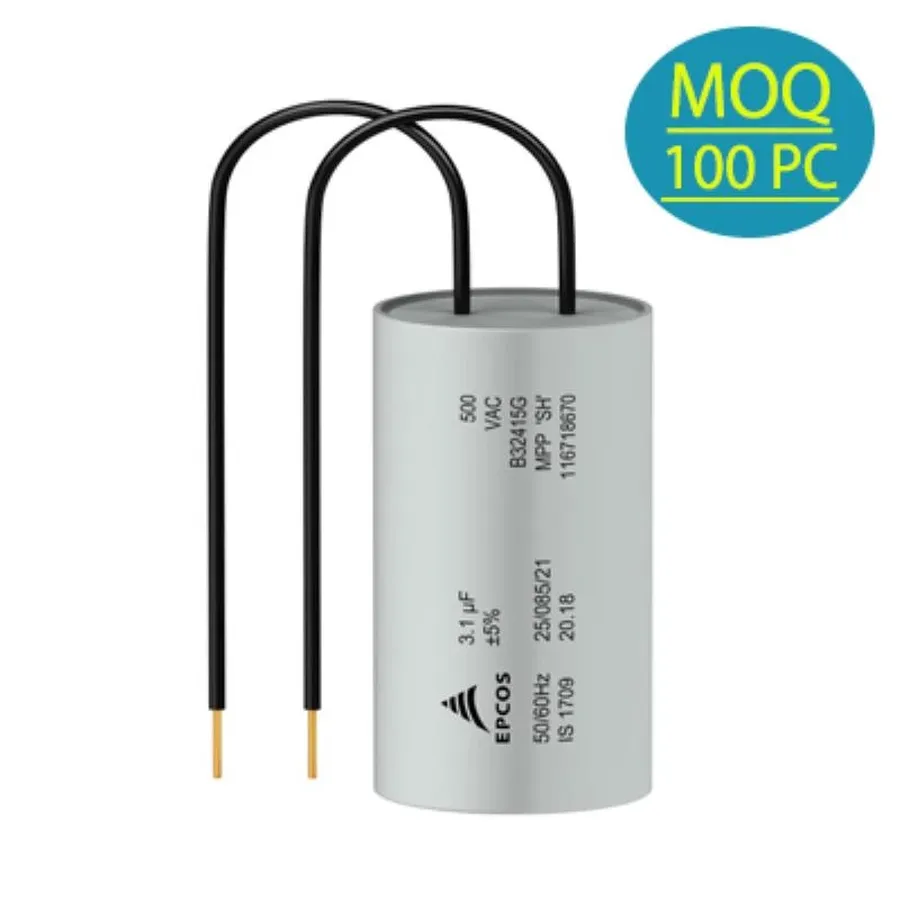
EPCOS capacitors, now a product of TDK, are fundamental components in electronic circuits, essential for energy storage and filtering across diverse applications. Their historical significance, combined with TDK's advancements, positions them as key players in modern electronics.
Capacitors, in general, are passive electronic components with the capability to store energy in an electric field. EPCOS capacitors, manufactured by TDK, are designed with precision and high reliability making them suitable for a wide range of applications.
The acquisition of EPCOS by TDK has integrated two industry leaders, combining EPCOS's expertise in capacitor technology with TDK's vast resources and innovative capabilities. This merger has resulted in a broader product portfolio and strengthened the development of next generation capacitors. TDK's commitment to quality ensures a high level of reliability in EPCOS-branded products.
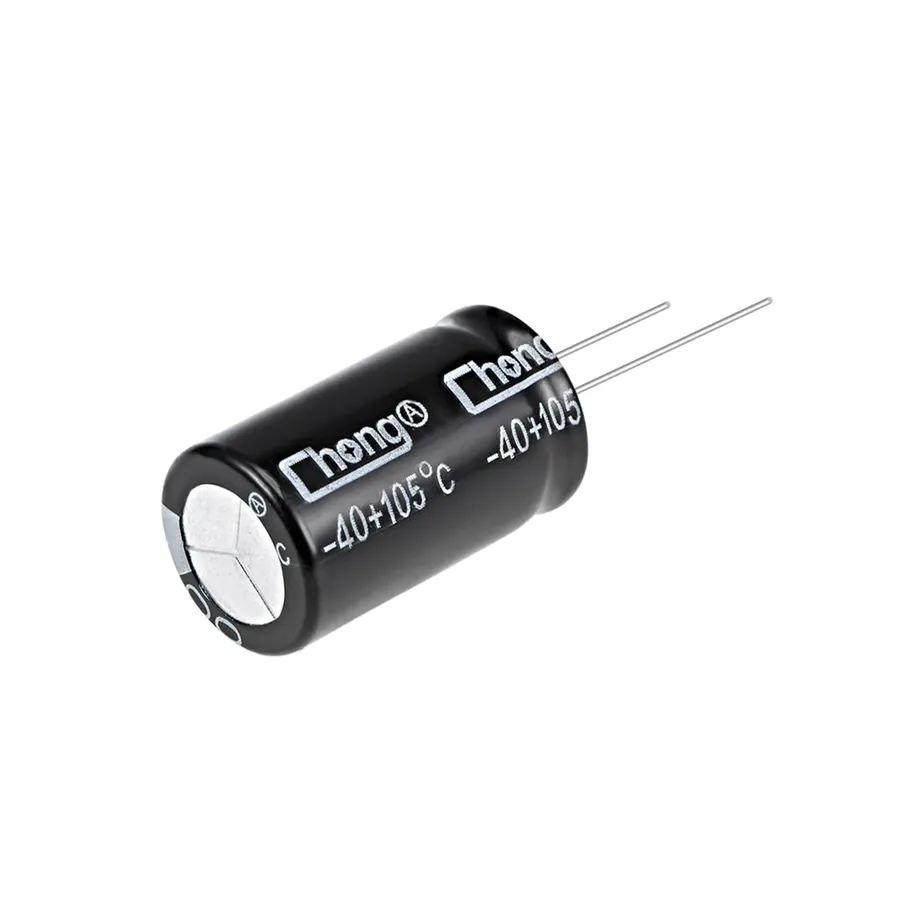
EPCOS capacitors, now a TDK brand, encompass a diverse range of technologies designed for various electronic applications. Understanding these types—primarily aluminum electrolytic and film capacitors—is crucial for selecting the optimal component for a given design. Each type offers unique characteristics that influence performance, cost, and suitability for different use cases.
| Capacitor Type | Construction | Key Characteristics | Typical Applications |
|---|---|---|---|
| Aluminum Electrolytic Capacitors | Aluminum foil electrodes with an electrolyte between them. | High capacitance, polarized, cost-effective. | Power supplies, inverters, smoothing circuits. |
| Film Capacitors | Thin dielectric film between metal electrodes. | High stability, low loss, non-polarized. | High-frequency circuits, AC power filtering, precision timing. |
Within film capacitors, several sub-types exist, each with specific advantages. These include:
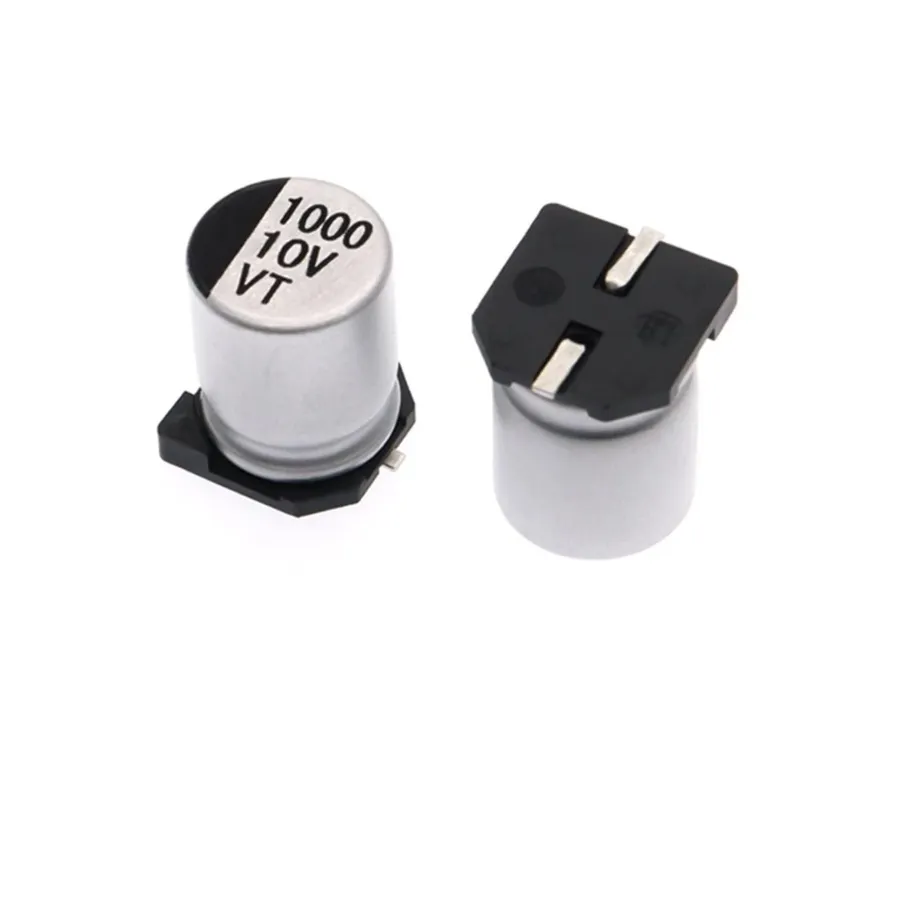
EPCOS aluminum electrolytic capacitors are a cornerstone of modern electronics, valued for their high capacitance-to-volume ratio and cost-effectiveness. These capacitors are constructed using an aluminum anode, an electrolyte (which can be liquid or solid), and a cathode. The key to their high capacitance lies in the very thin aluminum oxide dielectric layer formed electrochemically on the aluminum anode which allows them to achieve high energy storage in compact sizes. These characteristics make them particularly well-suited for applications demanding bulk capacitance, such as power supplies and inverters.
| Feature | Description | Typical Applications |
|---|---|---|
| Construction | Aluminum anode with an electrochemically formed aluminum oxide dielectric layer; liquid or solid electrolyte; cathode. | Power supplies, inverters, frequency converters, DC-DC converters |
| Capacitance Range | Wide range, typically from microfarads (µF) to farads (F). | Bulk energy storage in power electronics |
| Voltage Range | Moderate to high voltage ratings, suitable for many applications but has a limited reverse voltage tolerance. | High voltage circuits where polarity is maintained. |
| Advantages | High capacitance, cost-effective, variety of sizes and voltage ratings available, high ripple current capabilities. | Applications where high capacitance and cost efficiency are crucial. |
| Disadvantages | Limited lifespan compared to film capacitors, polarity sensitive, higher equivalent series resistance (ESR) and equivalent series inductance (ESL) at high frequencies. | Not suitable for very high-frequency circuits, reverse voltage applications |
| Temperature Range | Typically operate within -40°C to +105°C. High-temperature variants available. | Automotive and industrial applications. |
The applications of EPCOS aluminum electrolytic capacitors are extensive, particularly in power electronics. They are commonly used as filter capacitors in power supplies to smooth out voltage fluctuations, as energy storage elements in inverters to provide short bursts of high power, and in various industrial applications to ensure stable and reliable operation of electrical equipment. They are particularly dominant in circuits where a large capacitance is needed but where size and costs need to be contained.
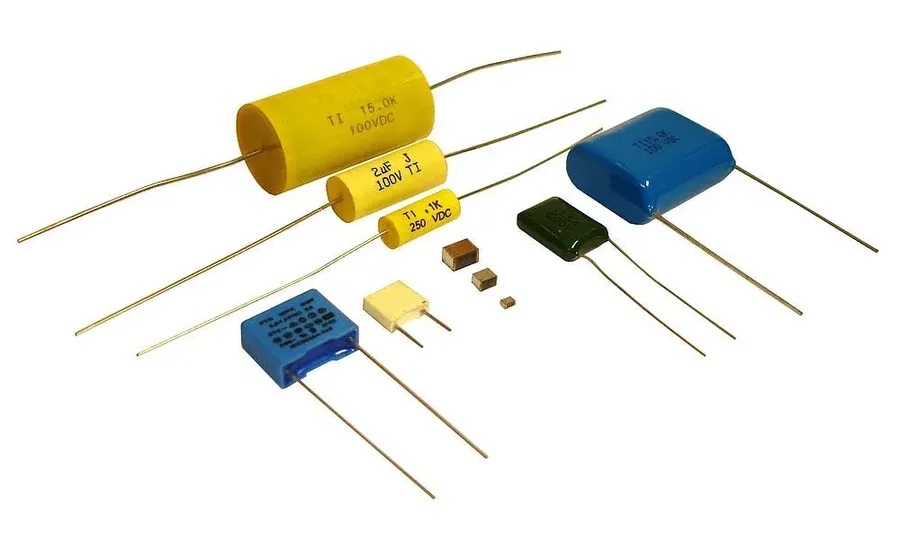
EPCOS film capacitors are engineered for high-performance applications, distinguished by their construction, stability, and reliability. These capacitors are crucial in scenarios demanding precision, particularly in high-frequency circuits and AC power systems, owing to their superior electrical characteristics compared to other capacitor types.
Film capacitors from EPCOS utilize thin layers of dielectric material, such as plastic films, sandwiched between conductive layers. This design facilitates low equivalent series resistance (ESR), high insulation resistance, and exceptional capacitance stability over a wide range of temperatures and frequencies. The choice of dielectric material influences the capacitor's performance, including temperature coefficients, dielectric losses, and maximum operating voltage.
| Feature | Description | Typical Applications |
|---|---|---|
| Construction | Thin dielectric films (e.g., polyester, polypropylene) with metalized layers | High frequency circuits, audio equipment, power electronics |
| Stability | Highly stable capacitance over temperature and frequency changes | Timing circuits, filtering, signal coupling |
| Reliability | Long lifespan and low degradation over time | Industrial equipment, critical applications |
| AC Film Capacitors | Specifically designed for AC voltage applications, handling higher voltage stress with safety features. | Power factor correction, motor drives, renewable energy inverters |
| Self-Healing | Ability to recover from dielectric breakdown events. | High voltage applications requiring enhanced durability |
EPCOS AC film capacitors are a specific category tailored for alternating current applications, featuring robust designs that meet stringent safety standards. They are integral in power factor correction, motor drives, and renewable energy systems, where they help enhance efficiency and system stability. The ability to handle high AC voltages reliably makes them indispensable in these demanding applications.
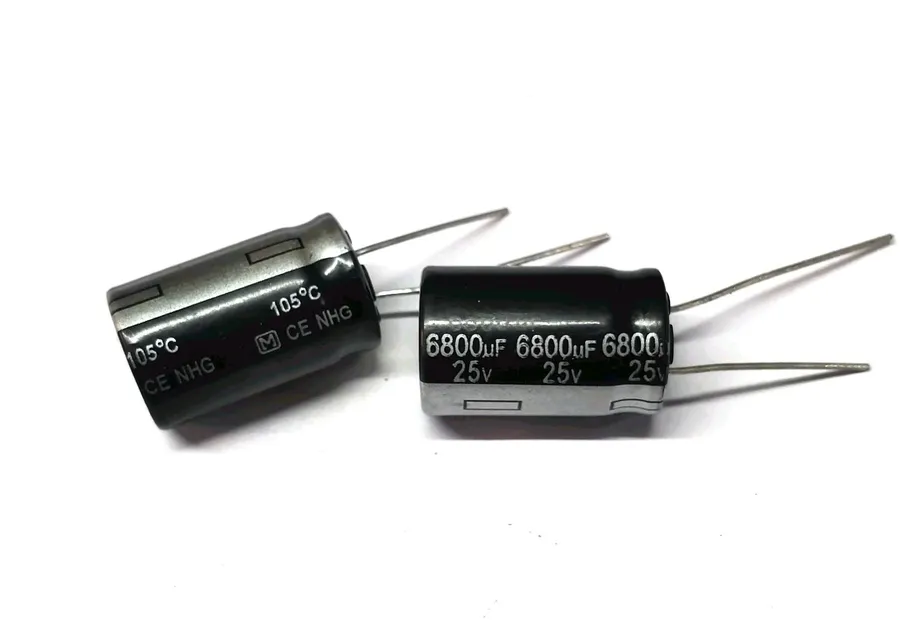
EPCOS capacitors, manufactured by TDK, are essential components across a diverse range of industries due to their reliability, performance, and versatility. Their applications span from renewable energy systems to automotive electronics and industrial power conversion, underscoring their critical role in modern technology.
| Industry | Application | Specific EPCOS Capacitor Types | Function |
|---|---|---|---|
| Renewable Energy (Wind) | Wind Turbine Power Conversion | Film Capacitors, Aluminum Electrolytic Capacitors | DC Link, Smoothing, Filtering, Inverter Applications |
| Renewable Energy (Solar) | Solar Inverter Systems | Film Capacitors, Aluminum Electrolytic Capacitors | DC Link, Smoothing, Filtering, Inverter Applications |
| Automotive | Electric Vehicle Power Electronics, Hybrid Vehicles, On-Board Chargers | Film Capacitors, Aluminum Electrolytic Capacitors | DC Link, Filtering, Voltage Smoothing, Power Supply for Auxiliary Systems |
| Industrial Power Conversion | Industrial Drives, Power Supplies, Welding Equipment | Film Capacitors, Aluminum Electrolytic Capacitors | DC Link, Filtering, Power Factor Correction, Energy Storage |
| Consumer Electronics | Power Supplies, Audio Equipment, Lighting | Multilayer Ceramic Capacitors, Aluminum Electrolytic Capacitors, Film Capacitors | Filtering, Decoupling, Smoothing, Timing |
| Telecommunications | Power Supplies for Base Stations, Data Centers | Aluminum Electrolytic Capacitors, Multilayer Ceramic Capacitors | Filtering, Decoupling, Energy Storage, Power Conditioning |
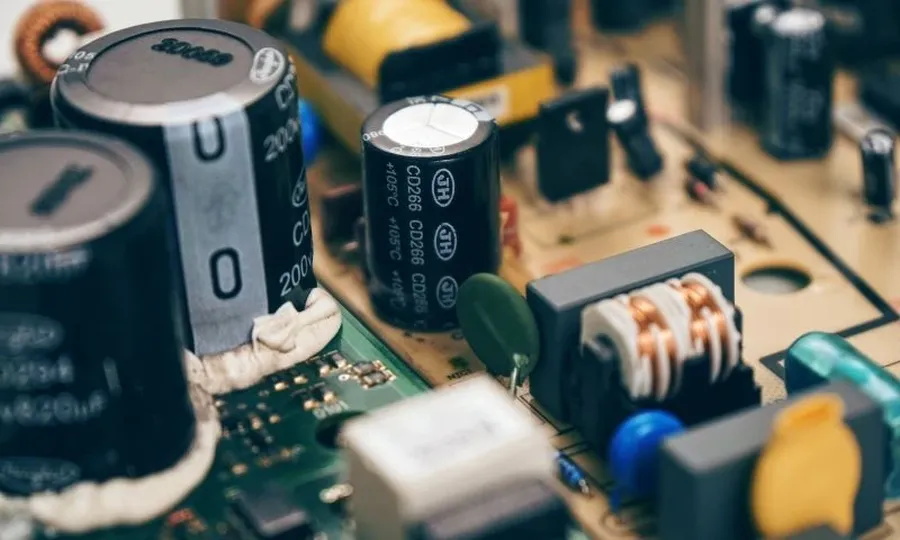
Selecting the appropriate EPCOS capacitor for a specific application requires careful consideration of several key parameters and operational requirements. These considerations ensure the capacitor functions effectively and reliably within the intended circuit, maximizing performance and lifespan. Key factors include capacitance, voltage, temperature, size, tolerances, life expectancy, environmental impact, and safety certifications.
| Parameter | Description | Importance |
|---|---|---|
| Capacitance | The amount of electrical charge the capacitor can store, measured in Farads (F). | Must match the circuit's requirements for proper energy storage or filtering. |
| Voltage Rating | The maximum voltage the capacitor can withstand without failing, also known as the rated voltage or working voltage. | Essential to prevent damage and ensure the capacitor operates safely. |
| Temperature Range | The operating temperature range the capacitor can tolerate without significant performance degradation. | Crucial for stable operation across varying thermal conditions. Exceeding the temperature range leads to reduced performance, capacitance loss or failure. |
| Size and Package | The physical dimensions and packaging of the capacitor, determined by form factor and installation requirements. | Essential for matching the PCB or housing footprint and allows integration into circuit design. |
| Tolerance | The allowable variation in capacitance from the nominal value, expressed as a percentage. | Impacts circuit precision; tight tolerances are needed for critical applications. |
| Life Expectancy | The estimated operational life of the capacitor, typically based on accelerated aging tests. | Crucial for applications that demand long-term reliability and minimal maintenance |
| Environmental Impact | The environmental effects of the capacitor's materials and manufacturing processes. | Increasingly important for compliance with environmental regulations and for sustainable design practices. |
| Safety Certifications | Certifications from regulatory bodies that confirm compliance with safety standards, such as UL, VDE, and ENEC. | Necessary to guarantee safe operation and compliance with industry regulations. |
When selecting an EPCOS capacitor, prioritize these parameters and verify they align with the application's specific needs. Consulting the EPCOS datasheets and guidelines will further help to ensure a reliable and optimal circuit design. Furthermore, it is essential to consider the application environment (temperature, humidity, exposure to chemicals) and the required operational lifespan when making your choice. Always select a capacitor with a voltage rating higher than the maximum expected voltage in the application to ensure a safety margin, this also minimizes the possibility of overheating.
This section addresses frequently asked questions regarding EPCOS capacitors, providing clear and concise answers to common inquiries about their functionality, reliability, and the manufacturer, TDK.
Securing genuine EPCOS capacitors is crucial for ensuring the performance and reliability of your electronic systems. Purchasing from authorized distributors and reputable sources guarantees access to authentic products and mitigates the risk of counterfeit components. This section outlines reliable channels for procuring EPCOS capacitors.
| Platform | Description | Key Features | Note |
|---|---|---|---|
| Mouser Electronics | A global authorized distributor with an extensive catalog of electronic components, including a wide variety of EPCOS capacitors. | Vast inventory, authorized distributor, detailed product specifications, excellent search functionality | Highly recommended for a wide range of EPCOS product purchases. |
| Rutronik24 | A major European distributor offering a broad range of electronic components. Known for its strong technical support. | Extensive product selection, authorized distributor, strong technical support, easy to use UI | Ideal for European customers and for those requiring detailed technical support |
| Amazon | A popular online marketplace where various sellers list EPCOS capacitors. Includes authorized distributors and other sellers. | Convenience, a diverse range of sellers and often competitive pricing. | Verify seller ratings and read reviews carefully to avoid purchasing from unreliable sources. |
| eBay | An online auction and shopping platform. EPCOS capacitors can be found from many sellers, including private individuals. | Potentially competitive pricing, large selection, but less assurance of product authenticity | Use caution; carefully check seller ratings and feedback. There are many counterfeit and 'grey market' goods sold on eBay. |
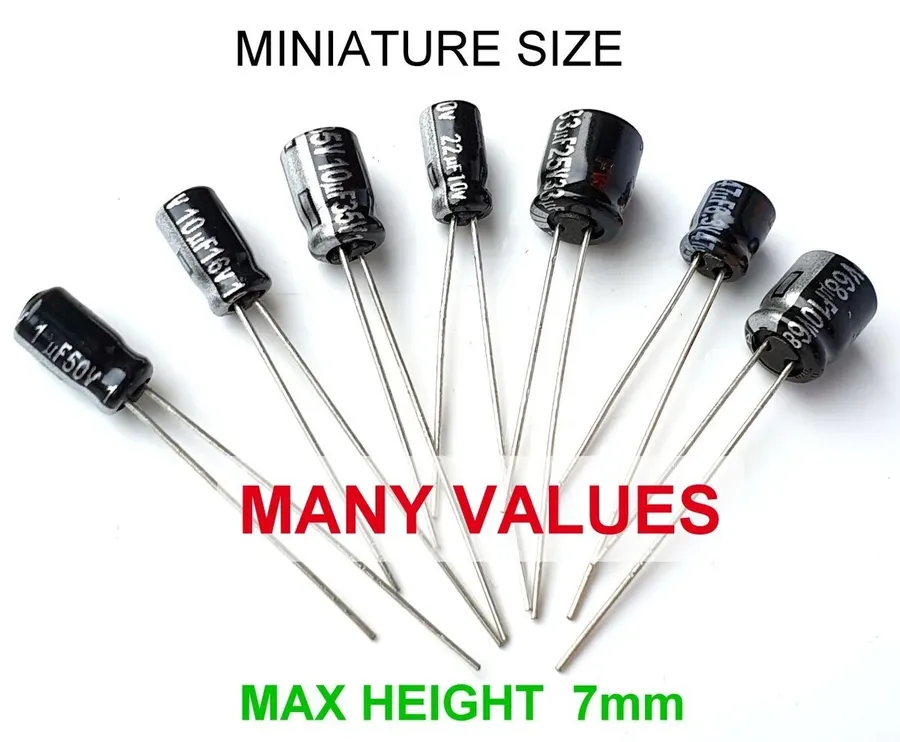
The field of capacitor technology is constantly evolving, with EPCOS, now a TDK brand, at the forefront of these advancements. Future trends are focused on enhancing performance, miniaturization, and sustainability to meet the growing demands of modern electronics across various industries.
EPCOS capacitors, now part of TDK's portfolio, play an indispensable role in today's electronics. With a wide range of options from aluminum electrolytic to film capacitors, EPCOS offers solutions for diverse needs. Understanding the nuances of these components can lead to more efficient, reliable, and powerful electronic systems. As technology advances, EPCOS continues to innovate, ensuring its capacitors remain at the forefront of the industry, powering future devices and systems. Their commitment to quality and innovation makes EPCOS a leader in the capacitor market.

