In today's fast-paced tech world, embedded PCB technology is revolutionizing electronic design. Much like how building blocks form complex structures, embedding components within PCBs allows for smaller, more efficient devices. Choosing the right [embedded pcb manufacturer] is crucial for ensuring your product's success. This article will guide you through the key aspects to consider when selecting a manufacturer, helping you make informed decisions.
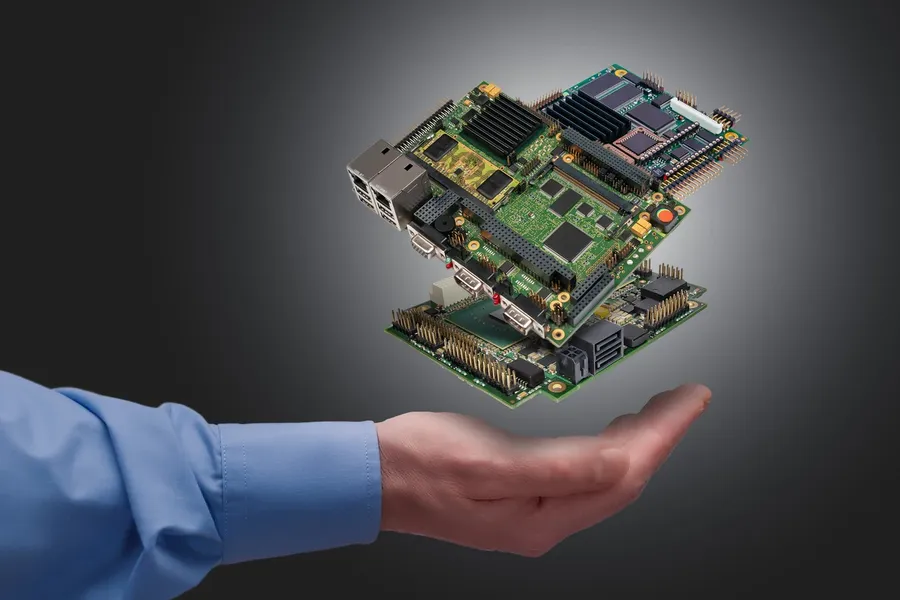
Embedded PCB technology represents a significant advancement in electronics manufacturing, integrating components directly within the substrate of the printed circuit board rather than on its surface. This approach contrasts with traditional surface mount technology (SMT), offering benefits such as reduced board size, improved electrical performance, and enhanced reliability. It involves embedding passive components like resistors and capacitors, and even active components like integrated circuits, within the PCB layers, minimizing parasitics and improving signal integrity.
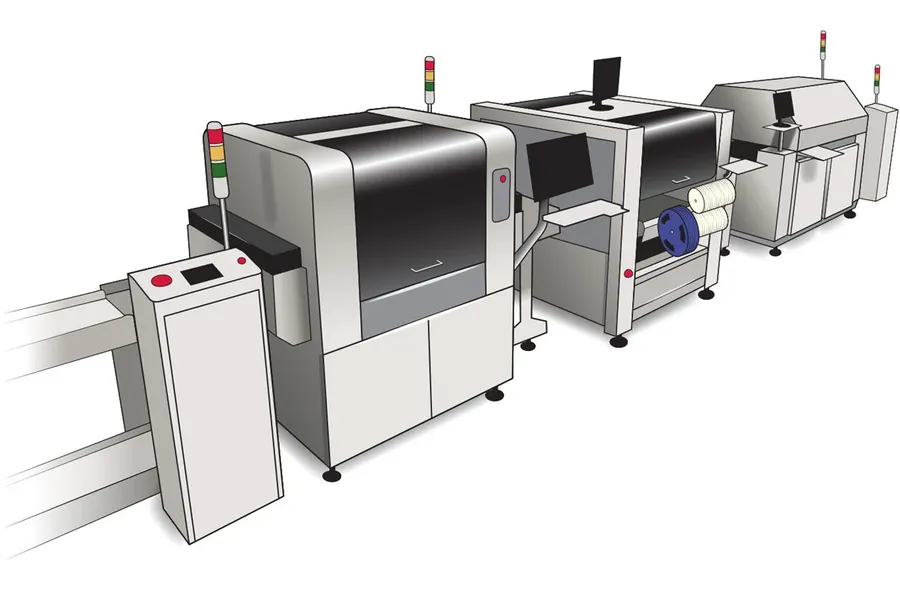
A reputable embedded PCB manufacturer must demonstrate a robust suite of capabilities spanning technological expertise, manufacturing prowess, and stringent quality control. This ensures the delivery of high-quality, reliable embedded PCBs tailored to specific project needs. These capabilities are critical for successful integration of embedded components and achieving optimal performance in the final product.
| Capability | Description | Importance |
|---|---|---|
| Technological Expertise | Proficiency in various embedding techniques, including thin core lamination, cavity embedding, and via formation. | Enables the manufacturer to handle diverse design requirements and complex component integrations. |
| Manufacturing Capacity | Ability to handle different production volumes, from prototypes to mass production, with consistent quality. | Ensures scalability and reliable supply chain for the client. |
| Quality Control | Rigorous quality control protocols, including automated optical inspection (AOI), electrical testing, and reliability testing. | Guarantees that embedded PCBs meet the required performance and reliability standards. |
| Material Handling Expertise | Deep knowledge and experience working with a wide range of substrate and embedded materials (e.g., FR-4, ceramics, various dielectrics). | Crucial for ensuring material compatibility and optimal electrical/thermal performance. |
| Design Support | Capability to provide design for manufacturability (DFM) feedback and design support services to clients. | Helps clients identify and address design issues early, preventing costly errors and delays. |
| Advanced Equipment | Utilization of cutting-edge machinery and tools for precise component placement, lamination, and assembly. | Essential for achieving high precision and tight tolerances in embedded PCB manufacturing. |
| Industry Certifications | Adherence to industry standards such as ISO 9001, IPC standards, and specific sector certifications (e.g., for medical or aerospace applications). | Demonstrates the manufacturer’s commitment to quality, safety, and regulatory compliance. |
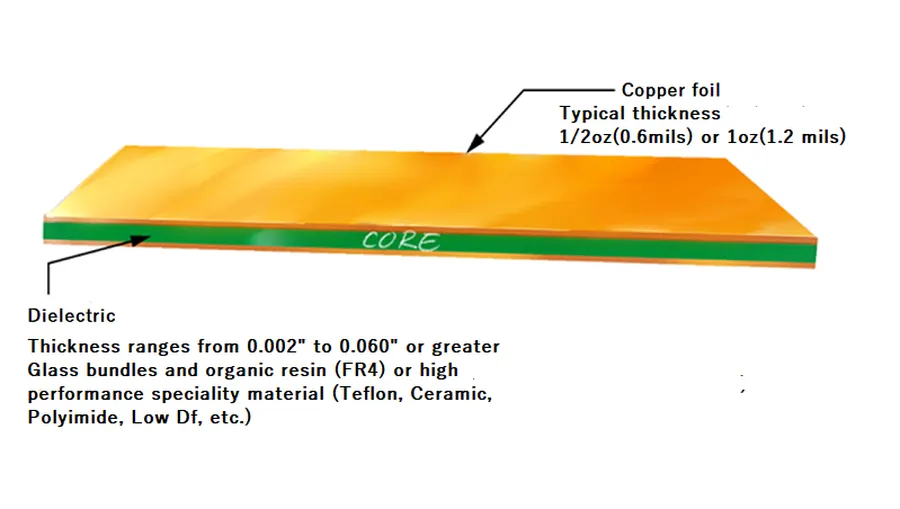
The selection of materials in embedded PCB manufacturing is paramount, directly influencing the electrical, thermal, and mechanical performance, as well as the overall reliability of the final product. The substrate material and the materials used for embedding components must be carefully chosen to ensure optimal functionality under various operating conditions.
| Material Type | Common Examples | Key Properties | Typical Applications | Considerations for Embedded PCBs |
|---|---|---|---|---|
| Substrate Materials | FR-4, Polyimide, Rogers, Ceramic | Dielectric constant, loss tangent, thermal conductivity, mechanical strength, CTE (Coefficient of Thermal Expansion) | General purpose, high frequency, high temperature, high performance | FR-4 is cost-effective but may not be suitable for high-frequency; Polyimide for flexibility and high temperature; Rogers for high-frequency; Ceramic for best thermal performance. |
| Embedded Component Materials | Resistor paste (various metals), Capacitor dielectrics (ceramics, polymers), Semiconductor die | Resistance, capacitance, dielectric strength, temperature coefficient, material compatibility | Resistor networks, decoupling capacitors, active devices integration | Material properties should match the requirements of the embedded functionality; compatibility with substrate and embedding process is key. |
| Adhesives and Encapsulants | Epoxy resins, Underfill materials, Thermal interface materials | Adhesion strength, thermal conductivity, dielectric strength, curing properties, chemical resistance | Bonding layers, component protection, thermal dissipation | These materials play an essential role in ensuring mechanical integrity and thermal performance of the embedded layers. |
The selection process must consider not only the immediate functional needs but also long-term reliability, ease of manufacturing, and the cost implications. The materials also need to be compatible with the embedding techniques being used, such as thin core lamination, and ceramic insertion. A careful consideration of all these aspects ensures the embedded PCB meets the performance and durability criteria.
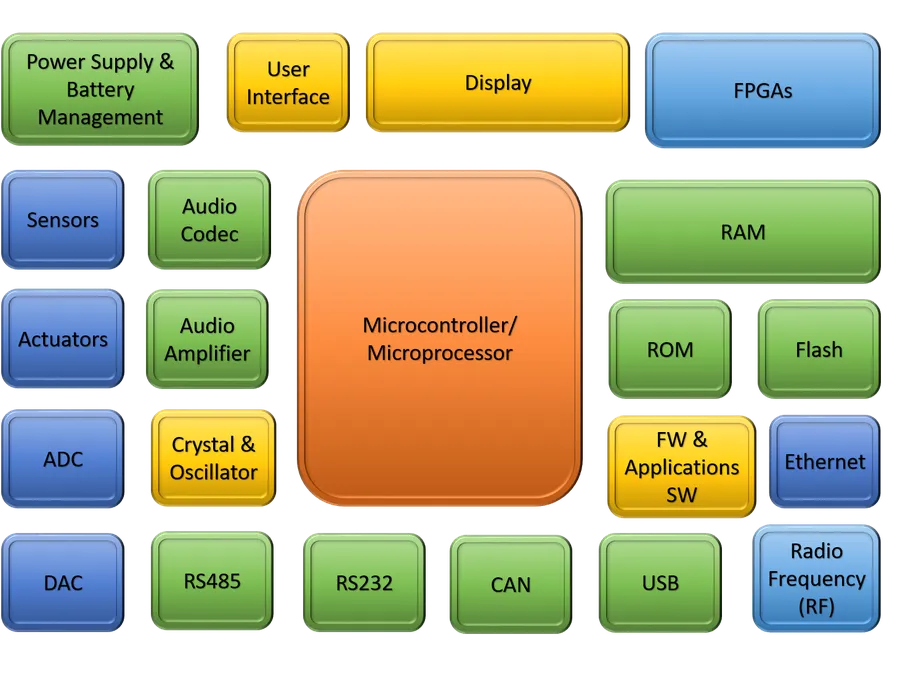
Embedded PCB technology significantly enhances electronic device capabilities by integrating components directly within the circuit board's layers. This approach offers notable advantages over traditional surface mounting, especially regarding miniaturization, improved electrical performance, and enhanced reliability. The range of components suitable for embedding is broad, including passive elements like resistors and capacitors, as well as active devices like integrated circuits (ICs). This section delves into these types of embedded components and their applications across different industries.
| Embedded Component Type | Description | Advantages | Typical Applications |
|---|---|---|---|
| Embedded Resistors | Resistors fabricated within the PCB layers using thin-film or thick-film processes. | Reduced size, improved thermal performance, precise resistance values, higher density. | Precision analog circuits, power management, high-speed digital circuits, impedance control. |
| Embedded Capacitors | Capacitors formed within PCB layers using materials with high dielectric constants. | Reduced parasitic inductance, smaller footprint, improved decoupling, efficient power distribution. | High-frequency decoupling, power smoothing, RF circuits, high-speed memory applications. |
| Embedded Integrated Circuits (ICs) | Bare die ICs embedded directly into the PCB layers. | Significant size reduction, shorter signal paths, improved thermal management, increased security. | System-on-chip (SoC) implementations, highly integrated modules, space-constrained devices, IoT devices. |
| Embedded Inductors | Inductors formed as conductive patterns within the PCB layers or using specific materials. | Reduced size, improved magnetic coupling, potential for integrated magnetic shielding. | Power electronics, RF filters, impedance matching, wireless charging systems. |
| Embedded Sensors | Various sensor types (e.g., temperature, pressure) integrated within the PCB. | Compact sensor integration, direct measurement within the system, improved reliability. | Automotive sensor systems, industrial control, environmental monitoring, medical devices. |
The selection of which components to embed is critically dependent on the specific application requirements. For instance, in high-speed digital circuits and RF applications, the need for low parasitic inductance and compact size makes embedded capacitors an ideal choice. Similarly, for highly integrated modules where space is at a premium, embedding ICs directly into the board offers a superior solution compared to traditional surface-mounted devices. Each embedded component choice will affect the overall performance and design of the final product, from thermal management to electrical stability. Advanced material choices and thin core lamination are essential for effective component embedding.
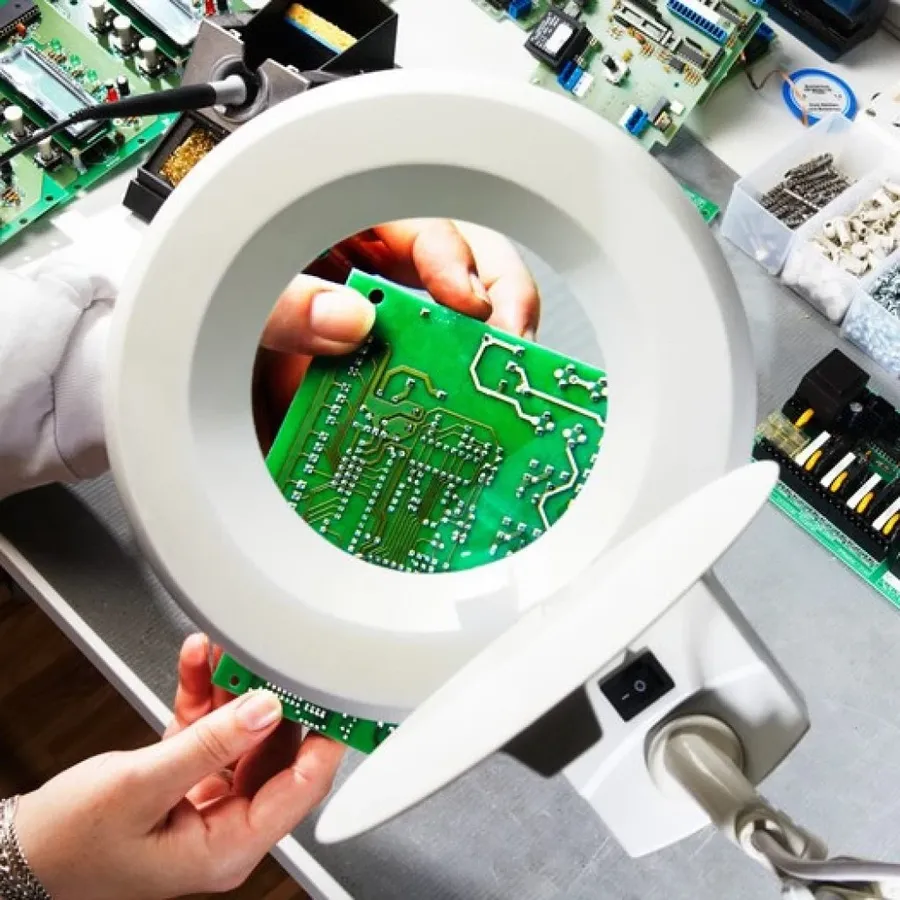
Selecting the appropriate embedded PCB manufacturer is crucial for the success of your project. This decision significantly impacts the quality, reliability, and cost of your final product. A thorough evaluation of potential manufacturers, based on their technological capabilities, certifications, and project support, is essential to ensuring your specific needs are met effectively.
| Factor | Manufacturer A | Manufacturer B | Manufacturer C |
|---|---|---|---|
| Technology Expertise | Limited | Advanced | Intermediate |
| Certifications | ISO 9001 | ISO 9001, IATF 16949 | ISO 9001 |
| Project Support | Basic | Comprehensive | Intermediate |
| Lead Times | Moderate | Short | Long |
| Pricing | High | Competitive | Moderate |
The cost of manufacturing embedded PCBs is influenced by a variety of factors, extending beyond the simple per-unit price of a standard PCB. Understanding these elements allows for better budget management and informed decision-making when selecting an embedded PCB manufacturer.
Key cost drivers include design complexity, production volume, material selection, and the specific embedded components used. These factors directly impact the manufacturing process and, consequently, the final price.
| Cost Factor | Impact on Cost | Mitigation Strategies |
|---|---|---|
| Design Complexity | More complex designs with multiple layers, intricate embedding, and micro vias necessitate advanced manufacturing processes and stringent quality control measures, raising costs. | Simplify the design where possible; consider standard component sizes, and reduce layer count to reduce overall complexity. |
| Production Volume | Higher production volumes often lead to reduced per-unit costs due to economies of scale, while smaller runs have higher per-unit costs due to setup and tooling costs. | Consider the long term demand when planning volume and negotiate volume discounts with your manufacturer. |
| Material Selection | The choice of substrate materials (e.g., FR4, ceramic) and embedded component materials (e.g., specific resistor or capacitor materials) significantly impacts cost due to material price variation and processing challenges. | Carefully consider material properties and performance needs. Standardize materials to benefit from higher volume discounts. |
| Embedded Components | Using custom or specialized embedded components increases costs due to material, tooling, and manufacturing complexity | Choose standard embedded components when possible to lower the cost or consider using surface mount technology (SMT) components. |
| Manufacturing Processes | Advanced embedding techniques, precise microvia formation, and specialized lamination processes increase production cost, particularly for high-density boards. | Engage with design for manufacturability (DFM) feedback early in the design process to optimize board for manufacture. |
Transparent pricing structures from manufacturers are crucial. A breakdown of costs associated with design, materials, manufacturing, testing, and assembly allows for a better understanding of the pricing and allows for targeted cost reduction. Be wary of manufacturers that are unwilling to offer a clear pricing structure.
When evaluating manufacturers, it is important to recognize that the cheapest option may not always offer the best value. A balance between cost, quality, reliability, and manufacturability is crucial. It is often more economical to invest slightly more for a quality board rather than deal with field failures and rework.
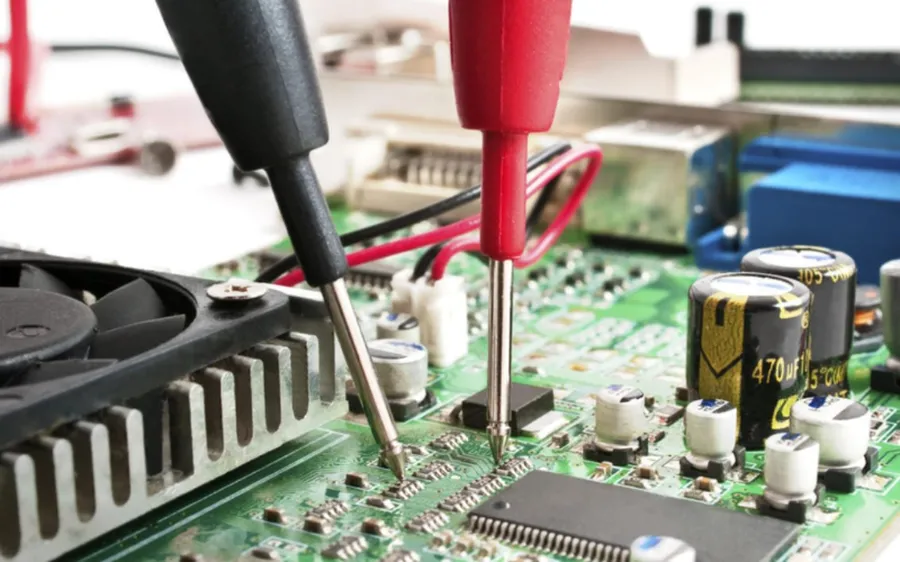
Stringent quality control and reliability testing are paramount in the manufacturing of embedded PCBs to ensure optimal performance and longevity. These measures are critical for preventing component failures and ensuring the finished product meets the required specifications for its intended application. Selecting an embedded PCB manufacturer that prioritizes robust quality control is essential to mitigate risks and achieve a reliable product.
The importance of quality control measures for embedded PCBs cannot be overstated, it is a multilayered process that spans across design review, raw material inspection, production and final assembly testing. It's imperative to engage with an embedded PCB manufacturer that deploys a comprehensive approach.
This section addresses frequently asked questions regarding embedded PCB technology and manufacturing, aiming to clarify common concerns and provide insights into this specialized field. We will explore the fundamentals, advantages, and practical aspects of embedded PCBs.
Selecting the right [embedded pcb manufacturer] is a critical step in ensuring the success of your electronic projects. By carefully considering their capabilities, material expertise, and quality control processes, you can confidently move forward with your designs, knowing that you have a reliable partner. With advancements in technology, embedded PCBs will become even more crucial in the future of electronics. Contact us today to see how our advanced technology in embedded PCB can take your designs to the next level.

