The intricate dance of modern electronics hinges on the availability of high-quality PCB components. From smartphones to spacecraft, reliable [pcb components suppliers] are the backbone of innovation. This article will be your compass, guiding you through the landscape of PCB component sourcing, providing insights into the options available, helping you choose the right partners, and ensuring your projects are equipped with the best parts the industry has to offer. This guide will help you source with confidence and clarity.
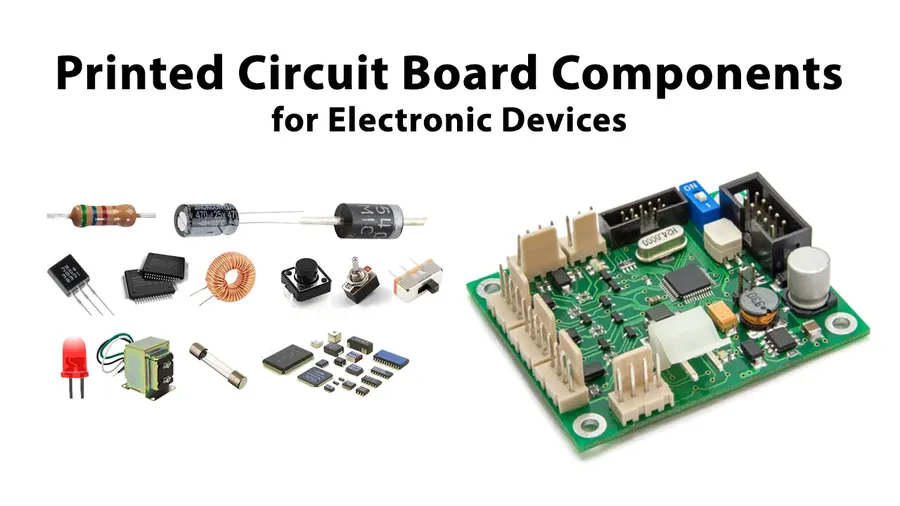
Before engaging with PCB component suppliers, a precise understanding of your project's requirements is paramount. This involves a detailed specification of component types (e.g., resistors, capacitors, integrated circuits), their quantities, acceptable tolerances, and any unique specifications. A thorough Bill of Materials (BOM) serves as the foundation for effective sourcing.
| Parameter | Description | Importance |
|---|---|---|
| Component Type | Specific type of electronic component (e.g., Resistor, Capacitor, IC) | Critical for functionality and compatibility within the circuit. |
| Quantity | The number of each component required for the production run. | Essential for accurate procurement and cost estimation. |
| Tolerance | The acceptable range of variation for component values. Often given as a percentage (e.g., 1%, 5%). | Impacts circuit performance and reliability; tighter tolerances typically increase cost. |
| Special Requirements | Unique specifications such as specific material, package type, or operating conditions | Ensures components meet specific demands and application environments. |
| Bill of Materials (BOM) | A comprehensive list of all components needed for the PCB assembly. | The cornerstone of effective sourcing, it must be accurate and complete. |

Navigating the PCB component supply chain requires understanding the diverse types of suppliers available, each offering distinct advantages and disadvantages. Selecting the right type of supplier is critical to balancing cost, quality, and lead times for your project. This section will provide a comprehensive overview of direct manufacturers, authorized distributors, independent distributors, and online marketplaces.
| Supplier Type | Description | Pros | Cons |
|---|---|---|---|
| Direct Manufacturers | Companies that produce the components themselves. | Potential for best pricing for very large quantities, direct technical support, custom components possible. | High minimum order quantities, longer lead times, less flexibility for smaller orders. |
| Authorized Distributors | Distributors who have an official agreement with the component manufacturers. | Guaranteed component authenticity, strong support and traceability, reliable supply chain. | Higher prices compared to other sources, may have limited stock of some parts, may require minimum order amounts. |
| Independent Distributors | Distributors that acquire components from various sources, not directly from the manufacturer. | Potentially lower prices, access to hard-to-find or obsolete components, flexibility in order quantities. | Risk of counterfeit components, less traceability, quality control may vary, uncertain supply chain. |
| Online Marketplaces | Platforms that allow numerous vendors to list their products. | Wide variety of components, price competitiveness, convenient for small orders. | Inconsistent quality, less transparency, potential for long shipping times, potential for counterfeit components. |
Choosing the appropriate supplier involves considering factors like project volume, budget, timeline, and the importance of component quality and traceability. For instance, direct manufacturers are ideal for large-scale production with specific requirements, while authorized distributors provide the necessary assurance of quality for critical applications. Independent distributors may be a good option when dealing with parts that have a long lead time or may be obsolete. Online marketplaces offer a wide variety of options, but one must carefully evaluate the quality and reliability.

Selecting the right PCB component supplier is paramount to ensuring the quality, reliability, and cost-effectiveness of your electronic products. A thorough evaluation of potential suppliers across several key factors is crucial for making informed decisions that align with your project's requirements and long-term goals.
| Factor | Description | Importance |
|---|---|---|
| Component Quality | The consistency and reliability of the components. Should adhere to industry standards and specifications. | High: Ensures product reliability and longevity. Prevents failures. |
| Pricing | The cost of components. Includes unit price and bulk discounts. Total cost of ownership should be considered (TCO). | Medium: Impacts project budget. Should be balanced against quality and other factors. |
| Lead Times | The time it takes from order placement to delivery of components. Critical for project scheduling. | High: Directly affects project timelines and production schedules. |
| Certifications | The compliance to industry standards (e.g., ISO, RoHS, REACH) and certifications. Ensures adherence to regulations and quality standards. | Medium: Indicates adherence to standards and regulatory compliance. |
| Reliability | The supplier's track record of delivering on time and meeting stated requirements and their ability to deliver consistent quality. | High: Essential for smooth project execution and long-term supply security. |
| Geographical Presence | The supplier's physical location and distribution network. Impacts logistics, shipping costs, and potential delays. | Medium: May impact logistics, shipping costs and delivery times. |
| Customer Service | The responsiveness and support provided by the supplier’s customer service team. Handling queries, resolving issues, and providing technical support. | Medium: Important for effective communication and timely problem resolution. |
| Reputation | The supplier's overall standing in the industry. Based on customer reviews, testimonials, and industry feedback. Check online reviews and forums. | High: Reflects the supplier's credibility and trustworthiness. |
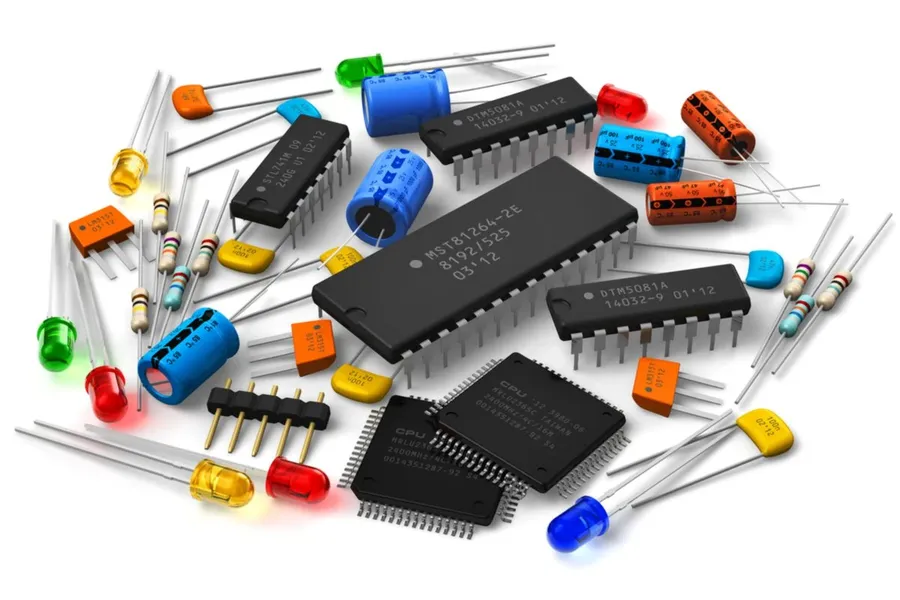
Effective sourcing strategies for PCB components are highly dependent on the scale of your project, ranging from small prototype runs to high-volume production. A strategic approach ensures cost-effectiveness and timely acquisition of necessary parts, aligning with both budget and production schedules.
| Sourcing Strategy | Project Scale | Key Considerations | Suitable Suppliers |
|---|---|---|---|
| Small Batch/Prototype | Prototype runs, low quantities | Flexibility, speed, no MOQ | Online marketplaces, authorized distributors |
| Medium-Sized Project | Moderate production, some cost sensitivity | Reliable lead times, competitive pricing | Distributors, established relationships |
| High-Volume Production | Large-scale manufacturing | Volume discounts, long-term agreements, reliability | Direct manufacturers, large distributors |
Utilizing a Bill of Materials (BOM) tool significantly enhances sourcing efficiency. These tools allow you to upload your BOM, compare pricing across multiple suppliers, and generate purchase orders, saving time and minimizing errors. Many online platforms integrate BOM management features for ease of use.
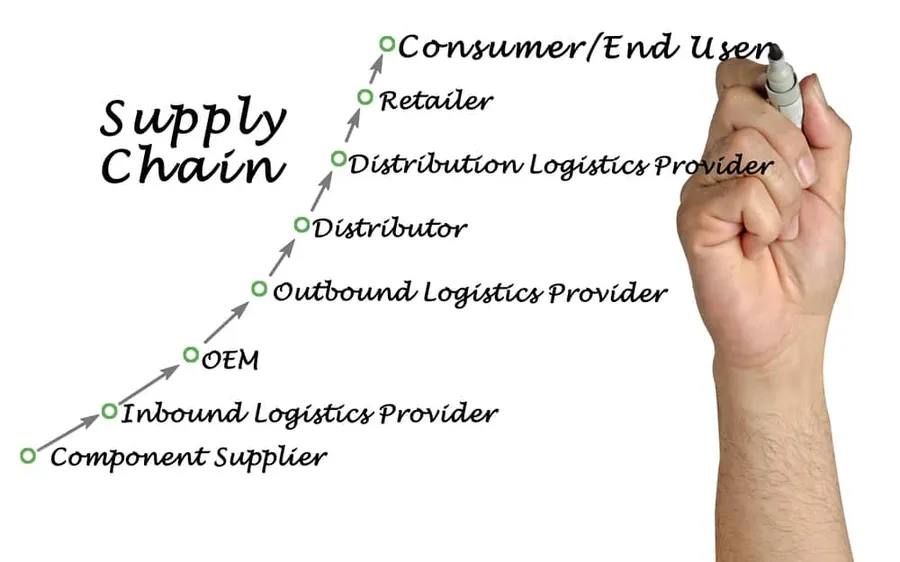
The electronics industry, including PCB manufacturing, has experienced significant supply chain disruptions in recent years, leading to component shortages and extended lead times. Effective management of these challenges is critical for maintaining production schedules and mitigating project risks. This section outlines strategies to navigate these complex issues.

The selection of PCB component suppliers is significantly influenced by the choice between online platforms and direct engagement with manufacturers or authorized distributors. Each avenue offers distinct advantages and disadvantages which can significantly impact cost, quality, and supply chain reliability. Understanding these differences is critical for making informed procurement decisions.
| Feature | Online Platforms | Direct Suppliers |
|---|---|---|
| Pricing | Often competitive, especially for small to medium-sized orders, due to aggregated demand and numerous vendors. | Pricing can be more negotiable, especially for high-volume orders, often resulting in better long-term cost benefits. |
| Component Quality | Quality can vary widely as the platform hosts numerous vendors, some of which may not adhere to strict manufacturing standards. Requires careful vendor selection and verification. | Generally higher and more consistent component quality, as direct suppliers typically adhere to stringent quality control processes. This leads to fewer defective parts and reduced risk. |
| Lead Times | Can be shorter for readily available components due to inventory at multiple vendors, though it can be unpredictable if components are not in stock. | May have longer lead times due to production schedules, but allows for better predictability and project planning. |
| Order Flexibility | Offers high flexibility in terms of small order quantities and numerous component choices, making them ideal for prototypes and small projects. | More rigid in terms of minimum order quantities (MOQs). However, they offer more flexibility in terms of customization and order changes for larger projects. |
| Customer Service | Customer service is often limited and varies between vendors. Issue resolution can sometimes be delayed and complex. | Typically offers more direct and personalized customer service. Building relationships can lead to more dedicated support. |
| Quality Control | Quality control is variable, with no direct control over the manufacturing processes. Risk of counterfeit or substandard parts is higher. | Direct suppliers provide a direct line of sight into the production process, allowing for tighter quality control and reducing the risk of receiving non-conforming parts. |
| Geographical Presence | Often has a wide geographical reach with suppliers located globally, offering a larger selection of parts. | Geographic presence may be more localized to certain production regions, impacting shipping time and costs. |
| Certifications and Compliance | Certifications and compliance may vary from vendor to vendor, requiring diligence on the buyer's part to ensure adherence to industry standards. | Direct suppliers typically provide clear certifications and compliance documents, streamlining the approval process. |
| Logistical Advantages | Online platforms are generally easy to navigate and offer efficient purchasing and order tracking. | Direct suppliers often provide logistical support, particularly for large or complex shipments. |
This section addresses common questions about PCB component suppliers, providing clear, concise answers to aid in your sourcing process. Understanding these key aspects will ensure you choose the right suppliers for your needs and navigate the complexities of the electronics components market effectively.
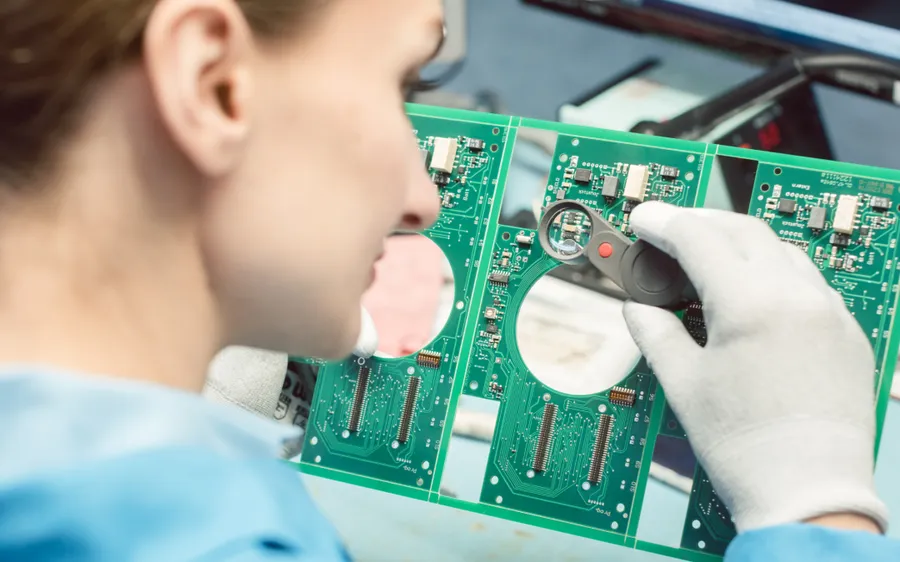
Implementing a robust quality control process for incoming PCB components is paramount to ensuring the reliability and performance of finished printed circuit boards. This process involves a multi-faceted approach encompassing visual inspections, functional testing, and adherence to established industry standards. By rigorously checking components before they are integrated into assemblies, manufacturers can significantly reduce the risk of failures and costly rework.
By incorporating these quality control measures, manufacturers can significantly reduce the occurrence of component-related failures, minimize rework and increase the overall reliability of their products. A proactive approach to component quality ensures long-term product performance and customer satisfaction.
Cultivating robust, long-term relationships with PCB component suppliers is essential for securing favorable terms, ensuring consistent component quality, and establishing a reliable supply chain. These strategic partnerships are pivotal for sustained sourcing success and predictable project timelines, moving beyond transactional interactions towards collaborative alliances.
Selecting the right [pcb components suppliers] is crucial for any successful electronics project. By understanding your needs, exploring your options, and employing effective sourcing strategies, you will be empowered to achieve consistent, quality results. This will ensure your projects have the components necessary to function well and help you deliver innovative electronic devices to the market.

