Choosing the Right Small PCB Manufacturer: A Comprehensive Guide
2025.01.13
In today's fast-paced tech world, even small projects need reliable, high-quality printed circuit boards. Whether you're a hobbyist or a small business, choosing the right small pcb manufacturer is vital to the success of your electronic endeavors. This article explores key aspects to consider, ensuring your production needs are met with efficiency and precision, guiding you through the process of finding the ideal partner to bring your electronic designs to life.
Understanding Your PCB Needs
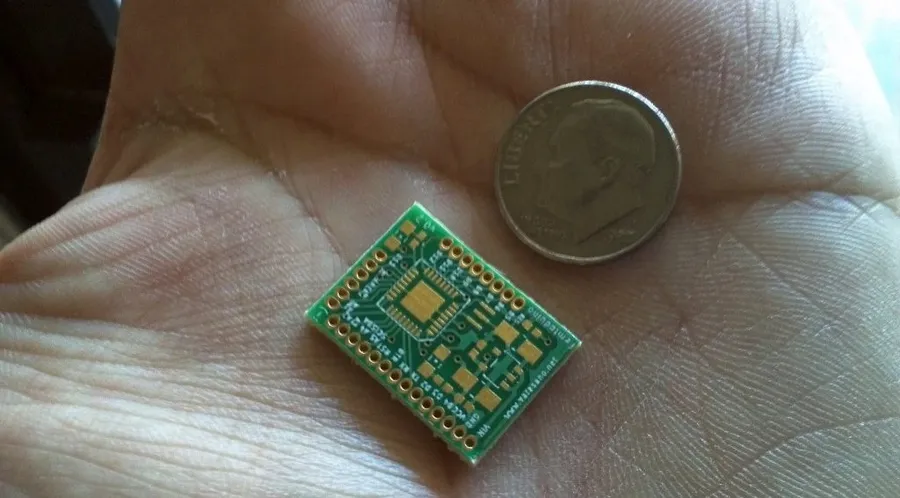
Small PCB
Before engaging a small PCB manufacturer, a thorough assessment of your project requirements is paramount. This involves a detailed evaluation of the PCB's complexity, the necessary production volume, specific material needs, and desired turnaround times. Such a comprehensive preliminary analysis ensures the selection of a manufacturer that not only meets but also aligns perfectly with the project's demands, avoiding costly delays or mismatches in capabilities.
Affects cost and manufacturer's specialization (e.g., prototype vs. high-volume)
Materials
FR-4, aluminum, flex PCB, specific laminates
Limits the pool of manufacturers with the required material capabilities
Turnaround Time
Time from design submission to delivery
Crucial for meeting project deadlines; choose manufacturers known for timely service
Key Factors in Choosing a Small PCB Manufacturer
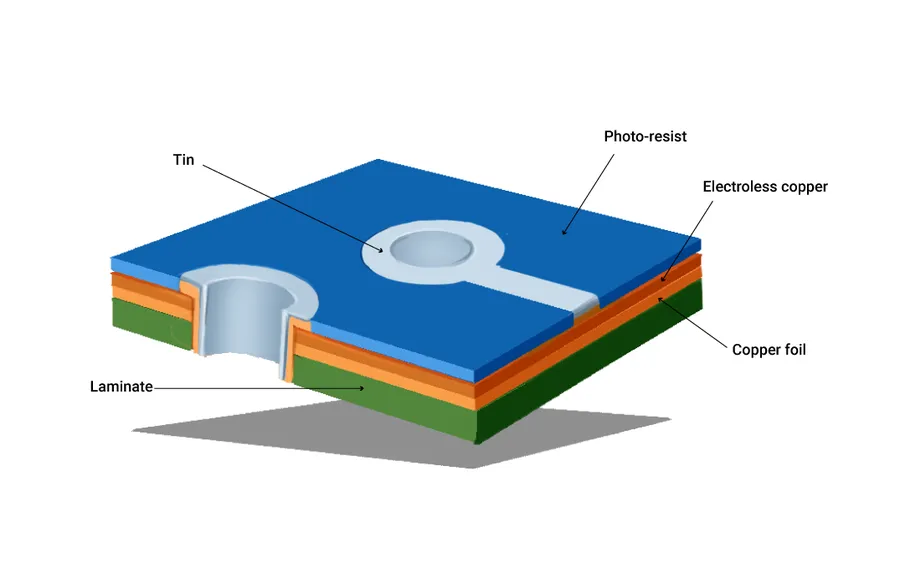
PCB Manufacturing
Selecting the right small PCB manufacturer hinges on several critical factors that directly impact the quality, cost, and timeliness of your project. These factors encompass material quality, manufacturing capabilities, precision, assembly options, turnaround time, and the level of customer support provided. A thorough evaluation of these elements ensures a reliable and successful partnership.
Factor
Description
Importance
Material Quality
Refers to the type and grade of materials used in PCB fabrication, such as FR-4, aluminum, or flexible substrates.
Directly affects the board's durability, performance, and reliability in its intended environment.
Technology Capabilities
Encompasses the manufacturer's ability to handle specific PCB complexities, such as the number of layers, trace widths, via sizes, and special processes like blind/buried vias.
Determines the manufacturer's suitability for your design's technical requirements and any specialized needs.
Fabrication Precision
Indicates the accuracy with which the manufacturer can produce the PCB, including trace etching accuracy, layer alignment, and drilling precision.
Critical for achieving the designed circuit performance and minimizing production errors.
Assembly Options
Covers services offered for component placement, soldering, and post-assembly processes, ranging from manual to fully automated assembly lines.
Important if you require a turnkey solution where the manufacturer also handles the assembly process.
Turnaround Time
The time required from order placement to delivery of the finished PCBs, affecting project timelines significantly.
Essential for projects with tight deadlines; faster turnaround often implies higher costs.
Customer Support
The availability and responsiveness of the manufacturer's support team in addressing queries, issues, and providing technical assistance.
Crucial for effective communication and problem resolution throughout the production process.
Low-Volume PCB Production Options
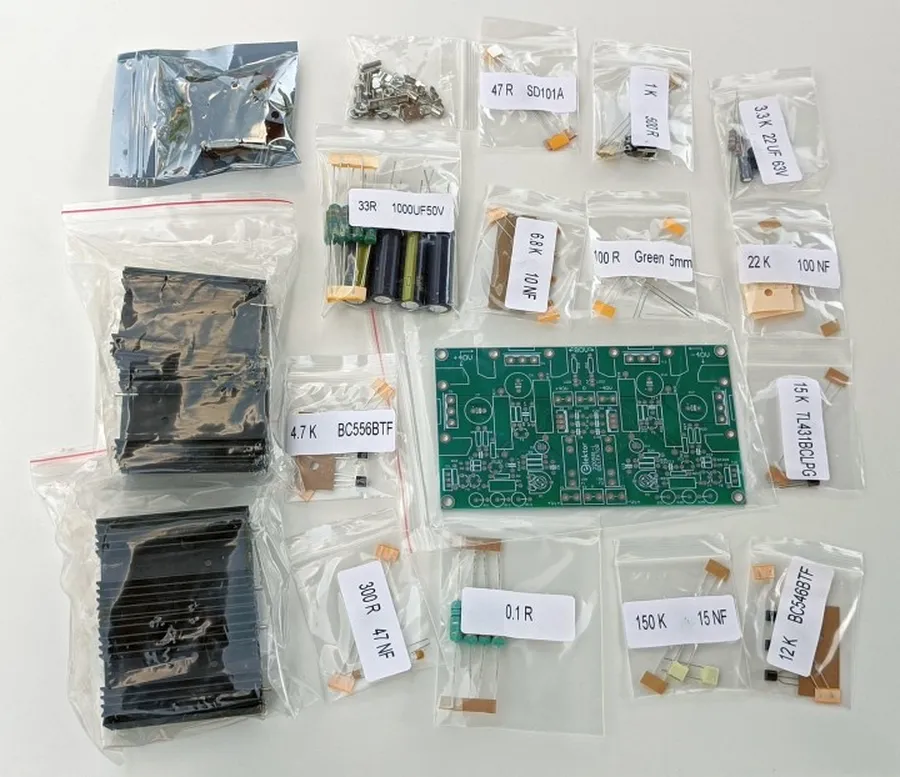
Low Volume PCB Batch
Low-volume PCB production caters specifically to the needs of prototyping and small-scale manufacturing runs, providing a cost-effective alternative to mass production. These services are designed for rapid turnaround, allowing for quick iterations in product development cycles and are especially beneficial for companies or individuals requiring small batches of PCBs, ensuring affordability and flexibility.
Prototyping Services These services provide a quick and economical way to test your PCB design. Low-volume production allows for easy modifications and adjustments based on testing.
Small Batch Production Ideal for niche products or initial market testing, small batch production allows for manufacturing in quantities that don't necessitate large capital investments.
Fast Turnaround Times Low-volume manufacturers often offer expedited services, allowing you to receive your PCBs within a few days, enabling quick iteration cycles.
Cost-Effectiveness Compared to traditional mass production, low-volume services reduce setup costs for small quantities, making them an ideal option for startups and smaller projects.
Feature
Low-Volume PCB Production
High-Volume PCB Production
Quantity
Small batches, typically under 1000
Large batches, typically thousands or more
Cost per PCB
Higher per unit, lower total initial cost
Lower per unit, higher total initial cost
Turnaround Time
Faster, often within days
Longer, weeks or months
Suitability
Prototyping, small scale production, customized projects
Mass production, products with large demand
Flexibility
Higher flexibility, easy to modify design
Lower flexibility, difficult to change design
Comparing PCB Manufacturers: Key Players in the Market
PCB Factory
Selecting the right PCB manufacturer is crucial for the success of any electronics project. This section offers a comparative analysis of several key players in the small PCB manufacturing market, including PCBWay, JLCPCB, and OSH Park. We examine their distinct strengths, weaknesses, pricing models, and specialized services to aid in making an informed decision when choosing a small PCB manufacturing partner.
Manufacturer
Strengths
Weaknesses
Pricing
Specialty Services
PCBWay
Wide range of services, including PCB fabrication, assembly, and SMT stencils; good for both prototyping and medium-volume production; active online community.
Can be slightly more expensive for very simple or small orders compared to others; lead times can vary.
Competitive pricing, offers instant online quotes, and volume discounts.
Advanced PCB technologies, SMT assembly, component sourcing, and design for manufacture (DFM) checks.
JLCPCB
Highly cost-effective for small to medium-volume orders; fast turnaround times; user-friendly online platform.
Limited component sourcing options, less responsive customer service compared to some competitors.
Very aggressive pricing, particularly for standard PCBs and low-complexity designs.
SMT assembly, PCB prototyping, and a wide variety of PCB stackups and specifications.
OSHPark
Excellent for hobbyists and small projects; known for its quality and reliability; good for smaller, simple designs.
Can be expensive for complex designs; fewer customization options compared to PCBWay and JLCPCB.
Standardized pricing based on board size; less flexible pricing for special requests.
Focus on high-quality, low-complexity boards for prototyping and educational purposes.
Navigating the Cost of Small PCB Production
PCB Cost
Understanding the cost drivers in small PCB production is crucial for budget-conscious projects. Several factors contribute to the overall expense, including the materials used, the number of layers required, the complexity of the design, and whether assembly services are needed. By carefully managing these elements, you can significantly reduce the cost of your small PCB production.
Cost Factor
Description
Impact on Cost
Material Type
FR-4, Aluminum, Rogers, etc.
Higher performance materials increase cost
Number of Layers
Single-layer, double-layer, multi-layer
More layers lead to a substantial cost increase
Board Complexity
Fine traces, vias, component density
Increased complexity raises manufacturing difficulty and cost
Board Size
Area of PCB
Larger boards consume more material
Surface Finish
HASL, ENIG, Immersion Silver
Different finishes vary in price
Assembly Service
Component sourcing, pick and place, soldering
Adding assembly significantly impacts the total price
Quantity of Boards
Number of PCBs being ordered
Larger orders reduce per-board cost
To optimize your PCB design for cost-efficiency, consider these practical tips: use standard component footprints when possible, design with fewer layers if feasible, and minimize board size without compromising functionality. Additionally, providing accurate and comprehensive design files can prevent production errors that lead to additional expenses.
Small PCB Assembly Services: What to Consider
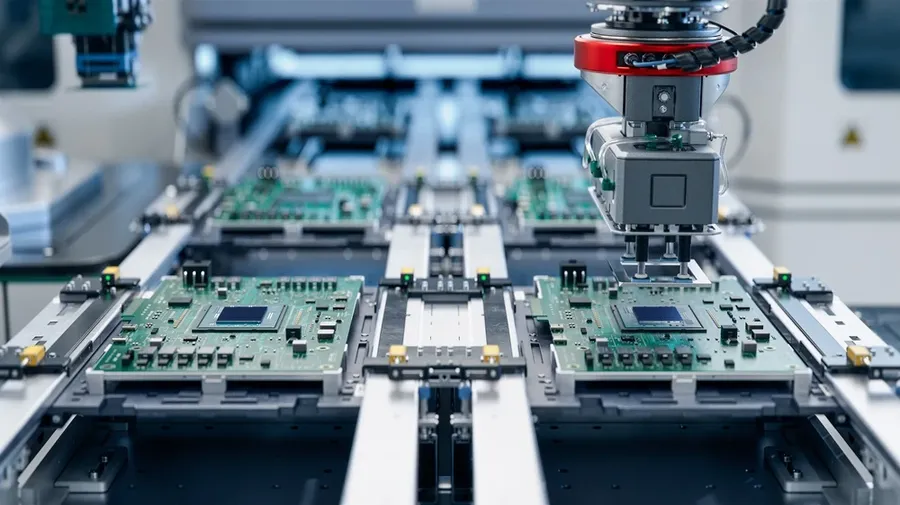
PCB Assembly
The transition from a bare fabricated PCB to a functional electronic assembly often requires specialized services. This section delves into the crucial aspects of PCB assembly, focusing on component sourcing, pick-and-place operations, and essential testing procedures when working with a small PCB manufacturer.
Component Sourcing Reliable component sourcing is paramount. A dependable manufacturer will either have an established supply chain or offer sourcing services, ensuring that all parts meet the required specifications and quality standards. This can include active and passive components, connectors, and other necessary hardware.
Pick-and-Place Services Automated pick-and-place machines offer precision and speed in mounting components onto the PCB. The accuracy of these machines is crucial, especially for surface mount technology (SMT) components. Understanding the capability and precision of the pick-and-place service ensures that components are placed correctly, reducing errors and rework.
Soldering Techniques Reflow soldering is a common method used in PCB assembly, ensuring all solder joints are uniformly heated and cooled for a reliable electrical connection. The manufacturer's ability to precisely control the soldering process is a key indicator of their quality and consistency. Different techniques may be used for thru-hole components or specialized assembly requirements.
Testing Procedures Functional testing, after assembly, is important. A thorough testing process validates that the assembled PCB performs according to the design specifications. This can include visual inspection, in-circuit testing (ICT), and functional testing, all critical to identify any assembly or component issues before final delivery. Test fixtures and comprehensive testing methodologies must be in place.
Assembly Documentation and Support Clear and comprehensive assembly documentation is crucial, including BOMs (Bill of Materials), assembly drawings, and any specific instructions. Furthermore, the manufacturer should provide support throughout the assembly process, addressing any potential issues and providing assistance.
Frequently Asked Questions About Small PCB Manufacturers
This section addresses common questions regarding PCB design, production, and assembly, focusing on the selection and utilization of small PCB manufacturers to help you navigate the complexities of PCB fabrication with greater clarity.
What is the smallest size of a PCB board that can be manufactured? The smallest manufacturable PCB size depends on the specific manufacturer's capabilities and technology. However, advanced manufacturers can produce PCBs with dimensions as small as a few millimeters. The practical limit is generally dictated by component size and the minimum feature size (trace width, spacing) achievable with the fabrication process. For hobbyist and small-scale projects, boards with a few square centimeters are common.
Who are considered the best small PCB manufacturers? Identifying the 'best' manufacturer varies based on specific needs like cost, lead time, and complexity. However, several manufacturers are consistently recognized for their quality and service including JLCPCB, PCBWay, and OSH Park. JLCPCB is noted for its competitive pricing and rapid turnaround times, while PCBWay provides a broader spectrum of manufacturing and assembly options. OSH Park is frequently recommended for high-quality, low-volume production runs, especially within the hobbyist community. The optimal choice depends on your project’s requirements.
What is the most cost-effective method for producing PCBs in small quantities? For low-volume PCB production, ordering directly through online PCB manufacturers like JLCPCB, PCBWay, and Seeed Studio is often the most cost-effective option. These manufacturers typically offer batch production services, which lowers the cost per board compared to custom, one-off production. Utilizing their standardized offerings, optimizing design for cost-effectiveness and using online quoting and ordering platforms are essential to minimizing the cost per board.
Which companies specialize in manufacturing PCBs? Numerous companies specialize in PCB manufacturing, ranging from small-scale operations catering to hobbyists to large-scale manufacturers supporting major industries. Key players in the market include JLCPCB, PCBWay, OSH Park, and Seeed Studio. Each specializes in different production scales, technologies, and geographic reach. JLCPCB is strong in rapid prototyping at a low cost. PCBWay provides comprehensive services from prototyping to assembly. OSH Park is preferred for high-quality boards. Seeed Studio offers comprehensive open-source hardware solutions, which include PCB manufacturing.
What are the key considerations when choosing between different small PCB manufacturers? Key factors to consider when choosing a small PCB manufacturer include the quality of materials used, the precision and accuracy of fabrication, the technology capabilities of the manufacturer in relation to your design requirements, the turnaround time offered, the options for assembly and the level of customer service and support provided. It's also critical to compare pricing structures, any minimum order quantities, and specific technical capabilities like layer count, material types, and via technologies.
What is the typical turnaround time for small PCB orders? Turnaround time for small PCB orders can vary significantly depending on the manufacturer and the complexity of the design. Some manufacturers offer expedited services for rapid prototyping, which can deliver boards within a few days, while standard production times typically range from one to two weeks. Assembly services might add additional time to the overall process. Factors like the number of layers, special materials or finishes, and specific assembly requirements affect production times.
How can I ensure the quality of PCBs from small manufacturers? To ensure the quality of PCBs from small manufacturers, it is important to review their manufacturing capabilities, their material quality, and any available reviews from other clients. Requesting sample boards or prototype runs, inspecting the boards upon arrival for defects, and ensuring clear communication regarding your design requirements with the manufacturer are best practices to safeguard quality. It is important to choose manufacturers with quality certificates like ISO and good industry reputations.
Actionable Tips for Successful Small PCB Orders
PCB Orders
To ensure a smooth and successful fabrication process when ordering small PCBs, several actionable steps are crucial. These focus on optimizing your design, correctly preparing your files, and maintaining clear communication with your chosen small PCB manufacturer. Following these guidelines will minimize errors, reduce delays, and ensure the final product meets your specifications.
Optimize Your PCB Design Begin by designing your PCB with manufacturability in mind. Adhere to the manufacturer's design rule check (DRC) specifications, such as minimum trace width, spacing, and via sizes. Using standard component footprints and avoiding unnecessary complexity will also facilitate a smoother fabrication process. Consider design for testing (DFT) principles during your design phase, to enable easier testing after assembly.
Choose the Correct File Formats Ensure you are submitting the correct file formats to the manufacturer. Gerber files are the industry standard for PCB manufacturing, containing all the necessary information about layers, copper traces, drill holes, etc. It is essential that these files are generated correctly from your PCB design software, including any necessary drill files. Include a readme file outlining crucial information and layer stack up. Always double-check the exported Gerber files using a free Gerber viewer to ensure everything is as expected before sending them to your small PCB manufacturer. Additionally, ensure that component placement data (centroid or pick-and-place files) are included for assembly purposes.
Communicate Clearly with Your Manufacturer Effective communication with your small PCB manufacturer is paramount. Provide comprehensive documentation with your design files, including any specific requirements or notes. Be clear about your expectations in terms of materials, tolerances, surface finish, and delivery times. Always confirm that the manufacturer understands your project's unique requirements before proceeding with production. This will minimize potential misunderstandings and ensure the delivered boards match your project specifications. If you are unsure about any aspect, ask for clarification from the manufacturer prior to production.
Double-Check Your Bill of Materials (BOM) For assembled PCBs, carefully verify your BOM. Ensure that all components are available, clearly specified with correct part numbers, and aligned with the manufacturer's sourcing capabilities. Providing complete and accurate information for each component, including the manufacturer's name, part number, and package type, will significantly reduce the chances of delays or assembly errors. If the manufacturer is performing component sourcing, allow them sufficient lead time and provide alternative components if necessary.
Consider Panelization for Cost-Effectiveness Panelizing your design (arranging multiple PCBs on a single board) can significantly reduce costs, particularly for small PCBs. Check with your manufacturer about their panelization capabilities and requirements. Panelization can reduce per-unit cost for both fabrication and assembly. Ensure that the panel separation method (V-groove or milling) is appropriate for your needs. Consider the complexity and assembly needs when panelizing your design.
Choosing the right small pcb manufacturer is crucial for both prototype development and low-volume production. By assessing your needs, comparing service offerings, and understanding the cost factors, you can successfully navigate the market. Look for a partner that not only meets your immediate needs but also supports your long-term goals. This informed approach will help ensure the success of your projects by choosing the right small pcb manufacturer, leading to cost-effective and high-quality PCB fabrication and assembly.