In our increasingly interconnected world, printed circuit boards (PCBs) are the unsung heroes powering our devices. But how much does it actually cost to transform an idea into a functional PCB? The answer isn't straightforward, with PCB layout services cost varying widely. This guide is designed to unravel the complexities, providing clear insights into the factors influencing pricing, whether you are developing a simple gadget or a complex industrial machine. We'll explore the different pricing models, typical rates, and ways to manage costs effectively, ensuring you can confidently embark on your next electronics endeavor.
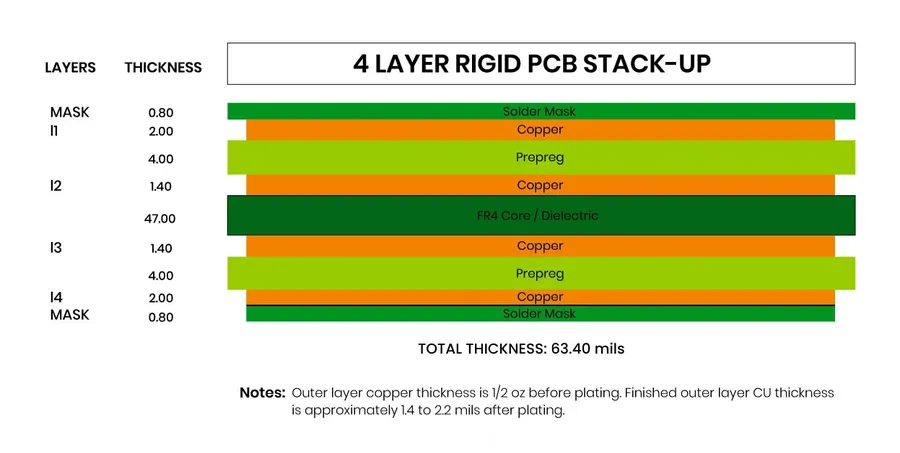
The cost of PCB layout services is not a fixed figure; it is a dynamic value influenced by a confluence of factors inherent to the design and the service provider. A thorough understanding of these elements is crucial for effective budgeting and project planning. This section elucidates the primary drivers of PCB layout costs, empowering informed decision-making.
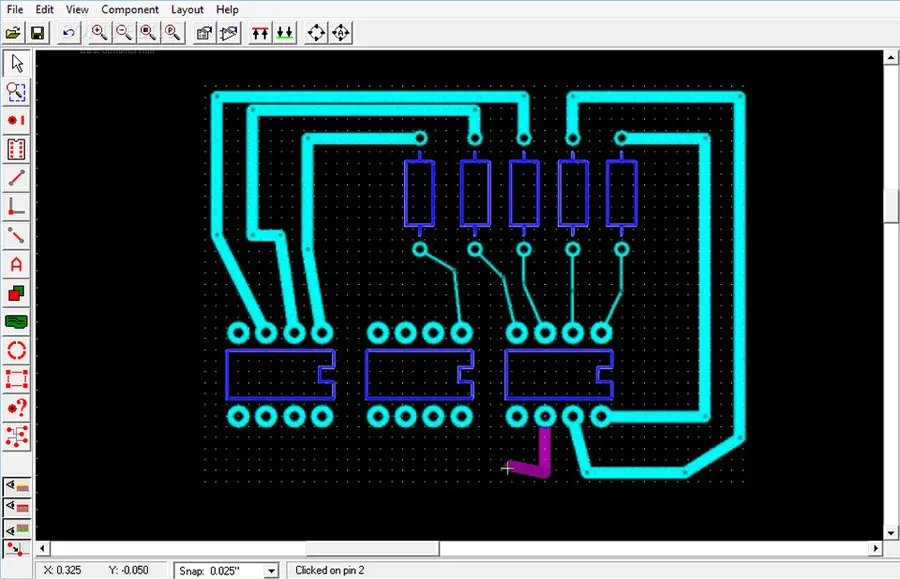
The cost of PCB layout services can be structured in two primary ways: hourly rates or project-based pricing. Understanding the nuances of each model is critical for budget management and ensuring you receive the best value for your investment. The choice between these models often depends on project scope, complexity, and your comfort level with managing the design process.
Hourly Rate Pricing: This model charges clients based on the time spent by the designer working on the PCB layout. Rates typically fluctuate based on the designer's experience, expertise, and geographical location. Experienced designers or those specializing in complex layouts command rates from $50 to $150 per hour or more. This model is beneficial for projects where the scope is not clearly defined or where frequent changes are anticipated. However, it can lead to cost overruns if the design process is not carefully managed and if scope creep occurs.
Project-Based Pricing: With project-based pricing, a fixed fee is agreed upon before the project commences. This pricing model offers greater budget predictability, as clients know the total cost upfront. Project-based pricing is preferred for well-defined projects with clear specifications and minimal anticipated changes, but changes to requirements mid-project could lead to additional cost.
| Pricing Model | Description | When to Use | Advantages | Disadvantages |
|---|---|---|---|---|
| Hourly Rate | Cost is calculated based on the number of hours spent on the project. | Projects with unclear scopes or anticipated changes. | Flexibility, Cost-effective for well-defined small projects, Transparent tracking of hours spent | Potential for cost overruns due to unforeseen complications or scope creep, Less budget predictability. |
| Project-Based | A fixed fee is agreed upon before the start of the project, regardless of time spent. | Projects with clearly defined scopes and specifications. | Predictable budget, Easier cost management, Protection from cost overruns due to scope creep | Less flexibility, Cost may be higher if project is simpler than anticipated, difficult to make changes mid-project |
Negotiating the Best Terms: When negotiating, consider your project's complexity and scope. For hourly rates, ask for an estimate of total hours required. For project-based pricing, ensure that all project requirements and deliverables are explicitly defined in the contract to avoid disputes and additional charges. It is often beneficial to obtain multiple quotes from different designers to understand the market rate and ensure you are getting a fair price. Furthermore, asking about the designers process including communication frequency and process transparency is useful to have a well managed project.

The cost of PCB layout services is significantly influenced by the complexity of the project. Understanding how complexity impacts pricing is crucial for effective budget management. Generally, costs can range from a few hundred dollars for simple designs to several thousand for highly complex multi-layer boards. This section will provide a breakdown to help set clear cost expectations.
| Project Complexity | Description | Estimated Cost Range |
|---|---|---|
| Simple, Single or Double-Sided PCB | Basic boards with through-hole components, few layers and minimal routing. Example: simple LED circuit. | $200 - $1000 |
| Intermediate, Multi-Layer PCB (4-6 Layers) | Boards with moderate component density, fine-pitch components, and some impedance control. Example: simple microcontroller board. | $1000 - $3000 |
| Complex, Multi-Layer PCB (8+ Layers) | High component density, advanced routing, high-speed design, and impedance matching requirements. Example: high-speed memory interface board. | $3000 - $10,000+ |
| Highly Complex, High-Density Interconnect (HDI) | Extremely dense boards with microvias, blind and buried vias, and very fine traces and spacing. Example: complex mobile or network device. | $8,000 - $20,000+ |

The cost of PCB layout services is significantly influenced by geographic location due to variations in labor costs, market competition, and the overall economic landscape of different regions. These factors can lead to substantial price differences for similar services.
Regions with lower labor costs, such as China, often offer more cost-effective PCB layout services. Conversely, regions with higher labor costs, such as North America and Western Europe, typically have higher prices, reflecting increased operating expenses and a different pricing structure.
| Region | Typical Cost per Hour (USD) | Cost-Effectiveness | Additional Notes |
|---|---|---|---|
| China | $20 - $50 | High | Large talent pool, high competition, potentially lower quality |
| India | $25 - $60 | High | Growing talent pool, diverse skill sets, communication might be a consideration |
| Eastern Europe | $30 - $70 | Medium | Good technical skill, moderate prices, may have time zone differences |
| North America | $75 - $180+ | Low | High level of expertise, robust infrastructure, higher costs |
| Western Europe | $80 - $170+ | Low | High level of expertise, strong compliance and regulatory standards, higher costs |
It's important to note that while cost is a major factor, considering factors like communication proficiency, intellectual property protection, compliance with regulatory standards, and quality assurance is also important. Engaging with regions that are cost-effective yet provide necessary assurances of quality, communication standards, and data security is very crucial.

Optimizing PCB layout costs without sacrificing quality is crucial for project success. This section details strategies for achieving cost-effectiveness, focusing on clear specification, smart designer selection, and Design for Manufacturability (DFM) implementation to minimize costly revisions and production delays.
Understanding the costs associated with PCB layout services can be complex. This section addresses common questions to provide clarity and help you make informed decisions.
Choosing between DIY and professional PCB layout services involves evaluating cost against expertise, time, and desired quality. A detailed comparison helps in making an informed decision, balancing budget constraints with project requirements.
| Feature | DIY PCB Layout | Professional PCB Layout |
|---|---|---|
| Initial Cost | Lower, primarily software and learning curve related costs. | Higher, includes designer's fees and project management overhead. |
| Time Investment | Significant, especially for beginners, involves learning software, debugging design issues, and manual verification. | Less, design process is faster due to the expertise of professionals and established workflows. |
| Expertise | Limited to own skill and knowledge, potential errors due to lack of experience. | High, professional designers have extensive experience and knowledge of best practices. |
| Design Quality | May vary, often lower quality due to design errors, and may require multiple design iterations | High, designs are optimized for manufacturability and performance. |
| Software | Free or low-cost software options available. | Often uses industry-standard professional software (e.g., Altium Designer, Cadence Allegro). |
| Complexity Handling | Suitable for simple, single or double layer designs. | Handles complex multi-layer, high-density designs efficiently. |
| Design For Manufacturability (DFM) | Limited, may lead to manufacturing issues. | Integrated, design is optimized for smooth manufacturing process with reduced risk of errors and extra cost. |
| Error Correction and Iteration | Time-consuming and costly if not handled properly | Efficient, quick correction of design issues. |
| Overall Project Cost | Potentially lower for simple designs, but may increase due to errors and iterations. | Higher initial cost but potentially more cost-effective for complex projects due to optimized design. |
| Risk | Higher risk of design flaws and manufacturing issues. | Lower risk due to experience and professional design practices. |
| Support | Limited, relies on online communities, tutorials and self-learning | Professional support available throughout the design process. |
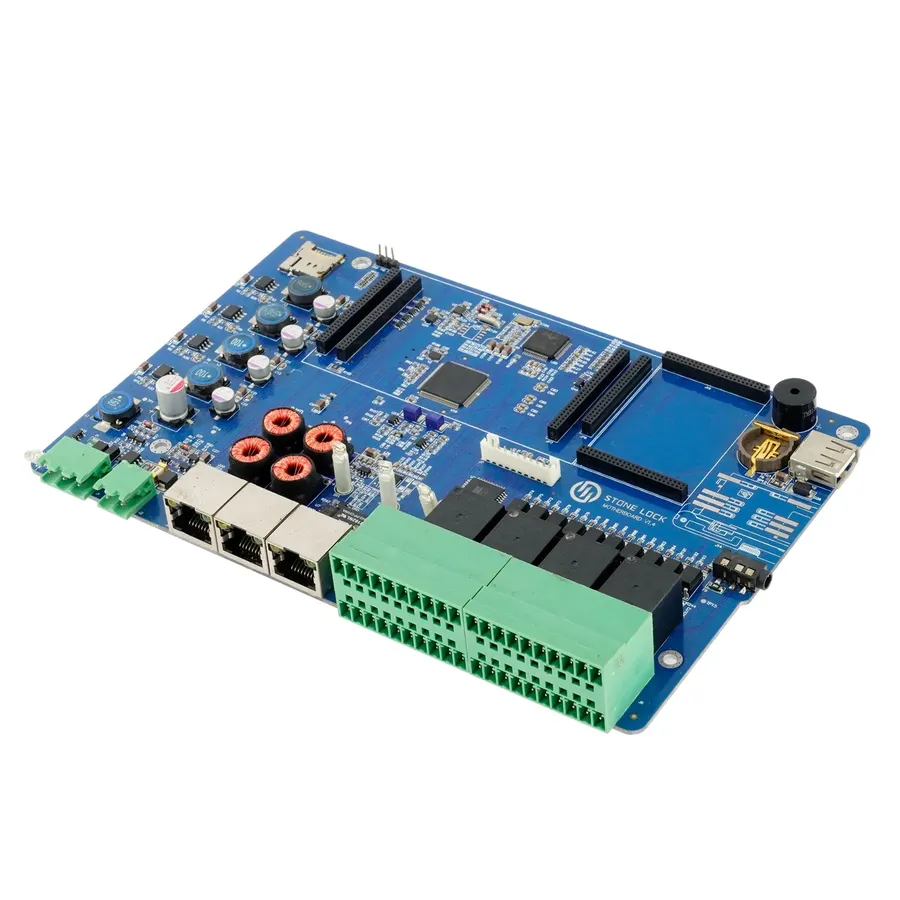
Analyzing real-world PCB layout projects provides invaluable insights into how pricing models and design choices significantly affect overall project costs. These case studies highlight the importance of strategic decision-making throughout the design process.
Consider a project involving a simple two-layer PCB for a basic sensor module. Using a fixed-price model, the client secured a deal for $500. This option minimized costs compared to the hourly rate, which would have depended on design hours. However, this model requires detailed specification from the client and may incur additional costs if further design changes are needed. On the other hand, a complex multi-layer PCB for an advanced medical device utilized an hourly pricing model at a rate of $120. While the hourly cost was higher, the model allowed for necessary revisions during the design process, ensuring optimal performance. The project totaled $6,000 over time, with the increased price offset by the necessity of ongoing design modifications.
Another project for a four-layer PCB for an industrial controller serves as an example of the importance of design for manufacturability (DFM). Initial estimates, without DFM considerations, came in at $2,500. However, by adhering to DFM practices, such as selecting readily available components and ensuring adequate spacing between elements, the cost was reduced by 20% without compromising the quality of the board.
These examples demonstrate that the total cost of PCB layout services is not just about the price but about project management and clear design requirements. It is also essential to explore and understand the trade-offs between various pricing models and the value of adopting DFM principles to control costs effectively while ensuring project success. Each project illustrates that a well-defined and thoughtful strategy is key to managing expenses.
Navigating the cost of PCB layout services requires a blend of understanding the various pricing models, the factors that influence these costs, and finding ways to optimize expenses. Whether you opt for hourly rates, project-based fees, or a hybrid model, always factor in the complexity of your project, the designer's expertise, and geographical considerations. By combining realistic budgets with informed decisions, your PCB project will be on the path to success, with the pcb layout services cost managed efficiently. Ultimately, it's about balancing value and costs for the best outcome.

